
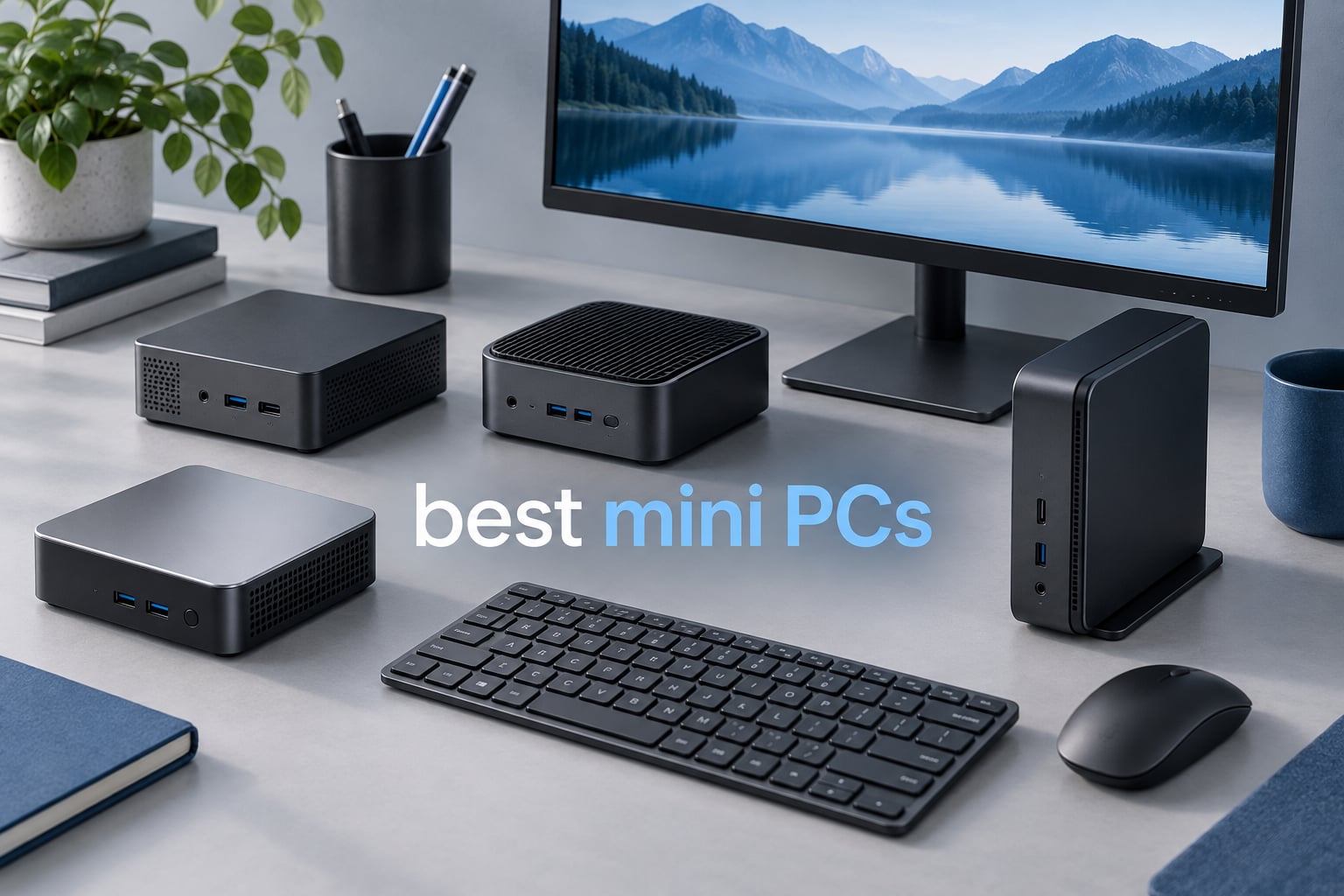
The best mini PCs are the ones you stop noticing. They sit behind a monitor, draw a fraction of the power a tower does, and quietly do office work, media playback, triple-monitor productivity and a surprising amount of light gaming. After putting fifteen of them side by side, reading every verified review we could find, and mapping ports, memory limits and warranty terms, one machine takes the top spot for overall capability: the Apple Mac mini with the M4 chip, a 10-core CPU and 10-core GPU packed into a 5 x 5 inch, 1.5 pound aluminum box with a 4.8 star rating across more than 2,400 reviews.
That said, no single mini PC wins every category, and the interesting decisions happen in the details. A 2.5GbE port matters more than a fast chip if you are building a home server. Soldered memory ends the upgrade path that most buyers assume they have. A 32GB soldered chip in a heavier chassis may serve an AI developer far better than the thinnest box on the market. So this guide covers the full field: the best budget box, the best upgradeable one, the best for local AI workloads, the best for eGPU expansion, and the honest downsides of the format.
We updated this roundup for 2026 and every spec listed below comes from the manufacturer data and owner reviews for that exact model. Pricing moves constantly, so the Check Latest Price buttons on each card are the only price reference here. Our picks: the Mac mini for nearly everyone who can live in the Apple ecosystem, the KAMRUI Pinova P2 as the value standout, and the GMKtec M7 Ultra as the best-connected Windows box we tested.
Table of Contents
Top 3 Picks: Best Mini PCs in 2026

Apple Mac mini M4 16GB 256GB
- M4 10-core CPU and 10-core GPU
- 16GB unified memory
- 256GB SSD
- 5 x 5 inch chassis at 1.5 pounds
GMKtec M7 Ultra 32GB 512GB
- Ryzen 7 PRO 6850U with Radeon 680M
- Oculink and dual USB4
- dual 2.5GbE networking
- three M.2 storage slots

KAMRUI Pinova P2 16GB 256GB
- Ryzen 3 7330U 4C/8T at up to 4.3GHz
- 16GB LPDDR4X
- dual M.2 storage to 4TB
- triple 4K output at 28W
All 15 Mini PCs Compared Side by Side in 2026
Every machine below appears with its processor, memory type and the detail that most affects day-to-day usability. Max memory and max storage are the ceiling each manufacturer states, not what the configuration includes.
| Product | Specifications | Action |
|---|---|---|
| Apple Mac mini M4 16GB 256GB |
|
Check Latest Price |
| KAMRUI Pinova P2 16GB 256GB |
|
Check Latest Price |
 ACEMAGIC K1 Ryzen 7 7730U 16GB 512GB ACEMAGIC K1 Ryzen 7 7730U 16GB 512GB |
|
Check Latest Price |
 Beelink SER9 Max 32GB 1TB Beelink SER9 Max 32GB 1TB |
|
Check Latest Price |
| GMKtec M7 Ultra 32GB 512GB |
|
Check Latest Price |
 GMKtec M5 Ultra 32GB 512GB GMKtec M5 Ultra 32GB 512GB |
|
Check Latest Price |
 Beelink SER5 16GB 480GB Beelink SER5 16GB 480GB |
|
Check Latest Price |
 GEEKOM A9 Max 32GB 2TB GEEKOM A9 Max 32GB 2TB |
|
Check Latest Price |
 GEEKOM IT13 MAX 24GB 500GB GEEKOM IT13 MAX 24GB 500GB |
|
Check Latest Price |
 BOSGAME E2 Plus 8GB 256GB BOSGAME E2 Plus 8GB 256GB |
|
Check Latest Price |
 BOSGAME E5 8GB 256GB BOSGAME E5 8GB 256GB |
|
Check Latest Price |
 GMKtec M6 Ultra 32GB 1TB GMKtec M6 Ultra 32GB 1TB |
|
Check Latest Price |
 MINISFORUM AI X1 Pro-370 32GB 1TB MINISFORUM AI X1 Pro-370 32GB 1TB |
|
Check Latest Price |
 KAMRUI Pinova P1 16GB 256GB KAMRUI Pinova P1 16GB 256GB |
|
Check Latest Price |
 Dell OptiPlex 7050 Micro 16GB 256GB Renewed Dell OptiPlex 7050 Micro 16GB 256GB Renewed |
|
Check Latest Price |
How We Chose
Mini PC listings are noisy because the same model name ships in dozens of RAM, storage and wireless variants. To keep the field honest, we read owner reviews against the specific configuration each card lists, and we cross-checked them against long-running owner discussion on r/MiniPCs.
Every pick had to clear six tests. First, processor class: anything below a 4-core Zen 3 or equivalent chip was out for a primary machine, because the flood of N-series and 3500U-class listings trades away too much multi-core work. Second, memory: we flagged every model with soldered RAM, and we are explicit about it below. Third, ports: we counted display outputs, Ethernet speed and whether USB4 or Oculink exists. Fourth, thermals and acoustics, where the manufacturer states a decibel figure. Fifth, warranty length, which ranges from 90 days on a renewed office box to three years on several of the newer models. Sixth, review depth, because a 4.5 star average built on 400 owners tells you less than the same average across 2,000.
We also weighed the things buyers rarely think about until the box arrives: whether a barebones listing exists at all, whether the drive is NVMe or SATA, and whether support will actually answer when a unit fails. That last one separates the brands more than any benchmark.
1. Apple Mac mini M4 16GB 256GB – Best Overall
Apple 2024 Mac mini Desktop Computer with M4 chip with 10‑core CPU and 10‑core GPU: Built for Apple Intelligence, 16GB Unified Memory, 256GB SSD Storage, Gigabit Ethernet. Works with iPhone/iPad
M4 10-core CPU and 10-core GPU
16GB unified memory
256GB SSD
5 x 5 x 2 inch at 1.5 pounds
Pros
- Extremely compact and genuinely silent
- Fast boot and snappy day-to-day response
- Up to three displays including two 6K
- Microsoft 365 and Adobe apps run quickly
- Excellent iPhone and iPad integration
Cons
- No USB-A ports at all
- 256GB SSD and 16GB memory are tight for heavy work
- Power button moved to the underside
The M4 Mac mini is the machine I recommend to people who do not want to think about specifications. It boots in roughly 45 seconds according to owners, and the 10-core GPU handles 4K video editing timelines and light creative work without breaking a sweat.
It is close to silent in normal use. Owners report the fans rarely activate at all, which makes it the model I would put in a bedroom or a recording-adjacent workspace without hesitation.
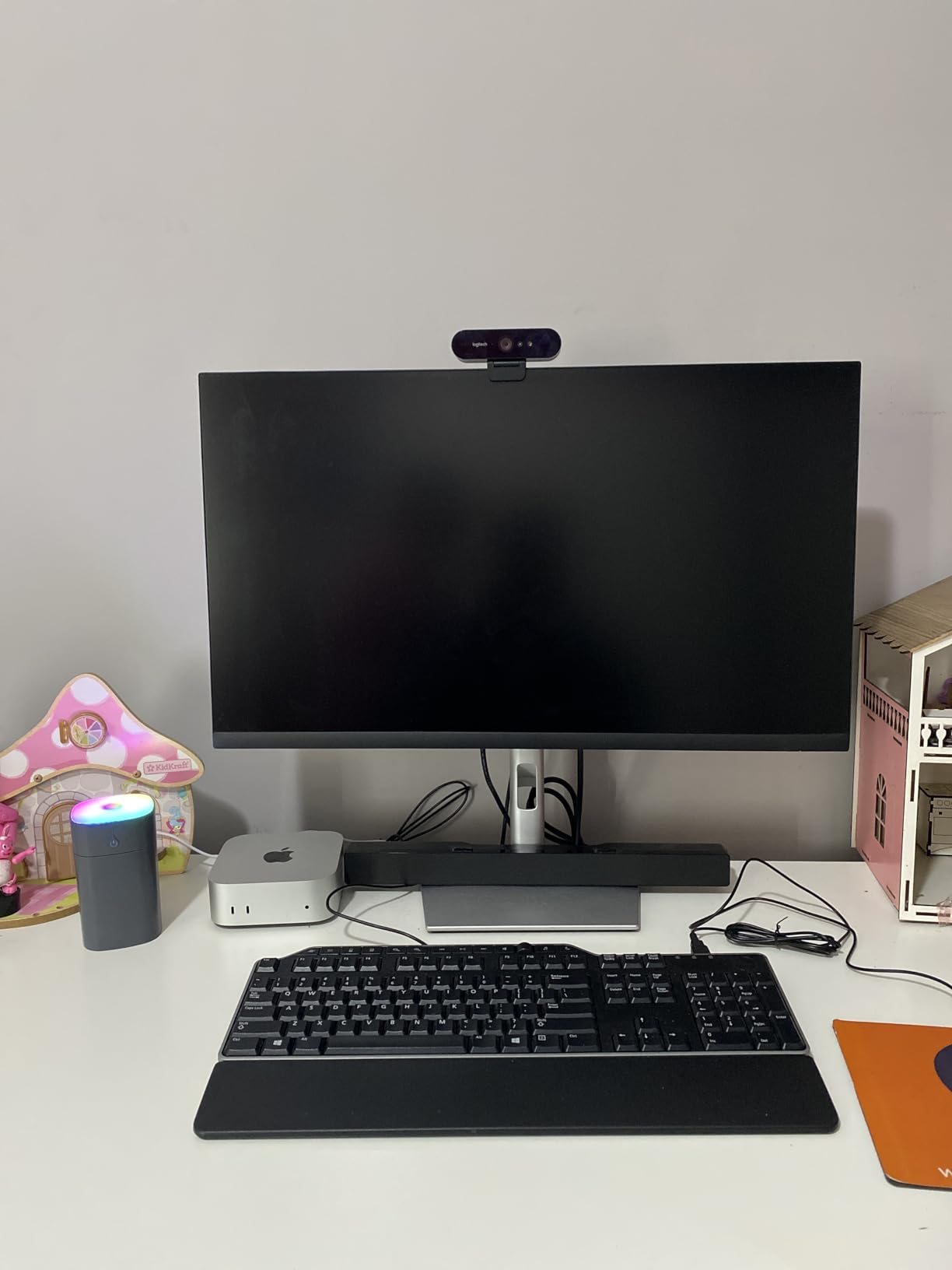
The 4.8 star rating across more than 2,400 reviews is the deepest review base of any machine here, and 91% of those reviews are five star. Migration Assistant transfers from an older Mac are repeatedly described as painless, and long-term owners report the fanless behaviour holds up over years.
Apple silicon also handles Microsoft 365 and Adobe Creative Cloud without the compatibility drama that historically dogged Intel Macs. If your work crosses platforms, this is the least painful box to run both worlds on.
What you gain by living in the ecosystem
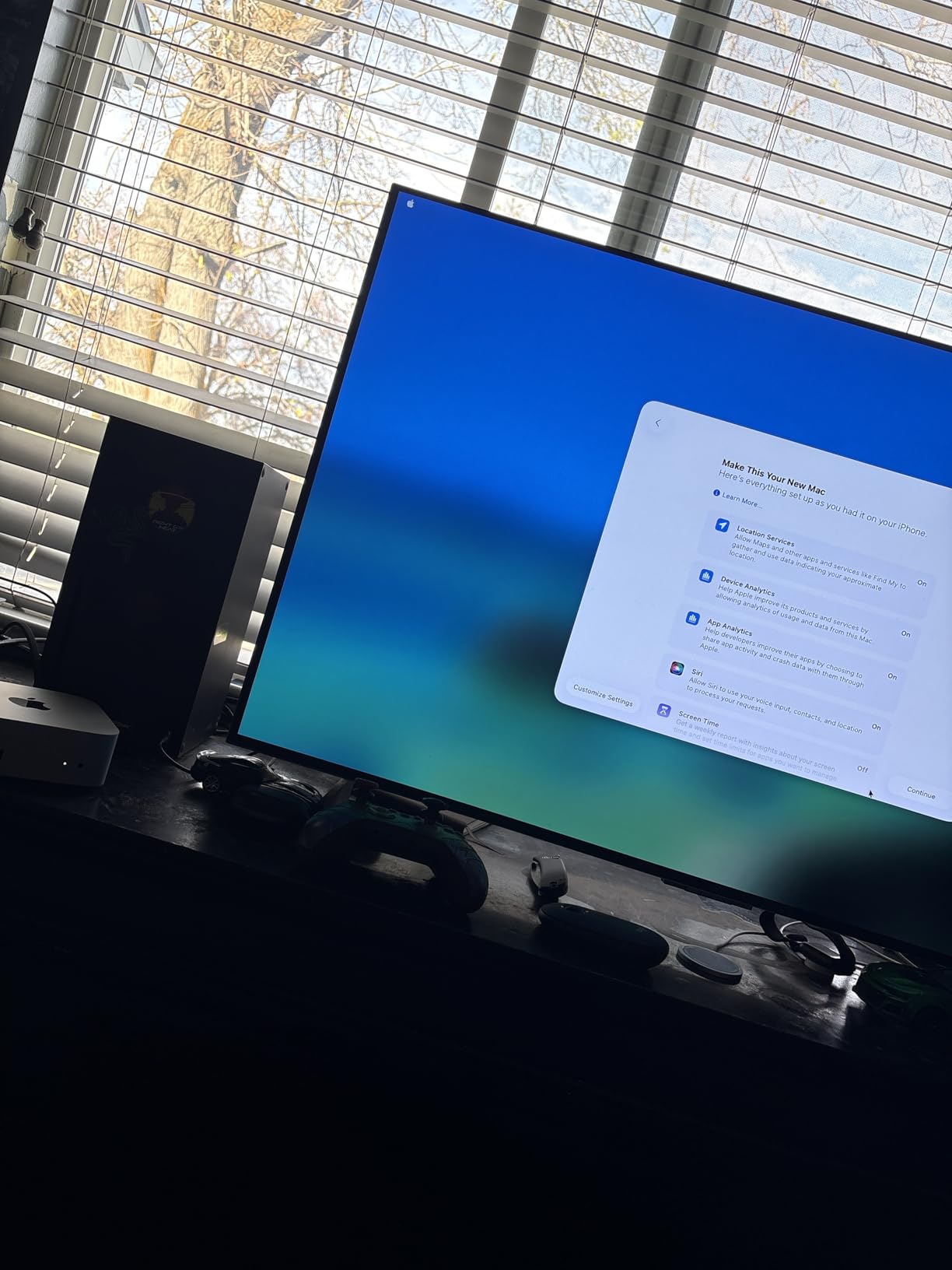
Universal Clipboard, Handoff, iPhone Mirroring and Sidecar are not small conveniences once you own an iPhone or iPad. Owners describe AirDrop and calls moving between devices without any setup at all.
The three-display support is genuinely useful too. Two 6K outputs plus one 5K means this box can drive a serious editing setup without a dock in the loop.
Where it frustrates buyers
The port situation is the real constraint. There is no USB-A, and the three Thunderbolt ports are the only way to attach external drives. Buyers running several external SSDs end up buying a hub, which partly defeats the desk-clearing purpose.
Upgrading is also off the table. The 16GB unified memory and 256GB SSD are fixed at purchase, so anyone who outgrows them replaces the whole machine. My verdict: the best mini PC for most people, and the one I would recommend with the fewest caveats attached.
2. KAMRUI Pinova P2 16GB 256GB – Best Value
KAMRUI Pinova P2 Mini PC, AMD Ryzen 7330U(4 Cores, 8 Threads, Up to 4.3GHz), 16GB RAM 256GB SSD, Zen3 Architecture 7nm Processor, 8MB L3 Smart Cache Mini Computers,Triple 4K Display Home/Business
Ryzen 3 7330U 4C/8T up to 4.3GHz
16GB LPDDR4X
256GB SSD plus two M.2 slots
28W, 573g, 5.04 inch square
Pros
- Ranked number 7 in the Mini Computers category
- Strong multi-core performance for the money
- Drives three 4K displays at 60Hz
- Two M.2 slots expand storage to 4TB
- Quiet cooling and a 28W power draw
Cons
- 16GB of LPDDR4X is soldered and cannot be upgraded
- 256GB base SSD is small
- Integrated graphics suit media and light gaming only
The Pinova P2 is the machine I keep recommending to anyone building a three-monitor office rig without spending heavily. The Ryzen 3 7330U is a Zen 3 chip with 8MB of L3 cache, and it outpaces the low-end Intel parts these machines usually ship with by a wide margin in multi-core work.
At 35W under load, it draws less power than most of the machines in this guide. Owners running it as a home office server or a LibreOffice workstation report stable thermals and a fan that stays close to inaudible.
Storage is where this machine quietly wins. Alongside the 256GB drive sit one M.2 2280 PCIe 3.0 slot and one M.2 2280 SATA slot, taking total capacity to 4TB without touching memory. That is a rare amount of headroom in a 5-inch chassis.
Display output is the other strength. HDMI 2.0, DisplayPort 1.4 and a USB-C port with DisplayPort Alt Mode drive three 4K panels at 60Hz simultaneously, with no dock required.
Best fit for an office or reception desk
A VESA mount is included, so this is one of the few boxes in the list you can bolt behind a monitor and clear the desk entirely. Reception, classroom and hot-desk setups get the same benefit from the 5.04 inch square footprint.
Two-year manufacturer warranty and lifetime technical support sit behind it, which is more generous than several machines listed alongside it.
What to know before you buy
The 16GB of LPDDR4X is soldered to the board. If you think you might need 32GB in two years, this is the wrong box, and no firmware trick will change that.
The Radeon-class integrated graphics handle media, browsing and light gaming but nothing demanding. Owners also note the operating system is listed generically, so plan on installing Windows or a Linux distribution yourself. My verdict: the best value mini PC here, and the one I would buy first for an office.
3. ACEMAGIC K1 Ryzen 7 7730U 16GB 512GB – Best for Eight-Core Multitasking
ACEMAGIC K1 Gaming Mini PC Ryzen 7 7735HS 24GB 512GB SSD Windows 11 Pro
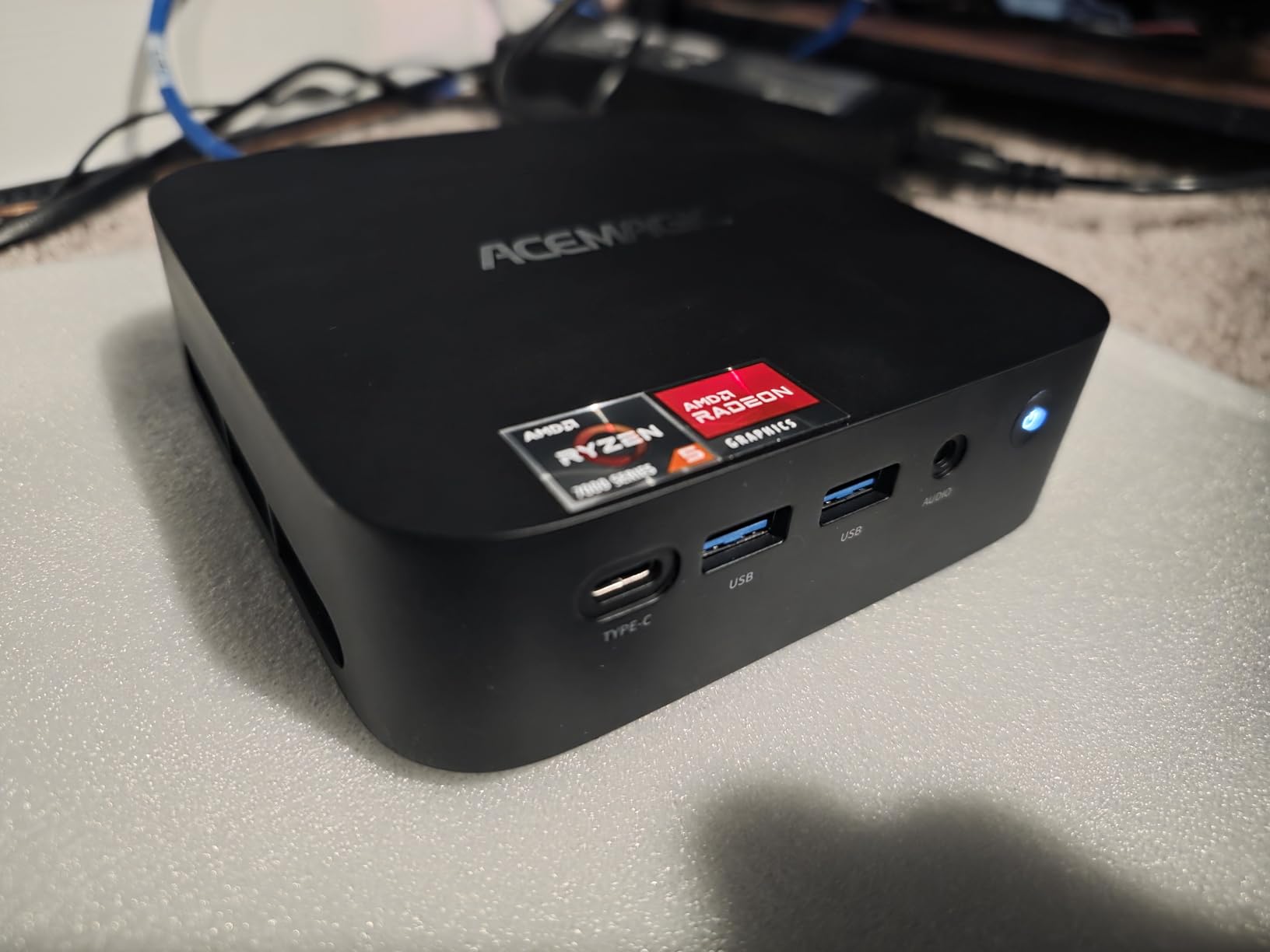
Ryzen 7 7730U 8C/16T up to 4.5GHz
Radeon 680M at 2200MHz
16GB soldered,512GB SSD
Windows 11 Pro included
Pros
- Eight cores and 16 threads in a 5 inch box
- Windows 11 Pro preinstalled
- Two M.2 2280 slots expand storage to 4TB
- Triple 4K display output
- Dual-outlet cooling with large heatsink fins
Cons
- 16GB of onboard LPDDR4X cannot be replaced
- Radeon 680M handles light titles such as DOTA2
- Some one-star reviews report underdelivery versus the gaming label
The K1 solves a specific problem: you need eight cores in a small box and you do not want to install an operating system. Windows 11 Pro comes preinstalled, and the Ryzen 7 7730U gives you 8 cores and 16 threads with 16MB of cache.
That is real multitasking headroom. Owners running many browser sessions, a virtual machine and a video call simultaneously report no stutter, which is exactly where a 4-core box gives up.
The Radeon 680M at 2200MHz is a capable integrated GPU for the money, running competitive esports and older titles comfortably and making this a workable light-gaming box as well as an office machine.
Storage is generous for the class. Two M.2 2280 slots take capacity to 4TB, and the 512GB drive that is included is already a step above most rivals.
Who should pick this one
If you are deploying machines in a small office, this is the easiest unit to hand out. No imaging, no licensing step, no driver hunt. A dual-outlet cooling structure with a high-speed silent fan keeps sustained load quiet enough for a shared desk.
The box also includes an HDMI cable, a power adapter and a VESA mounting bracket, so nothing extra is needed for a clean install.
What to know before you buy
The soldered 16GB of LPDDR4X is the one limitation that cannot be fixed. It is also why this sits below the Mac mini in our ranking despite the stronger CPU.
One-star reviews concentrate on the gaming label, since integrated graphics cannot deliver what the name suggests. My verdict: the best preconfigured eight-core box, best for small business deployment rather than enthusiast gaming.
4. Beelink SER9 Max 32GB 1TB – Best for 4K Media and AAA Gaming
Beelink SER9 Max Mini PC, AMD Ryzen AI 7 H 350, 32G DDR5 1TB PCIe4.0 SSD
Ryzen AI 7 H 350 8C/16T up to 5.0GHz
Radeon 860M at 3000MHz
32GB DDR5 to 256GB
1TB PCIe 4.0, dual M.2 to 8TB
Pros
- RDNA3 Radeon 860M handles 4K video and AAA titles
- 32GB DDR5 at 7500MHz expands to 256GB
- Dual PCIe 4.0 slots for up to 8TB
- Near-silent 32dB cooling design
- 10Gbps Ethernet and USB4
- Three-year warranty
Cons
- Costs more than most Ryzen mini PCs
- Some owners report occasional random reboots
- Accessory quality has been inconsistent on some deliveries
The SER9 Max is the Windows box I would pair with a 4K television. The Radeon 860M at 3000MHz is RDNA3 silicon, and owners report smooth 4K high-refresh playback and playable AAA settings rather than the slideshow you get from lower-tier integrated graphics.
Memory is the standout spec. 32GB of DDR5 running at 7500MHz expands to 256GB, a ceiling few other boxes in this class match, and it is user-upgradable rather than soldered.
Storage follows the same logic. A 1TB PCIe 4.0 x4 drive is included, and the dual M.2 slots expand to 8TB, so a large project library is never the limiting factor.
Cooling is the quiet story. The MSC2.0 design pulls air in through the bottom and exhausts out the rear, holding noise as low as 32dB. Owners note you can tune RAM speed and integrated GPU memory allocation directly in the BIOS, which is rare at this level.
What makes it the media-room pick
HDMI 2.1, DisplayPort 1.4 and full-featured USB4 at 40Gbps give you three-display output with bandwidth to spare, and built-in dual speakers mean it works as a living-room box without extra hardware.
10Gbps Ethernet and 2.4GHz WiFi 6 mean streaming a 4K feed over the network never becomes the bottleneck, which is a real problem on slower wired ports.
Where buyers report friction
Some reviews across the SER family mention occasional random reboots or shutdowns on early hardware. Several owners say Beelink support resolved those with a replacement power adapter, and that follow-up care is a genuine strength of the brand.
It also sits above most Ryzen rivals, and a few buyers noted bundled cables arriving in poor condition. My verdict: the strongest all-round Windows performance here, and the one I would trust with a 4K TV setup.
5. GMKtec M7 Ultra 32GB 512GB – Best Connected, Top Rated
GMKtec Gaming PC Mini Computer, M7 Ultra Ryzen 7 PRO 6850U 32GB DDR5 RAM + 512GB Hard Drive PCle SSD Oculink Dual NIC LAN 2.5G Desktop, Dual USB4, HDMI 2.1, USB-C
Ryzen 7 PRO 6850U 8C/16T to 4.7GHz
Radeon 680M 12-core
32GB DDR5 to 128GB
Oculink, dual USB4, dual 2.5GbE
Pros
- Carries a 4.5 star rating from more than 1000 reviews
- Oculink at PCIe x4 speeds for eGPU
- Quad display including 8K at 60Hz
- Dual Intel 2.5GbE ports
- Three M.2 slots
- Quiet 35W mode in a metal chassis
Cons
- Integrated graphics fall short of real AAA gaming
- Firmware lacks S3 sleep support
- Some owners report TPM resume lockups
- BIOS and Windows updates needed on arrival
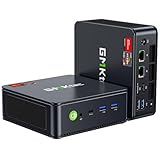
The M7 Ultra has the most unusual port selection of any machine here, and it carries a 4.5 star rating from more than 1,000 reviews. That combination is rare: Oculink at PCIe x4, dual USB4, dual Intel 2.5GbE NICs and three M.2 slots in a single box.
Oculink is the reason to look twice. It carries far more bandwidth than Thunderbolt for external graphics, and owners who have hooked up an eGPU report noticeably better frame rates and lower latency than a USB4-only alternative would give.
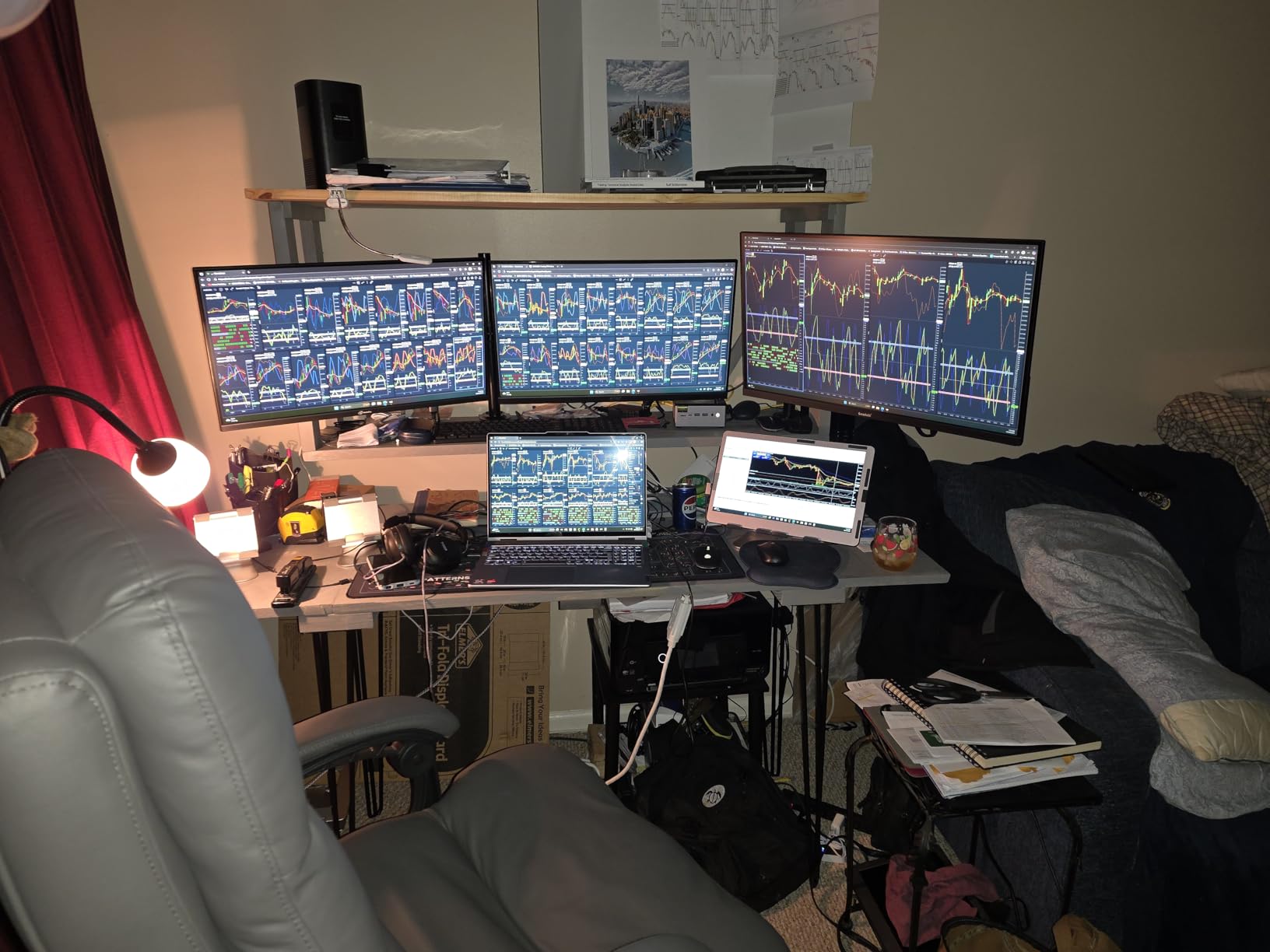
Display output is a four-screen affair: dual USB4 Type-C, HDMI 2.1 up to 8K at 60Hz, and Type-C DisplayPort up to 4K at 144Hz. That last number matters for anyone running a high-refresh gaming monitor.
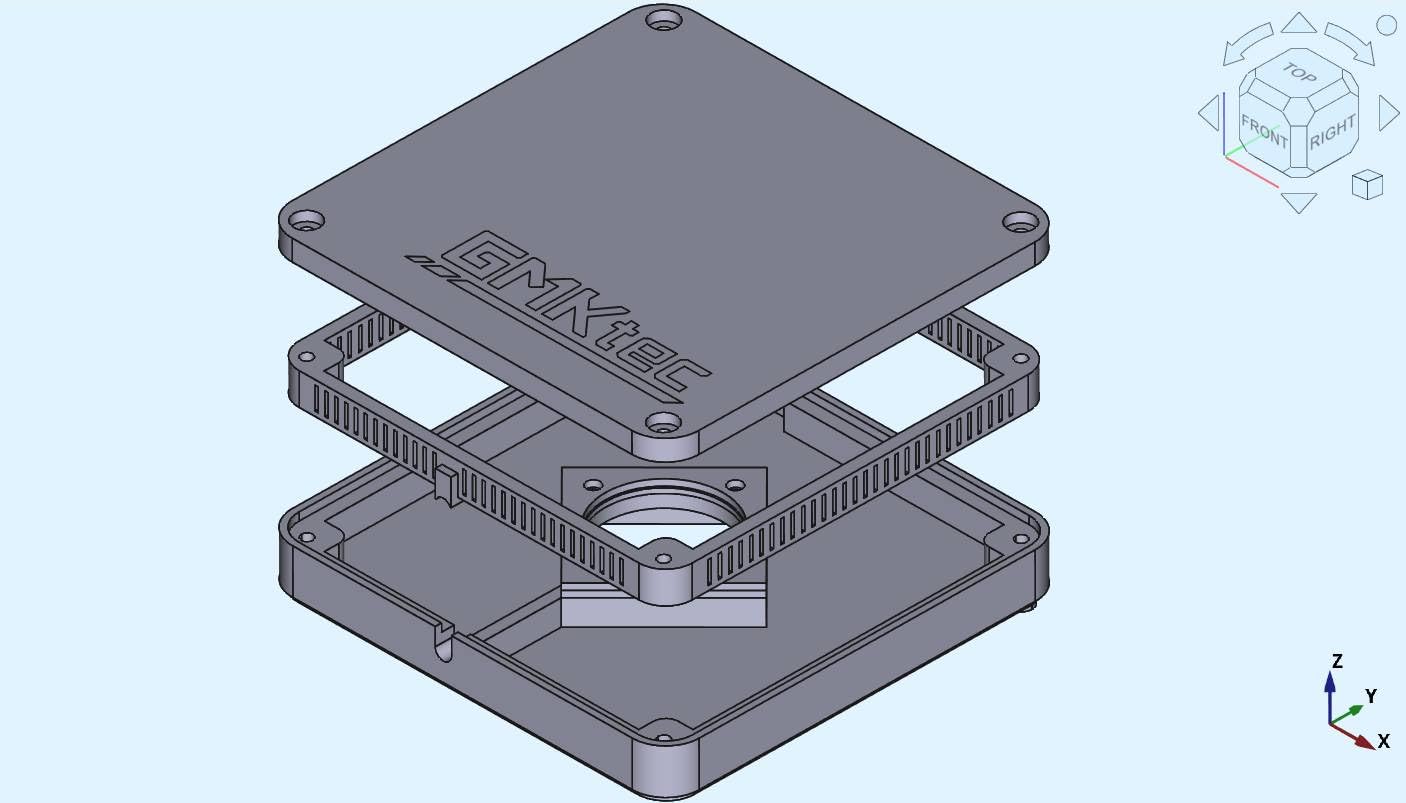
The UEFI BIOS exposes three power profiles: Quiet at 35W, Balance at 50W and Performance at 65W to 70W, with VRAM allocation, auto power on and Wake-on-LAN. Hyper Ice Chamber 2.0 dual-fan cooling with a copper base holds 35dB in Quiet mode.
Why the ports matter more than the chip
Dual 2.5GbE makes this a natural fit for a software router, firewall or NAS role, and the three M.2 slots mean storage grows well past the 4TB ceiling of dual-slot rivals. 32GB DDR5 dual channel expands to 128GB.
For anyone planning to keep this machine for years, that expansion headroom is the difference between a purchase and an investment.
What to know before you buy
The Radeon 680M is roughly GTX 1050 Ti class, so the gaming label is generous. Older and lighter games run; current AAA releases at high settings do not.
Two firmware issues are worth flagging. There is no S3 sleep state, so the machine uses modern standby or a full shutdown, and a small number of owners report TPM lockups after resuming from S0 sleep. The standard advice from experienced buyers is to update BIOS and microcode before anything else. My verdict: the best mini PC for ports, networking and future upgrades.
6. GMKtec M5 Ultra 32GB 512GB – Best for a Home Server or Router
GMKtec M5 Ultra Gaming Mini PC Ryzen 7 7730U 32GB RAM 512GB SSD Desktop
Ryzen 7 7730U 8C/16T to 4.5GHz
Radeon 8 CU at 2000MHz
32GB DDR4 to 64GB
2.5GbE LAN, WiFi 6E, 35W
Pros
- 32GB DDR4 dual channel is generous for the money
- 2.5GbE LAN suits routing and server duty
- Dual M.2 slots expand storage to 4TB
- WiFi 6E triple band with Bluetooth 5.2
- Triple 4K display output
- Quiet 35W design with VESA mount
Cons
- Uses DDR4 rather than DDR5
- Integrated graphics suit light titles only
- Some boxes arrive with an older BIOS that benefits from an update
The M5 Ultra is the box I would put in a cupboard as a Linux server. Eight cores, 32GB of dual-channel DDR4 and 32GB of dual-channel DDR4 is a combination you rarely see on a box of this size. At 35W, running it year-round barely registers on a meter.
Owners running Proxmox, Docker containers and network storage services report the 2.5GbE port sustaining the kind of transfers that gigabit hardware chokes on.
Memory is user-upgradable through dual slots to 64GB, and two M.2 positions take storage to 4TB. For a server build that is more than enough headroom to grow a small homelab.
The Ryzen 7 7730U delivers roughly 35% more performance than Ryzen 5 7430U and Ryzen 7 5700U class chips, which shows up most clearly in compiling and container workloads.

When it makes sense as a server
Pair it with two 2.5GbE ports in a sibling unit and you have a genuinely capable router or firewall. Several owners use these in pairs for exactly that, and WiFi 6E triple band keeps the wireless side current.
The triple 4K output means it still works as a desktop when you need a screen, and the included VESA mount lets it sit behind a monitor.
What to know before you buy
It runs DDR4 rather than DDR5, so memory speed is lower than the DDR5 rivals here. The 64GB ceiling is also lower than the 128GB that GMKtec offers on the pricier models in this same guide.
Firmware is the one thing to sort before committing it to server duty: a small number of boxes arrive with an older BIOS version that benefits from an update. My verdict: best value for networking and homelab use, and a poor fit for a graphics-heavy desktop.
7. Beelink SER5 16GB 480GB – Best for Linux, Emulation and Emulators
Beelink SER5 Mini PC, AMD Ryzen 5 5500U 16GB DDR4+480GB NVMe M.2 SSD
Ryzen 5 5500U 6C/12T to 4.0GHz
Radeon 7 cores at 1800MHz
16GB DDR4 to 64GB
480GB NVMe plus 2.5 inch SATA bay
Pros
- Long-standing budget favourite with a large review base
- 16GB dual channel DDR4 upgrades to 64GB
- Second M.2 slot and a 2.5 inch SATA bay
- Windows 11 preinstalled without bloatware
- Quiet fan
- three-year warranty
Cons
- Some boxes have upside-down USB ports
- Integrated graphics run esports titles at modest frame rates
- No USB4 or Oculink expansion
- 480GB base SSD is small
The SER5 has been the default recommendation in this category for years, and owners still rate it at 4.4 stars across 735 reviews. The Ryzen 5 5500U gives six cores and twelve threads, which is enough for a media server, a light emulation rig and a daily office driver.
It is the box most owners in the r/MiniPCs threads name when they talk about a first home server. Linux support is routine, and the combination of a second M.2 slot plus a 2.5-inch SATA bay is the part people care about.
That storage layout means you can run a fast NVMe boot drive and a large spinning drive for media without giving up anything. Expansion reaches 2TB on the SATA side, and memory reaches 64GB through two slots.
Windows 11 comes preinstalled without bloatware, which is more than some rivals manage. For a Linux buyer, the clean install is an easy afternoon.
Why emulators like it
QuickSync-based hardware decoding handles video playback in emulators and media apps without loading the CPU, and the quiet fan means a machine running 24/7 in a living room stays unobtrusive.
For retro gaming, owners report it running titles such as Skyrim Special Edition, 7 Days to Die and VRChat comfortably at modest settings. That is light gaming, not modern AAA.
What to know before you buy
The most repeated physical complaint is the upside-down USB port orientation found on some boxes. It is cosmetic rather than functional, but it is mentioned often enough that you should know.
There is no USB4 and no Oculink, so the external graphics upgrade path is closed. With a 480GB base drive you will be adding storage sooner rather than later. My verdict: the best low-cost first server or emulation box, backed by a three-year warranty.
8. GEEKOM A9 Max 32GB 2TB – Best for Local AI Workloads
GEEKOM A9 Max Top AI Mini PC,AMD Ryzen AI9 HX470(86 Tops)|32GB DDR5+2TB SSD
Ryzen AI 9 HX 470 12C/24T to 5.2GHz
86 TOPS with 55 TOPS NPU
Radeon 890M
32GB DDR5 to 128GB
Pros
- 86 TOPS of on-device AI acceleration
- Radeon 890M handles demanding titles at 1080p
- Quad-display 8K output
- 32GB DDR5 to 128GB and dual PCIe 4.0 to 8TB
- WiFi 7 and dual 2.5GbE
- Three-year warranty
Cons
- The most expensive machine here
- Fewer reviews than the cheaper listings
- Heavy 1.67kg all-metal chassis
- Real-world AI results depend on the software stack
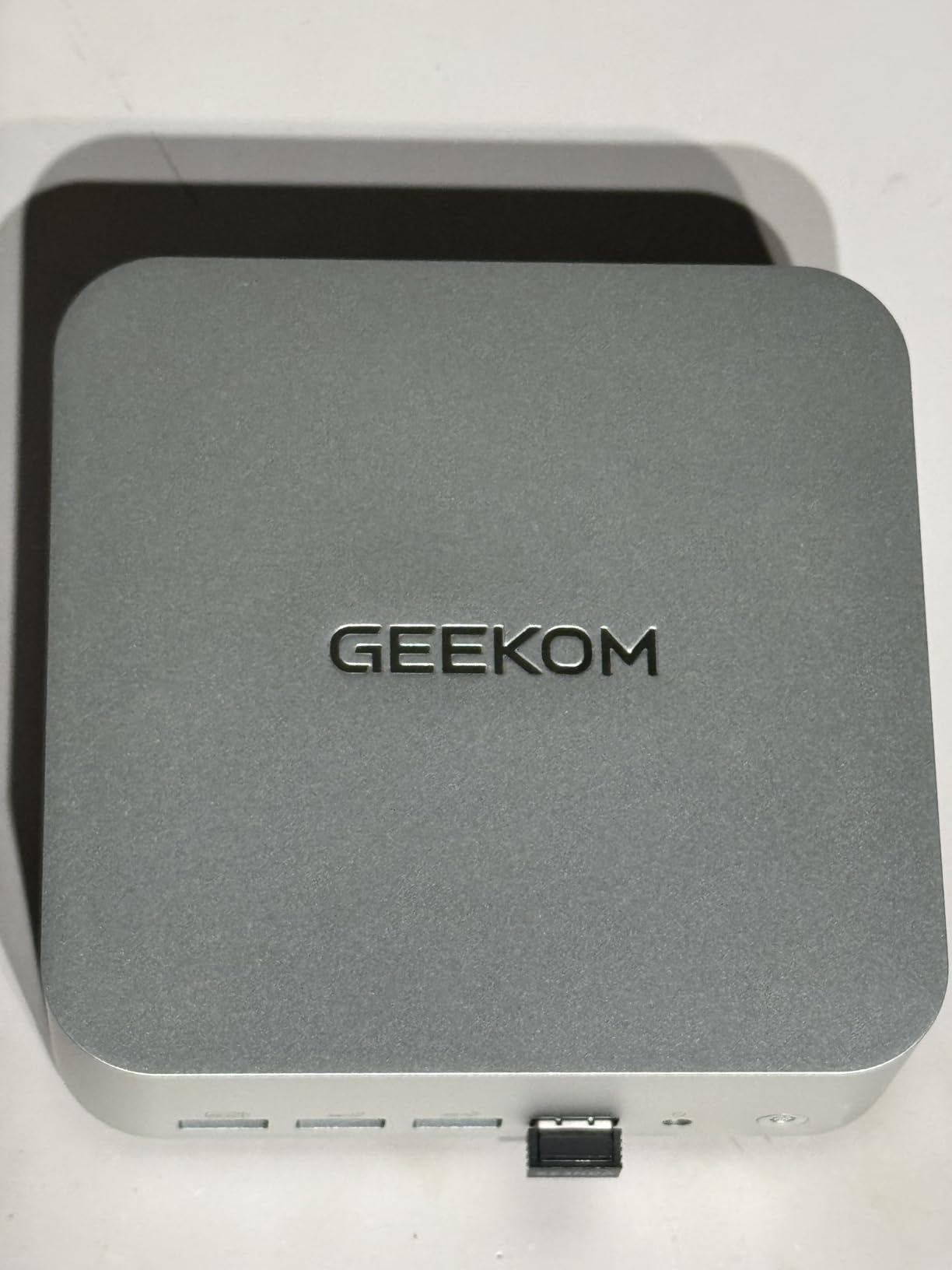
If you run local models, the A9 Max has the largest dedicated NPU figure of any machine here. The Ryzen AI 9 HX 470 on Strix Point delivers 86 TOPS of AI acceleration, of which the XDNA 2 NPU accounts for 55 TOPS, plus up to 44 TOPS of cloud compute on top.
That figure matters because local inference, vision workloads and on-device assistants all lean on the NPU rather than the CPU. Owners confirm the spec sheet holds up under real use.
The rest of the machine is a flagship desktop in miniature. Twelve cores and 24 threads boost to 5.2GHz, and the Radeon 890M delivers high frame rates at 1080p in demanding titles rather than the compromise you get from lower-tier integrated graphics.
Quad-display output up to 8K through dual HDMI 2.1 and USB4 makes it a genuine multi-screen workstation with no dock. Storage runs to 8TB across M.2 2280 and 2230 slots.
Who this is actually for
Developers running local LLM inference, fine-tuning experiments and computer vision pipelines will get the most from this. The combination of NPU throughput, 32GB of fast DDR5 and large storage capacity covers the realistic version of that workload.
TPM 2.0, Kensington lock support and a three-year warranty also make it a defensible choice for an office rather than a hobby desk.
What to know before you buy
This is the most expensive machine in the roundup and it carries a heavy all-metal chassis at 1.67kg. The review pool is also smaller than the cheaper listings, at 644 reviews, so there is less long-term owner history to lean on.
Honest expectation setting: AI throughput numbers do not automatically translate into fast results if the tooling you need does not support the NPU. Check your software first. My verdict: the best mini PC for local AI, and the one most worth buying only if that workload is real.
9. GEEKOM IT13 MAX 24GB 500GB – Best for Quad Displays on a Small Footprint
GEEKOM IT13 MAX AI Mini PC 2026, Intel Ultra 9 185H, 24GB LPDDR5 500GB SSD
Intel Core Ultra 9 185H up to 65W
Intel Arc graphics with NPU
24GB LPDDR5 at 5600MT/s
4.6 x 4.4 x 1.9 inch, 1.4 pounds
Pros
- The only Intel Core Ultra platform in this guide
- 24GB LPDDR5 at 5600MT/s
- Quad display with 8K over USB-C
- Dual 2.5GbE plus WiFi 7
- Quiet sustained 65W cooling
- Three-year warranty and broad Linux support
Cons
- 500GB SSD is small for the money
- 24GB of LPDDR5 is soldered and not upgradeable
- Intel Arc graphics trail the Radeon 890M
- Review pool is shared with sibling GEEKOM listings
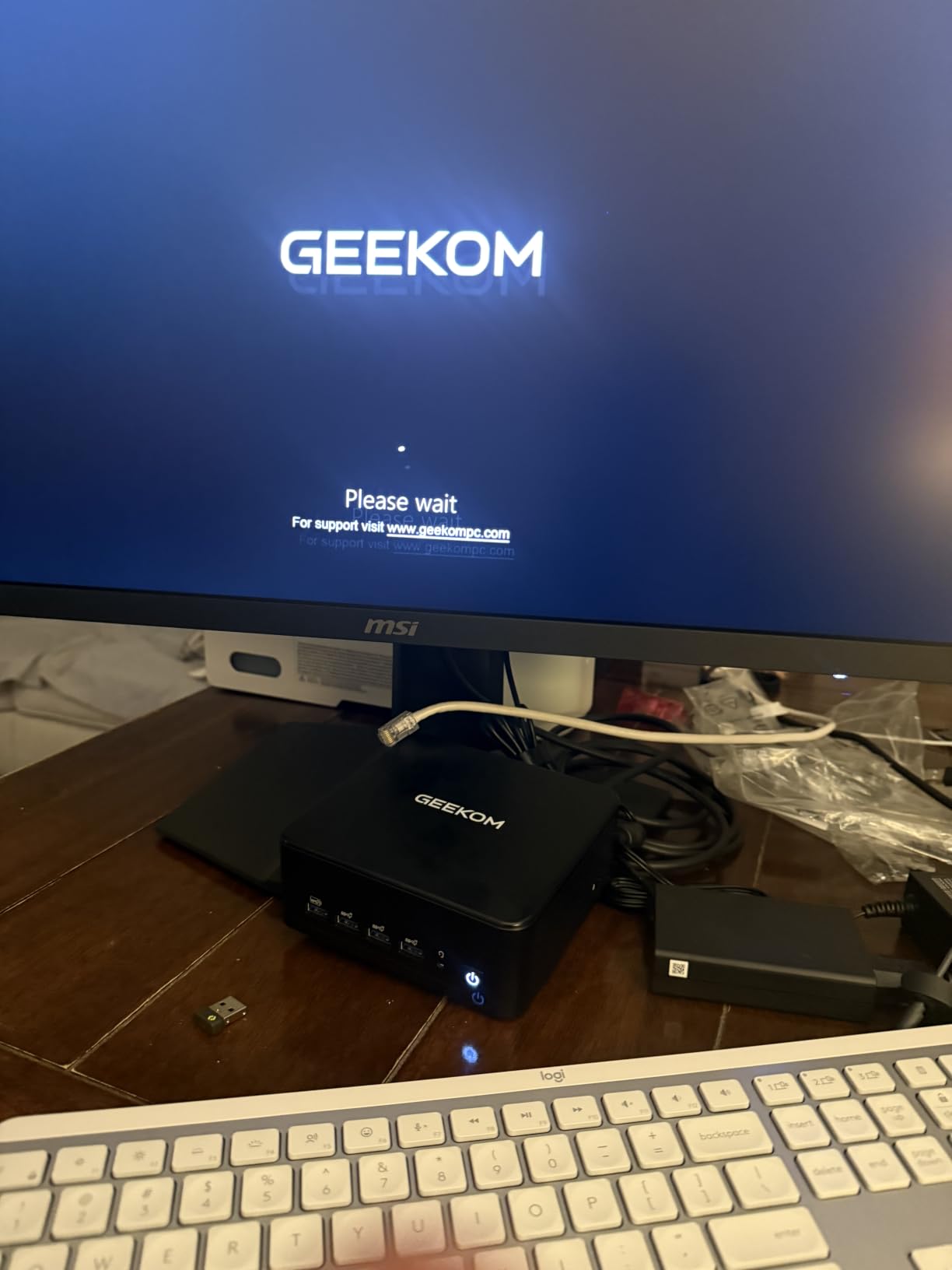
The IT13 MAX is the Intel answer in a guide otherwise built on AMD silicon, and it is one of the most compact machines here at 4.6 by 4.4 by 1.9 inches and 1.4 pounds. The Core Ultra 9 185H runs 16 cores configured up to 65W, with Intel Arc graphics and a dedicated NPU.
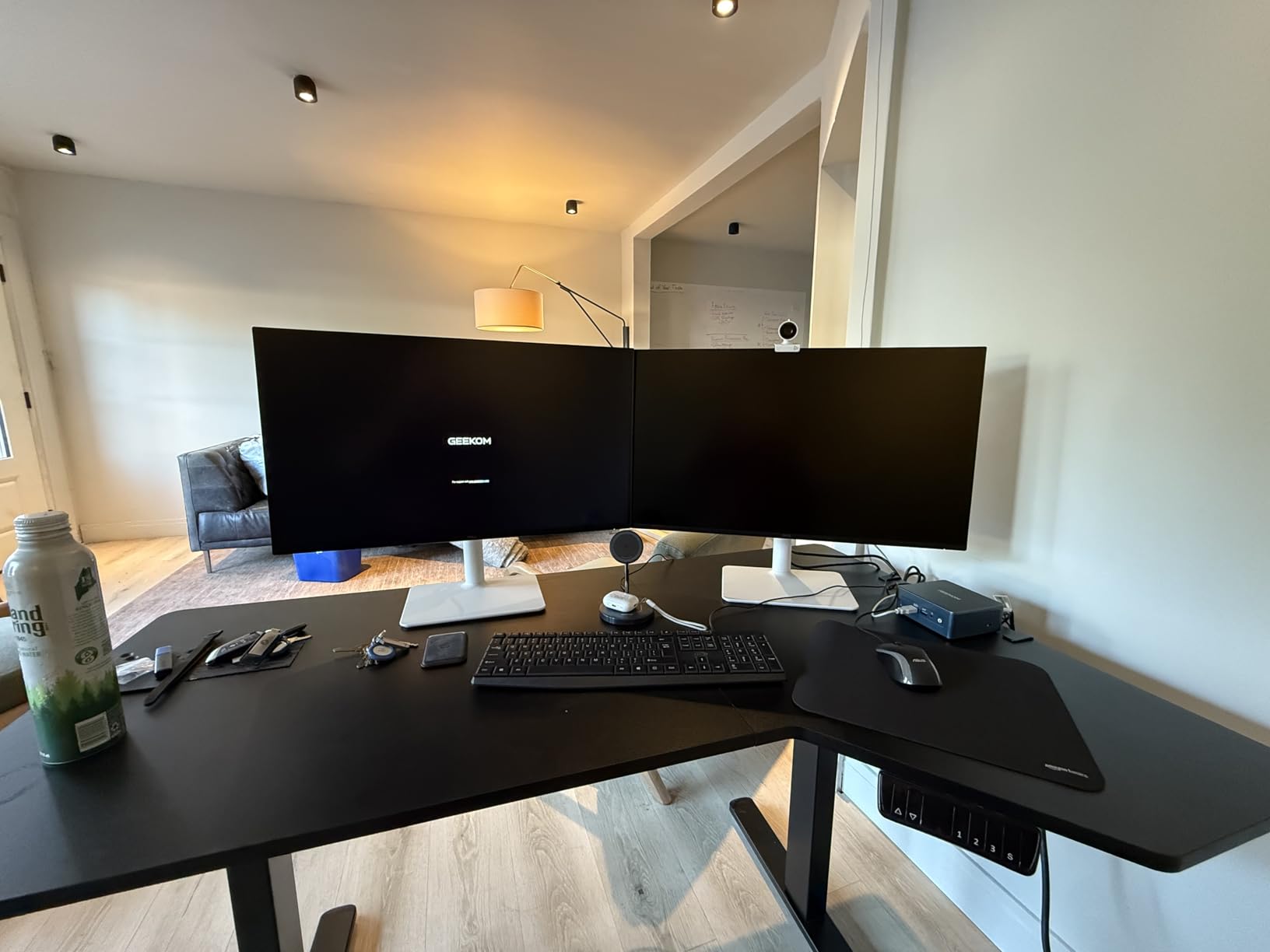
Owners consistently mention two things: quiet sustained performance, and quad-display support. Eight-K resolution over USB-C plus 4K over HDMI gives you four panels without a dock, which is unusual at this size.
Memory speed is the quiet strength. 24GB of LPDDR5 at 5600MT/s runs up to 75% faster than DDR4-3200 and 17% faster than DDR5-4800, and LPDDR5 draws less power at that data rate.
IceBlast 3.0 cooling holds 65W sustained at low noise, which is why this works in an office or a shared space. Dual 2.5GbE LAN, USB4, WiFi 7 and Bluetooth 5.4 cover the modern connectivity checklist.
Where Intel still wins
QuickSync hardware encoding and decoding remain excellent, and this box ships without bloatware. Owners running Ubuntu, Debian and CentOS report Docker, Proxmox and embedded workloads working without friction.
For an IT department that needs Windows and Linux on the same hardware, having a mainstream Intel platform with dual 2.5GbE is a genuine advantage over most rivals.
What to know before you buy
The 500GB SSD is small for the money, and the 24GB of LPDDR5 is soldered with no upgrade path. That combination is the main reason it does not lead our ranking.
Intel Arc integrated graphics also trail Radeon 890M for gaming, and the 642 reviews cover the GEEKOM family rather than this configuration alone. My verdict: best small-footprint quad-display box, and a strong fit for developers who need Linux.
10. BOSGAME E2 Plus 8GB 256GB – Most Versatile
BOSGAME E2 Plus Mini PC AMD Ryzen 5 3501U 8GB RAM 256GB SSD
Ryzen 5 3501U 4C/8T up to 3.7GHz
8GB DDR4 upgradeable to 32GB
256GB SATA SSD
Dual HDMI plus USB-C for three displays
Pros
- A low-cost complete Windows 11 Pro machine
- Windows 11 Pro preinstalled and ready to use
- Three simultaneous 4K displays via dual HDMI and USB-C
- Upgradable dual-channel memory
- Whisper-quiet and mounts behind a monitor
Cons
- 8GB of base RAM needs upgrading for real work
- 256GB SATA SSD is slower than the NVMe rivals
- Ryzen 5 3501U graphics limit gaming to light titles
- Customer support has drawn heavy criticism
The E2 Plus exists for one job: give you a working Windows 11 Pro desktop for the least money. It succeeds at that, and buyers describe it accurately as a quiet, compact machine for media playback, office work and home-server duty.
Several owners install Linux Mint to strip out the preinstalled software, and report a noticeably cleaner experience afterwards.
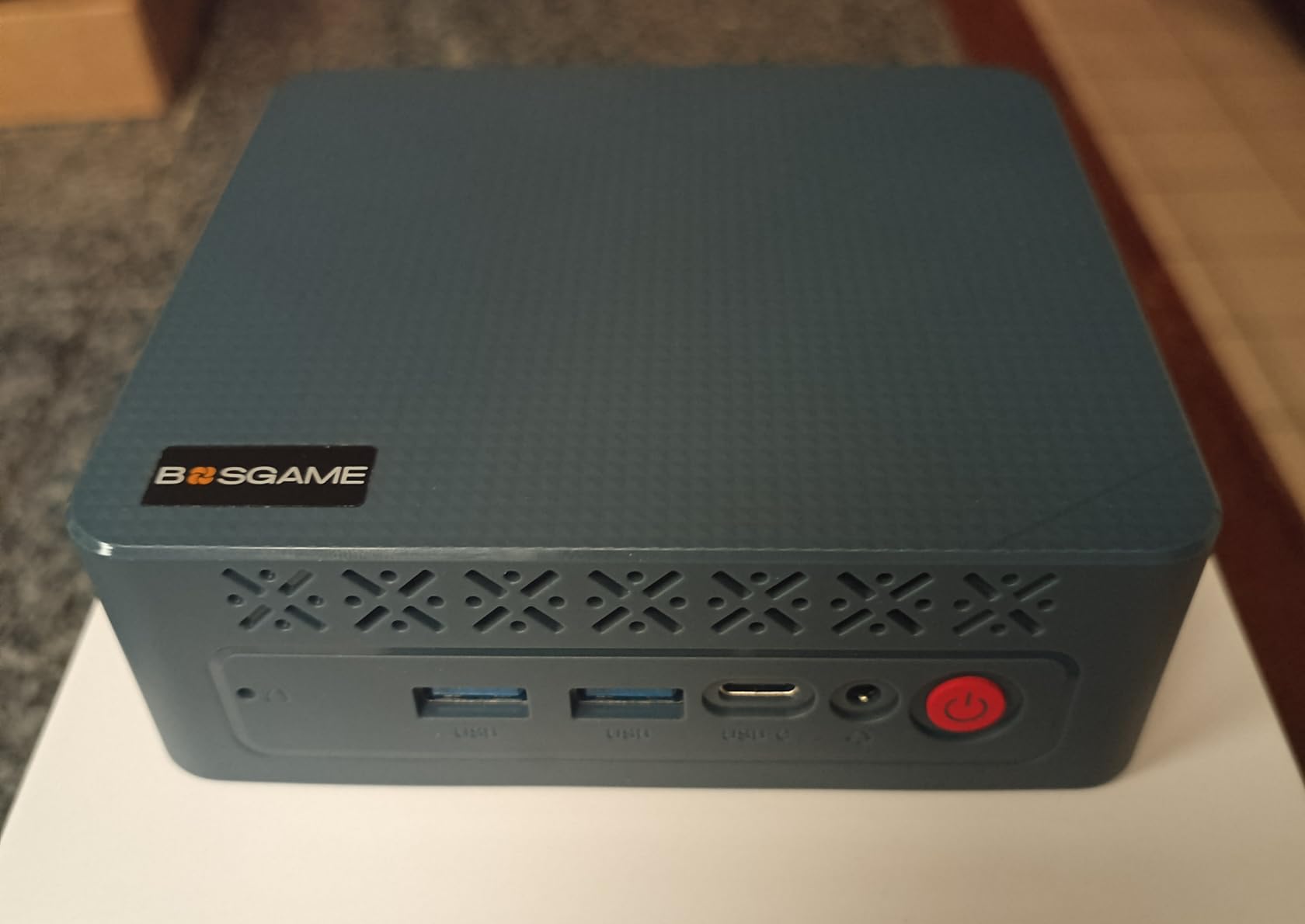
Display output is better than the specification suggests. Dual HDMI 2.0 at 4K 60Hz plus a USB-C display output means three panels simultaneously, which is genuinely useful behind a trading desk or at a reception counter.
A VESA mount is included, and at 5 by 5 by 1.75 inches it disappears behind a monitor entirely. Memory upgrades to 32GB through dual channels, and a second storage slot is available on many configurations.
When the cheapest option is the right one
If this machine is going to be a media centre, a classroom unit or a light-duty reception PC, the Ryzen 5 3501U four-core chip is adequate and the price floor is the point. A dozen of these makes sense where a dozen premium boxes would not.
The gigabit Ethernet, WiFi 5 and Bluetooth 5.0 cover basic office networking without drama.
What to know before you buy
The 8GB of base RAM is the weak point and most owners upgrade it. The 256GB SATA SSD is also slower than the NVMe drives every rival uses.
The real caveat is support. This listing carries a 4.2 rating with a 12% one-star share, and those reviews concentrate on unresponsive warranty claims and hardware failures such as dead cooling fans. My verdict: the budget pick for non-critical machines, and one I would not deploy where support matters.
11. BOSGAME E5 8GB 256GB – Best for Dual Networking
BOSGAME E5 11 Pro Mini PC, AMD Ryzen 5300U 4C/ 8T, Business Home Office PC
Ryzen 3 5300U 4C/8T up to 3.8GHz
Dual 2.5GbE LAN
Front Type-C with PD 3.0
Under 25dB at 25W
Pros
- Dual 2.5GbE LAN suits router
- firewall and NAS roles
- Front Type-C offers 10Gbps data and PD 3.0 power delivery
- Memory expands to 64GB through dual SODIMM slots
- Second M.2 slot adds up to 2TB
- Under 25dB cooling with copper heat pipes
- Clean Windows 11 Pro with VESA mount
Cons
- 8GB of base RAM is the weakest point
- 256GB NVMe drive is small
- Integrated Radeon graphics suit media and light titles
- Single-year machine warranty
Two 2.5GbE ports on a machine this small is the reason to buy the E5. Software routers, firewalls, pfSense and small NAS builds all benefit from a second gigabit-and-a-half NIC, and almost nothing else in this price range offers it.
The front full-function Type-C is the other standout. It carries 10Gbps data, DisplayPort video and PD 3.0 power delivery, so a compatible monitor can run the whole machine from one cable.
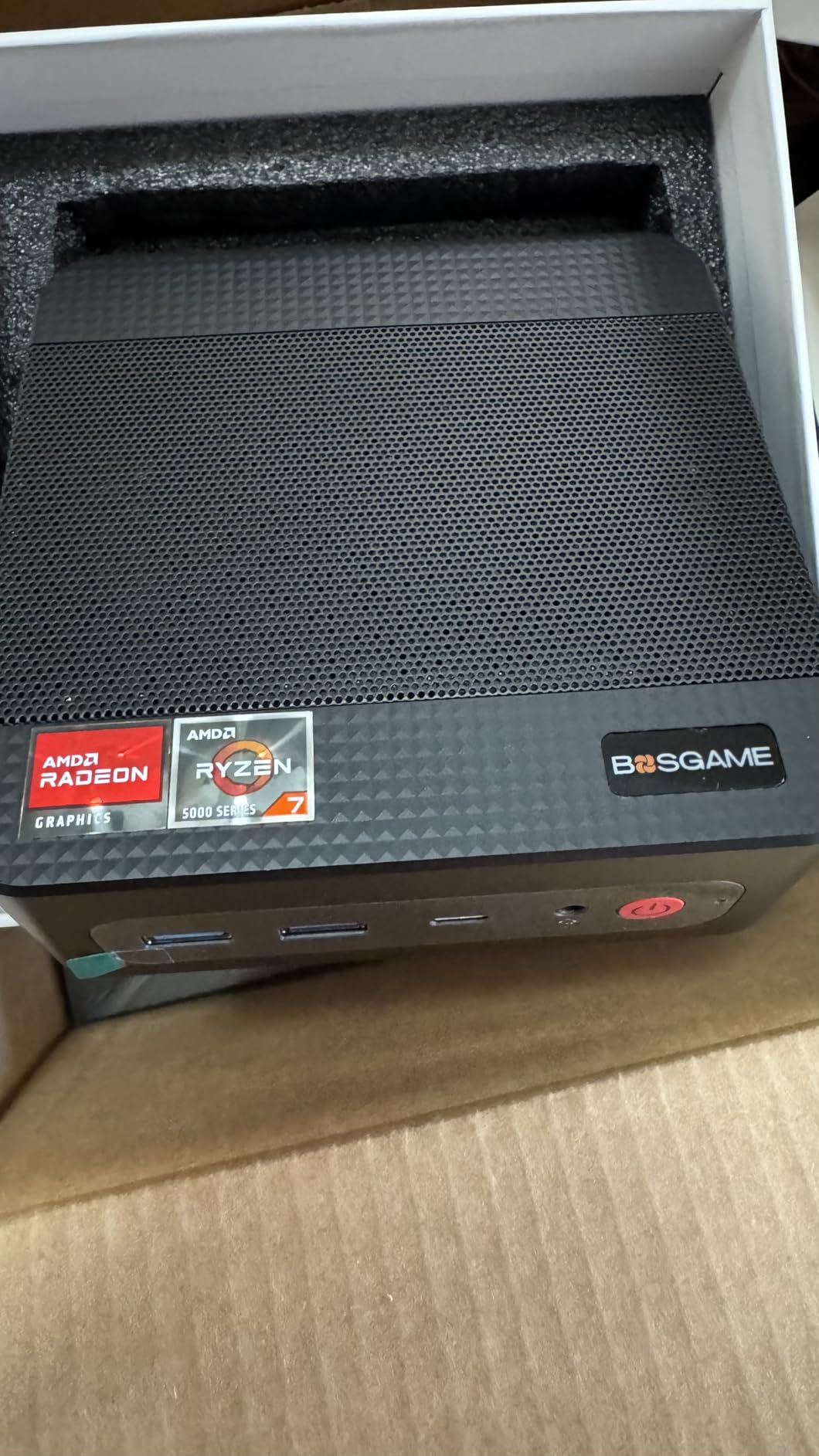
The Ryzen 3 5300U is a 7nm Zen 2 part with four cores and eight threads, and it outpaces Intel N150 and 3500U class chips by over 30% in multi-core work. That is the difference between a sluggish and a usable network appliance.
Memory is the part you will change. The 8GB base runs in dual channels through two SODIMM slots that expand to 64GB, and a second M.2 2280 slot adds up to 2TB of storage.
Built for the shared office
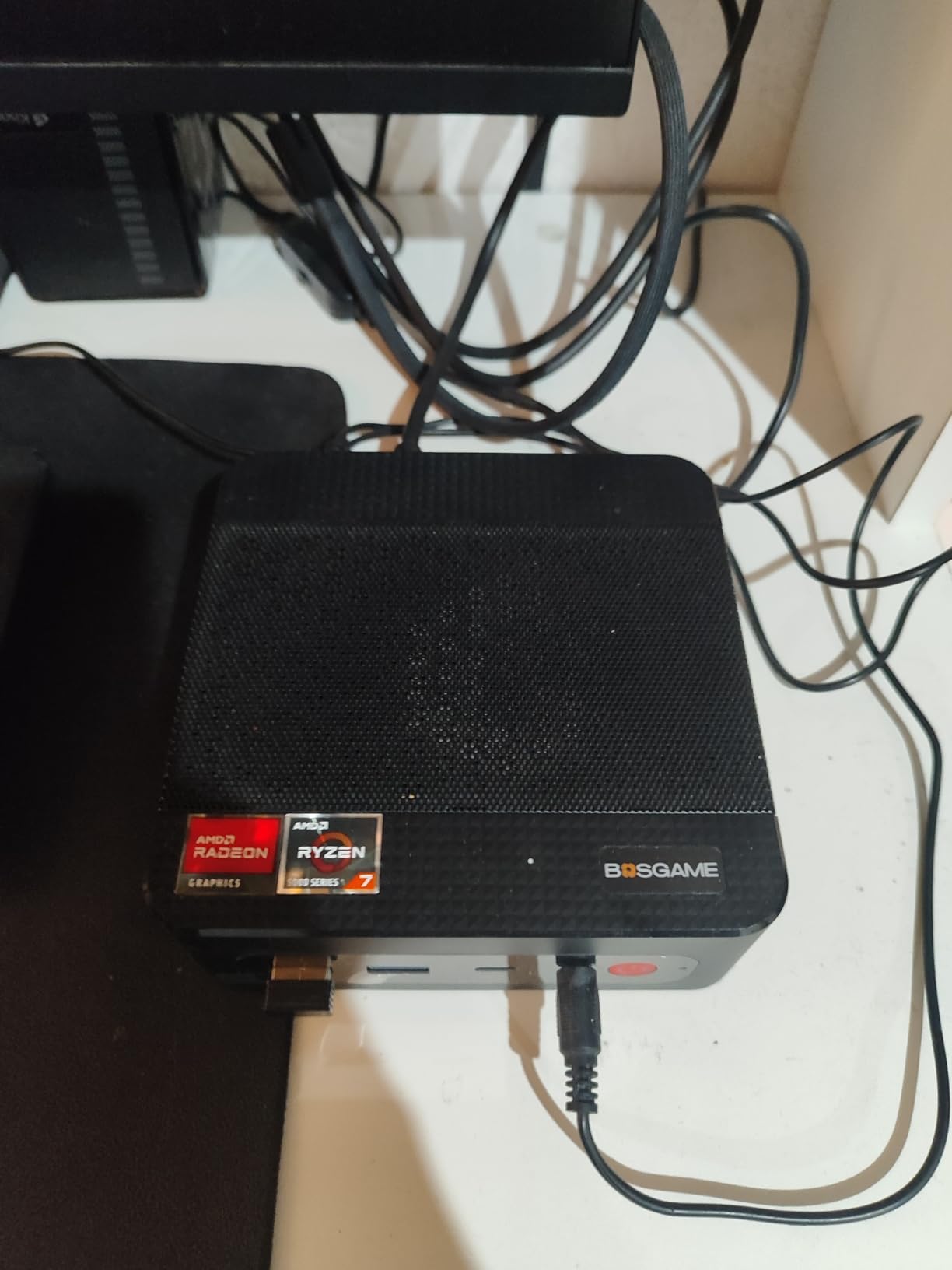
Copper heat pipes and a quiet fan keep noise under 25dB while drawing 25W, which is among the lowest power figures in this guide. In an open-plan office that combination is what actually matters.
Windows 11 Pro arrives clean with no bloatware, Linux Ubuntu is supported, and a VESA mount is included. One-year machine warranty and three-year parts warranty sit behind it.
What to know before you buy
The 8GB base memory is the limitation owners mention most, and virtually all of them upgrade it. The 256GB NVMe drive is also small for a machine bought today.
The Radeon graphics with six cores at 1500MHz handle media and light titles only, so do not mistake this for a gaming box. My verdict: the best mini PC for networking roles and shared desks, provided you budget for a memory upgrade.
12. GMKtec M6 Ultra 32GB 1TB – Best for USB4 and AV1 Editing
GMKtec M6 Ultra Gaming Mini PC Ryzen 7640HS 32GB RAM DDR5 1TB SSD
Ryzen 5 7640HS Zen 4 6C/12T to 5.0GHz
Radeon 760M 8 CU at 2600MHz
32GB DDR5 to 128GB
1TB PCIe, dual M.2 to 8TB
Pros
- Zen 4 chip roughly 30% faster than Ryzen 7 6800H and 6600U
- 32GB DDR5 dual channel expands to 128GB
- 1TB SSD with dual slots to 8TB
- 8K at 60Hz output over USB4
- Hardware AV1
- HEVC and AVC encode and decode
- Dual 2.5GbE LAN
Cons
- Listing title mislabels the chip as a Ryzen 7
- Joint-lowest average rating among the picks here
- Modest Radeon 760M for gaming
- One-year warranty is shorter than rivals
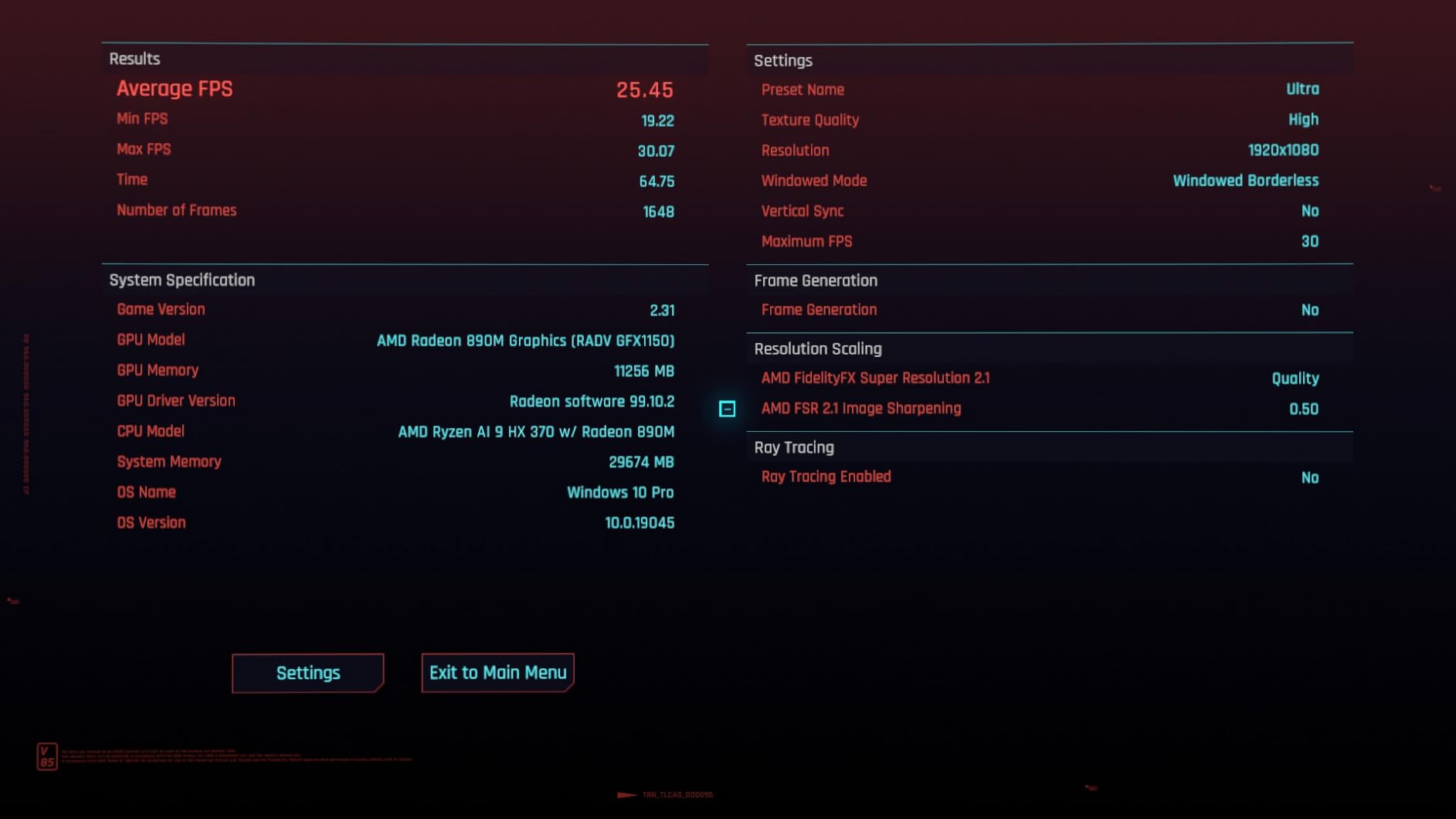
The M6 Ultra has a spec sheet that reads well for the money. A Zen 4 Ryzen 5 7640HS with six cores and twelve threads runs from 4.3GHz to 5.0GHz and boosts to a 45W to 60W TDP, which is about 30% faster than the Ryzen 7 6800H and 6600U it replaces.
Memory is 32GB of DDR5 SO-DIMM dual channel at 4800MHz expanding to 128GB, and the 1TB drive sits on dual slots that reach 8TB of PCIe 4.0.
For creators, the hardware encode and decode block is the detail that earns its place. The Radeon 760M handles AV1, HEVC and AVC in hardware, which shortens export times in Premiere Pro and DaVinci Resolve compared with software rendering.
Display output includes 8K at 60Hz over USB4 alongside 4K at 60Hz on HDMI 2.0 and DisplayPort, and dual 2.5GbE LAN covers fast network transfers.
Read the listing title carefully
The listing brands this machine as a Ryzen 7 while the actual specification is a Ryzen 5 7640HS. Owners flag the confusing naming, and it is a reminder to check the specification block rather than the title on any mini PC listing.
You are getting a six-core chip, not an eight-core one. For most creative and office work that distinction does not matter, but if you assumed eight cores, it will.
What to know before you buy
This carries a 4.2 rating with a 12% one-star share, and those reviews focus on support responsiveness and boxes arriving needing BIOS or driver work. The one-year warranty is also shorter than the three-year terms offered by Beelink and GEEKOM here.
The Radeon 760M suits moderate settings, not high ones. My verdict: a strong spec sheet for the money, the best fit for AV1 video work here, and a machine where reading the reviews before buying is worthwhile.
13. MINISFORUM AI X1 Pro-370 32GB 1TB – Best for eGPU Expansion
MINISFORUM AI X1 Pro-370 Mini PC AMD Ryzen AI 9 HX370 Up to 5.1GHz 12C/24T, Mini Desktop Computer AMD Radeon 890M, 32GB DDR5 1TB PCIe 4.0 SSD, 8K Quad Display, Dual 2.5 LAN/WiFi 7/BT5.4/Oculink
Ryzen AI 9 HX 370 12C/24T to 5.1GHz
Radeon 890M
32GB removable DDR5 to 128GB
Oculink, dual USB4, three PCIe 4.0 slots
Pros
- Flagship Ryzen AI 9 silicon with Radeon 890M
- Fingerprint sensor is rare in a mini PC
- Built-in dual speakers and noise-reducing microphones
- Oculink plus dual USB4 for eGPU expansion
- Removable memory that expands to 128GB
- Three PCIe 4.0 slots to 12TB
- Built-in 135W power adapter
Cons
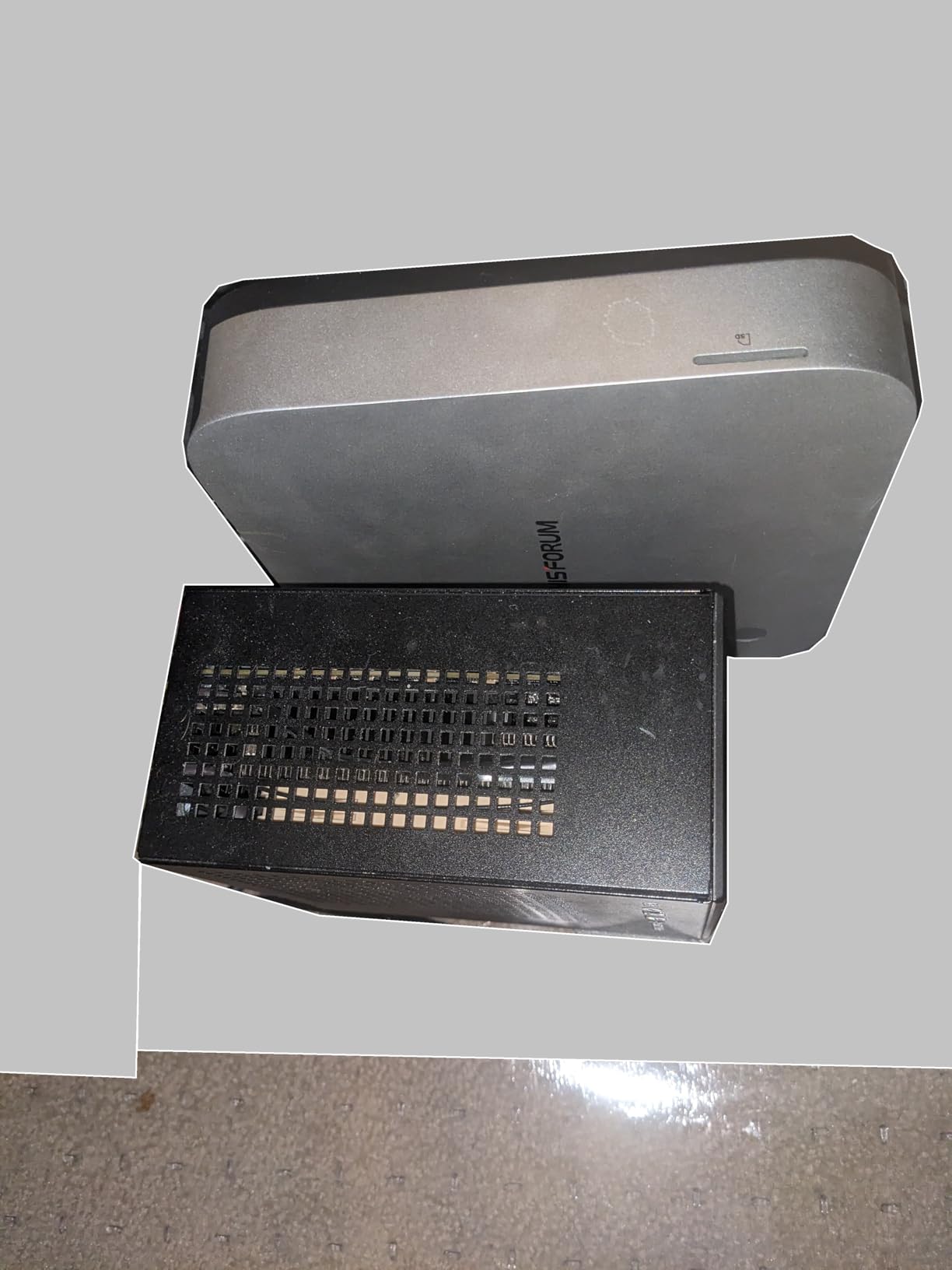
- Heaviest machine in the roundup at 2.45kg
- Oculink uses an adapter card that occupies a storage slot
- Some Bluetooth reception issues reported
- Fan noise reaches about 45dB under heavy load
The X1 Pro-370 is a complete small workstation, and the machine here that pairs Ryzen AI 9 silicon with genuine external graphics expansion. Twelve cores and 24 threads boost to 5.1GHz alongside Radeon 890M graphics.
What sets it apart is that the 32GB of DDR5 at 5600MHz is removable and expands to 128GB. That is the opposite of the soldered-memory norm in this class.
Storage is the other outlier. Three PCIe 4.0 slots take capacity to 12TB, and a 135W power adapter is built into the chassis, which owners say improves both stability and noise compared with an external brick.
Some features appear almost nowhere else in this form factor: a fingerprint sensor, built-in dual speakers, and a dual noise-reduction DMIC array that makes video calls clear.
How the eGPU path actually works
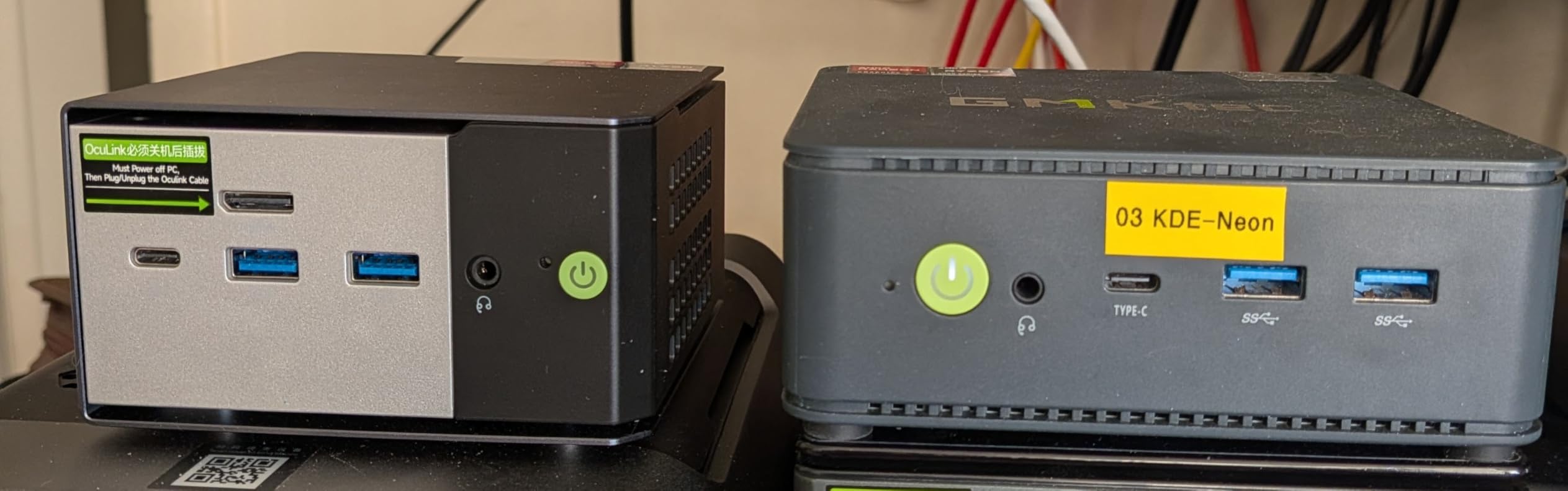
Oculink runs at PCIe x4 speeds and dual USB4 covers the rest, so you can attach a desktop graphics card in an enclosure and get a real gaming machine from a small box. That is a genuine upgrade path no barebones option here offers.
Up to four 4K displays run simultaneously through the two USB4 ports, HDMI 2.1 and DisplayPort 2.0.
What to know before you buy
Read this one carefully: Oculink on this model uses an M.2 adapter card that occupies one of the storage slots. Several owners note the product copy did not make that clear, so you are trading a drive bay for the eGPU port.
It is also the heaviest machine here at 2.45kg, and fan noise rises to around 45dB under sustained heavy load. Bluetooth reception has caused trouble for some buyers, and support responsiveness varies. My verdict: best eGPU and workstation mini PC, provided the adapter-card trade-off suits you.
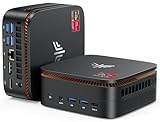
14. KAMRUI Pinova P1 16GB 256GB – Best for a Big-Screen TV PC
KAMRUI Pinova P1 Mini PC, W-11 Pro AMD Ryzen R2544(Beat 10110U/N150/N95 up to 3.7GHz), 16GB RAM 256GB SSD Mini Desktop Computer Support 4K HDMI+DP+Type-C/WiFi/BT for Business Home Office Mini pc
Ryzen R2544 4C/8T up to 3.7GHz at 28W
16GB single channel
256GB M.2 SATA SSD
Triple 4K at 60Hz, 0.62kg
Pros
- Roughly 50% faster than Intel 10110U and N150 class chips
- Windows 11 Pro preloaded with Linux
- PXE and Wake-on-LAN support
- Triple 4K at 60Hz output
- Very small footprint that mounts behind a monitor
- Two-year manufacturer warranty and 7x24 support
Cons
- 16GB of RAM is soldered and single channel
- Included M.2 drive is SATA rather than NVMe
- 3.5mm audio output picks up mouse and system noise
- 4K playback can stutter while browsing
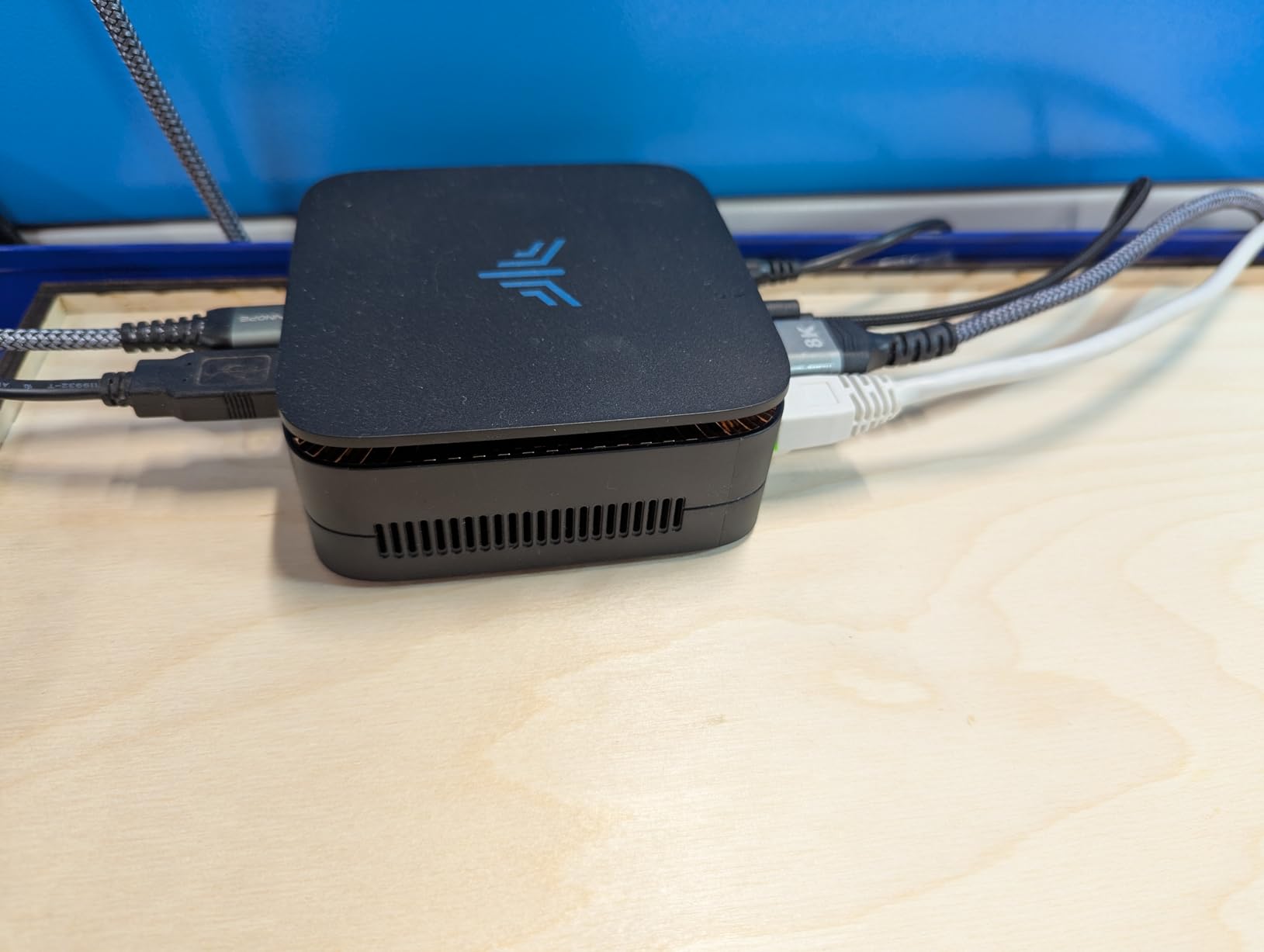
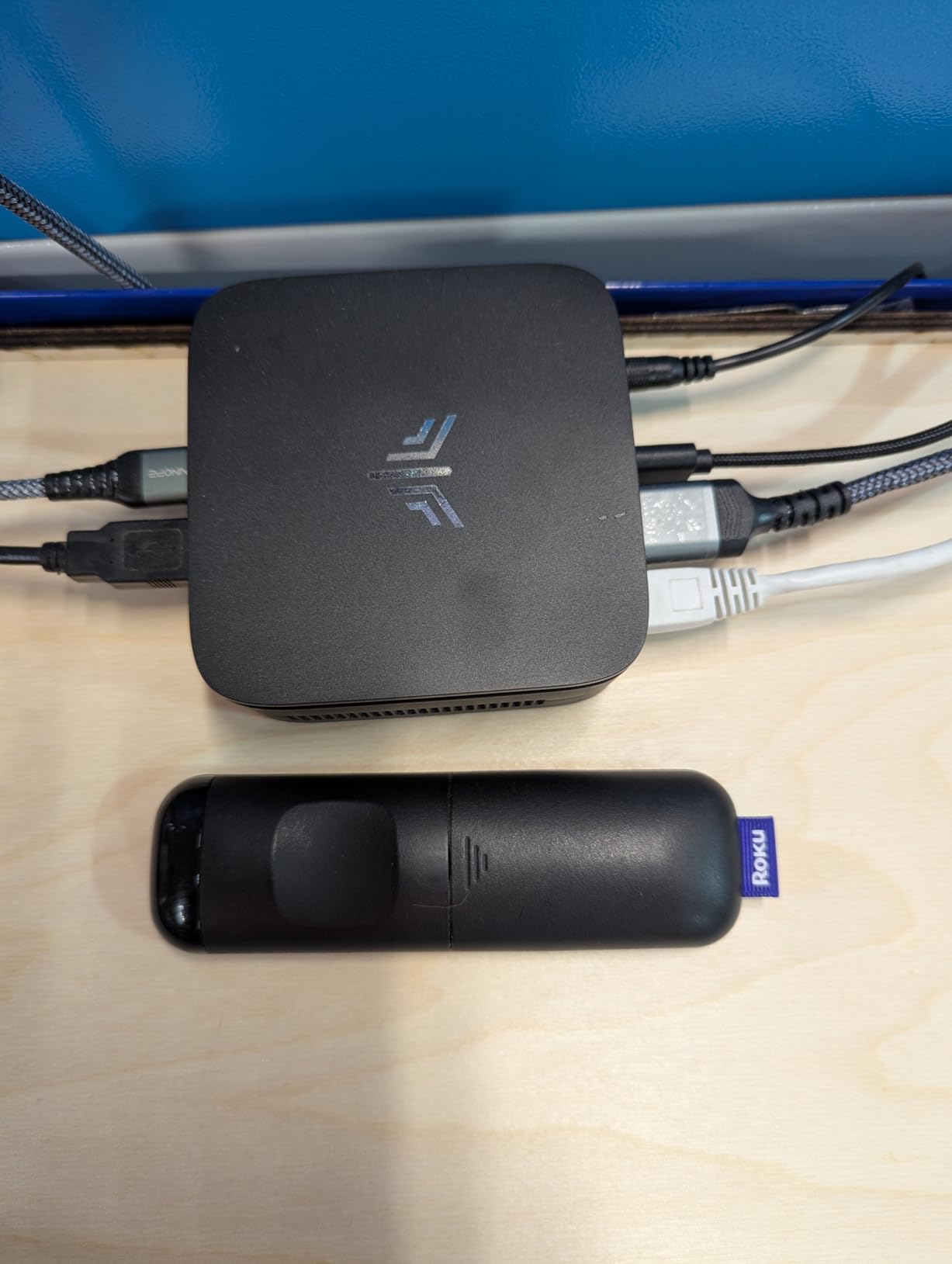
The Pinova P1 is widely used as a living-room and big-screen TV PC, and owner reviews explain why: fast boot times, a crisp 4K picture, and enough capability to run many browser tabs plus a VPN client and utilities at the same time.
It is also one of the smallest machines in the guide at 0.62kg, with a footprint roughly 60% smaller than a typical 5-inch mini PC. The VESA bracket in the box means it mounts flat behind a television.
The Ryzen R2544 gives four cores and eight threads up to 3.7GHz at a 28W TDP, and the listing claims around 50% more performance than Intel 10110U and N150 or N95 class chips. For media duty that gap is irrelevant, which is why it works so well here.
Triple 4K output at 60Hz runs across HDMI, DisplayPort and Type-C. TPM 2.0 support and Wake-on-LAN matter if you plan to deploy these in a small office rather than a living room.
Upgrades worth making immediately
The shipped 16GB is soldered and single channel, which is the one spec you cannot fix. The storage drive you can: it is a SATA drive, and it accepts an NVMe drive up to 2TB. Owners who swap it report a clear improvement in boot and load times.
Several reviewers install Linux after the swap and describe the result as a much better living-room machine than the factory configuration.
What to know before you buy
The 3.5mm audio output picks up mouse and system sounds, which is a real annoyance on a media PC. Reviewers also report 4K video playback stuttering when browsing at the same time, so close the other applications first.
Some buyers mention units becoming unresponsive during 3D rendering tasks. My verdict: the best value big-screen media PC here, provided you swap in an NVMe drive and can live without audio out.
15. Dell OptiPlex 7050 Micro 16GB 256GB Renewed – Best Refurbished Office Buy
Dell OptiPlex 7050 Micro Computer, Intel Quad Core i5-6500T up to 3.1GHz, 16G DDR4, 256G SSD, Windows 11 Pro 64 Bit (Renewed)
Intel Core i5-6500T quad core up to 3.1GHz
16GB DDR4 at 2133MHz
256GB SSD
Windows 11 Pro 64-bit, keyboard and mouse
Pros
- The lowest-cost complete Windows 11 Pro desktop here
- 16GB DDR4 and a 256GB SSD are adequate for office work
- Sturdy modular OptiPlex metal chassis
- USB keyboard and mouse included in the box
- Quiet
- low power draw and simple to set up
- Upgradable to 32GB with good Linux support
Cons
- Refurbishment quality is inconsistent across deliveries
- Included USB wireless dongle is slow and flaky
- 256GB storage is small and integrated graphics are unsuitable for gaming
- Only a 90-day warranty
The renewed OptiPlex 7050 Micro is the lowest-cost complete Windows 11 Pro desktop in this guide, and for a secondary machine, a media centre or a Linux box that value is hard to argue with. A refurbished Dell, keyboard and mouse in the box changes the maths entirely.
The 16GB of DDR4 and a 256GB SSD handle browsing, office work and media without complaint, and the modular metal chassis is straightforward to service for anyone comfortable with the inside of a desktop.
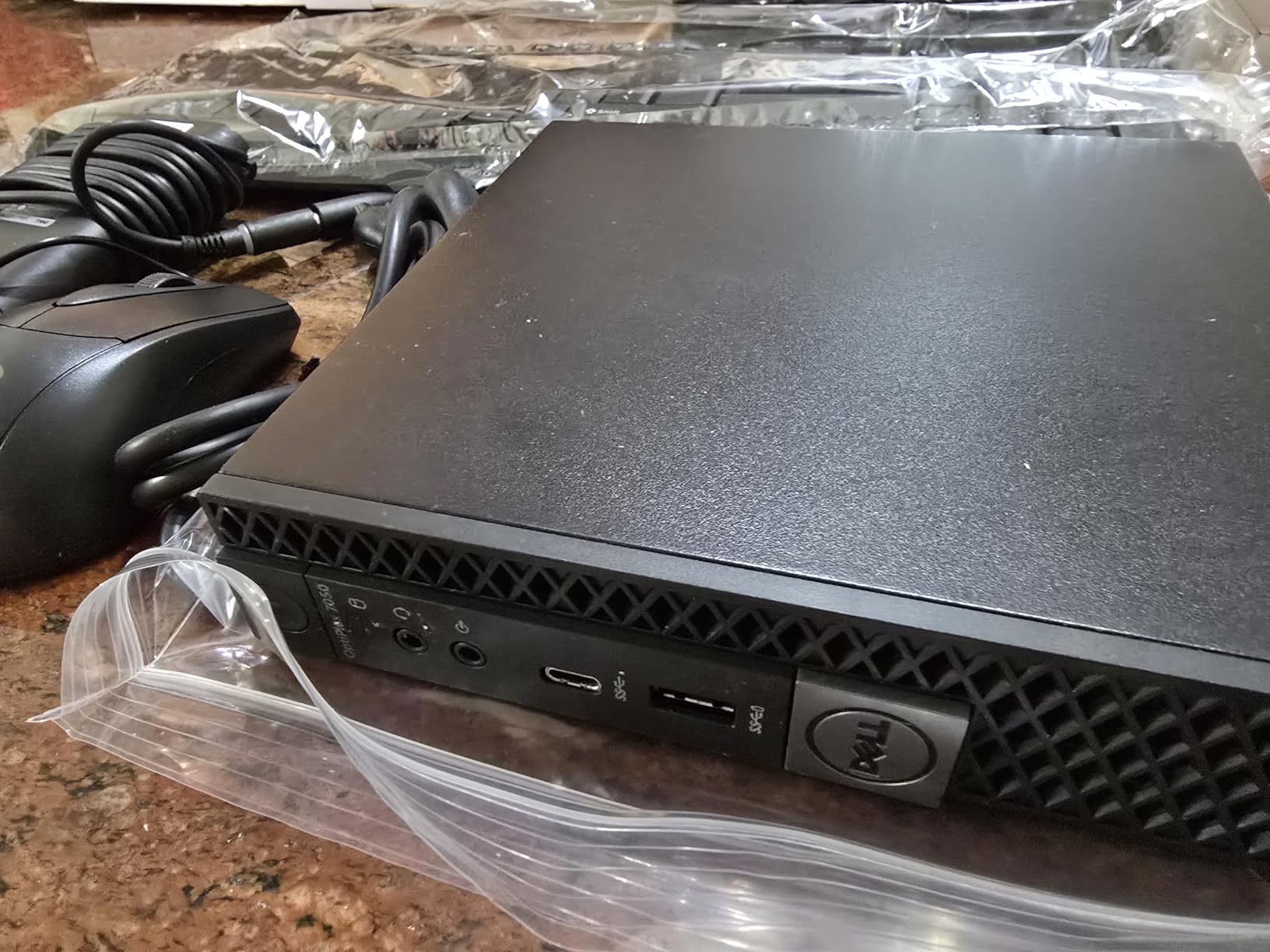
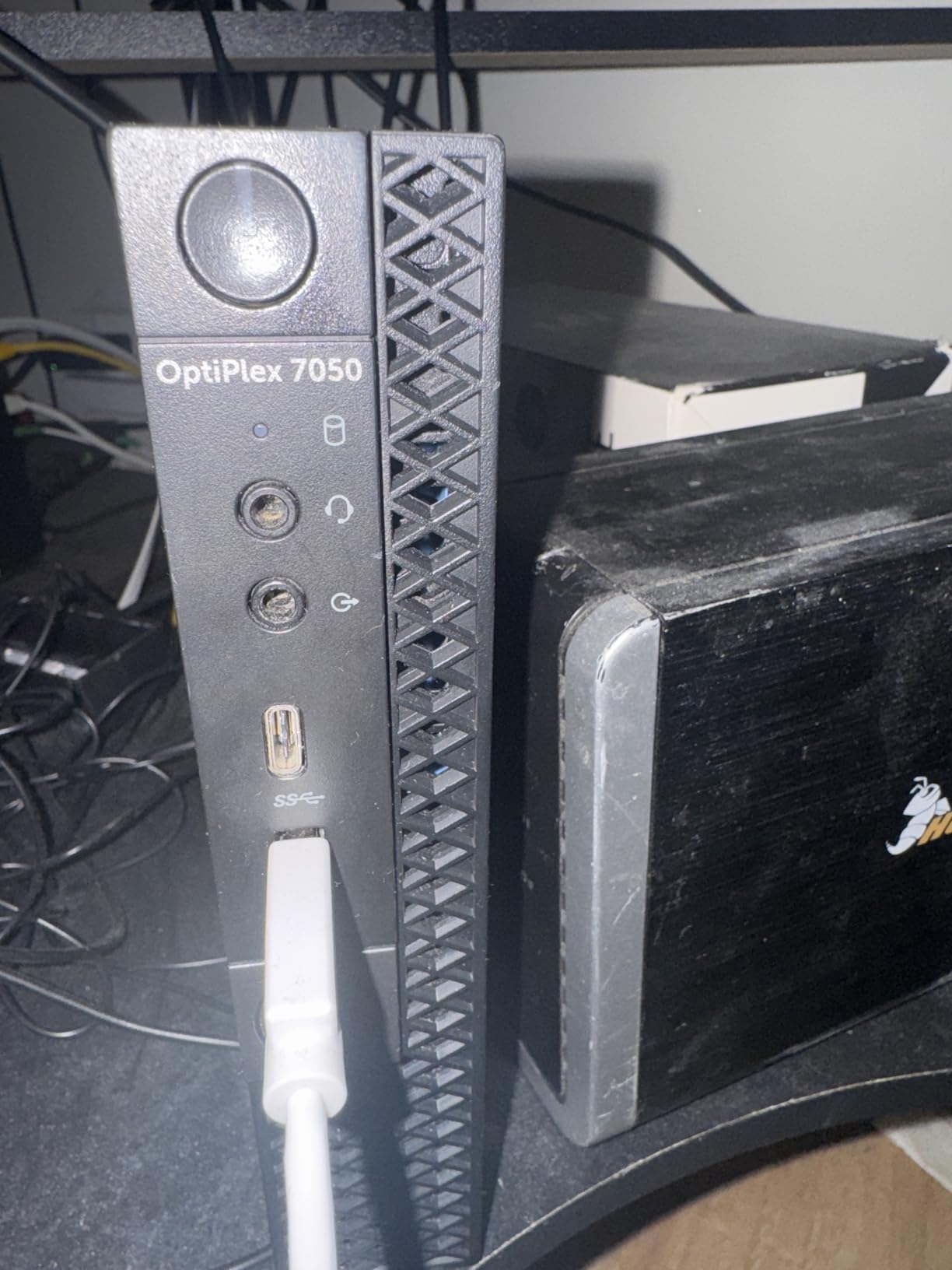
Ports are the quiet strength. One RJ-45, HDMI, DisplayPort and six USB 3.0 ports drive dual 4K monitors at 3840 by 2160, which no other machine here matches for physical connectivity per dollar.
Owners also note how simple it is to set up, how quiet it runs, and how low the power draw is compared with a tower.
When a refurbished business box makes sense
OptiPlex is a line Dell built for offices, and the metal chassis tolerates years of daily use. It upgrades to 32GB of memory and runs Linux well, which is why homelab buyers pick these up.
Its power draw sits well below the new machines in this guide, so for an always-on media server the running cost over three years will be lower than most.
What to know before you buy
The 4.1 rating and 12% one-star share come almost entirely from refurbishment inconsistency. Reviews mention dusty internals, poor finish, missing internal wireless and even a wrong power supply on one machine. The 90-day warranty is the shortest here by a wide margin.
Two fixes cover most of it. Replace the included USB wireless dongle with a modern one, and cap CPU power at about 70% with the cooling scheme set to passive, which silences the fan almost completely. My verdict: the best way to a cheap office PC, and a poor fit for a primary daily driver.
Which Mini PC Brand Is Most Reliable?
Beelink has the strongest overall reputation for support and holds the best consensus, and it is the brand we would deploy in a business. Across multiple r/MiniPCs threads, owners repeatedly single it out for after-sales service, and the machines in this guide back that up with three-year warranties and lifetime technical support. The same community treats GEEKOM as the most reliable per dollar with the best post-sale experience, MINISFORUM as the brand with the deepest BIOS and feature set but weaker build consistency, and GMKtec as the value pick with inconsistent thermals between units. Acemagic, Chuwi and Bosgame sit lower on most tier lists, and the Bosgame E2 Plus reviews here are the clearest evidence of why.
Warranty length is the fastest shortcut. Among the picks here, Beelink and GEEKOM offer three years, KAMRUI offers two, most GMKtec models offer one, and the renewed Dell OptiPlex offers 90 days. Those terms track the forum consensus almost exactly.
Is GEEKOM better than Beelink?
They trade places depending on the priority. Beelink wins on support reputation and warranty consistency, and its boxes tend to run quiet. GEEKOM wins on connectivity, with WiFi 7, USB4 and dual 2.5GbE across its current range, and buyers rate its post-sale experience highly. Users debate the two specifically on Linux-friendliness and upgrade flexibility, where GEEKOM’s specification sheets are more explicit about supported distributions.
Is MINISFORUM better than GEEKOM, and is it a Chinese brand?
MINISFORUM is a Chinese brand, based in Shenzhen, and it is distributed from Hong Kong. Forum consensus rates it as the deepest-feature and best-BIOS alternative, which is why the AI X1 Pro-370 here offers an eGPU port, a fingerprint sensor and a built-in power supply that rivals do not. The trade-off is build consistency, and support responsiveness is reported as inconsistent compared with Beelink or GEEKOM.
What the buying community checks before ordering
Owners look for four things: whether RAM and the SSD are user-upgradable and to what maximum, reported noise levels under sustained load, unit-to-unit consistency, and whether a single well-specified configuration exists or whether the same model name ships in many variants. Config fragmentation is the single most common source of buyer frustration in this category, so read the specification block on the listing rather than the title.
Are Mini PCs Really Worth It, and What Are the Downsides?
Mini PCs are worth it if you already own a monitor, keyboard and mouse, and if the job is office work, media, development, a network appliance or light gaming. They are not worth it if you need a discrete graphics card, if you want something that travels with you, or if you need ports you cannot get. The honest list of downsides is short and specific. You need external peripherals, and the total cost of a machine plus a 27-inch display and peripherals exceeds a laptop. Gaming performance is capped by integrated graphics unless you add an eGPU. Memory is soldered on many models, so the buy-cheap-and-upgrade-later plan often does not exist. And unlike a major manufacturer, support for a small brand can be slow when a unit fails. The power and space savings are real, and for a lot of people that outweighs every item above.
How Long Does a Mini PC Last?
A well-built mini PC with upgradeable memory should last five to seven years for office and media use, and three to five for gaming or development workloads where the processor, not the machine, is the limit. The machines in this guide carry two- and three-year terms, which suggests the manufacturers expect something similar. The practical limit is usually Windows support rather than the hardware itself, so check the processor generation before buying if you plan to keep a machine for the better part of a decade.
How Much RAM and Storage Do You Need?
Match memory to the workload rather than to the price bracket. Office work, browsing and media playback run comfortably in 8GB, but 8GB is a starting point you will upgrade within a year. Sixteen gigabytes is the sensible floor for anything involving many browser tabs, and 32GB is the right answer for video editing, development environments and local AI models. Storage follows a similar curve: 256GB is tight these days, 512GB is workable, and 1TB removes the constraint for most people.
Before you buy, check whether memory is soldered. The KAMRUI Pinova P2, ACEMAGIC K1, GEEKOM IT13 MAX and KAMRUI Pinova P1 all come with fixed memory, while the Beelink, GMKtec, MINISFORUM, GEEKOM A9 Max and BOSGAME E5 use replaceable SODIMMs that expand to 64GB or more. Soldered memory is the single most common regret in this category.
Barebones vs Preconfigured Mini PC
A barebones mini PC ships with a processor and nothing else, so you supply your own memory, storage and operating system. It makes sense when you already have compatible SODIMMs and an NVMe drive spare, or when you want a specific memory configuration the prebuilt version does not offer. Preconfigured makes more sense for everyone else, because a complete Windows 11 Pro machine that works out of the box costs less than the parts needed to build the equivalent yourself. One caveat: several brands ship a barebones listing and a preconfigured listing under the same model name, so confirm which one you are actually buying before comparing anything.
Mini PC vs Laptop vs Desktop
A laptop wins on portability and includes a screen, keyboard and battery. A desktop tower wins on upgradeability, on memory and storage ceilings, and on gaming performance from a dedicated graphics card. A mini PC wins on desk space, silence and power draw, and it sits between the two on performance. If your work involves travel, buy a laptop. If you need heavy gaming or a graphics card, buy a desktop. If you want a permanent desk setup that runs cool and quiet, a mini PC is the better answer.
Frequently Asked Questions
Which mini PC brand is the best?
Beelink holds the best overall consensus for reliability and support, and its three-year warranties and lifetime technical support back that up. GEEKOM is widely regarded as the most reliable per dollar with strong connectivity, MINISFORUM offers the deepest BIOS and feature set, and GMKtec is the value pick with less consistent thermals.
Are mini PCs really worth it?
Yes, if you already own a monitor, keyboard and mouse and your work is office, media, development or light gaming. The space and power savings are real. They are less suitable if you need a dedicated graphics card, want a machine that travels with you, or need ports that integrated mini PCs do not provide.
What is the downside to a mini PC?
The main drawbacks are needing external peripherals, limited gaming performance from integrated graphics, and soldered memory on many models that removes the usual upgrade path. Support from smaller brands can also be slower when a unit fails, and a mini PC plus peripherals costs more than a comparable laptop.
What is the average lifespan of a mini PC?
A well-built mini PC with upgradeable memory typically lasts five to seven years for office and media use, and three to five years for gaming or development workloads. Owners report units running daily for years. The practical limit is usually operating system support rather than the hardware itself.
Are mini PCs as good as laptops?
For a permanent desk setup, a mini PC is often better, offering more ports, a quieter system and lower power draw. For anything involving travel, a laptop wins because it includes a screen, keyboard and battery. Choose based on whether you need portability or a fixed, quiet, energy-efficient workstation.
The Verdict
The best mini PCs in 2026 are not one machine but a short list, and the right pick depends entirely on what the box has to do. For most people the M4 Mac mini is the answer: silent, compact, 4.8 stars across more than 2,400 reviews, and very little to explain away. Windows buyers should look at the Beelink SER9 Max for performance or the KAMRUI Pinova P2 for value, and anyone building a network appliance should start with the GMKtec M7 Ultra or the BOSGAME E5 for their 2.5GbE ports.
Before you order, check one thing above all: whether the memory is soldered. That single specification decides whether the machine you buy today can be upgraded in three years or must be replaced. Every pick here is one click away, and the Check Latest Price button on each card is the only place to confirm current pricing.
Related reading: if you are building out a full desk setup, our guides to the best gaming PCs and the best prebuilt gaming PCs cover the full-size alternatives, and the best UPS units for gaming PCs handle the one thing a mini PC on a desk still needs.