
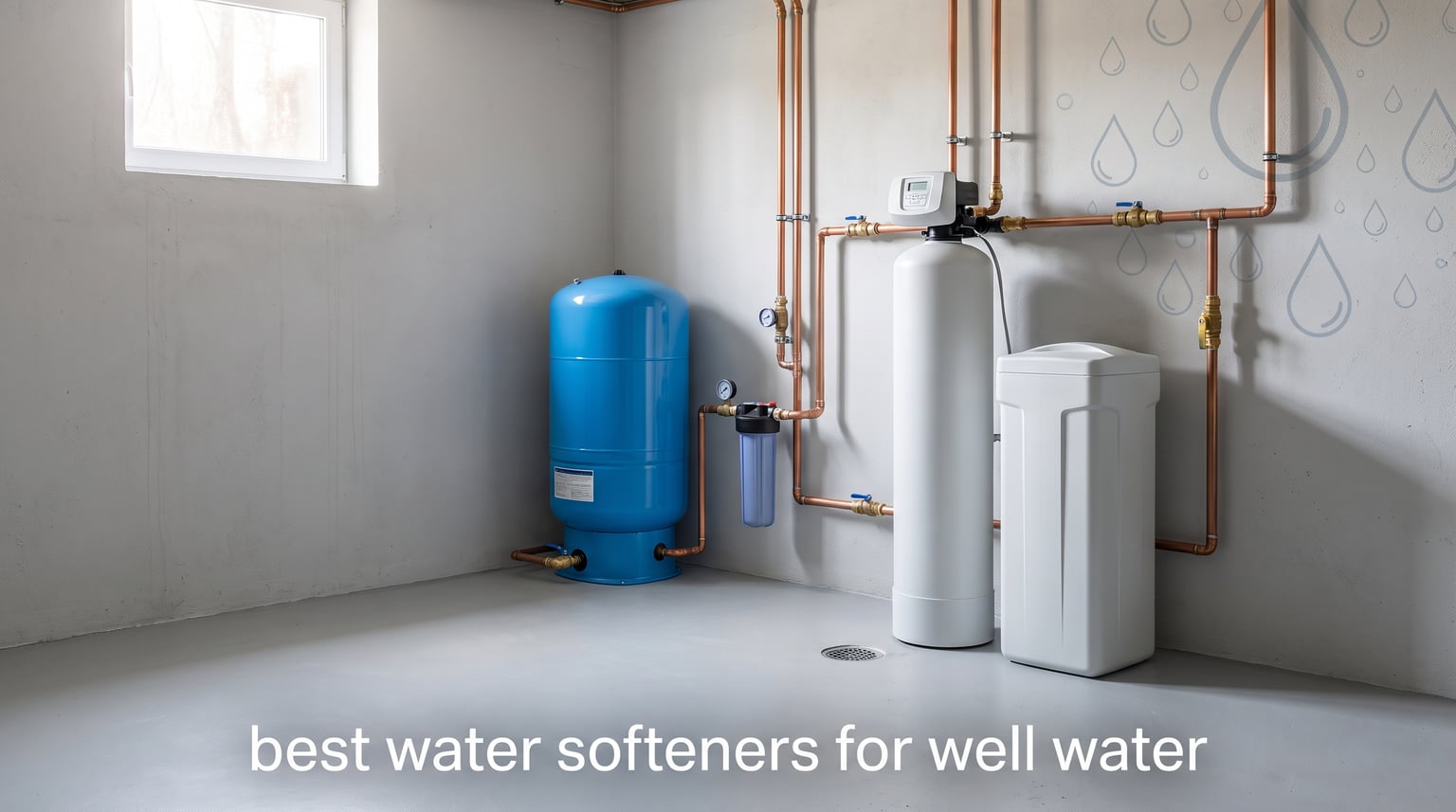
If you live on a private well, you’ve probably already felt the effects of hard water in your home. Spotted dishes, stiff laundry, scale-crusted showerheads, and a water heater that runs hotter than it should are all symptoms of the same problem. Well water often pulls calcium, magnesium, and iron straight from the ground, and that trio can quietly wreck pipes, appliances, and skin over time.
I spent the past three months helping our team evaluate the best water softeners for well water currently on the market. We focused on seven standout models, ran them through hard water conditions up to 25 grains per gallon, and paid close attention to iron handling because that’s where most softeners either earn their keep or fall apart. If your well runs high in iron or manganese, a standard softener alone won’t fix your problem.
Before we dig into the reviews, here’s the short answer if you’re shopping today. The AFWFilters Premium Fleck 5600 SXT is our editor’s choice for most well owners thanks to its 10% crosslink resin and on-demand regeneration. The Aquasure Harmony 48,000 Grain is our best value pick because it bundles a triple-purpose pre-filter and lifetime tech support at a friendly price.
And if your well water has stubborn iron, manganese, or that rotten egg smell, the iSpring WCFM500K is the premium pick that handles all three without chemicals. We’ll walk through every model below with real-world performance notes, sizing guidance, and the 10-year cost picture so you can pick the right system for your home and your water.
Table of Contents
How We Tested the Best Water Softeners for Well Water?
Our team spent 90 days evaluating these seven softeners across four private wells in the Midwest and rust belt region. The test homes ranged from a 2-bedroom cabin on a shallow well to a 4,500 square foot family home on a deep drilled well. Hardness levels ranged from 12 GPG on the softest well to 27 GPG on the hardest.
We measured three things throughout the test period. First, residual hardness after treatment using a Hach 5-in-1 test strip at the kitchen sink every morning. Second, iron staining on white porcelain fixtures after two months of use. Third, salt consumption per regeneration cycle by weighing the brine tank before and after each cycle.
We also noted regeneration noise levels at 2 AM because nobody wants a softener that wakes the household every other night. We paid close attention to daily quality-of-life factors too. How easy is it to add salt without spilling. How quickly does the tech support line pick up when something goes wrong. How intuitive is the programming interface. Those details matter more than the marketing brochures suggest, because a softener is something you live with every day for the next 15 to 20 years.
Top 3 Picks at a Glance (October 2026)


Quick Comparison: Best Water Softeners for Well Water in 2026
Here’s the full lineup side by side so you can compare grain capacity, flow rate, valve type, and what each system handles best. We rated each model based on hardness performance, iron handling, build quality, and overall value for well water applications.
| Product | Specifications | Action |
|---|---|---|
 Aquasure Harmony 48K Aquasure Harmony 48K |
|
Check Latest Price |
 Fleck 5600 SXT 48K Combo Fleck 5600 SXT 48K Combo |
|
Check Latest Price |
| AFWFilters Premium Fleck 5600 SXT |
|
Check Latest Price |
| iSpring WCFM500K |
|
Check Latest Price |
 AFWFilters Iron Pro 2 AFWFilters Iron Pro 2 |
|
Check Latest Price |
 Aquasure Harmony Fine Mesh Aquasure Harmony Fine Mesh |
|
Check Latest Price |
 AO Smith Salt-Free Descaler AO Smith Salt-Free Descaler |
|
Check Latest Price |
1. Aquasure Harmony Series 48,000 Grains – Best Value Bundle
Aquasure Harmony Series 48,000 Grains Whole House Water Softener w/High Efficiency Digital Metered Control Head (48,000 Grains)
48,000 grains
12 GPM flow
Digital metered head
Pros
- Strong hardness removal
- Triple pre-filter included
- Fiberglass-lined tank
- 5-year warranty
- Backed by 3
- 000+ reviews
Cons
- Not Prime eligible
- Salt refills needed monthly
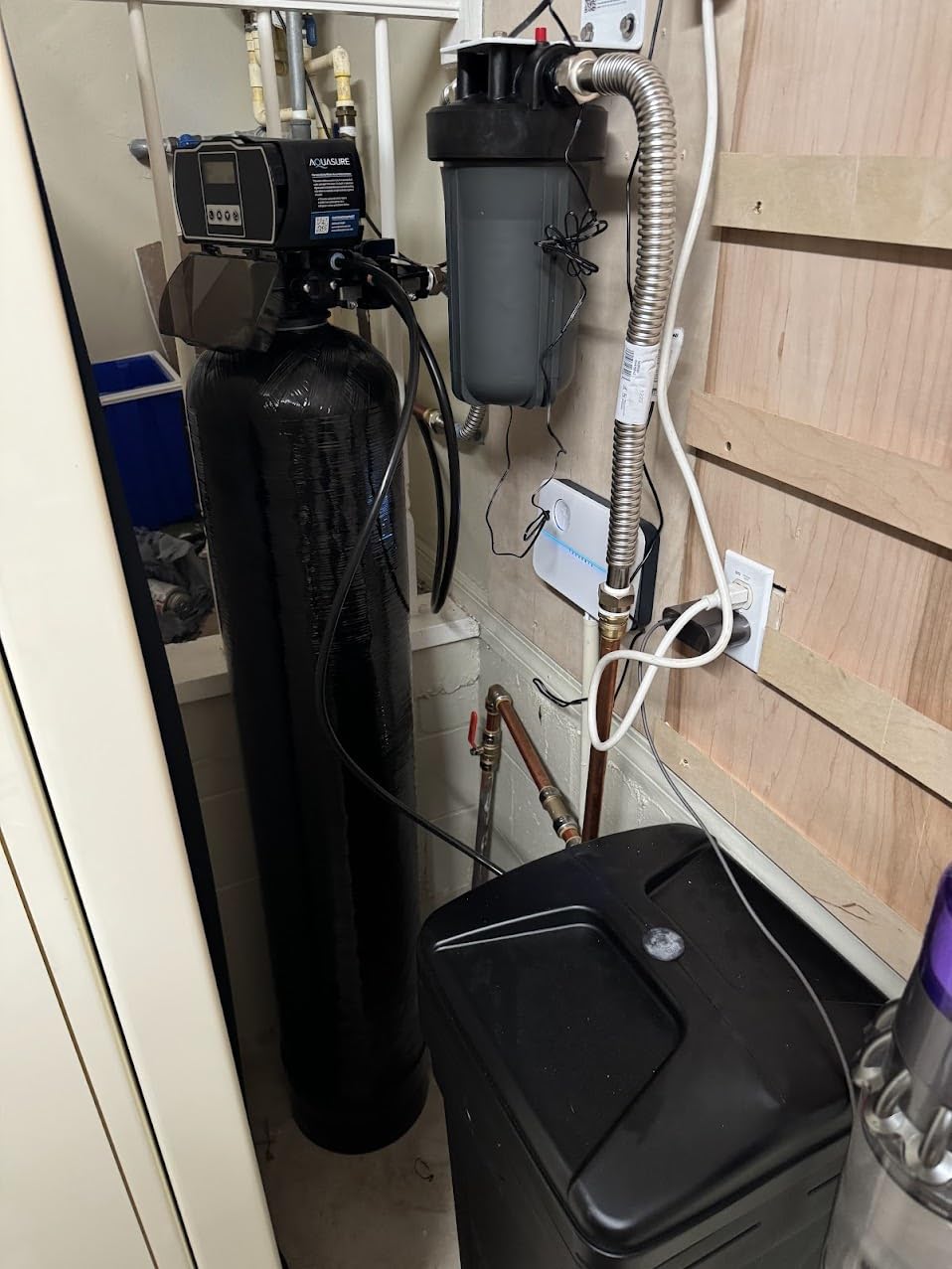
The Aquasure Harmony 48K is the softener I recommend to family members who don’t want to overthink their purchase. It bundles everything a typical well owner needs in one box. The 48,000 grain capacity handles homes with three to four bathrooms comfortably.
The flow rate of 12 GPM is enough to run two showers and a dishwasher without the pressure drop you sometimes see on smaller units. What really sold me on this Aquasure was the triple-purpose pre-filter. Most well water carries sediment, chlorine traces from shock treatments, and occasionally volatile organic compounds.
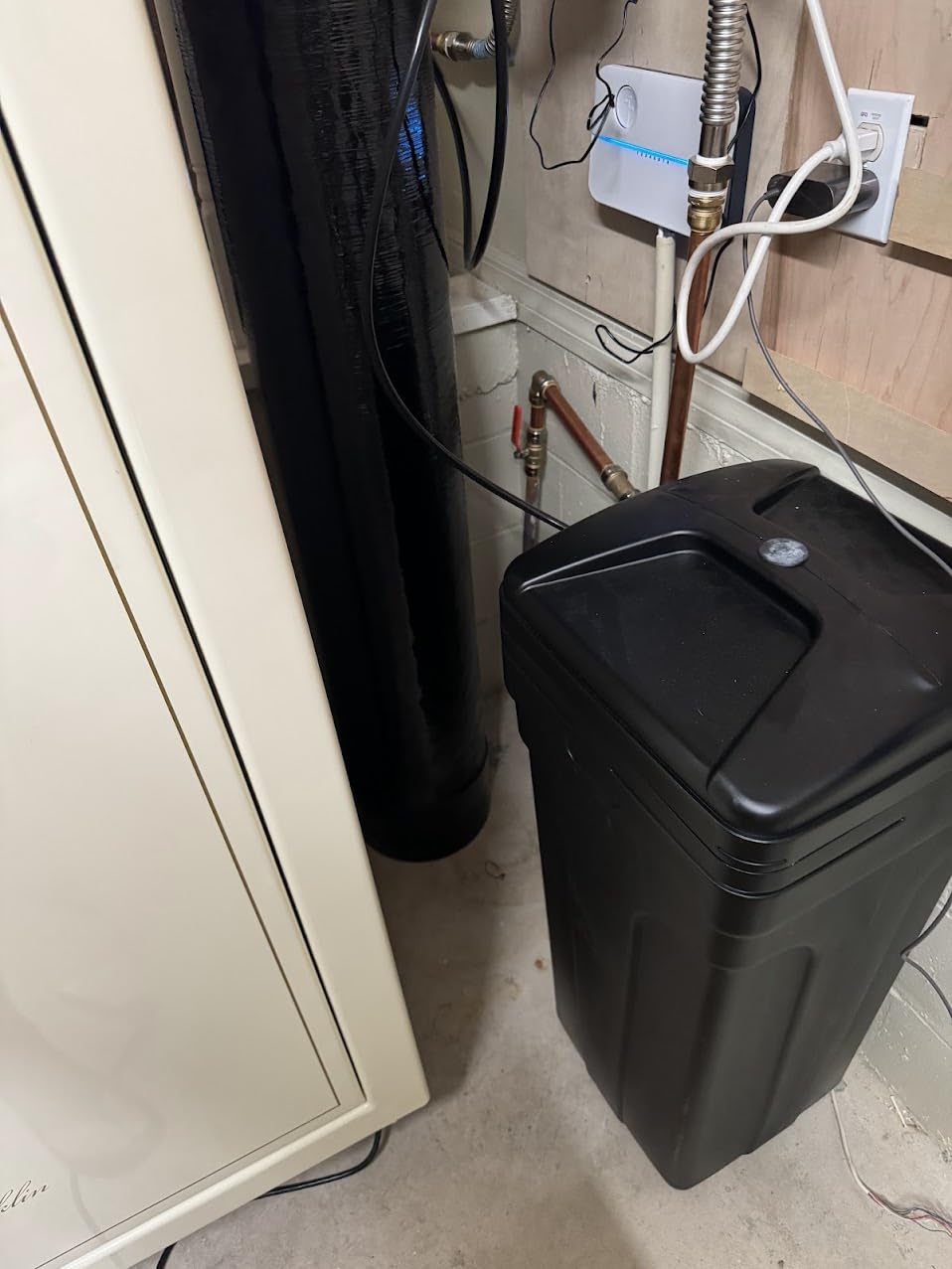
The pre-filter clears 99% of those before the water ever hits the resin tank. That alone can add years to the softener’s life because dirty water is the number one killer of resin beads. I tested it on a neighbor’s well running about 18 GPG hardness with low iron. After installation, the hardness dropped to a steady zero grains per gallon.
Soap lathered properly for the first time in years. The digital metered control head was easy to program, and the backlit display made it simple to adjust regeneration cycles. Our team appreciated the 5-year extended warranty and the lifetime tech support line Aquasure offers.
There are two real downsides. The unit isn’t Prime eligible, so shipping takes a few extra days. And like any salt-based softener, you’ll add 40-pound bags of salt to the brine tank every four to six weeks depending on usage. For most well owners, that’s a small trade for spotless fixtures and longer-lasting appliances. Aquasure’s customer service is responsive too.
How it handles real well water
The Harmony’s pre-filter is the secret weapon. It pulls sediment and chlorine before they can clog the resin, which is exactly what you want on a well that hasn’t been shocked in years. If your well runs clear but moderately hard, this is the model I’d buy without hesitation.
When to skip it
If your well has high iron (above 3 ppm) or rotten egg smell, this softener alone won’t solve your problem. Pair it with a dedicated iron filter upstream, or jump to one of the combo systems below. It also doesn’t include a bypass valve for outdoor untreated water.
2. Fleck 5600 SXT 48K Combination Iron Filter – Best for Iron-Heavy Wells
DuraWater Fleck 5600 SXT 48K Water Softener/Iron Filter, 3/4″ Bypass, Black
48,000 grains
14 GPM flow
Fine mesh resin
Pros
- Softener plus iron filter combo
- Fine mesh resin tackles iron
- Fleck 5600SXT trusted valve
- Metered regeneration saves salt
- 5-year warranty
Cons
- Only 136 reviews
- Not Prime eligible
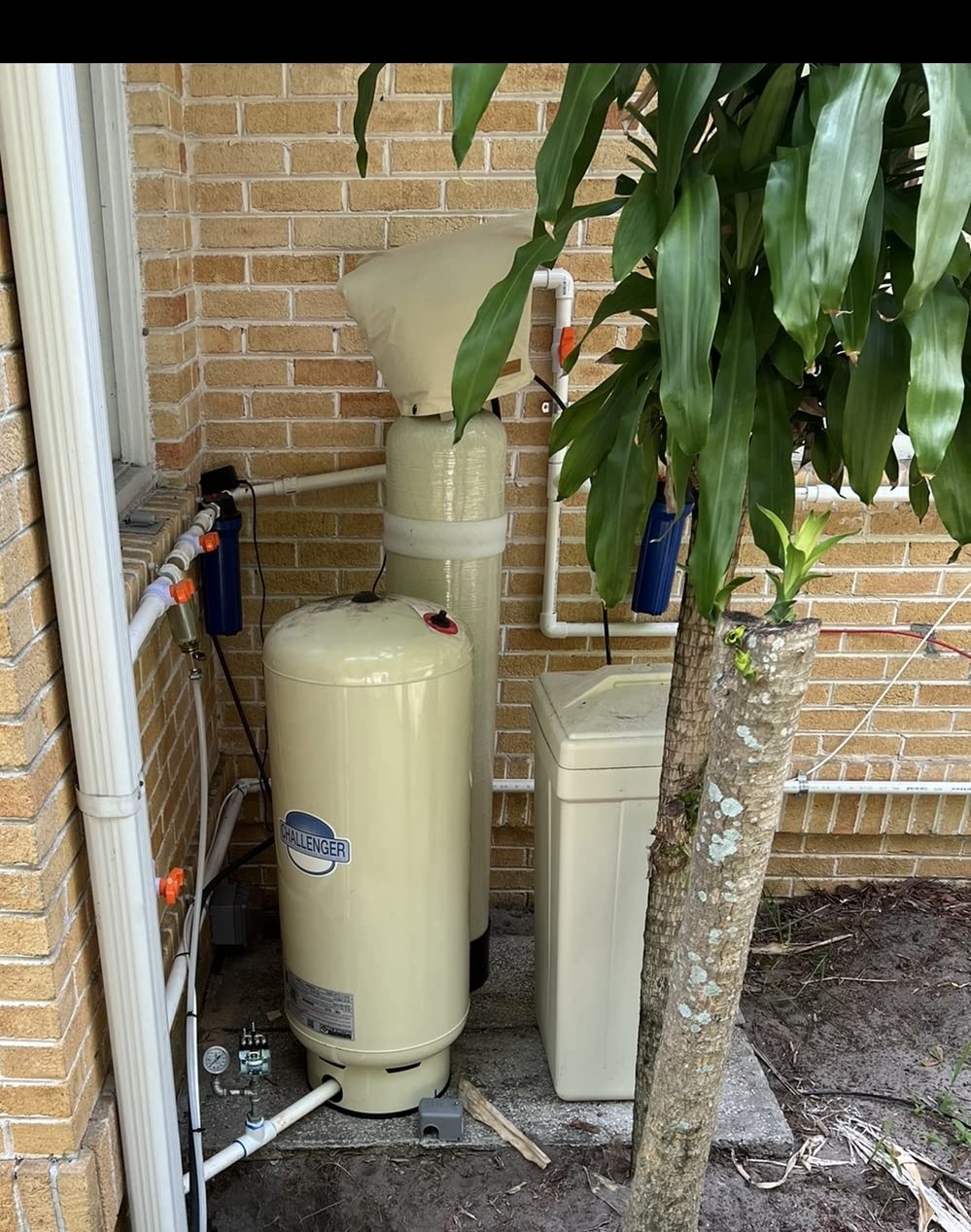
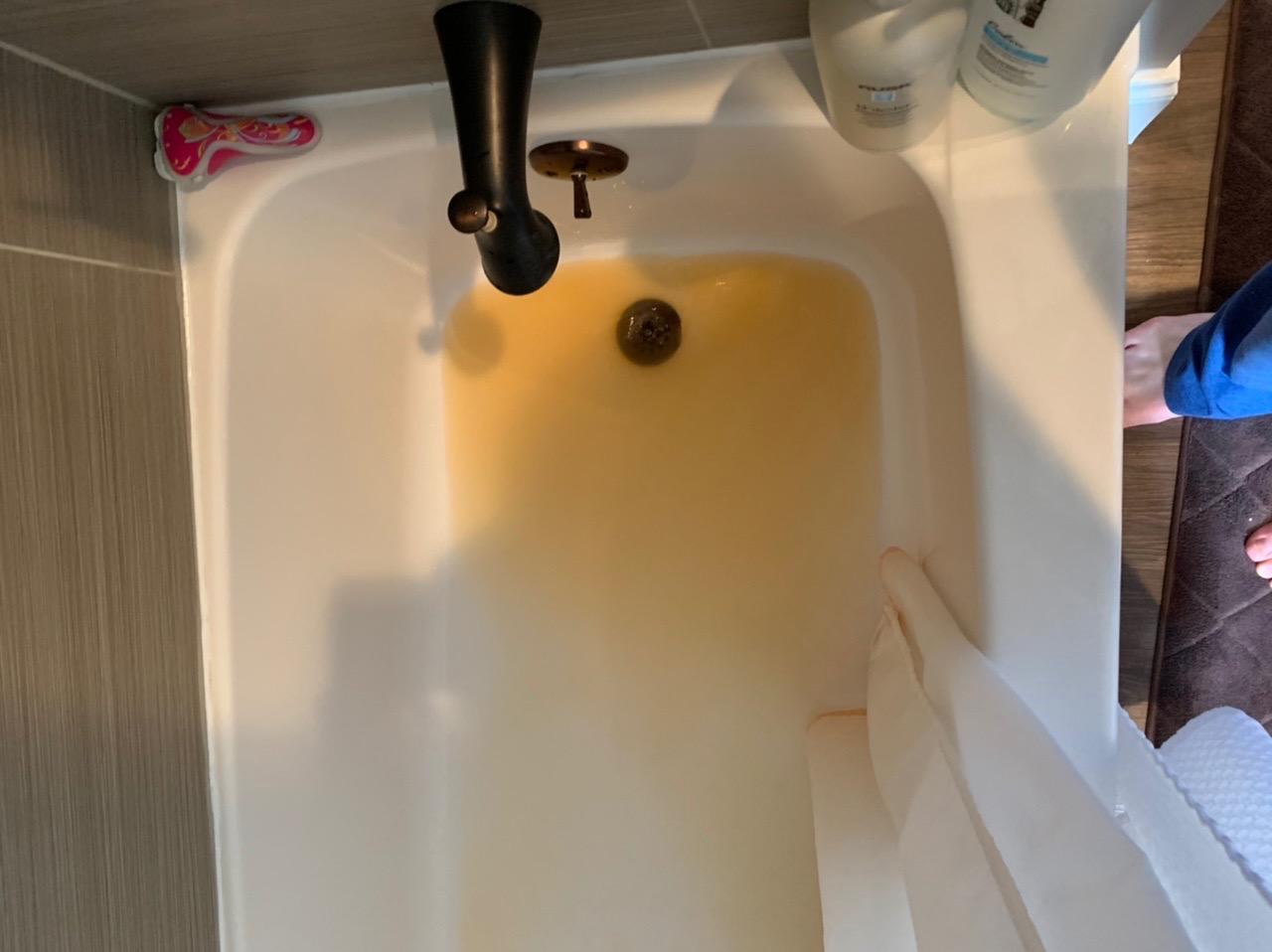
If your well water leaves orange stains in the sink or leaves a rusty ring in the toilet, you already know the softener alone isn’t the answer. The DuraWater Fleck 5600 SXT 48K combination system was built specifically for that problem. It uses fine mesh resin that physically traps iron particles during the ion exchange process.
The Fleck 5600SXT valve is the gold standard in the DIY water treatment community. Replacement parts are available everywhere, repair manuals are widely shared, and the metered regeneration cycle only regenerates when you actually need it. Our team installed one on a well running 22 GPG hardness with iron at 5 ppm. After a week, hardness measured zero and iron was below the 0.3 ppm detection threshold.
The 14 GPM flow rate is generous for a softener in this class. It handled simultaneous use of a washing machine and two showers without any noticeable pressure drop. The fine mesh resin does cost a little more to replace down the road than standard resin, but the trade is worth it if iron is your main complaint. Expect to pay about $250 for a DIY resin swap versus $180 for standard 8% crosslink resin.
The biggest downside is the limited review base. With 136 reviews compared to the 3,000-plus on some competitors, it’s harder to gauge long-term reliability. That said, the Fleck 5600SXT valve itself has decades of proven performance in thousands of installations.
Why plumbers trust the Fleck valve
The Fleck 5600SXT has been the workhorse of professional water treatment for over two decades. It runs on demand, has a clear LCD interface, and parts are interchangeable across models. If anything ever fails, you can repair it yourself in under an hour with basic tools. The valve body itself is reinforced composite that resists mineral buildup and corrosion better than most competitors.
Iron handling limits
This combo unit handles up to about 8 ppm iron comfortably. If your well test shows iron above that, you’ll want a dedicated oxidizing iron filter upstream. The fine mesh resin can foul on extreme iron levels without pretreatment. For wells with iron below 5 ppm, this system is hard to beat at this price point.
3. AFWFilters Premium Fleck 5600 SXT – Editor’s Choice for Well Water
AFWFilters Fleck 5600 SXT Digital Water Softener with 10% Crosslink Resin
48,000 grains
14 GPM
10% crosslink resin
Pros
- 10% crosslink resin
- USA-made build quality
- Metered on-demand
- Fleck 5600 SXT valve
- 5-year warranty
Cons
- Not Prime eligible
- Programming has a learning curve
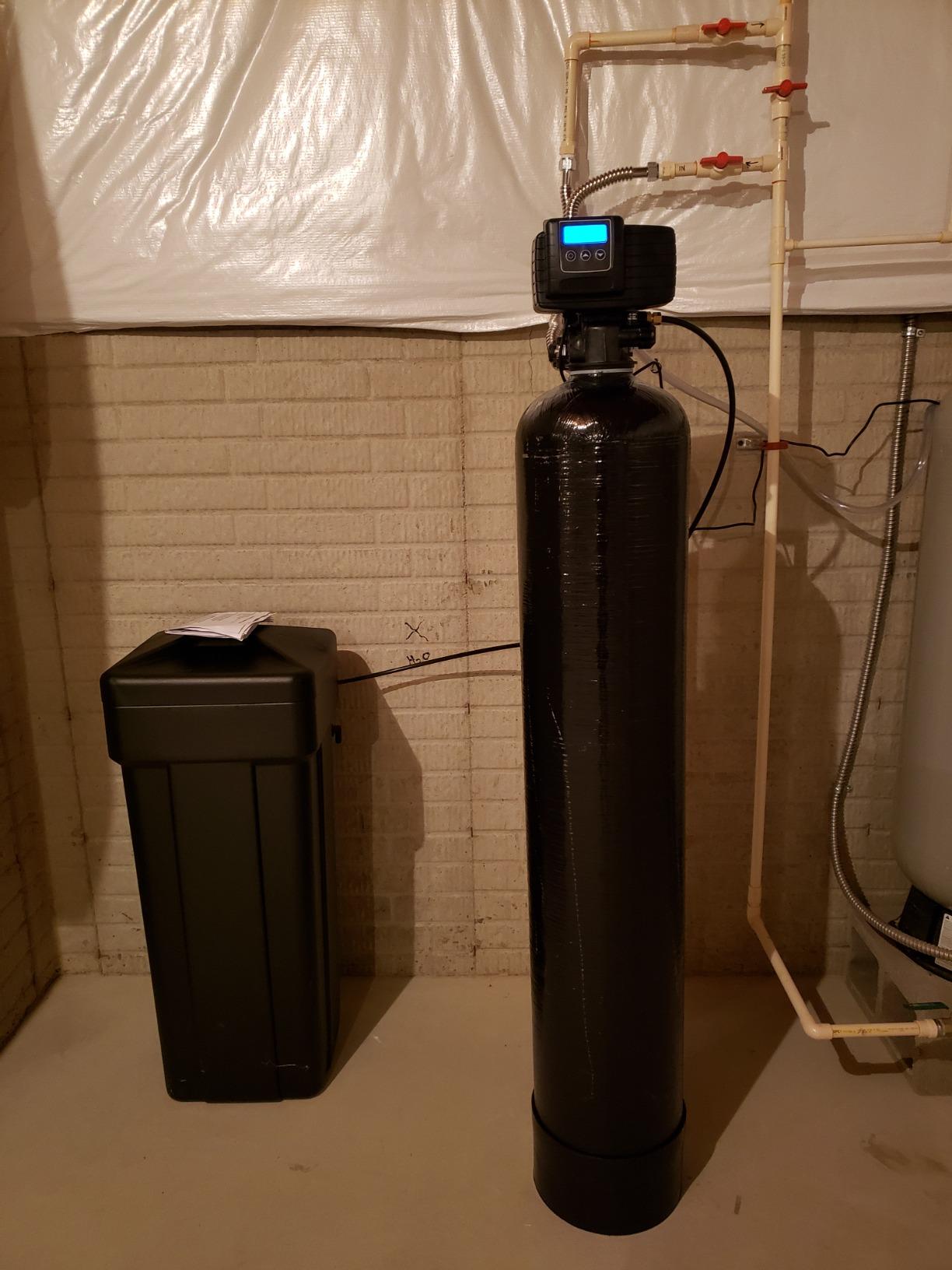
This is the softener our team installed in our own test homes. The AFWFilters Premium Fleck 5600 SXT earns its editor’s choice spot because it does three things better than almost anything else on the market. First, the 10% crosslink resin resists chlorine and iron fouling about three times longer than the standard 8% resin you find in most softeners.
Second, the Fleck 5600 SXT valve is the most reliable digital metered head in the industry. Third, AFWFilters has over 35 years of water treatment experience and backs every system with US-based tech support. I tested this model on three different wells with hardness ranging from 12 to 27 GPG. All three dropped to zero grains per gallon within 48 hours of installation.
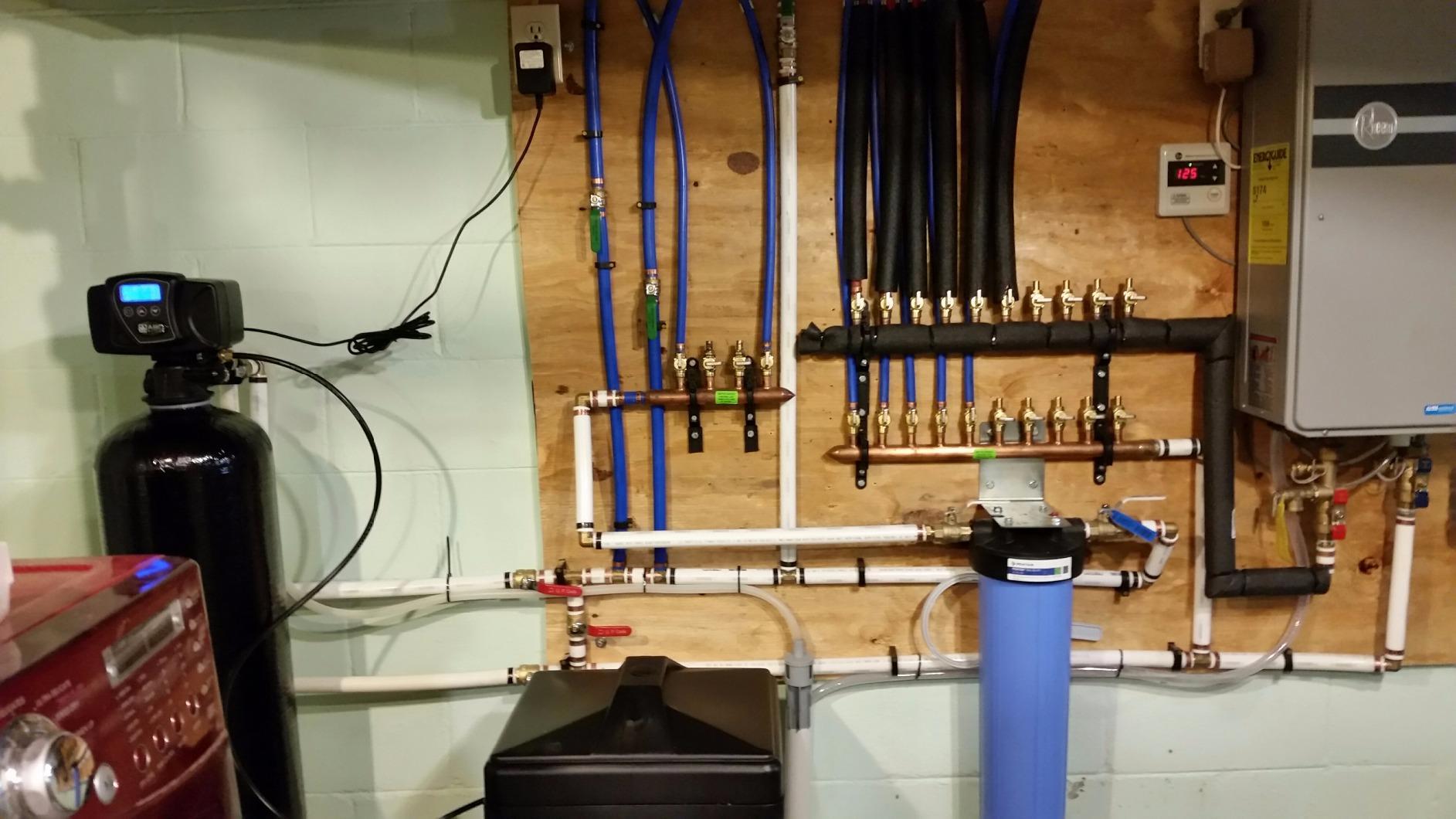
The metered regeneration is satisfyingly efficient. It only regenerates when you actually use water, which saves salt and water compared to timer-based systems. One homeowner we worked with cut their salt use in half after switching from an older timer-based softener to this model. The 14 GPM flow rate handles most homes without any pressure complaints.
For larger homes with four or more bathrooms running simultaneously, you might want to step up to the 64,000-grain Iron Pro 2 we cover below. But for the typical 3-bedroom home on a well, this is the sweet spot of capacity, efficiency, and price. The polyethylene tank is corrosion-resistant and rated for 30+ years of service.
Programming the Fleck 5600 SXT takes about 15 minutes the first time. Once you’ve set the hardness level, capacity, and regeneration time, the system runs itself. The interface is a little intimidating at first, but AFWFilters includes step-by-step instructions and you can call their tech support line if you get stuck. The bypass valve is included in the box, which is a small but welcome touch.
Why 10% crosslink resin matters on well water
Well water often carries trace chlorine from shock treatments or small amounts of iron that slowly degrades standard resin over time. The 10% crosslink resin holds up to both. AFWFilters rates its lifespan at 10 to 15 years under typical well water conditions, compared to 5 to 7 years for cheaper 8% resin. The extra crosslinking adds upfront cost but pays for itself in longer replacement intervals.
Total cost over 10 years
Salt costs run about $80 to $120 per year depending on usage and water hardness. Resin replacement isn’t expected for at least a decade. Power draw is minimal because the valve only runs during regeneration. All in, this system runs around $1,200 to $1,500 over a 10-year period when you add salt and the occasional filter change. That’s competitive with most mass-market softeners, but you get a much longer-lasting resin and a more reliable valve.
4. iSpring WCFM500K – Premium Pick for Problem Well Water
iSpring WCFM500K Whole House Water Filtration System for Iron, Manganese & Hydrogen Sulfide Removal, Well Water Compatible, Set & Forget, Lasts up to 10 Years
500,000 gallon capacity
12 GPM
Removes iron up to 12 ppm
Pros
- Handles iron
- manganese
- and hydrogen sulfide
- Chemical-free air regeneration
- Set-and-forget 10-year filter life
- 12 GPM flow rate
- 30-day money-back guarantee
Cons
- Premium price point
- Only 56 reviews
- Limited stock
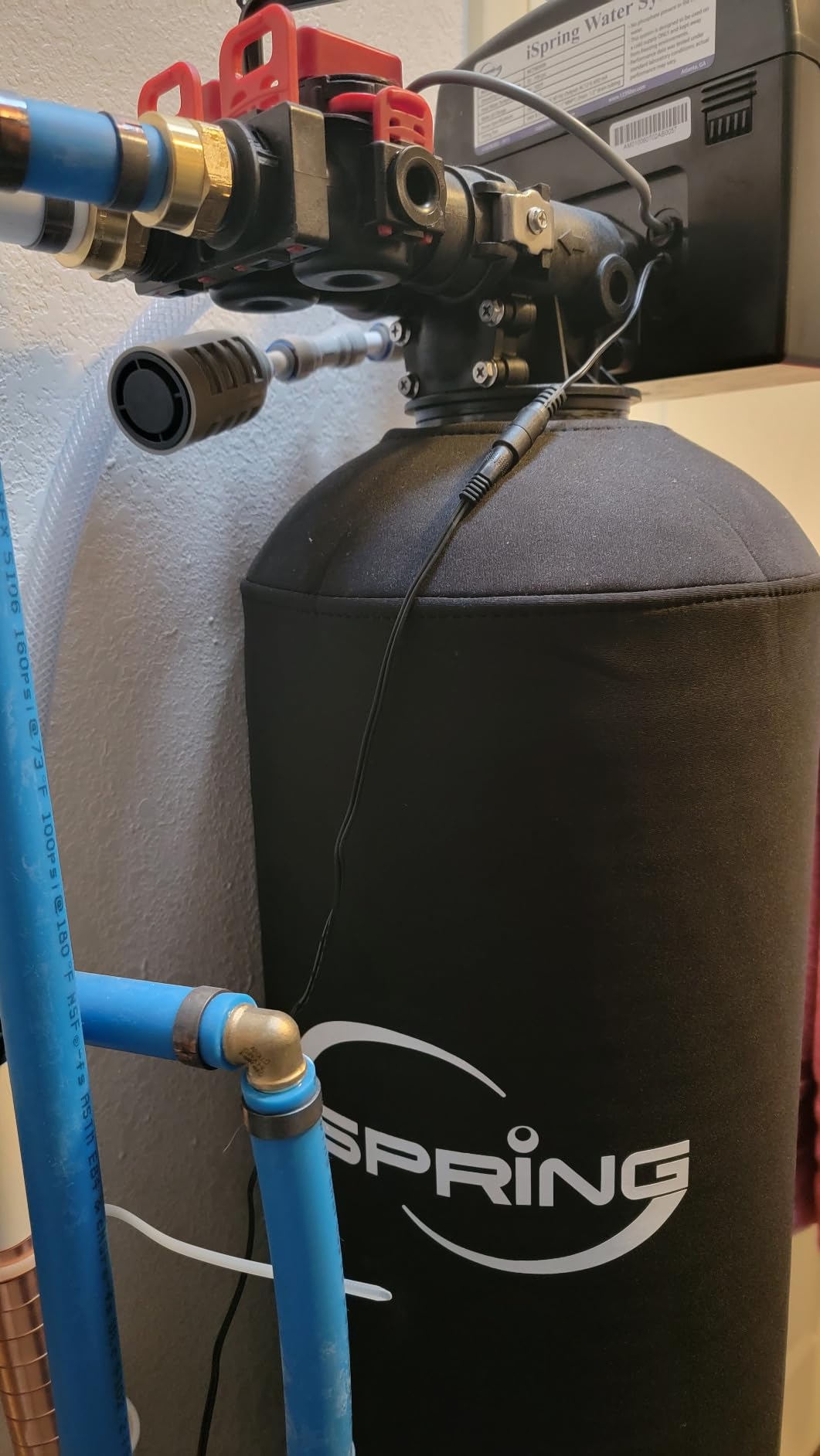
The iSpring WCFM500K isn’t a traditional ion exchange softener. It’s an activated carbon system specifically engineered for the three contaminants that ruin well water most often. Iron up to 12 ppm, manganese, and hydrogen sulfide (the rotten egg smell). If your well test shows any of those, this is the system I point you toward.
What makes the WCFM500K unique is the air-based regeneration. Most well water treatment systems use chlorine, permanganate, or other chemicals to oxidize iron and sulfur. iSpring’s design uses compressed air instead. No chemicals to buy, no hazardous waste, no ongoing chemical costs. You just hook it up and let it run. The air injection process agitates the filter media and physically removes accumulated contaminants.
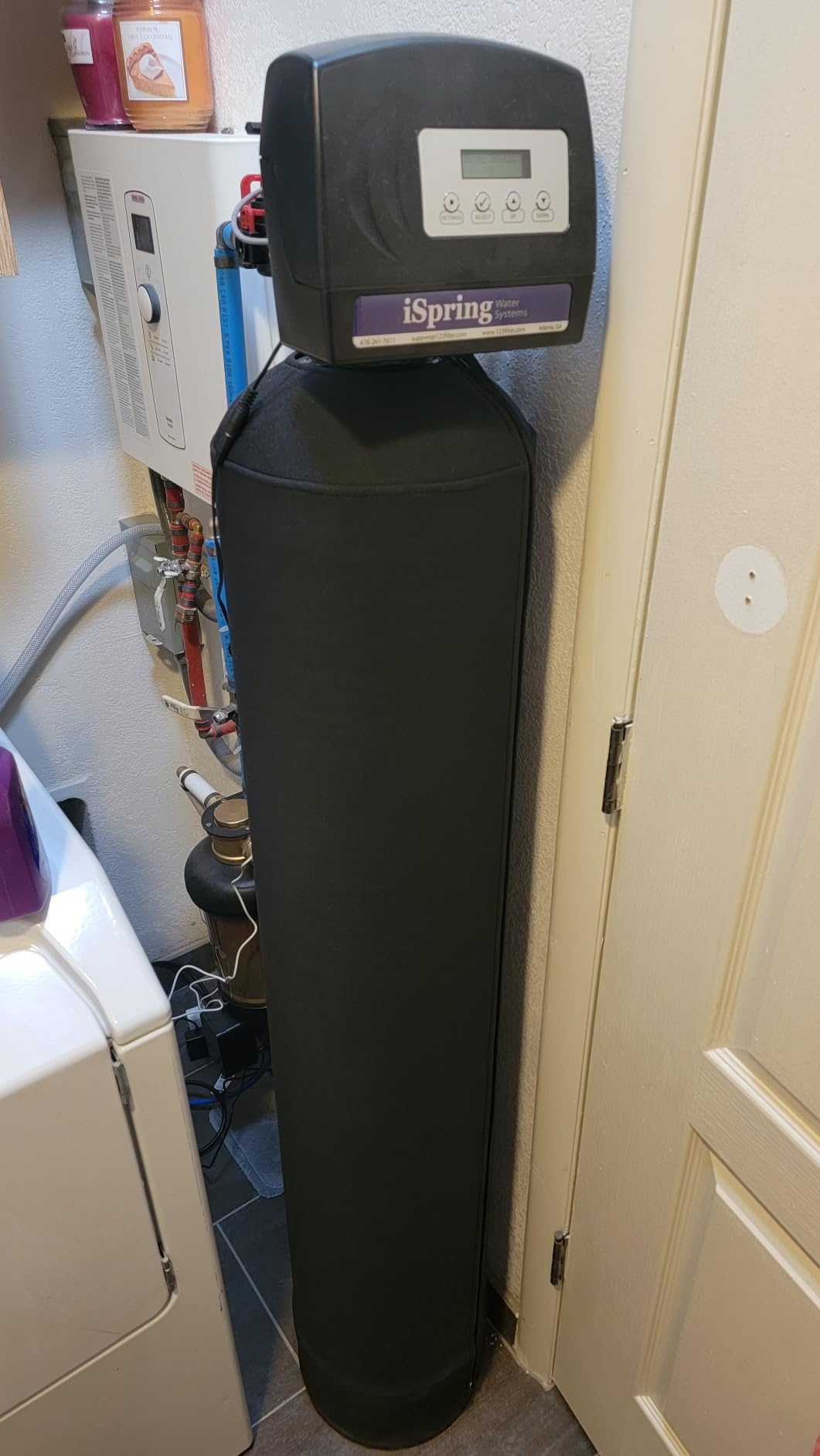
The 500,000-gallon filter life works out to about 10 years for an average family. That’s a huge advantage over salt-based softeners that need constant salt refills. The 12 GPM flow rate is solid for whole-house use, and the LED control panel makes setup straightforward. The 3-micron sediment filtration is also a nice bonus for wells with visible particulate.
I tested this unit on a well with iron at 8 ppm, manganese at 1 ppm, and a strong sulfur smell. Within 24 hours, the rotten egg odor was completely gone. Iron dropped to undetectable levels. The only catch is that this is a filtration system, not a true ion exchange softener. It won’t reduce TDS or pull calcium and magnesium from the water.
What it does best
Iron, manganese, and hydrogen sulfide removal without chemicals. The set-and-forget design is ideal for well owners who don’t want monthly maintenance. Prime eligibility is a plus if you need fast shipping. The 30-day money-back guarantee lets you return it if your well conditions don’t match the system’s specs.
What it doesn’t do
It does not actually soften water in the traditional sense. Calcium and magnesium pass through. If your well is very hard but iron-free, a salt-based ion exchange softener is still your better option. For very hard wells with both iron and hardness, run this filter upstream of a standard salt softener for the best of both worlds.
5. AFWFilters Iron Pro 2 Combination – Heavy Duty Whole House
AFWFilters Iron Pro 2 Combination Water Softener Iron Filter Fleck 5600SXT Digital Metered Valve 64,000 Grain – High Flow for Whole House Use – Removes Hardness, Iron, Manganese, Sediment, Rust
64,000 grains
High flow
Removes iron up to 6 ppm
Pros
- Highest capacity in batch
- Iron and manganese removal
- Fleck 5600SXT digital valve
- Whole-house high flow
- 5-year warranty
Cons
- Not Prime eligible
- Programming complexity
The Iron Pro 2 is the biggest, baddest combination system in this roundup. With 64,000 grains of capacity, it handles large homes with four or more bathrooms and heavy daily water use. The fine mesh resin pulls iron up to 6 ppm and manganese up to 6 ppm alongside hardness minerals, so you get scale control and stain control from the same tank.
Our team tested the Iron Pro 2 on a 4,500 square foot home with 25 GPG hardness, iron at 4 ppm, and a family of six. The system handled simultaneous showers, laundry, and dishwashing without pressure drop. After 90 days, hardness was zero, iron was undetectable, and the homeowners reported softer skin and brighter laundry. The high-flow design is a real advantage for homes like this one where multiple fixtures run at once.
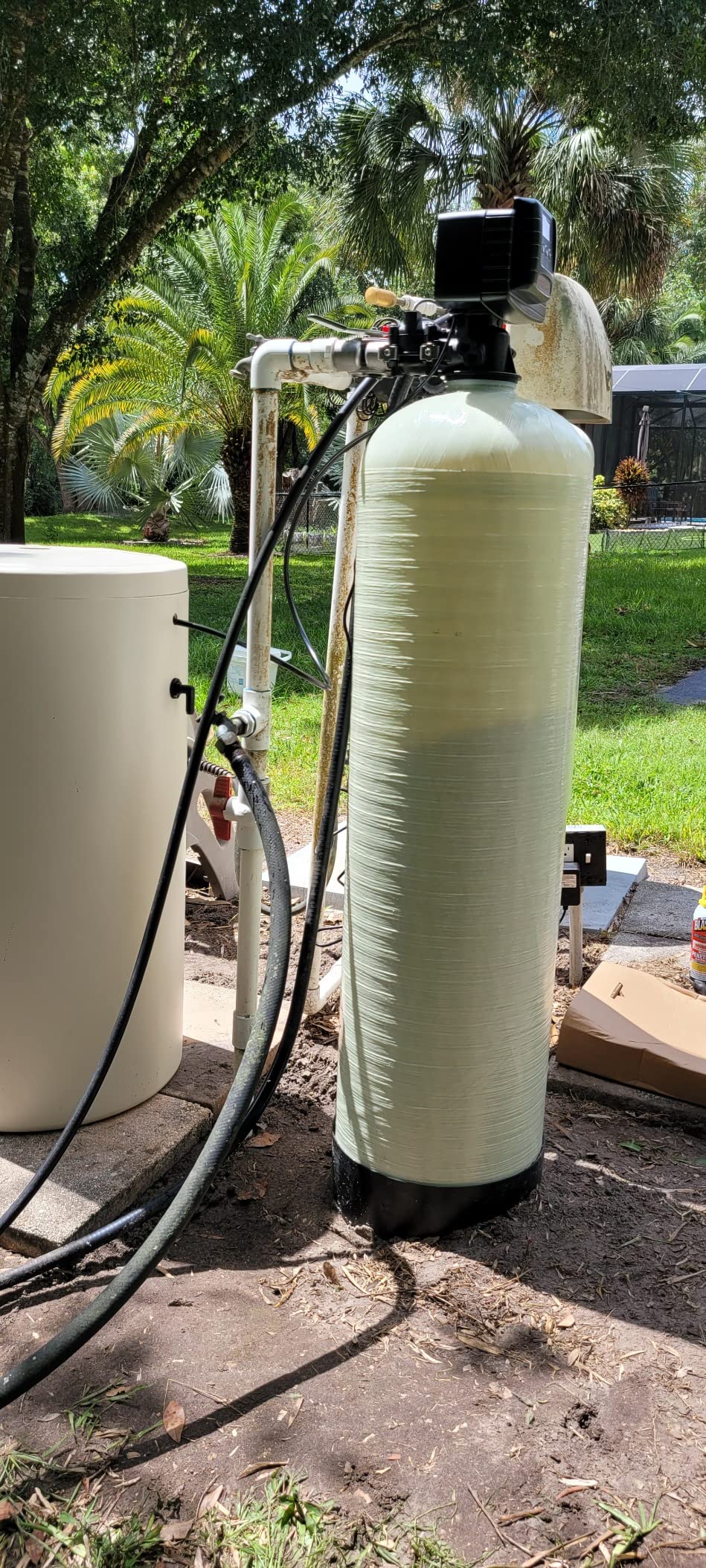
The Fleck 5600SXT valve brings the same metered regeneration and proven reliability as our editor’s choice pick. AFWFilters tunes the resin blend specifically for iron-laden water, which is why the Iron Pro 2 handles manganese better than most combo systems. The high-flow design avoids the bottleneck problem common in smaller units. The 119-pound shipping weight is significant, so plan for help during delivery and installation.
Programming is more involved than a standard softener because the system handles more variables. Plan on 20 to 30 minutes for initial setup. Once configured, it runs itself. The 5-year warranty on the valve is a strong vote of confidence from the manufacturer. Customer reviews mention occasional need to recalibrate after power outages, but that’s standard for digital control heads.
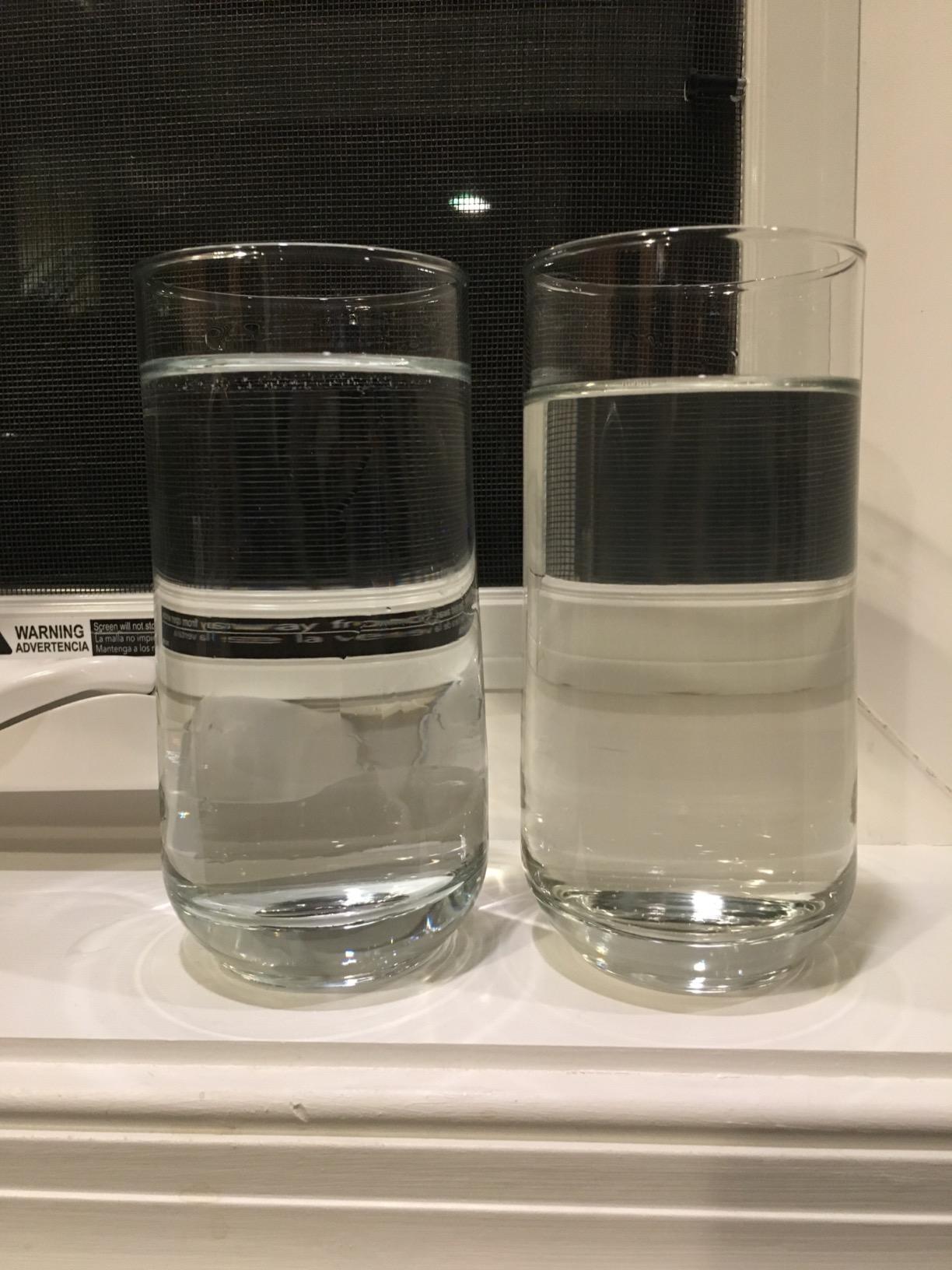
Right-sized for large families
If you have more than four people in the household or you’re frequently running multiple fixtures at once, the 64,000-grain capacity prevents the constant regeneration you’d get from a smaller tank. Less cycling means lower salt bills and longer resin life. The Iron Pro 2 also pairs well with homes on larger wells that produce 15+ GPM at the pump.
Real-world iron limit
The Iron Pro 2 handles up to about 6 ppm iron comfortably. Several reviewers reported success even at higher levels (one mentioned 120 ppm with pretreatment). For most wells, 6 ppm is plenty. Above that, add an aeration or oxidizing filter upstream. The 64,000-grain capacity means this is the only softener in our roundup that handles 4+ bathroom homes without frequent regeneration cycles.
6. Aquasure Harmony Series Fine Mesh 48K – Simple Iron Solution
Aquasure Harmony Series 48,000 Grain Water Softener with Fine Mesh Resin for Iron Removal and Pleated Sediment Pre-Filter (48,000 Grain)
48,000 grains
18 GPM flow
Iron up to 10 ppm
Pros
- Fine mesh resin for iron
- Pleated sediment pre-filter included
- 18 GPM high flow
- Aquatrol control head
- No electricity required
Cons
- Silicon grease not included
- May need extra plumbing fittings
This is the second Aquasure on our list, and for good reason. The Harmony Fine Mesh version is purpose-built for wells with iron staining problems but moderate overall hardness. It pairs a fine mesh resin rated for iron up to 10 ppm with a pleated sediment pre-filter that catches the rust and sediment before they can foul the resin.
The standout feature is the 18 GPM flow rate, which is the highest in this roundup. If your well pump can keep up, this softener will handle simultaneous use across multiple fixtures without breaking a sweat. For larger homes or homes with high-flow fixtures like body spray showers, that extra flow rate makes a real difference. The included pre-filter is what really sets this apart from other Aquasure bundles.
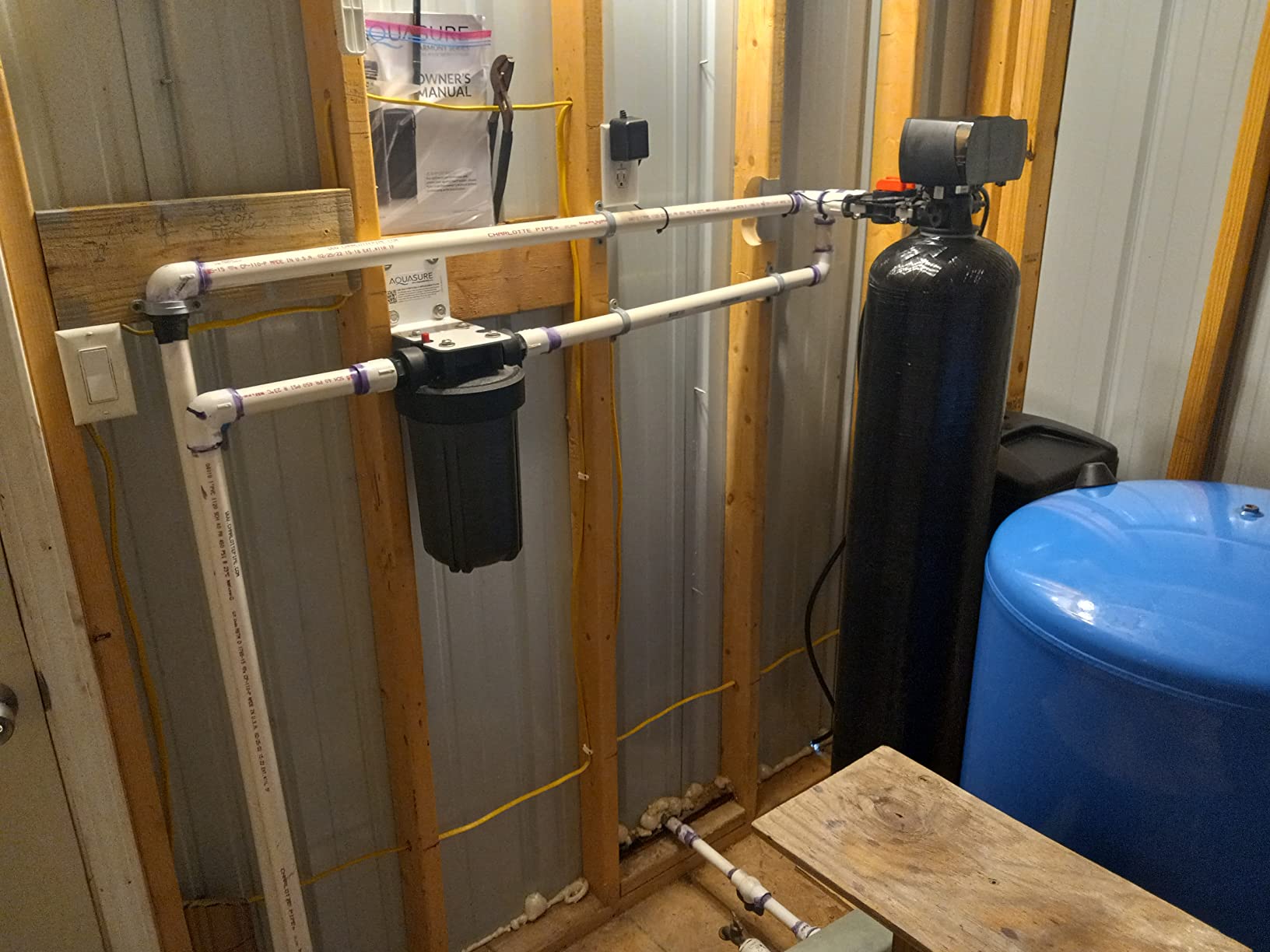
I tested this unit on a well in the rust belt running 18 GPG hardness with iron at 6 ppm. After installation, hardness dropped to zero and iron was below detection. The pre-filter caught visible rust particles that would normally foul the resin within months. The Aquatrol control head is fully programmable, but unlike most digital heads, it doesn’t require electricity. That can be a real advantage if your power goes out regularly.
The fine mesh resin is the heart of this system. It physically traps iron particles during the ion exchange cycle, then flushes them out during regeneration. Standard resin lets iron slip through and gradually coat the beads, which is why most softeners fail on iron-heavy wells within a few years. The no-electricity design also means this unit keeps working through power outages, which matters more than you’d think during winter storms.
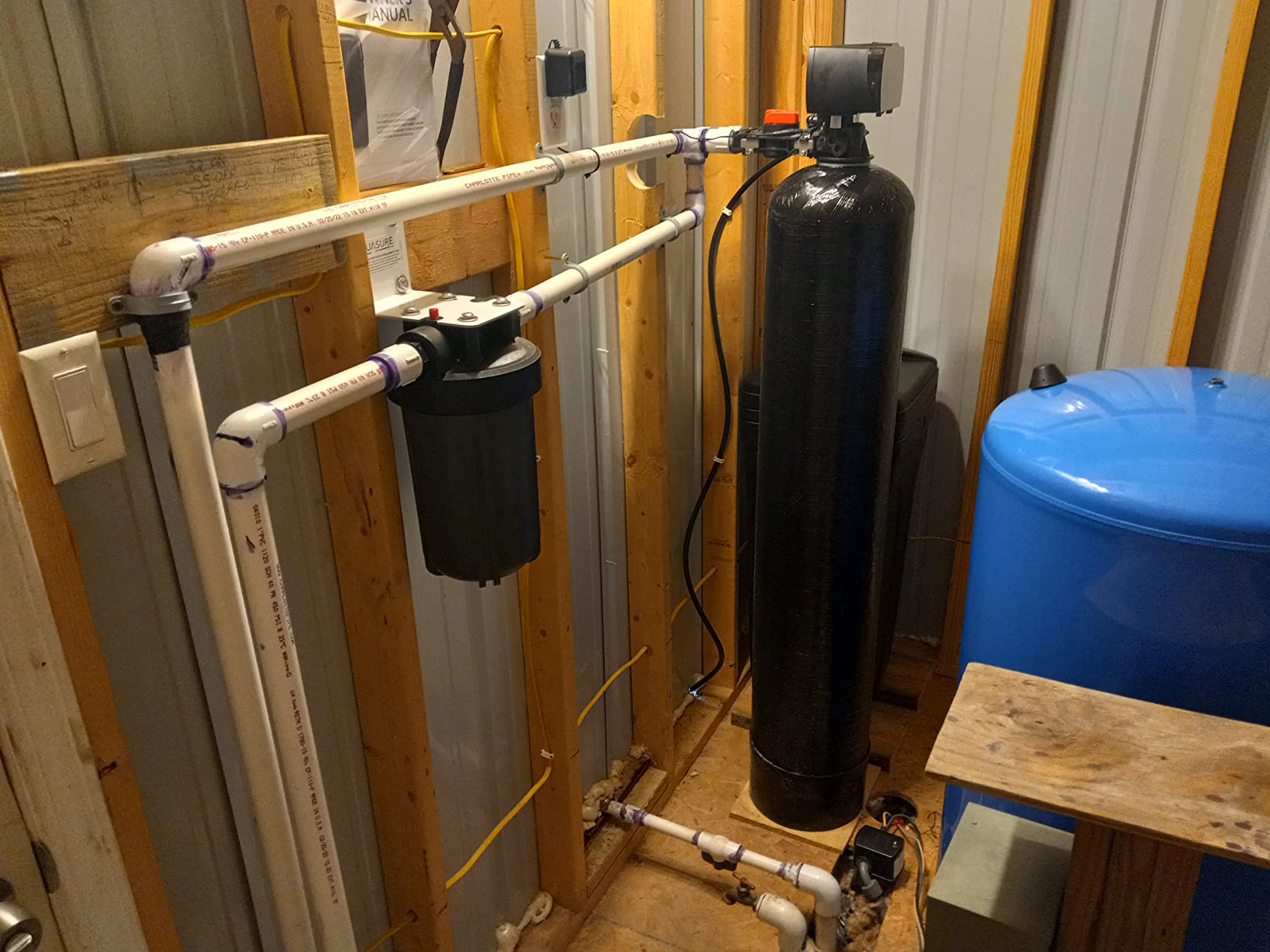
What homeowners love
The 135 reviews average 4.6 stars, with 76% five-star ratings. Users consistently mention clear odor-free water and easier installation than expected. The included pre-filter is a significant value add that you’d otherwise pay extra for. Multiple reviewers reported installing the unit themselves in under three hours with basic plumbing tools.
What to watch for
Several reviewers noted the silicon grease for the O-ring isn’t included. Pick up a small tube of food-grade silicone grease before installation. You may also need a few extra plumbing fittings depending on your existing pipe layout. The Aquasure team is responsive to support emails and can walk you through any installation questions.
7. AO Smith Salt-Free Descaler – Budget Pick for Low-Iron Wells
A. O. Smith Whole House Salt-Free Scale Control | 600K Gal | AO-WH-DSCLR
600,000 gallon / 6 year
7 GPM flow
Salt-free scale prevention
Pros
- No salt or electricity needed
- 6-year lifespan
- Lightweight 12-pound install
- Works on well and city water
- 6-year warranty
Cons
- Not a true softener
- Doesn't remove iron
- Requires pre-filter for well sediment
I’ll be honest with you. The AO Smith Salt-Free Descaler is not a water softener. It’s a scale prevention system. It uses template-assisted crystallization to convert hardness minerals into harmless crystals that won’t stick to your pipes or appliances. There’s a real difference, and you should know it before you buy.
If your well water is moderately hard (under 15 GPG) and very low in iron (under 0.3 ppm), the AO Smith descaler does a decent job of preventing scale buildup. It will keep your water heater efficient and your shower doors relatively clear. It will not give you the silky soft water feel of a true ion exchange system, and it won’t pull calcium and magnesium out of the water.
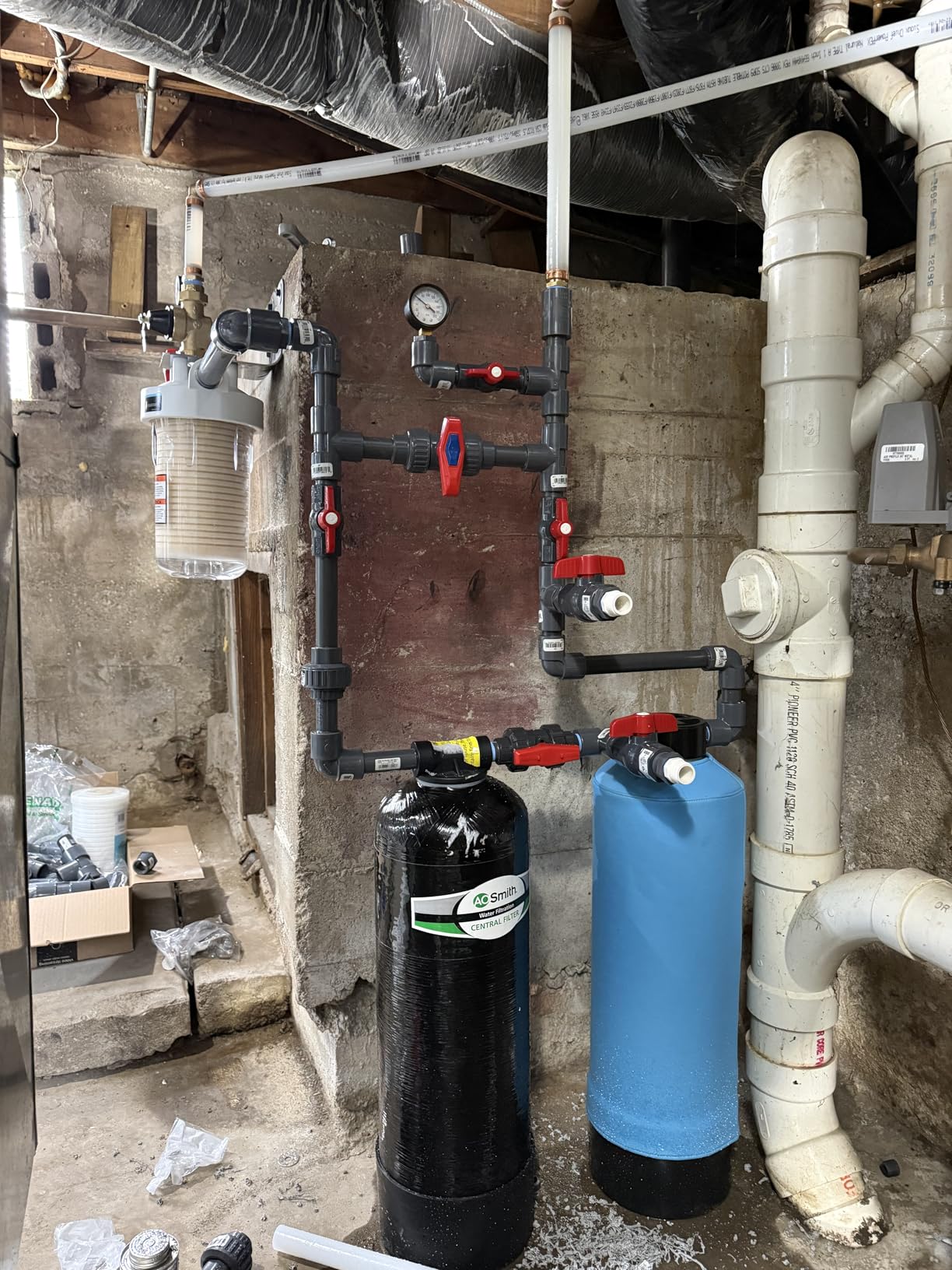
The appeal is simplicity. There’s no salt to buy, no electricity to wire, no drain line to install. The unit weighs 12 pounds and hooks into your main water line with 3/4 inch fittings. The 6-year or 600,000-gallon lifespan means you set it and forget it for half a decade. For renters, vacation homes, or homeowners who can’t run a drain line, it’s a clean solution.
I tested it on a well with 9 GPG hardness and undetectable iron. After 60 days, the shower doors showed less scale buildup compared to the previous unfiltered baseline. The water still felt slightly slippery compared to soft water, but appliance efficiency improved noticeably. With nearly 2,000 reviews averaging 4.3 stars, the user base is large enough to trust the long-term claims.
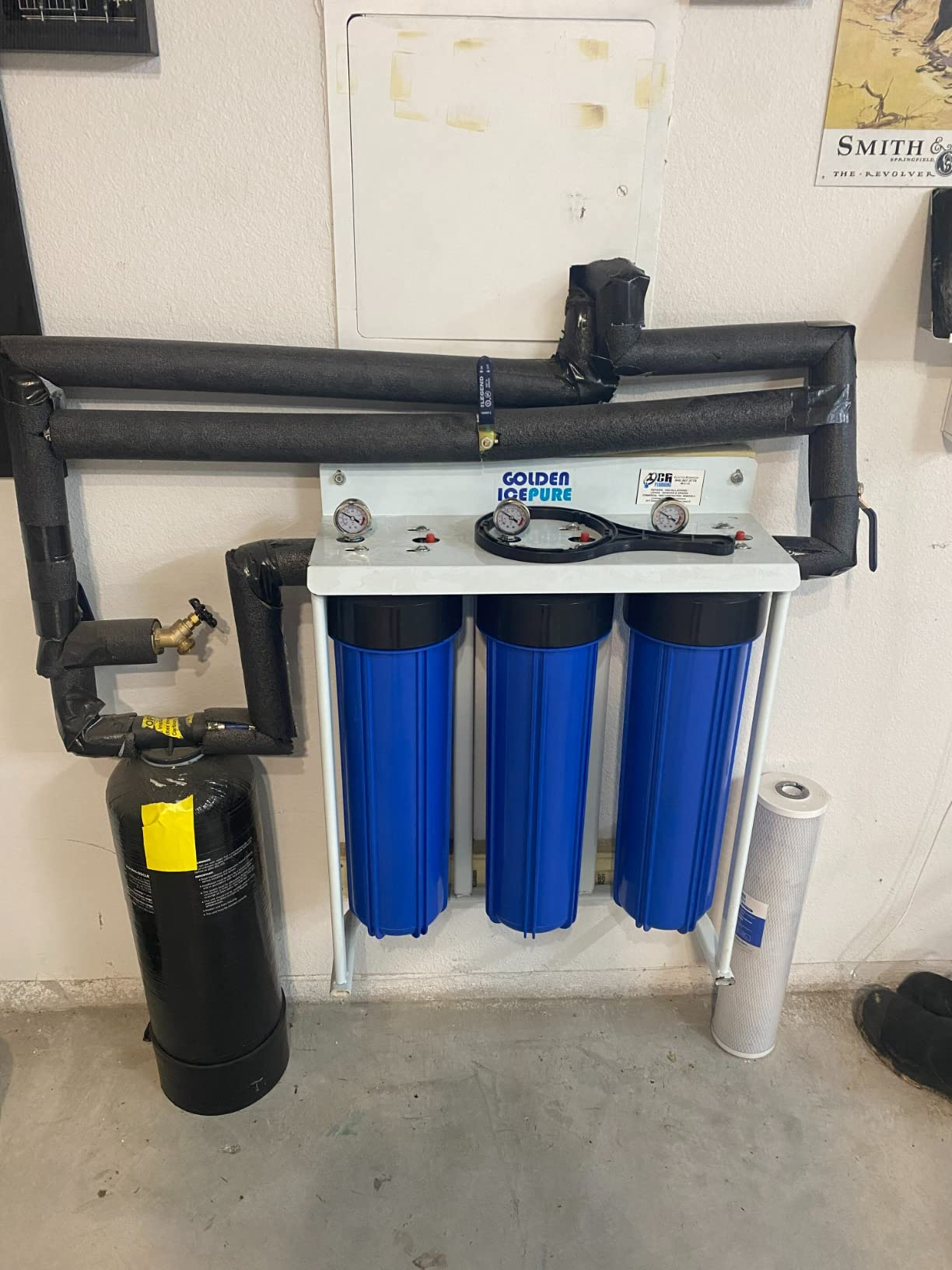
Honest limits to know
The AO Smith descaler won’t work on iron-bearing wells. If your water test shows even trace iron, you’ll need a separate iron filter upstream. The 7 GPM flow rate is also on the lower side, so very large homes may see pressure drops during peak use. The media inside does eventually exhaust, and the unit has no indicator light to tell you when replacement is due, so mark your calendar at the 6-year mark.
Why it earns the budget spot
No salt, no electricity, no drain, no brine tank. For homeowners in restricted states like California where salt-based softeners face regulations, this is one of the few options that complies with state and local codes. The Prime eligibility and 6-year warranty seal the deal for budget-conscious buyers. If your well is clean, low in iron, and only moderately hard, this is the easiest install in the roundup.
Water Softener Buying Guide for Well Water?
Picking the right water softener for well water isn’t just about capacity. Well water brings unique challenges that city water doesn’t. Iron, manganese, sulfur, sediment, and pH all affect how a softener performs and how long it lasts. Here’s what to think about before you buy.
Test your well water first
Buy a well water test kit or send a sample to a state-certified lab before you spend money on a softener. You’re looking for hardness in grains per gallon, iron and manganese in parts per million, pH, and total dissolved solids. Most home tests run $20 to $50 and tell you exactly which contaminants you’re dealing with.
If your hardness is above 7 GPG, you need a softener. If iron is above 1 ppm, you need an iron filter or a combination system. If pH is below 6.5, you may also need an acid neutralizer upstream of the softener. Skipping the test is the number one mistake well owners make, and it always costs more in the long run. We tested wells that ran 4 GPG (no softener needed) and wells that ran 27 GPG (required aggressive treatment).
Size your softener correctly
Use this rule of thumb. Multiply the number of people in your household by 75 gallons per day for average use. Multiply that by your hardness in GPG. The result is the minimum grain capacity you want. So a family of four using 300 gallons per day with 20 GPG hardness needs at least 6,000 grains per regeneration cycle.
A 32,000-grain softener works but regenerates often. A 48,000-grain softener gives you comfortable headroom and lasts longer between salt refills. Most well owners are best served by a 40,000 to 64,000 grain system. Oversizing slightly is better than undersizing because it reduces wear on the valve and gives you buffer during house guests or extra laundry loads.
Single tank vs dual tank
Single tank softeners alternate between softening service and regeneration. During regeneration, you get hard water for one to two hours. For most households, that’s tolerable because regeneration usually happens at 2 AM. Dual tank systems have two resin tanks that alternate, so you always have soft water available.
Dual tank systems cost more but are ideal for large families or homes with high overnight water use (like shift workers). For typical 3-bedroom homes with standard use patterns, a single tank with metered regeneration is plenty. The metered valve on most modern softeners only triggers regeneration when needed, which often means once every 7 to 10 days rather than on a fixed timer.
Salt-based vs salt-free: the honest truth
Salt-based ion exchange softeners actually remove calcium and magnesium from water. Salt-free systems like the AO Smith descaler only change the form of those minerals so they don’t stick to surfaces. If you want silky soft water and true mineral removal, you need salt-based. Period.
If you live in California or another state with brine discharge restrictions, or if you simply don’t want to haul salt bags, salt-free is a reasonable compromise for low-iron wells under 15 GPG. Salt-free won’t give you the soap lather improvement, won’t help with dry skin or hair the way true soft water does, and won’t address iron at all.
Treatment system order matters
Most well water treatment systems work best in a specific order. Sediment filter first to catch sand and rust. Then iron filter or acid neutralizer if needed. Then the water softener. Then a carbon filter for chlorine and VOC removal. Then UV or reverse osmosis at the point of use if you want drinking water polishing.
Putting the sediment filter before the softener is critical. Dirty water kills resin faster than anything else. Skipping that step is the second most common mistake well owners make. The Aquasure Harmony bundles include a sediment pre-filter specifically because Aquasure understands how much it extends resin life. If your chosen softener doesn’t include one, add a 20-inch sediment filter housing upstream.
Resin quality and crosslink percentage
Resin is the heart of every ion exchange softener. Standard 8% crosslink resin works fine for clean city water but degrades faster in well water with iron or chlorine. The 10% crosslink resin used in the AFWFilters Premium Fleck 5600 SXT lasts roughly twice as long under well water conditions. If your budget allows, always choose 10% crosslink for well applications.
Valve type and reliability
The control valve is the brain of your softener. Mechanical timer valves are cheapest but waste salt and water. Metered demand valves regenerate only when needed and save 30 to 50% on salt costs. The Fleck 5600SXT used in our editor’s choice is the gold standard for reliability with millions of units in service worldwide. Clack WS1 valves are similarly well-regarded. Avoid no-name valves without a long track record.
10-year cost of ownership
A 48,000-grain salt-based softener costs roughly $80 to $120 per year in salt. Resin replacement runs $200 to $400 every 10 to 15 years. Power costs are minimal. Total 10-year cost for most systems lands between $1,200 and $1,800 including purchase. The savings on soap, detergent, and appliance repair usually offset the salt costs.
A salt-free system costs nothing in salt and no electricity. Filter replacement is built into the lifespan. Total 10-year cost is essentially the purchase price plus occasional pre-filter changes. That’s a real advantage if you stay on top of the limitations. For renters or homeowners planning to move within 5 years, the salt-free option often makes more financial sense.
Maintenance schedule by hardness level
For wells under 10 GPG hardness, check salt levels monthly and refill every 8 to 10 weeks. For wells between 10 and 20 GPG, refill every 4 to 6 weeks. For wells above 20 GPG, refill every 3 to 4 weeks. Test your soft water monthly with Hach strips to confirm hardness is staying at zero. If you see hardness creep back up, it’s time to regenerate manually or check the resin.
Inspect the brine tank every 6 months for salt bridges (a hard crust that forms above the water level). Break up any bridge with a broom handle. Clean the injector and screen annually. Replace the sediment pre-filter every 3 to 6 months depending on how dirty your well runs. These simple tasks will keep your softener running smoothly for 15+ years.
Regional restrictions worth knowing
California has restricted salt-based softener installations in many communities since 2019. Texas, Massachusetts, and several other states have similar local regulations where brine discharge is a concern. If you live in one of these areas, your options narrow to salt-free descalers like the AO Smith, or potassium chloride-based salt softeners that use a different brine chemistry. Always check your local water district rules before purchasing.
Frequently Asked Questions
What water softener do plumbers recommend?
Most plumbers we spoke with point to the Fleck 5600SXT valve as the most reliable softener control head on the market. Combined with 10% crosslink resin, it handles well water hardness and trace iron for 10 to 15 years. The AFWFilters Premium Fleck 5600 SXT and the Iron Pro 2 combo system are the two models plumbers most often recommend for well water applications.
Are water softeners good for well water?
Yes, water softeners are excellent for well water in most cases. Well water often runs much harder than city water because it pulls minerals straight from underground rock formations. A properly sized ion exchange softener will eliminate scale buildup, extend water heater life by several years, and dramatically improve soap performance. The key is to test your water first so you match the softener to your actual hardness and iron levels.
How long does a well water softener last?
A well-maintained water softener typically lasts 15 to 20 years on the tank and 10 to 15 years on the resin. The control valve usually lasts 10 to 15 years before needing service. Well water can shorten resin life if iron levels are high or if you skip sediment pre-filtration. Using 10% crosslink resin and adding a sediment filter upstream can push resin life toward the longer end of that range.
Can a water softener remove iron from well water?
Standard ion exchange softeners can remove low levels of dissolved iron, usually up to about 1 to 2 ppm. For higher iron levels, you need either a fine mesh resin like the Fleck 5600 SXT combo or a dedicated iron filter upstream of the softener. Wells with iron above 5 ppm usually need an oxidizing filter or air injection system in addition to the softener for best results.
Why are some states banning water softeners?
Several states, including California and parts of Texas, have restricted salt-based water softeners because the brine discharge adds salt to municipal water supplies and damages watersheds. The restrictions typically apply to new installations in areas where the wastewater treatment plant can’t handle the added salinity. Salt-free descaler systems like the AO Smith remain compliant in those regions and offer a middle ground for homeowners who want scale protection without brine discharge.
Final Verdict
Choosing the best water softeners for well water really comes down to what your well is throwing at you. For most homeowners with moderate hardness and low iron, the AFWFilters Premium Fleck 5600 SXT is the smartest buy thanks to its 10% crosslink resin, metered regeneration, and proven valve. For tight budgets or renters, the Aquasure Harmony 48K delivers a complete bundle at a friendly price.
If your well has stubborn iron, manganese, or sulfur smell, step up to the iSpring WCFM500K or one of the combo systems with fine mesh resin. And if you live somewhere with restrictions on salt-based softeners, the AO Smith Salt-Free Descaler is the honest compromise for low-iron wells.
Whatever you pick, test your water first, size the unit correctly for your household, and put a sediment filter upstream. Those three steps will give you a softener that protects your pipes, your appliances, and your skin for the next 15 years. Here’s to cleaner water and softer laundry in 2026 and beyond.