
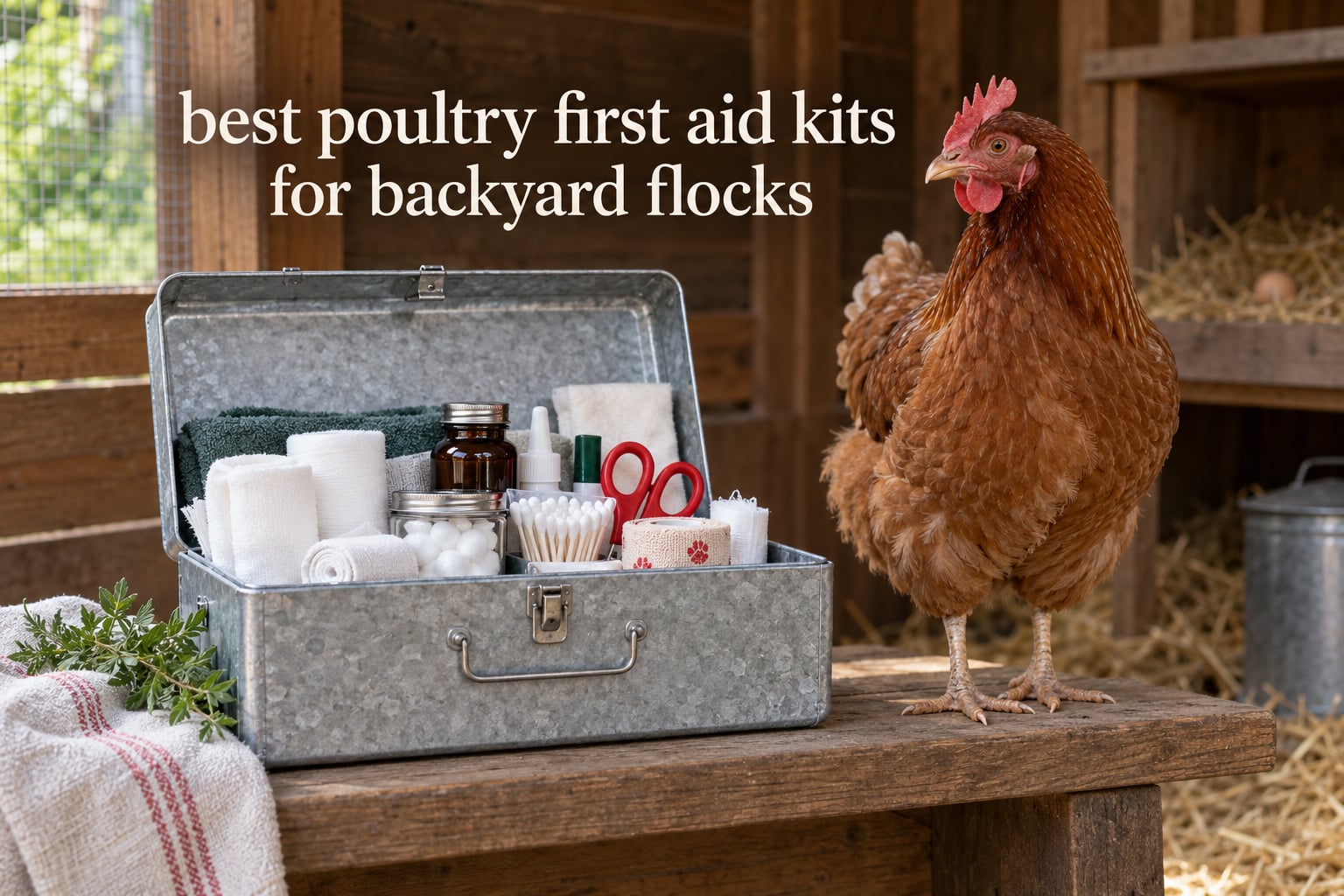
A chicken walks into your coop dragging one wing and the clock is already running. Backyard flock injuries are common, they are almost always time-critical, and the difference between a bird that recovers and a bird that does not is usually what was within arm’s reach in the first five minutes. That is the whole argument for a poultry first aid kit: not a box of bandages gathering dust, but a container of wound-care, hydration and handling supplies that a keeper can open one-handed in the dark.
We spent weeks going through the poultry health category to sort out what actually earns a place in that container. What follows is a ranked roundup of ten products we consider the best poultry first aid kit building blocks available right now, plus the practical framework for using them. The selection spans wound sprays, salves, cohesive wraps, gauze, styptic powder and general poultry tonics, because no single product covers the range of things that go wrong in a coop.
None of this replaces a poultry veterinarian. What it does is buy you time and give you a fair chance at the injuries that make up the overwhelming majority of backyard flock emergencies. If you want a broader primer on how kits differ from general first aid kits, our guide to the best first aid kits tested and reviewed covers the human-side basics that overlap.
Table of Contents
Top 3 Picks for the Best Poultry First Aid Kits (October 2026)
Three products stand out from the rest, and each solves a different problem. The Vetericyn spray is the broadest single wound-care product in the group, the VETRX tonic is the most proven by sheer volume of owner feedback, and Banixx is the one to own when the bird in front of you has a foot or vent problem.

Vetericyn Plus Poultry Wound Care Spray
- Covers pecking sores and bumblefoot
- Antibiotic-free with no egg withdrawal
- Veterinarian recommended
- 8 oz bottle

VETRX Poultry Aid 2 fl oz
- 100 percent natural formula
- Respiratory and skin support
- Works across poultry and game birds
Banixx for Pecking Sores and Bumblefoot
- Built for bumblefoot and fowl pox
- Sting-free and odor-free
- Safe around the eye
Poultry First Aid Kits Compared in 2026
Here is the full lineup side by side. Read the Key Features column as the reason each product earned a place in a kit, not as marketing copy — every item below earns its space only when paired with the right kind of injury.
| Product | Specifications | Action |
|---|---|---|
| Vetericyn Plus Poultry Wound Care Spray 8 oz |
|
Check Latest Price |
| VETRX Poultry Aid 2 fl oz |
|
Check Latest Price |
 Goodwinol Vet RX Poultry Remedy 2 oz Goodwinol Vet RX Poultry Remedy 2 oz |
|
Check Latest Price |
 Manna Pro Hen Healer Ointment 2 oz Manna Pro Hen Healer Ointment 2 oz |
|
Check Latest Price |
 PetSilver Chicken Wound Spray 12 fl oz PetSilver Chicken Wound Spray 12 fl oz |
|
Check Latest Price |
| Banixx for Pecking Sores and Bumblefoot |
|
Check Latest Price |
 Sanfire Vet Wrap 12 Rolls Sanfire Vet Wrap 12 Rolls |
|
Check Latest Price |
 BleedStop Clotting Powder 4 Pouches BleedStop Clotting Powder 4 Pouches |
|
Check Latest Price |
 AZEN Gauze Rolls 30 Pack AZEN Gauze Rolls 30 Pack |
|
Check Latest Price |
 RUBY.Q Self Adhesive Wraps 12 Pack RUBY.Q Self Adhesive Wraps 12 Pack |
|
Check Latest Price |
What Should Be in a Poultry First Aid Kit?
A good poultry first aid kit is a prioritised list, not a shopping bag of whatever was nearby when you thought of it. Keepers on BackYard Chickens threads repeatedly ask the same question in the same way: what do I actually need, and what is each item for. Here is the order we would build one in.
Triple antibiotic ointment without a pain reliever. The single most repeated item across keeper forums. Check the label and rule out anything ending in -caine.
A poultry-labeled wound spray. A non-antibiotic option you can use several times a day without withdrawal concerns.
Sterile non-stick gauze pads and at least one gauze roll. For pressure on bleeding and for packing under a dressing.
Self-adhering cohesive wrap. It holds a dressing in place without sticking to feathers, which matters constantly on birds.
Nitrile gloves and a pair of trauma scissors or poultry shears. Gloves protect your hands and the bird; shears handle dressings and trim around a wound.
A styptic powder or clotting powder. For nail-trim accidents and the bleeding that follows a peck wound or a minor predator nick.
Oral syringe and sterile saline. For flushing wounds and for forced feeding of a weak or egg-bound bird.
A non-mercury glass or digital thermometer. A bird that has stopped eating is often a bird that is running a fever.
Electrolyte powder and poultry vitamins. Dehydration and shock kill more birds than infection does.
Calcium citrate with vitamin D3. The go-to for egg binding in a layer hen.
Epsom salt and a shallow soaking tub. For bumblefoot soaks and swelling.
Petroleum jelly. For dry comb in frostbite, scaly leg mites and a prolapsed vent.
Popsicle sticks and tape. Splinting material for a broken wing or leg, which costs pennies and saves a bird.
Probiotic powder. To restore gut flora after any antibiotic course.
1. Vetericyn Plus Poultry Wound Care Spray Review
Vetericyn Plus Poultry Wound Care Spray, Healing Aid & Skin Repair, 8 oz
8 oz pump spray
2.2 x 2.2 x 6.5 in
Antibiotic-free and non-toxic
Pros
- Covers the injuries backyard flocks actually see including pecking sores
- vent prolapse
- frostbite and bumblefoot
- Antibiotic-free so there is no egg withdrawal period
- Usable several times a day
- Veterinarian recommended
Cons
- Spray format is easy to over-apply or get on surrounding feathers
- Works best as routine preventive care rather than a stand-alone cure for advanced infection
This is the product I would put in the kit of anyone starting out. It hits the exact list of injuries a flock owner meets in year one: pecking sores, flank wounds from a rousing, breast blisters, vent prolapse, frostbite and bumblefoot. At 3,539 reviews and 4.7 stars it is by far the most established poultry-specific wound spray in this roundup, and that volume of real-world use matters when you are standing in a coop at dusk.
The reason it earns the top spot is the withdrawal question. Because the formula is antibiotic-free and non-toxic, there is no egg withholding period to track and no paperwork. If you keep laying hens, that removes the single biggest reason keepers hesitate to treat a wound at all.
The bottle is 8 ounces and the pump is easy to work one-handed, which matters when you are holding a panicking hen with one arm. Reviewers report that consistency is the key: a few applications a day on a clean wound tracks toward healing faster than any single heavier intervention. For a bigger look at general kit design, our roundup of the best first aid kits tested and reviewed covers the container side of things.
Two honest limits. A spray has no staying power, so it will not hold a wound closed or shield it from litter, and it is easy to mist onto surrounding feathers when the bird is moving. And on an advanced infection that has already spread, reviewers say it works as supportive care rather than a cure. It is preventive and early-intervention medicine, which is exactly what a kit should hold.
When this spray earns its spot in your kit
For any early wound on a laying hen, where withdrawal is the deciding factor. Keep it where you can grab it without moving, because the birds you will use it on will not wait.
It also pairs well with a dressing: spray first, then a non-stick pad and cohesive wrap over the top for anything on a weight-bearing area.
Where it falls short
Deep puncture wounds, abscesses and systemic infection need a veterinarian and a real antibiotic, not a spray. Spray is also awkward on down-covered chicks, where the feathers mat.
If your flock’s recurring problem is a specific condition rather than general wounds, one of the targeted products below will do more.
2. VETRX Poultry Aid Review
Vetrx Poultry Aid, 2 fl.oz
2 fl oz bottle
4 x 1 x 1 in
100 percent natural
Pros
- Broadest species coverage in the lineup from bantams to geese
- 100 percent natural formula
- Addresses respiratory complaints such as colds and croup as well as scaly legs and eye worm
Cons
- 2 fl oz runs out quickly when treating a whole flock
- Listed as a supplement so it does not replace a dedicated wound treatment
This is not a wound product, and treating it as one is the most common mistake. VETRX is a general poultry tonic, and its real value shows up when a whole group of birds comes off a stressor at once: shipping, a heat spike, a wet night, a coop refurbishment. At 5,680 reviews and 4.7 stars it carries the highest review count of anything in this roundup, which tells you how many flocks have leaned on it.
The species list is the differentiator. It covers standard and rare poultry, chickens, turkeys, bantams, ducks, geese and game birds, so a mixed yard does not need three separate bottles. Owners use it for respiratory complaints as well as surface issues, and the natural formula is attractive to keepers who would rather not handle antibiotics they have to chart withdrawal time for.
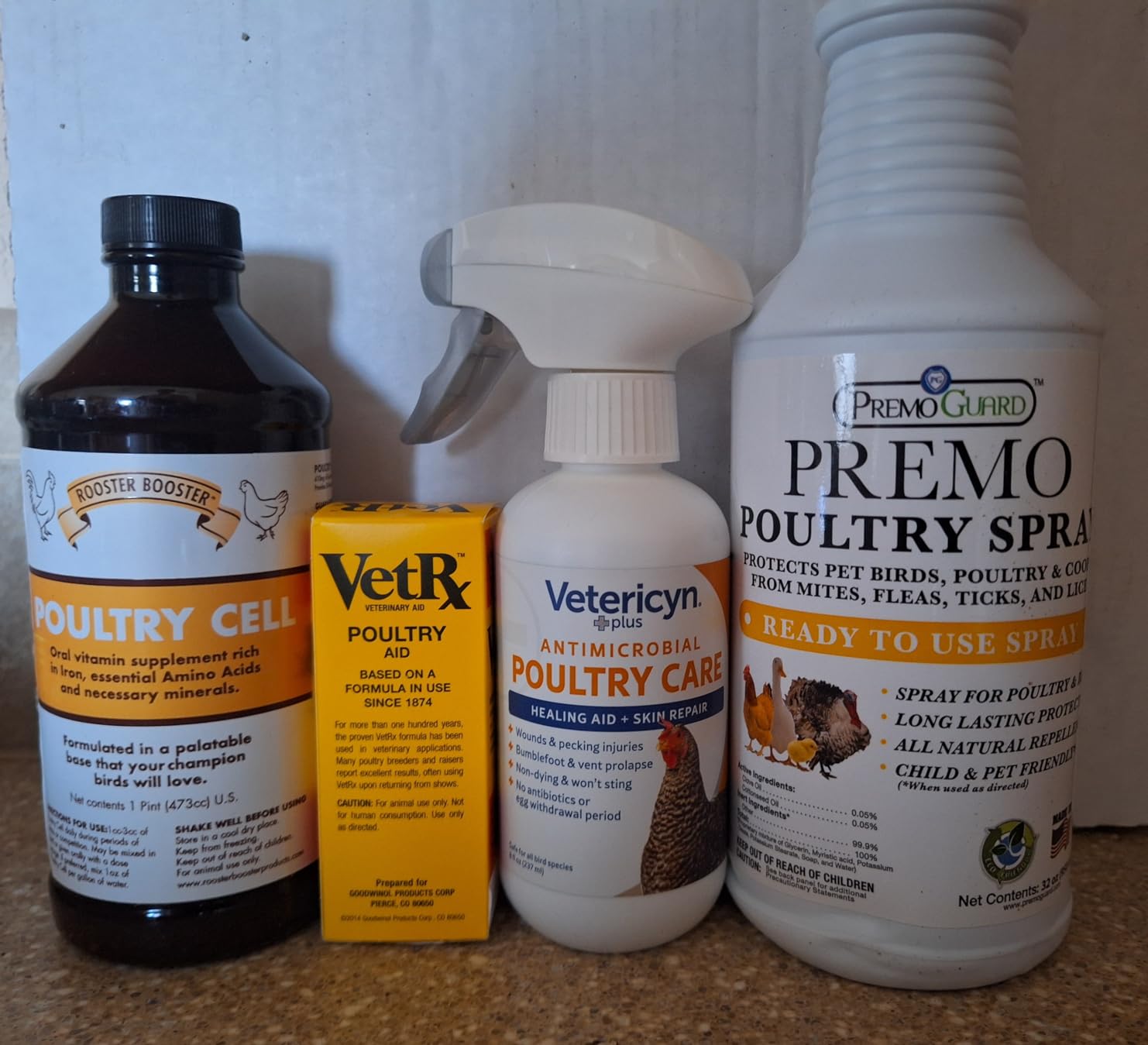
The weakness is scale. Two fluid ounces is a genuinely small bottle, and the moment you are treating twelve birds instead of two you will empty it. Plan on buying two and keeping one in the coop and one in the house, and mark the day you open the first one.
When this product earns its spot
For flock-wide support after a stress event rather than for a single injured bird. It is the item to add when your flock expands past about ten birds.
Keepers running mixed species yards will appreciate the coverage more than anyone with a flock of laying hens only.
Where it falls short
It is not going to close a wound, stop bleeding or treat bumblefoot on its own. Think of it as the recovery half of an emergency, not the treatment half.
3. Goodwinol Vet RX Veterinary Remedy Review
Goodwinol Vet RX Veterinary Remedy Poultry 2oz
2 oz bottle
4.17 x 1.65 x 1.61 in
Internal and external
Pros
- Single bottle covers both internal and external application
- Works across bantams
- ducks
- turkeys
- geese and game birds
- Long-standing veterinary remedy brand
Cons
- Listing is sparse on active ingredients and dosing
- Small 2 oz size limits coverage for larger flocks
Goodwinol does something the sprays cannot: one bottle serves both internal and external problems. For a keeper who runs a mixed yard, that single-bottle convenience is genuinely valuable, because you are not juggling a topical and an oral product for the same bird.
It sits at 4.6 stars across 1,079 reviews, which is a solid, unflashy track record rather than a headline number. The brand’s #3 position in Livestock Health Supplies suggests a long-established veterinary remedy company rather than a trend-driven label.
The honest drawback is documentation. The listing gives few specifics on active ingredients or dosing, and for a product you might give internally, that opacity is a real gap. If you need to know exactly what is in it, check the physical label before it goes into the kit.
When this product earns its spot
For mixed-species yards and for keepers who want one product that covers both routes. It is a natural fit alongside a wound spray rather than in place of one.
Anyone raising ducks, geese or game birds alongside chickens will get more use from it than a hen-only owner.
Where it falls short
Two ounces is not enough for a serious outbreak, and sparse labeling makes dosing judgment harder than it should be. It is also not a substitute for a veterinarian-directed antibiotic on a bird that is clearly septic.
4. Manna Pro Hen Healer Multi-Purpose Ointment Review
Manna Pro Hen Healer Multi-Purpose Ointment Helps Support Healing 2 Ounces
2 oz tin
2.35 x 2.35 x 2 in
Blue anti-pecking formula
Pros
- Covers body
- legs
- head
- face
- comb and wattles in one tin
- Blue tint discourages flockmates from pecking the wound
- Forms a barrier against insects and dirt
Cons
- Ointment format is wrong for large or down-covered wounds
- Only 2 ounces so reapplication on several birds drains it quickly
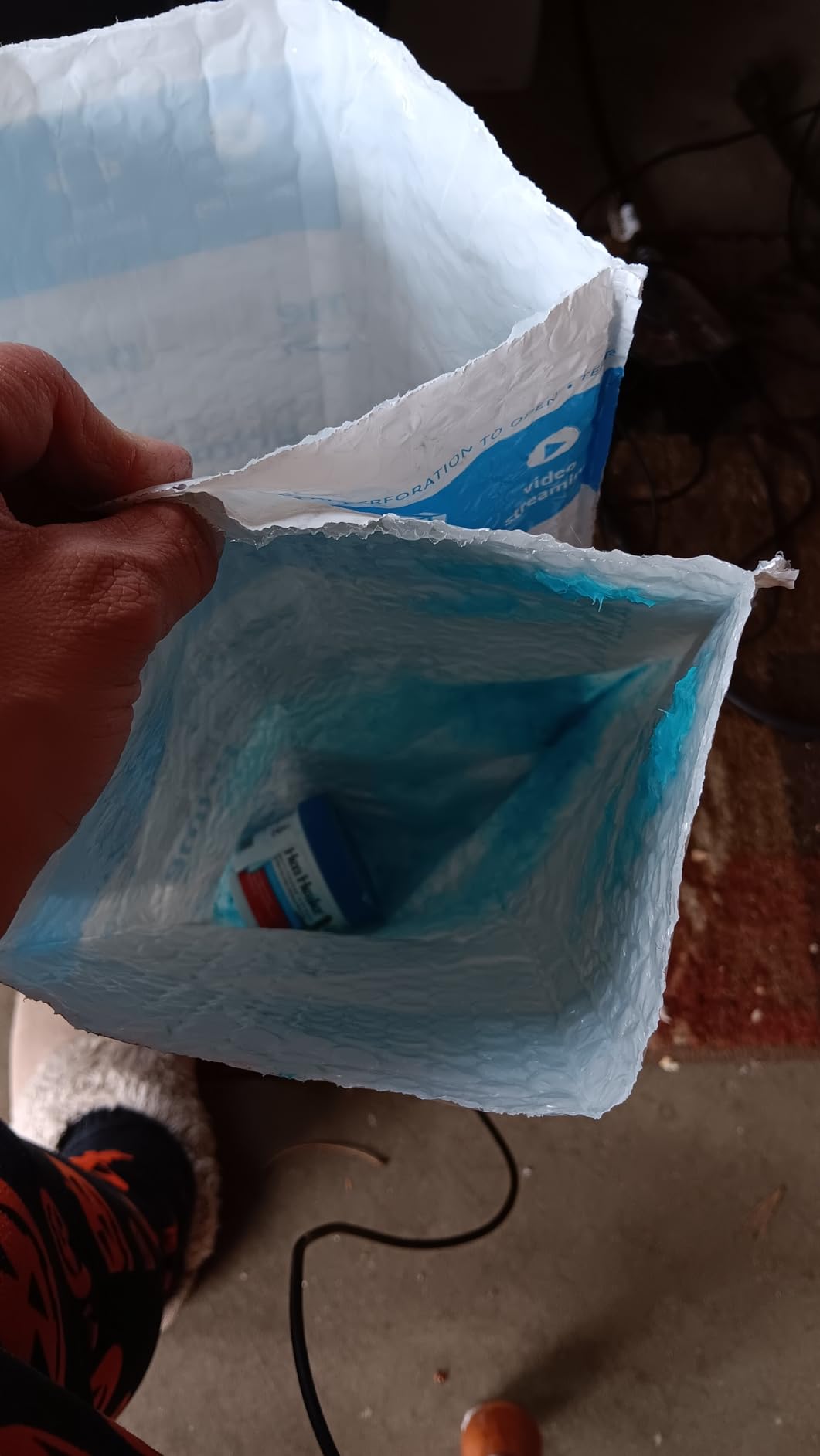
The blue anti-pecking formula is the reason this one works, and it is a bigger deal than it sounds. A red, bleeding wound in a flock invites pecking, and pecking turns a minor cut into a hemorrhaging mess within minutes. Masking the blood is one of the oldest tricks in poultry keeping, and this tin applies the same idea in a modern format.
The site coverage is unusually broad for a small salve: body, legs, head, face, comb and wattles. That makes it a good second-line product for the many odd wounds that show up on a free-ranging flock that has access to brambles, wire and neighbors’ gardens.
At 878 reviews and 4.6 stars it is well liked, and the value here is plain: this is the cheapest way to stop a flock from reopening a wound. The barrier it forms against insects and dirt also does useful work on a bird that has been pecking at its own skin in a mite outbreak.
Limitations are format-driven. Ointment is wrong for a large open area or for a down-covered chick, and two ounces disappears quickly if you are reapplying to three or four birds. Buy the larger tins if you can find them, and keep the small tin in a pocket-style first aid box.
When this ointment earns its spot
For any wound you expect the flock to notice. The blue tint alone can save a bird that a plain antibiotic ointment would not.
It also works well on comb and wattle injuries, frostbitten tissue and dry cracked skin around the vent.
Where it falls short
Not for deep abscesses, not for a large wound bed, and not for chicks where down mats the ointment into the feather base. It is also a barrier and support product, not a targeted antibiotic.
5. PetSilver Chicken Wound Spray Review
PetSilver Chicken Wound Spray, Silver Spray for Wounds, USA Made, 12 fl oz
12 fl oz bottle
3.25 x 2.75 x 7.75 in
Chelated silver and water
Pros
- Only two ingredients with no stinging on contact
- Spray stream reaches up to 6 feet for wary or downed birds
- Safe for birds to peck and lick during and after application
Cons
- Water-based so it does not leave a lasting barrier over the wound
- The largest bottle in the roundup
This is the bottle you want when you are treating more than one bird or handling something that does not want to be handled. The stream nozzle applies from up to 6 feet away, and that distance is the feature nobody else in this list offers. A downed bird at the bottom of a corner of a coop does not have to be manhandled to reach its wound.
The formula is a patented solution of chelated silver and distilled water, two ingredients and nothing else. There is no sting on contact, which matters more than it sounds: an animal that flinches at application gets a worse wound every time you treat it.
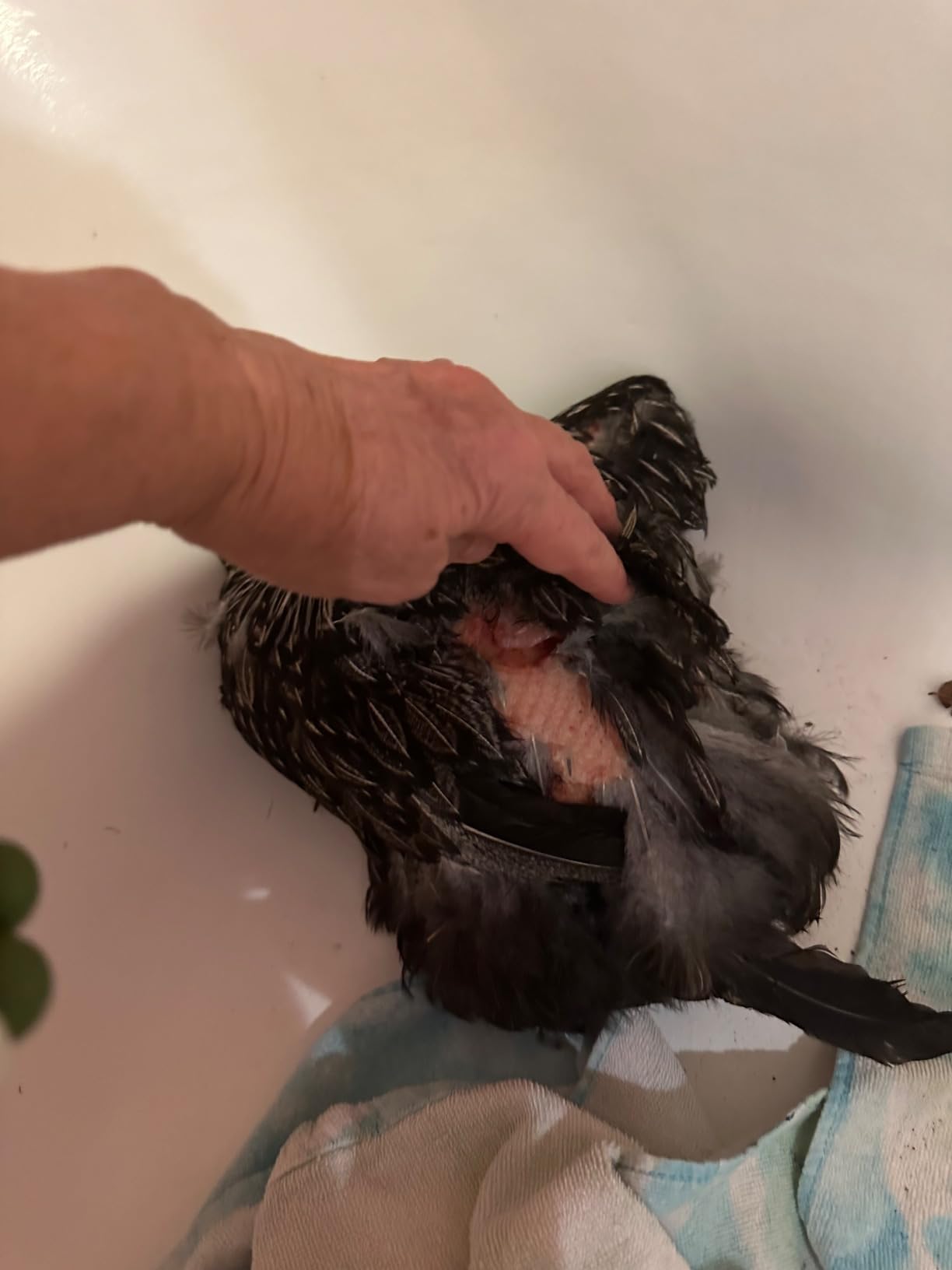
It is also the peck-safe option. Owners note that birds can peck and lick the treated area during and after application, and it can be used several times across a day. At 596 reviews and 4.6 stars the volume is smaller than the leaders, but the feedback is consistent and specific.
The trade-off is physical: being water-based, it cleanses and supports healing without forming a lasting barrier over the wound. So on a bird that will scratch in dirt, pair it with a non-stick pad. This is also the biggest bottle in the group, which is deliberate for the keeper with more than a handful of birds.
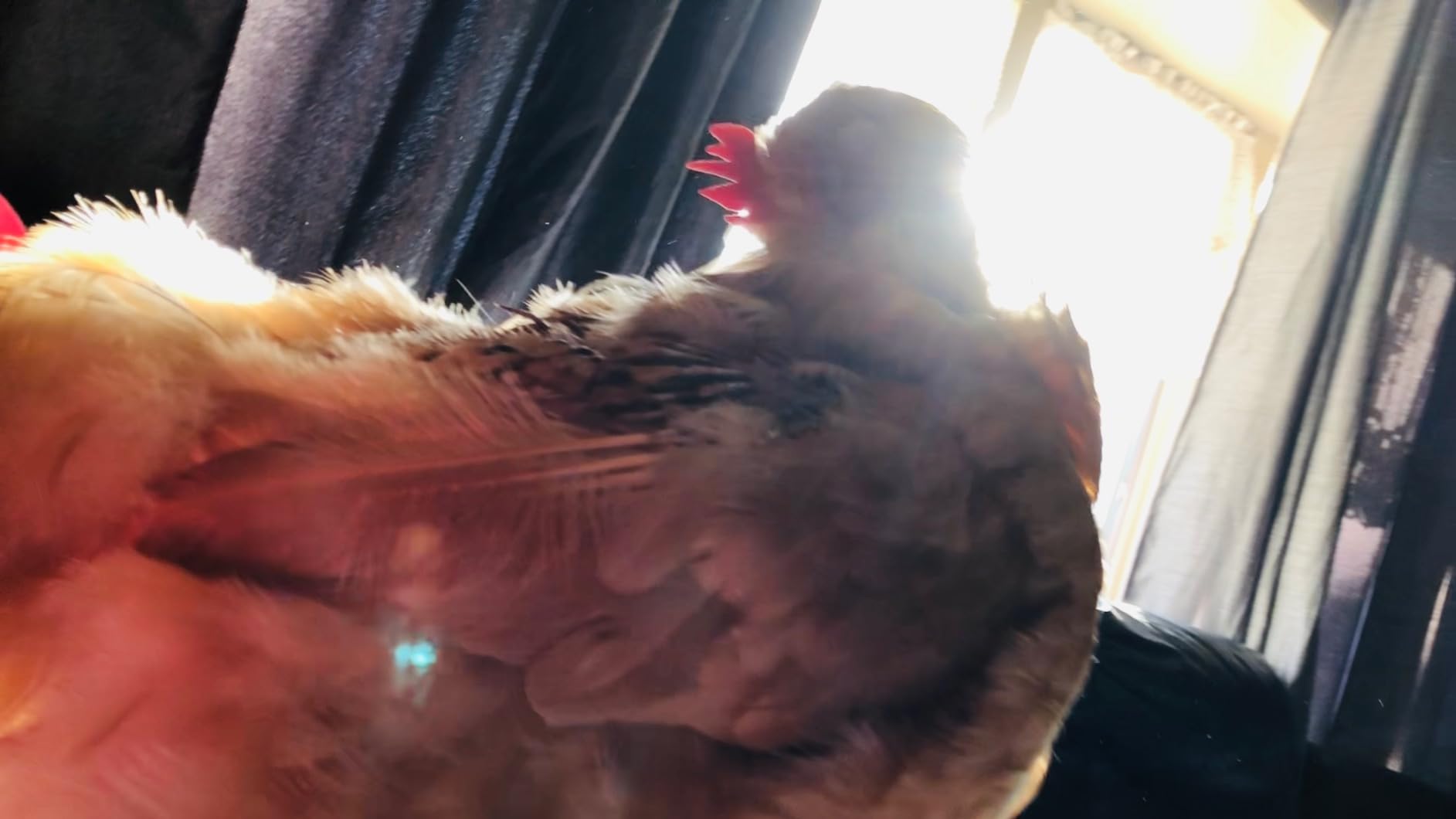
When this spray earns its spot
For larger flocks, for wary birds, and for any treatment you expect to repeat through the day. The long-range stream also makes it good for chicks in a brooder.
If your recurring issue is pecking at wounds, the lick-safe formula removes a common obstacle to treatment.
Where it falls short
It will not hold a wound closed and it will not treat a specific foot or vent infection. You still need dressings and something targeted for bumblefoot.
6. Banixx for Pecking Sores and Bumblefoot Review
Banixx for Pecking Sores, Bumble Foot, Fowl Pox, Raw Vent Area Infection, Chicken Leg/Foot Injuries
8 to 9 oz bottle
2 x 7.25 x 2 in
Odor-free and sting-free
Pros
- Formulated specifically for bumblefoot
- fowl pox
- pecking sores and raw vent infections
- Odor-free and sting-free for sensitive foot and vent tissue
- Safe around the eye and non-toxic if ingested
Cons
- Narrower scope than general wound sprays
- Heavy bottle for the volume it holds
Bumblefoot, or footpad dermatitis, is the most common chronic problem in a backyard flock, and it is also the one keepers most often treat badly. Banixx is the most specifically targeted product in this roundup for it, along with fowl pox, pecking sores and raw vent area infections. Those four conditions are, in practice, what fills a poultry first aid kit for most small flocks.
The sting-free, odor-free claim is doing real work here. Feet are sensitive tissue, and a product that hurts gets applied less often and less thoroughly. It is also safe around the eye and non-toxic if ingested, so a bird pecking at treated vent tissue is not creating a second problem.

At 1,112 reviews and 4.5 stars this has a durable following among keepers who deal with foot problems every season. There are no antibiotics, steroids or alcohol in the formula, and the shelf life is long, which suits a product that sits in a barn through winter.
Where it does not stretch is general wounds. This is not a broad-spectrum skin spray, and reaching for it on a flank laceration is a mismatch. The bottle is also heavier than it needs to be for 8 to 9 ounces, so it is not something to carry in a coat pocket.
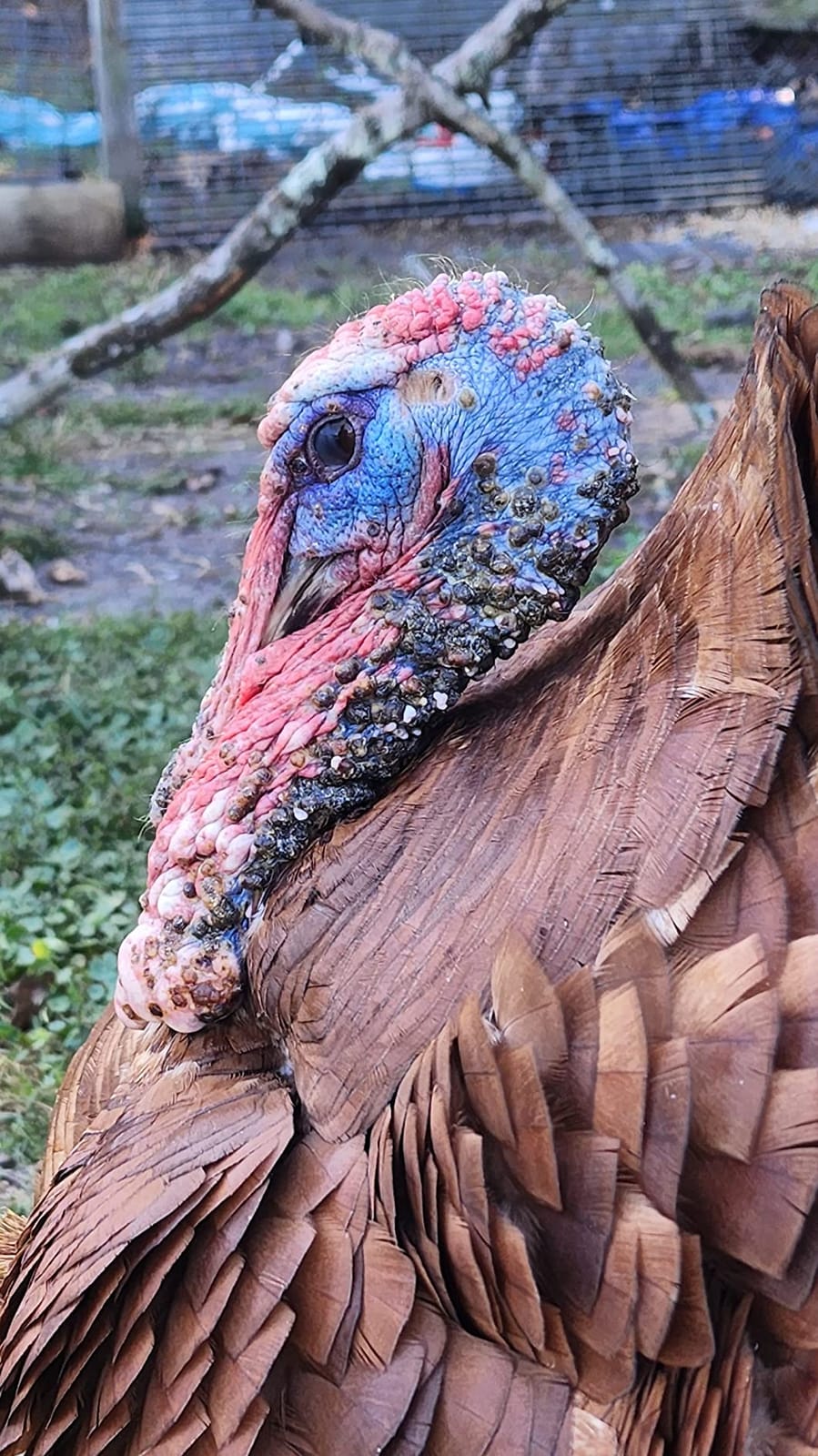
When this product earns its spot
For bumblefoot, scaly-looking feet, vent area irritation and fowl pox lesions. Any flock that has had a foot problem once will use this again.
It pairs naturally with epsom salt soaks, since the soak softens the scab and this handles the infected tissue underneath.
Where it falls short
It is not a substitute for a general wound spray or a bleeding-control product. Severe chronic bumblefoot with swelling and lameness needs a poultry vet, because the infection is usually deeper than any topical reaches.
7. Vet Wrap Self-Adhering Bandage Wrap Review
Vet Wrap Self Adhering Bandage Wrap Cohesive Bandage Multi-Function Wrap Tape for Dogs Cats Horses Birds Animals Non-Woven Strong Sports Tape for Wrist Healing Ankle Sprain & Swelling 12 Rolls
12 rolls
2 inch by 5 yard rolls
Porous non-woven fabric
Pros
- Sticks to itself but not to skin or feathers
- Tear-off by hand with no scissors needed
- Lightweight
- breathable and water-resistant
Cons
- Self-adherence is weaker than premium name-brand wraps so a loose end may need tape
- Multi-animal listing rather than poultry-specific
This is the most useful item in the whole list for a bird that has feathers on the wound, and the reason is a single design choice: it adheres to itself and not to skin or hair. You can wrap a wing or a leg without stripping feathers, and without needing clips, pins or tape to hold the dressing in place.
The material is a lightweight, porous non-woven fabric with elasticity and ventilation, water-resistant but not air-tight. Each roll measures 2 inches by 5 yards, and a 12-roll box is enough for repeated dressing changes across a whole season rather than a single emergency.
Checking the size before you buy
Two inches wide is the practical all-rounder. It wraps a hen thigh, a wing and a chick leg; a narrower roll gives you more control on a toe but less coverage on a flank wound.
Tear-off by hand with no scissors is a genuine advantage in a coop at night, when fumbling for a tool means losing time you do not have.
Where it is weaker, and how to splint with it
Self-adherence is a notch below premium name-brand cohesive wraps, so a loose end sometimes wants a piece of tape. For a splint, set two popsicle sticks alongside the wing, wrap from the body outward with light tension, and check the toes stay pink and warm.
Replace the wrap every 48 hours and recheck the joint, because birds heal fast and a splint that was correct on day one is not necessarily correct on day three.
8. First Aid Blood Clotting Powder Review
BleedClot Pet First Aid Blood Clotting Powder | The Best for All Animals to Stop Bleeding, Guaranteed | for Minor Cuts and Severe Arterial Bleeding | from The Makers of BleedStop (4 Pouches (0.5 oz))
4 pouches of 0.5 oz
Sterile and hypoallergenic
From the makers of BleedStop
Pros
- Fast bleeding control for cuts
- scrapes and nail-trim accidents
- Non-stinging and safe on animals that may lick the area
- Four sealed pouches keep the powder dry in a coop kit
Cons
- Labeling targets pets and livestock rather than poultry specifically
- Powder scatters easily and needs a steady hand
A poultry first aid kit without something for bleeding is incomplete. A hen can lose a meaningful amount of blood from a single deep peck wound, and a blood clotting powder buys the seconds you need to get pressure on the wound and decide what happens next. This one comes from the makers of BleedStop and sits at 4.7 stars across 1,012 reviews.
The practical design choice is the packaging. Four sealed 0.5 oz pouches mean the powder stays dry in a barn or coop kit, which matters because loose powder that has absorbed moisture is a powder that clumps and fails when you need it. It is also sterile and hypoallergenic, and safe on a bird that licks the treated spot.
Keepers on BackYard Chickens threads ask repeatedly how to stop a bleeding bird, and the honest answer is that styptic powder plus firm pressure handles most minor-to-moderate bleeds. Beyond that you need a poultry vet. Apply the powder, then hold pressure, do not release to check, and reassess after a full minute.
When this earns its spot
For nail-trim accidents, minor cuts and scrapes, grooming nicks and the bleeding that follows a peck wound. It is the item that turns a panicked moment into a manageable one.
Four pouches is also a sensible format for a multi-coop household, since you can keep one pouch in each kit instead of sharing a single jar.
Where it falls short
The labeling is written for pets and livestock, not for poultry, so check with a veterinarian if you are treating a specific condition rather than a bleed. The powder also scatters, which means a steady hand and a calm bird are both prerequisites for a good application.
9. AZEN Gauze Rolls 30-Pack Review
AZEN 30 Pack Gauze Rolls Bandages, 4 in x 4.1 Yards, Premium Medical Supplies & First Aid Supplies, Bandage Wrap Vet Wrap, Mummy Wraps
30 rolls
4 inch by 4.1 yard rolls
2.29 lb total
Pros
- Soft
- non-stick and super absorbent material
- 30 individually packed rolls plus 6 medical tapes
- Removes painlessly with no skin irritation
Cons
- Bulk size is more than a small backyard flock needs
- Loose ends need the included tape to stay secured
Gauze is unglamorous and indispensable. It handles pressure on a bleeding wound, packs under a dressing so the product stays on the wound rather than on the feathers, and absorbs the exudate from a bumblefoot soak. At 3,645 reviews and 4.5 stars this is one of the better-reviewed dressing supplies available, and the reviews focus on the same two things keepers care about: it does not stick, and it does not irritate.
Each roll measures 4 inches by 4.1 yards, and all 30 are individually packed with 6 medical tapes included. That is a full replenishment supply for a home kit, and the high-grade cotton elastic material is described as easier to apply than traditional woven gauze and lint-free on removal.
Be realistic about the scale. Thirty rolls is generous for a household with five hens and probably more than a 50-bird flock will use in a year. If you are buying for a small yard, the single-roll format suits you better; if you are restocking a coop cabinet that several people draw from, this box is the efficient choice.
When this earns its spot
As the base layer under any dressing, especially on down, under a wing or on a foot pad. The non-stick property is what makes daily changes bearable for the bird.
The included tapes solve the loose-end problem that trips up most flock keepers, so keep them in the same compartment as the gauze.
Where it falls short
It is a wrap, not a treatment. Gauze holds a product in place; it does not fight infection, stop bleeding on its own or treat bumblefoot. Expect to combine it with one of the sprays or ointments above.
10. RUBY.Q Self-Adhesive Bandage Wraps Review
24pcsSelf Adhesive Bandage Wraps, 3in 5 Yards, Skin Color
12 rolls
1 inch by 5 yard rolls
12 assorted colors
Pros
- Colors make it obvious when a wrap went on and to which bird
- Sticks only to itself so no clips or pins are needed
- Breathable non-woven fabric that holds up over days
Cons
- Contains latex so it is not suitable for latex-sensitive handlers or birds
- Not intended for direct contact with wounds
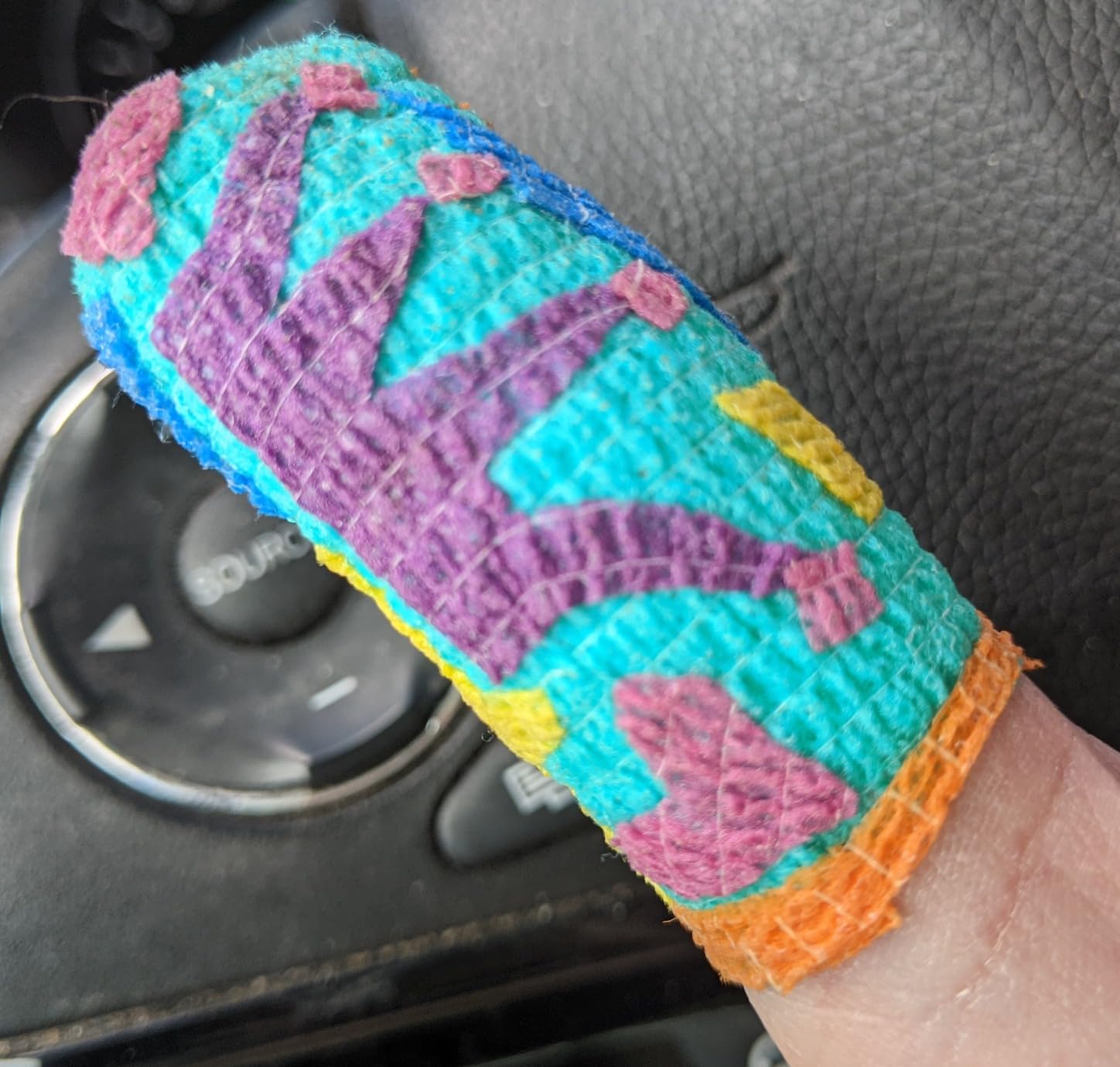
The idea that sells this one is a color system, and for a flock keeper treating more than one bird it is quietly transformative. Twelve colors means you can tell at a glance that the wrap on the black hen’s wing went on Tuesday, which matters enormously when you are checking a recovering bird twice a day and trying to remember whether you already changed it.
Mechanically it does the same job as any cohesive wrap: it sticks to itself and not to skin or other objects, so a dressing stays put without clips or pins. Reviewers also report it holding an infected foot dressing in place through daily changes, which is exactly the scenario a poultry kit has to survive.
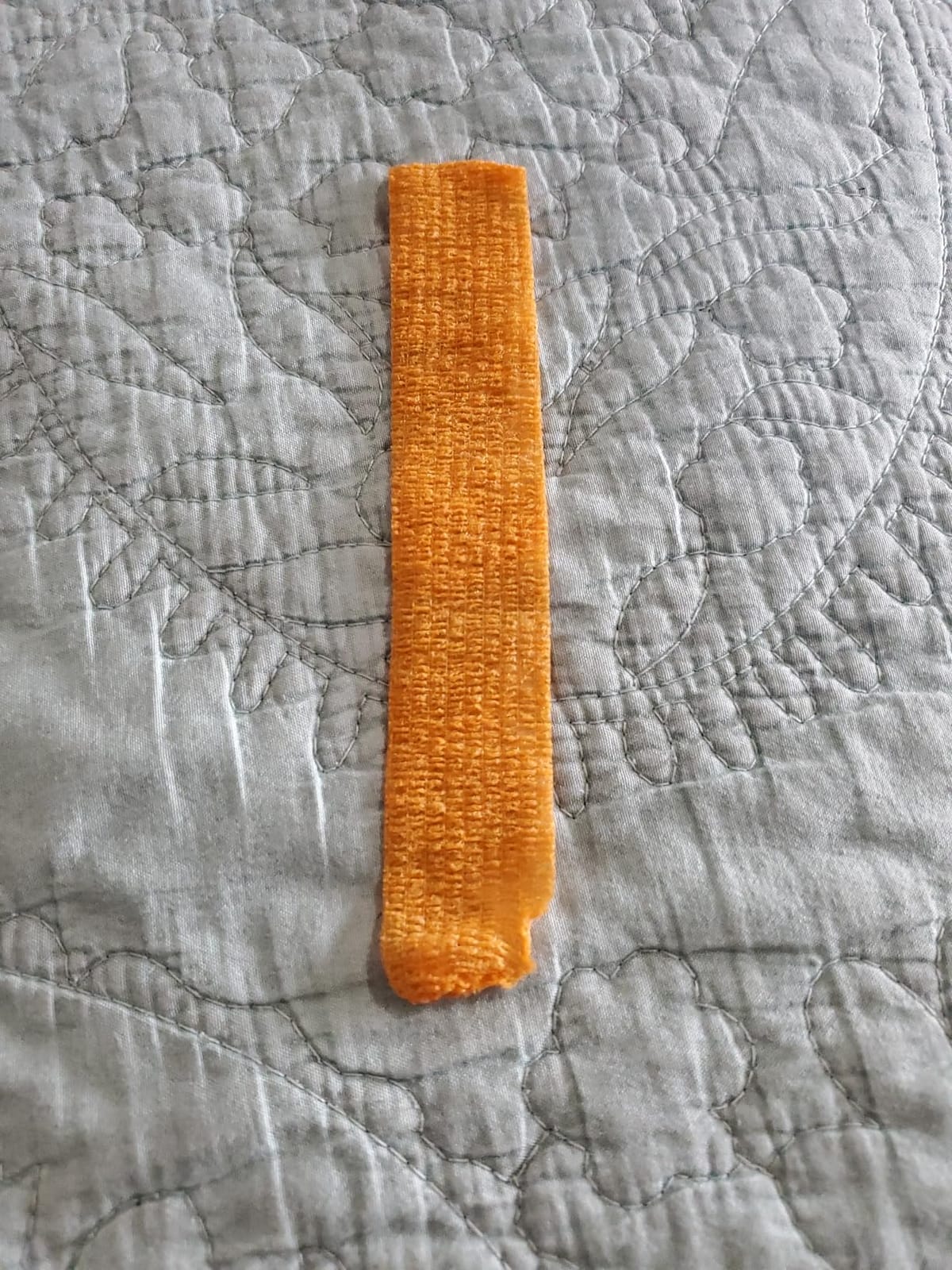
Two things to know before it goes in your kit. It contains latex, which rules it out if you or your birds have a sensitivity. And it is explicitly not for direct contact with wounds; it secures a dressing rather than covering bare tissue, so there always has to be a non-stick pad underneath.
At 2,039 reviews and 4.7 stars across buyers in the US, Canada and Mexico, the feedback clusters around the color assortment, the tear-off convenience and the value. At 1 inch wide, these are narrower and more precise than the 2 inch rolls, so a narrow band is genuinely useful for toes, beaks and chick legs.
When these wraps earn their spot
When you are running a recovery pen with more than one bandaged bird. Colors turn a confusing daily check into a simple visual scan.
The narrow width also makes them the better choice for small birds and for securing a small dressing that a wider roll would swallow.
Where they fall short
Latex rules them out for some households, and they secure dressings rather than treating anything. For a 5-yard roll that is already cut into strips, self-adherence is adequate but not as grippy as premium name-brand wraps.
How to Use Your Kit: Five Common Flock Emergencies
A kit only helps if you know the first three moves. These five scenarios account for the bulk of what shows up in a backyard flock, and all of them are things a stocked kit can genuinely address.
Cuts and bumblefoot
Move the bird to a recovery pen, flush the wound with sterile saline, pat it dry, and apply your wound spray or blue salve. For bumblefoot, soak the foot in warm water and epsom salt for 15 to 20 minutes, dry thoroughly, then treat and wrap loosely with a non-stick pad.
Fractures and splints
Set the wing or leg in place with popsicle sticks or thin cardboard, secure with cohesive wrap, and check that toes stay pink and warm. Recheck every 48 hours as the bird heals and the splint may need loosening.
Egg binding
A layer hen straining with no egg produced in 24 hours needs help now. Move her somewhere warm and dim, offer calcium citrate with vitamin D3, and provide an oral syringe for fluids. Keep the vent clean and dry. If she cannot pass the egg, a bird at that point is in trouble and a vet is the honest answer.
Frostbite of comb and wattles
Warm the bird slowly, do not rub frostbitten tissue, and apply petroleum jelly to the comb and wattles. Blackened tissue that stays cold and hard to the touch is tissue that may not recover, so watch for secondary infection over the following days.
Eye and respiratory problems
Flush an irritated eye with sterile saline from a syringe held to the side, not over the cornea. For respiratory symptoms, isolate the bird immediately, offer electrolytes, and separate the affected bird from the rest of the flock pending a veterinary opinion.
Safety Rules: What Never to Use on a Flock
There is one rule that belongs in bold on the inside lid of every poultry first aid kit: never use a -caine product on a bird. Lidocaine and benzocaine are toxic to poultry, and many human first aid products, including some antibiotic ointments, contain them. This is the most repeated safety warning across keeper forums, and it is the one most likely to be ignored because the product is sitting in the medicine cabinet already open.
Read the ingredient panel every time, not once. Triple antibiotic ointment without a pain reliever is the version keepers recommend, and the difference between the two tubes is a few characters on the label.
The second rule is about antibiotics. Use one, do not stack several, and complete the course. Record the start date and the product name in a notebook kept with the kit, because the egg and meat withdrawal period runs from the end of treatment, and the eggs that fall inside that window do not belong in the carton. Restrictive antibiotic use is also simply good stewardship; the resistance problem in poultry medicine is largely self-inflicted.
Finally, be honest about your limits. A kit handles cuts, swelling, dehydration, minor fractures, egg binding and early infection. It does not handle a septic bird, a prolapsed organ that will not stay in place, a suspected Marek’s case or a predator mauling with internal damage. A poultry veterinarian exists for a reason, and knowing when to call one is part of keeping a flock.
How to Choose a Poultry First Aid Kit for Your Flock Size
Most buying advice assumes one generic kit, and that is why small-flock owners over-buy while larger flocks end up short. The right tier depends on how many birds, how many are in recovery at once, and whether you are raising chicks.
Three to five hens. One wound spray, one small salve, a single gauze roll, a 6-roll box of cohesive wrap, a styptic pouch, an oral syringe with saline, a handful of gloves and a packet of electrolyte powder covers essentially everything you will meet. Spend on the wound products, skip the bulk dressings.
Ten to fifty birds. Add a second bottle of your wound spray, the 30-roll gauze box, the 12-roll wrap box, extra styptic pouches, poultry vitamins, a probiotic and enough electrolyte powder for a full-flock treatment. Once you exceed ten birds, treat a stressor such as heat or a move as a flock event, and the whole-flock tonic earns a place.
Chicks in the first four weeks. The needs here are different and mostly are not found in a general kit. Add a chick-safe electrolyte and vitamin powder, spare brooder bulbs, a heat source, chick feed and a small syringe, and keep soft materials away from down, where ointments and matting sprays cause problems. Umbilical care in hatch-week chicks is a breeder problem rather than a kit problem, but a separate brooder kit is worth building.
Flocks over 50. Stock per-batch rather than per-bird, label every container with what it is and what it treats, and keep identical kits in more than one location. A keeper managing several coops will absolutely use a second coagulation product, a second syringe and a second bottle of spray in the same week.
A note on pre-assembled kits versus a DIY build. Store-bought kits are organized and give you a starting point, but keepers consistently report the same gap: no instructions, no dosing information and no withdrawal guidance. Whatever you buy, the first hour with it should go into relabeling the contents and writing what each item treats on the lid. That single step eliminates the panicked rummaging that forum members describe over and over.
Finally, consider a general-purpose outdoor kit alongside the poultry-specific items rather than instead of them. A kit built for field use tends to carry the shears, gloves, flashlight and tape that a coop kit skips. Understanding how the two categories differ is covered in our roundup of the best first aid kits tested and reviewed.
Monthly Kit Checks and Expiration Management
Ten minutes on the first weekend of each month is enough to keep a kit usable. Open it, confirm every item is where you left it, and check the four things that actually go off: opened ointment and salve tins, spray bottles that have been sitting in a hot coop, electrolyte powders that absorb moisture, and sterile packaging that has been opened.
Write the date on every item the day you open it with a Sharpie. Most keepers waste far more product from losing track of when they opened something than from a genuine expiry. Replace anything opened more than a year ago unless the label says otherwise, and keep unopened backups sealed in the house rather than in the shed.
Store the kit somewhere dry, reachable and ideally not in the coop itself, which is damp, and not in a vehicle, which is hot. A labelled tote in the mudroom beats a scattered collection of bottles behind the bag of layer pellets every time.
Frequently Asked Questions
What should be in a chicken first aid kit?
A chicken first aid kit needs a triple antibiotic ointment with no pain reliever, a poultry-labeled wound spray, sterile non-stick gauze, self-adhering cohesive wrap, nitrile gloves, trauma scissors, styptic powder, an oral syringe with sterile saline, a thermometer, electrolyte powder, calcium citrate with vitamin D3, epsom salt, petroleum jelly, popsicle sticks and tape for splints, and a probiotic. Keep every -caine product out of the kit entirely.
Can I use human first aid products on chickens?
Some of them, carefully. Human triple antibiotic ointment without a pain reliever is commonly used on poultry. Human products containing lidocaine or benzocaine, which both end in -caine, are toxic to birds and must never be applied. Hydrogen peroxide can damage tissue and is not recommended for routine wound flushing; use sterile saline instead.
Do I need antibiotics for a chicken wound?
Most minor wounds do not need antibiotics. Clean the wound, apply a poultry wound spray or antibiotic-free salve, keep the bird in a dry recovery pen and recheck daily. Antibiotics are indicated when there is swelling, heat, pus, foul smell or a bird that is off its feed, and in that case a poultry veterinarian should choose the drug and set the egg withdrawal period.
How often should I replace items in my first aid kit?
Check the kit monthly and date every item the day you open it. Replace opened ointments, salves and sprays that are more than a year old, and discard electrolyte powders that have clumped or absorbed moisture. Sterile gauze, gloves and syringes should be replaced immediately after each use, and unopened backups should be kept sealed in a dry indoor location rather than in a damp coop.
What should I try before calling a vet?
Before calling a poultry veterinarian, move the bird to a warm, dry, quiet recovery pen, clean and dress any wound, offer electrolytes and warmth, and check for the common causes: bumblefoot, egg binding, dehydration, parasites or a predator injury. Take a clear photo of the bird and note when symptoms started, then call. Do not delay for a bird that is bleeding heavily, unable to stand, straining without laying, or unresponsive.
Which chicken first aid kit is best for a small backyard flock?
For a flock of three to five hens, the best poultry first aid kit is a compact combination rather than a pre-assembled box: one poultry wound spray such as Vetericyn Plus, one blue anti-pecking salve such as Manna Pro Hen Healer, a small box of self-adhering cohesive wrap, a few sterile non-stick pads and one pouch of blood clotting powder. Skip bulk dressings and whole-flock tonics at this size.
Conclusion: The Best Poultry First Aid Kit for Your Flock
The best poultry first aid kit for a backyard flock in 2026 is the one built around a broad wound spray, an anti-pecking salve, cohesive wrap, sterile non-stick dressings and a styptic powder — and then labelled so you can find any of it in the dark. Our top pick is the Vetericyn Plus Poultry Wound Care Spray, backed by the strongest combination of rating and owner feedback in the group, with Banixx for foot and vent problems and VETRX for whole-flock support rounding out the core. Build it this month, and the next emergency becomes a ten-minute job instead of a panic.