
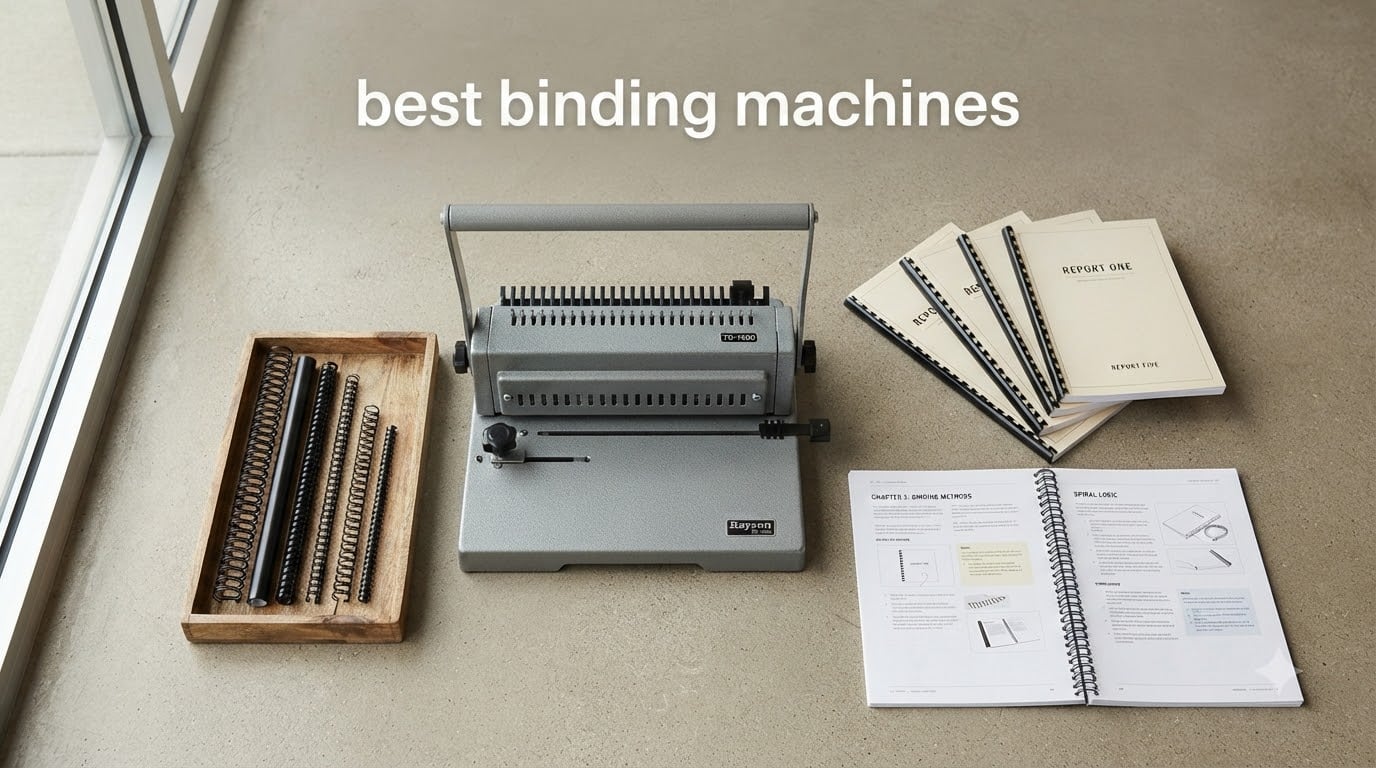
The best binding machines fall into four families, and the family you pick matters more than the model inside it. Plastic comb binding gives you the cheapest fully editable book. Metal coil lays completely flat and survives kids. Double-loop wire looks the most professional and the least forgiving. ProClick zip spines open and close by hand. After a season of putting these machines through real projects, the We R Memory Keepers Cinch came out on top for most people, with the Fellowes Star+ as the pick for classrooms and the RAYSON TD-132 as the only machine here that handles wire, coil and click spines in one pass.
That is the short answer. The long answer starts with a warning, because the single most expensive mistake in this category is not buying a bad machine. It is buying a machine that punches the wrong hole pattern and rendering every spine you already own useless. Binding spines are not interchangeable across mechanisms, and pitch compatibility decides whether your existing spine inventory works at all.
I have used these ten machines across the range of jobs a binding machine actually gets: homeschool curriculum, class handouts, office workbooks, planners, scrapbooks and small client runs. What follows is every pick, what it is genuinely good at, and who should walk past it. Every rating and review count here is copied straight from the listing, and every spec comes from the manufacturer data rather than the marketing headline. Last checked in September 2026.
One note on word choice before we start. When people search for a book binding machine, many of them want hardcovers, and no document binder on this page makes a hardcover. Hardcover bookbinding is a separate craft built around board, cloth and glue, and a desktop punch will not get you there. Everything below binds loose paper into a finished document.
If your desk is already crowded with craft gear, our Cricut machine picks cover the cutting and cover-printing side of the same workflow. This guide stays on the punching and spine side.
Table of Contents
Top 3 Picks: Best Binding Machines in 2026

We R Memory Keepers Cinch
- 2:1 pitch wire binding
- 11 round holes
- Wire from 3/8 inch to 1-1/4 inch


Fellowes Pulsar+ Comb Binder
- 20 sheets per stroke
- Binds 300 sheets
- Includes 10-pack starter kit
Best Binding Machines in 2026: Every Pick at a Glance
All ten machines below bind loose paper into finished documents. Punch capacity is sheets per stroke, which is the number that governs how long a job takes. Bind capacity is the maximum sheets in a finished book, and it is a function of the spine, not the machine. Spine costs add up over time, so check current pricing on the product buttons rather than a number you remember from elsewhere.
| Product | Specifications | Action |
|---|---|---|
| We R Memory Keepers Cinch |
|
Check Latest Price |
 MAKEASY Comb Binding Machine MAKEASY Comb Binding Machine |
|
Check Latest Price |
 TIANSE 21-Hole Binding Machine TIANSE 21-Hole Binding Machine |
|
Check Latest Price |
| Fellowes Star+ Comb Binder |
|
Check Latest Price |
 Amazon Basics Comb Binding Machine Amazon Basics Comb Binding Machine |
|
Check Latest Price |
 GBC ProClick P50 Binding Punch GBC ProClick P50 Binding Punch |
|
Check Latest Price |
| Fellowes Pulsar+ Comb Binder |
|
Check Latest Price |
 RAYSON TD-132 Wire Binding Machine RAYSON TD-132 Wire Binding Machine |
|
Check Latest Price |
 TruBind S-20 Coil Binding Machine TruBind S-20 Coil Binding Machine |
|
Check Latest Price |
 OFFNOVA RC12 Comb Binder OFFNOVA RC12 Comb Binder |
|
Check Latest Price |
1. We R Memory Keepers Cinch: The Best Binding Machine Overall
We R Memory Keepers Cinch Book Binding Machine Version 2, Mint, Easy to Use, Slide Ruler, Spiral Binding, Professional Books, Notebooks, Calendars
2:1 pitch wire binding
11 holes
7.2 pounds
Alignment pegs and punch knobs
Pros
- Clean
- consistent aligned holes without jamming
- Handles wire from 3/8 inch to 1-1/4 inch
- Books open flat with no binding tension
- Compact footprint
- Simple controls beginners pick up fast
Cons
- Binding wires not included
- Technique sensitive wire closing
- Elongated holes can tear coarse paper
- Not built for industrial volume
The Cinch is the machine I recommend to almost anyone who asks. It punches 11 holes at a 2:1 pitch and closes wire-o double-loop wire over the top of the stack rather than threading it through. That single design choice is why it works: the wire just wraps and crimps, so there is no spiral to fight and no comb to thread hole by hole.
In practice the alignment pegs do the measuring for you. You drop the stack onto the pegs, adjust the hole-punch knobs for your page width, close the wire, and the holes land in the same place every time. Reviewers consistently report clean, consistently aligned holes that do not jam on thicker stacks, and the finished books open flat with no binding tension pulling at the spine.
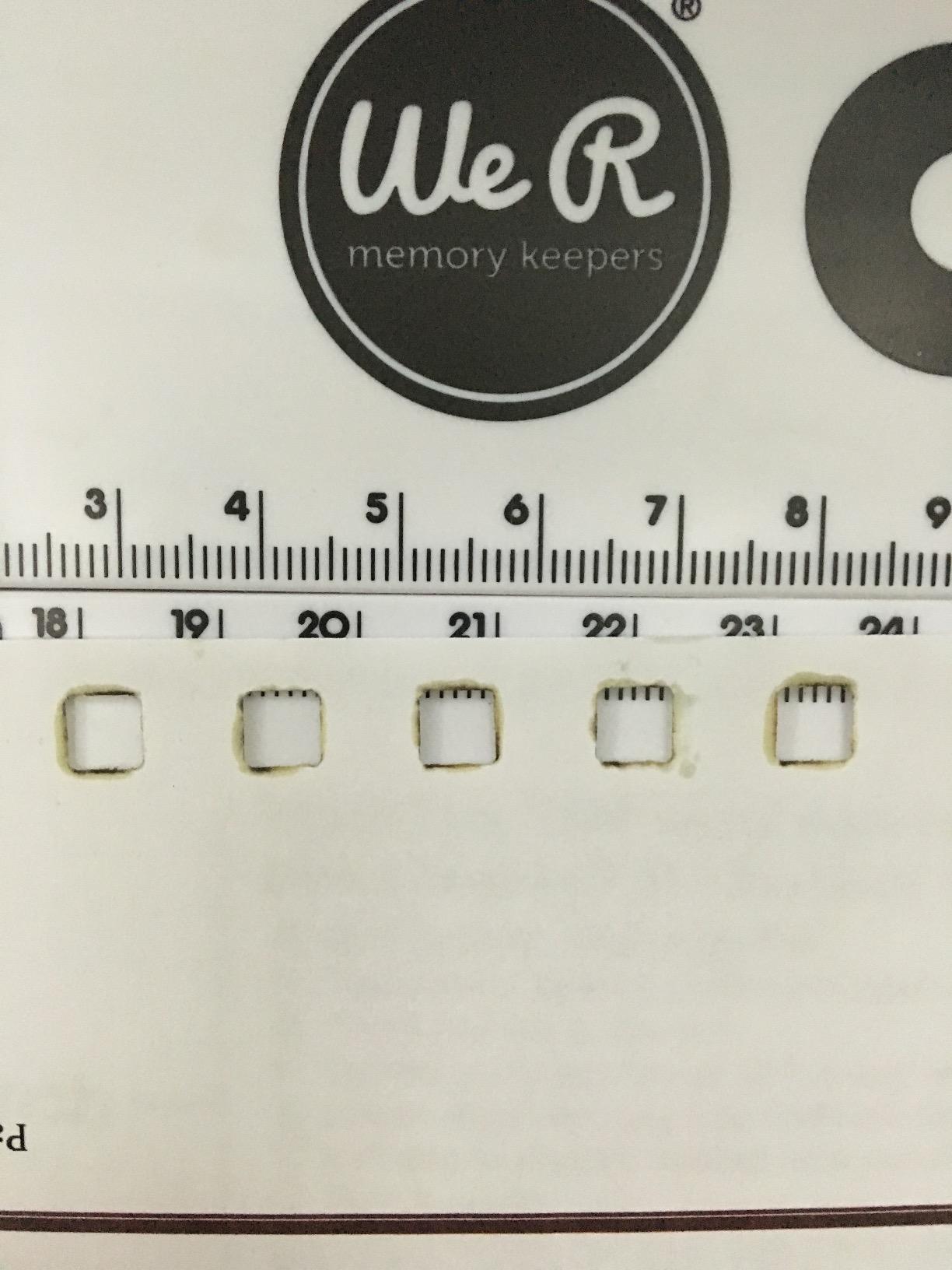
The wire range is unusually wide. The Cinch handles 3/8 inch wire through 1-1/4 inch, which covers a pocket notebook and a full photo album with the same tool. At 7.2 pounds it is light enough to move to a craft table on a moment’s notice, and the 10.5 by 6.6 by 14.15 inch footprint is genuinely small.
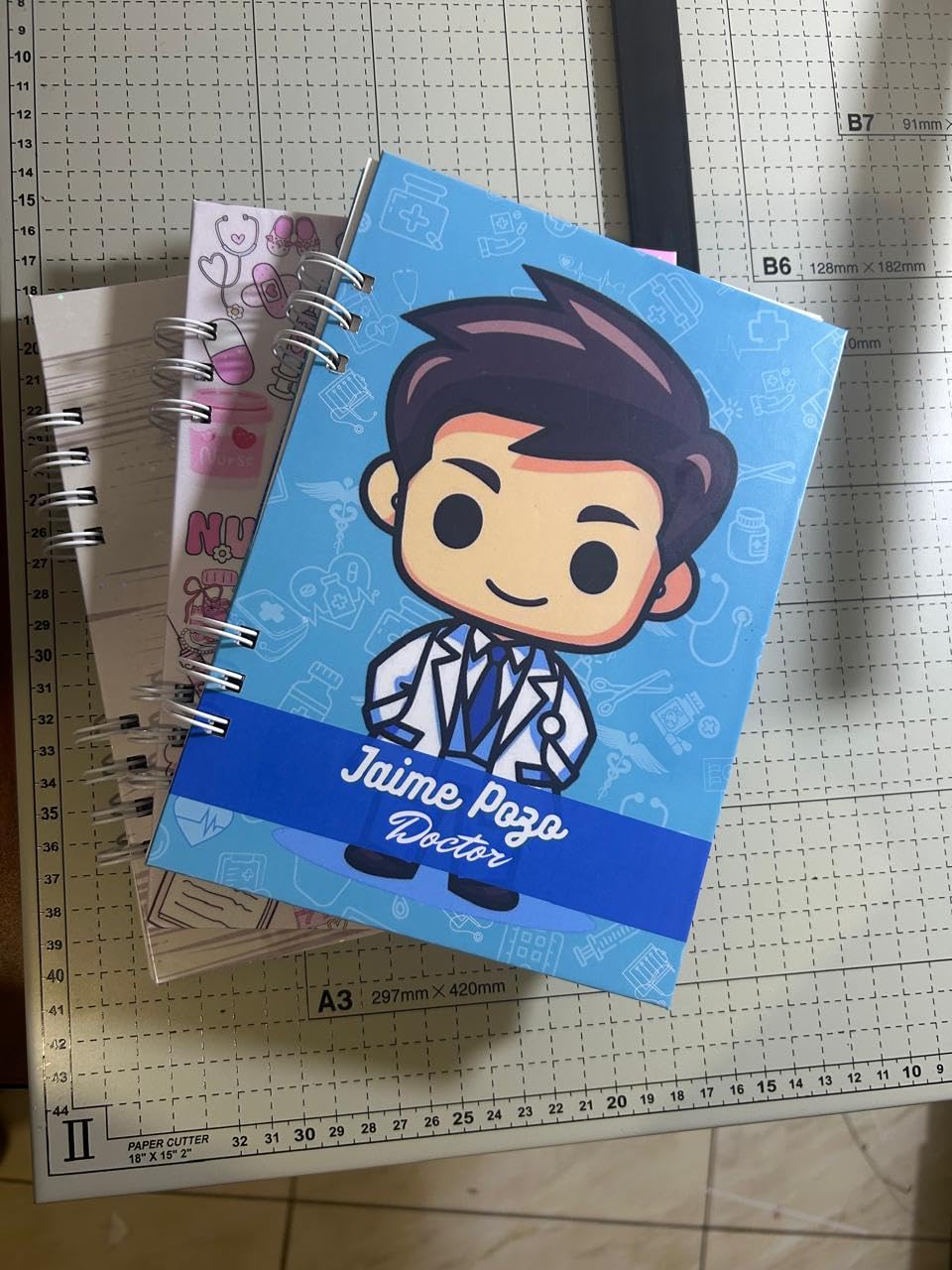
The thing to understand is that the Cinch is a closing tool more than a punching machine. It makes 11 round holes, which is a small pattern, but because it wraps the spine it can close a much thicker book than the hole count suggests. Thousands of reviews describe planners, journals, scrapbooks and school projects coming off this machine looking professional, and the recurring positive is simply how little training it takes.
What you need to know before you buy
The binding wire is not in the box. This trips up nearly every first-time buyer, and it means your first job waits on a delivery of wire-o coils. Buy 3/8 inch wire for anything up to about 60 sheets and 1/2 inch beyond that, in the 2:1 pitch that matches the tool.
There is also a technique component. If the wire teeth are not centred and fully pushed back before you close the punch, the spine comes out visibly uneven. It is a thirty-second fix once you know it, and a five-minute frustration the first two times.
Who should pass on the Cinch
Anyone binding large runs of standardised reports, because 11 holes and a wire spine means buying a separate coil for every document. Anyone whose pages are cheap coarse printer stock who plans to flip through elongated holes constantly, since those can tear at the edges.
It is also the wrong tool for hardcovers, and the wrong tool for anything a print shop would do faster. For hardcovers, you want a dedicated bookbinding press, not a document punch.
2. MAKEASY Comb Binding Machine: The Best Value Pick
MAKEASY Comb Binding Machine – Punch 12 Sheet, Easy Punch No Jam, Heavy-Duty Metal Build, Book Binder for Office Reports & Home School Projects, Includes 100 Combs, Letter/A4/A5 Compatible
Punches 10 to 12 sheets
Binds 400 sheets
Includes 100 combs
Metal build at 8.2 pounds
Pros
- Sturdy metal construction that stays portable
- Includes 100 combs so you can start immediately
- Pages sit flat when packed full
- Low force handle and non slip feet
Cons
- Real world punching closer to 8 sheets
- Included combs are small
- No printed instructions for some users
- Occasional punch mechanism failures
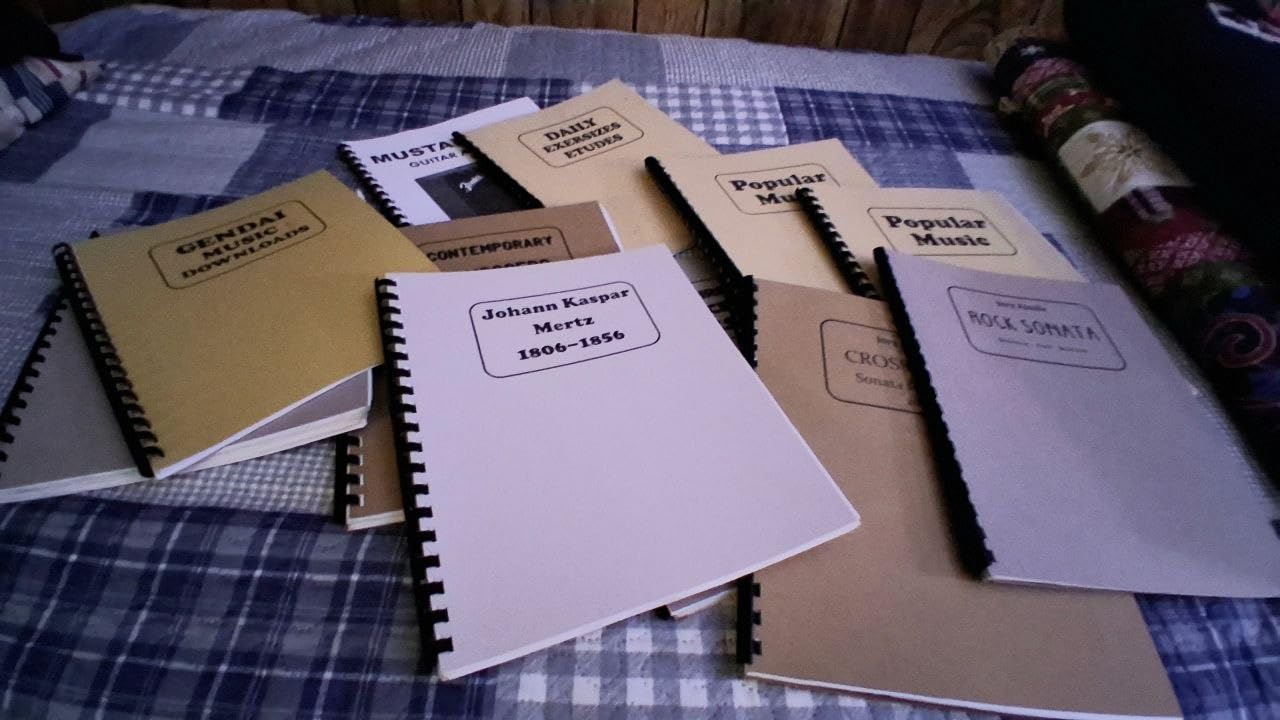
The MAKEASY is the machine I hand to people who want to try binding without committing much, and it earns that spot because it includes 100 black PVC comb spines in the box. That single detail removes the biggest friction point for a beginner: you unbox it and you can bind something the same afternoon.
The construction is metal, with an oiled cutting blade that protects the punch die from rusting. The edge guide adjusts from 3mm to 5mm, and the machine handles Letter, A4 and A5, so switching paper sizes is a knob rather than a new purchase. The low-force handle and non-slip feet make it stable enough to punch without holding it down with your other hand.
Capacity is where the marketing and reality diverge. The headline says 10 to 12 sheets of 80g paper per punch, 2 sheets of 230g cover and 1 sheet of 5 to 12 mil PVC cover. Reviewers put honest real-world punching closer to 8 sheets before alignment starts to drift. On a 70-page book that is nine passes, which is fine for a Sunday afternoon and tedious for a batch job.
Bind capacity is listed at 400 sheets with 2 inch combs, though those long spines are not included. The combs in the box are 3/8 inch, which handles roughly 50 to 60 sheets. That is the part to plan around: your first hundred projects are covered, and anything larger needs a second box of longer spines.
What matters before you buy
Treat it as a small-project machine. Reviews describe it as strong value for home, homeschool and small-business binding, with metal internals that hold up for light to moderate use, and the consensus is that a 70-page book takes patience.
The 16.93 by 12.2 by 7.09 inch body is wider than most of the manual machines here but sits low, and at 8.2 pounds it is easy to move between a home office and a classroom. A few buyers reported the internal punch mechanism failing after a small number of uses, so if you are binding daily, look at the heavier builds.
Who should pass on the MAKEASY
Skip it if you are producing workbooks or manuals in quantity, or if you need to punch plastic covers as the rule rather than the exception. Do not expect a 100-page document to be a one-afternoon project.
It is also the wrong answer for a wire job. Comb punches make rectangular slots; wire spines need round holes.
3. TIANSE 21-Hole Binding Machine: Best Starter Kit for Mixed Paper Sizes
TIANSE Binding Machine, 21-Holes, 450 Sheets, Comb Binding Machines with Starter Kit 100 PCS 3/8” Comb Binding Spines, Comb Binder Machine Book Maker Perfect for Letter Size, A4, A5 or Smaller Sizes
12 sheets per punch
Binds 450 sheets
Letter A4 and A5
100 combs included
Pros
- Complete kit with 100 PVC combs
- Lightweight and easy to move
- Metal housing with high leverage arm
- All in one punch and bind in two steps
Cons
- Laminated sheets cannot be punched
- Handle must sit exactly vertical to engage
- Pausing mid stroke can jam
- Punch debris paper wears off
The TIANSE covers more paper formats than almost anything else at this tier. It punches Letter at 19 holes, A4 at 21 holes and A5 at 15 holes, and the edge guide gives you 3mm, 4mm or 5mm margin settings. For a homeschool family printing in A4 one day and Letter the next, that flexibility is the whole point.
Like the MAKEASY it includes 100 PVC comb spines, but these are 21-ring, matching the A4 pattern. The metal housing, non-slip feet and high-leverage arm make it steady on a desk, and the all-in-one punch and bind design means two steps rather than four, which matters when you are doing twenty documents in an evening.
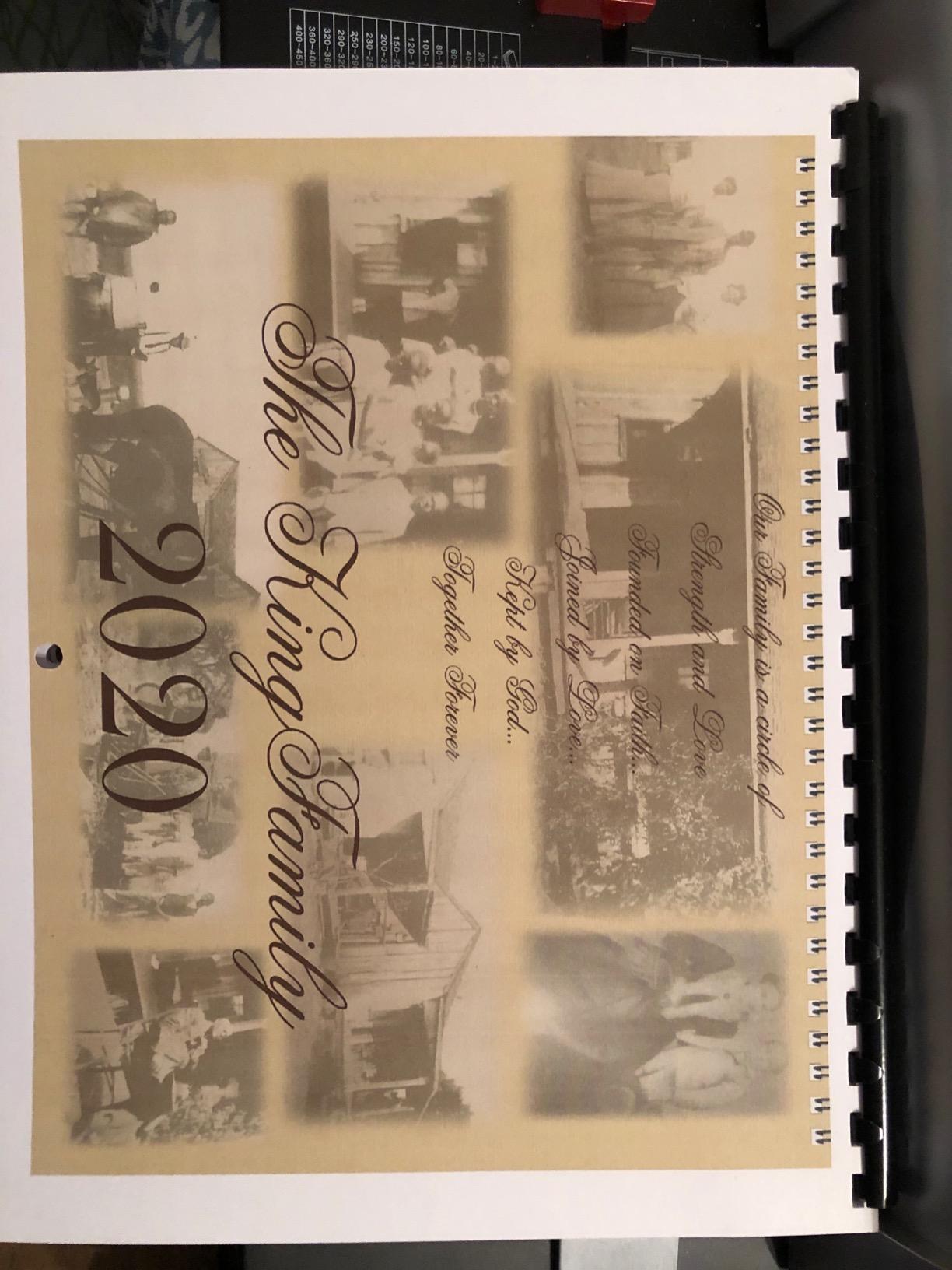
Punch capacity is up to 12 sheets of 80g paper per stroke, and bind capacity is listed at 450 sheets with 2 inch combs. Both numbers are honest for a manual desktop machine. The real limits are the ones reviewers mention: laminated stock cannot be punched at all, and pausing the handle mid-stroke jams the paper.
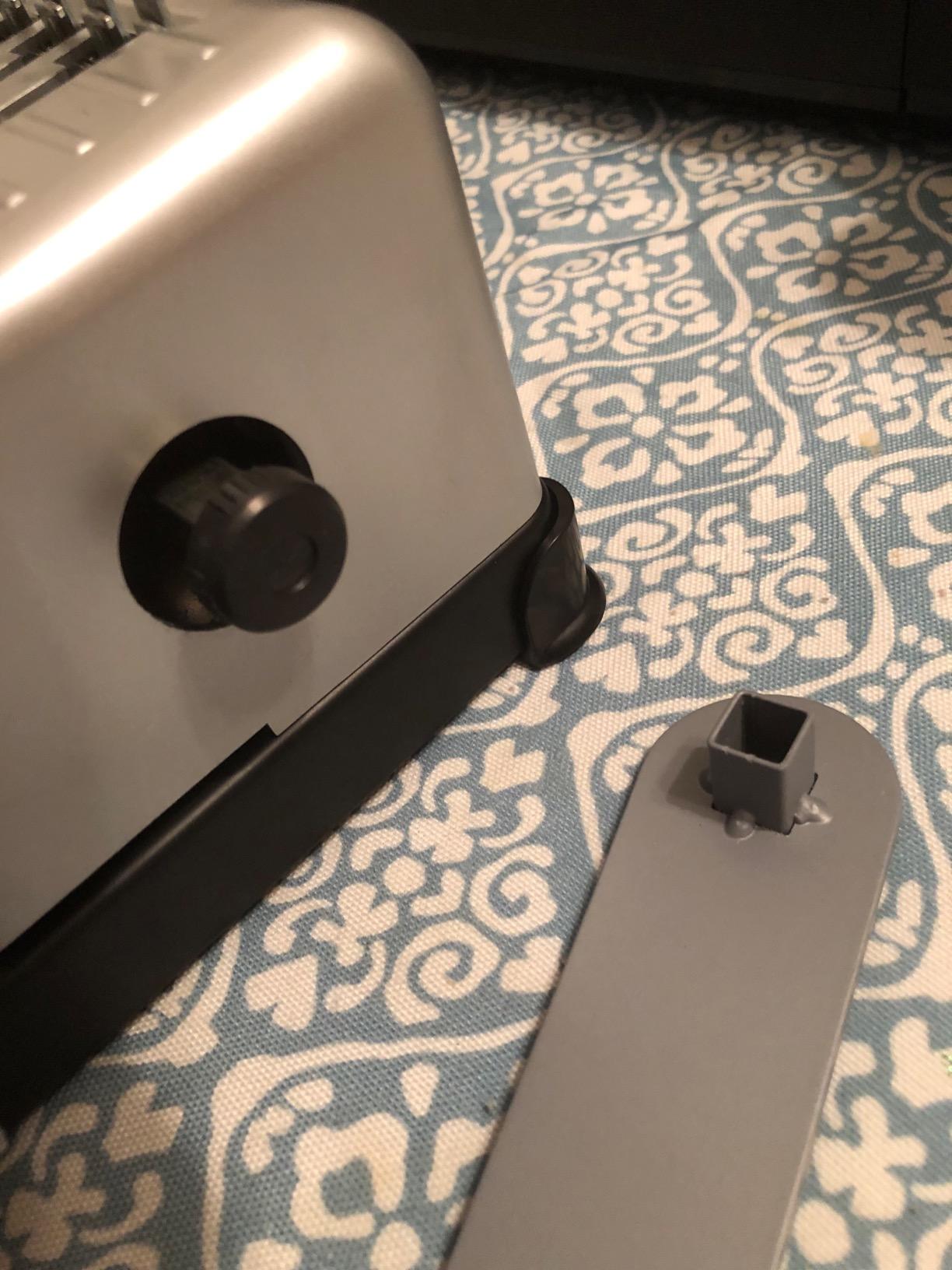
There is a setup quirk worth knowing before your first job. The handle has to be installed at exactly 90 degrees vertical or the punch will not engage, and the machine includes oil-absorbing paper under the punch head that gradually wears away and needs replacing.
What matters before you buy
Check that you are working with paper, not laminates. Teachers who laminate worksheets before binding them will find this machine refuses the job outright, and the same applies to the other manual comb punches in this roundup.
It weighs in at a portable size and can be carried between a classroom and a home office, and the 14.6 by 10.2 by 9.3 inch body is compact enough for a corner of a desk. Plan a short tutorial before your first real project, since most of the confusion in reviews is setup rather than performance.
Who should pass on the TIANSE
Anyone binding laminated or plastic-covered documents, and anyone whose finished books get handled hard by children, since PVC combs on a thin spine can split under abuse. For books that will be written on, eaten and dropped, a coil or wire spine is the safer buy.
Skip it for oversized formats. This is a desktop machine for Letter, A4 and A5 paper.
4. Fellowes Star+: The Best Binding Machine for Classrooms
Fellowes Star+ Comb Binding Machine, Classroom Must-Haves Manual Binder, 15-Sheet Punch Capacity, Perfect for School Supplies & Classrooms (5006501)
15 sheets per stroke
Binds 150 sheets
Vertical document loader
Comb tray with sizer
Pros
- Punches plastic covers and cardstock cleanly
- Compact enough to store in a drawer
- Solid build over thousands of pages
- Edge guide and comb sizer simplify setup
- No assembly needed
Cons
- Printed instructions largely useless
- Comb loading is fiddly
- 19 hole Letter format only
- Waste bin needs frequent emptying
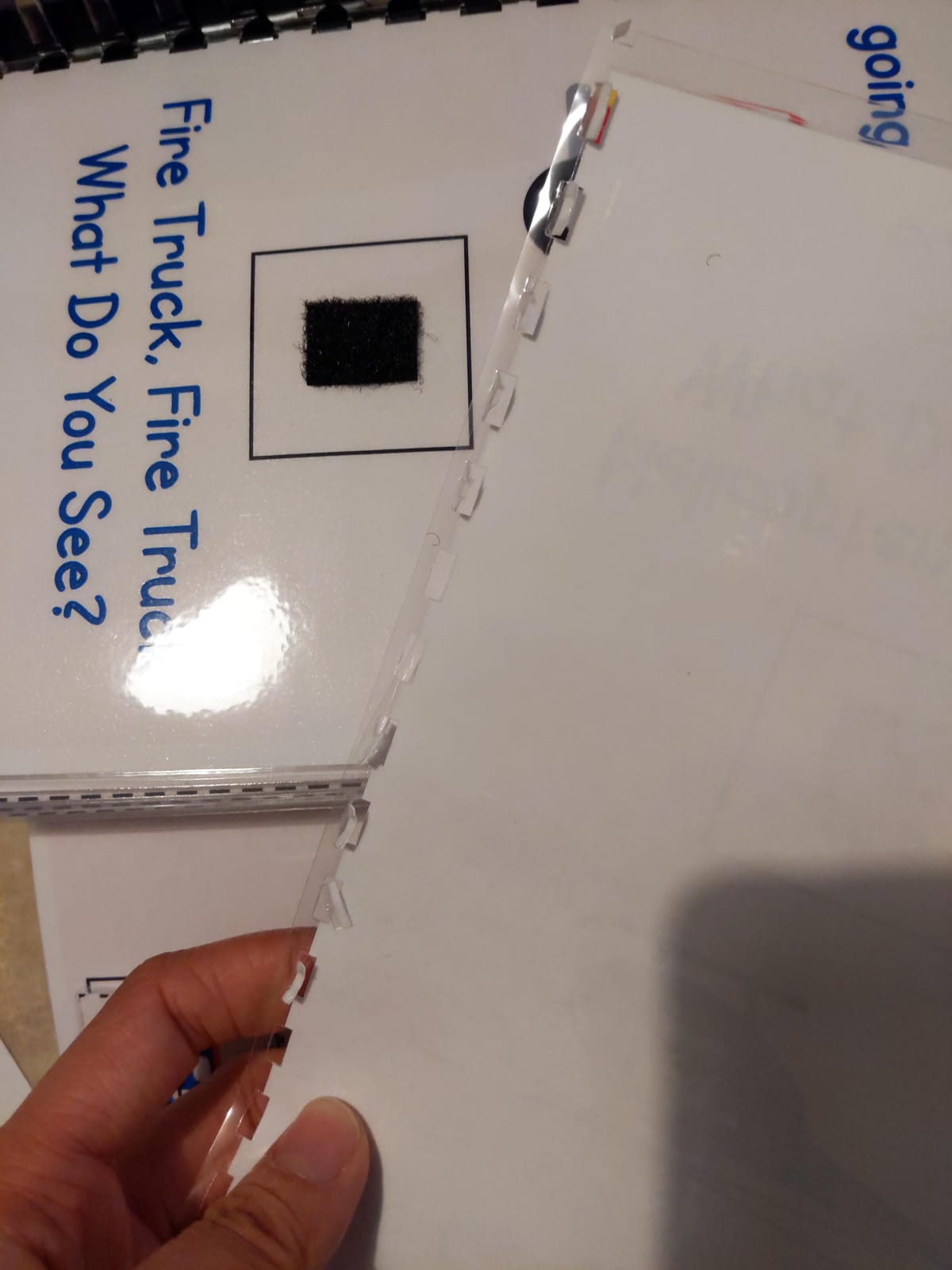
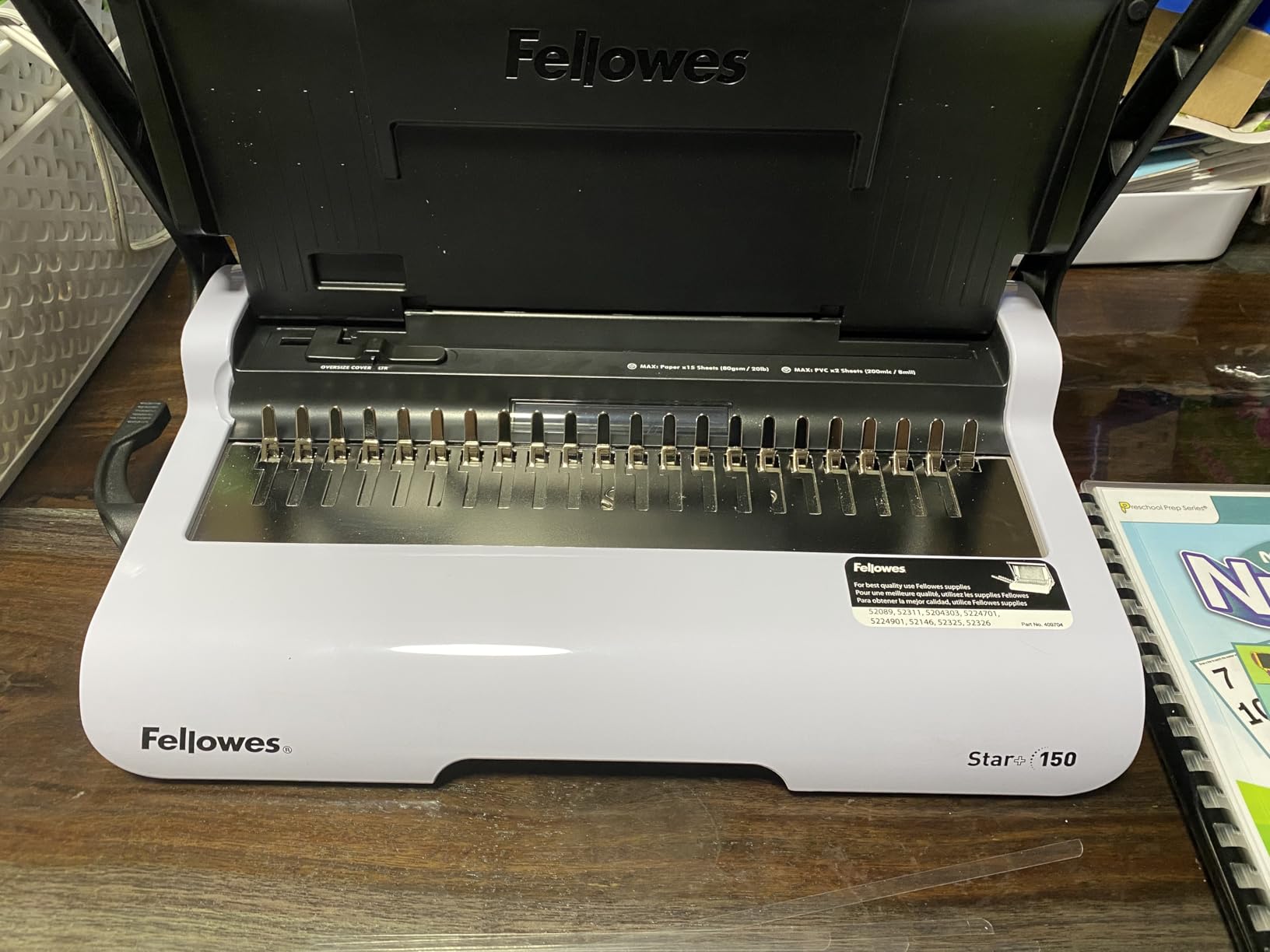
The Star+ punches plastic covers and cardstock cleanly, and that single capability separates it from every budget machine here. Most cheap punches tear or refuse PVC. The Star+ walks through it, which is why it shows up in teacher recommendations more than any other model in this list.
At 15 sheets per stroke it out-punches the 10-to-12-sheet budget tier, and it binds up to 150 sheets with a standard 3/4 inch plastic comb. The vertical document loading path plus the enhanced accuracy edge guide keep hole alignment tight, and the built-in comb storage tray with an integrated measurement device saves you guessing at spine size before every job.
Homeschoolers, teachers and crafters rate it as a dependable light-duty machine that holds up over thousands of pages. The punch window is a small detail worth knowing: it shows how many punches have landed in the waste bin, so you know when to empty it rather than discovering a jam halfway through a batch.
The dominant criticism is documentation, not performance. The printed instructions are widely described as useless, and most owners fall back on a video tutorial. Comb loading also takes practice to get right, and the waste bin needs emptying several times per session for heavy users.
What matters before you buy
The hole pattern is 19-hole Letter. If your workflow includes A4 or laminated sheets, you will be trimming paper by hand, and that is a dealbreaker for a lot of international buyers. Check your paper format before anything else.
At 9.7 pounds and 3.13 by 9.81 by 17.69 inches it stores in a drawer between uses, and it needs no assembly out of the box. That combination of compact storage and punch-through-plastic makes it a good fit for a shared classroom cupboard.
Who should pass on the Star+
Anyone binding documents thicker than about 150 sheets, or anyone who wants a book that lies fully flat. Comb binding leaves a small residual gap at the spine, and for a workbook that is used flat on a desk daily, coil is the better mechanism.
Skip it if you are binding A4 stock as standard. The trim workaround costs more time than the machine saves.
5. Amazon Basics Comb Binding Machine: Best for A5, Letter and A4 Switching
Amazon Basics Comb Binding Machine, 350 Sheets Capacity, Punches 12 Sheets, for Paper Sizes A5(15 holes)/Letter(19 holes)/A4(21 holes) with Adjustable Margin, Grey
12 sheets per stroke
Binds 350 pages
90 percent steel frame
Fixed paper slider
Pros
- Steel construction with carbon steel blade
- Fixed paper slider keeps holes aligned
- All in one design saves desk space
- Handles A5 Letter and A4 with margin adjustment
Cons
- Combs not included
- Noticeably heavy to move
- Lower ratings hint at lighter long term durability
The Amazon Basics binder is the value pick if you already know how binding works and just need a machine that will not break. The frame is 90 percent steel with a carbon steel punch blade, which is a stiffer, heavier build than the plastic and thin-metal competitors at this level.
Its fixed paper slider is the feature I would point out. Instead of a loose edge guide that drifts, the document sits against a fixed stop, which is why reviewers report consistent alignment across batches rather than only on the first few punches. It handles A5 at 15 holes, Letter at 19 and A4 at 21, all with an adjustable margin.
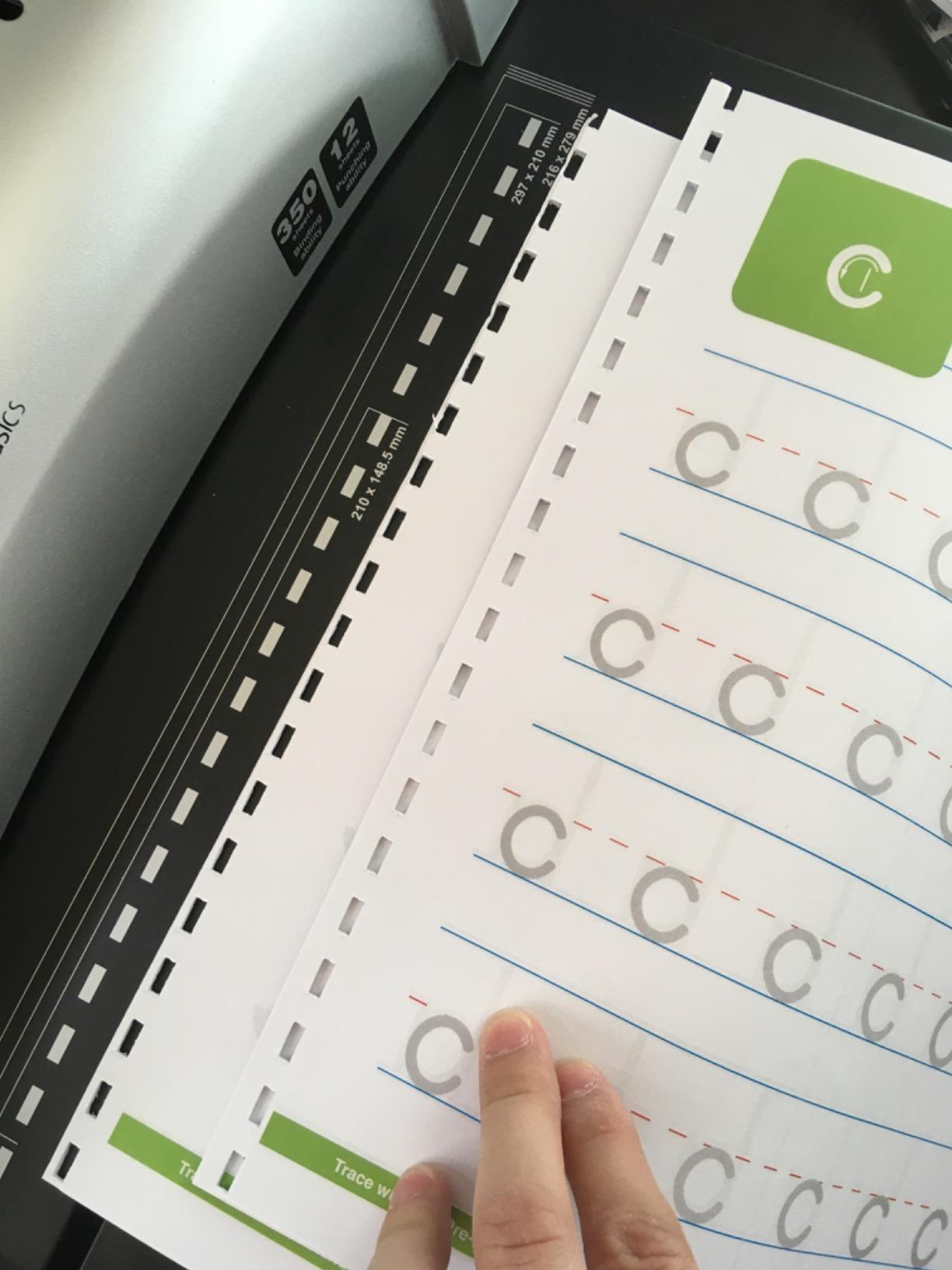
Specs are 12 sheets punched per stroke and up to 350 pages bound. The all-in-one punch and bind design keeps the footprint down to 15.16 by 10.83 by 14.17 inches, which matters if the machine shares a desk with a laptop.
Two honest caveats. Binding combs are not included, so nothing happens on day one until you order them. And at 7.63 pounds with that much steel in it, moving the machine between rooms is more of a lift than a carry.
What matters before you buy
Its 4.3 rating sits at the bottom of the range in this roundup while still clearing four stars across more than 1400 reviews, and reviewers treat that as a signal of lighter long-term durability rather than a defect. For a home office binding a few documents a month, that is an acceptable trade. For daily production, it is not.
Plan to buy combs in quantity. The plastic comb spines it uses are widely available and inexpensive in bulk, and the three most common sizes cover 50 to 100 sheets, 100 to 200, and 200 to 300.
Who should pass on the Amazon Basics binder
Anyone who binds several documents a week and expects the machine to still feel solid in two years. Reviewers cluster around home and small-office documents rather than ongoing production.
Also skip it for wire or coil jobs. It makes rectangular comb slots only, and there is no adapter to change that.
6. GBC ProClick P50: The Best Machine for Documents You Need to Edit
GBC Binding System, Manual, Desktop Binding Punch, 6 Sheet Punch Capacity, ProClick P50 (2515650)
6 sheets per stroke
ProClick zip spines
2.2 pounds
One year limited warranty
Pros
- Compact at 2.2 pounds and drawer storable
- Spines open and close by hand for full editability
- Clean consistent ProClick punch pattern
- Handles oversized documents
Cons
- Only 6 sheets per stroke
- ProClick spines bought separately
- Not designed for high volume runs
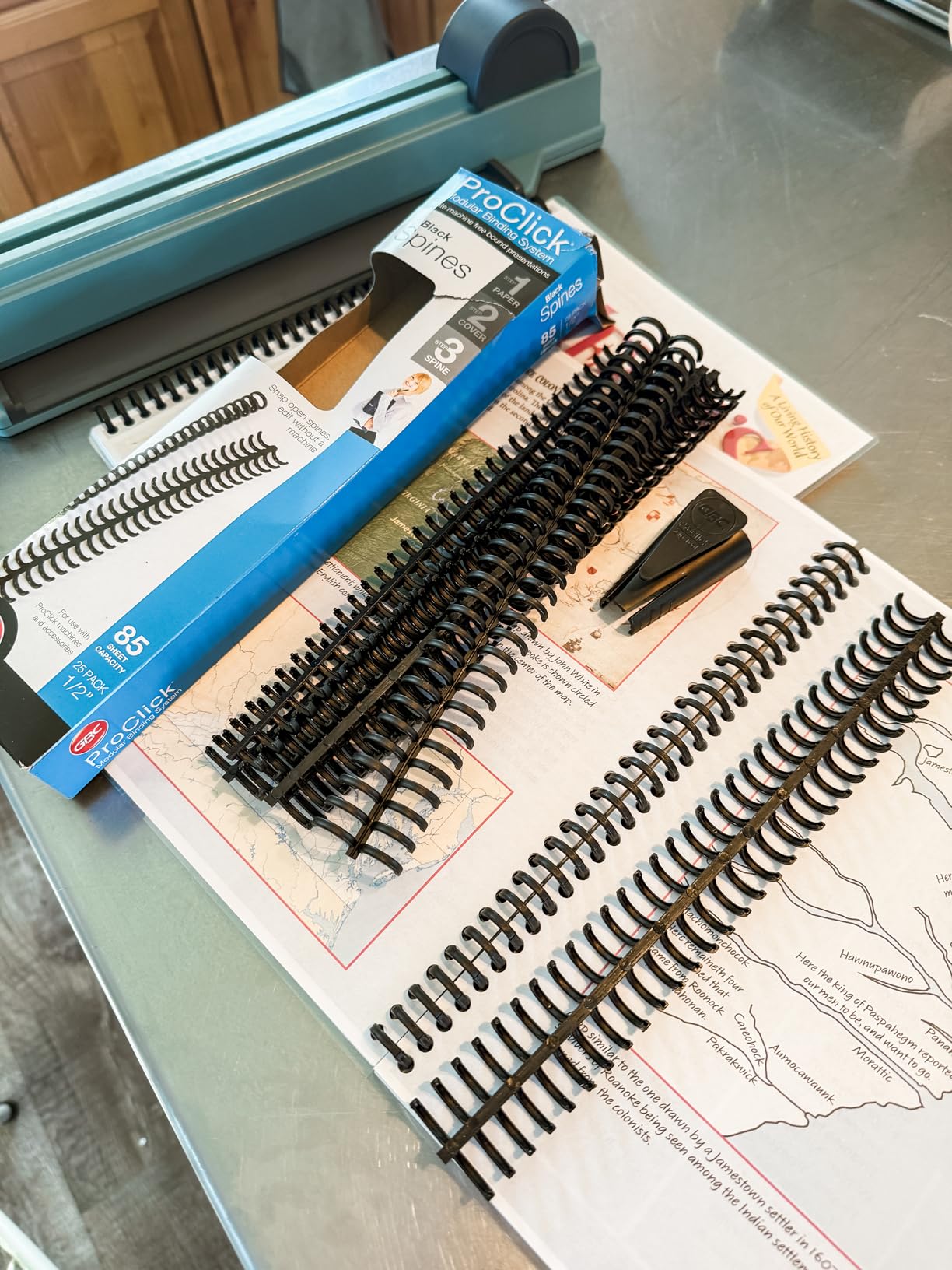
The ProClick P50 solves a specific problem better than anything else here: a bound document you can still edit six months later. ProClick spines are a metal strip with a zip mechanism along the edge. You open the spine by hand or with a tool, slide pages in or out, and close it again. Nothing is destroyed in the process.
That makes it the right pick for training materials, client deliverables that will need revision, and anything bound on a deadline that you know will come back for changes. It is also the only machine here that punches 3 holes rather than a full comb pattern, which is why it is so small.
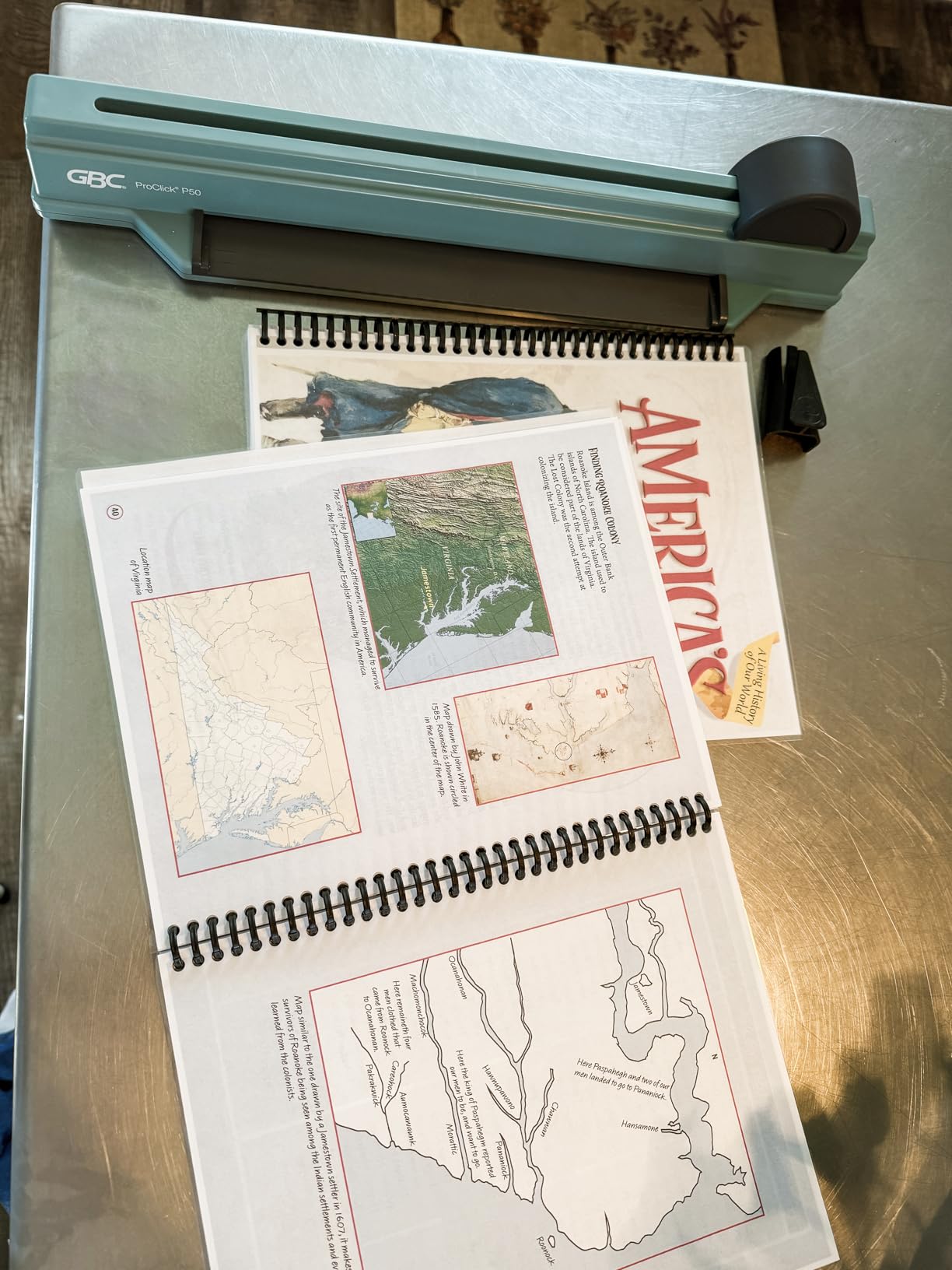
The trade is capacity. Six sheets per stroke, full stop. On a 30-page report that is five passes, which is why reviewers consistently frame this as a desktop personal binder rather than a production machine. What you give up in throughput, you get back on every future edit.
Physically it is hard to beat: 2.2 pounds and 18.25 by 3.56 by 3.06 inches, so it lives in a drawer and comes out when needed. The 8mm pin hole diameter is the ProClick standard, and despite the small footprint it handles oversized documents.
What matters before you buy
ProClick spines are a consumable you buy separately, and they are less widely carried than plastic combs. Check availability in your region before committing, because a binder you cannot feed is a paperweight.
The warranty is a limited one year, which is standard for the category but worth noting next to the two-year coverage on the TruBind later in this guide. The metal construction feels solid for its size.
Who should pass on the GBC ProClick P50
Anyone binding more than about 30 pages, and anyone producing batches. Six sheets per stroke is a personal-scale number, and no amount of technique changes it.
Also skip it if you want a book that lies flat on a desk, or if the finished document needs to look like a printed publication. ProClick reads as an office document, which is exactly what it is for.
7. Fellowes Pulsar+: The Best Binding Machine for High Volume
Fellowes Pulsar+ Comb Binding Machine, School Supplies & Classroom Organization Manual Binder, 20-Sheet Punch Capacity, Includes 10-Pack Starter Kit (5006801)
20 sheets per stroke
Binds 300 sheets
Includes 10 pack starter kit
15.4 pounds
Pros
- Highest punch capacity in the manual class
- Binds 300 sheets for workbooks and portfolios
- Continuous punch and bind speeds batch work
- Integrated comb tray and measuring tool
- Holds alignment across runs
Cons
- Heavy at 15.4 pounds
- Largest footprint needs dedicated space
- Extra combs are a separate purchase
The Pulsar+ carries the highest rating in this roundup and the highest punch capacity of any manual machine I tested: 20 sheets per stroke. That is roughly double the budget tier, and it is the difference between a fast job and a slow one when you are doing class sets.
It binds up to 300 sheets with a standard 1-1/2 inch plastic comb, which is enough for a real workbook. The continuous punch-and-bind design means you do not lift the stack and re-align it between punching and closing, and reviewers credit the design with holding alignment consistently across repeated runs rather than drifting after the first ten.
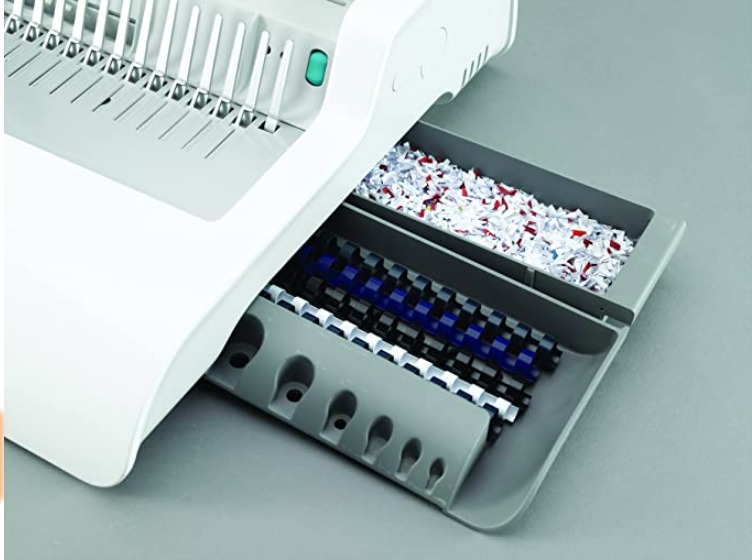
It includes a 10-pack starter kit of combs, which is enough to get started without a second order. The built-in comb storage tray with a document measurement tool is a small quality-of-life touch that saves measuring time on every job.
What you pay for that throughput is weight and space. At 15.4 pounds and 5.13 by 15.38 by 18.13 inches, this is the largest machine on the page, and nobody describes it as portable. It wants a dedicated desk or shelf.
What matters before you buy
Measure your workspace before you commit. The reviewers who love this machine are the ones with a permanent spot for it. The ones who complain are storing it away and hauling it out.
Note the review volume sits below the midpoint of this roundup, so treat the 4.8 rating as strong but a thinner sample than the picks above it. The specifications are what make this machine, and they are consistent across owners.
Who should pass on the Pulsar+
Anyone binding a few documents a year. This is a machine built for throughput, and without throughput to feed it you are paying for capacity you will not use, plus a footprint you will resent.
Skip it for wire or coil work, and skip it if you need a book that lies flat. It is a comb machine at heart, with all the comb trade-offs that implies.
8. RAYSON TD-132: The Best Wire Binding Machine
RAYSON TD-132 3:1 Wire Binding Machine, 12-Sheet Punch, 120-Sheet Capacity
3:1 pitch
Works with wire coil and click spines
32 square holes
Binds 120 sheets
Pros
- One machine handles wire coil and click spines
- Long lever makes punching feel effortless
- Includes corner rounder and starter spines
- Clean consistent punch holes
Cons
- Loud and vibration heavy at full capacity
- Plastic page guide prongs feel breakable
- Letter size only
- Included wire spines too small for thick stock
The TD-132 is the most flexible machine in this roundup, and it is the only one that handles three different spine families. Its 3:1 pitch works with wire-o, coil and Click spines, so one machine covers the three most common metal and plastic spine systems outside full comb binding.
It punches 32 square holes, each 4 by 4mm, at up to 12 sheets of 80gsm paper per stroke, and binds up to 120 sheets. Wire spine sizes run from 1/4 inch to 9/16 inch. The horizontal paper insertion path is the detail that improves accuracy, because the stack stays square against the guide rather than being dropped in from above.
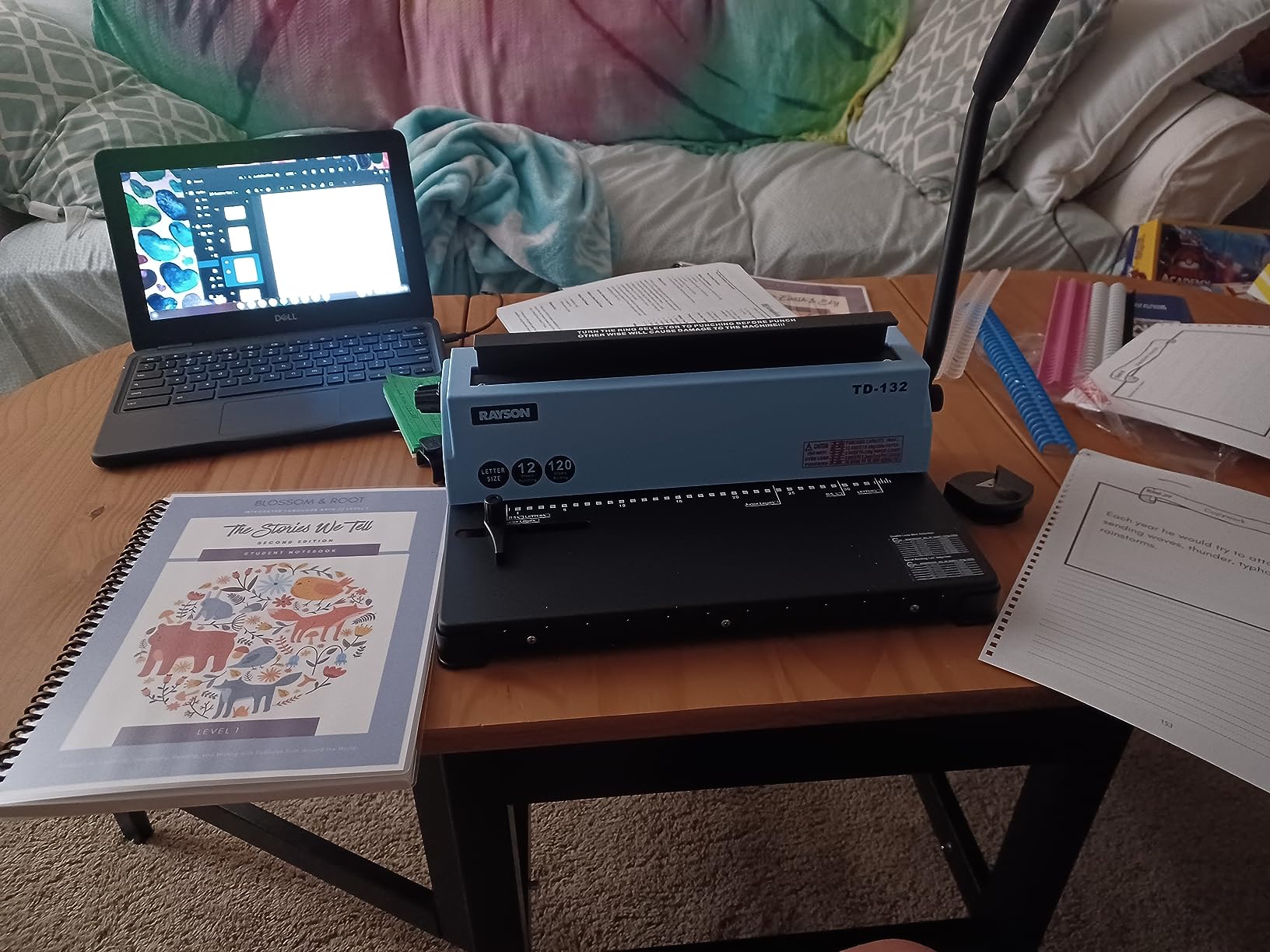
The box includes a corner rounder puncher and a starter assortment of coil, click and wire-o spines, which is unusually generous. The long lever handle makes the punch stroke light for a 12-sheet machine, and the paper scraps drawer keeps the punch area clear during a long session.
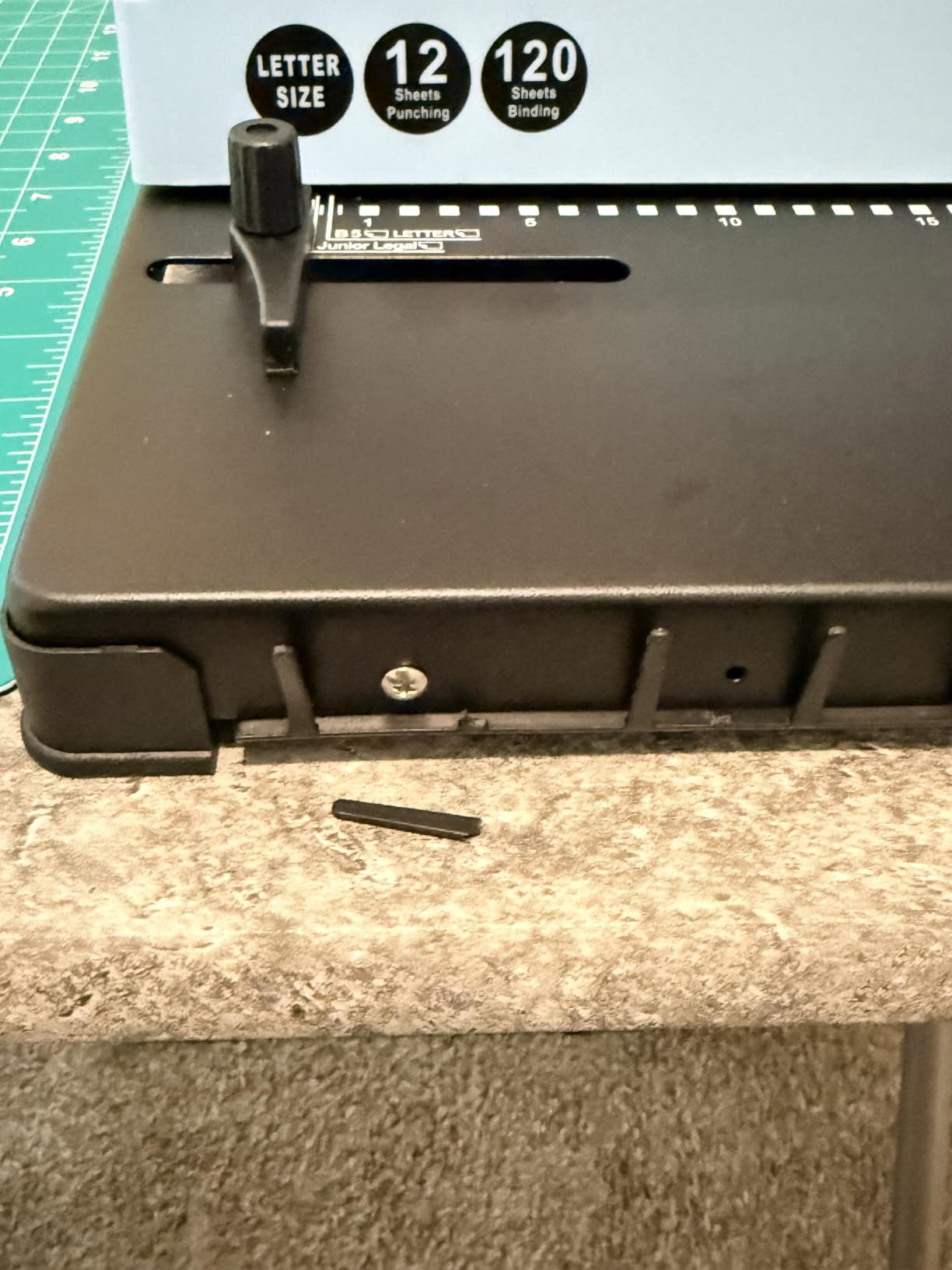
Recurring gripes are worth knowing. It is loud and vibration-heavy at full capacity, the plastic front prongs that hold pages feel breakable to some owners, and the punch pattern is Letter only, so A4 needs trimming.
What matters before you buy
The bundled wire spines are on the small side, so treat them as samples rather than inventory. Plan on buying 3/8 inch or 1/2 inch wire for anything beyond a thin report, and confirm the 3:1 pitch matches whatever wire you already own.
At 11.75 pounds and 15.75 by 9.06 by 14.57 inches it is compact for its capability, and small-business and maker buyers describe it as a fair trade for the multi-spine versatility and bundled accessories.
Who should pass on the RAYSON TD-132
Anyone working in A4 as standard, and anyone in a shared office or home study who cannot tolerate the noise at full punch capacity. Reviewers compare it unfavourably on noise to quieter manual machines.
Skip it for very thick documents. The 120-sheet bind capacity is real, and for a 400-page manual you want the coil machine in the next section.
9. TruBind S-20: The Best Coil Binding Machine
TruBind Coil Binding Machine with Electric Coil Inserter and Adjustable Side Margin | 20 Sheet Punch Capacity | Bind up to 440 Sheets | 46 Fully Disengageable Dies | 4:1 Pitch | 2-Year Warranty
4:1 pitch with electric inserter
20 sheets per stroke
Binds 440 sheets
Two year warranty
Pros
- Electric inserter threads spirals far faster
- Disengageable dies stop holes overhanging small pages
- Coil books lay completely flat
- Full width handle works one handed or two handed
- Two year warranty with spare parts
Cons
- Documentation minimal
- Electric inserter takes practice and can misfeed
- Included crimping plier is tricky to orient
- Punches are factory lubricated and can stain
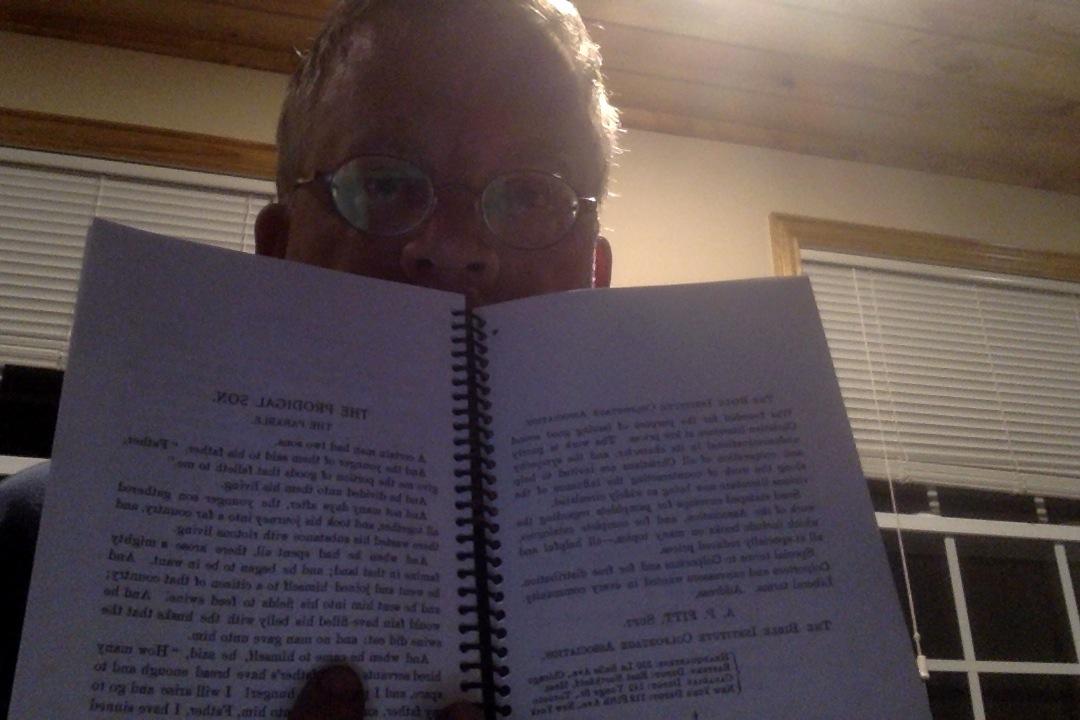
The TruBind S-20 is the machine I recommend when the finished book has to lie completely flat and get used hard. Coil binding is the only spine on this page that opens a full 360 degrees, which is why workbooks, recipe binders and curriculum get bound this way.
It punches up to 20 sheets and binds up to 190 sheets using the electric inserter, or 440 sheets when you close the spine by hand. That is what the 4:1 pitch buys you: more holes per inch of spine, so a thinner coil carries more paper.
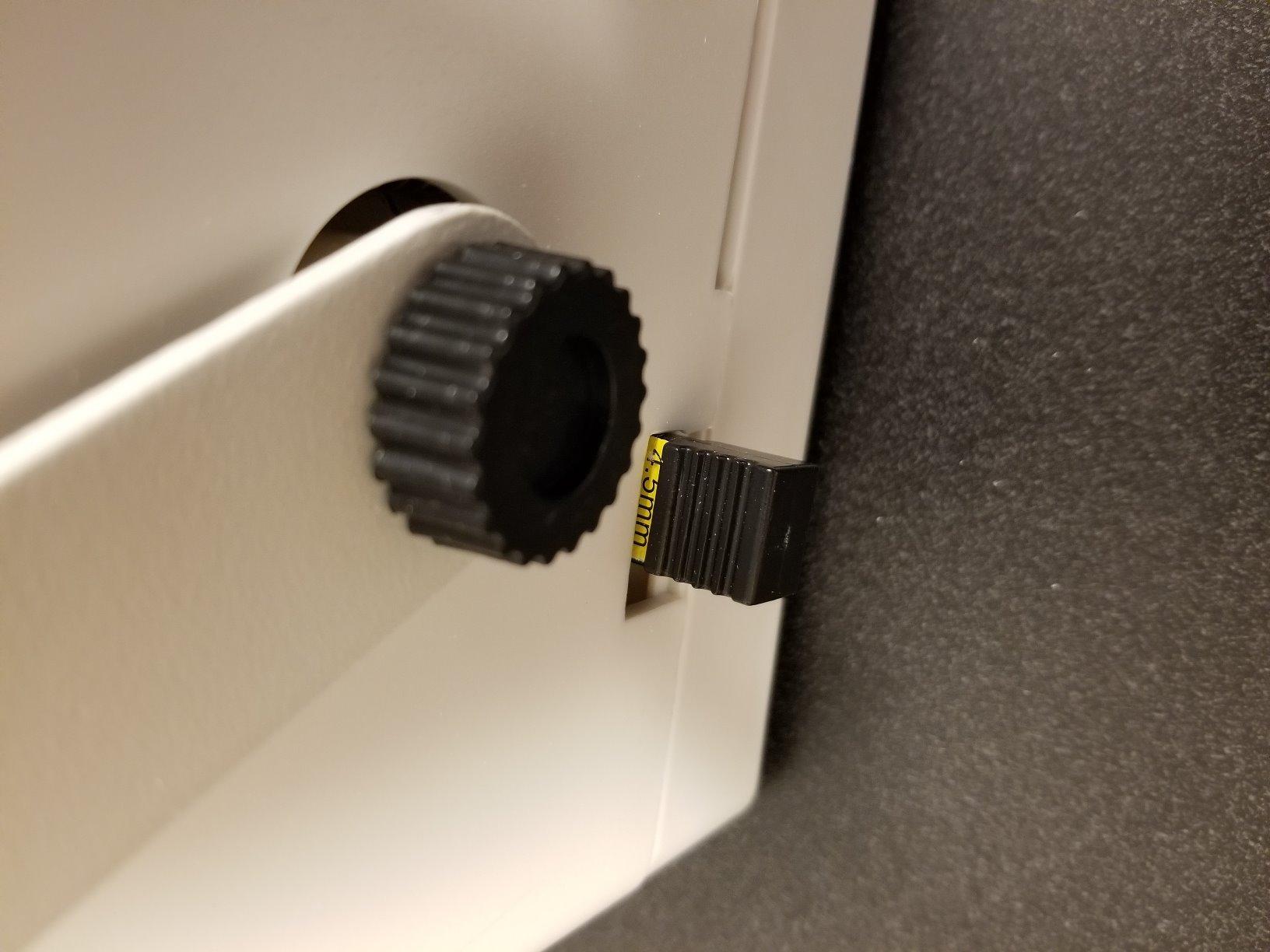
The electric coil inserter is the reason to step up. Hand-closing a spiral is the slowest part of any coil job, and the powered inserter walks the coil open and closed in one motion. Owners with years of use report it pays for itself quickly against outside binding fees.
Two details separate it from cheaper coil punchers. The 46 fully disengageable dies let you punch pages smaller than Letter without holes overhanging the paper edge, and the open punch throat accepts legal, tabloid and A4 sheets, which no other machine here does.
What matters before you buy
It is 4:1 pitch. That is the most important sentence in this review, and the section below explains why it matters. Coils for a 3:1 punch will not fit this machine, so check what you already have before ordering.
Depth margins adjust to 2.5mm, 4.5mm and 6.5mm with side margin control, and an electric crimping plier is included. The full-width handlebar works for either hand or two-handed operation, which matters for users who cannot manage a one-sided lever grip. The two-year manufacturer warranty is the longest here, and spare parts availability is listed at two years.
Who should pass on the TruBind S-20
Anyone who binds occasionally. The electric inserter is a power tool you have to learn, and the review pattern is consistent: it takes practice, and a thick book can misfeed until you get the hang of it.
Skip it if the documents must be edited later, because a coil spine is closed and pages come out with the spine destroyed. For that, the ProClick machine earlier in this guide is the right answer. Also note the factory-lubricated punches can leave a mark on the first few sheets.
10. OFFNOVA RC12: The Best Low-Cost Starter Comb Binder
OFFNOVA Binding Machine, 21-Hole 450 Sheets Paper Comb Punch Binder Machine for Letter Size / A4 / A5 Paper, Easy to Punch Handle, Adjustable Margin
10 to 12 sheets per punch
Binds 450 sheets
Includes 100 combs and protector
Cast iron base
Pros
- Lowest entry point with 100 combs and a protector included
- Cast iron base stays stable while punching
- Clean precise punch alignment
- Curved handle needs minimal force
- Responsive customer service
Cons
- Real world punching closer to 5 to 10 sheets
- Small combs pull apart on books over 30 pages
- Pausing mid stroke jams the paper
- Occasional reports that a unit feels loosely built
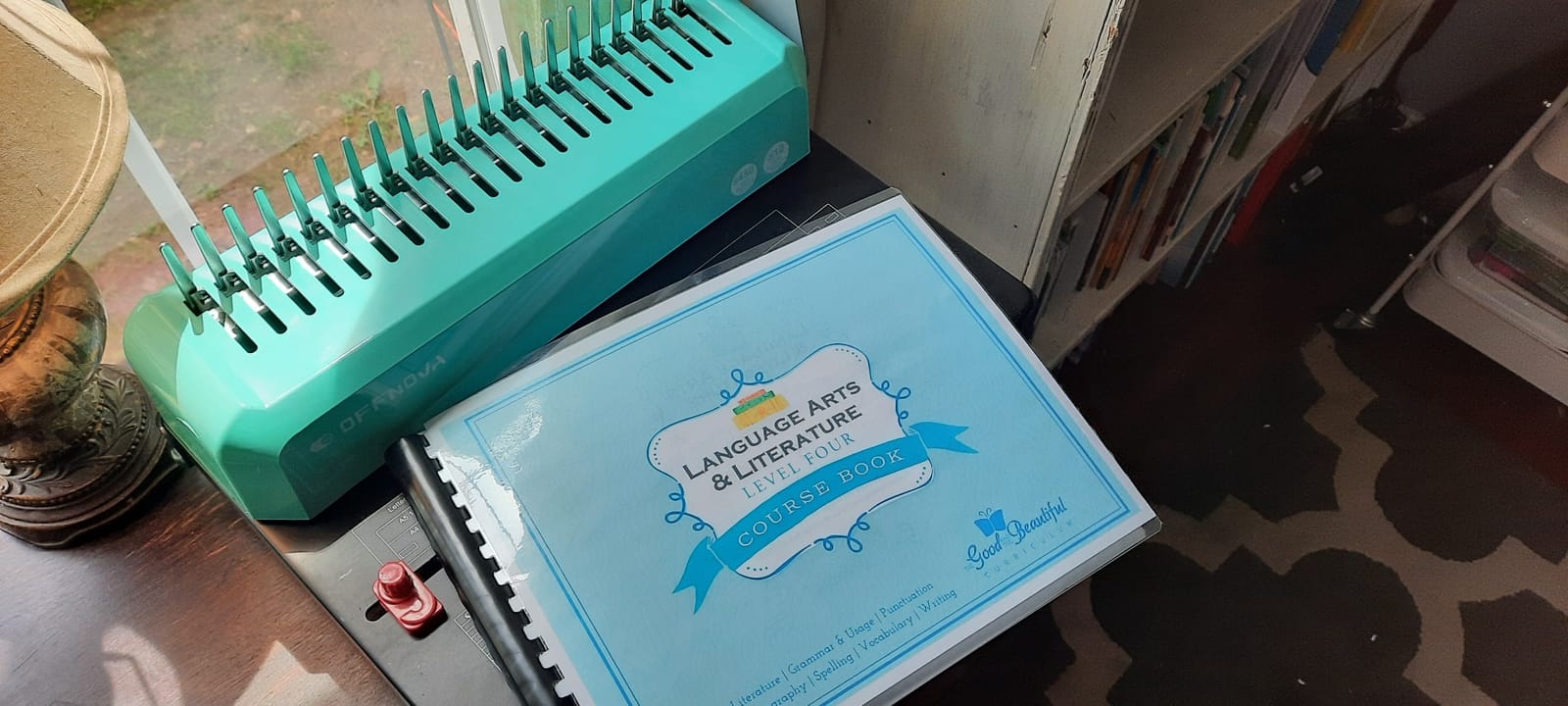
The OFFNOVA RC12 is the cheapest complete setup on this page, and the box contents are the reason. You get 100 packs of 3/8 inch comb spines, a comb protector and oil-absorbing paper, which means you can bind real documents before you spend another cent on the category.
Specification-wise it punches 10 to 12 sheets of 80g paper, 2 sheets of 230g cover or 1 sheet of 5 to 12 mil PVC, and binds up to 450 sheets with 2 inch spines. It covers Letter, A4 and A5 with 3mm, 4mm and 5mm margin settings.
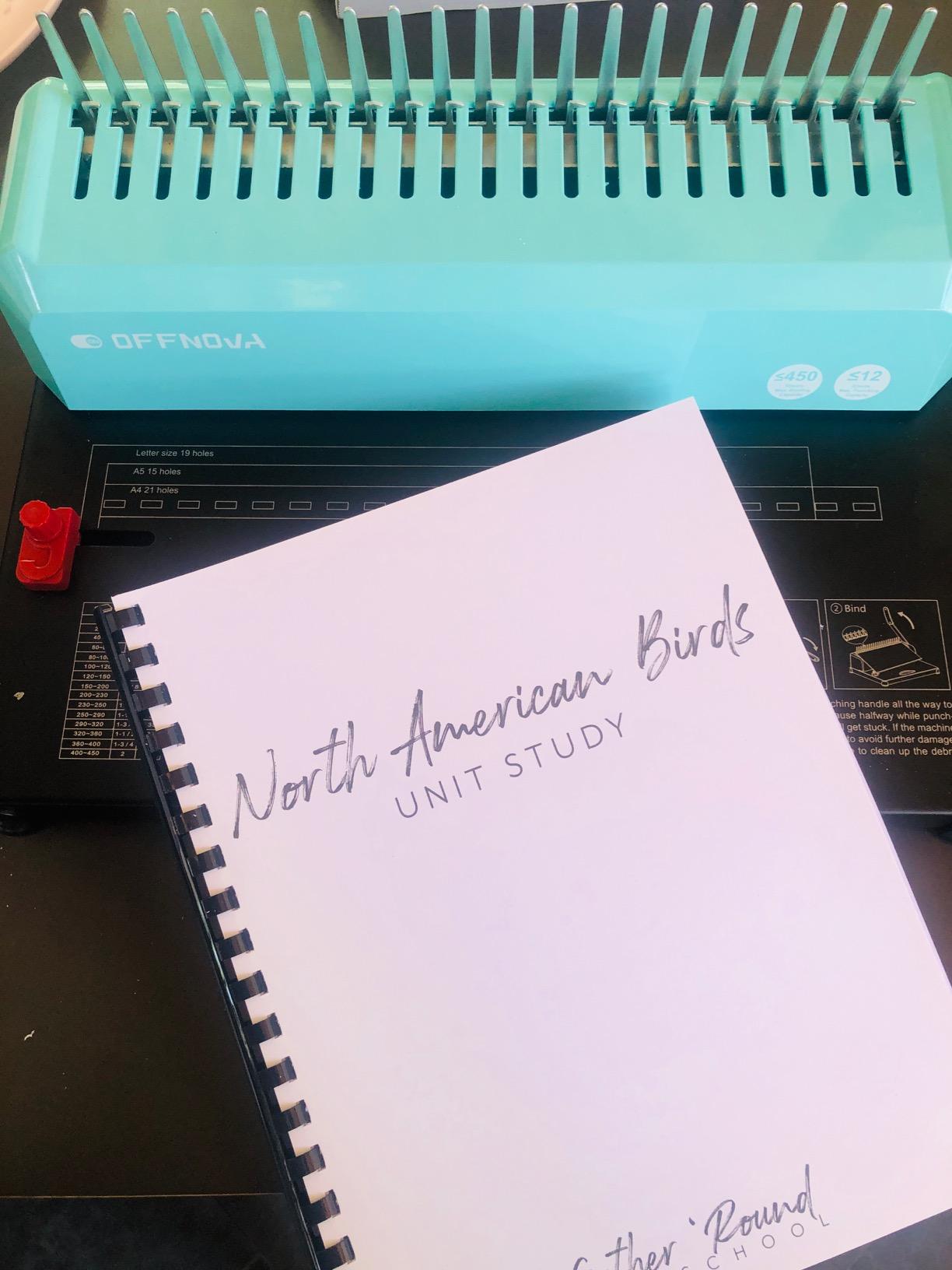
The cast iron base is the detail that sets it apart from other machines at this price. It does not lift or shift when you punch, which is the complaint that kills budget machines after a few months. The ergonomic curved handle also needs less force than a straight arm of the same size.
Alignment is clean and precise once pages are lined up against the guide and positioning knob. The recurring complaint is throughput, and reviewers frame it plainly: real-world punching is closer to 5 to 10 sheets on thicker paper, making larger projects slow.
What matters before you buy
It is a patience machine for anything beyond small booklets. Church groups, home educators and parents assembling a few workbooks at a time get good value here, and more than 1000 reviews at a 4.6 rating reflect that.
Two limits to plan around. The small combs included pull apart under heavy handling on books over roughly 30 pages, so anything a child will genuinely use deserves a longer spine. And pausing the handle mid-stroke causes jams, so push the stroke through.
Who should pass on the OFFNOVA RC12
Anyone binding books that children handle hard, because the small combs are the weak point. Anyone binding more than a handful of documents a month, because the throughput will exhaust you.
Skip it for wire, coil or anything needing to open later. It is a straight comb binder and nothing else.
The 3:1 vs 4:1 Pitch Trap: Check Your Existing Spines Before You Buy
Pitch is the distance between holes, expressed as a ratio. A 3:1 pitch means three holes per inch, a 4:1 pitch means four. Spines are manufactured for one pitch or the other, and a coil made for 3:1 will not seat in a 4:1 punch. There is no adapter and no workaround.
Here is where the machines on this page sit. The RAYSON TD-132 is 3:1, and it accepts wire, coil and Click spines at that pitch. The TruBind S-20 is 4:1, which is why it can bind up to 440 sheets on a spine that looks similar to a 3:1 coil. The We R Memory Keepers Cinch is 2:1, its own pattern for wire-o. The GBC ProClick P50 makes 3 holes, which is a different system entirely.
Check what you own before you buy. Look at a spine in your hand and count the holes per inch, or lay a spine on the page and line up the holes. If you already have a box of 3:1 coil, a 3:1 punch saves you money. If your existing spines are 4:1, the TruBind is the only machine here they will fit.
Spines are a separate system again, and every comb machine on this page shares standard rectangle slots. That is why no comb machine will accept coil or wire, and why switching mechanisms means replacing your entire spine inventory.
How to Choose a Binding Machine
Work through these in order. Most buyers misjudge on mechanism first and capacity second, and both mistakes are expensive in a different way.
1. Pick the mechanism before the machine
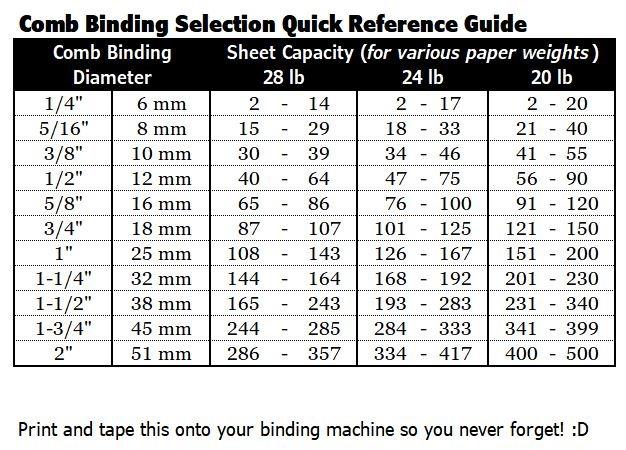
Comb binding is the cheapest and the most editable, because a plastic comb can be opened and pages added later. It is the standard for handouts, reports and anything a client may want to revise. Coil binding costs more per document but lays flat and takes abuse, which makes it the standard for workbooks and curriculum.
Wire binding looks the most finished and is the least forgiving: the spine cannot be reopened without damaging it. ProClick is the outlier that is both metal and reusable, opening by hand like a zip. Choose for how the finished book will be used, not for how it looks in a photograph.
2. Read punch capacity as sheets per stroke, not sheets per book
This is the number buyers misread most. A machine that binds 450 sheets usually punches 12 sheets per stroke, which means a 300-page document needs 25 passes. Reading bind capacity as throughput is how people end up with a machine that takes all afternoon for one project.
Budget roughly two minutes per stroke cycle including re-aligning the stack. If a 100-page document is routine for you, that is 17 passes and half an hour of lever work, before the spine goes on.
3. Match the hole pattern to your paper
Most desktop machines punch a fixed number of holes, and the pattern has to match both your paper size and the spine. The TIANSE, Amazon Basics and OFFNOVA handle all three common formats. The Star+ and the RAYSON are Letter only. If you print in A4, a Letter-only punch means trimming every stack, and that cost dwarfs any difference between machines.
4. Decide manual or electric by monthly volume
A manual machine is right below about 50 documents a month. Between roughly 50 and 300, the coil inserters and 20-sheet punches start paying for themselves in saved time. Above 300 a month, you are looking at production equipment and a duty cycle, and a desktop binder will disappoint you every time.
The one quantified break-even here is the electric coil inserter. Hand-closing a spiral takes the bulk of the time on a coil job, and the inserter removes that step entirely. If you are binding coil regularly enough that spine closing is what you dread, that is the moment the premium is justified.
5. Budget for consumables, not just the machine
The machine is a one-time cost and the spines are recurring. Four machines here come with combs included, three do not include any spine at all, and the Cinch requires wire that is not in the box. That difference is real money over a year of projects.
Then account for the hidden cost: the document that gets mis-punched. Every punch in this roundup is semi-permanent. A mis-punched stack is scrap paper, and if you are binding in batches, one error can cost you a whole run.
6. Know when not to buy a machine at all
If you bind five documents a year, a machine is a drawer ornament. A print shop or copy shop will bind a document for a few dollars, and that is cheaper than any machine plus a box of spines.
If you want hardcovers, none of these machines will do it. Hardcover bookbinding is a separate craft with its own tools, and a document punch cannot approximate it. If you only need pages to survive handling, a laminator is often the better purchase for a school.
And if you already own a shop-scale CNC for cover panels and boxes, our hobby CNC machine guide covers that side of a small production workflow. The binding machine is the finishing step, not the whole project.
Frequently Asked Questions
What is the best book binding machine for home use?
For most home users the We R Memory Keepers Cinch is the easiest place to start. It closes wire-o wire over the top of the stack, needs no threading, and handles projects from thin notebooks to photo albums. If you want the cheapest complete setup, the OFFNOVA RC12 includes 100 comb spines in the box. If your pages must be editable later, the GBC ProClick P50 is the only machine here whose spines open and close by hand.
Which is better, coil or comb binding?
Comb binding is cheaper per document and fully editable, because the plastic spine opens and pages can be added later. Coil binding costs more but opens a full 360 degrees, so the book lies flat and survives heavy handling. Comb suits reports and handouts. Coil suits workbooks, curriculum and anything a child will grab. Wire is the most professional looking and the least forgiving, since the spine cannot be reopened.
What are the disadvantages of coil binding?
Coil is more expensive per document than comb and the spines are a separate consumable at every size. A closed coil is permanent, so correcting a mistake means destroying the spine. Pitch also locks you in: a 4:1 coil will not fit a 3:1 punch. On the plus side, coil books lie completely flat and tolerate handling that would split a small plastic comb.
Which wire binding machine is the best?
The RAYSON TD-132 is the strongest wire option here. Its 3:1 pitch works with wire-o, coil and Click spines in one machine, it punches 32 square holes, and the box includes a corner rounder and a starter assortment of spines. Its limits are real: Letter size only, loud at full capacity, and a 120-sheet bind capacity that rules out very thick documents.
What is the best machine for perfect binding?
None of the machines on this page does perfect binding. Perfect binding glues a printed block of pages to a cover with no visible spine hardware, and it needs a glue pot and a binding clamp rather than a hole punch. It looks the most professional of any finish and it is completely irreversible. If that is what you need, look for a dedicated thermal or perfect binder rather than a desktop document binder.
Is a binding machine worth it?
It is worth it if you expect to bind more than a few dozen documents a year, or if a print shop would charge more over time than the machine plus spines. Below about 50 documents a month, a copy shop is usually cheaper and faster. The strongest case for owning one is a recurring job: homeschool curriculum, class handouts, client deliverables, or planners you print yourself.
How many sheets can a binding machine bind?
It depends on the mechanism. The manual comb machines here list bind capacities from 150 sheets up to 450, the coil machine reaches 440 sheets, wire tops out at 120 sheets, and the ProClick punch is built for documents up to about 30 pages. Bind capacity is a function of the spine, not the machine, so the binding material sets the real limit regardless of the headline number.
The Best Binding Machines to Buy in 2026
If you want one answer, the We R Memory Keepers Cinch is the best binding machine for most people in 2026. It punches cleanly, closes wire spines without threading, handles everything from a journal to a photo album, and weighs 7.2 pounds. Its 4.7 rating is matched only by the Star+, and its 7007 reviews are more than any other machine on this page by a wide margin.
Buy the Fellowes Star+ if plastic covers and cardstock matter to your work, the RAYSON TD-132 if you want wire binding and 3:1 versatility, and the TruBind S-20 if books must lie flat and you are binding in quantity. Buy the GBC ProClick P50 if the documents will be edited after they are handed over.
And check your pitch before you order anything. A spine that does not fit is the one binding mistake that cannot be undone.