
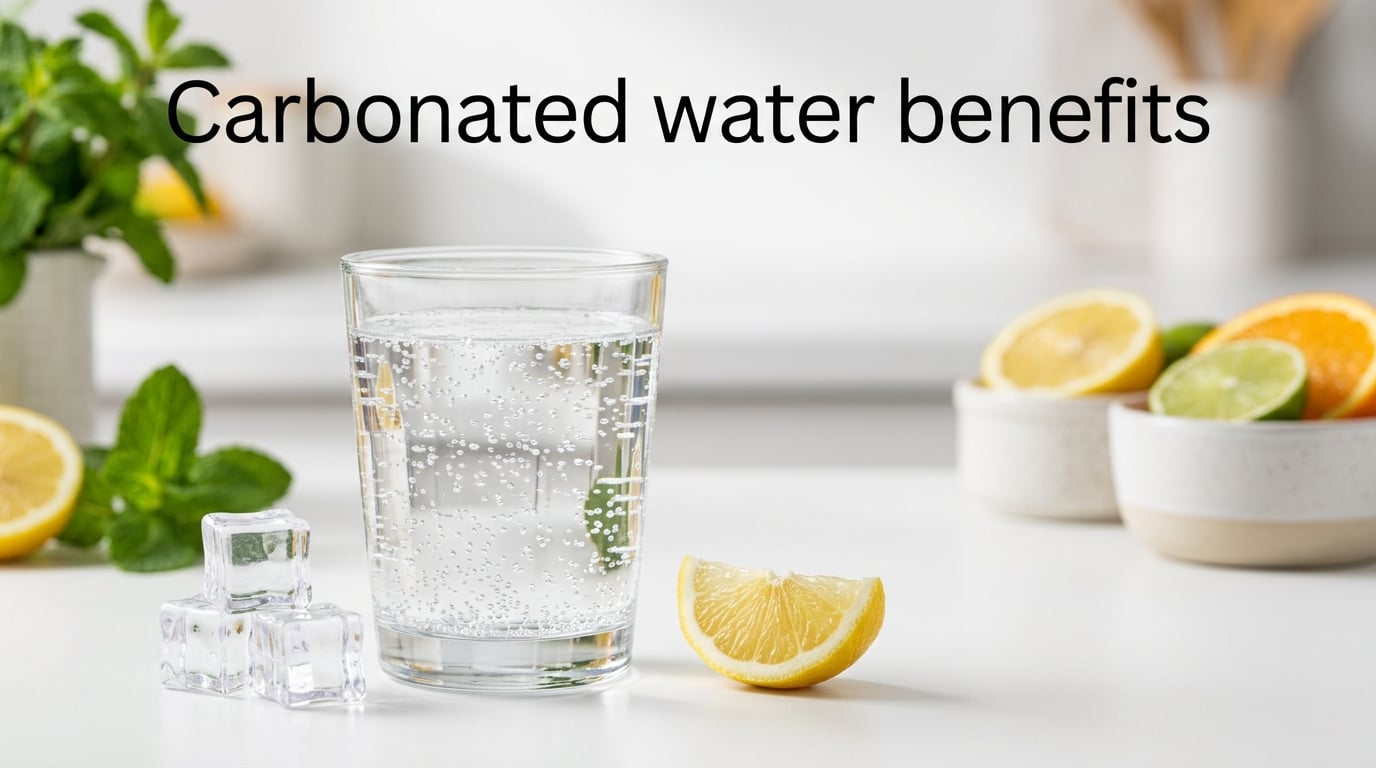
If you have ever wondered whether switching from still to sparkling water actually helps your health, the short answer is yes, for most people. Carbonated water hydrates you just as well as regular water, supports digestion, and gives you a calorie-free swap for sugary sodas.
I dug into the research on carbonated water benefits, and the evidence is stronger than I expected. This guide covers what science actually says, the real side effects to know about, and how to pick the healthiest option. If you want a broader mineral water resource, our home page covers the full range of bottled and mineral waters worth knowing about.
Table of Contents
What Is Carbonated Water?
Carbonated water is plain water infused with carbon dioxide gas under pressure. That dissolved CO2 creates the bubbles, the fizz, and a slightly tangy flavor you might know from San Pellegrino or Perrier.
The chemistry is simple. When CO2 meets water, it forms carbonic acid, a weak acid that gives sparkling water a pH between 5 and 6. That sounds acidic on paper, but it is far gentler than the phosphoric and citric acids in cola (pH around 2.5 to 3.5). The acidity you taste in sparkling water fades quickly as the carbonic acid dissipates into the air.
Not all fizzy water is the same. The four main types you will see on shelves are:
- Seltzer water: Plain water with added carbonation. No minerals. Often the base for flavored seltzers like La Croix and Bubly.
- Club soda: Seltzer with added minerals like potassium bicarbonate and sodium citrate. Slightly saltier taste and a higher sodium count.
- Mineral water: Naturally carbonated from a spring or well, with trace minerals like calcium, magnesium, and silica content in water varies by source.
- Tonic water: Contains quinine and added sugar or sweeteners. Different category entirely, not a true sparkling water and not a health swap for soda.
The carbonation process itself has not changed much since the 1700s, when Joseph Priestley figured out how to dissolve CO2 into water artificially. Today, both natural and artificial carbonation follow the same basic chemistry. The key difference is what minerals (if any) come along for the ride.
Carbonated Water Benefits: What Science Says
Researchers have studied sparkling water for decades, and the findings are refreshingly positive. Here are the proven benefits backed by clinical studies and medical reviews published in the last several years.
Hydration: Just as Effective as Regular Water
The most common question I hear from readers is whether the bubbles change how well water hydrates you. They do not. A study published in the American Journal of Clinical Nutrition found no meaningful difference in hydration markers between still and carbonated water for healthy adults.
For people who struggle to drink enough plain water, carbonation helps a lot. Many of the long-time sparkling water drinkers on Reddit and HydroHomies report that the fizz makes it easier to hit their daily water goals. One survey of recreational athletes found that sparkling water was a more palatable hydration source during long training sessions, helping them stay on top of fluid intake without feeling heavy or sloshy in the stomach.
That matters more than it sounds. Roughly 40% of adults in the United States do not meet daily fluid intake recommendations, often because they find plain water boring. Adding fizz makes staying hydrated easier for anyone who finds regular water unappealing.
Better Digestion and Constipation Relief
One of the strongest carbonated water benefits is improved digestion. A study published in the Journal of Nutritional Science and Vitaminology showed that people who drank carbonated water saw significant improvement in constipation symptoms and stool frequency compared to those drinking still water. The researchers tracked participants over 14 days and saw measurable improvements in bowel movements and reported comfort.
Sparkling water also helps with swallowing. Research from the Journal of the American Geriatrics Society found that carbonated water improved swallowing ability in both young and older adults by triggering a stronger swallow reflex. That matters for anyone with dysphagia or age-related swallowing issues, since faster, stronger swallows reduce the risk of choking and aspiration.
It may also boost digestion in another way. A small clinical trial found that carbonated water improved gallbladder emptying and helped reduce indigestion symptoms after meals. The mechanism is not fully understood, but researchers believe the bubbles stimulate the digestive tract in ways that promote normal motility. If you regularly feel heavy or bloated after eating, sparkling water at mealtime could be a simple fix.
Weight Management and Satiety
Plain sparkling water has zero calories, zero sugar, and zero carbs. Swapping even one soda a day for sparkling water can cut 150 or more empty calories from your diet, which adds up to over 50,000 calories a year. That is the equivalent of about 14 pounds of body fat if the calorie reduction is not replaced elsewhere.
But the benefits go beyond just removing calories. A randomized study from the University of Birmingham found that people who drank carbonated water felt fuller for longer than those drinking still water. The bubbles appear to stretch the stomach slightly, triggering satiety signals that reduce how much you eat at your next meal. Participants consumed less at a buffet meal offered 60 minutes after drinking the carbonated water.
For soda drinkers especially, sparkling water is a powerful transition tool. Cleveland Clinic dietitians often recommend it as a bridge for anyone trying to quit soda because the texture and fizz mimic the experience without the sugar crash. Many people find they lose their taste for soda entirely after a few weeks on sparkling water.
Bone Health: Busting the Myth
One of the most stubborn myths about carbonated water is that it leaches calcium from bones. Here is the truth backed by research: cola drinks are linked to lower bone density, but the culprit is the phosphoric acid, not the bubbles. Sparkling water does not have the same effect.
A 2006 study in the British Journal of Nutrition compared cola drinkers, sparkling water drinkers, and still water drinkers. Only the cola group showed reduced bone mineral density. The sparkling water group had bone health results identical to people drinking plain water. The researchers concluded that carbonation alone has no measurable effect on calcium absorption or bone loss.
Mineral water may actually help bones. Because it contains natural calcium and magnesium, drinking mineral water regularly can contribute to your daily intake of bone-supporting minerals. Some European studies have shown that postmenopausal women who regularly drank calcium-rich mineral water had better bone density scores than those who drank soft drinks or plain tap water.
Heart Health Potential
Early research suggests sparkling mineral water may benefit cardiovascular health. A small study found that people who regularly drank sodium-rich mineral water saw modest reductions in LDL (bad) cholesterol and improvements in HDL (good) cholesterol over an eight-week period.
The effect appears tied to the minerals, not the carbonation itself. More research is needed before doctors can make strong recommendations, but the early signal is promising. If you are already watching your sodium intake, opt for low-sodium mineral water or plain seltzer to get the carbonation benefits without the extra salt.
Potential Side Effects and Concerns
Carbonated water benefits are real, but it is not perfect for everyone. Here are the concerns worth knowing about before you start drinking it every day.
Dental Health: The Acid Question
The pH of plain sparkling water (5 to 6) is much closer to neutral than soda. Studies show that plain carbonated water has a minimal effect on tooth enamel, especially when compared to cola or citrus-flavored seltzers. Most of the concern is theoretical rather than practical for plain varieties.
The bigger dental concern comes from flavored sparkling waters. Some brands use citric acid to boost flavor, and citric acid is genuinely erosive to enamel. Read labels and look for seltzers flavored with natural essences (like cucumber, lemon, or berry oils) instead. Drinking through a straw, rinsing with plain water after, and waiting 30 minutes before brushing your teeth can also help protect enamel.
Gas, Bloating, and Sensitive Stomachs
The most common side effect is also the most obvious: gas. Carbonation introduces CO2 into your digestive system, and that extra gas has to go somewhere. People who drink large amounts of sparkling water often report more burping and bloating, especially when they first start.
For most users, this is mild and fades as the body adjusts over a week or two. But for anyone with IBS, GERD, or functional dyspepsia, carbonation can make symptoms worse. Forum threads on r/nutrition and r/sparklingwater are full of users with sensitive stomachs who had to scale back or quit entirely because the bubbles triggered cramping and bloating.
If you have a digestive condition, start with small servings (one glass a day) and see how your body responds. Switching to flat mineral water is another option that keeps the minerals without the gas.
When to Avoid Carbonated Water
There are some specific situations where sparkling water is the wrong choice:
- Before intense exercise: The gas can cause sloshing and discomfort during running or heavy lifting. Stick with still water before workouts.
- During acid reflux flare-ups: The bubbles can push stomach acid up the esophagus and worsen burning sensations.
- Right before bed: Bloating and gas can disrupt sleep and leave you uncomfortable through the night.
- If your seltzer has hidden sweeteners: Some flavored varieties use sugar alcohols or artificial sweeteners that cause their own digestive issues, especially at high doses.
Environmental Impact of Bottled Sparkling Water
Here is the angle most health articles skip. Single-use plastic bottles from sparkling water brands add up fast. The Pacific Institute estimates Americans throw out around 100 billion plastic water bottles a year, and sparkling water is a growing slice of that waste stream.
If environmental impact matters to you, two changes help a lot. Switch to cans when buying ready-made sparkling water (aluminum recycles more reliably and has a higher recycling rate than plastic in most regions), or invest in a home carbonation system like a SodaStream or a Soda Sense. Home soda makers cut plastic waste dramatically, save money over time, and let you control the fizz level yourself. They also let you flavor with fresh fruit instead of buying single-use flavored seltzers.
Tips for Choosing the Healthiest Sparkling Water
Not every can or bottle on the shelf is a healthy choice. Here is what to look for and what to skip.
Read the ingredients list. The healthiest sparkling water has one ingredient: carbonated water (sometimes labeled as sparkling water or seltzer water). Skip anything with added sugar, high fructose corn syrup, artificial sweeteners, or natural flavors that are not specific.
Watch for hidden sodium. Club soda and some mineral waters can contain significant sodium. If you are on a low-sodium diet for blood pressure reasons, choose plain seltzer with no added minerals.
Choose cans over plastic when you can. Cans are infinitely recyclable, while plastic bottles often end up in landfills. Glass bottles are another good option if you do not mind the weight.
Try plain before flavored. Many people who think they do not like sparkling water have only tried the flavored versions, which can taste artificial. Plain sparkling water with a slice of lemon or lime is often a better starting point.
Frequently Asked Questions
Is carbonated water good for health?
Yes, plain carbonated water is good for your health. It hydrates as well as regular water, supports digestion, increases feelings of fullness, and provides a calorie-free alternative to sugary drinks. As long as you choose varieties without added sugars or citric acid, it is a safe daily beverage for most people.
What organ is affected by carbonated drinks?
The main organ of concern with carbonated drinks is the stomach, since the carbon dioxide gas can cause bloating, burping, and in some people worsen acid reflux or GERD symptoms. The teeth are also affected when sparkling water contains citric or phosphoric acids, which can erode enamel over time.
Is it good to drink carbonated water all day?
Drinking carbonated water all day is fine for most healthy adults, but it can lead to bloating, gas, and mild digestive discomfort. People with IBS, GERD, or sensitive stomachs should spread intake across the day and pair it with still water. Choose plain seltzer or mineral water over flavored versions with added sugar or citric acid.
When should you not drink carbonated water?
Avoid carbonated water right before intense exercise, during acid reflux flare-ups, right before bed, and in large amounts if you have IBS or GERD. You should also skip flavored sparkling waters sweetened with sugar, sugar alcohols, or citric acid if you are concerned about dental enamel or blood sugar control.
The Bottom Line on Carbonated Water Benefits
The carbonated water benefits are clear and well-supported by research. Sparkling water hydrates you just as well as still water, helps with digestion and constipation, supports weight management as a calorie-free soda swap, and does not harm your bones. Plain seltzer and mineral water are safe daily choices for most healthy adults.
The key is choosing the right kind. Stick with plain seltzer or mineral water without added sugars or citric acid, drink through a straw if you are worried about your teeth, and skip it before workouts or during reflux flare-ups. If you want to dig deeper into water quality and TDS, that guide walks through what minerals matter and which ones to watch for.
For most people, swapping one or two daily drinks for sparkling water is one of the simplest health upgrades you can make this 2026. The fizz makes it easy, the science backs it up, and your soda habit finally has a worthy replacement you can stick with long term.