
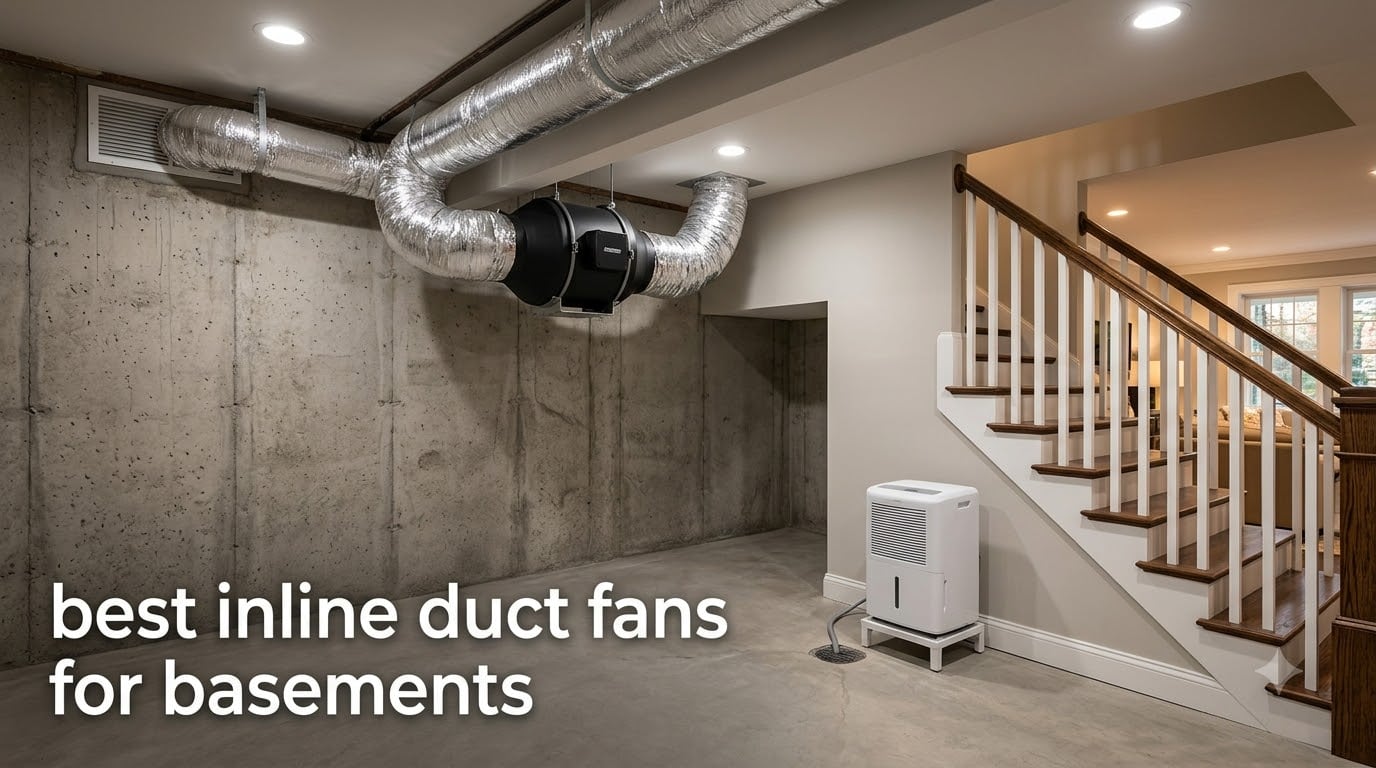
A damp basement rarely needs more noise; it needs consistent, controlled airflow. The best inline duct fans for basements move stale or humid air through existing ductwork, help a dehumidifier reach more of the room, and can reduce the sharp temperature difference between lower and upper floors.
I compared eight fans on airflow, noise, controls, construction, and real-world review feedback. My top pick is the AC Infinity CLOUDLINE A6 because it combines strong 352 CFM output, a 10-speed controller, quiet EC-motor operation, and an upgrade path to smart controls without overwhelming a finished basement.
An inline fan is an airflow booster, not a substitute for moisture repair or a code-compliant radon system. If water enters through walls or a slab, test for radon when appropriate, and address the source before relying on ventilation; our guide to the best dehumidifiers for basements covers moisture control after the leak is fixed.
Table of Contents
Top 3 Picks for Basement Ventilation in September
Best Inline Duct Fans for Basements in 2026
| Product | Specifications | Action |
|---|---|---|
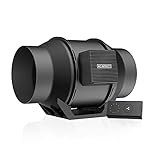 AC Infinity CLOUDLINE A6 AC Infinity CLOUDLINE A6 |
|
Check Latest Price |
 AC Infinity RAXIAL S6 AC Infinity RAXIAL S6 |
|
Check Latest Price |
 VIVOSUN 6 Inch Basic VIVOSUN 6 Inch Basic |
|
Check Latest Price |
 Hon&Guan 6 Inch Booster Hon&Guan 6 Inch Booster |
|
Check Latest Price |
 Tjernlund M-6 Tjernlund M-6 |
|
Check Latest Price |
 VIVOSUN D4 VIVOSUN D4 |
|
Check Latest Price |
 AC Infinity AIRTITAN T3 AC Infinity AIRTITAN T3 |
|
Check Latest Price |
 CADPXS DuraAir MFB Pro CADPXS DuraAir MFB Pro |
|
Check Latest Price |
1. AC Infinity CLOUDLINE A6: Quiet, Controlled Performance
AC Infinity CLOUDLINE A6, Quiet 6” Inline Duct Fan with Speed Controller
352 CFM airflow
34 dB rating
10 speed control
35 watt EC motor
Pros
- Quiet mixed-flow EC motor
- 10-speed wired controller
- Strong 352 CFM airflow
- Smart-controller compatibility
- Dual ball bearings
Cons
- Costs more than basic fans
- Duct ends may need crimping
- White noise remains at top speed
The CLOUDLINE A6 is the best all-around choice for a finished basement. Its 352 CFM mixed-flow EC motor delivers substantial air movement while giving me much finer control over sound than a three-speed booster.
The 10-speed wired controller is the feature I value most in daily use. I can run a low setting for background air exchange, then increase output when the dehumidifier is working hard or the upper floor needs more cooling.
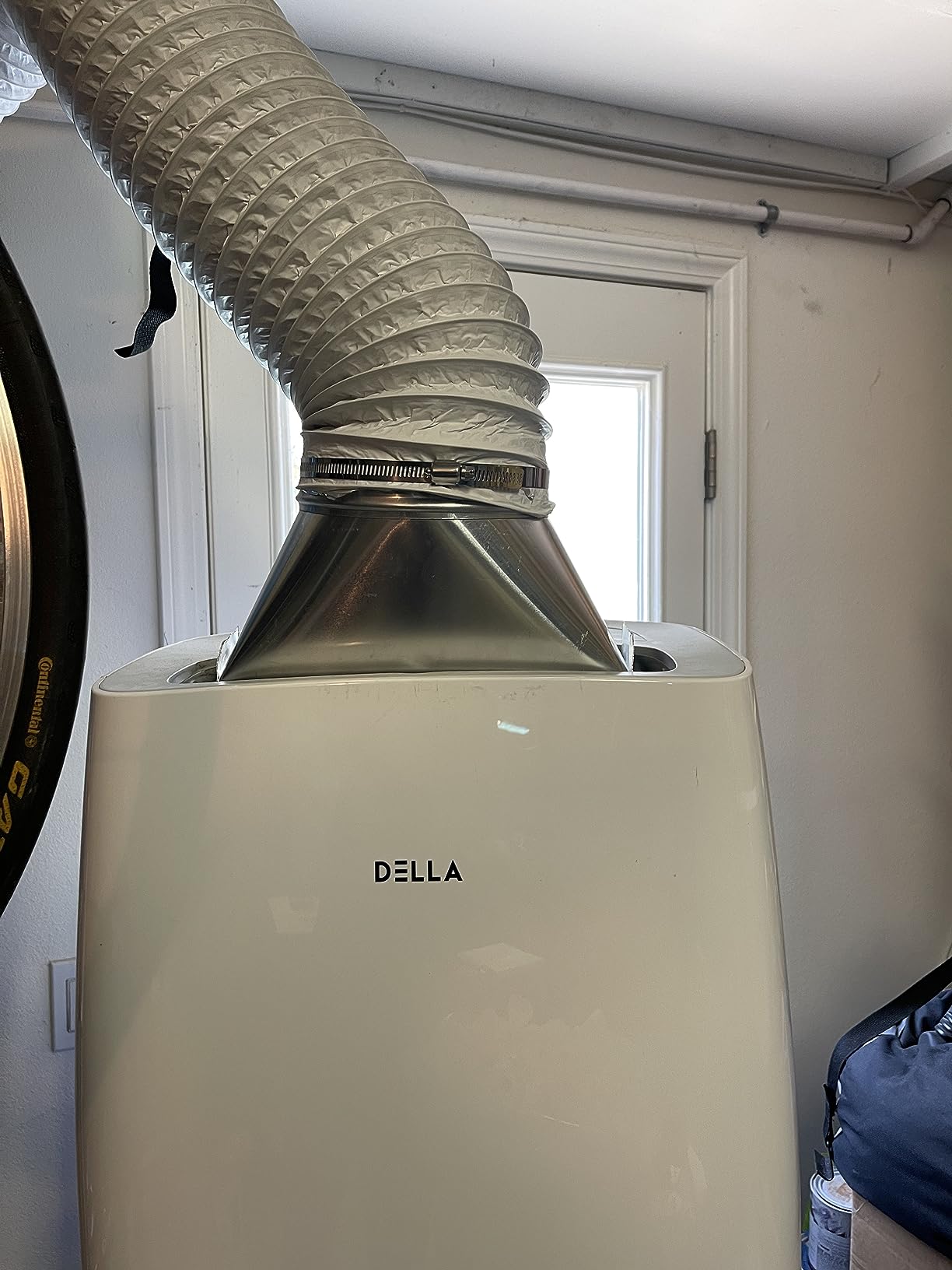
Reviewers praise the fan for quiet operation and build quality, which fits the concern expressed across HVAC forums about carrying motor and vibration noise into rooms above. It also supports AC Infinity smart controllers for homeowners who want temperature or humidity automation later.
The tradeoff is a higher purchase cost and the possibility that ordinary duct ends need crimping for a tight fit. Even this quiet fan produces some white noise at high speed, so a short test at maximum output is sensible.
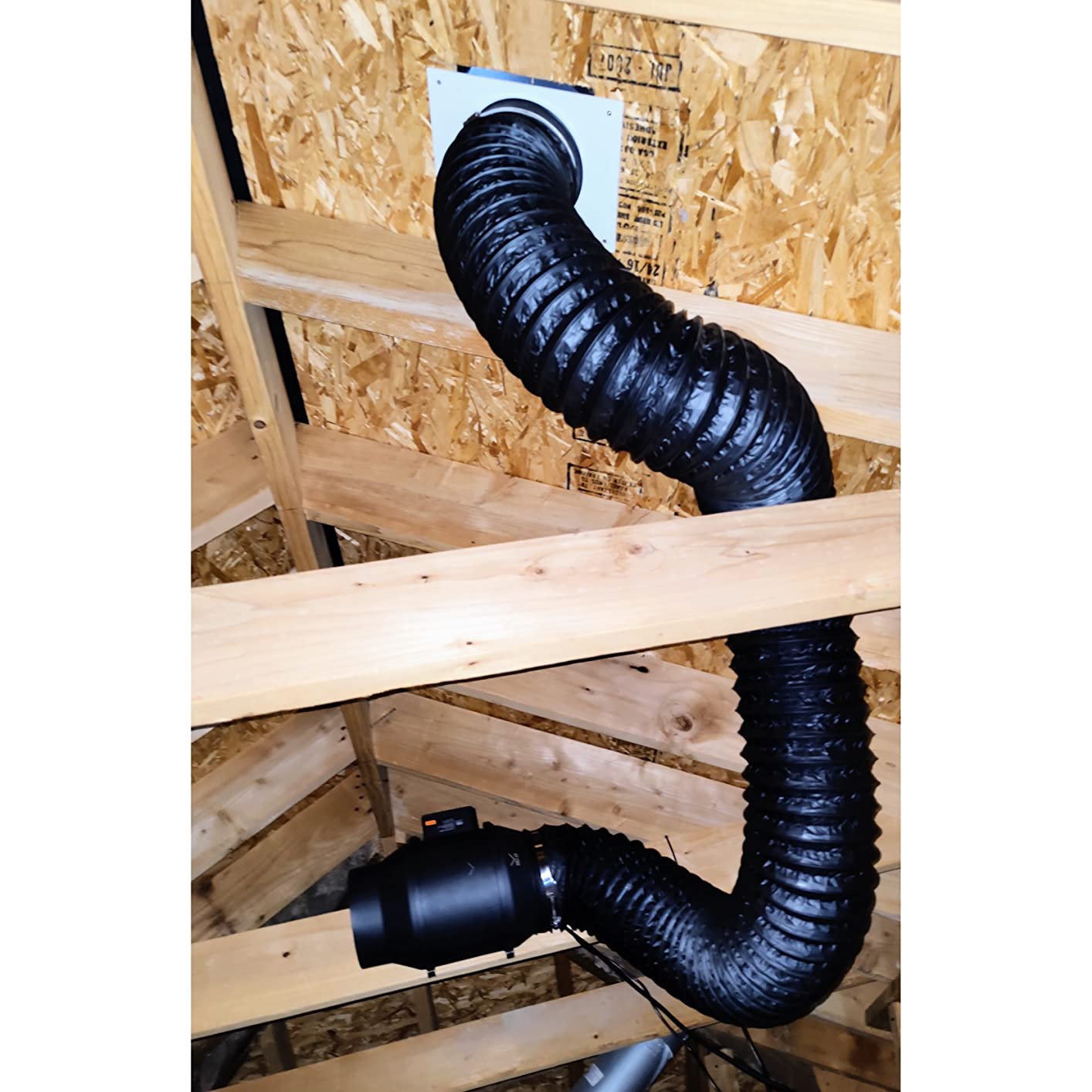
Choose the A6 for quiet, flexible operation
It suits a medium-to-large basement with living space overhead. The ten settings make it easier to find a balance between stale-air removal, cooling transfer, and noise.
Skip the A6 when a basic fixed-speed fan is enough
Cost-conscious buyers with a short, dedicated exhaust can save with a simpler model. The A6 earns its place when control, efficiency, and quiet operation justify the extra equipment.
2. VIVOSUN D4 4-Inch Fan: Compact Airflow for Short Runs
VIVOSUN D4 4″ AC Motor Inline Fan, 195 CFM for Ventilation
195 CFM at 2500 RPM
42 dB rating
4 inch duct
28 watts
Pros
- Strong airflow for a 4 inch fan
- Compact and lightweight
- ETL motor with automatic reset
- Locking tab flanges
- Flow deflector for lower noise
Cons
- Gets louder at higher speed
- Bearings may wear with continuous use
- Long restrictive runs reduce useful airflow
The D4 is the smallest fan in this group, and I found its case most convincing when the basement has short, relatively straight duct runs. Reviewers report strong airflow for grow tents, workshops, and compact rooms, while its 2.5-pound housing is easy to suspend or mount.
Its listed airflow and sound figures are not directly comparable with every listing, because the product record also describes a flow deflector that can reduce sound to 30 dB. In practical terms, I would expect the motor to stay unobtrusive at moderate demand and become more audible when pushed hard.
I would not choose it to drive a long basement-to-upper-floor branch without checking static pressure. The 4 inch opening also makes it a poor match for a 6 inch trunk line, where reducers would add resistance.

Choose the D4 when the duct route is short
This fan fits homeowners who need odor or moisture exhaust from a single small room. It is also a sensible choice when ceiling or joist space is tight.
Skip the D4 for demanding HVAC boosting
A large trunk, many registers, or a long insulated run calls for a 6 inch model. Reviewers report weaker output in very long setups, so a larger fan is the safer match.
3. AC Infinity RAXIAL S6: Adjustable HVAC Boosting
AC Infinity RAXIAL S6, Inline Booster Duct Fan 6” with Speed Controller
265 CFM airflow
35 dB rating
6 inch duct
37 watts
Pros
- Variable speed controller
- Sturdy unibody steel housing
- Steel blades with ball bearings
- Three speed settings
- Good distant-room airflow
Cons
- Higher-speed turbulence is noticeable
- Only three distinct settings
- Not for restricted airflow
The RAXIAL S6 is my value pick for improving an existing branch when the duct route is straightforward. Its dial lets me trade airflow for lower sound, which matters when the basement ceiling sits below a family room or bedroom.
The steel unibody body and lubricated dual ball bearings feel more substantial than many light plastic boosters. Reviewers commonly praise the fan for moving air to distant rooms, and its 265 CFM rating fits many medium-sized basement applications.

The tradeoff appears at high speed, where turbulence becomes more noticeable. The product documentation also says it is not suited to restricted airflow, so I would avoid relying on it against long runs packed with filters or sharp bends.
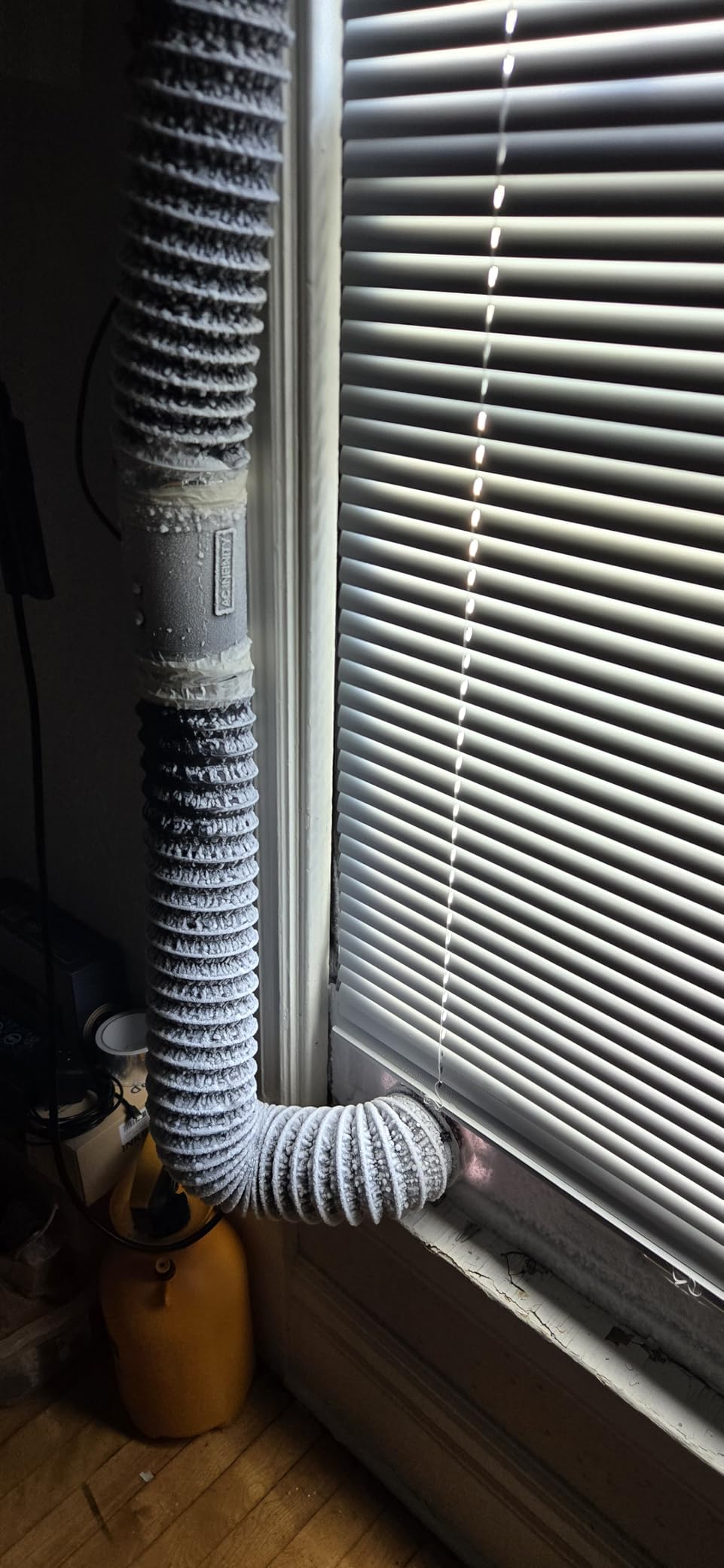
Choose the RAXIAL S6 for a basic branch boost
It works well for homeowners who want manual speed control and solid construction. The three setting limit is acceptable when simple low, medium, and high operation is enough.
Skip the RAXIAL S6 for very long runs
A high-static-pressure centrifugal or mixed-flow fan will be a better fit for complex ductwork. I would also choose a quieter insulated model if the unit will run near living space.
4. VIVOSUN 6-Inch Basic: Powerful Metal Housing
VIVOSUN plastic Inline Fan with Speed Regulator for Ventilation
240 CFM airflow
37 dB rating
6 inch duct
37 watts
Pros
- Strong 240 CFM airflow
- Corrosion-resistant metal construction
- Permanently lubricated bearing
- Compact 6 inch body
- High maximum motor temperature
Cons
- Loud at full speed
- Duct ends may need adjustment
- No built-in speed control
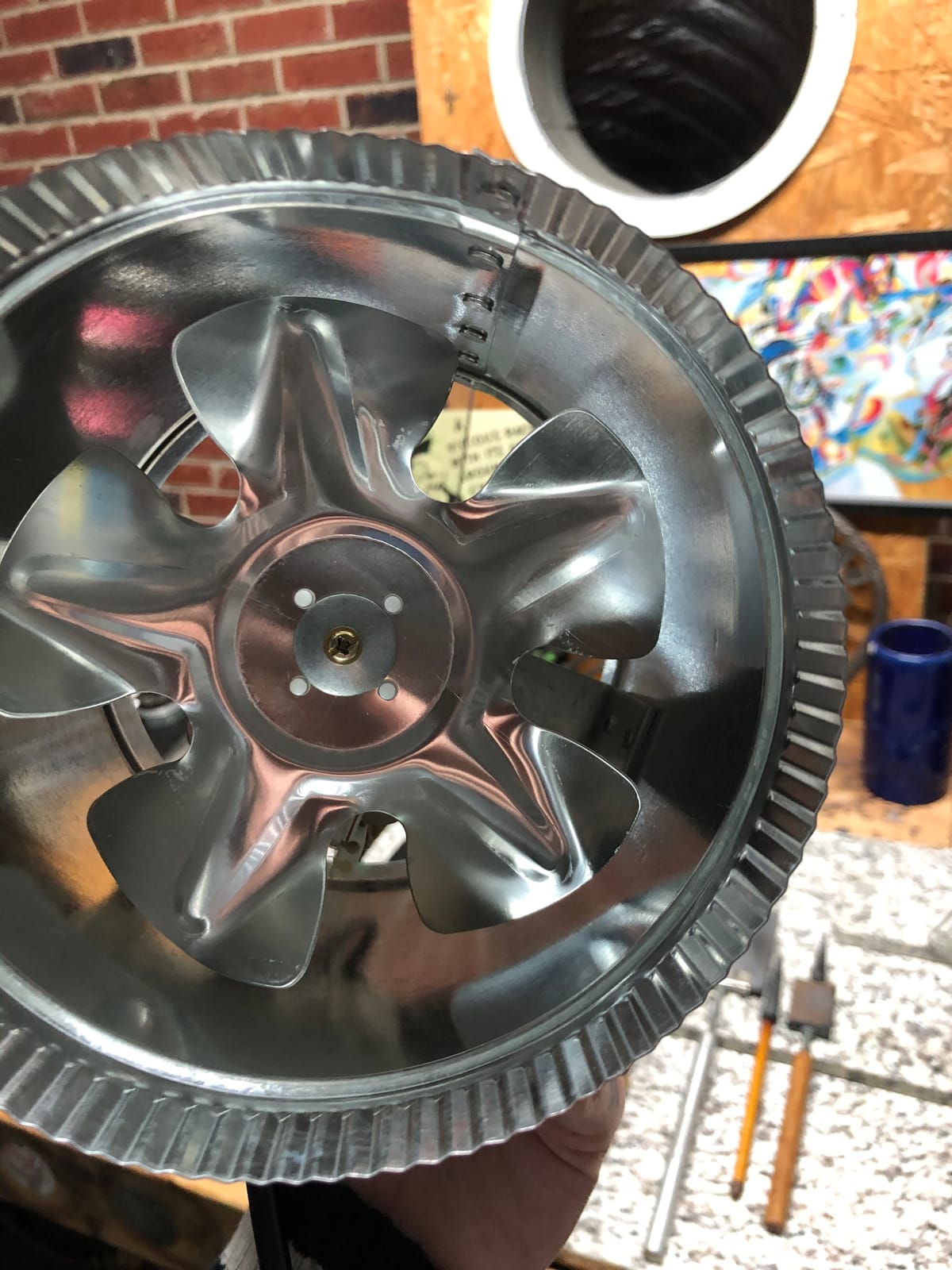
The 6-inch Basic is a direct exhaust fan for basement, bathroom, workshop, or grow-room ducts. Its 240 CFM rating gives it more moving capacity than the smaller D4 while retaining a compact metal body.
Reviewers describe dependable operation over long periods, and the permanently lubricated bearing reduces routine service. I like the reinforced, corrosion-resistant housing for an unfinished basement where durability matters more than smart controls.
Noise is the main compromise. At full speed, airflow is strong enough to carry sound through connected rooms, and the Basic model does not include a built-in controller.
Choose the 6-Inch Basic for set-and-forget exhaust
It suits a dedicated branch that will usually operate at one suitable speed. The metal housing is a practical benefit in damp or utilitarian spaces.
Skip the 6-Inch Basic for bedrooms above
Choose an EC-motor model with finer speed adjustment if sound travels upward. Crimped duct ends can also need careful adjustment to create a sealed fit.
5. Hon&Guan 6-Inch Booster: Efficient High Airflow
Hon&Guan 6 Inch Inline Booster Duct Fan with Speed Controller – 345 CFM Airflow with 19.2W Ultra-Low Power and Low Noise
345 CFM airflow
19.2 watts
32 dB rating
142 Pa pressure
Pros
- High 345 CFM output
- Low 19.2 watt power draw
- Variable speed control
- 100 to 240 volt range
- Simple maintenance access
Cons
- Pressure falls on long restrictive runs
- Noise rises above half speed
- Controller cable may be short
The Hon&Guan stands out for its combination of 345 CFM and a listed 19.2-watt draw. That makes it an appealing energy efficient duct fan for a basement system designed to run for long periods.
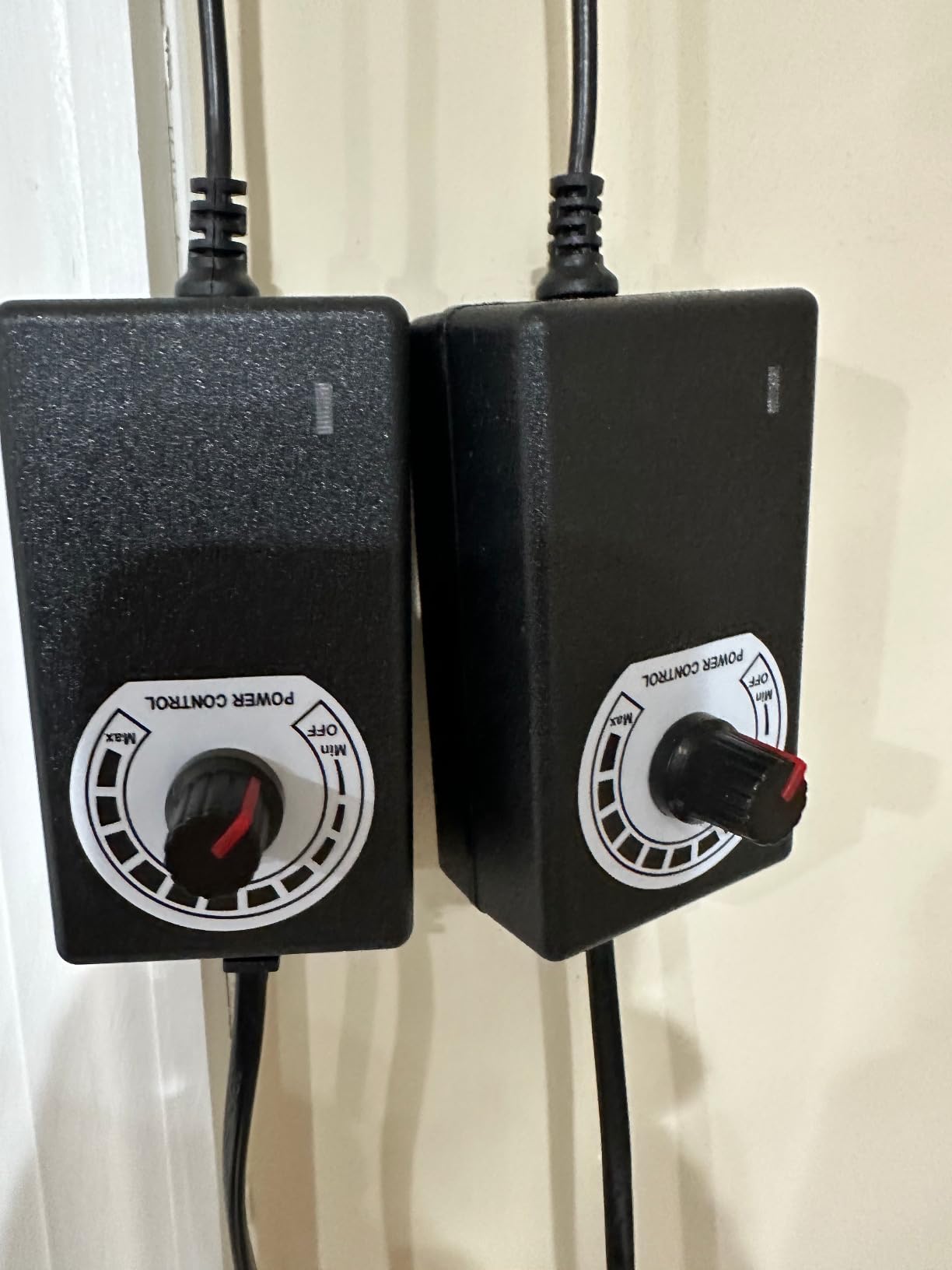
At lower speeds, reviewers describe quiet operation. The two-speed control is simple, while the broad voltage range adds flexibility for installations with compatible electrical systems.
The published 142 Pa figure helps explain its limits: airflow is impressive in open ducting, but reviewers report less convincing performance on long, restrictive runs. I also expect the acoustic character to change noticeably above half speed.
Choose Hon&Guan for efficient open ductwork
It fits a relatively direct six-inch route where high airflow matters. Its low power draw is useful when runtime and electricity use are the main priorities.
Skip Hon&Guan for heavily restricted runs
Use a higher-pressure centrifugal model when filters, long flex duct, or multiple elbows dominate the system. Measure the controller route before ordering because the cable may be short.
6. Tjernlund M-6: Heavy-Duty Centrifugal Power
Tjernlund M-6 Metal Inline Duct Booster Fan for Ventilation, 6 in, 460 CFM
460 CFM airflow
6 inch duct
Centrifugal design
Metal housing
Pros
- Highest listed airflow at 460 CFM
- Heavy-duty metal construction
- Low vibration when balanced
- Handles multiple registers
- High-temperature rating
Cons
- Audible at full speed
- Speed control sold separately
- Larger physical package
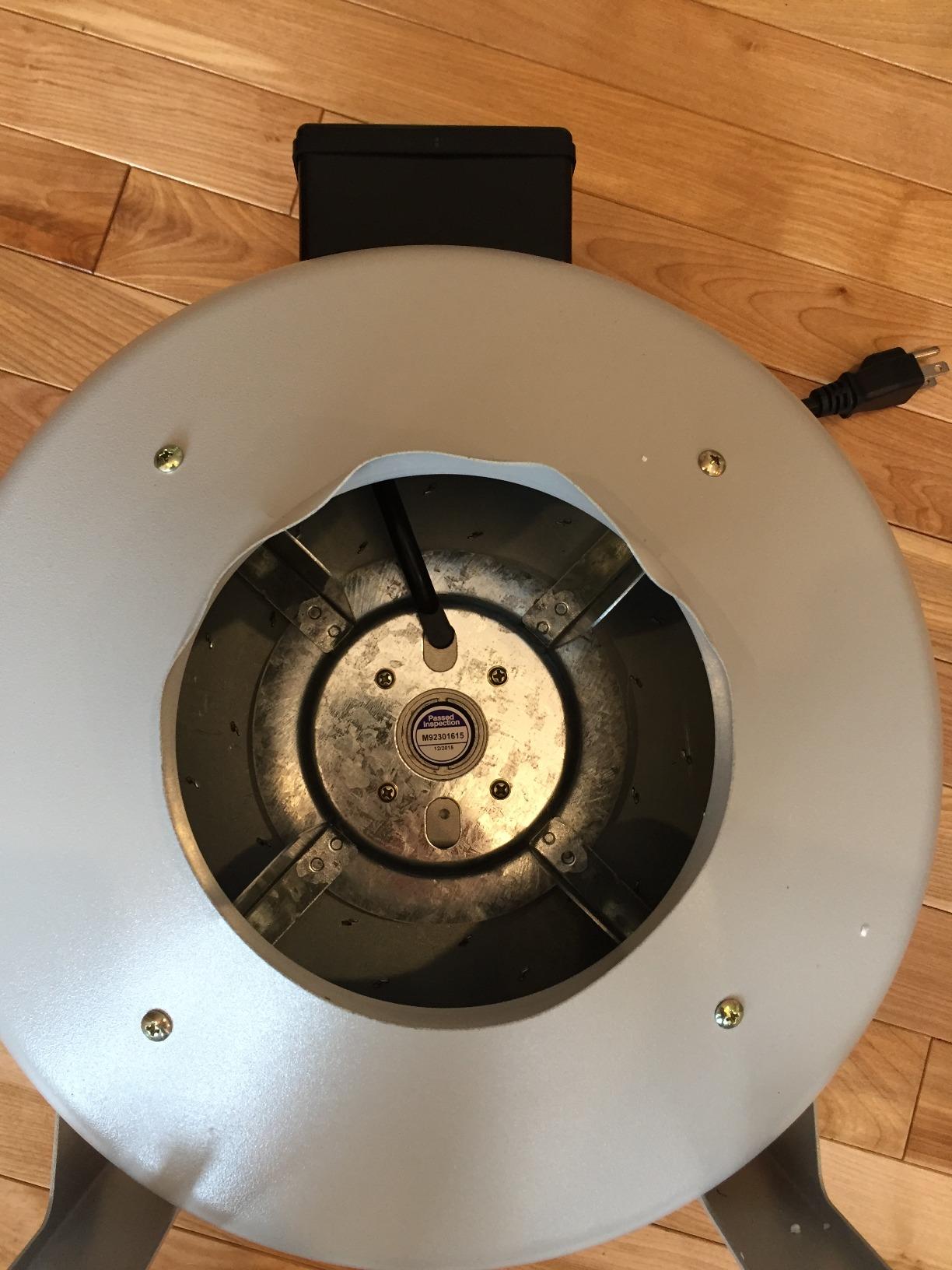
The Tjernlund M-6 is the power choice. Its 460 CFM centrifugal design is built for demanding ventilation, long duct runs, and systems feeding several registers, not just a single basement outlet.
Reviewers consistently describe stronger real-world airflow than cheaper alternatives. The metal housing and balanced construction are reassuring when the fan must support HVAC circulation rather than a short exhaust task.
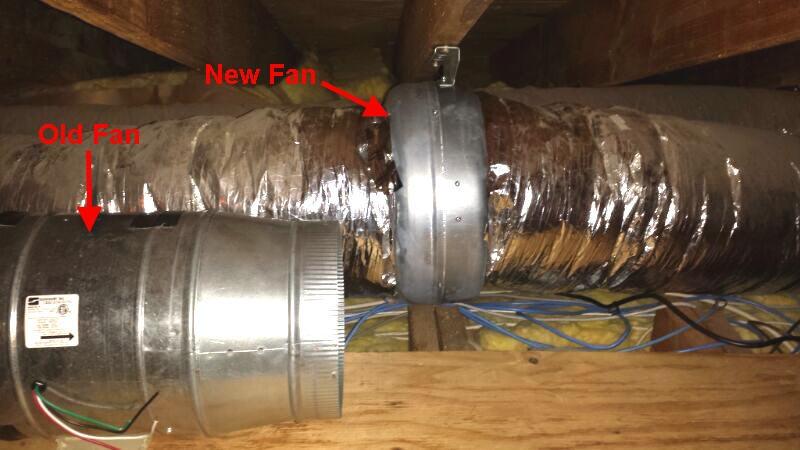
That extra capacity brings sound and mounting demands. At full speed, the product can be noisy without a properly designed duct path, and the speed control is not included.
Choose the M-6 for complex ductwork
This is the best fit when a six-inch branch serves a long distance or several rooms. It also handles higher-temperature environments better than many basic plastic models.
Skip the M-6 for a small finished room
Its output is unnecessary for a compact basement with little resistance. Plan vibration isolation, rigid support, and a separate speed control before installation.
7. AC Infinity AIRTITAN T3: Smart Humidity Control
AC Infinity AIRTITAN T3 Ventilation Exhaust Fan 6″ Temp Humidity Controller
120 CFM airflow
30 dB rating
WiFi automation
IP-55 protection
Pros
- WiFi temperature and humidity programming
- IP-55 dust and liquid resistance
- Very quiet PWM operation
- Anodized aluminum frame
- Timers and minimum-speed settings
Cons
- Controller has a learning curve
- Trigger modes can feel complex
- Sensor failures reported by some reviewers
The AIRTITAN T3 is designed around automated climate control rather than maximum airflow. Its 120 CFM rating suits a targeted exhaust or intake application where a crawl space, basement corner, or enclosed equipment area needs steady management.
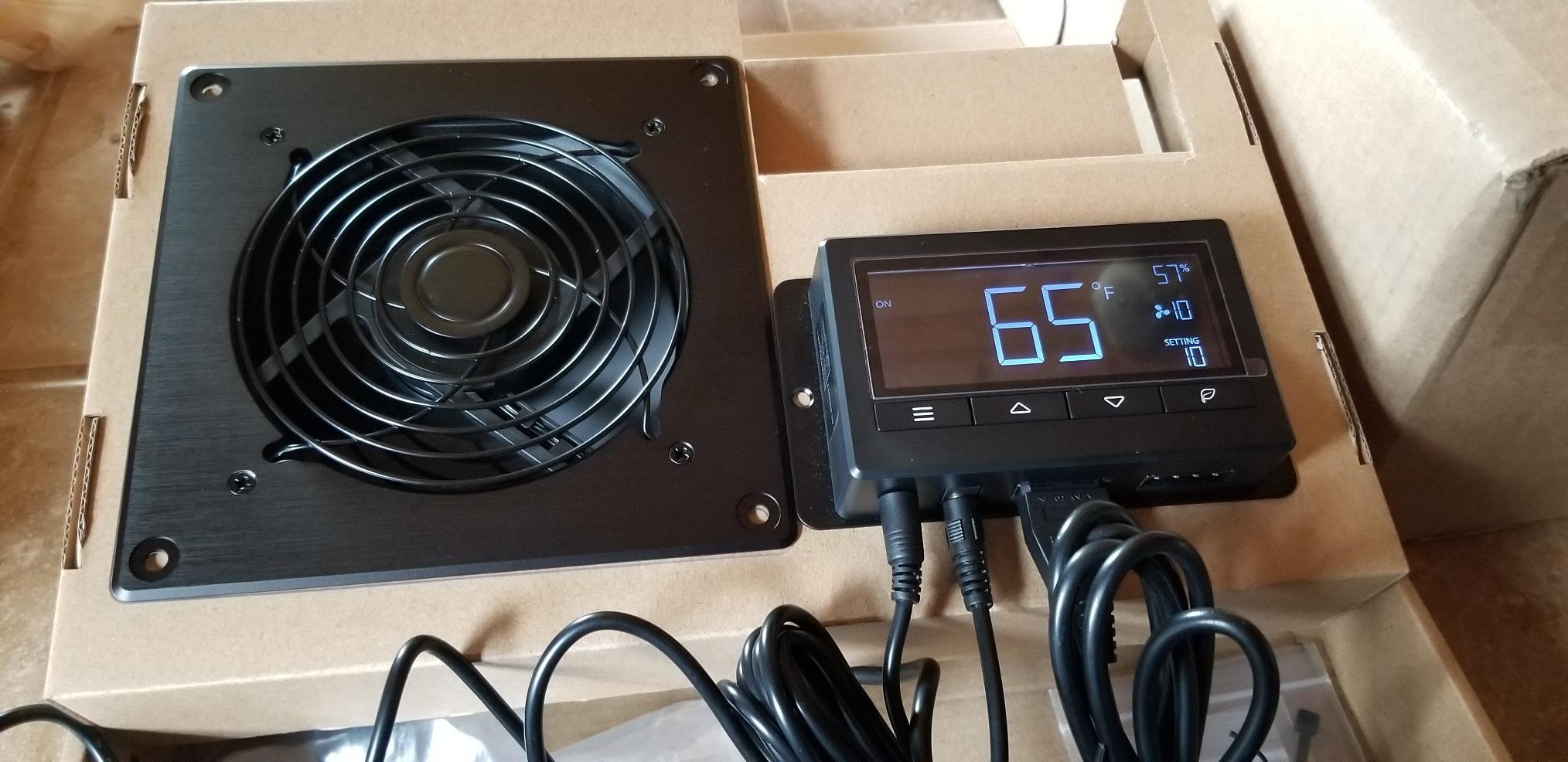
WiFi access supports temperature, humidity, VPD, scheduling, and cycle programming. That makes it much more autonomous than a manual dial once the initial setup is complete.
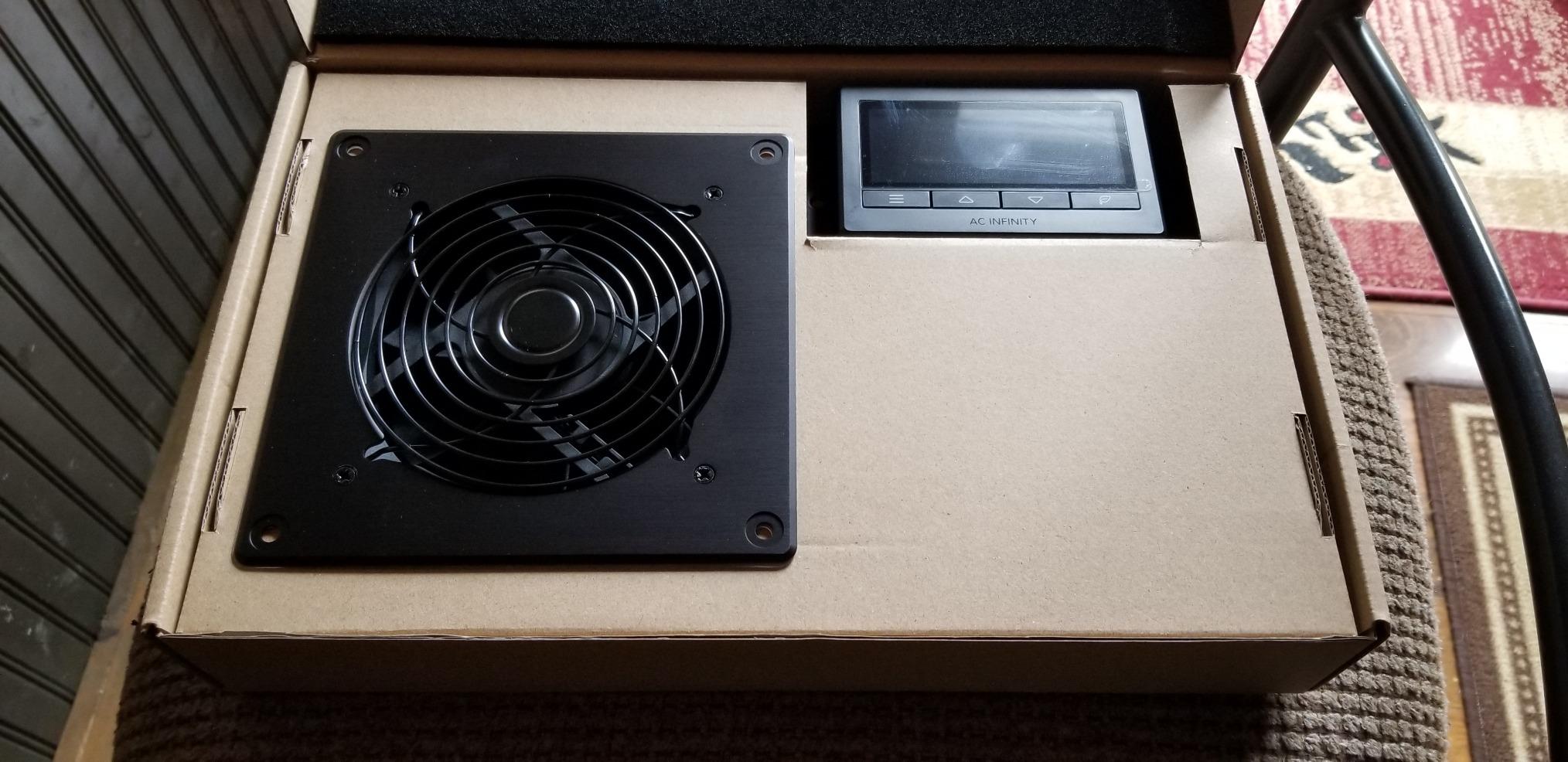
The anodized housing and IP-55 rating give it a clear advantage in a dusty or damp location. Reviewers also praise its quiet PWM operation, though the controller takes time to learn and some report sensor failures over time.
Choose the T3 for automated moisture control
It fits a homeowner who wants remote data, schedules, and humidity triggers. It is especially useful where a basic fan would run without responding to changing conditions.
Skip the T3 for whole-house circulation
Its 120 CFM output is modest beside the A6 and Tjernlund. I would not use it to force air through a long trunk serving several upper-floor rooms.
8. CADPXS DuraAir MFB Pro: Set-and-Forget Moisture Management
CADPXS Crawlspace Ventilation Fan, Crawlspace Fan Vent with Humidistat
220 CFM airflow
48 dB rating
20% to 80% RH control
Freeze protection
Pros
- Built-in humidistat
- Freeze protection below 35°F
- Automatic dual-fan control
- Radon-mitigation use reported
- 6.56 foot grounded cord
Cons
- Humidistat may need calibration
- Controls may face the wrong direction
- Some units produce a whistle
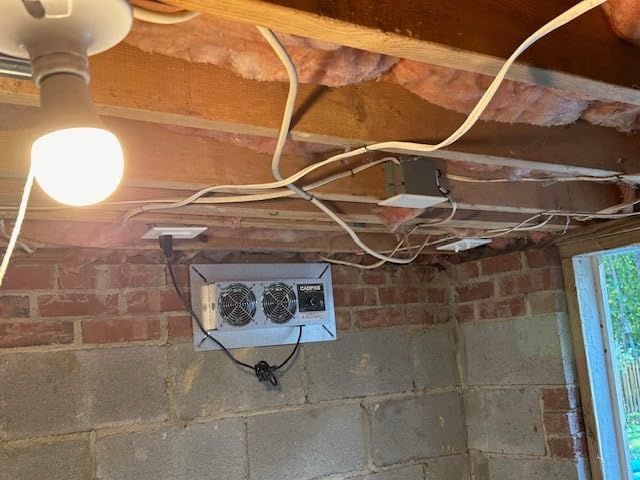
The CADPXS is purpose-built for crawl spaces and basements that need automatic moisture response. Its integrated dehumidistat covers 20% to 80% relative humidity, while a freeze thermostat stops operation below 35°F.
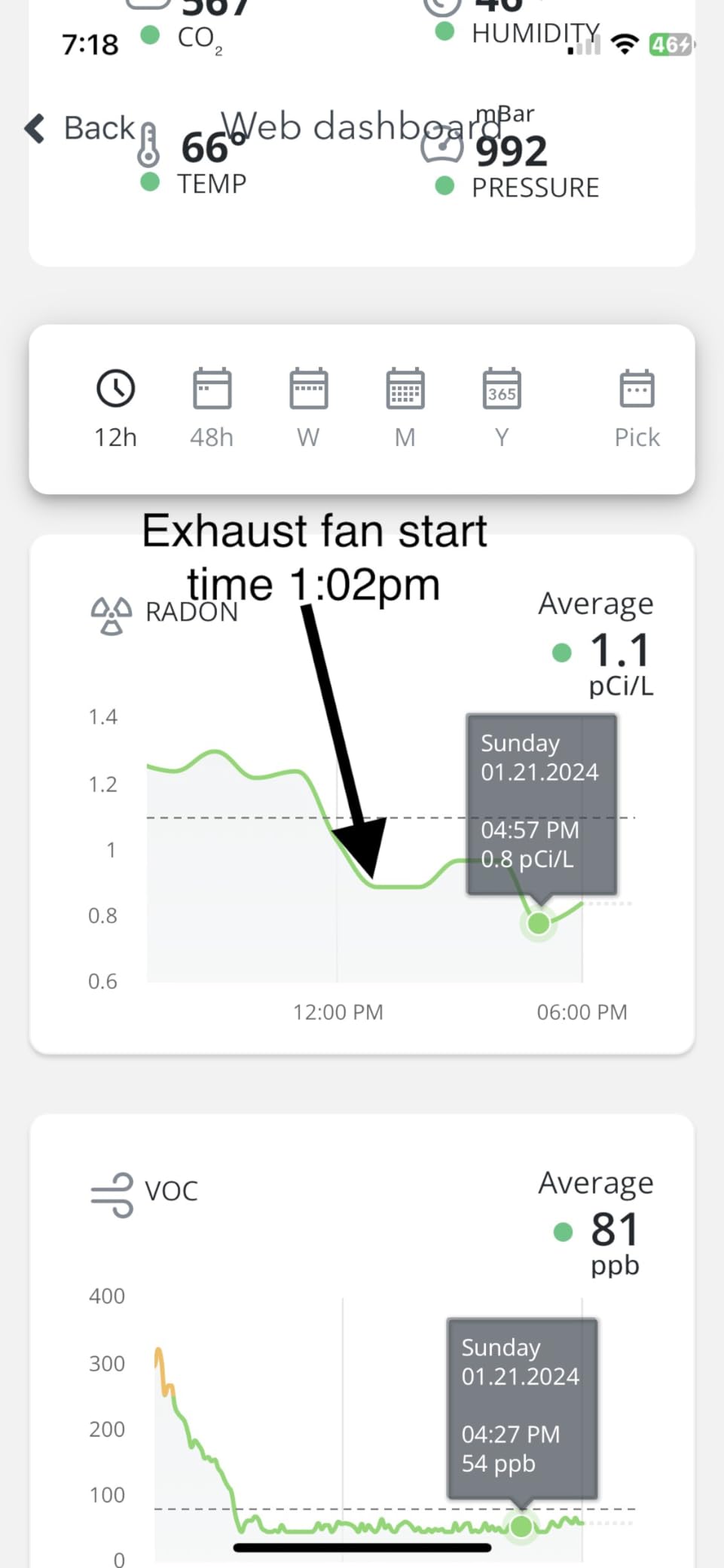
Reviewers report effective moisture management and use in radon-mitigation applications. The powder-coated aluminum construction and long grounded cord make installation easier in a utility area.
This fan is louder than the quietest model in the group, so I would not place it directly below a bedroom. The controls may also need repositioning, and some reviewers report calibration or whistling issues.
Choose the CADPXS for automatic humidity control
It works well for homeowners who want a built-in humidistat instead of a separate controller. Freeze protection is valuable in an unconditioned crawl space.
Skip the CADPXS for quiet living spaces
Choose the A6 when low sound is the top concern. Also verify local radon-system requirements; a general ventilation fan is not automatically a compliant radon mitigation component.
How to Choose the Right Inline Duct Fan for Your Basement
The best basement ventilation fan is usually a mixed-flow or centrifugal inline model matched to the duct system. Mixed-flow fans balance airflow and pressure, while centrifugal designs handle longer, more restrictive runs; an axial booster is best for short, open branches.
Start with the job the fan must do. Exhaust stale or moist air, boost conditioned air from a basement register to upper rooms, and balance a whole branch are different tasks, and one fan cannot always do all three equally well.
Match airflow to the room
CFM means cubic feet of air moved per minute. A common planning approach is to estimate basement volume, select a target air-change rate, and divide the resulting volume requirement by the run time, then account for resistance from filters, elbows, registers, and duct material.
For general air exchange, a modest target may be enough; moisture control and odor removal often justify more airflow. I would not use free-air CFM as the only number, because a fan’s useful output falls as static pressure rises.
Respect duct size and static pressure
A 4 inch fan adapted into a 6 inch trunk creates an immediate bottleneck. Use a six-inch fan for six-inch ductwork, and avoid reducers unless the rest of the system is genuinely designed around them.
Measure the straight duct distance and add resistance for every elbow, grille, filter, and length of flexible hose. Forum users repeatedly report that a 4 inch fan is too weak when adapted to 6 inch duct, while an Raxial S6 may run out of pressure on a long branch.
Compare noise in living spaces
Published dB figures provide a useful starting point, but installation often determines whether sound reaches the rooms above. Rigid duct, flexible isolation, a solid mount, and low vibration can matter as much as the motor label.
A 30 to 35 dBA fan can still be noticed in a quiet room because of tone or airflow noise. I favor the A6 for overhead bedrooms because its ten speeds let me reduce output before sound becomes distracting.
Choose the right control method
A basic switch is simple; a speed controller is more flexible; a humidistat, thermostat, pressure switch, or current-sensing relay can automate operation. The right choice depends on whether the fan serves humidity, temperature balancing, radon, or HVAC airflow.
A pressure switch starts the booster when the main HVAC system operates, while a current-sensing relay responds to electrical demand. Smart controllers add remote access, but I would favor reliable sensing and simple fallback controls over app features I rarely use.
Plan energy use around runtime
Wattage helps compare models, not operating cost by itself. The practical calculation is fan watts multiplied by daily runtime; use measured or manufacturer-listed watts and apply your local electricity rate rather than relying on a generic estimate.
The Hon&Guan’s listed 19.2-watt draw is attractive for continuous service, while the A6 and T3 offer automatic control to avoid unnecessary runtime. Efficiency matters most when the fan solves a long-term ventilation problem rather than a one-time odor event.
Install with sealed, insulated ductwork
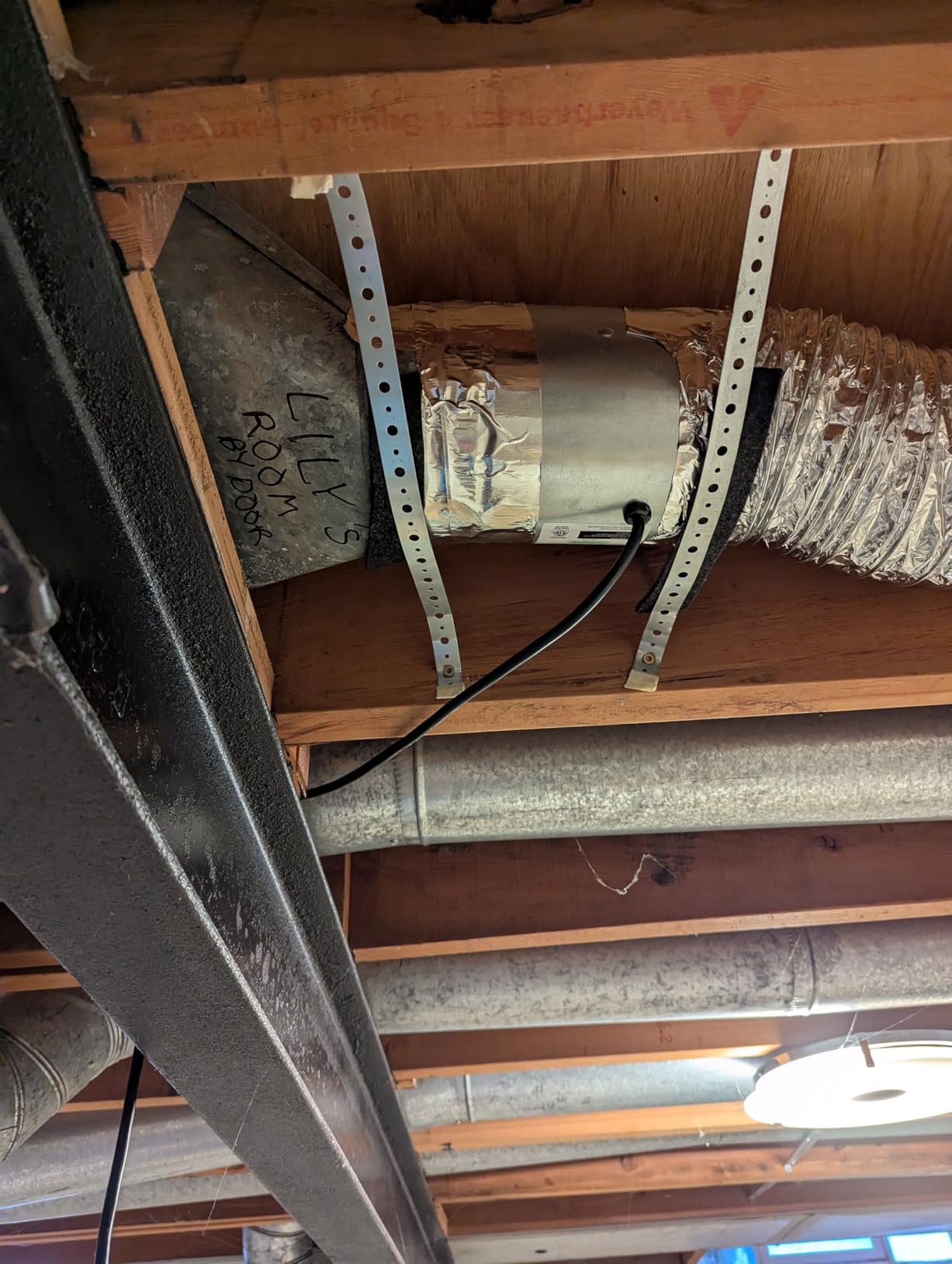
I can usually handle a short, accessible branch with a GFCI-protected receptacle, compatible duct, clamps, sealant, and a vibration-isolated mount. I would call a professional when the work involves asbestos, a radon system, concealed wiring, a shared HVAC trunk, or a penetration close to combustion equipment.
Seal every joint and insulate cold ductwork. Forum reports describe water pooling and fan failure when uninsulated basement duct runs collect condensation, so thermal protection is part of reliability, not an optional accessory.
Frequently Asked Questions
What is the best type of ventilation fan for a basement?
A mixed-flow inline fan is the best general-purpose choice for many basements because it balances airflow and static-pressure performance. Use a centrifugal model for longer or more restrictive duct runs, and a quieter EC-motor fan when living space is directly above.
Are inline duct fans worth it?
Yes, when the ductwork is sound and the fan targets a real airflow problem such as stale air, excess humidity, weak conditioned-air delivery, or an upper-floor temperature imbalance. They are not a substitute for stopping water intrusion, repairing leaks, or installing a code-compliant radon mitigation system.
How big of an inline fan do I need for a basement?
Choose by duct diameter, required airflow, and static pressure rather than room size alone. Match the fan to the existing duct, estimate the CFM needed for the intended air-change target, and increase capacity or choose a higher-pressure model when the route includes long runs, filters, or many elbows.
Which inline duct fan is the quietest?
The AC Infinity CLOUDLINE A6 is the quietest balanced choice here, with a listed 34 dBA rating, a 10-speed controller, and an EC motor. The AIRTITAN T3 lists 30 dBA but moves only 120 CFM, so the A6 is better for whole-zone airflow.
Do inline duct fans run continuously?
They can, but continuous operation should be justified by the ventilation goal and supported by an automatic control strategy. A humidistat, thermostat, pressure switch, or smart controller can reduce runtime while responding to moisture, temperature, or HVAC demand.
The Right Basement Fan for Better Airflow
The AC Infinity CLOUDLINE A6 is the best inline duct fan for most basements because it pairs 352 CFM with quiet EC-motor operation and ten speed settings. The Tjernlund M-6 is the stronger choice for long, restrictive runs, while the CADPXS is best when a built-in humidistat and freeze protection matter more than quiet operation.
Before buying, measure the duct, map the elbows and registers, and decide whether the priority is moisture, odor, radon support, or upper-floor temperature balancing. Then choose the fan whose airflow, pressure, sound, and control method match that job in 2026.