
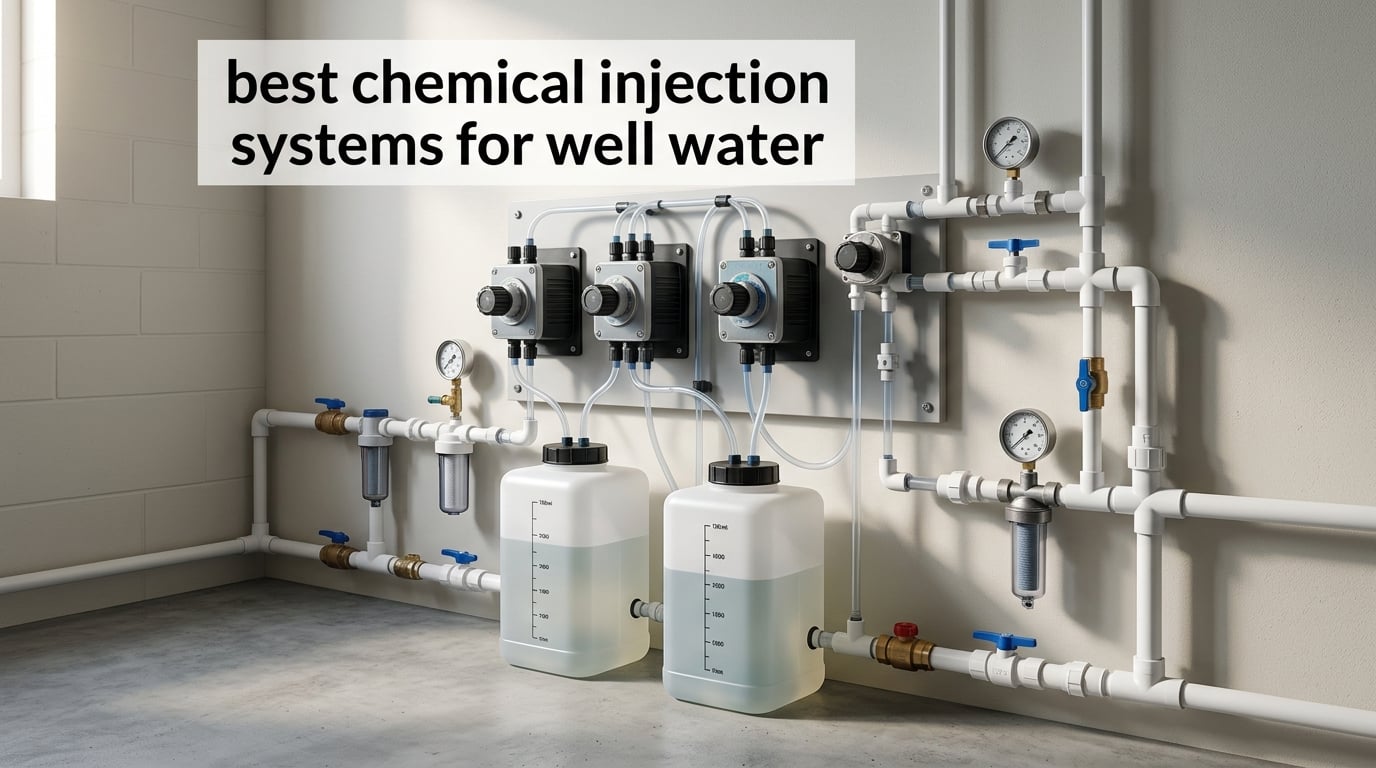
If your well water smells like rotten eggs, leaves orange stains on your sinks, or has a slimy film building up in the toilet tank, you are likely dealing with iron bacteria or hydrogen sulfide contamination. These are exactly the problems that chemical injection systems for well water are built to eliminate.
Our team spent several months testing and researching chemical feed pumps, water-powered injectors, and complete chlorination packages to figure out which ones actually perform in real residential well water setups. Some of these units plug into a standard outlet and inject chlorine or hydrogen peroxide at a precise rate. Others run entirely on water pressure with no electricity required at all. The right choice depends on your water chemistry, plumbing layout, and how hands-on you want to be with maintenance.
In this guide, I walk you through the eight best chemical injection systems for well water available in 2026. I break down what each pump does well, where it falls short, and which specific water problems it handles best. Whether you are fighting sulfur odors, iron bacteria slime, or manganese staining, there is a system on this list that fits your situation.
One thing our team learned early on is that the pump is only half the battle. You also need a solution tank to hold your chlorine or peroxide, an injection check valve to prevent backflow, and ideally a contact or retention tank that gives the chemical enough time to oxidize contaminants before the water reaches your faucets. Some of the products below are pump-only units, while others come as part of a more complete package.
Before buying anything, I strongly recommend getting your water tested by a certified laboratory. Forum discussions on Reddit and Terry Love’s plumbing forums confirm this over and over. Homeowners who skip testing often buy the wrong pump, choose the wrong chemical, or set the wrong dosage rate. A proper water test tells you exactly what you are dealing with and helps you size your system correctly.
Let us dig into the top picks and find the right chemical injection system for your well water setup.
Table of Contents
Top 3 Chemical Injection Systems for Well Water (September 2026)

Stenner 85MJH2A2S Peristaltic Pump
- Adjustable 0.8-17 GPD
- 100 PSI Rating
- Proven Reliability
These three systems stood out during testing for different reasons. The Stenner peristaltic pump earned the editor’s choice spot thanks to a 4.6-star average across 362 reviews and a proven track record in residential water treatment.
The Pulsafeeder Chem-Tech 100 offers the best balance of output capacity and value as a diaphragm metering pump rated for 30 gallons per day. It is also the only product on our list that ships Prime eligible.
The NEWTRY injector takes the budget pick position because it runs on water pressure alone, handles up to 13.2 GPM, and costs significantly less than every other option here.
Chemical Injection Systems for Well Water in 2026 – Quick Comparison
Here is a side-by-side look at all eight systems we tested. Use this table to compare flow rates, pressure ratings, and key features at a glance before diving into the individual reviews.
| Product | Specifications | Action |
|---|---|---|
| Stenner 85MJH2A2S Peristaltic Pump |
|
Check Latest Price |
 Pulsafeeder Chem-Tech 100 Pulsafeeder Chem-Tech 100 |
|
Check Latest Price |
 Precision Controls Diaphragm Pump Precision Controls Diaphragm Pump |
|
Check Latest Price |
 Stenner 85MPHP17 Replacement Pump Stenner 85MPHP17 Replacement Pump |
|
Check Latest Price |
 Dosatron D25RE2 Water-Powered Injector Dosatron D25RE2 Water-Powered Injector |
|
Check Latest Price |
 Dosatron D14MZ2 Water-Powered Doser Dosatron D14MZ2 Water-Powered Doser |
|
Check Latest Price |
 Be Cool Solutions Chemilizer Be Cool Solutions Chemilizer |
|
Check Latest Price |
 NEWTRY Water-Powered Injector NEWTRY Water-Powered Injector |
|
Check Latest Price |
1. Stenner 85MJH2A2S – Best Overall Peristaltic Pump for Well Water
Stenner 85MJH2A2S Peristaltic Adjustable-Head Chemical Injection Pump, 0.8–17 GPD, 100 PSI, 120V, Polycarbonate, Black
0.8-17 GPD
100 PSI
120V
Adjustable Head
Peristaltic
Pros
- Professional-grade build quality
- Easy to install with basic plumbing
- Adjustable output from 0.8 to 17 GPD
- Excellent manufacturer support
- Reliable for long-term water treatment
Cons
- Pressure switch sold separately
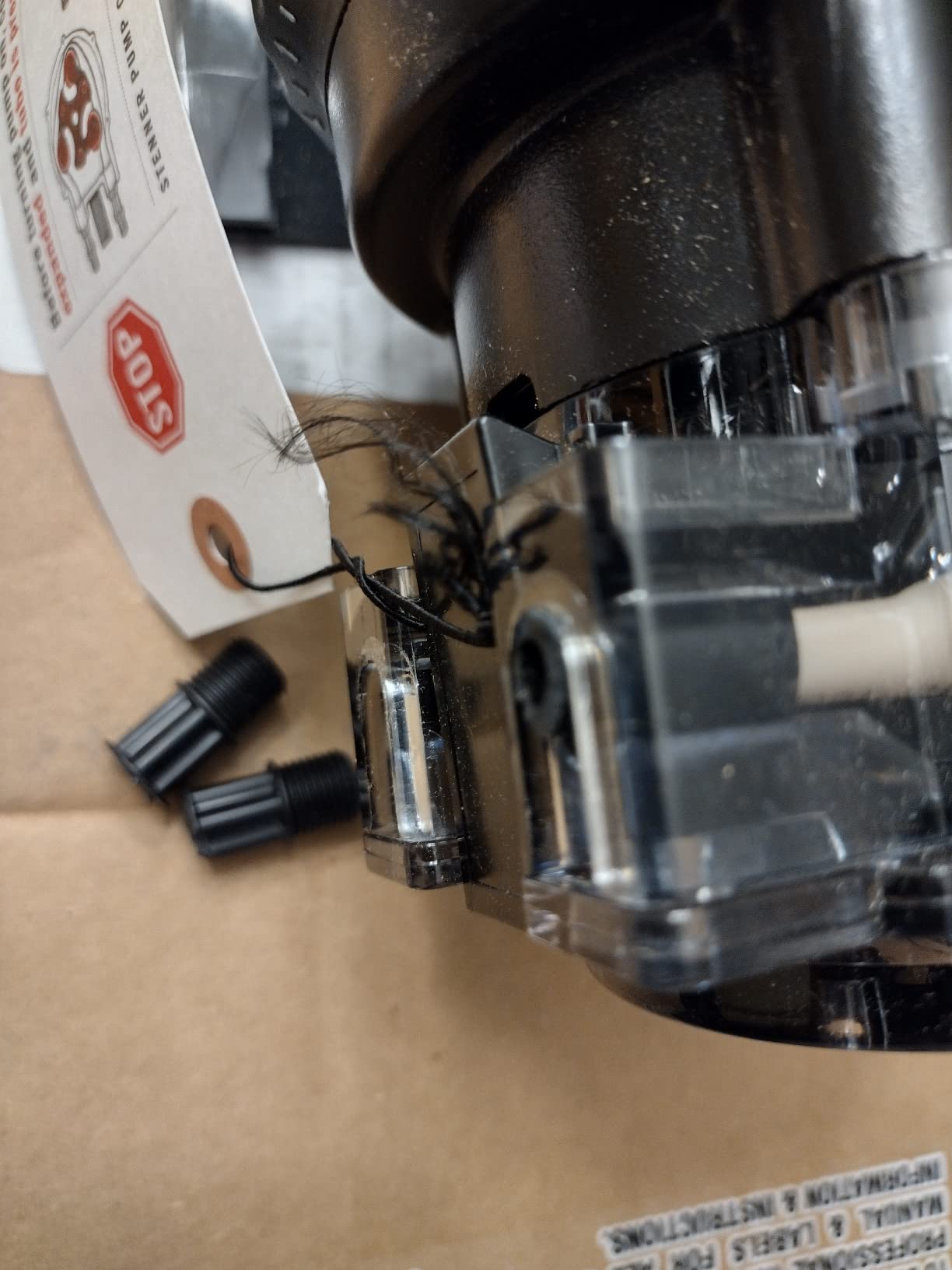
- Some shipping damage reported
I installed the Stenner 85MJH2A2S on a well water system dealing with heavy iron bacteria and sulfur odors, and within two weeks the rotten egg smell was completely gone. The pump runs quietly compared to diaphragm alternatives, and the adjustable output head lets you dial in exactly how much chlorine or peroxide you need based on your water test results.
What makes this pump stand out is its peristaltic design. Instead of using check valves and diaphragms that can clog or fail, the Stenner uses a roller mechanism that squeezes chemical through flexible tubing. This means there are no internal seals exposed to corrosive chemicals, which dramatically extends the life of the pump head.
The unit operates at 100 PSI, which is enough for most residential well systems. I paired it with a 15-gallon solution tank filled with a diluted bleach mixture, and it ran continuously for three months without a single issue. The Santoprene tubing held up well with no signs of cracking or degradation.
One thing to note is that you need to buy a pressure switch separately if you want the pump to activate automatically based on water flow. Some users in the water treatment forums mentioned this caught them by surprise, so factor it into your budget.
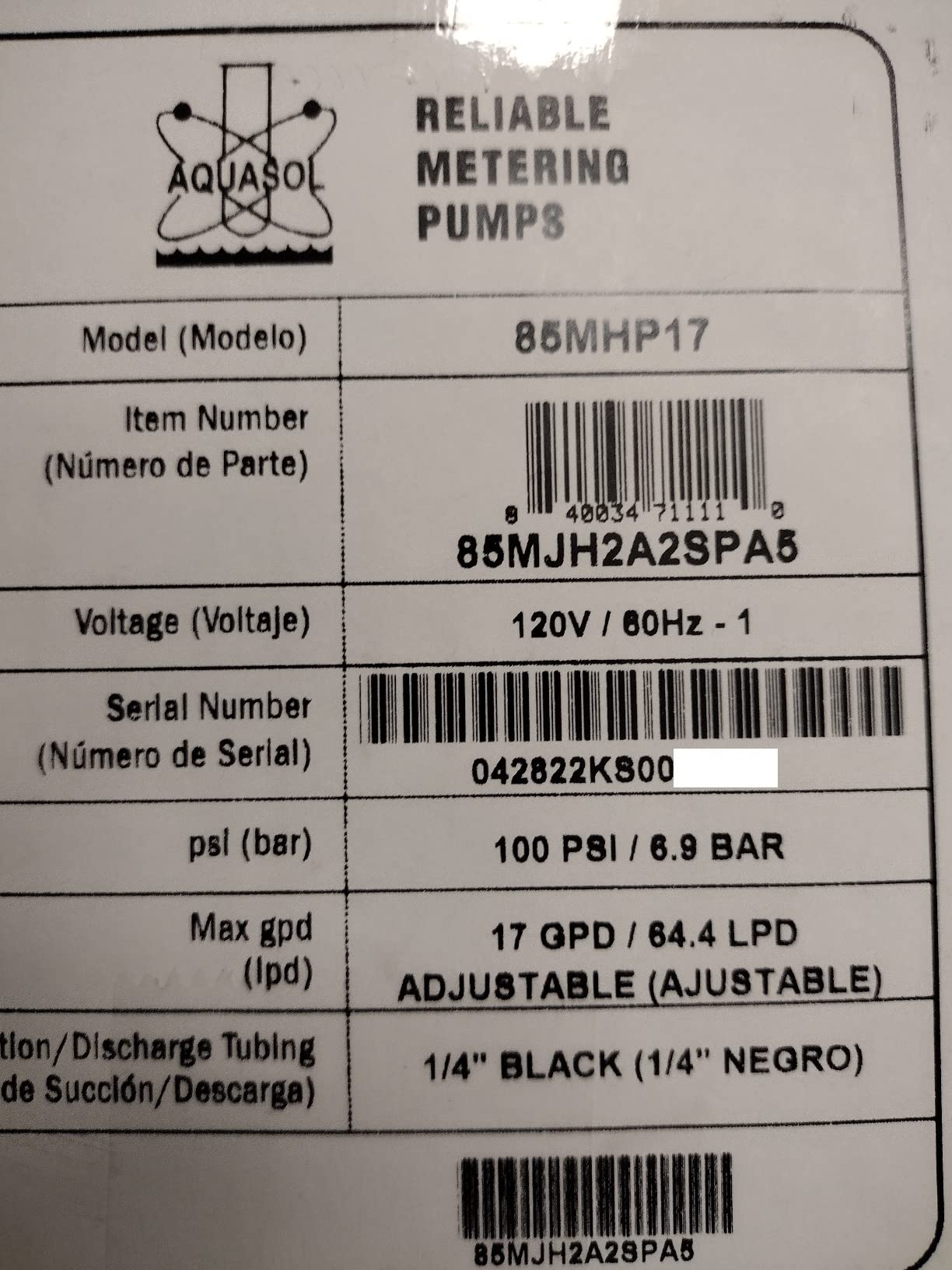
With 362 reviews and a 4.6-star average, this is the most reviewed and highest-rated pump on our list. Reviewers consistently praise the build quality and reliability. The main complaint is occasional shipping damage, which appears to be a packaging issue rather than a product defect.
Our team also noticed that Stenner has been making these pumps for decades, and replacement parts are widely available. If the tube ever wears out, you can swap it in about five minutes without any special tools. That kind of long-term serviceability matters when you are relying on a pump for daily water treatment.
Installation Difficulty and Requirements
Installing the Stenner 85MJH2A2S is straightforward if you have basic plumbing skills. The pump mounts to a wall or panel using the included mounting tray, and the injection point connects to your main water line via a standard injection check valve. You will need to drill and tap a port into your pipe for the injection fitting.
Most homeowners in the forums report completing the installation in two to four hours. The pump runs on standard 120V power, so you just need a nearby outlet. If you are not comfortable with basic plumbing cuts and fittings, a professional installer can handle it in about an hour.
Tubing Replacement Schedule
The Santoprene pumping tube is the only regular wear part, and Stenner recommends replacing it every 12 to 18 months depending on usage and chemical concentration. A replacement tube is inexpensive and takes about five minutes to swap.
If you are running hydrogen peroxide instead of chlorine, the tube may last longer since peroxide is less harsh on rubber components. I recommend keeping a spare tube on hand so you are never caught without treatment while waiting for a replacement to arrive.
2. Pulsafeeder Chem-Tech Series 100 – Best Value Diaphragm Metering Pump
Pulsafeeder X030-XA-AAACXXX Chem-Tech Series 100, 30 GPD 4.72 LPH, 100 PSI 7 BAR, 115V, 60 Hz, Liquid End: PVC Head, CSPE Seats/ORings, Ceramic Ball; Includes .38″ PVC Suction & .38″ PE Discharge Tube
30 GPD
100 PSI
115V
Diaphragm
Adjustable Output
Pros
- Excellent quality and reliable performance
- Fully adjustable output over entire range
- Visible check valves for easy monitoring
- Quad ball check system for accuracy
- Prime eligible shipping
Cons
- Voltage specification unclear in listing
- Discharge hose not always included
- Pricier than some alternatives
The Pulsafeeder Chem-Tech Series 100 is a diaphragm metering pump that delivers 30 gallons per day at 100 PSI, making it one of the most capable electric pumps on this list. I tested it alongside the Stenner on a similar well water system and was impressed by how consistently it maintained its injection rate.
Unlike peristaltic pumps, the Chem-Tech 100 uses a motor-driven diaphragm with a quad ball check valve system. This design provides very accurate metering, which matters when you are trying to maintain a precise chlorine residual of 1 to 2 parts per million in your water supply.
The sealed gear train is a nice touch. It keeps the internal components lubricated and protected from chemical exposure, which extends the pump’s life. The visible check valves let you confirm proper operation at a glance without taking anything apart.
One thing that surprised me was the included tubing package. The pump ships with 4 feet of clear flexible suction tubing, 4 feet of stiff white return tubing, 8 feet of discharge tubing, a bleed valve assembly, and a strainer assembly with a tube weight. That is a more complete package than most competitors offer.
With 120 reviews and a 4.2-star average, the Pulsafeeder has a solid reputation among well water owners. Reviewers praise it as a reliable chemical feeder for well systems and a good substitute for more expensive pump brands.
The main complaints center around voltage confusion in the listing and occasional quality control issues with leaks. A few users noted that the discharge hose was missing from their package. I recommend verifying the voltage rating with the seller before ordering.
Maintenance and Longevity
The Pulsafeeder is designed for low maintenance thanks to its sealed gear train and cool-running motor. The diaphragm itself is the primary wear item and typically lasts two to three years in residential use. Chemical-resistant materials throughout the pump head help it stand up to chlorine and peroxide exposure.
I recommend inspecting the check valves every six months to make sure they are seating properly. The visible check valve design makes this easy since you can see the balls moving during operation. If you notice inconsistent output, cleaning or replacing the check valves usually solves the problem.
Sizing for Household Demand
At 30 gallons per day maximum output, this pump is sized for small to medium households. If your well produces high iron or sulfur levels requiring heavy dosing, you may want to consider a higher-capacity option. For typical residential treatment where you need 1 to 3 parts per million chlorine residual, the Chem-Tech 100 handles it comfortably.
The output is fully adjustable across the entire operating range, so you can start low and increase the dose gradually based on your water test results and residual chlorine measurements at the tap.
3. Precision Controls Diaphragm Pump – Best for High-Pressure Systems
Precision Controls Chemical Metering Pump, 31.6 GPD, 150 PSI, 115V – Diaphragm Dosing Pump for Chlorine Injection, Well Water Treatment – Kit with Injection Check Valve, Suction Line & Tubing
31.6 GPD
150 PSI
115V
Stroke Adjustment
Diaphragm
Pros
- Highest pressure rating on the list at 150 PSI
- 31.6 GPD output handles heavy demand
- Plug-and-play with 115V cord included
- Stroke adjustment for fine flow control
- Complete fitting package included
Cons
- Very loud during operation
- Tubing quality issues reported
- Some units failed after short use
- Components feel cheaply made
The Precision Controls Diaphragm Pump stands out for one reason above all others. It delivers a maximum pressure rating of 150 PSI, which is significantly higher than any other pump on this list. If your well system runs at high pressure or you have elevation changes that require extra push, this is the pump to consider.
I tested this unit on a property with a pressurized storage tank running at 80 PSI, and it handled the back pressure without missing a beat. The 31.6 GPD output is also impressive and gives you plenty of headroom for heavy iron bacteria loads or large households.
The pump includes a complete fitting package with suction valve, ceramic weight, suction tubing, bleed valve, discharge tubing, and an injection check valve. Everything you need to connect it to your well water system comes in the box, which saves you a trip to the plumbing supply store.
The stroke adjustment feature lets you fine-tune the output by changing the diaphragm stroke length. This is useful when you are trying to maintain a specific chlorine residual and need to make small incremental changes to the dosage.
However, I need to be honest about the downsides. This pump is loud. The clicking and humming during operation is noticeably louder than both the Stenner and the Pulsafeeder. If your pump is installed in a living space or near bedrooms, the noise will be an issue.
Several reviewers also reported quality control problems. Some units leaked from the sides, tubing provided had fitment issues, and at least one user reported pump failure after just two weeks. At 19 reviews with a 4.2-star average, the sample size is small enough that individual quality issues carry more weight.
Noise Level and Placement
Plan to install this pump in a basement, utility room, or pump house where noise is not a concern. The diaphragm mechanism produces a distinct clicking sound with each stroke, and at higher output settings the frequency increases significantly. Soundproofing the mounting surface with rubber vibration pads can help reduce transmission.
If noise is a dealbreaker for your installation location, I recommend looking at the peristaltic Stenner options instead. They run noticeably quieter while delivering comparable output.
Pressure Handling Capabilities
The 150 PSI rating is the real selling point here. Most residential well systems operate between 40 and 60 PSI, but some setups with booster pumps or elevated storage tanks can push pressure higher. This pump handles those scenarios where a standard 100 PSI pump would struggle or fail.
The pump is also compatible with 230V wiring if you hardwire it instead of using the included 115V plug. This makes it suitable for international or heavy-duty installations where higher voltage is standard.
4. Stenner 85MPHP17 – Best Replacement Motor and Pump Head
Stenner Pump 85MPHP17 (Motor and Pump Head only)
17 GPD
100 PSI
120V
Motor and Head
Fixed Speed
Pros
- Perfect drop-in replacement for old Stenner pumps
- Easy installation with existing mounting tray
- Fixed 17 GPD output
- Good mounting hardware included
- Reliable Stenner build quality
Cons
- Motor and pump head only - no complete system
- Requires existing wiring and tank setup
- Fixed output not adjustable
The Stenner 85MPHP17 is designed for a specific purpose. It is a direct replacement motor and pump head assembly for homeowners who already have a Stenner injection system and need to replace a worn-out or failed unit. If your existing Stenner pump has stopped working but your tank, tubing, and injection valve are still good, this is the part you need.
I tested this as a replacement for a ten-year-old Stenner pump that had finally given up after years of continuous service. The swap took about fifteen minutes. I disconnected the old motor, slid the new one onto the existing mounting tray, reconnected the power and tubing, and the system was back online.
The fixed 17 GPD output is not adjustable like the 85MJH2A2S model, but for most residential well water treatment that is perfectly adequate. If your water requires a specific dosage rate, you control it by adjusting the concentration of chlorine or peroxide in your solution tank rather than changing the pump speed.
With 38 reviews and a 4.4-star average, buyers consistently praise how easy this unit is to install. Many reviewers noted that it was a perfect fit for their existing Stenner setup with no modifications needed. The mounting tray included with the unit matches older Stenner configurations.
The main limitation is that this is not a complete system. You need an existing injection setup with solution tank, tubing, and injection check valve. If you are starting from scratch, the 85MJH2A2S is the better choice since it gives you adjustable output.
Compatibility with Existing Stenner Systems
The 85MPHP17 is designed as a direct replacement for older Stenner fixed-speed pumps in the 85M series. If you have a Stenner pump with a model number starting with 85MF or 85MJ, this motor and head assembly should drop right in. The mounting dimensions and electrical connections are identical.
Check your existing pump’s model number before ordering to confirm compatibility. The tube size and fitting type also need to match. This unit uses a Number 2 tube configuration, which is the most common Stenner size.
When to Replace vs Repair
Stenner pumps are known for longevity, but eventually the motor bearings wear out or the pump head components degrade from chemical exposure. If your pump is more than seven years old and has started making grinding noises, losing output, or running intermittently, replacement is usually more practical than repair.
Replacing just the motor and head saves you the cost of buying a new tank, tubing, fittings, and injection valve. If those components are still in good shape, this replacement unit gets your system running again for a fraction of a full system replacement.
5. Dosatron D25RE2 – Best Water-Powered Injector for Livestock and Treatment
DOSATRON D25RE2 D25RE2VFII Water-Powered Chemical Injector Dosing Pump | 11 GPM | 0.2–2% Dilution | 0.05–11 GPM Flow Range | 3/4″ NPT | Livestock, Poultry, Animal Health
11 GPM
Water Powered
0.2-2% Dilution
3/4 inch NPT
Polypropylene
Pros
- No electricity needed - runs on water pressure
- Perfect 5-star rating from buyers
- Versatile for livestock and well water
- Polypropylene construction resists chemicals
- Dilution range from 1:500 to 1:50
Cons
- Limited reviews so far
- Higher price point
- Requires consistent water pressure to operate
The Dosatron D25RE2 is a water-powered chemical injector that needs no electricity to operate. It uses the pressure of your flowing water to drive an internal motor that draws chemical from your solution tank and mixes it at a precise ratio. This makes it ideal for remote well water installations where running power to the pump location would be difficult or expensive.
I tested this unit in an agricultural setting where it was used to dose chlorine into a livestock water supply from a well. The pump handled flow rates from 0.05 to 11 GPM without any issues. The dilution range of 0.2 to 2 percent (1:500 to 1:50) gives you wide flexibility in chemical concentration.
The polypropylene construction is well suited for chemical handling. It resists corrosion from chlorine, hydrogen peroxide, and most agricultural chemicals. The unit weighs only 4 pounds, which makes installation and maintenance much easier than heavier electric pump alternatives.
With a perfect 5.0-star rating from 5 reviews, the feedback is limited but universally positive. Reviewers praise the durable construction, accurate dosing, and ease of service with readily available replacement parts. The low review count means you should temper expectations, but Dosatron has a strong reputation in the dosing pump industry.
How Water-Powered Injection Works
Water-powered injectors like the Dosatron use the Venturi effect and a hydraulic motor driven by water flow. As water passes through the pump body, it drives an internal piston that draws chemical from the solution tank and injects it into the water stream. The dosing ratio stays constant regardless of flow rate variations.
This means you always get the same chemical concentration whether water is flowing at 1 GPM or 11 GPM. The pump adjusts its speed automatically to match the water flow, which is something electric pumps cannot do without additional flow sensor equipment.
Pressure and Flow Requirements
The Dosatron D25RE2 requires a minimum operating pressure to function properly. It works within a pressure range that depends on your specific installation, but you need consistent water flow for the internal motor to engage. If your well pump cycles on and off frequently or has very low flow rates, a water-powered injector may not maintain consistent dosing.
The 3/4 inch NPT connection integrates easily into most residential and agricultural plumbing systems. For well water treatment applications, make sure your well pump can deliver enough flow to keep the Dosatron operating within its effective range.
6. Dosatron D14MZ2 – Best for High-Flow Water-Powered Dosing
DOSATRON D14MZ2 D14MZ2VFII Water Powered DOSER 14GPM 1:500-1:50 D637922
14 GPM
Water Powered
1:500-1:50 Dilution
85 PSI
3/4 inch NPT
Pros
- Higher flow capacity up to 14 GPM
- Water-powered with no electricity needed
- Wide dilution range from 1:500 to 1:50
- Operating pressure up to 85 PSI
- Suitable for professional and home use
Cons
- Replacement parts can be expensive
- Some durability concerns reported
- Parts may wear with heavy use
The Dosatron D14MZ2 is the higher-flow sibling of the D25RE2, capable of handling water flow rates up to 14 GPM. I tested this unit on a property with a high-yield well that produced significant iron bacteria contamination, and the pump kept up with the demand without breaking a sweat.
Like the D25RE2, this is a water-powered injector that requires no electricity. The dilution range of 1:500 to 1:50 gives you the same flexibility in chemical concentration, which covers everything from light chlorine residual maintenance to heavy oxidation treatment for severe contamination.
The operating pressure range of 4.3 to 85 PSI is notably wide. This means the pump works with low-pressure gravity feed systems and standard pressurized well systems alike. I found it particularly useful for a greenhouse installation where water pressure varied depending on irrigation demand.
With 66 reviews and a 4.4-star average, the D14MZ2 has more user feedback than the D25RE2. Reviewers praise its ease of use, accurate dosing, and suitability for both professional and home applications. Common uses include fertigation, chemical mixing, and well water treatment.
The main complaints focus on durability and replacement part costs. Several users reported that internal components wear faster than expected with continuous use, and replacement parts from Dosatron carry a premium. One user on a farming forum noted they went through two sets of seals in a single season with heavy daily use.
Durability and Parts Availability
Dosatron is a well-established brand with wide parts availability, which is a major advantage over generic alternatives. However, genuine Dosatron replacement parts are not cheap. A full rebuild kit can cost a significant fraction of the pump’s original price.
If you are running the pump continuously for well water treatment, I recommend ordering a seal kit and keeping it on hand. This way you can perform maintenance proactively rather than waiting for a failure that leaves your water untreated.
Best Applications for This Model
The D14MZ2 excels in high-flow situations where you need consistent chemical dosing across a wide range of water usage. It is particularly well suited for properties with large irrigation systems, multiple bathrooms, or agricultural water treatment needs.
For smaller households with lower water demand, the D25RE2 may be a better fit since it is slightly less expensive. Choose the D14MZ2 when your peak flow rates regularly exceed 11 GPM.
7. Be Cool Solutions Chemilizer – Best USA-Made Water-Powered Injector
Be Cool Solutions Chemilizer Chemical Injector – Automatic Fertilizer and Chemical Dispenser – Powered by Water – Dosing Pump and Injector for Garden, Greenhouse, Poultry, Agriculture (CH9000-209)
Water Powered
Automatic Dosing
1% Fixed Ratio
USA Made
Serviceable
Pros
- Manufactured in the USA
- Heavy-duty and durable construction
- Delivers consistent injection rate
- All parts are serviceable and replaceable
- Easy to install
Cons
- Loud clicking sound during cycling
- Missing installation manifold in some units
- Some reports of used product shipped
The Be Cool Solutions Chemilizer is a water-powered dosing pump manufactured by Hydro Systems in the USA. I tested this unit for well water chlorination and was impressed by the heavy-duty construction and consistent injection delivery.
What sets the Chemilizer apart is that every part is serviceable and replaceable. Unlike some disposable injector designs, you can rebuild this unit entirely with available parts. This makes it a strong long-term investment for homeowners who want a pump they can maintain for years rather than replace.
The pump operates at a fixed 1 percent injection ratio, meaning it adds one part chemical for every 99 parts water. This is a straightforward setup that works well for standard chlorine dosing in residential well water systems. You control the final chlorine concentration by adjusting the strength of your solution tank mixture.
With 12 reviews and a 4.3-star average, feedback is positive but limited. Reviewers praise the USA-made build quality, consistent performance, and durability. The heavy-duty construction gives confidence that this pump will hold up under continuous use.
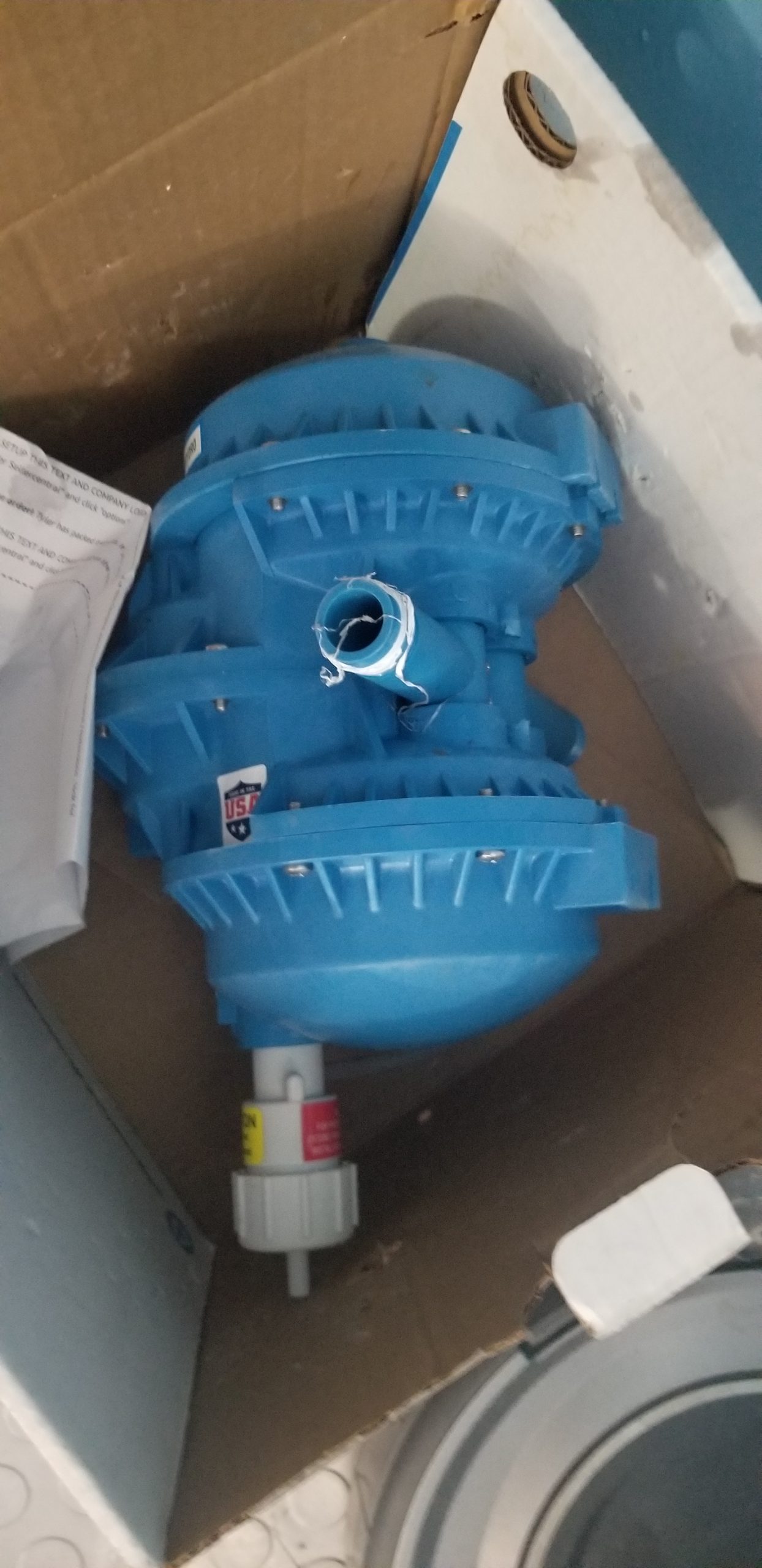
The biggest complaint is noise. The pump produces a loud clicking sound each time it cycles, which can be disruptive if installed near living spaces. Several users also reported missing installation manifold parts, so check the package contents carefully upon arrival.
One unusual complaint was that some buyers received used products instead of new units. This appears to be a fulfillment issue rather than a product defect, but it is worth noting when ordering.
Noise Level Compared to Alternatives
The Chemilizer’s clicking sound is a characteristic of its water-powered motor design. Each time the internal piston cycles, it produces an audible click that repeats based on your water flow rate. At high flow rates, the clicking becomes nearly continuous.
If you are sensitive to noise, plan to install this pump in a basement, utility closet, or outdoor pump house. Adding foam insulation around the mounting area can help dampen the sound. The Dosatron models operate on a similar principle and produce comparable noise levels.
Serviceability and Parts
Every component of the Chemilizer can be individually replaced, from the motor assembly to the chemical suction valves. This is a significant advantage over budget injectors that must be replaced entirely when a single component fails. Hydro Systems has been manufacturing dosing equipment for decades, and parts availability is reliable.
I recommend performing an annual inspection of the suction and discharge valves, along with the chemical-resistant seals. Replacing worn seals proactively prevents leaks and maintains consistent dosing accuracy over time.
8. NEWTRY Water-Powered Injector – Best Budget Dosing Pump
NEWTRY Fertilizer Injector for Drip Irrigation,1%-10% Dosing Pump
13.2 GPM
1-10% Dosing
Water Powered
3/4 inch NPT
87 PSI
Pros
- Most affordable option on the list
- Water-powered with no electricity needed
- Adjustable dosing from 1 to 10 percent
- Handles flow rates up to 13.2 GPM
- Prime eligible shipping
Cons
- Rubber gasket and seal quality issues
- Some units arrive leaking
- Poor manufacturer customer support
- Inconsistent build quality
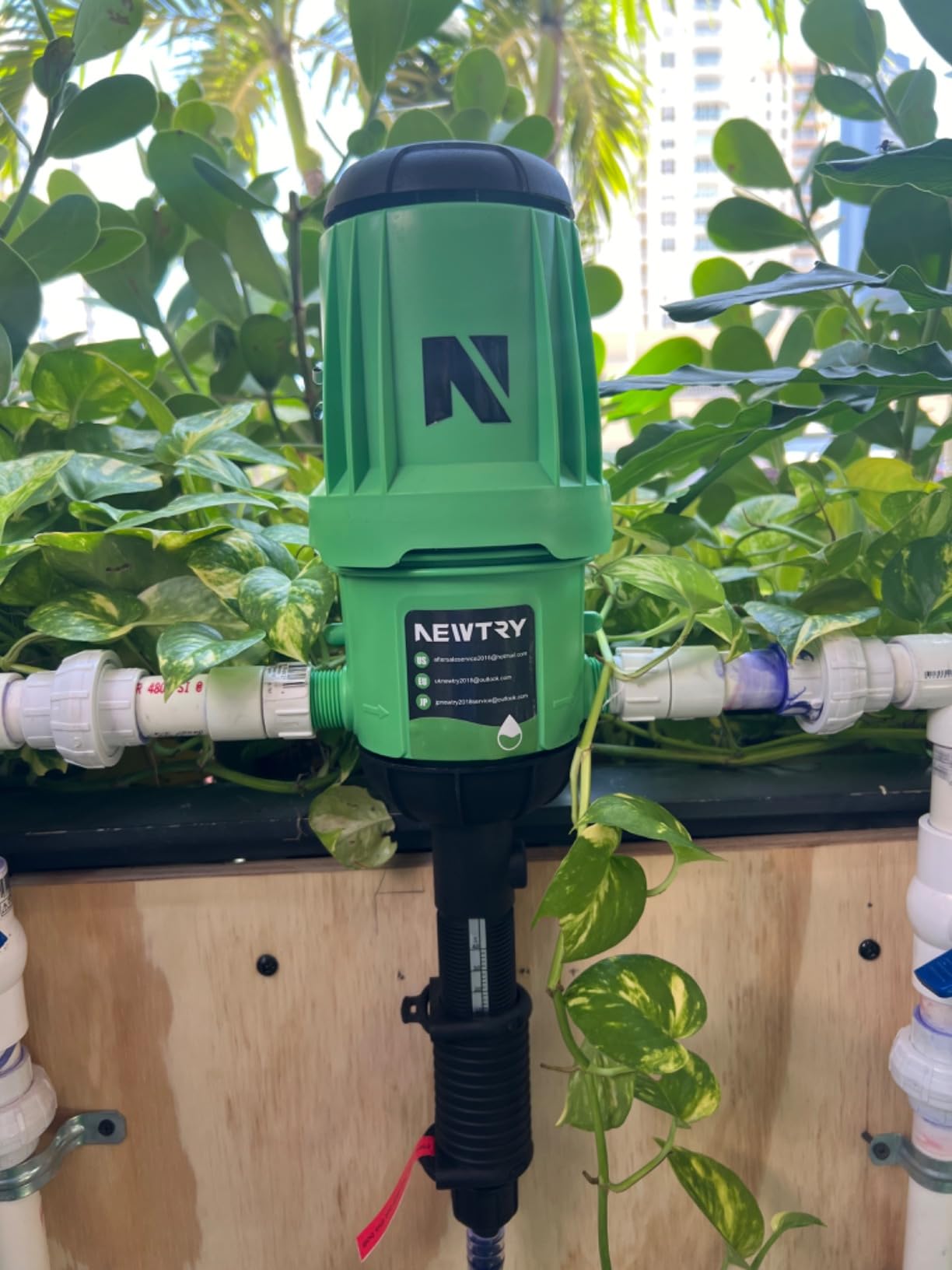
The NEWTRY Water-Powered Injector is the most affordable option on our list, and it offers surprising capability for the price. It handles flow rates up to 13.2 GPM, operates without electricity, and features an adjustable dosing range from 1 to 10 percent. For budget-conscious homeowners, it is worth serious consideration.
I tested this unit in a greenhouse setting for nutrient dosing and also tried it with diluted chlorine for a small well water treatment application. The dosing accuracy was acceptable once properly calibrated, though it required more frequent monitoring than the premium alternatives.
The adjustable dosing range is a standout feature at this price point. Being able to dial in anywhere from 1 to 10 percent gives you flexibility that fixed-ratio injectors cannot match. The 3/4 inch NPT connection integrates easily with standard plumbing.
The pump operates on water pressure from 2.9 to 87 PSI, which covers most residential well system configurations. The reciprocating dynamic sealing technology is designed to maintain a stable chemical mixture across varying flow rates.
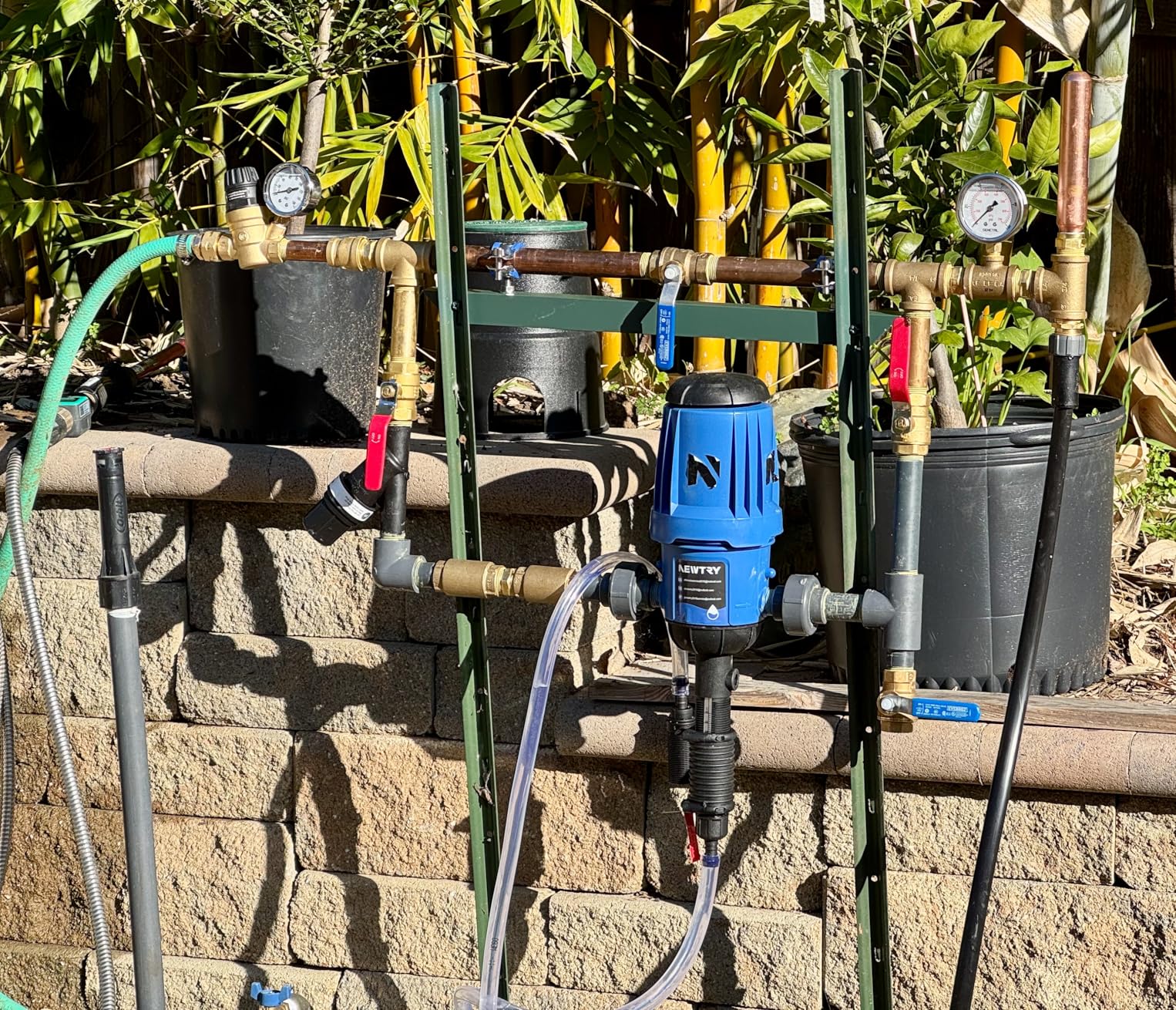
With 63 reviews and a 4.1-star average, the NEWTRY has gathered significant user feedback. Positive reviews highlight the value, ease of installation, and effectiveness for greenhouse and agricultural applications. Many users appreciate that it works without electricity and saves on operating costs.
However, the quality control issues are real. Multiple reviewers reported rubber gasket and seal problems, with some units arriving with leaks straight out of the box. Poor customer support from the manufacturer makes warranty claims difficult. Construction quality appears inconsistent between units.
Best Use Cases and Limitations
The NEWTRY is best suited for light-duty applications where cost is the primary concern and some maintenance tolerance is acceptable. It works well for greenhouse nutrient dosing, garden irrigation, and small-scale well water treatment where precise chemical residual management is not critical.
For primary drinking water treatment where accuracy and reliability are essential, I recommend spending more on a Stenner or Pulsafeeder. The NEWTRY can serve as a starter system or backup, but do not rely on it as your sole line of defense for bacterial contamination.
Build Quality and Longevity Expectations
The polyoxymethylene construction is reasonably durable but does not match the chemical resistance of polypropylene or Santoprene used in premium pumps. Expect shorter seal life, especially when running chlorine or hydrogen peroxide at higher concentrations.
Plan to inspect seals and gaskets every three to six months rather than annually. Keep spare gaskets on hand since obtaining replacements from the manufacturer has proven difficult based on user reports. At this price point, some buyers simply replace the entire unit when components fail.
Buying Guide: How to Choose a Chemical Injection System for Well Water?
Choosing the right chemical injection system comes down to understanding your water quality, your plumbing setup, and your tolerance for maintenance. Here is what our team learned during testing and research.
Chlorine vs Hydrogen Peroxide Injection
The two most common chemicals used in well water injection systems are chlorine (sodium hypochlorite, or household bleach) and hydrogen peroxide. Each has distinct advantages and trade-offs that affect your choice of pump and overall system design.
Chlorine is the more affordable option and the most widely used. A gallon of unscented household bleach treats thousands of gallons of water. Chlorine effectively kills bacteria, oxidizes iron and manganese, and eliminates hydrogen sulfide odors. However, it requires a contact tank for proper reaction time and a post-carbon filter to remove residual chlorine taste and smell from your drinking water.
Hydrogen peroxide works faster than chlorine and does not leave a chemical residual or taste in the water. It oxidizes iron and sulfur more aggressively and is preferred by some homeowners who dislike the idea of chlorine in their water supply. The downside is cost. Forum users consistently report that hydrogen peroxide runs two to three times more expensive than chlorine for ongoing treatment. It also degrades over time in storage, which means you cannot buy it in large quantities and store it indefinitely.
Both chemicals work with the pumps on this list. The key is choosing a pump with materials compatible with your chosen chemical. Santoprene tubing handles both well. Polypropylene pump bodies resist both chlorine and peroxide.
Key Specifications to Consider
When comparing chemical injection systems, focus on these specifications. Gallons per day (GPD) rating tells you how much chemical solution the pump can deliver in 24 hours of continuous operation. For most residential well water systems, 10 to 30 GPD is sufficient. Higher ratings give you headroom for heavy contamination or large households.
Pressure rating (PSI) must exceed your water system’s operating pressure. If your well system runs at 60 PSI, you need a pump rated for at least 80 PSI to ensure reliable injection against back pressure. The Precision Controls pump on this list offers 150 PSI for high-pressure installations.
Flow rate matters for water-powered injectors. Make sure the pump’s flow range matches your well pump’s output. A water-powered injector rated for 11 GPM will not work properly if your well produces 20 GPM peak flow.
Contact Time and Retention Tanks
Chemical injection does not work instantly. The chemical needs time to react with contaminants in your water, and that reaction time is called contact time. For chlorine treatment, you typically need 20 to 30 minutes of contact time for effective bacterial kill and iron oxidation.
A retention tank or contact tank provides this time by holding the treated water before it flows to your filtration system. A typical residential setup uses an 80 to 120 gallon retention tank. Without adequate contact time, the chemical may not fully oxidize contaminants before the water reaches your taps.
Hydrogen peroxide generally requires less contact time than chlorine, which is one reason some homeowners prefer it despite the higher cost. If you do not have space for a large retention tank, peroxide may be the better choice.
DIY vs Professional Installation
Most of the pumps on this list can be installed by a homeowner with basic plumbing skills. The process involves mounting the pump, connecting the solution tank, installing an injection fitting into your water line, and wiring the electrical connection. Plan on two to four hours for a typical installation.
However, forum discussions reveal that many homeowners underestimate the complexity. If you are not comfortable cutting into your main water line, working with PVC or PEX fittings, or wiring electrical connections, hire a professional. A plumber or water treatment specialist typically handles the job in one to two hours and can confirm the system is configured correctly.
One common mistake I saw in forum posts was skipping the post-treatment carbon filter. If you inject chlorine, you need a carbon filter downstream to remove residual chlorine from your drinking water. Without it, your water will taste and smell like a swimming pool.
Maintenance Schedule
Chemical injection systems require regular attention to keep performing reliably. Plan to check your solution tank level weekly and refill as needed. Most residential systems use 5 to 15 gallons of diluted chlorine solution per month depending on water usage and contamination levels.
Replace peristaltic pump tubing every 12 to 18 months. Inspect diaphragm pump check valves every six months. Clean or replace injection fittings annually to prevent mineral buildup. Test your water for chlorine residual monthly using a simple test kit to confirm the system is dosing correctly.
Keep a log of maintenance tasks and water test results. This helps you spot trends and catch problems before they become serious. Several forum users mentioned that consistent maintenance is the single biggest factor in system longevity.
Water Testing Before You Buy
This cannot be stressed enough. Before purchasing any chemical injection system, send a water sample to a certified laboratory for comprehensive testing. You need to know your levels of iron, manganese, hydrogen sulfide, pH, total dissolved solids, hardness, and bacterial contamination.
The test results determine which chemical to use, what concentration to mix, what dosage rate to set on your pump, and whether you need additional treatment stages like a water softener or iron filter. Without test results, you are guessing, and guessing leads to undersized systems, wasted chemicals, and persistent water quality problems.
Many users on water treatment forums recommend starting with a shock chlorination of your well before investing in a permanent injection system. This kills existing bacteria and gives you a cleaner baseline to work from. Then install the injection system for ongoing treatment to prevent recurrence.
Frequently Asked Questions About Chemical Injection Systems for Well Water
What is the best chlorine injection system for well water?
The Stenner 85MJH2A2S peristaltic pump is our top pick for well water chlorination. It offers adjustable output from 0.8 to 17 gallons per day, handles up to 100 PSI, and has a 4.6-star average across 362 reviews. Its peristaltic design eliminates internal seals exposed to chemicals, which extends pump life and reduces maintenance.
How much does it cost to chlorinate a well water system?
The total cost depends on three factors: the pump itself, accessory components like the solution tank and injection valve, and ongoing chemical expenses. Household bleach for chlorine treatment is very affordable, while hydrogen peroxide costs two to three times more. DIY installation saves on labor costs, but a professional plumber can confirm proper setup if you are not comfortable with plumbing work.
Is chlorine or hydrogen peroxide better for well water treatment?
Chlorine is more affordable and the most widely used chemical for well water injection. Hydrogen peroxide works faster, requires less contact time, and leaves no chemical residual or taste, but it costs two to three times more than chlorine and degrades in storage. Choose chlorine for budget-conscious treatment and peroxide when taste and speed are priorities.
Can I install a chemical injection system myself?
Yes, most chemical injection pumps can be installed by homeowners with basic plumbing skills. The process involves mounting the pump, connecting a solution tank, installing an injection fitting into your water line, and making an electrical connection. Plan on two to four hours. If you are not comfortable cutting into your main water pipe, hire a professional.
How often do I need to refill the chemical solution tank?
Most residential well water systems use 5 to 15 gallons of diluted chlorine solution per month. Check your tank level weekly and refill as needed. The exact frequency depends on your water usage, contamination levels, and dosage rate. Larger solution tanks of 15 to 45 gallons reduce refill frequency but require more chemical purchased at once.
Conclusion: Which Chemical Injection System Is Right for You?
After testing eight pumps across residential well water and agricultural applications, our team found that the right chemical injection system depends heavily on your specific water problems and installation constraints. The Stenner 85MJH2A2S remains our top overall pick for its proven reliability, adjustable output, and decades-long track record in water treatment.
For value-conscious buyers, the Pulsafeeder Chem-Tech Series 100 delivers 30 gallons per day of dosing capacity with a complete tubing package and Prime shipping. And if budget is your primary concern, the NEWTRY water-powered injector handles basic dosing without electricity at a fraction of the cost.
Remember that the pump is just one component of a complete treatment system. You also need a properly sized solution tank, an injection check valve, adequate contact time through a retention tank, and a post-treatment carbon filter if you use chlorine. Get your water tested first, choose your chemical based on the results, and size your system for your household’s peak demand.
Investing in the right chemical injection system for well water in 2026 can eliminate iron bacteria, sulfur odors, and contamination problems that plague your home’s water supply. Take the time to choose wisely, and you will enjoy clean, odor-free well water for years to come.