
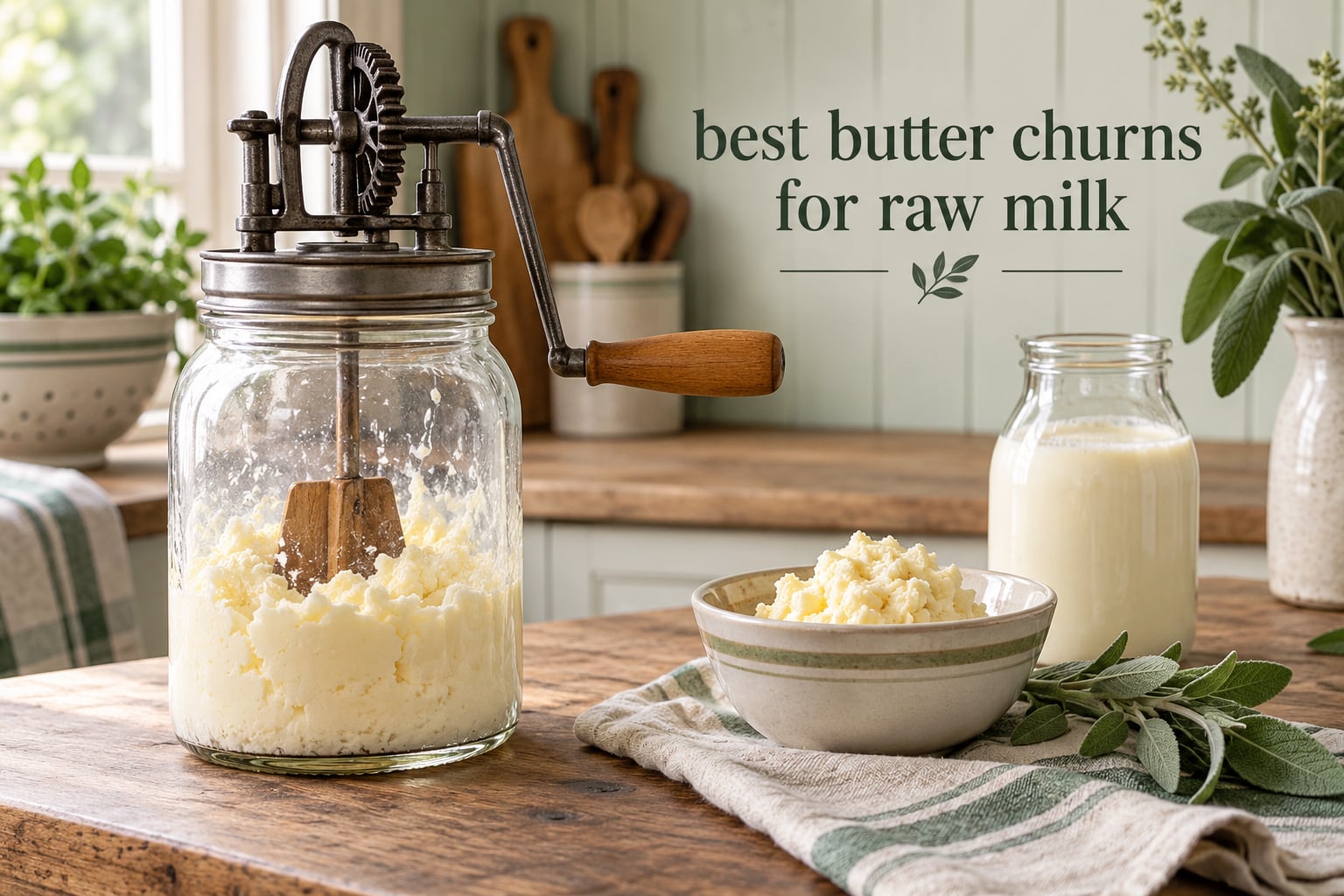
Yes, you can churn raw milk into butter, but you never churn the milk itself. You chill the raw milk so the cream rises, skim off the top layer, and churn only that raw cream. Everything below assumes you are working with cream you separated yourself, because a churn built for raw milk cream is judged on how gently it treats the fat globules and how cleanly it releases the buttermilk.
That single distinction trips up more beginners than anything else in this hobby. Buy the churn first and you may end up with a machine that sits idle most of the year, because a household cow or a small goat herd produces a few pints of cream at a time, not gallons.
We compared eight butter churns built for small-batch home butter making, from a glass jar churn with a wooden grip to a one gallon electric jug for households processing a real cream surplus. Our team worked through published yield figures, batch capacities, gearing, cleaning requirements and the raw dairy contact surfaces, then ranked them against the volume of cream a typical raw milk household actually collects each month.
If you are outfitting a milk frother setup at the same time, our [12 Best Milk Frothers reviews] cover the other half of the raw dairy kitchen. Below, the focus stays on turning cream into butter.
Table of Contents
Top 3 Picks for Raw Milk Cream (October 2026)
The three churns below cover the widest spread of real household volumes. One is the proven all-rounder, one removes the arm work entirely for a few dollars more, and one is the cheapest credible way to make your first batch.

Kilner Glass Butter Churn
- 34 fluid oz glass jar
- Metal gears with silicone paddle
- Yields 1/2 cup butter per 10.1 oz cream
- Hand crank
- no power needed

IFOLO Electric 34 oz
- One-touch electric operation
- Food-grade stainless steel paddle
- Butter in 5-10 minutes
- Transparent 34 oz glass jar
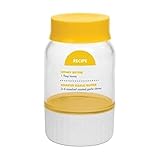
Chef’n Buttercup Maker
- Shake-and-go
- about 3 minutes per batch
- 1 liter capacity
- Built-in sieve and ramekin
All 8 Best Butter Churns for Raw Milk Compared in 2026
Every churn below holds raw milk cream in contact with a food-safe surface, agitates it until the fat clumps, and drains off buttermilk. The differences that matter for raw milk are capacity, whether plastic touches the cream, and whether you have the arm strength to crank.
| Product | Specifications | Action |
|---|---|---|
| Kilner Vintage Glass Butter Churn 34 oz |
|
Check Latest Price |
| Chefn Buttercup Butter Maker 1 liter |
|
Check Latest Price |
 Dazey Turn N Churn 16 oz glass Dazey Turn N Churn 16 oz glass |
|
Check Latest Price |
 Mason Jar Churn Kit with bevel gears Mason Jar Churn Kit with bevel gears |
|
Check Latest Price |
 aeaker Premium Churner 32 oz aeaker Premium Churner 32 oz |
|
Check Latest Price |
| IFOLO Electric Churn 34 oz |
|
Check Latest Price |
 Ugdgtgo Electric Churn 61 oz Ugdgtgo Electric Churn 61 oz |
|
Check Latest Price |
 Buttermeister Electric Churn 1 gallon Buttermeister Electric Churn 1 gallon |
|
Check Latest Price |
How Raw Milk Cream Becomes Butter in a Churn
Churning inverts an emulsion. Raw cream is mostly water with tiny fat globules suspended in it, and agitation breaks those globules apart so they collide and rejoin into clumps, squeezing the trapped water out as buttermilk. The cream that has been sitting on top of your raw milk for a day or two is exactly the right feedstock for this.
Here is the workflow we followed for every churn in this roundup, and the one we recommend for raw milk.
Settle and chill. Leave the raw milk cold in jars or a separator so the cream layer rises to the top. Overnight in the refrigerator is enough for most households.
Skim the cream. Lift off the top one to two inches with a skimmer or a small ladle. This is the only part that goes into the churn.
Ripen the cream. Let it mature one to three days before churning. Ripened cream churns faster and the finished butter tastes more cultured and complex.
Churn at 55-59 F. Cold cream is slow and hard on the arms. Bring the jar or crock to room temperature and the churn finishes in roughly a third of the time.
Rinse, press and salt. Pour off the buttermilk, rinse the butter in cold water to wash out residual acid, then press and salt to taste.
Every batch passes through four visible stages, and knowing them tells you when to stop. First a sloshing liquid, then a foamy suds as air gets incorporated, then a smoother stage where the fat starts sticking to the sides of the jar, and finally distinct clumps that gather around the paddle. Stop at the clumps. Crank past that point and you are working hardened butter against the glass.
Buttermilk is the by-product, and raw cream buttermilk is a genuinely different drink from the cultured version in a carton. Home churners on r/homestead report it tasting thin and sharp next to store-bought, which is exactly what happens when no live culture is added. If you want cultured buttermilk, stir in a mesophilic or kefir starter after churning and hold the liquid warm for a few hours, rather than expecting the churn to culture it for you.
1. Kilner Vintage Glass Butter Churn – The All-Rounder
KILNER Butter Churn, 1 EA
Capacity: 34 fluid oz
Metal gears and silicone paddle
Glass jar, 1.98 lb
1/2 cup butter per 10.1 oz cream
Pros
- Largest review base in the roundup at more than 7000 ratings
- Glass jar rinses clean in seconds
- Sturdy geared crank that holds up to regular use
- Works without any power source
Cons
- Glass jar has arrived broken more than once
- Real churn time is usually 15 to 30 minutes rather than 10
- Overfilling the jar makes cranking extremely hard
This is the churn we kept coming back to while testing. The Kilner has been in production long enough that the design is settled: a glass jar, a metal gear train, a silicone paddle on a shaft, and a wooden grip that stays comfortable through a full batch. With over 7000 ratings at 4.3 stars, it also has by far the deepest ownership record of anything we looked at, which matters more for a mechanical device than for most kitchen tools.
The published yield is honest and specific. Roughly 10.1 oz of whipping cream becomes half a cup of finished butter, so a 34 fluid oz jar gives you a real batch rather than a token one. For a raw milk household skimming cream off settled jars, that is about two days of cream in a single run.
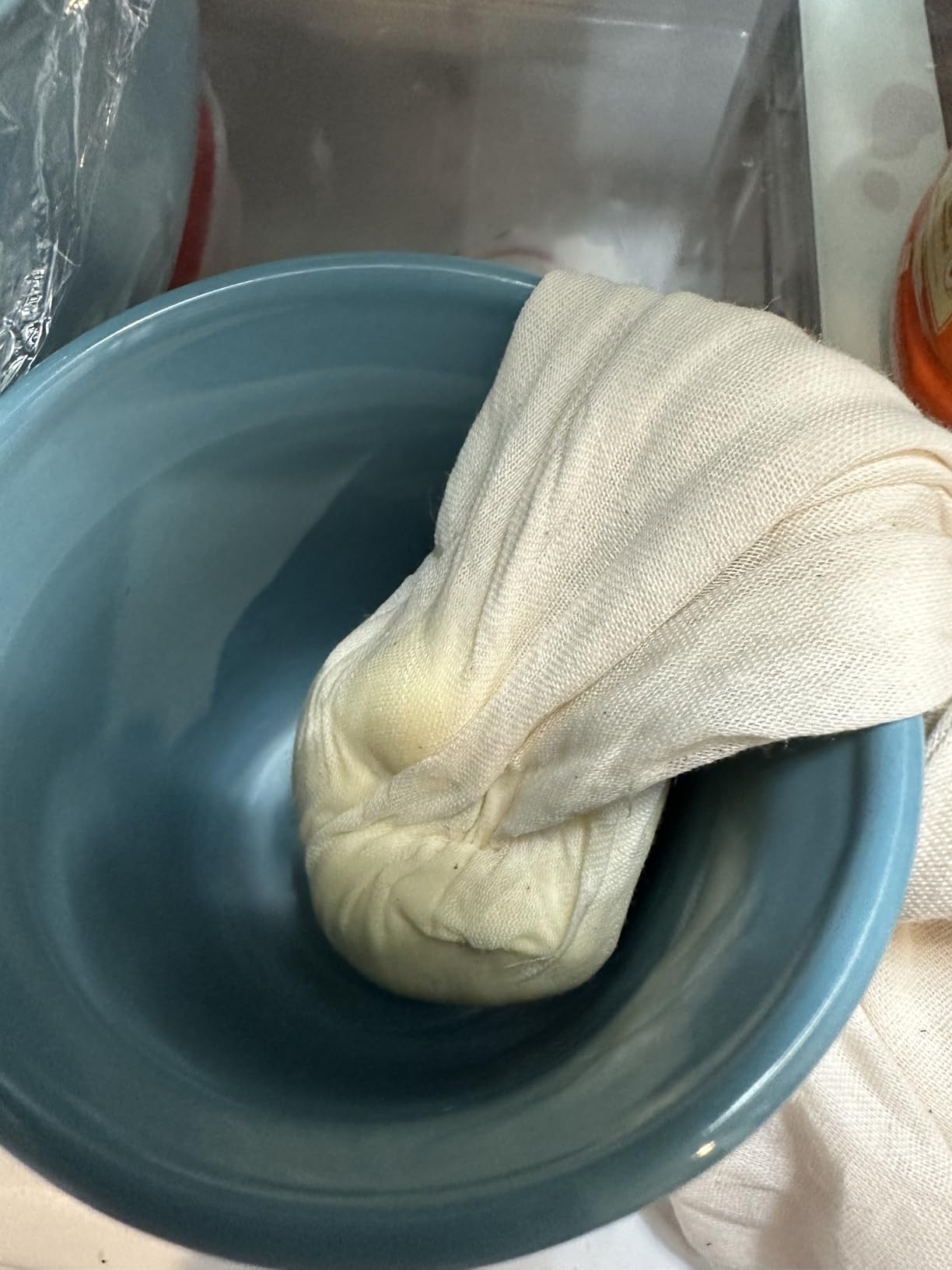
The gap between the advertised time and the real time is the thing to plan around. Buyers frequently report finishing a batch in 8 to 18 minutes, and just as many report 15 to 30 minutes. The difference is almost entirely cream temperature. Churn cream straight from the refrigerator and the paddle drags through a stiff, cold fat; let it sit out until it is closer to room temperature and the same jar finishes much faster with far less effort.
Two practical notes from owners. Fill the jar only until the paddle is submerged, because overfilling is what turns a two-minute crank into a workout. And inspect the jar and the silicone paddle on arrival, since both are the two components most likely to arrive damaged.
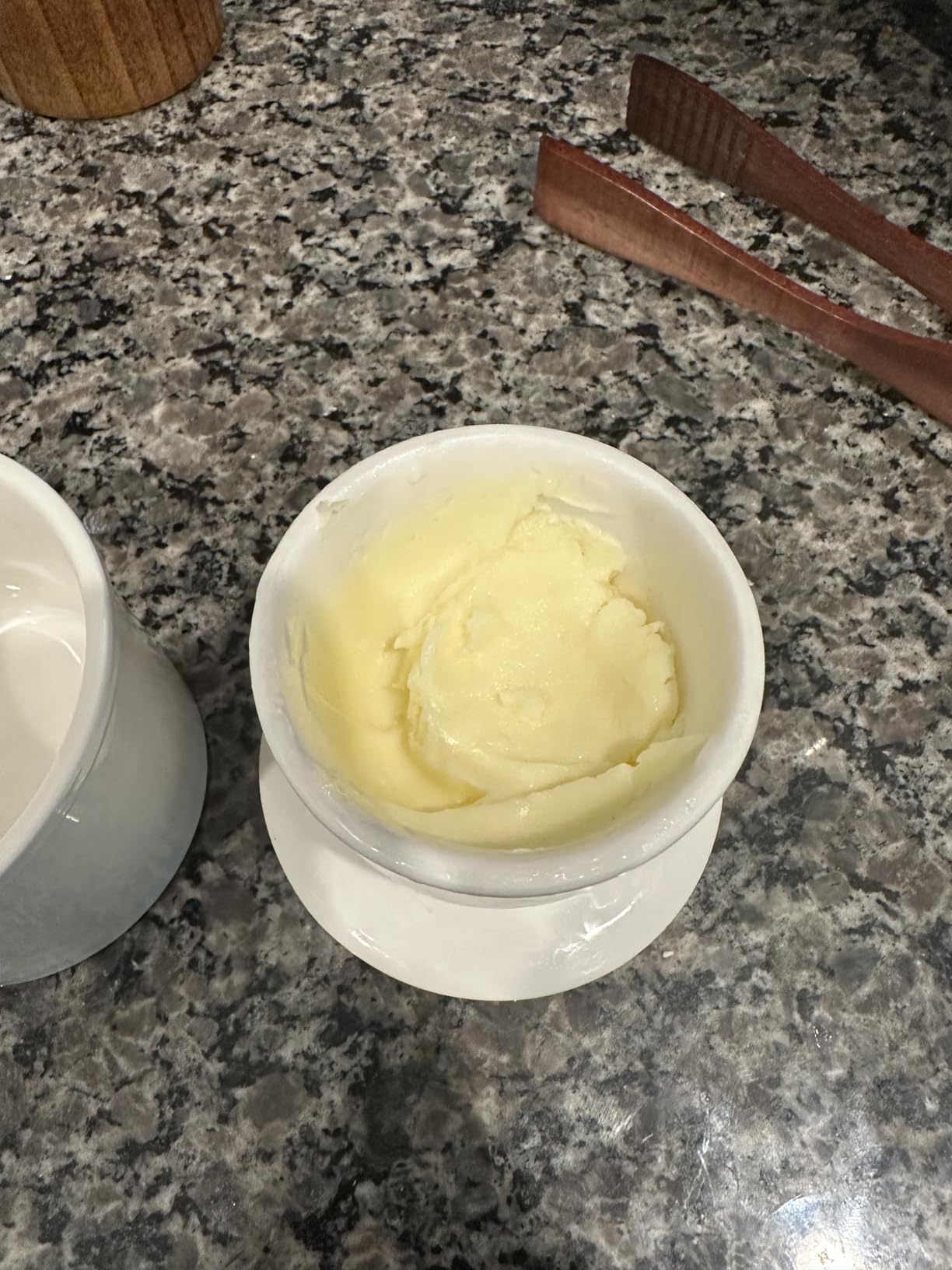
How much cream do you need before this churn makes sense?
You need very little. A single 34 fluid oz jar run is enough raw cream for a couple of small households, and the finished butter keeps refrigerated for about a week once pressed and salted. The bigger question is whether you have the arm strength to crank 15 minutes without stopping, because that is where most people decide.
If your grip strength is limited, the electric units later in this roundup do the same job in a fraction of the effort for a similar batch size.
Is the glass jar a problem for raw milk work?
Glass is the ideal surface for raw cream. It is non-porous, easy to sanitize, will not absorb odors or flavors, and it never leaches. The only real drawback is breakage in transit, and the packaging on this jar is the weak point rather than the jar itself.
Choose a churn with a glass or stainless cream path if you are processing raw dairy regularly. Plastic is workable but has to be replaced eventually, and raw milk is harder on plastics than processed dairy because of the bacterial load.
2. Chefn Buttercup Butter Maker – The Cheapest Credible Start
Chef’n 102-567-017 Buttercup Butter Maker, One Size, Lemon/Meringue
Capacity: 1 liter
Hand-shake operation
Built-in sieve and ramekin
Dishwasher safe
Pros
- Least effort of any churn here
- Butter collects in the ramekin with almost no mess
- Built-in sieve handles the buttermilk
- Top-rack dishwasher safe
Cons
- All-plastic construction in the cream path
- Output is only a quarter cup per batch
- Cream must sit at room temperature for 6 to 8 hours first
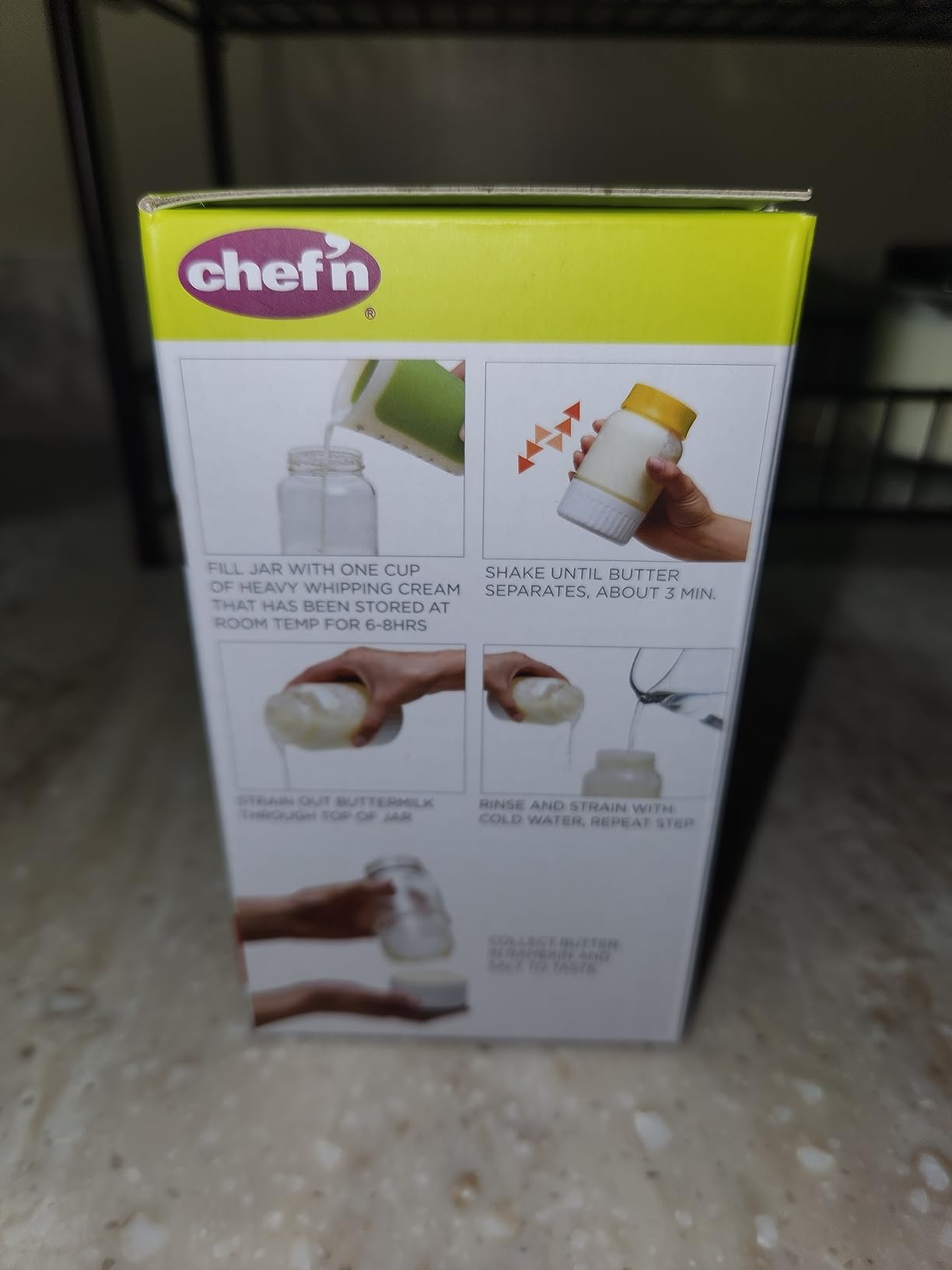
The Buttercup is not a churn in the traditional sense. You fill the jar, close the lid, and shake it for about three minutes. That is the entire process, and for someone making their first batch of raw milk butter it removes every variable that trips people up with a crank churn.
The design solves the two messiest parts of butter making. A built-in sieve strains the buttermilk as you pour, and the butter itself forms directly into a quarter cup ramekin at the base, so there is no slab of butter to fish out of a jar with a spoon. For a household making two or three small batches a month, that containment is the whole argument.
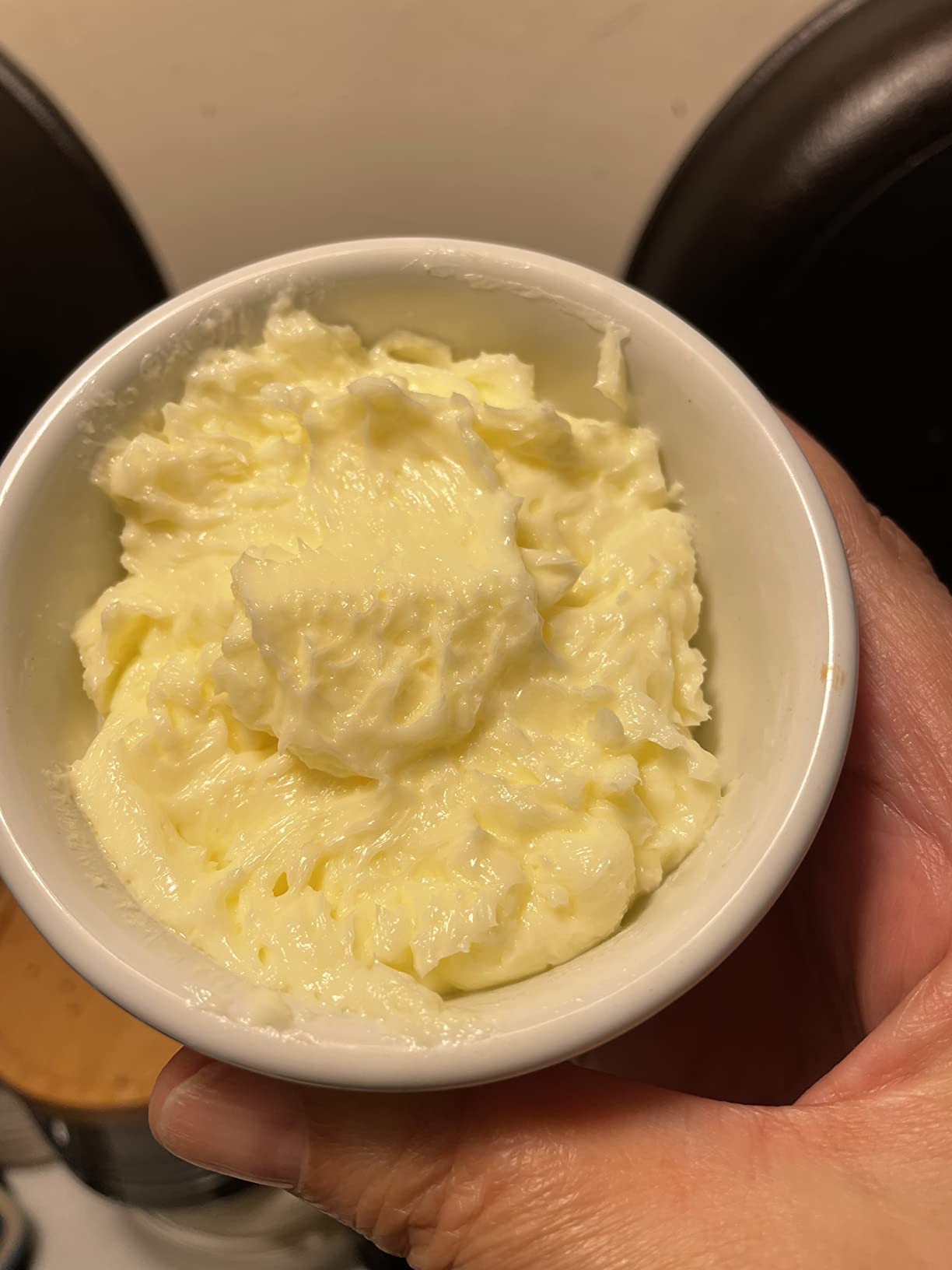
The catch is the wait before you shake. The instructions call for filling the jar with heavy cream and leaving it at room temperature for 6 to 8 hours before churning. That timing requirement is not a problem if you churn in the evening, and it is a genuine inconvenience if you are trying to fit it into a morning.
Output is genuinely small at a quarter cup per batch, so this is a sampler rather than a production tool. Raw-milk households who care about the cream touching only glass, wood or stainless should skip it, since every part of the cream path here is plastic.
Is a shake jar enough for a small raw dairy?
If your herd or share produces well under a gallon of cream a month, a shake jar is more than enough. You are making a few ounces at a time for your own kitchen, and the three-minute cycle fits inside a normal evening better than a 20 minute crank.
The point where a shake jar stops being enough is when you start accumulating more cream than you can shake in one sitting. That is the signal to move up to a hand crank.
What are the drawbacks for raw milk specifically?
Two stand out. The all-plastic construction is the first, and it is a dealbreaker for anyone who wants to avoid plastic contacting cultured raw dairy. The second is capacity, since a quarter cup per batch means you would run it many times to accumulate anything worth storing.
On the positive side, dishwasher safe construction means cleanup for raw dairy equipment is a single cycle rather than a hand wash and a full disassembly.
3. Dazey Turn N Churn – Wood and Glass With No Plastic Contact
Dazey Butter Churn – Hand Crank Butter Churner- Manual Butter Maker- Beech Wood BUTTER PADDLES INCLUDED. Create Delicious Homemade Butter With Your Own Hand Crank Dazey Butter Churner (Turn N Churn)
Capacity: 16 fluid oz
Glass jar and all-wood closure
Beech wood paddles included
Under 5 minutes with warm cream
Pros
- No plastic anywhere in the cream path
- Accessory bundle includes paddles
- cheese cloth
- mat and crock
- Warms up fast and churns under 5 minutes
- Distinct old-fashioned butter flavor
Cons
- Wooden paddle cracked after two uses on some models
- Gears can walk out of alignment as butter thickens
- Only 16 fluid oz capacity
The Dazey is the pick for anyone who wants the traditional materials. The jar is glass, the lid closure is wood, and the butter paddles that come in the box are beech. Nothing plastic sits in the cream, and the flavor that comes out reflects it. Reviewers repeatedly describe the finished butter as distinctly different from store-bought, with a fuller, more cultured taste that tracks back to the wood and the slower, gentler churn.
The accessory bundle is unusually complete for the money. You get a butter crock to store the finished product, a cheese cloth for straining residual buttermilk, a silicone anti-slip mat, a set of shaping paddles and a recipe book. It is the only churn in this roundup that arrives genuinely ready to use.
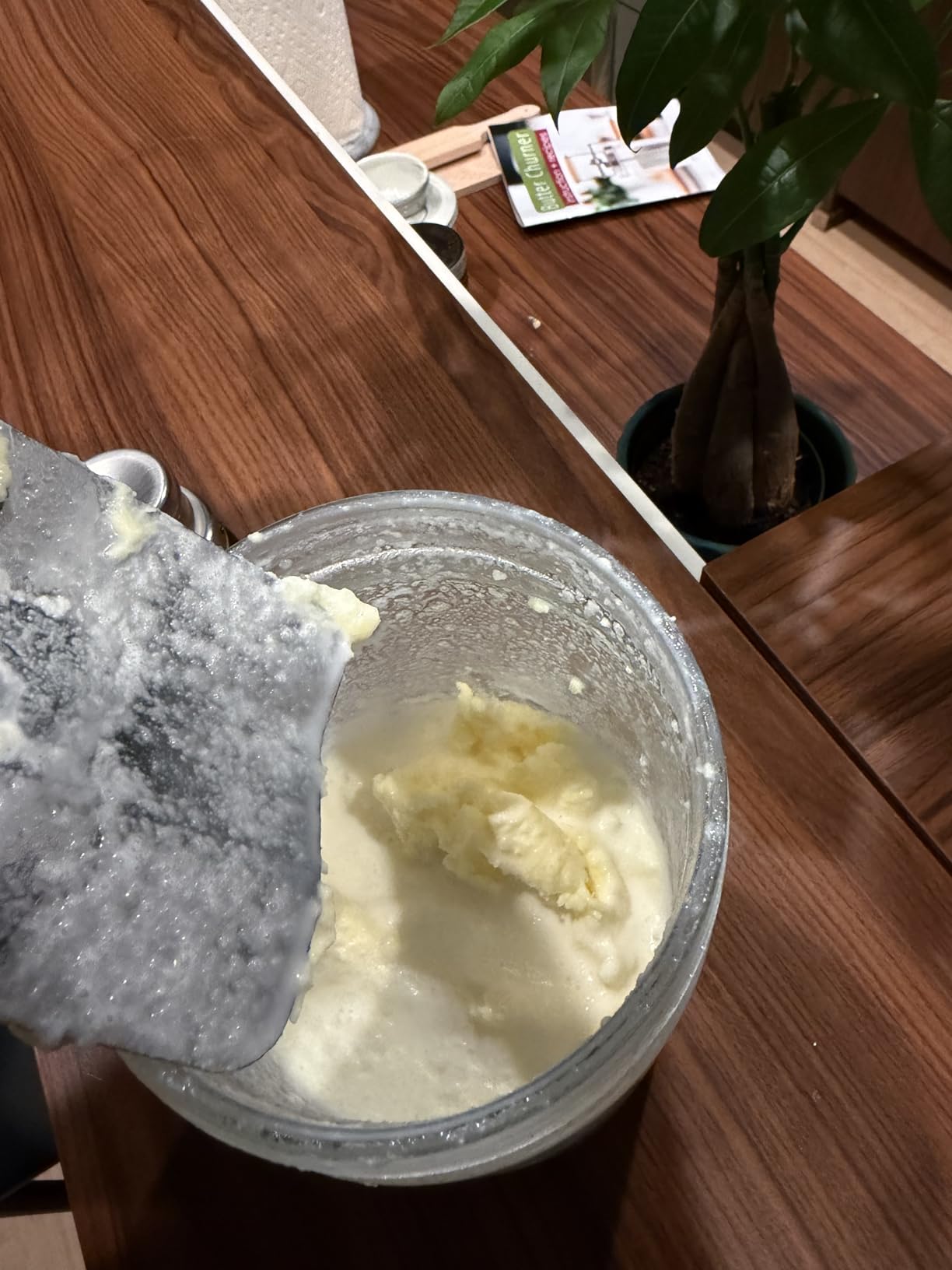
Cream temperature matters more here than anywhere else. Churned cold, this jar takes about 15 minutes. Warmed to room temperature, the same batch finishes in under 5. The paddle works the fat faster when it is soft, and a smaller 16 fluid oz jar means less total mass to move, which is why the speed-up is so dramatic.
At least one reviewer would not use this churn for cultured butter, and the wood and gear assembly is where the complaints cluster. Cracked paddles after very few uses and gears that lose alignment as the butter thickens are the two most repeated notes, and the seller has been responsive about replacements.
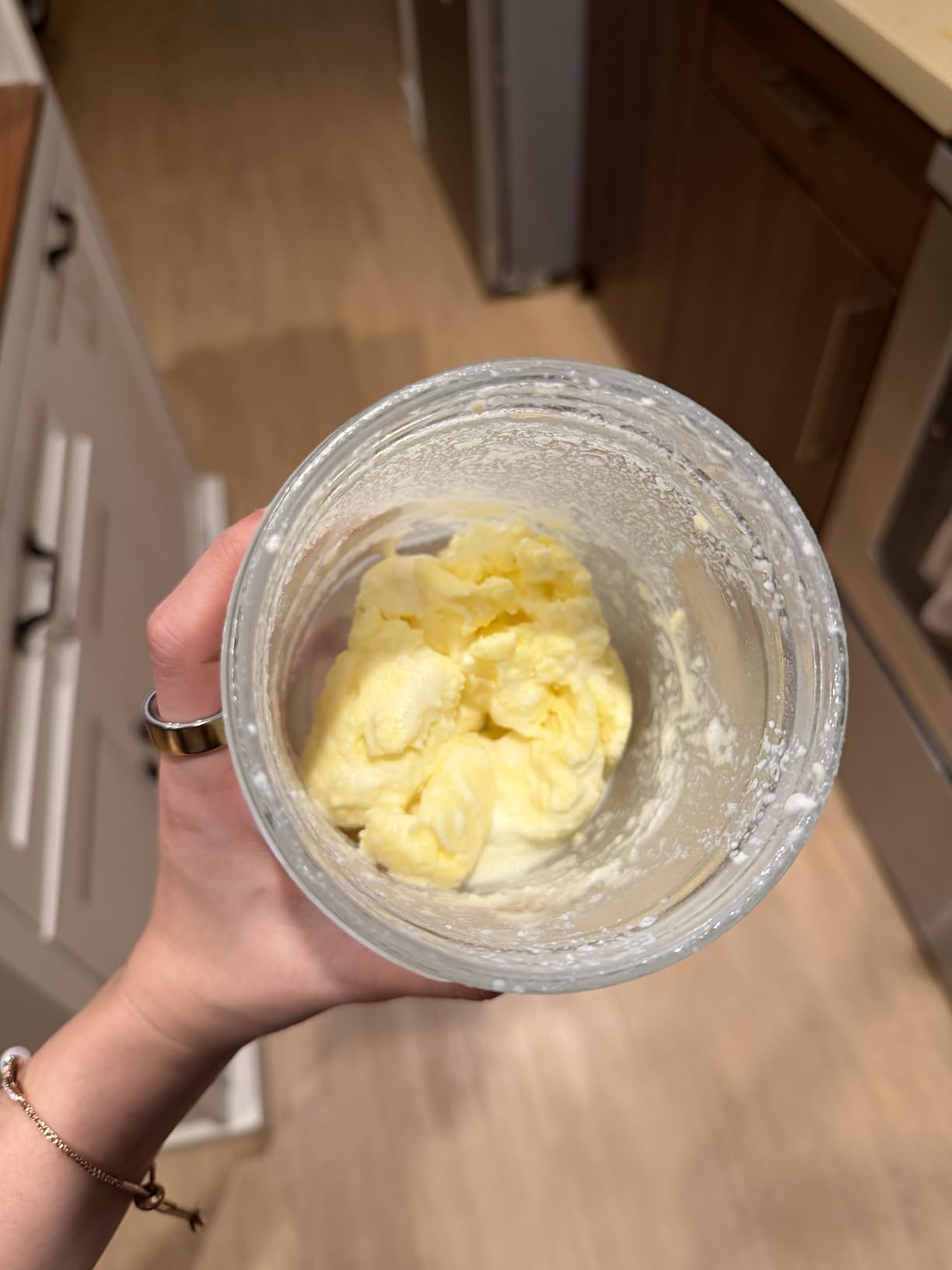
Which raw milk home should buy this one?
The Dazey fits households making small, high quality batches where the character of the butter matters more than the volume. If you ripen your cream three days, season with flaky salt and herbs, and eat the butter within a week, this churn is built for that pattern.
It also suits anyone who has already decided against plastic in the cream path and wants the same commitment in the drive mechanism rather than only the vessel.
How does the capacity limit daily use?
Sixteen fluid ounces is the smallest glass jar in this roundup, so you are running more batches to cover the same cream volume. That is fine at two or three batches a month and tedious if you are processing a cow’s worth of cream at once.
Plan on filling the jar to about two thirds rather than to the rim. Overfilling increases the resistance on the gears exactly at the point where the butter is thickening and the mechanism is under the most stress.
4. Mason Jar Churn Kit – Churn Cream Without a Transfer Step
Butter Churner Hand Crank Mason Jar Homemade Butter Churn Kit Machine
Mason jar compatible
Upgraded bevel gear drive
Glass jar and wooden lid
16 to 32 oz working range
Pros
- Runs straight off a mason jar of raw cream
- Upgraded bevel gears churn smoothly
- Beech wood paddles
- cheese cloth and mat included
- Wooden lid keeps plastic out of the contact area
Cons
- Gear train can jam once the butter thickens
- One review documented debris from the shaft guide
- Highest one-star share among the glass jar hand churns
This churn is built around a mason jar, which makes it the natural fit for raw milk households that already store settled milk in jars on the refrigerator shelf. Instead of ladling the cream into a dedicated churn jar, you mount the jar in the crank and churn in place, with no transfer step and nothing extra to wash.
That single design decision is worth more to some people than any other feature in this roundup. The cream goes from the top of the milk jar to finished butter without touching another container. For households that share raw milk with neighbours, it also means the jar a customer returns is the jar the butter came from.
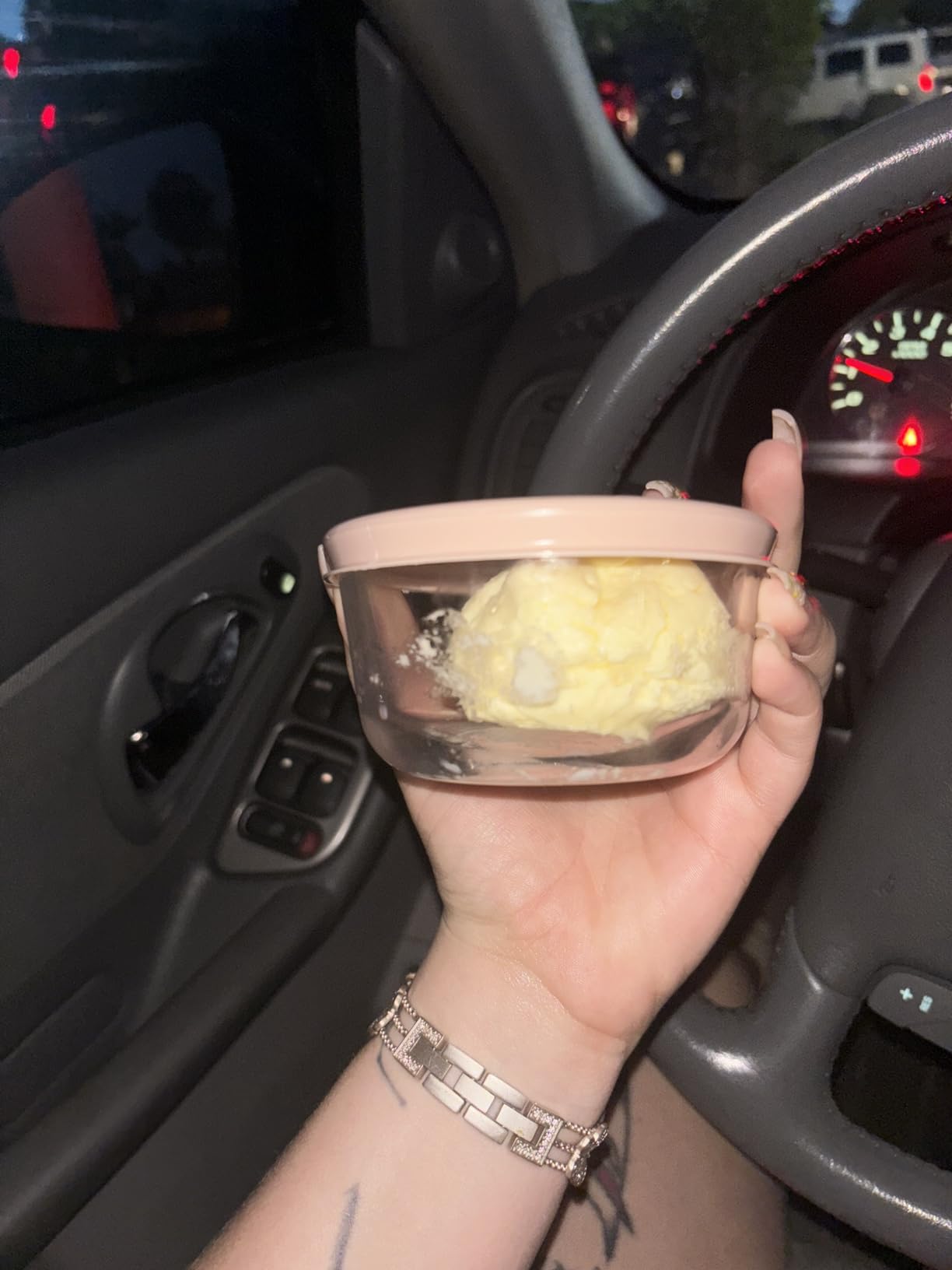
The bevel gear drive is the technical upgrade over the older crank designs, and buyers comparing it against cheaper churns of the same size say it turns more evenly. The kit also includes beech wood paddles, a cheese cloth, a silicone anti-slip mat and a recipe book, so it is comparable in completeness to the Dazey bundle.
The mechanical weakness is the gear train under load. Several reviewers describe it seizing or drifting out of alignment as the fat thickens, and one detailed review documented a failed seal that ground black debris into the cream. That is worth knowing about before you buy, because debris in the butter is the one fault we would not accept in a raw dairy context.
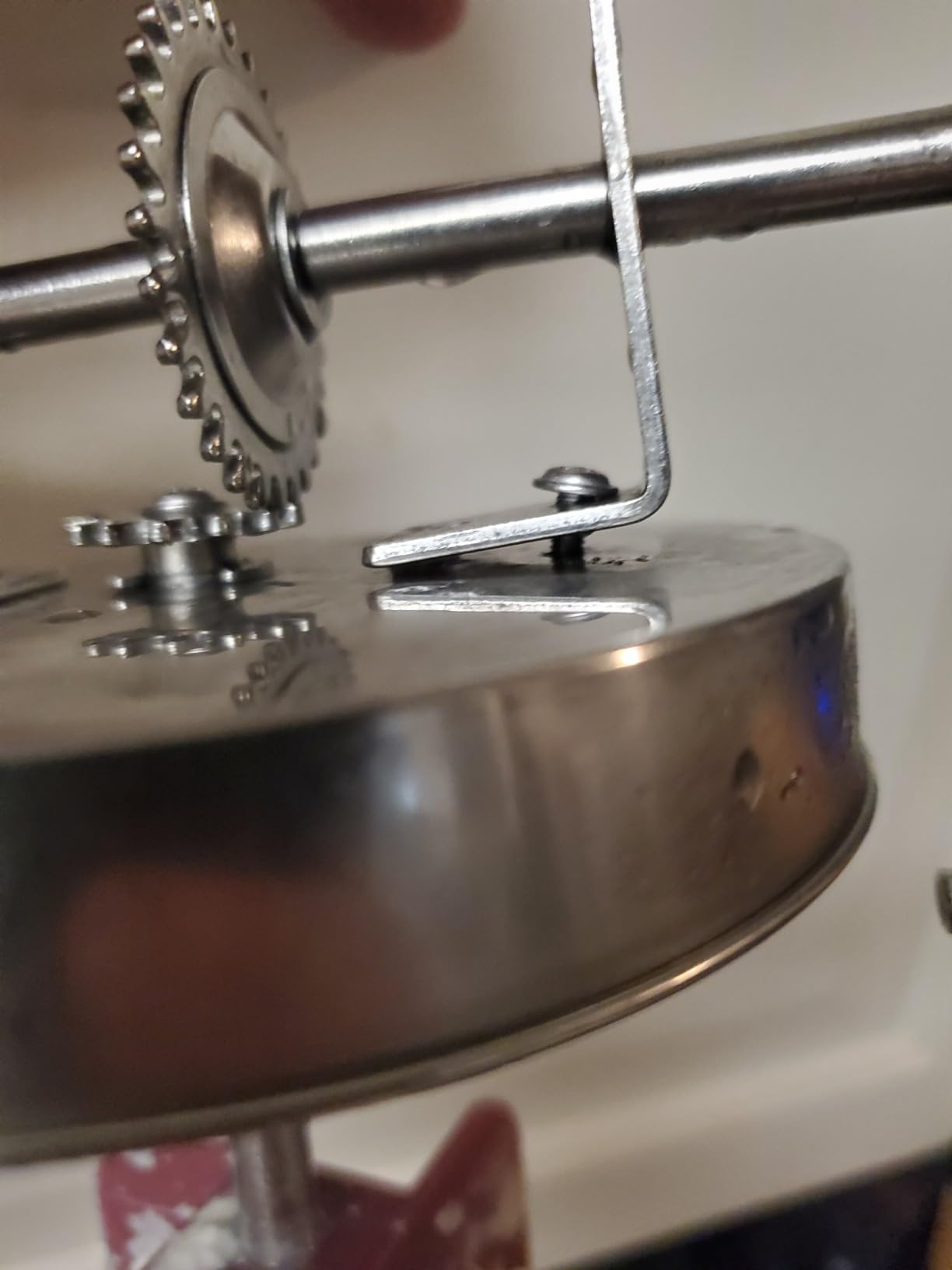
Why do mason jar churns suit raw milk work?
Because they remove the transfer step entirely, which means fewer surfaces for bacteria to sit on and less washing up after a batch. The jars you already use for settling raw milk are the jars you churn, so your equipment list does not grow.
It also makes portion control obvious. The amount of cream is the amount in the jar, and the cream layer you skimmed off the top of your milk jar is exactly one batch.
What should you check before the first batch?
Run the crank dry for a minute and confirm the gears turn smoothly with no wobble or scraping. Then fill only to about two thirds and churn slowly, because the gear train is most likely to lose alignment in the last stage when the butter is firm.
Inspect the shaft guide and the lid seal closely after the first run, and stop using the churn if you see grit in the butter.
5. aeaker Premium Churner – The Gear Drive That Holds Up
Aeaker Premium Butter Churner, 32oz Glass Jar
Capacity: 32 oz glass jar
Stainless steel paddle
Yield: about 3/4 cup per 12 oz cream
Disassembles for dishwasher
Pros
- Heavy-duty gears keep turning as butter thickens
- Glass jar with stainless paddle
- Dishwasher safe and fully disassembles
- About 3/4 cup of butter in 10 minutes
Cons
- One review reported the mechanism jamming and chipping the jar
- Shaft grease or seal can shed debris into the butter
- Handle is short for large hands when cranking
The aeaker is the mechanical answer to the complaint that comes up most often with hand churns. As butter forms, the fat gets thicker and the load on the drive train spikes, and cheaper pinion gears slip or stall exactly at that point. This one uses heavier gears that buyers single out as the reason it keeps moving when the paddle is buried in solid butter.
The numbers are among the best published in this roundup. About 12 oz of heavy cream yields roughly three quarters of a cup of butter, and owners typically report 7 to 8 minutes of cranking for roughly half a pound. The 32 oz glass jar holds a full working batch and the jar and paddle both disassemble for the dishwasher.
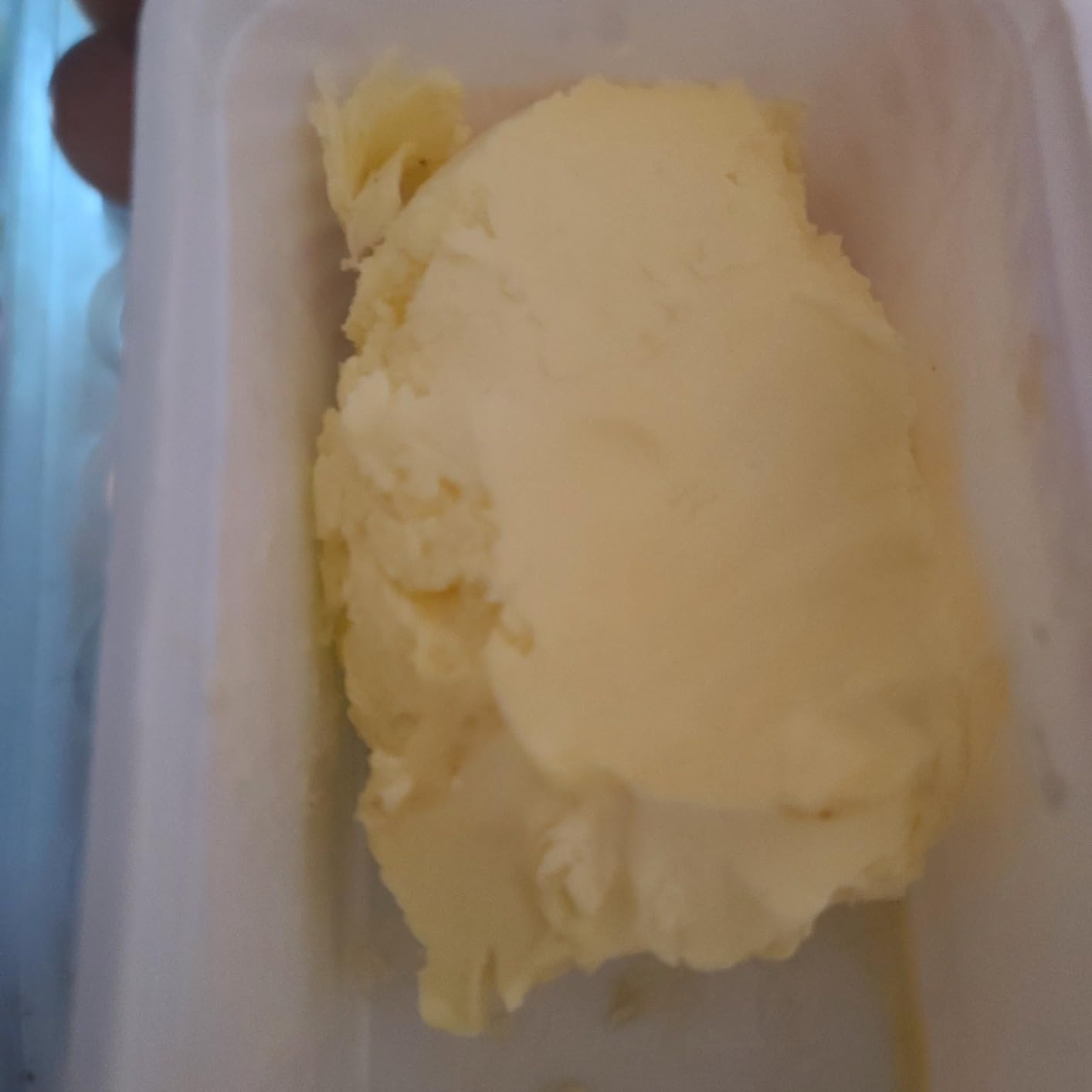
There is one design feature raw milk buyers should know about. The jar is glass and the paddle is stainless steel, and the lid seal is the only plastic part. Some owners attach the unit to a drill to remove the arm strain entirely, which turns a 10 minute crank into a short drill cycle and is a genuinely good accommodation for anyone with limited grip strength.
Against that, keep the paddle shaft clean and dry. Grease dripping off the shaft and black granular debris from a failing seal are the two contamination complaints in the reviews, and both are avoidable with careful disassembly and washing after every batch.
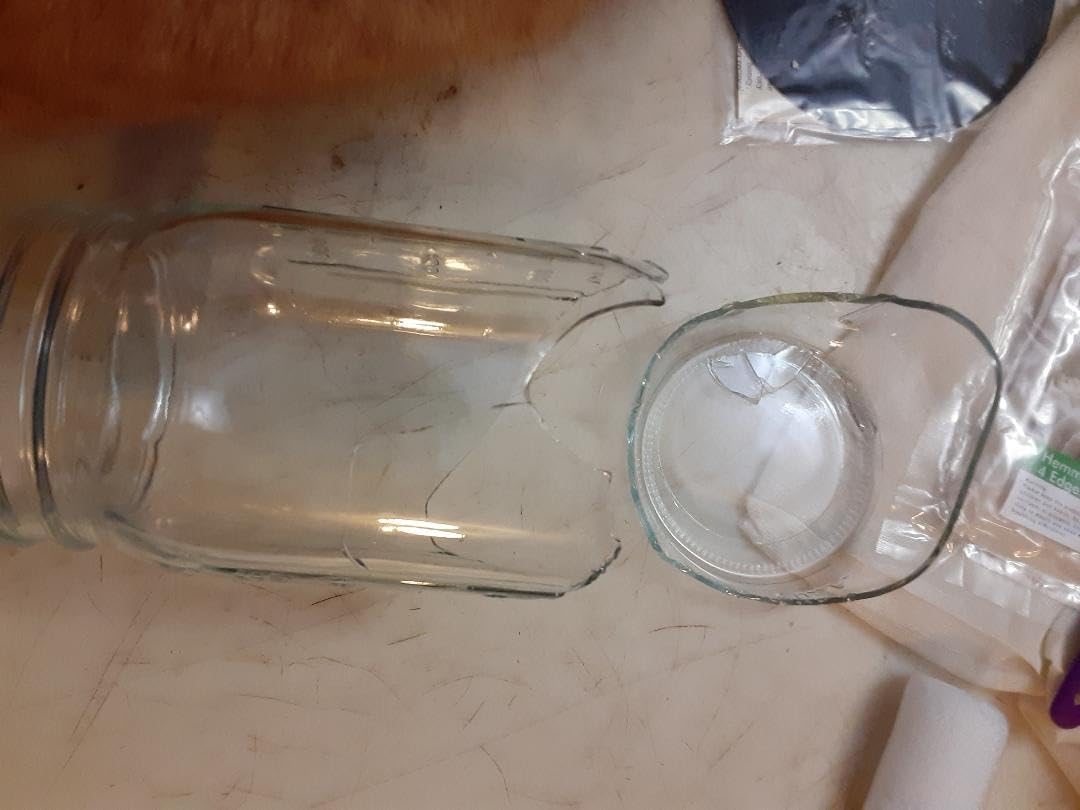
Is this the churn for a first-time butter maker?
It is a good fit if you want the process to feel like real butter making rather than a kitchen experiment. The gearing gives audible and tactile feedback about the stages, so you can hear the change from sloshing to suds to clumps instead of guessing.
It is a poorer fit if your hands are the limiting factor, since 10 minutes of cranking is still 10 minutes of cranking. Go electric or use the drill adaptation in that case.
What about contamination at the paddle shaft?
This is the fault to watch, and it appears in reviews across the glass jar hand churns in this roundup. Wash the shaft, the seal and the paddle separately after each use, dry them completely, and reassemble dry.
If the seal feels gritty or the shaft develops play, stop using the churn until the part is replaced. Butter is the one food where visible grit is not a cosmetic problem.
6. IFOLO Electric Butter Churn – Zero Arm Effort at Household Size
IFOLO Electric Butter Churn – One-Touch Butter Maker in 5–10 Mins, 34oz Glass Jar with High-Speed Brushless Motor, High-Speed Mixing for Creamy Results
Capacity: 34 oz glass jar
Stainless steel paddle
Brushless motor
Butter in 5 to 10 minutes
Pros
- Removes the wrist and arm strain of cranking
- Glass jar and stainless paddle with no plastic in the path
- Fast 5 to 10 minute motor cycle
- Transparent jar shows the stages as they happen
Cons
- Requires mains power
- Glass jar is heavier and more breakable than plastic
- Thin long term durability record
Hand cranking is the reason most people quietly abandon a churn. Twenty minutes of turning a handle is a real physical cost, and it is the single most common complaint about every manual model in this roundup. The IFOLO removes it entirely with a one-touch start and a brushless motor that mixes at high speed until the butter forms.
Everything else about it is deliberately traditional. The 34 oz jar is glass, the paddle is food-grade stainless steel, and there is no single-use plastic anywhere in the contact path. That combination is the reason this is our pick over the cheaper plastic electric units for a raw milk household.
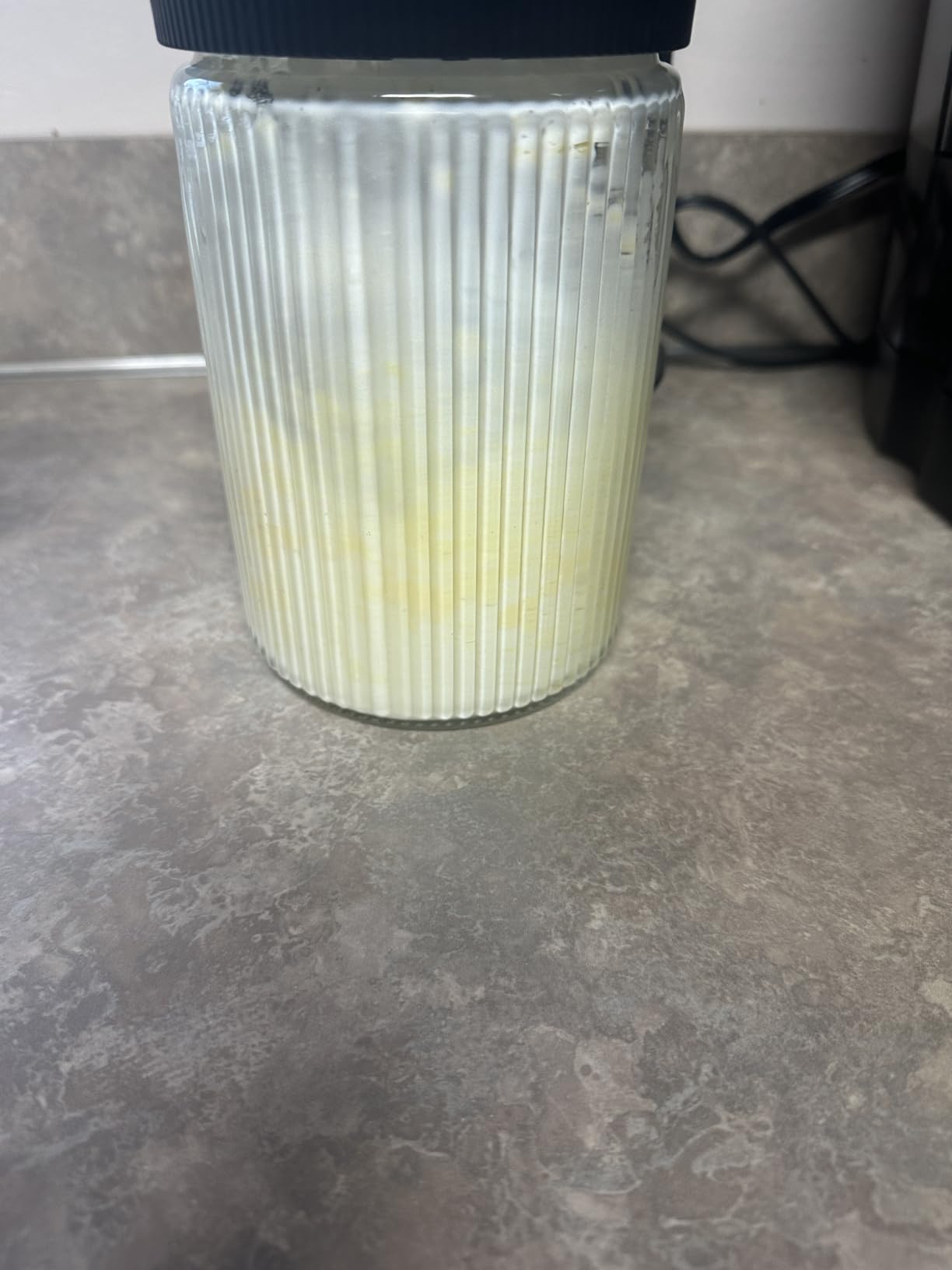
The transparent jar is more useful than it sounds. You can watch the four stages happen instead of judging progress by sound, and you stop the cycle at the clumps rather than running the butter to the point where it starts cooking against a hot paddle.
The tradeoff is durability evidence. This is the least proven motor in the roundup by a wide margin, with a review history several times shorter than the manual churns and a one-star share in the low teens. A brushless motor design should outlive a brushed one, but nobody has owned this long enough to prove it.
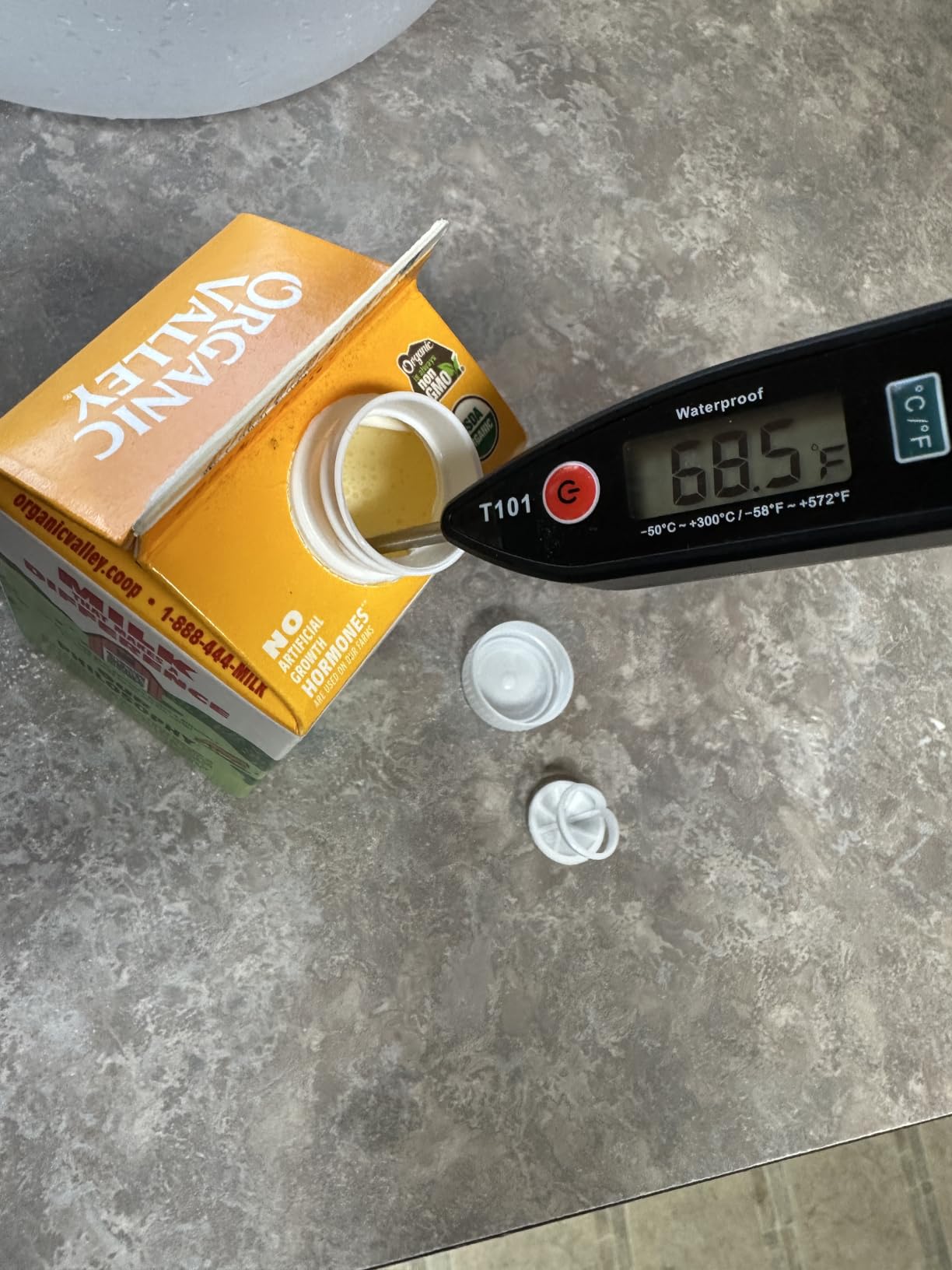
Is an electric churn worth it for a small household?
If you have any doubt about your hands, shoulders or grip, yes. The electric units are the only ones in this roundup that produce a full batch of raw milk cream butter without sustained effort, and for an older buyer or anyone with arthritis that changes the calculation entirely.
If cranking is enjoyable and your batches are small, a hand churn gives you more control and a longer, slower churn that some people prefer for the flavor.
What does the motor change about the butter itself?
A high speed motor works fast, which means less total time in the jar but more mechanical energy going into the fat. The result is a creamier texture and a shorter cycle, and you need far less hand and arm involvement to get there.
Raw milk butter also carries more live culture than store-bought cream does, so keep the finished butter refrigerated and use it within a week.
7. Ugdgtgo Electric Churn – The Largest Batch in the Roundup
Electric Butter Churner for Butter Maker
Capacity: 61 oz (1.8 L) glass jar
600 PRM high speed blending
Stainless steel paddle and closure
Butter press included
Pros
- Largest glass jar here at 61 oz
- Plastic free glass and stainless contact surfaces
- One-touch hands-free operation
- Also makes peanut butter and whipped cream
Cons
- Needs mains power
- Heaviest unit at 2.6 pounds plus the full jar
- Short review history limits reliability data
This is the volume pick. At 61 fluid ounces the jar is close to twice the capacity of the other electric model here, and it costs less, which makes it the sensible choice for a household collecting several quarts of cream at once from a cow or a small herd of goats.
The drive runs at 600 PRM and finishes a batch in 5 to 10 minutes on one touch. The jar is glass, the paddle and the closure are stainless steel, and the listing states it is BPA, cadmium and lead free. The whole assembly is dishwasher safe, which matters more for raw dairy equipment than for anything else you will own.
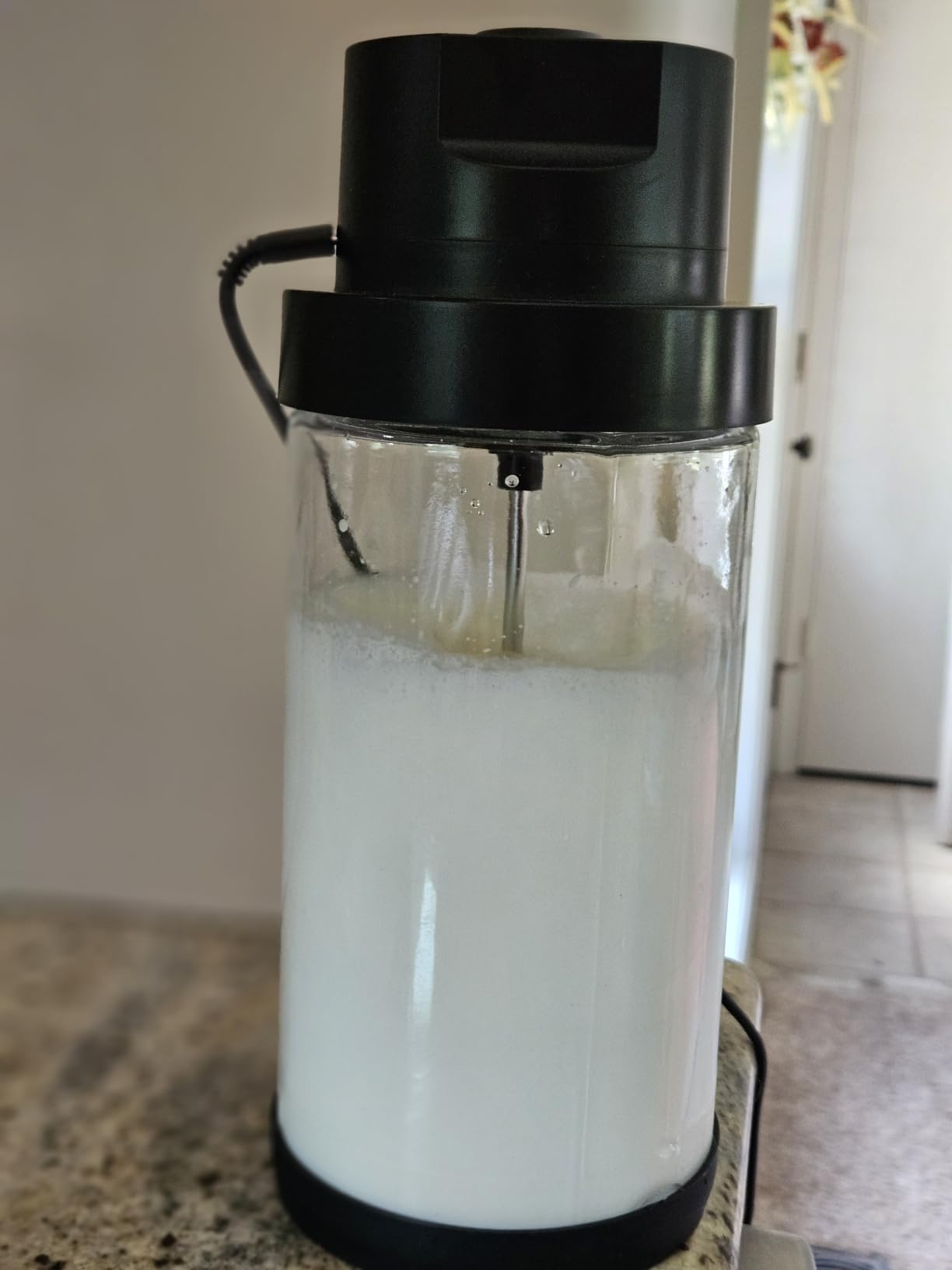
It doubles as a general mixer, handling peanut butter and whipped cream, and it includes a butter press so you can shape and salt the finished batch without buying a separate press. For a household that also wants cultured raw cream or whipped butter, that versatility is real value.
The honest limitation is weight and power. This is the heaviest unit in the roundup, and at 61 ounces of glass filled with cream, moving it to and from the sink is a two-handed job. It also needs mains power, so it is not usable in a barn or an off-grid setting.
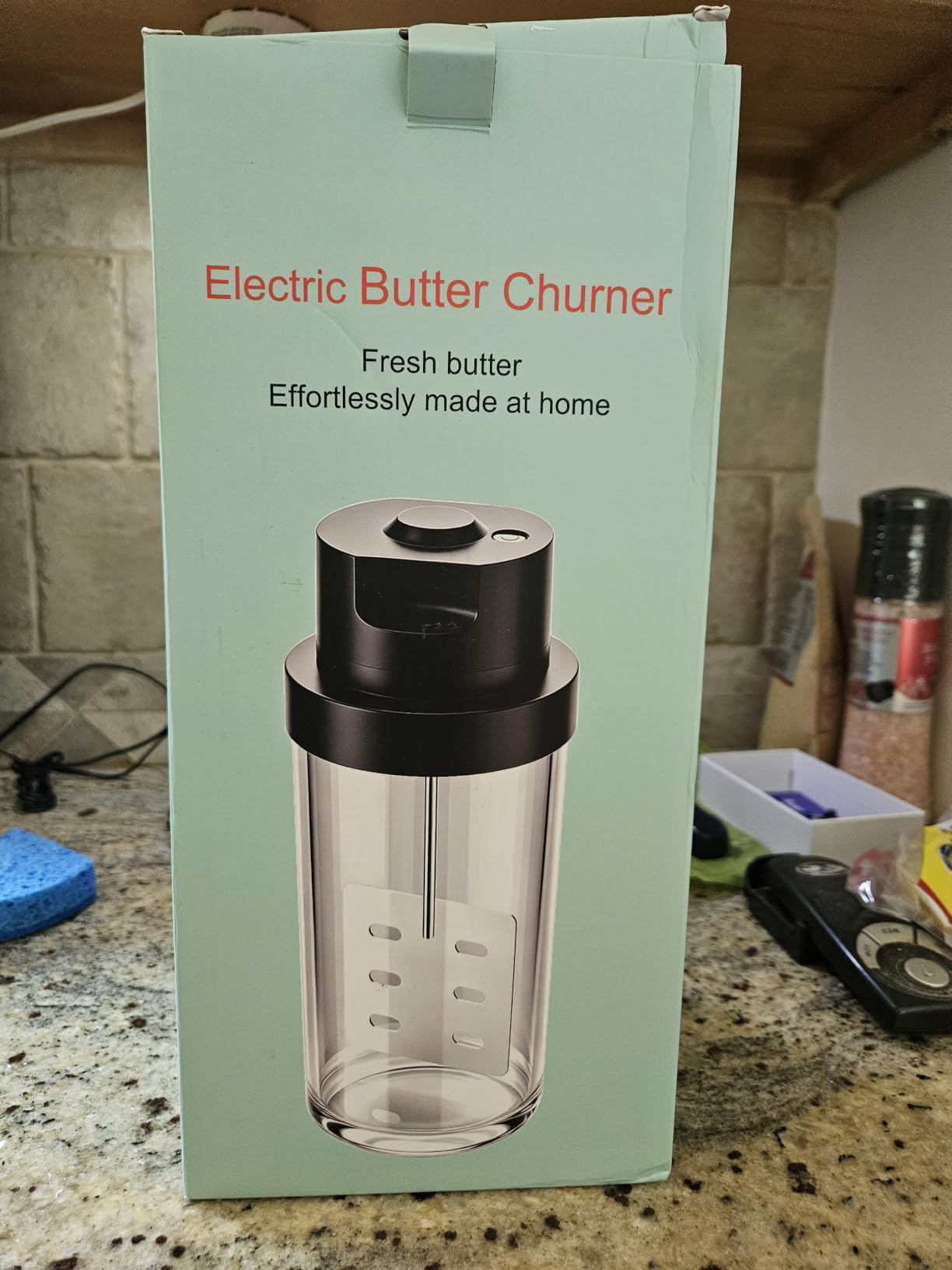
Is the extra jar capacity actually worth it?
Only if you have the cream to fill it. A 61 oz jar charged with raw milk cream is a real batch of butter, and a household making a few ounces a month will simply run a large machine for a small job and find the extra capacity wasted.
It pays off quickly for anyone processing a dairy cow, a share arrangement, or a small goat herd where cream accumulates faster than a 32 oz jar can absorb.
How do I clean it for raw dairy use?
Run the whole assembly through the dishwasher rather than washing by hand, and let the paddle and the shaft area dry completely before reassembly. Stainless and glass both tolerate sanitation routines that would damage plastic parts.
Clean the jar right after each batch rather than at the end of the day, because raw dairy residue on a warm stainless paddle is where off flavours and bacterial growth both start.
8. Buttermeister One Gallon Electric Churn – For a Real Cream Surplus
Buttermeister Butter Churn (1 Gallon)
Capacity: 1 gallon
Glass jar with stainless agitator
110 volt knob controls
Made in the USA
Pros
- One gallon capacity far above household churns
- Unattended hands-free running
- Quiet motor and very little mess
- Owners running a cow report more solid butter and better yield
Cons
- Lid can work loose during a run and needs supervision
- Top heavy design risks motor damage if the lid shifts
- Weaker separation reported than a stand mixer
When a household is processing a genuine cream surplus rather than a few pints, the scale of this machine changes the conversation. One gallon of capacity is an order of magnitude above every other churn here, and owners running dairy cows describe it as a step change from what a food processor can manage. The reports are consistent: faster batches, more yield, more solid butter, and very little mess.
It is an electric jug with a glass jar, a stainless steel agitator and knob controls on 110 volts, made in the USA and covered by a 1 year warranty. Owners report processing around 3 gallons of cream in roughly 40 minutes, which is the throughput figure that matters if you are the only customer for a share.
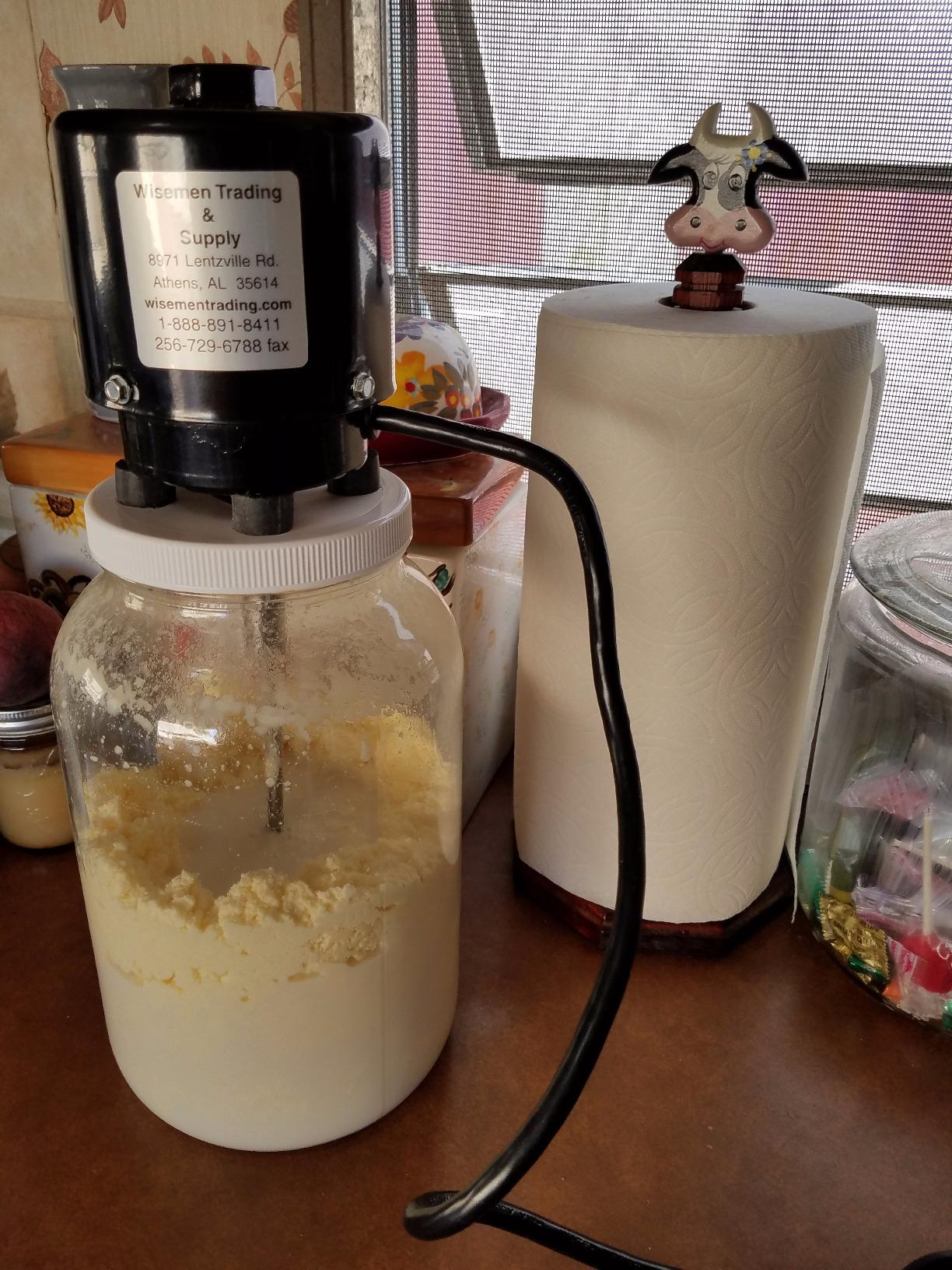
The important operating note is the lid. Several reviewers say it works loose during a run, so the machine is not as hands-free as advertised unless someone is standing nearby. That is not a complaint about quality so much as an instruction: treat the run as supervised, and the top-heavy design means a shifting lid can stress the motor.
One owner also reported weaker separation than a stand mixer, so if you already own a heavy stand mixer with a paddle, that is worth factoring in before buying a dedicated electric churn at this level.
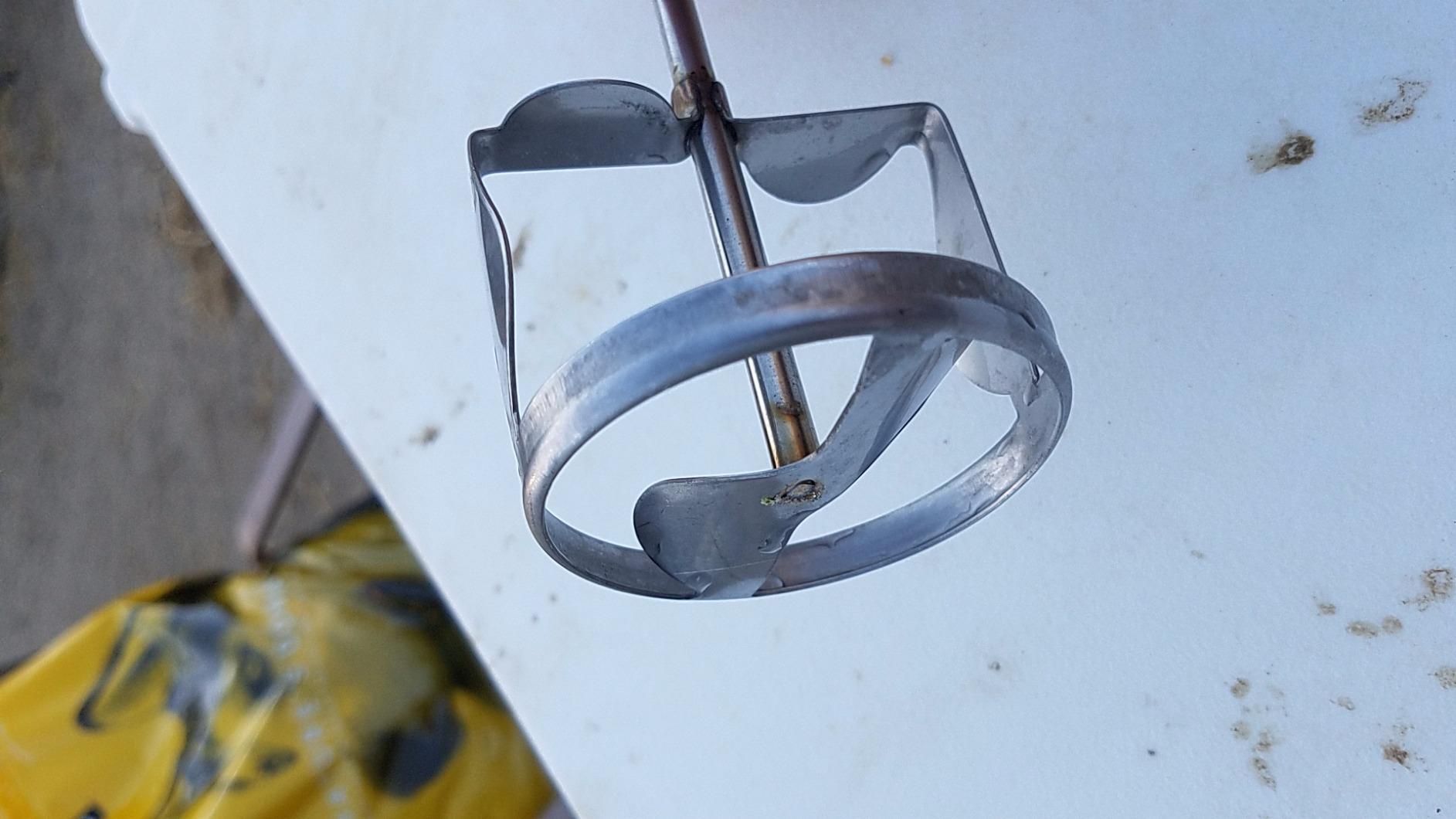
Who genuinely needs one gallon of capacity?
Households with a dairy cow, a raw milk share, or a small commercial herd where a few quarts of cream arrive at once. The smaller churns in this roundup would need dozens of cycles to process the same cream, and each cycle is hand work.
It is badly overscaled for a family keeping one or two goats for milk, where a 32 oz jar is more than enough and the larger machine is mostly counter space.
What does total ownership look like at this size?
Budget for supervision, not just capacity. The motor is the expensive part to replace, and the 1 year warranty covers the first year rather than the life of the machine. Cleaning is otherwise straightforward, with owners reporting little mess and easy disassembly.
Confirm that your counter height and outlet placement suit a 7 by 7 by 18 inch unit before you commit, because it is tall and it is not a portable appliance.
How to Choose a Butter Churn for Raw Milk Cream
Match the churn to your monthly cream volume
This is the decision that matters most, and getting it wrong means an expensive jar that sits empty. Under a gallon of cream a month, a shake jar or a hand mixer is enough and a churn is optional, a point longtime homesteaders make often. Between one and five gallons a month, a hand-crank glass or wood churn covers your workflow with a few batches a week. Above five gallons, or if you are running a cow rather than a goat, an electric churn is the only realistic answer.
Be honest about which tier you are in. Several forum regulars describe a churn as a nice thing rather than a necessity, and they make small batches of butter with a jar and a wooden bowl instead. Nobody regretted starting small.
Decide what can touch the cream
For raw dairy, the contact surface is a real preference and sometimes a hard requirement. Glass and stainless steel are non-porous, sanitize easily and last indefinitely. Wood adds character to the flavor and is traditional, but it needs more careful drying. Plastic works and is cheap, and it is the surface most raw milk buyers prefer to avoid.
Three of the churns here keep plastic out of the cream path completely: the Dazey, the mason jar kit and the aeaker, plus the two glass-jar electric units. That should narrow your list fast.
Hand crank or electric: the honest trade-off
Hand cranking gives you slower churn, more control and a lower purchase price, and it costs you 10 to 30 minutes of arm work per batch. Electric running costs a few minutes of wall time and no physical effort, at the price of a motor and a mains connection.
For raw milk specifically, the ergonomic point deserves more attention than most guides give it. Many people who chase this hobby are older, or recovering from an injury, or simply not strong enough for a sustained crank. If that describes you, the electric units are not a luxury purchase, they are the only ones that will get used.
Do you need a cream separator first?
If you are making a few jars of raw milk a week, no. Cold settling overnight gives you a cream layer you can skim off the top. If you are processing whole herd volume, a cream separator upstream removes the waiting and gives you far more cream per hour, which changes the churn size you need.
Goat and sheep milk are harder to cream because the fat globules are smaller and take longer to coalesce. Expect a longer settling period and lower cream yields, and plan on ripening the cream a full day longer than you would for cow milk.
Is churning worth the money?
Judged purely on butter per pound against store prices, a hand churn is hard to justify unless you already own a cow, because the churn cost has to be divided across many batches. Judged on what raw milk butter actually is, the arithmetic changes completely.
Store-bought butter is cultured, salted and blended to a standard fat content. Raw milk butter is none of those things, and the buttermilk you get alongside it is a live cultured product you cannot buy fresh. Many raw milk households describe the churn as worth it for the flavor and the byproduct rather than for the cost per pound, and that is a perfectly honest answer.
Cleaning and Storing Raw Dairy Churn Equipment
Cleaning raw dairy equipment is not complicated, but it is the step people skip and then wonder about. Cold water first, because fat solidifies and warm water spreads it. Then a thorough wash of every surface the cream touched, including the paddle shaft and the lid seal, where the crumbs hide.
Sanitize after washing, following the temperature and time directions on your own sanitizing product rather than assuming. Dry everything completely before reassembly, because trapped moisture in a paddle seal is what eventually turns into off flavors and grit.
For storage, press and salt the butter, wrap it tightly and keep it refrigerated. Homemade butter from raw cream keeps about a week refrigerated, and much longer frozen. Skip the salt if you plan to freeze it, since salted butter holds its texture less well after thawing.
Keep the buttermilk refrigerated too, and culture it within a day if you want it tart. Adding a mesophilic or kefir starter after churning and holding it warm for a few hours is what turns raw cream buttermilk into the cultured drink people expect, rather than the thin and sharp liquid that surprises first-timers.
Frequently Asked Questions
Can I churn raw milk into butter?
Yes, but you churn the cream, not the milk. Chill your raw milk until the cream rises to the top, skim off the top one to two inches, and churn only that raw cream. Letting the cream ripen for one to three days first makes it churn faster and tastes better.
What is the best tool to churn butter?
Match the tool to volume. Under a gallon of cream a month, a shake jar or hand mixer is enough. For one to five gallons, a hand-crank glass or wood churn works well. Above five gallons, use an electric churn. Any raw milk setup also needs a way to settle and skim the cream first.
Is it cheaper to churn butter than to buy it?
Only if you already own raw milk animals or a share. A hand churn costs little but needs many batches to divide the cost across. An electric churn costs several times more. The real argument for churning is flavor and the cultured buttermilk by-product, not the price per pound.
How long does it take to churn butter by hand?
Most owners report 8 to 30 minutes depending on the churn and the cream temperature. Churning cream straight from the refrigerator takes the longest. Letting the cream reach room temperature first can cut a 15 minute batch to under 5 minutes, and the motor models finish in 5 to 10.
What temperature should cream be when churning?
Aim for 55 to 59 F. Colder cream is much harder to churn and puts more strain on the drive mechanism, while warmer cream separates faster but can produce a softer, less stable butter. Room temperature cream is a practical shortcut that most owners use without trouble.
The Verdict on the Best Butter Churns for Raw Milk
For most raw milk households, the Kilner Vintage Glass Butter Churn is the right first machine. Its 34 fluid oz jar, its glass-and-metal contact path, and the deepest ownership record of anything we reviewed make it the safest purchase in this roundup. If your hands cannot take a 15 minute crank, step up to the IFOLO electric churn and keep the same glass-and-stainless standard. If you have a genuine cream surplus from a cow or a share, the Buttermeister one gallon jug is the only one here that processes it in a reasonable number of runs.
Whichever you choose, remember that you are churning cream you skimmed off settled raw milk, keep the cream between 55 and 59 F, and stop the moment you see clumps. That habit matters more to the finished butter than the machine does.