
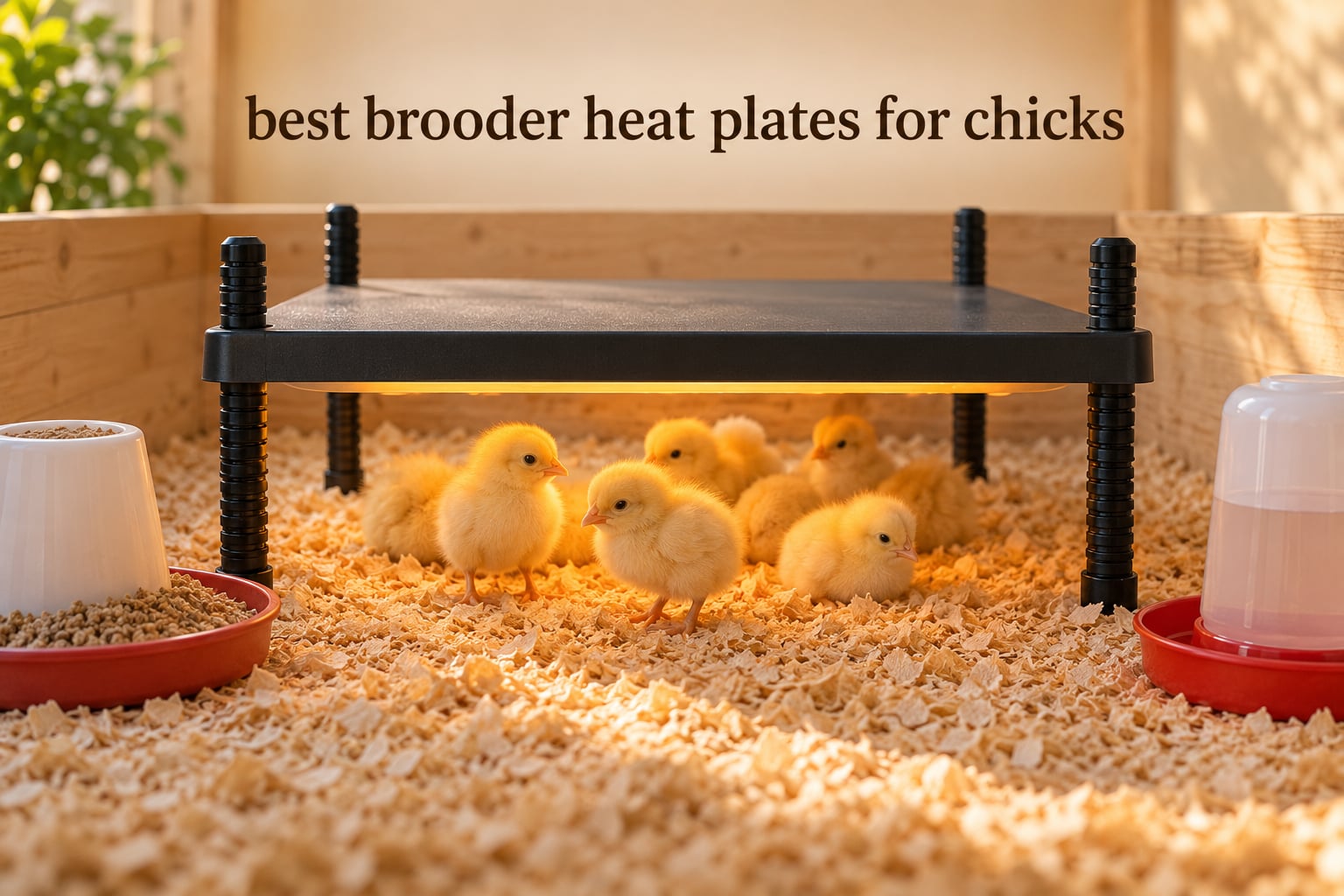
Fire anxiety is the single biggest reason backyard keepers switch from a hanging heat lamp to a flat radiant panel, and it is a reasonable reason. A brooder heat plate warms chicks from above with 12 to 200 watts instead of the 250 watts in a typical infrared bulb, carries no open filament, and lets chicks walk out to eat when they are warm. That is the whole idea behind the best brooder heat plates for chicks, and it works.
Quick answer: a brooder plate beats a heat lamp for up to about 30 chicks in a reasonably warm room. It uses roughly a tenth of the electricity, poses almost no fire risk, and preserves a normal day and night sleep cycle because nothing glows. Very large broods in cold uninsulated barns are still better served by a properly secured 250W lamp.
We compared ten plates on published specifications rather than star ratings, so every number below comes from the maker or the listing rather than from how a review felt. Ten plates, several broods, and a lot of reading about how these things fail in real coops. The category is crowded with near-identical white plastic boxes, so the differences that actually matter are small and specific: whether there is a thermostat, how wide the leg adjustment range is, whether the anti-roost cone is in the box, and whether the stated chick capacity survives contact with week-three chicks.
Table of Contents
Top 3 Picks for Brooding Chicks in 2026

Brinsea Ecoglow 600
- 12 W low-voltage radiant panel
- Up to 20 newborn or 12 older chicks
- 3-year warranty
- Adjustable screw-on legs

RentACoop 12×12 Plate
- 22 W draw
- 25 height settings from 1 to 9 inches
- Foldable anti-roost cone included
- Underside near 107F

Sindarhor Heater Plate
- Three temperature settings
- 8.67 x 10.63 inch heated panel
- Multi-level height adjustment
- Wipe-clean ABS shell
Our top pick is the Brinsea because it is the only plate here with a three-year warranty and the lowest draw of any unit we looked at. The RentACoop is the best value and the best-rated plate in the group at 4.6 stars, with the anti-roost cone already attached. The Sindarhor is the cheapest way to get three switchable temperature levels instead of a single fixed output.
All 10 Best Brooder Heat Plates Compared Side by Side (October 2026)
| Product | Specifications | Action |
|---|---|---|
| Brinsea Ecoglow 600 |
|
Check Latest Price |
| RentACoop 12×12 Heating Plate |
|
Check Latest Price |
| Sindarhor Chick Brooder Heater Plate |
|
Check Latest Price |
 Chickcozy 200W Smart Coop Heater Chickcozy 200W Smart Coop Heater |
|
Check Latest Price |
 NUGRIART 10×10 Brooder Plate NUGRIART 10×10 Brooder Plate |
|
Check Latest Price |
 TRIOCOTTAGE Digital Heating Plate TRIOCOTTAGE Digital Heating Plate |
|
Check Latest Price |
 ZenxyHoC 10×10 Constant Temp Plate ZenxyHoC 10×10 Constant Temp Plate |
|
Check Latest Price |
 Shaledig 12×16 Heater Plate Shaledig 12×16 Heater Plate |
|
Check Latest Price |
 Tetuga 12×16 Brooder Heat Plate Tetuga 12×16 Brooder Heat Plate |
|
Check Latest Price |
 Tetuga Brooder Box Starter Kit Tetuga Brooder Box Starter Kit |
|
Check Latest Price |
Brooder Plate vs Heat Lamp: A Plate Wins for Small and Medium Broods
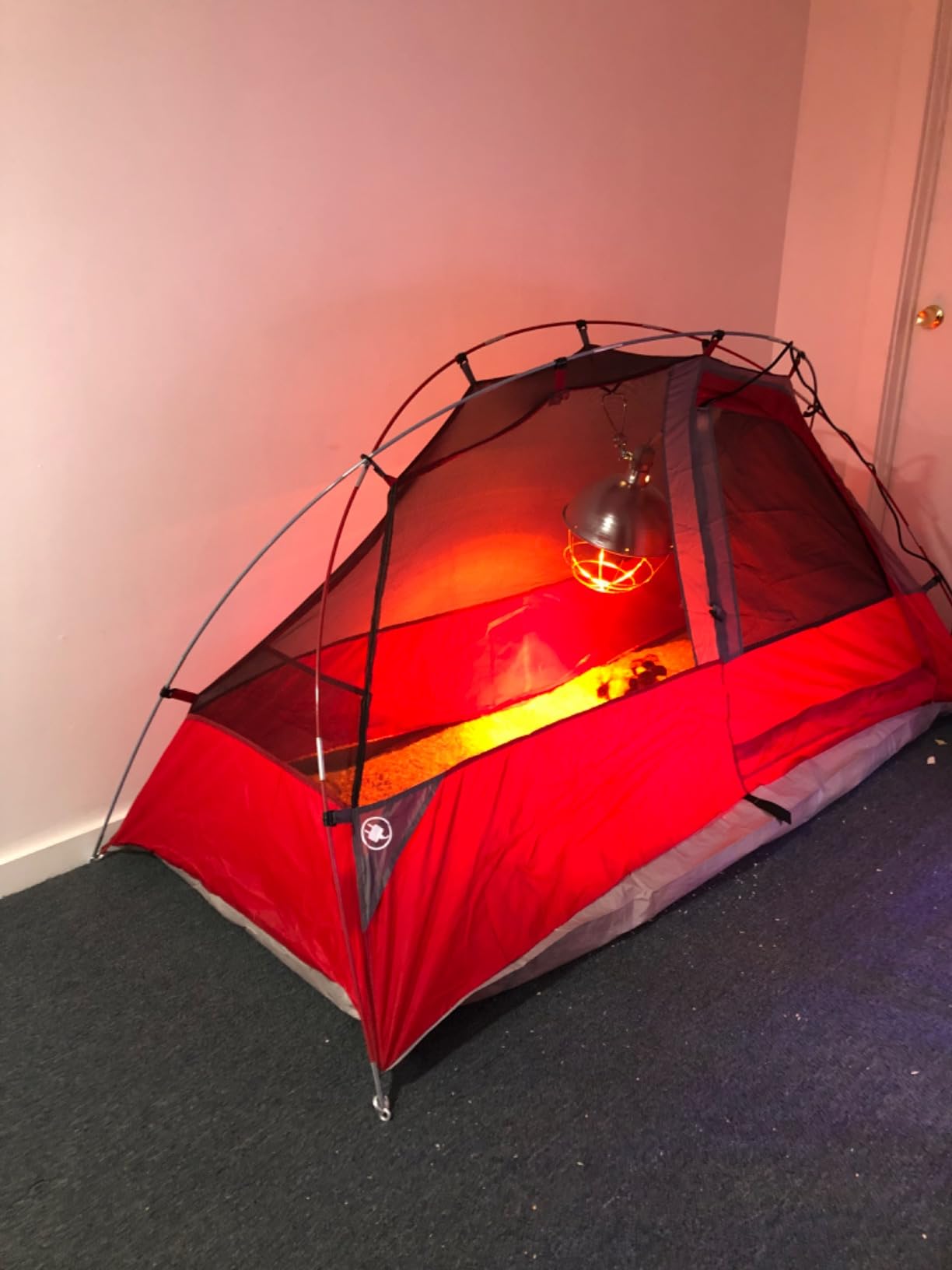
The core difference is where the heat goes. A 250W infrared bulb throws light and heat across the whole brooder from above, which means the room itself warms up and every chick receives the same dose whether it is cold or comfortable. A plate radiates a narrow band of infrared downward at a fraction of that wattage, so the warm zone exists only under the panel and the far end of the brooder stays cool.
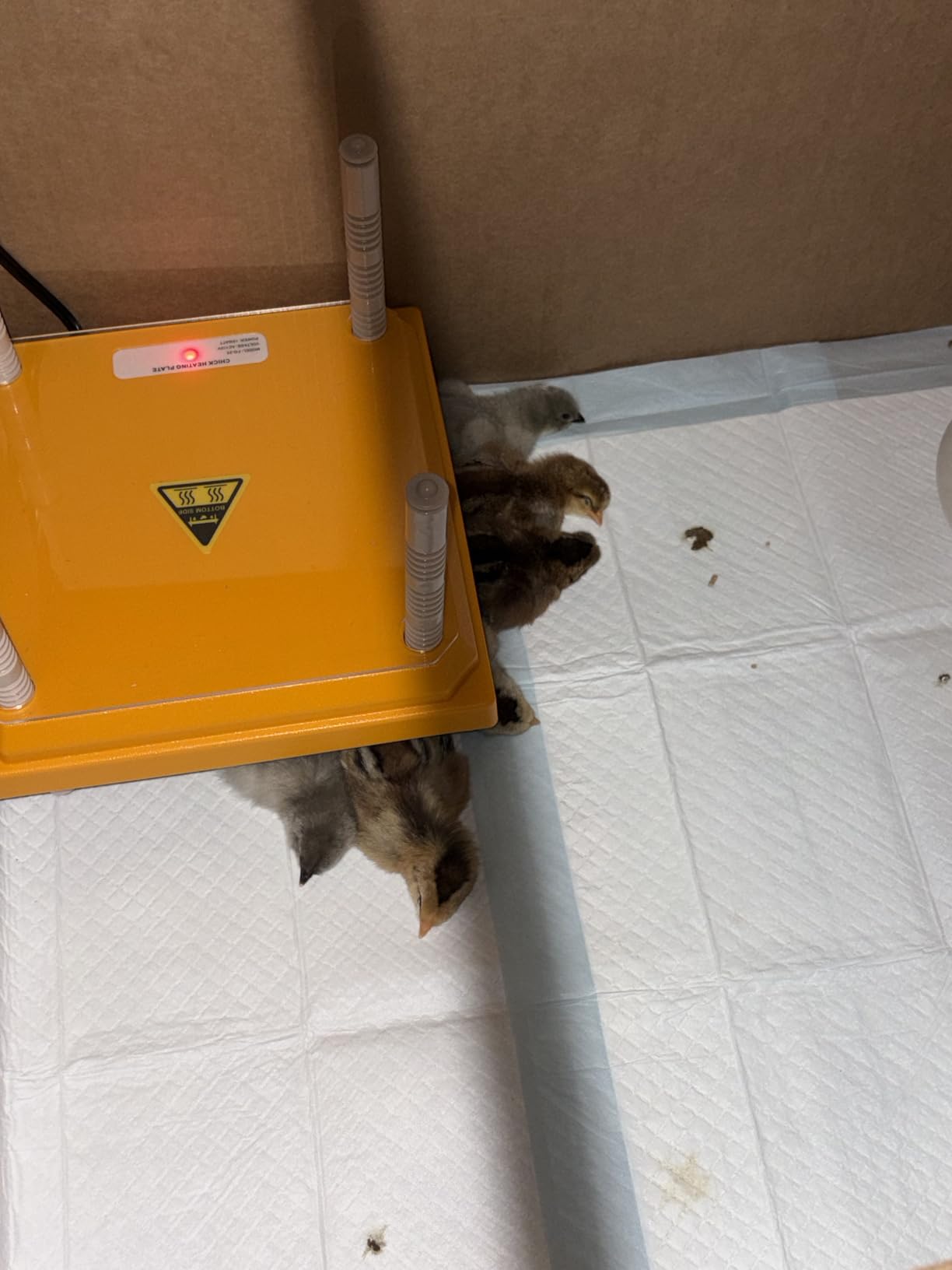
That gradient is what makes plates work. Chicks duck under when they are cold, step out to eat and drink, and settle at the edge of the warm zone to sleep. Owners describe exactly this behavior: they pile in when cold, pop out to eat and drink when warm, and laze around the perimeter when the plate is set correctly.
On safety, the gap is not subtle. A bulb in a clamp lamp can drop, a ceramic socket can crack, and a bedding fire in a brooder is a real thing that coop fires in barns have started. A plate has no exposed filament, runs at low voltage on several models, and on some units sits inside a flame-retardant or ABS housing.
Where a lamp still wins is batch size and ambient temperature. Thirty-plus chicks in an uninsulated garage in winter is a different problem from brooding twelve chicks in a mudroom, and a low-wattage plate can lose that fight. If your room regularly sits below 60F, plan on a 200W panel or a secured lamp rather than a 12W plate. Our picks below note this where it applies.
1. Brinsea Ecoglow 600 – 12W Low-Voltage Panel With a 3-Year Warranty
Brinsea Ecoglow Safety 600 Chick or Duckling Brooder, Up to 20 Chicks
12 W radiant panel
Up to 20 newborn or 12 older chicks
3-year warranty
10-foot cord
Pros
- Lowest draw in the group at 12 W
- Clear cover wipes clean in seconds
- Screw-on legs tilt to make a warm and cool side
- Resumes heating after a power cut
- Quiet operation keeps a normal sleep cycle
Cons
- No thermostat so leg height is the only control
- Panel underside runs hot to the touch
- Rated capacity is optimistic for large breeds
This is the plate most keepers end up keeping for years, and it is the one we put first. At 12 watts it draws less than a single LED bulb, which over a six-week brood is a rounding error on any electricity bill compared with a 250W bulb running continuously.
The behaviour change is what owners notice first. There is no light in the brooder, so chicks sleep through the night instead of dozing in fragments under a red bulb, and they are noticeably calmer within a day or two. Long-term owners of this plate report multi-season reliability with no complaints beyond the missing thermostat.
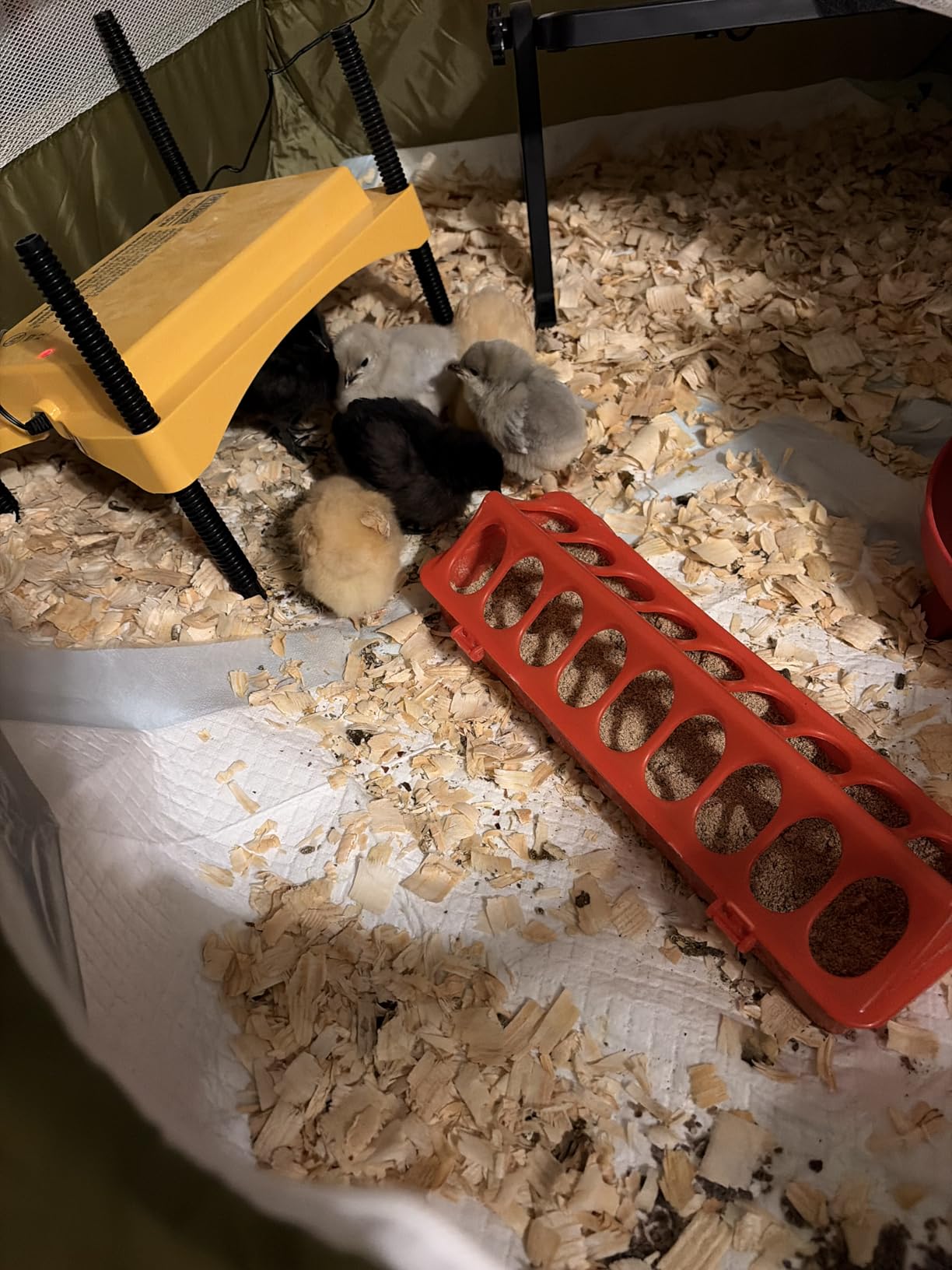
The screw-on legs adjust height and angle on both sides, which means you can tilt one corner down to give yourself a true gradient rather than a uniform warm patch. The clear removable cover is the feature that saves time: chick droppings wipe off plastic instead of soaking into fabric.
Two honest limits. There is no electronic thermostat, so temperature is managed entirely by plate height and an external thermometer, and the panel underside is hot enough to need care when you reach in. One reviewer also reported a unit that stopped working after roughly 36 hours, which is worth checking on arrival before chicks go in.
Where this plate works best
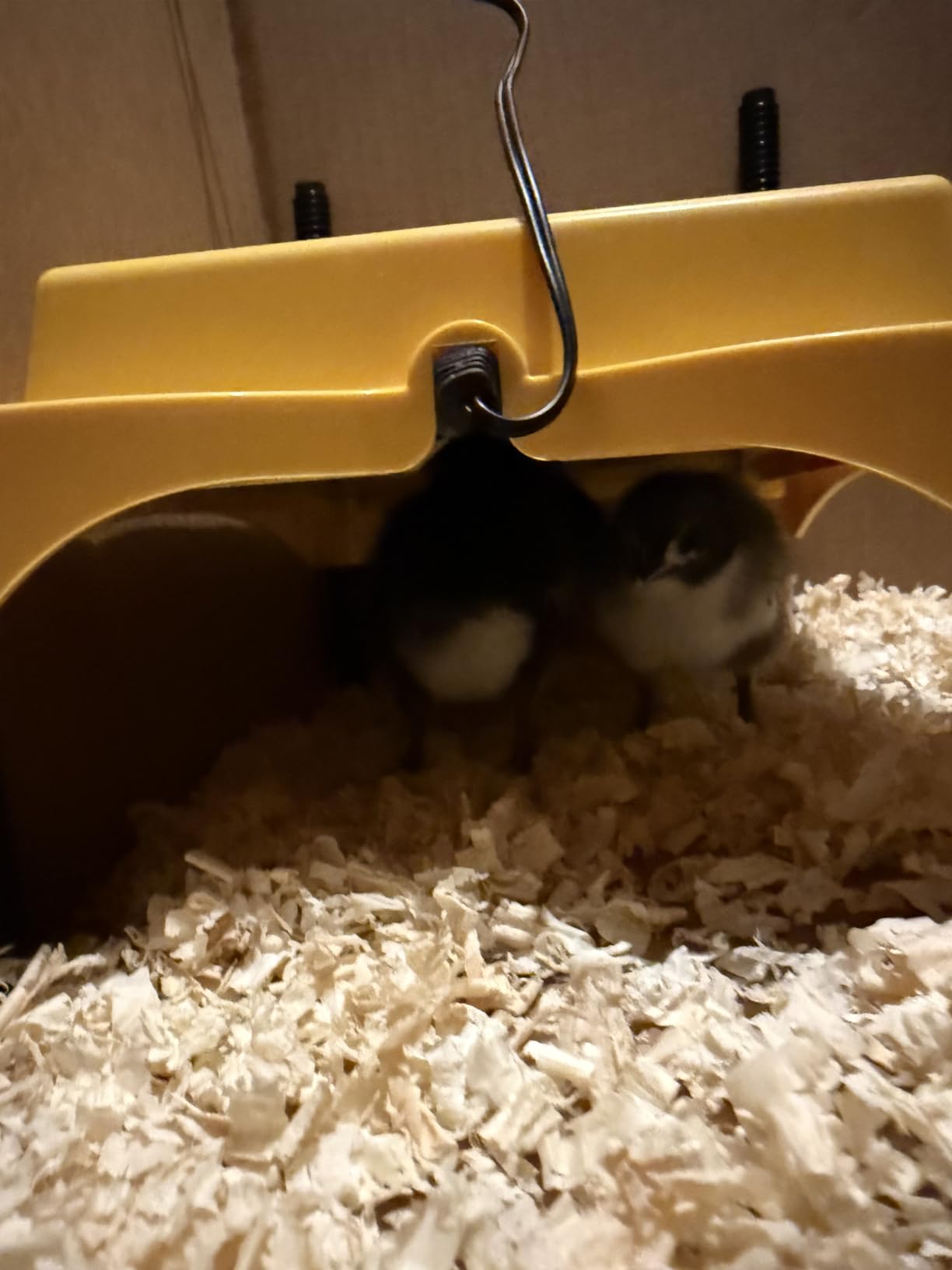
Small broods of up to about 15 chicks in a tote, cardboard box, or plastic bin inside a heated house. It is the safest choice for anyone nervous about fire, and the low voltage and three-year warranty make it the most defensible buy in the category.
Also strong for ducklings and turkey poults, and the only plate in this group with a manufacturer warranty long enough to cover more than one brood cycle.
Where this plate falls short
Large breeds and big batches. The stated rating is up to 20 newborn or 12 older chicks, and reviewers consistently find that optimistic once chicks are feathered out, especially for heavier birds that outgrow the warm zone early.
It is also the wrong tool for an uninsulated garage or barn, where 12 watts cannot replace the room heat a 250W bulb provides. And buyers expecting a dial-and-forget thermostat will be disappointed, because there is no readout here at all.
2. RentACoop 12×12 – 22W Plate With 25 Height Settings and a Free Anti-Roost Cone
RentACoop 12×12” Adjustable Heating Plate with Foldable Anti-Roost Cone
12 x 12 inch plate
Up to 20 chicks
Underside near 107F
25 height settings from 1 to 9 inches
Pros
- Highest rated plate in the group at 4.6 stars
- Anti-roost cone folds flat and stores with the unit
- 25 discrete height settings make tilting easy
- 22 W draw removes the open-flame fire risk
Cons
- No thermostat or temperature readout
- Build quality a step below pricier plates
- Some buyers find 12 inches tight for the stated 20 chicks
The RentACoop is the plate forum recommendations keep circling back to, and at 4.6 stars across 1449 reviews it is the highest-rated unit we analyzed. It is also the only one here that ships with the accessory keepers treat as near-mandatory.
That foldable anti-roost cone clips to the top of the plate and stops chicks climbing on the warm surface and soiling it. Every thread we read treats a cone as essential, and most competitors sell it separately, so having one included removes a step and a separate decision.
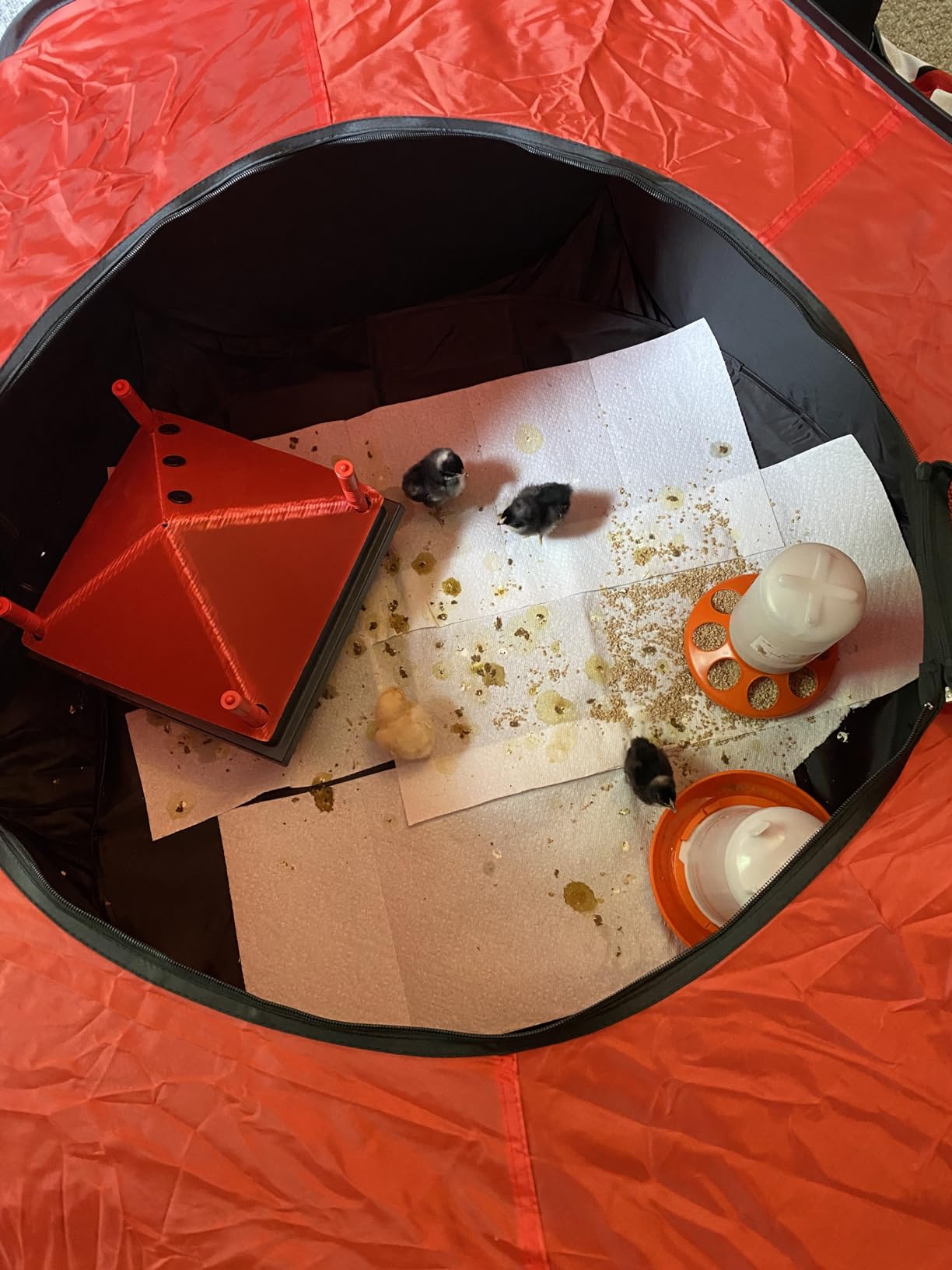
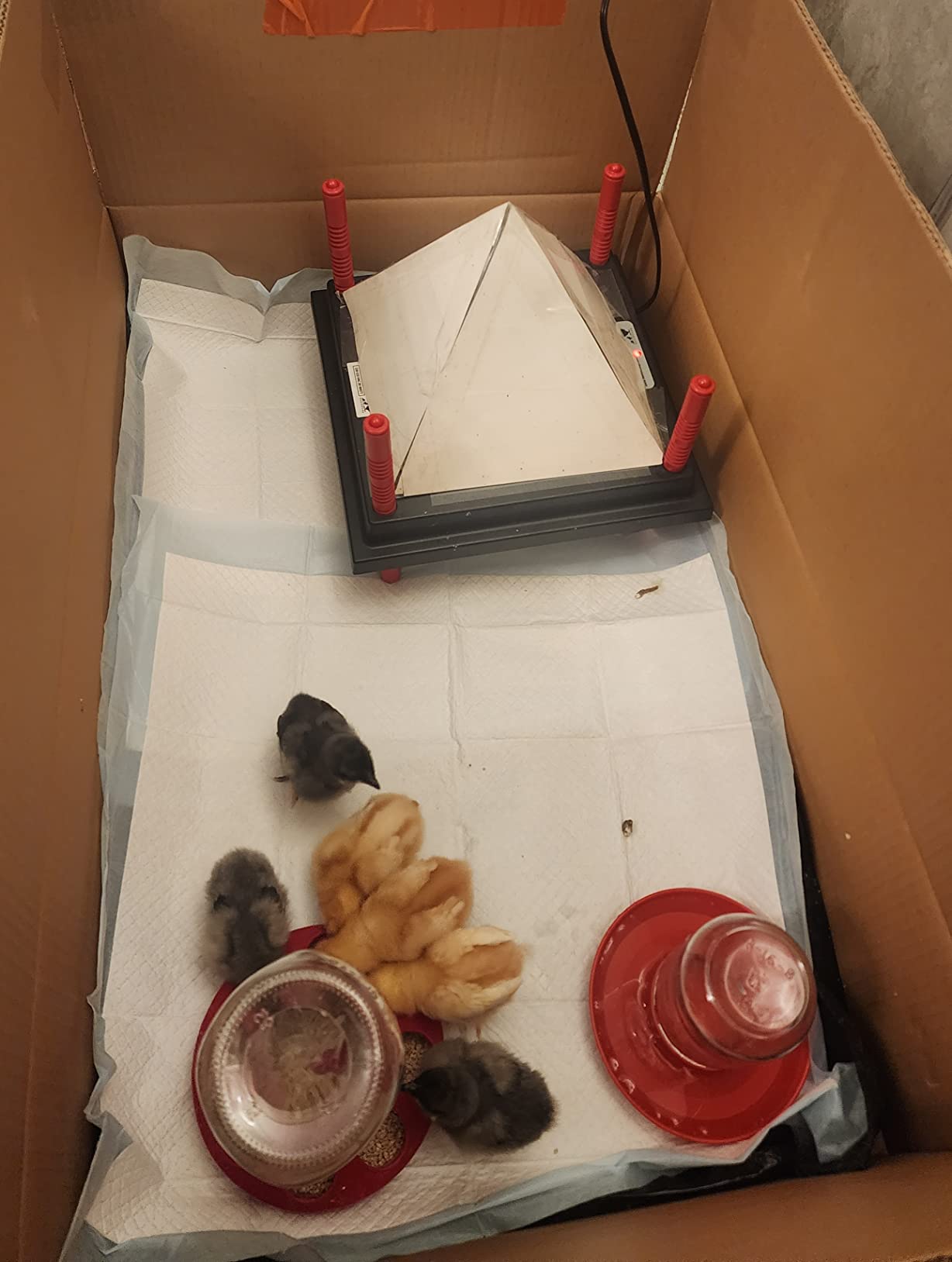
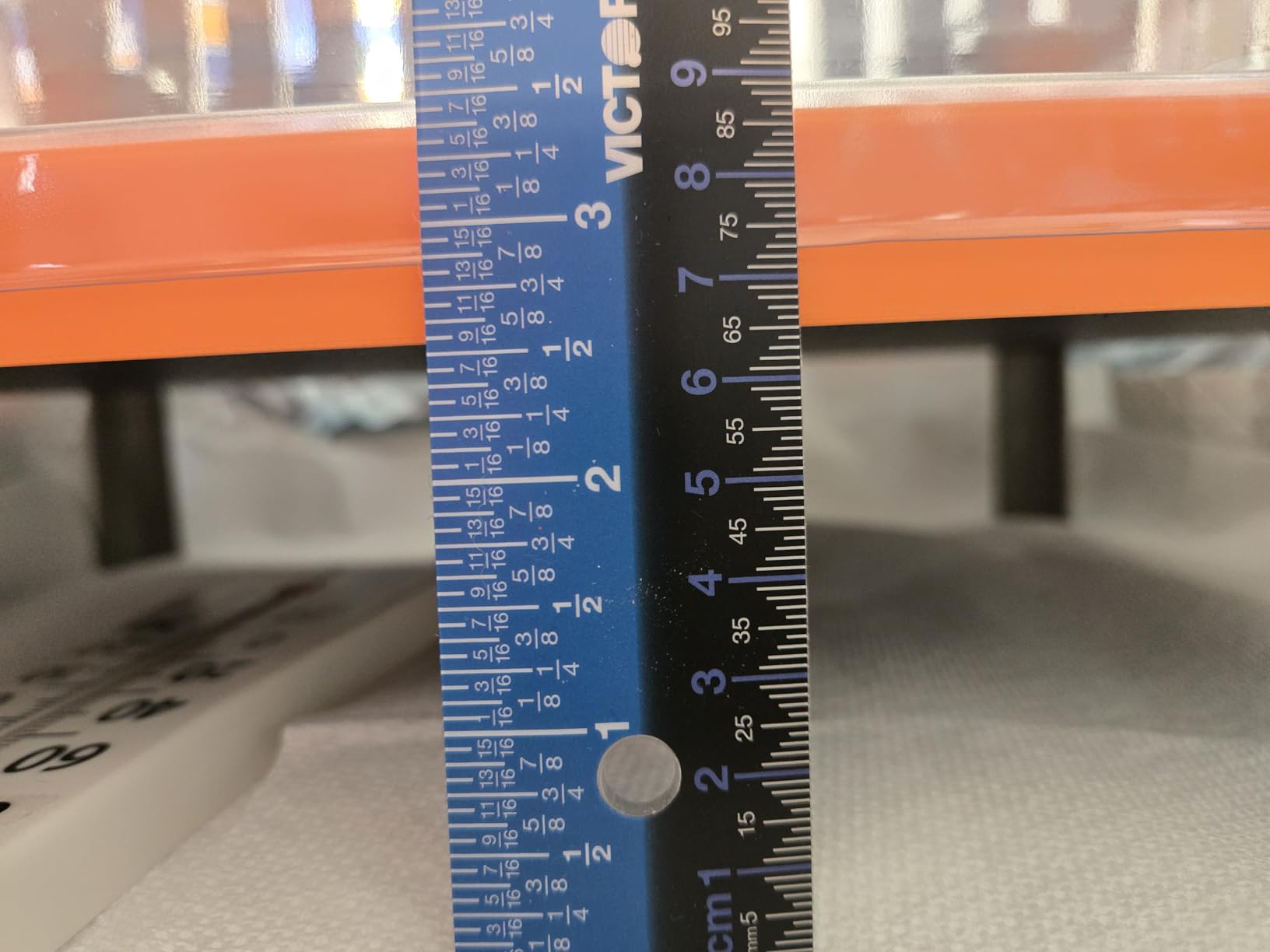
The underside centre reaches about 107F, close to a hen’s body temperature, which is why chicks settle under it the way they settle under a broody hen. Twenty-five discrete height settings between 1 and 9 inches give finer control than the snap-leg designs that only offer three or four positions.
At 22 watts the running cost stays minimal, and unlike a lamp there is no bulb to shatter, no ceramic socket to crack, and no light to keep chicks awake all night. It also works beyond chickens, with owners using it for ducklings, quail, and turkey poults.
Where this plate works best
First-time backyard keepers brooding ten to twenty chicks who want fire safety, a dark brooder, and one box that contains everything needed for a full brood. The 25 height settings mean one plate can follow chicks from week one through feather-out without being replaced.
It is also a strong choice for multi-species households, since the same unit handles chicks, ducklings, and poults without a settings change.
Where this plate falls short
Output is a single fixed setting, so there is no thermostat and no temperature readout. You will need a thermometer at chick level and a habit of checking plate height, because chicks grow fast and a plate set correctly in week one is too low by week three.
Some buyers report the 12-inch surface is tight for the stated twenty chicks, particularly once they are three weeks old. Owners also rate the build as a step below the more expensive plates, and the corner posts can pinch chicks if you lift the unit carelessly.
3. Sindarhor Chick Brooder Heater Plate – Three Switchable Temperature Levels
Sindarhor Chick Brooder Heater Plate for Baby Chicks, Ducklings & Poultry
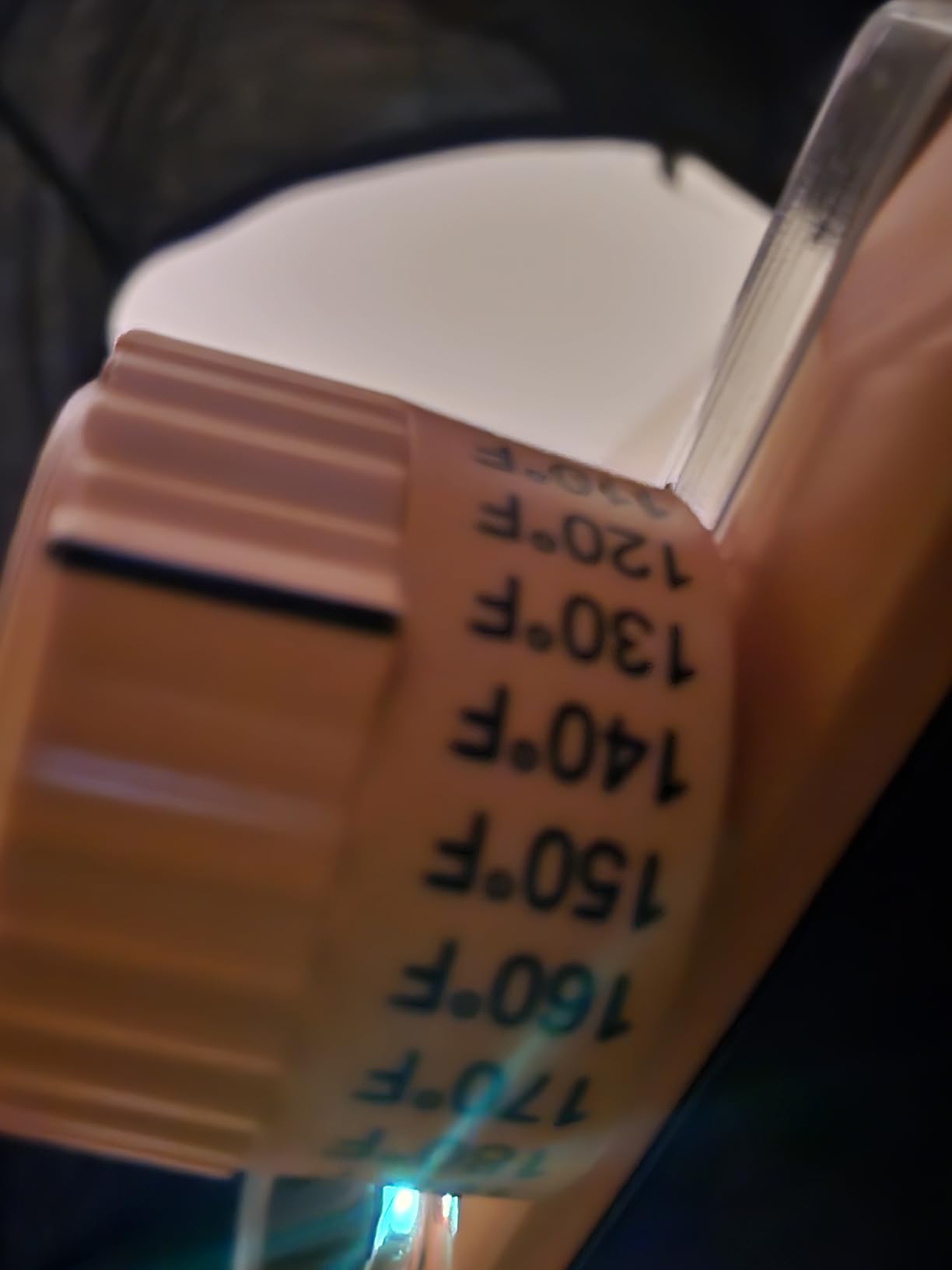
Three settings at 131F, 149F, 167F
8.67 x 10.63 inch heated panel
Enclosed ABS shell
Feather attachment included
Pros
- Three selectable temperatures are rare at this level
- Assembles quickly and wipes clean with a damp cloth
- Enclosed house-style shell cannot burn chicks
- Compact footprint suits totes and travel trailers
Cons
- Height clamps loosen and the plate can sag
- Screws together easily in the wrong orientation
- Minimum height of about 4 inches is too warm for button quail
Most low-cost plates have exactly one output and make you manage temperature by moving the unit. This one gives you three fixed settings, which is a genuine step up in control for the money.
The numbers are published rather than vague: 131F, 149F, and 167F on the dial, with a heated top panel of 8.67 by 10.63 inches and side panels that cut heat loss out of the sides. The claimed saving of 30 percent or more against a heat bulb is in the same territory as the other radiant plates here.
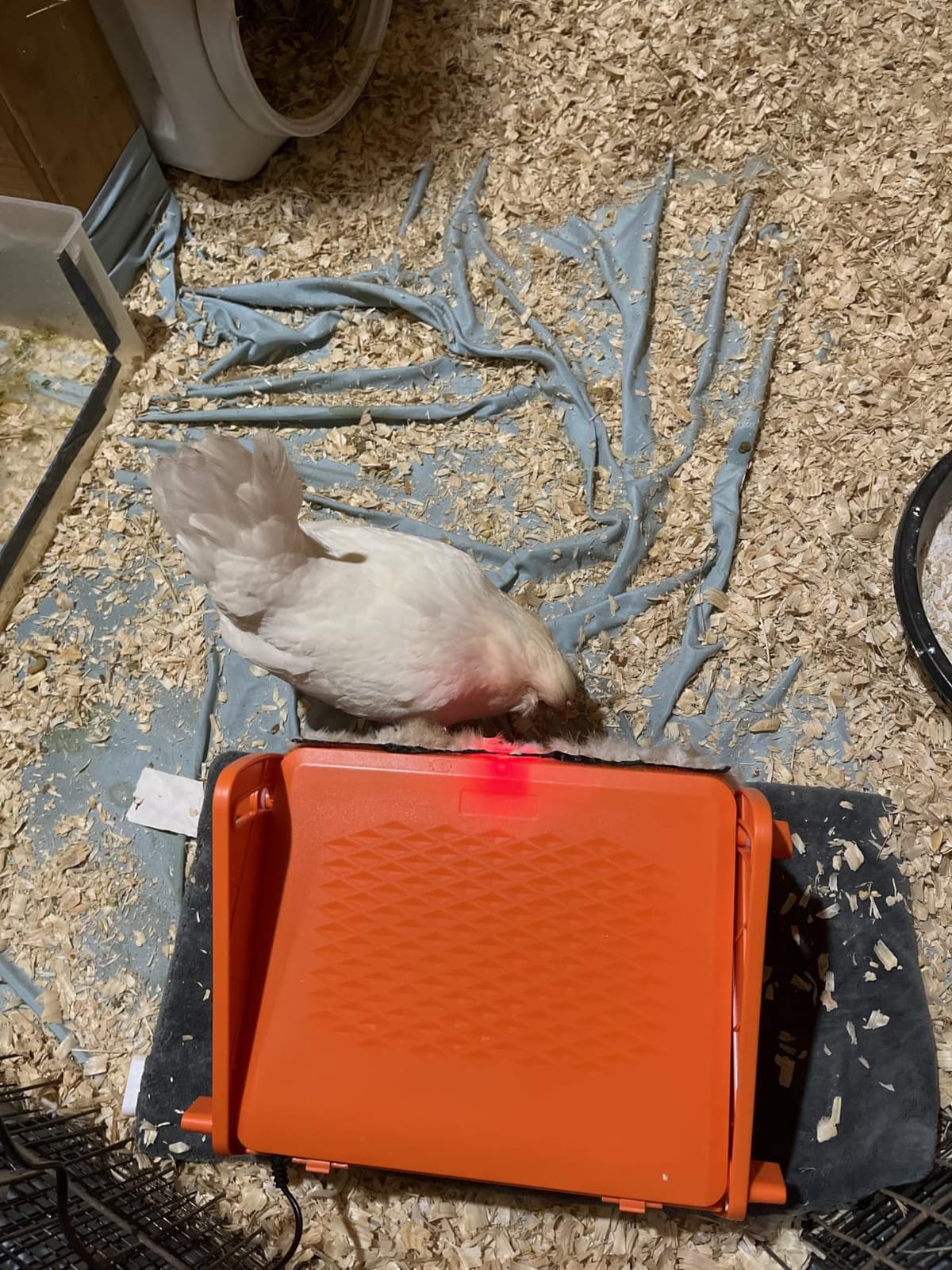
The enclosed house-style shell is the reason parents like it. Chicks are warmed from above inside a plastic tunnel, so there is no exposed panel edge to worry about and nothing hot enough to burn. An optional feather attachment gives orphaned or rescued chicks something hen-like to press against.
Several owners run two units rather than one so they can brood different age groups at different settings, which is a practical trick worth knowing if you hatch in batches.
Where this plate works best
Small broods in a plastic tote, a cardboard box, or a small brooder in a bathroom or mudroom, especially for keepers who want a dial rather than a leg-height guess. The compact footprint makes it easy to bring a second unit for older chicks.
It is a sensible entry point if your main goal is moving away from a bulb without spending much, and cleaning up after a week of chicks takes a damp cloth.
Where this plate falls short
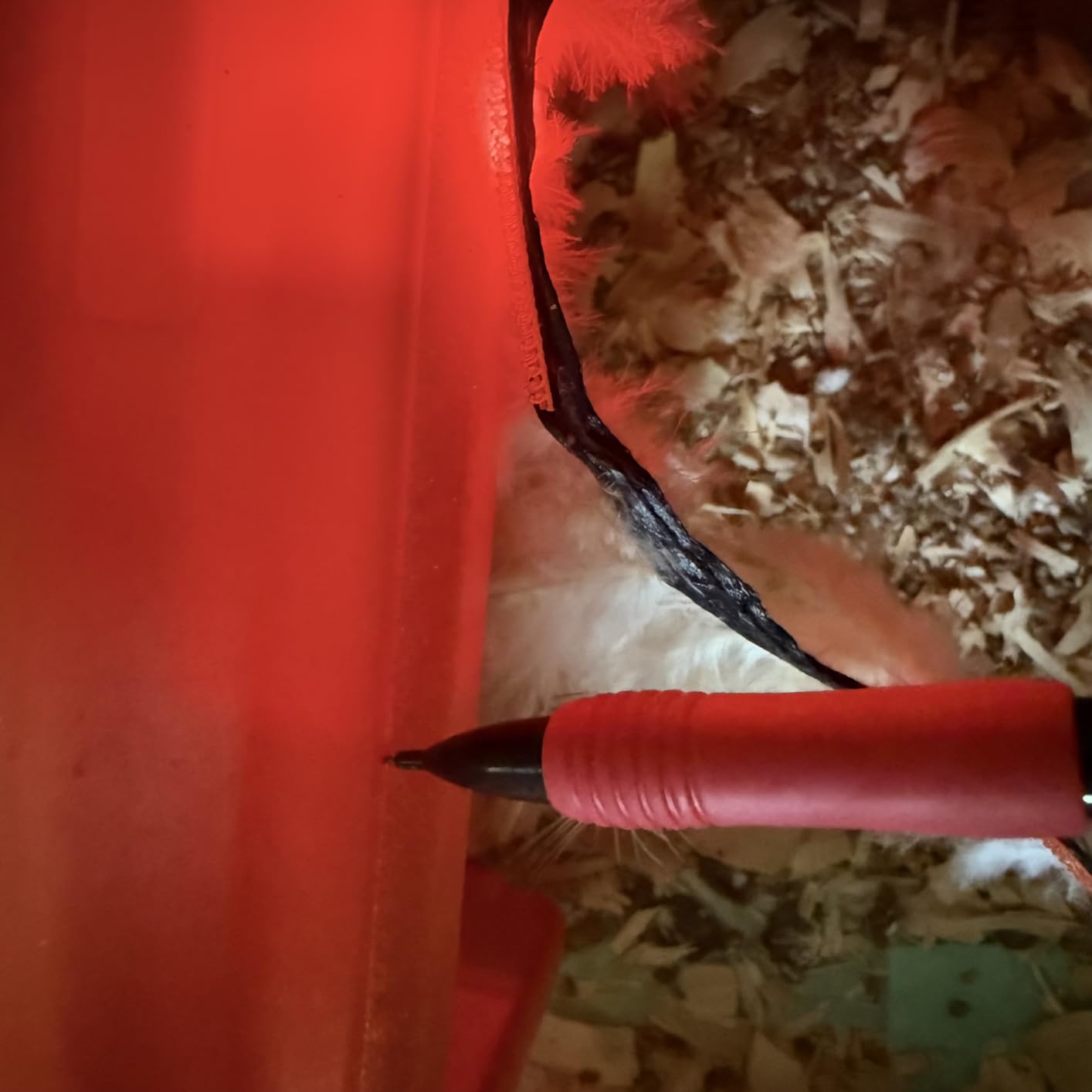
The mechanics. The height adjustment clamps do not hold enough friction, so once chicks perch on top the plate can slide down, and a sagged plate means a warm spot directly on the birds rather than above them.
The minimum height of roughly 4 inches also leaves chicks too warm at the bottom setting, which rules it out for button quail. It can be assembled upside down with every part still fitting, and the on and off switch on the cord is easy to bump. Several reviewers would not trust it for chicks in their first couple of days without additional heat.
4. Chickcozy 200W Smart Heater – the Only Plate Here With a Working Thermostat
Smart Chicken Coop Heater, 200W Radiant Heat Panel with Temperature Sensor
200 W radiant panel
Temperature sensor with 70F to 190F range
Legs or wall mount
UL and NCC certified
Pros
- Only unit in the group with a functioning thermostat and sensor
- Sensed temperature checked accurate against a separate thermometer
- Two-in-one design works as a wall heater for adult hens
- Stable four-leg base resists tipping
Cons
- Dial reading runs hotter than the air chicks actually feel
- Localized warm spot rather than whole-coop heating
- Plastic top cover does not always stay snapped on
If your objection to fixed-output plates is that you cannot verify what you are getting, this is the one that fixes it. A built-in sensor reads the temperature and adjusts power to hold your dial setting, across a range from 70F to 190F.
The recommended band for chicks is 90 to 95F, and for adult birds 100 to 120F. That the same panel is then wall-mounted as a coop heater through winter is unusual and genuinely useful, since the unit does not sit in a brooder collecting droppings for the rest of its life.
Owners who compared it against pricier plates rate it favourably for exactly one reason: the thermostat removes the guesswork. Several reuse it as a wall-mounted heater, and at least one buyer had a defective unit replaced by responsive customer service, which is worth knowing about in a category with thin support.
It is also UL and NCC certified, and compatible with timers and external temperature controllers if you want to automate a night drop. An anti-dirt top cover wipes clean after a week of chicks.
Where this plate works best
Keepers who want dial-based control instead of constant leg-height adjustment, and anyone brooding in a cooler space where a 12 to 30 watt plate cannot keep up. The stable four-leg base also matters when the brooder is unattended during a workday.
It doubles well for anyone who wants one heater for the brooder and then a coop heater for winter, rather than buying two devices.
Where this plate falls short
Calibration. Buyers report the dial-to-target reading can run noticeably hotter at chick level than expected, so an external thermometer is still worth checking against the sensor’s reading.
It is also a localized warm spot, not a whole-coop heater, despite the marketing. The plastic top cover does not always stay snapped on, and when wall-mounted the exposed upper edge has no shield. At 200 watts it also runs at ten times the draw of a 22 watt plate.
5. NUGRIART 10×10 – 15W Plate With Dual Fuse Protection
NUGRIART Brooder Heater for Chicks, 10″ x 10″ for 15 Chicks Heating Plate with Adjustable Height and Angle 15W Chicken Brooder Warm Like Mother Hen
10 x 10 inch plate
Rated for up to 15 chicks
Reaches about 115F in one hour
Dual fuse protection
Pros
- Aluminum bottom plate holds an even surface temperature
- 15 W is among the lowest draws here
- Dual fuse protection adds a layer of electrical safety
- Tool-free snap legs give several heights and angles
Cons
- Small 10 inch surface suits limited chick counts
- Fixed output with no thermostat
- External thermometer needed for accurate readings
This is a compact plate for compact brooders. At 10 by 10 inches and 15 watts, it is sized for a tote or a small cardboard box rather than a walk-in brooder, and the published figures are unusually specific for the price.
The aluminium bottom plate is the detail worth knowing about. Metal spreads heat rather than letting it pool in the centre, which is why owners report even warmth across the surface instead of a hot spot directly under the element.
It reaches roughly 115F within an hour and runs on 15 watts against the 250 watts of a conventional lamp. The electrical safety story is the strongest in the group at this size: a 10 amp resistance fuse plus a separate temperature fuse rated to 250F, inside a flame-retardant shell.
Snap-fit legs mean no tools and multiple heights and angles, and the removable acrylic top plate keeps droppings off the housing where you can wipe them away.
Where this plate works best
Tote brooders, small plastic boxes, and rescue or orphaned chicks where space is genuinely tight. It is also a good second plate to run alongside a larger one for a split-age flock.
Anyone nervous about electrical safety will like the two-fuse design, and the low draw makes it cheap to leave running through a full six-week brood.
Where this plate falls short
Capacity. A 10-inch surface is rated for up to 15 chicks, and that number assumes they are small. Week-three chicks regularly outgrow the footprint, which is the most common complaint in this category and the reason many keepers end up moving brooder mid-brood.
Output is fixed, so temperature depends on plate height and room temperature. With no thermostat, you are watching chick behaviour and checking a separate thermometer rather than reading a dial.
6. TRIOCOTTAGE Digital Plate – Remote Control and Dual-Sided Heating
Chick Brooder Heater Plate with Digital Temperature Control, Chicken Coop Heater for Chicks & Ducklings, LED Display, Remote Control, Adjustable Angle, 86°F–167°F Heating Plate
86F to 167F digital range
LED display with remote control
Four 24-hour heating cycles
Dual-sided heating
Pros
- Digital display and remote make adjustment from outside the brooder
- Very wide temperature range covers brooding through older birds
- Four programmable cycles control day and night warmth
- Screw-secured stands are more stable than clip adjusters
Cons
- Built-in display light partly defeats the no-light benefit
- One review describes the plate detaching and falling onto birds
- Listing reviews appear mixed with an unrelated incubator
This plate is the most electronically involved one we analyzed. Instead of a dial it has an LED display, a remote control, and a temperature range from 86F to 167F, which covers day-old chicks all the way to older birds on the same unit.
Four heating cycle modes repeat on a 24-hour loop, in 6H/18H, 8H/16H, 10H/14H, and 12H/12H splits. That lets you run a warmer setting overnight and a lower one during the day without reaching into the brooder, which is the kind of automation that appeals to keepers who work full-time.
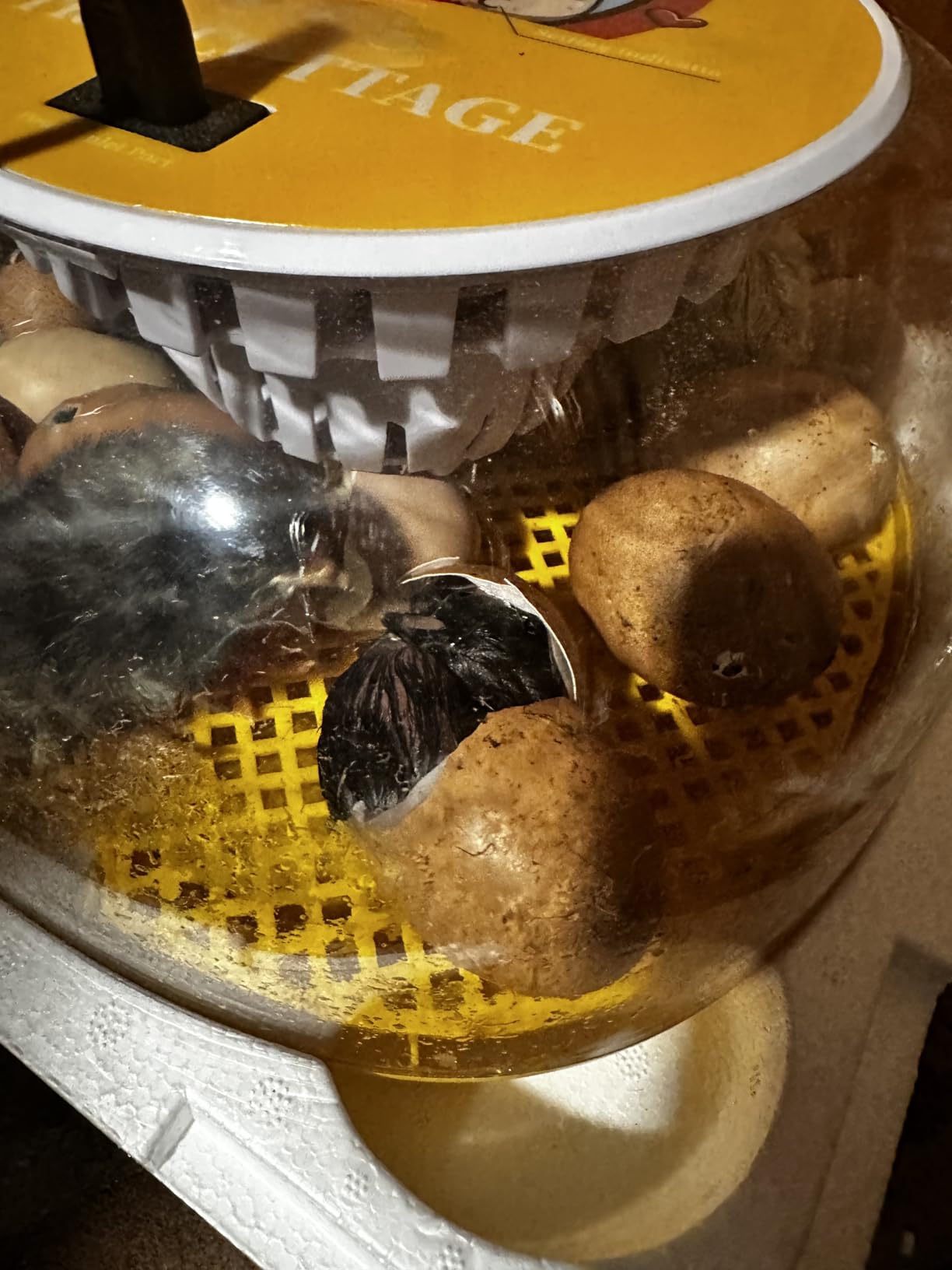
The panel heats on both its front and rear faces, and it can stand upright, tilt, or hang, so the same plate works whether you are brooding or warming a corner of a coop. Screw-secured stands hold their position better than clip-style adjusters that let a plate slide once birds perch on it.
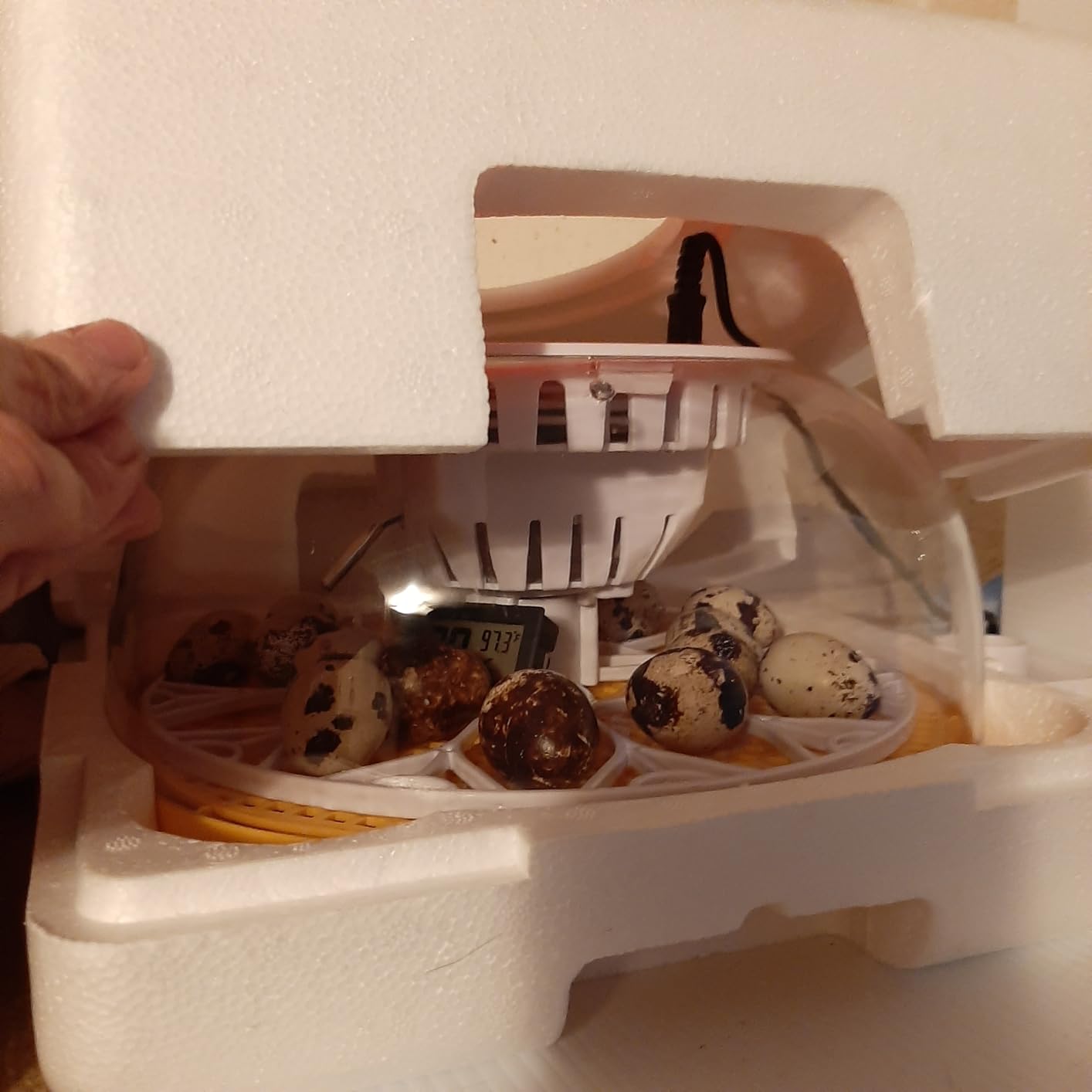
We want to be straightforward about the review data, though. Most of the reviews attached to this listing describe a small egg incubator rather than the heat plate, which means the verified feedback on the plate itself is thinner than the review count suggests.
Where this plate works best
Keepers who want remote, scheduled control rather than physical plate-height adjustment, and anyone moving birds through age groups without buying a second unit for the higher range.
The hanging and upright mounting options also suit brooders where leg height is awkward, and the wide range covers ducklings as readily as chicks.
Where this plate falls short
The built-in light on the display works against the main reason to use a radiant plate, which is leaving the brooder dark so chicks sleep properly. You would want to keep it covered or unplugged at night.
One returned review describes the black plate detaching from its mount and falling onto young birds, which is a serious failure to check for on arrival. It also carries the highest one-star share of the plates we analyzed, at 10 percent.
7. ZenxyHoC 10×10 – Constant-Temperature Plate With the Cone Included
Chick Brooder Heater with Anti-Roost Cone & Constant Temp Red 10″ x 10″
10 x 10 inch heating surface
Rated for up to 15 to 20 chicks
Four adjustable legs
Anti-roost cone included
Pros
- Anti-roost cone in the box cuts top cleaning
- Four-leg base resists tipping in an active brooder
- No glowing element so fire risk is minimal
- Adjustable height follows chicks as they grow
Cons
- Small 10 inch surface suits starter flocks only
- No thermostat or digital readout
- Constant-temperature version costs more than a basic plate
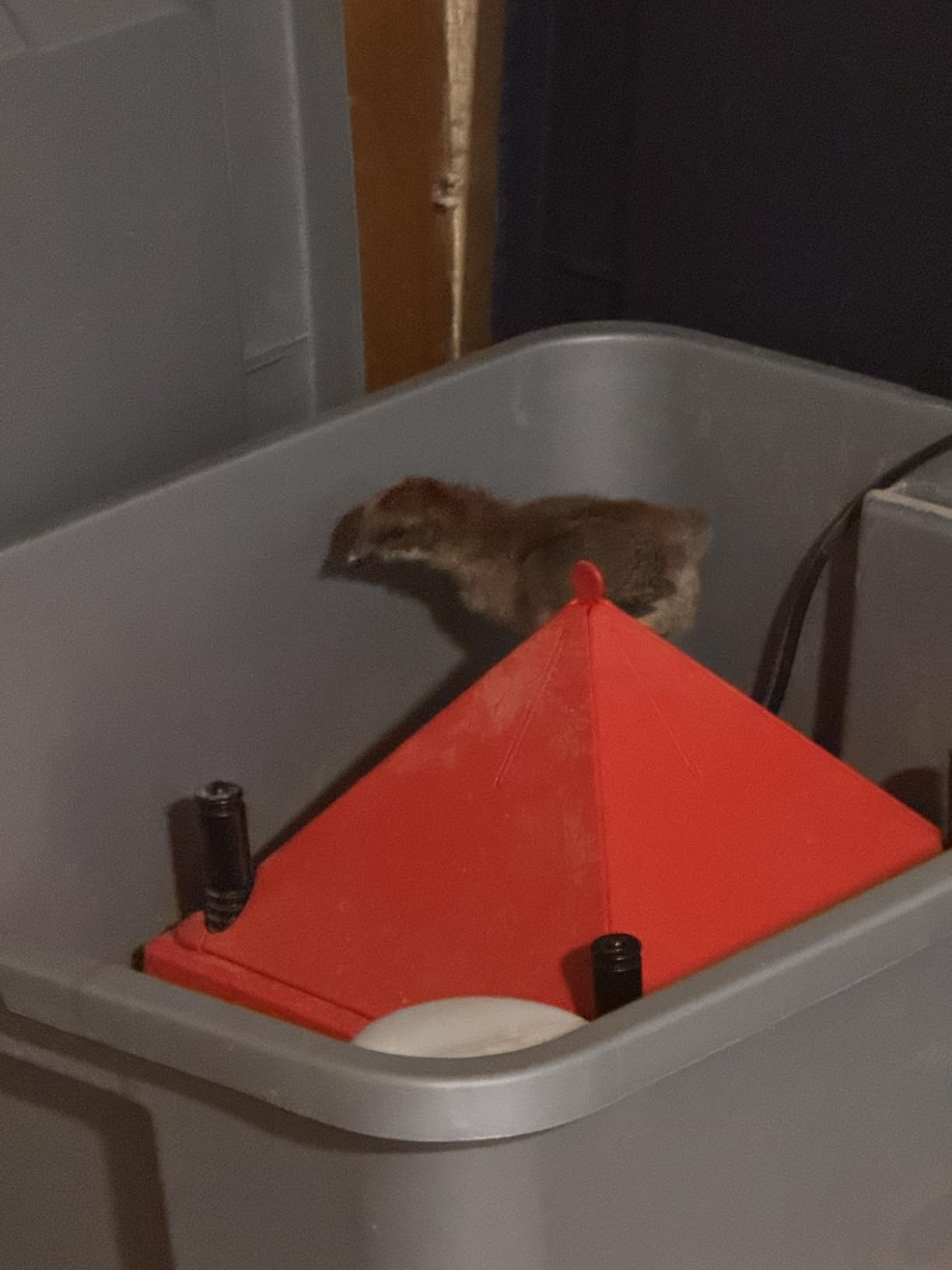
Anti-roost accessories turn up in nearly every keeper conversation about plates, because chicks learn fast to climb onto a warm surface and soil it. This one includes a cone that attaches directly, which is the reason it earns a place here.
It is a low-wattage radiant design with no glowing element at all, so there is no filament, no bulb, and nothing to fall into the bedding. Rated capacity is up to 15 to 20 chicks depending on conditions, and a 12 by 12 inch version of the same plate exists for larger broods.
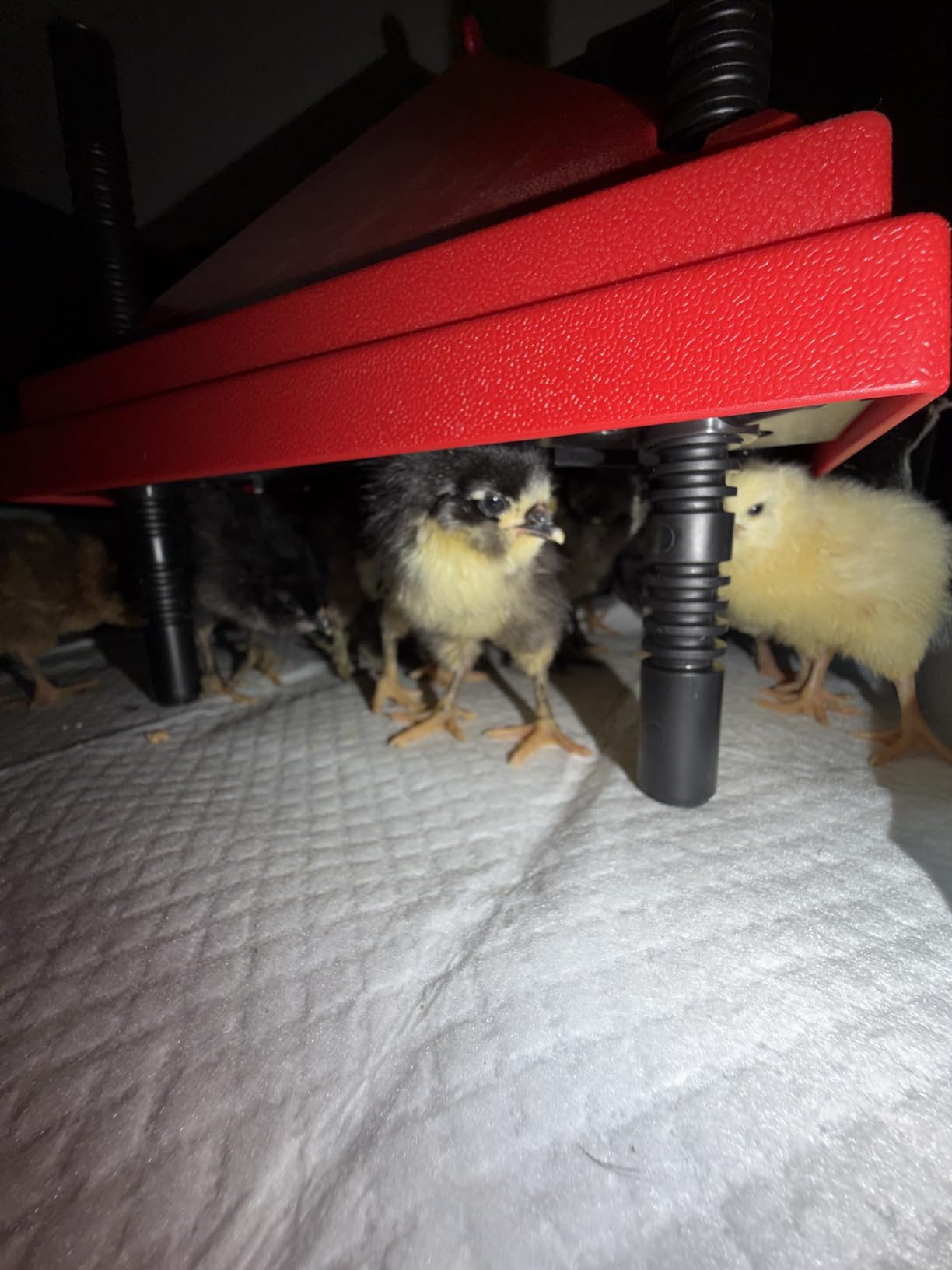
The four adjustable legs let the plate follow chicks as they grow, and the four-point base resists tipping in an active brooder, which matters more than it sounds when week-two chicks start scrambling over each other.
Owners consistently point to the bundled cone and the stable base as the practical reasons to pick this model rather than a cheaper bare plate. The even, lamp-free heat is well received for reducing the fire anxiety that pushes people off bulbs in the first place.
Where this plate works best
Starter flocks of up to about fifteen chicks in a draft-free indoor brooder, especially for keepers who want fire safety without a separate accessory purchase. The constant-temperature radiant design spreads warmth evenly rather than in patches.
It suits anyone raising a small number of birds who does not want to keep re-cleaning a plate, since the cone prevents most of the mess from ever landing on it.
Where this plate falls short
It is a starter-flocks product. Once chicks hit week three, a 10-inch surface becomes tight, and the same caveat applies to the other 10-inch plates here: the stated capacity assumes young birds.
There is no thermostat and no digital readout, so temperature is inferred from chick behaviour. The constant-temperature version also costs more than a basic plate, which is the trade for the steadier surface.
8. Shaledig 12×16 – 30W Plate Rated for Up to 40 Chicks
Shaledig 12″ x 16″ Chick Brooder Heater Plate for 40 Baby Chicks Ducks
12 x 16 inch heating surface
Rated for up to 40 chicks
30 W, 110 V
Height 2.56 to 7.09 inches
Pros
- Largest stated capacity here at up to 40 chicks
- Built-in limiter cuts out at 167F and restarts below 131F
- Only 30 W while holding 122F to 149F panel temperature
- No light beyond a small indicator so night rest is undisturbed
Cons
- Fixed output so height and room temperature set chick-level warmth
- No thermostat or temperature readout
- Wide footprint needs a correspondingly large brooder
This is the plate to look at if you are brooding a genuinely large batch. A 12 by 16 inch surface rated for up to 40 chicks is the biggest claimed capacity among the ten units we analyzed, and it does it on 30 watts.
The built-in temperature limiter is the feature that stands out. It cuts out at 167F and restarts below 131F, which is a passive overheat cutout rather than a thermostat, but it means the panel self-regulates at the extremes instead of running flat out.
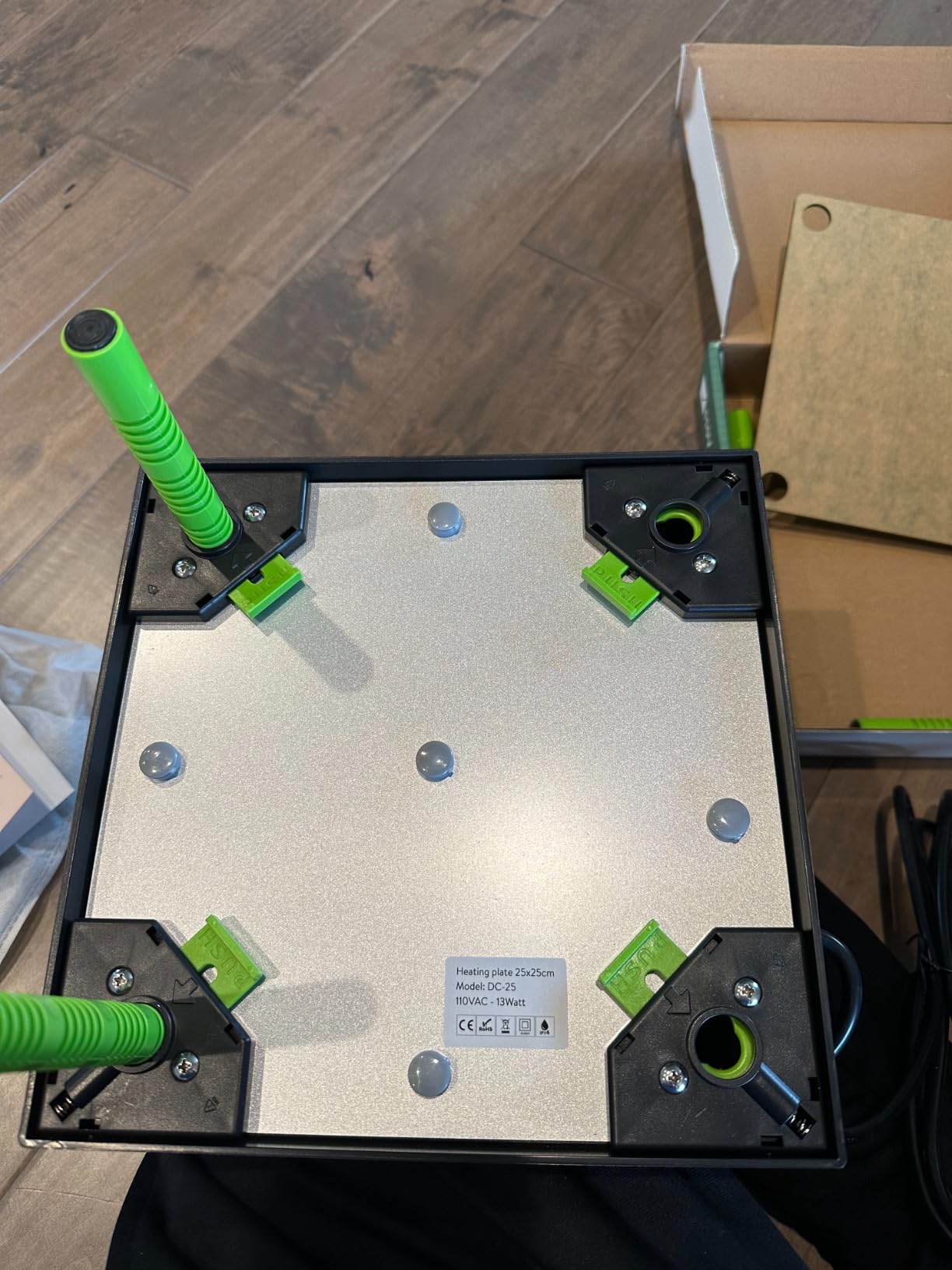
Published performance claims a 122F to 149F panel temperature in a room between 50 and 86F, and the housing is described as non-flammable and high-temperature resistant. Four sturdy legs give stable support across a surface this wide.
Buyers choosing this plate are typically brooding larger groups, and the combination of a wide surface at 30 watts is what makes that economical over a six-week brood. The only light is a small indicator, so chicks sleep undisturbed.
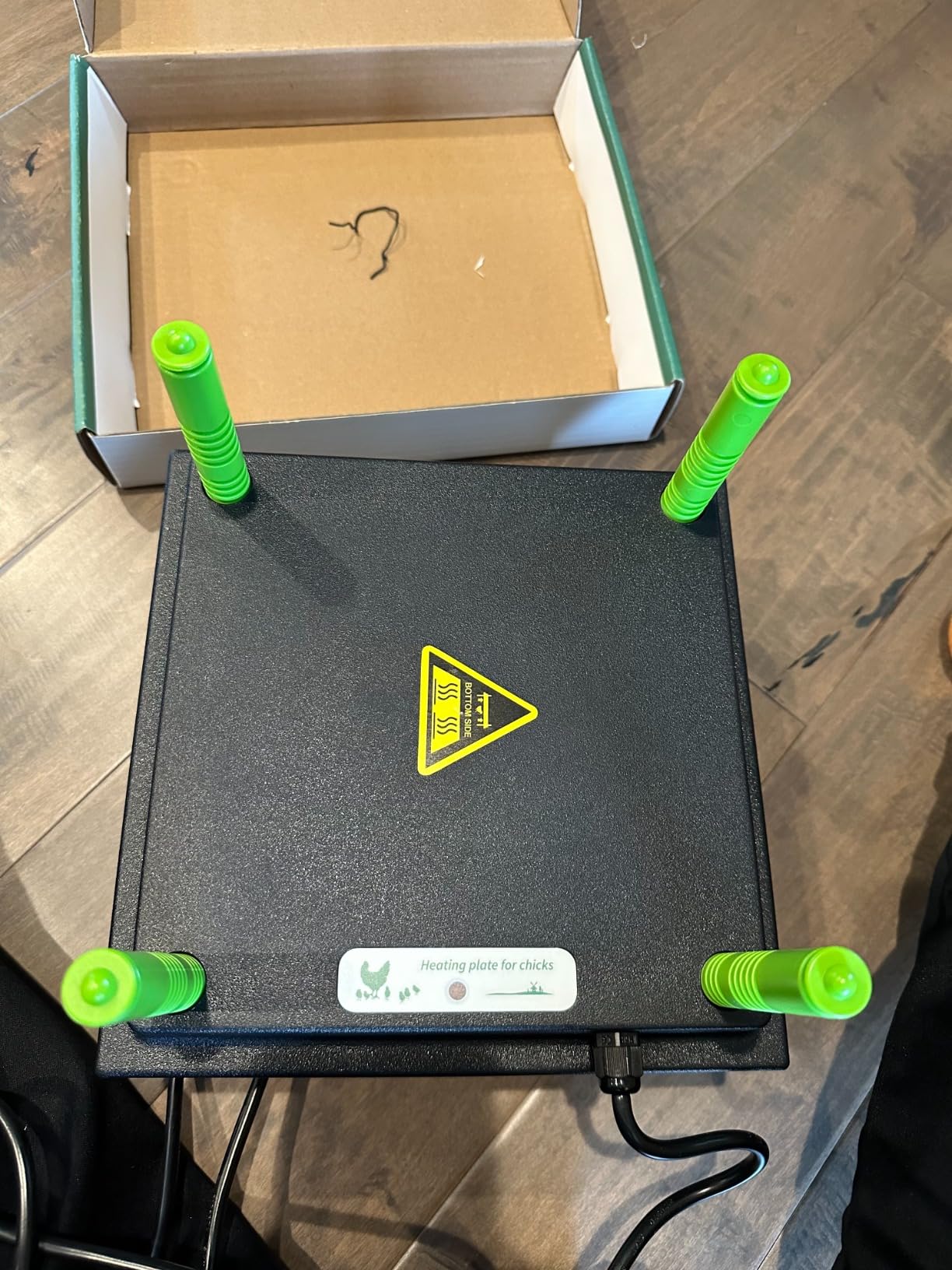
Where this plate works best
Broods of 25 to 40 chicks in a roomy brooder where you would otherwise be running two smaller plates. One unit, one thermostat-free zone, and a surface that does not need replacing mid-brood.
It is a good match for anyone moving chicks out to a coop later, since the extra surface area keeps up with growing birds for longer than a 10 or 12 inch plate.
Where this plate falls short
The output is fixed. Panel height and room temperature together determine what chicks actually feel, so there is no dial and no readout, and you need a thermometer at chick level plus a habit of checking.
The wide footprint also dictates your brooder size, and a 12 by 16 inch plate is a poor fit for a tote or a cardboard box. In an uninsulated space the room will pull heat away faster than a 30 watt panel replaces it.
9. Tetuga 12×16 – Thermostat Plate Sized for Medium Broods
Tetuga Brooder Heat Plate 12 X 16” Chick Heating Plate Warm Up to 30 Chicks
12 x 16 inch plate
Built-in thermostat at 122 to 149F
30 W
Snap legs from 2 to 7 inches
Pros
- Built-in thermostat holds a steady panel temperature
- Highest five-star share in the researched set at 79 percent
- 30 W draw keeps running cost very low
- Tool-free snap legs offer multiple angles
Cons
- Thermostat controls panel surface
- not brooder air
- Needs adequate brooder interior space and a flat floor
- Not suitable for narrow or low enclosed brooders
The Tetuga sits between the fixed-output plates and the sensor-equipped ones. It has a built-in thermostat that holds the panel surface between 122 and 149F, at 30 watts, on a 12 by 16 inch surface rated for up to 30 chicks.
What separates it in this group is the five-star concentration. Seventy-nine percent of its reviews are five-star, the highest share among the ten plates, and the satisfaction centres on that thermostat holding the surface steady rather than on any other single feature.
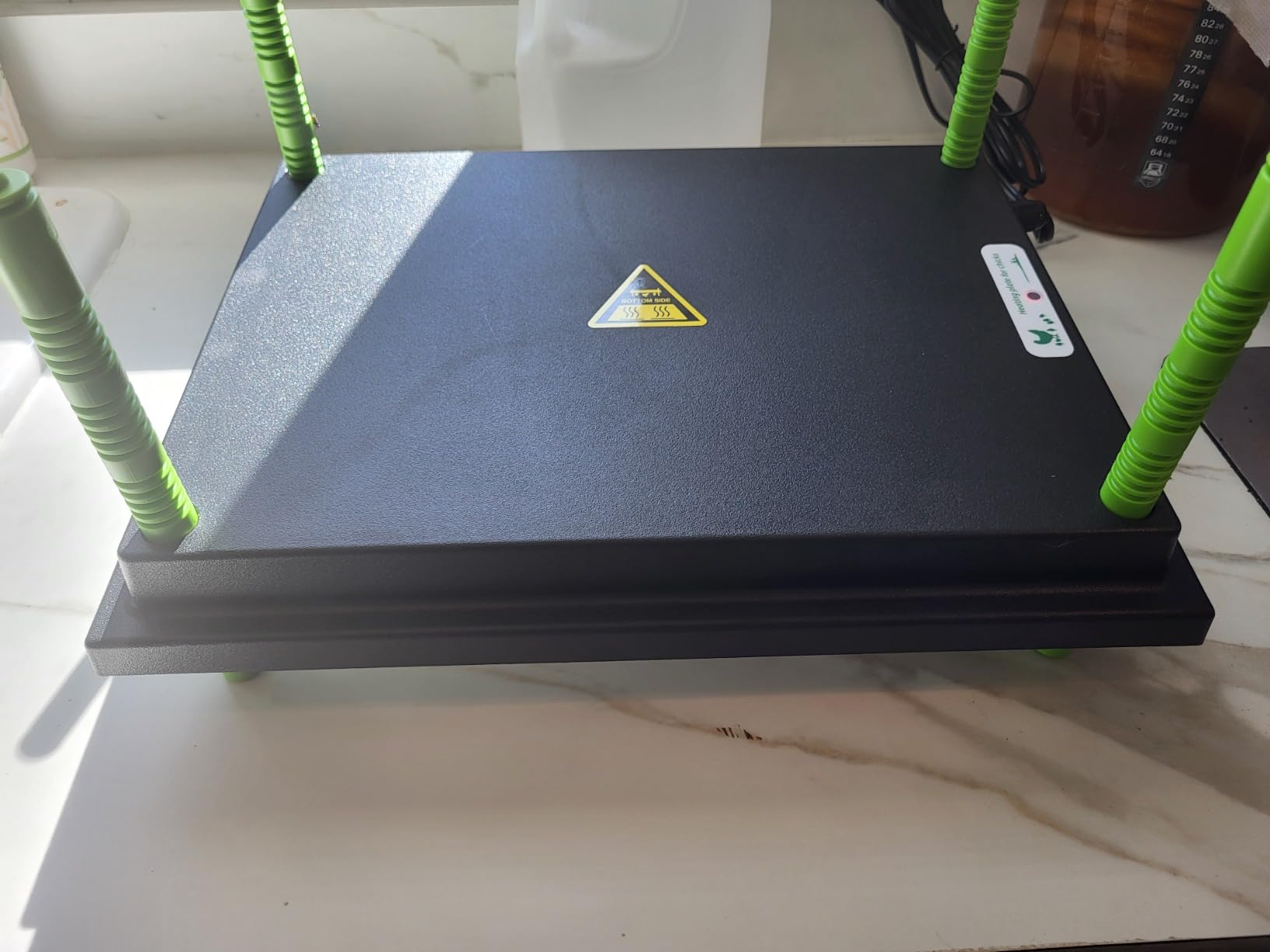
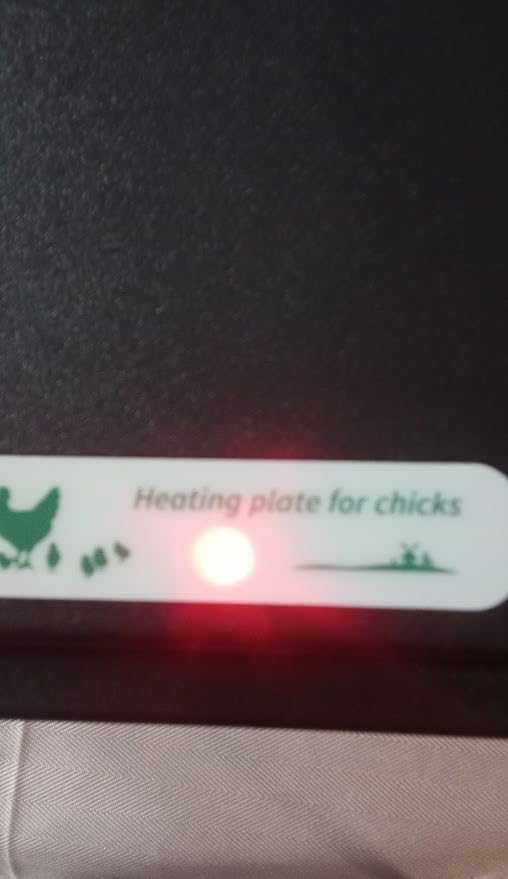
Snap-leg adjustment from 2 to 7 inches across multiple angles needs no tools, so you can flatten the gradient as chicks grow. The heating element emits no light, and the casing is flame retardant.
It is also usable for puppies and kittens, which matters if you are raising other young animals in the same season and want one heat source to cover both.
Where this plate works best
Medium broods of 20 to 30 chicks in a proper brooder with enough interior space and a flat floor. If you want the reassurance of a thermostat on the panel but do not need remote control or a wall-mounting mode, this is the balanced choice.
It suits mixed-species households too, since the same 122 to 149F surface works for chicks, ducklings, and small puppies.
Where this plate falls short
Surface temperature is not air temperature. The thermostat controls the panel, not the air chicks breathe, so a cold room still means a cold brooder and you should still verify with a thermometer at chick level.
It is also the wrong shape for narrow, low-height, or fully enclosed brooders, and any brooder with an uneven floor will leave part of the warm zone unusable.
10. Tetuga Brooder Box Kit – All-In-One Pen, Plate, Feeder, and Waterer
Tetuga Brooder Box for Chick Starter Kit with 10x 12” Brooder Heating Plate
Complete kit: pen, 10x12 plate, feeder, waterer, mat
Based on overheat protector at 167F
Pop-up washable frame
Pros
- Everything needed for a brood in one box
- Pop-up frame needs almost no assembly time
- Three-sided mesh cut ammonia smell during brooding
- Hose-off cleanable and folds flat for later seasons
Cons
- Soft fabric top can collapse if a cat jumps on it
- Included feeder and waterer need upgrading after a week or two
- Best suited to about 10 chicks before it feels tight
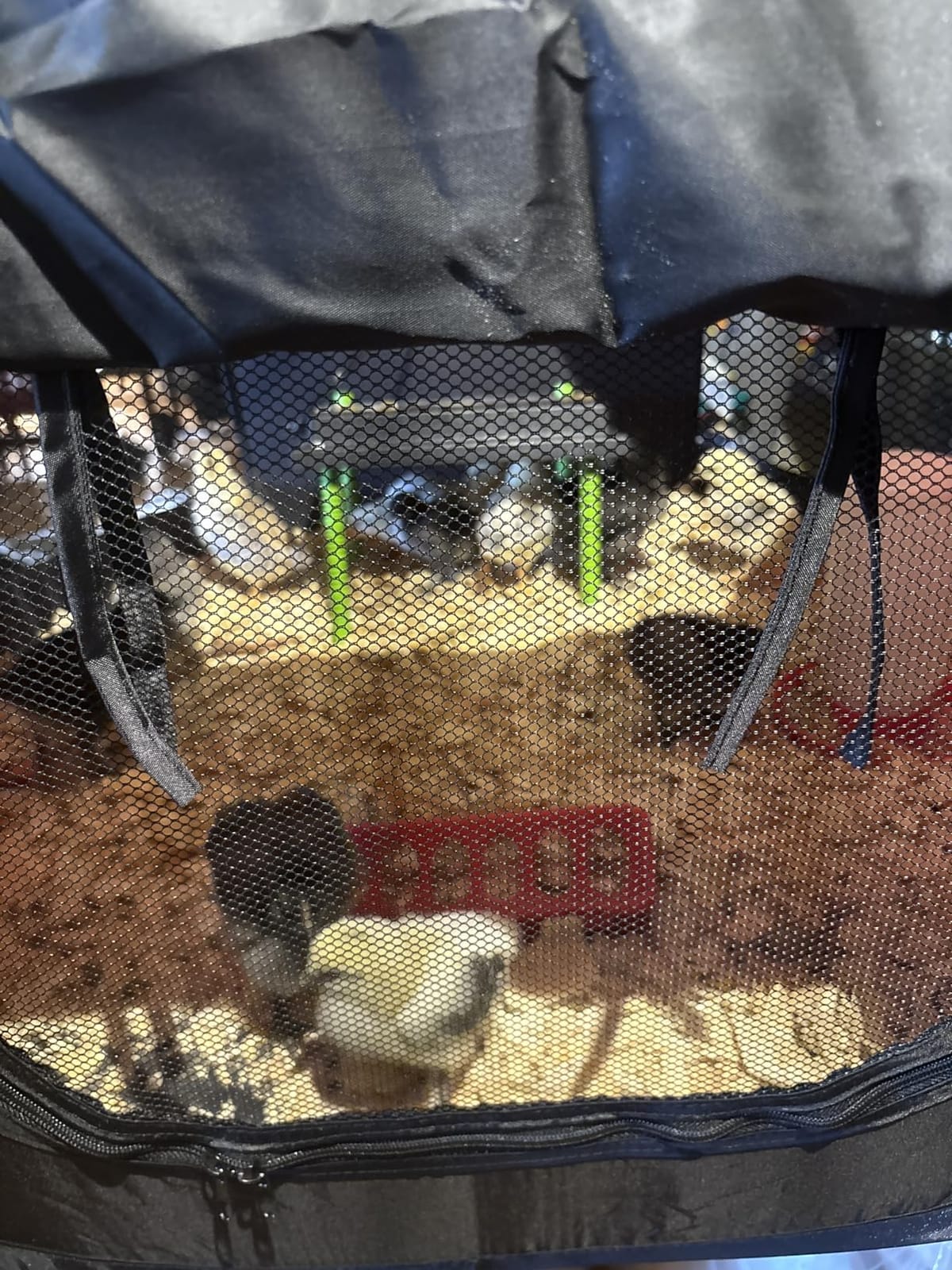
This is the only complete brooding system in the group rather than a bare heat plate, and that distinction shapes everything about it. The box contains a brooder pen, an adjustable 10 by 12 inch heating plate, a feeder, a waterer, a floor pad, a storage bag, and three ground stakes.
For a first-time keeper who does not yet own any equipment, that list removes six separate purchases. The pop-up frame has built-in structure and needs almost no assembly, so you can have it running the day chicks arrive.
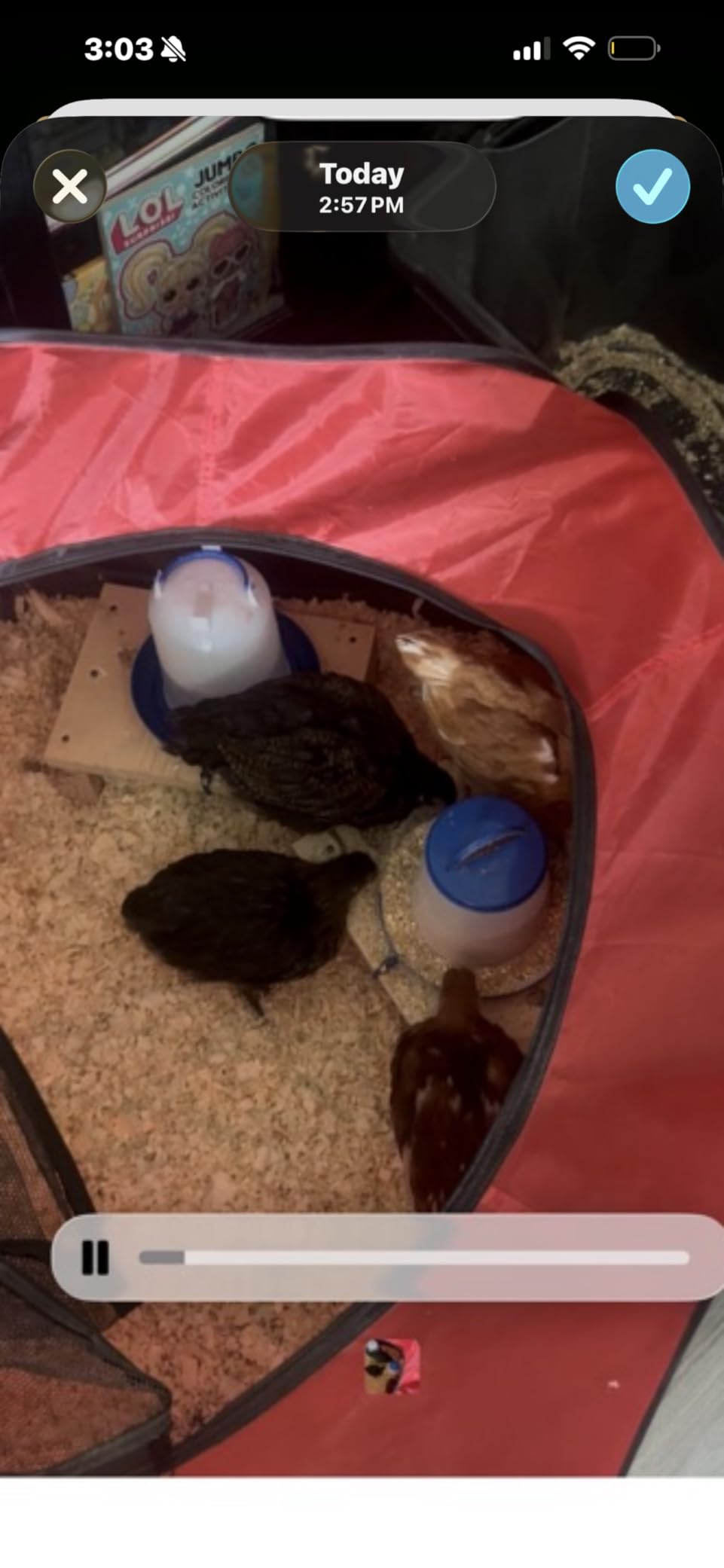
The three-sided mesh matters more than it looks. Owners report that side and top mesh cut the ammonia smell significantly during brooding, which is the single most common complaint about cardboard brooders and a real welfare issue in enclosed tents.
The washable Oxford cloth takes a hose-off cleaning and folds flat for reuse in later seasons, and the plate has a built-in overheat protector that cuts out at 167F and restarts at 140F. It works for chicks, ducklings, goslings, and small puppies or kittens.
Where this plate works best
First broods of about ten chicks or fewer, and for anyone who wants a ready-to-go system rather than a box, a plate, and fittings to source separately. The mesh sides and floor pad also make it the healthiest option for small batches.
For owners of mixed young animals it is a two-birds-one-stone buy, since the same tent warms chicks and puppies through the season.
Where this plate falls short
Capacity is the limit. Owners describe it as best suited to around ten chicks before it becomes tight, which makes it the smallest effective brooder here rather than a solution for a batch.
The soft-sided fabric top can collapse if a cat or other animal jumps on it, so it needs a place where that cannot happen. The included feeder and waterer generally need upgrading after the first week or two, and the plate has no manual temperature adjustment and may feel mild.
How to Choose a Brooder Heat Plate: Sizing, Temperature, and Accessories
Match the plate to your chick count, not the maker’s number
Published capacity figures are measured on newborn chicks, and newborn chicks fit under a plate in a way week-four chicks cannot. As a working rule, size the warm zone for the birds you will have in week three rather than the birds you have today.
Up to 6 chicks: a 10 by 10 inch plate is comfortable.
8 to 15 chicks: a 10 by 10 or 12 by 12 inch plate.
16 to 25 chicks: a 12 by 12 inch plate, or two smaller plates.
26 to 40 chicks: a 12 by 16 inch plate, or run two plates at different heights.
The other half of sizing is floor space, because chicks also need room away from the plate to eat, drink, and sleep. A broad rule from extension guidance is roughly half a square foot per chick in weeks one to four and a full square foot from week four to eight.
Run the plate empty for 24 hours before the chicks arrive
Set the plate at its starting height, plug it in, and put a thermometer at chick level, not against the panel. Leave it a full day. This tells you the actual chick-level temperature in your room rather than the panel temperature the maker publishes, which are frequently very different numbers.
Those two figures are where most disagreements come from. A panel reading 149F can easily be an air temperature at chick level closer to 95F, and the gap widens in a cold or drafty space. Check in on day two and adjust height before the birds arrive, not after.
Read chick behavior like a thermostat
Chicks are honest and they are free. The signals are consistent enough to diagnose a plate in about a minute.
Too cold: chicks pile on top of each other, press against the plate underside, or crowd the plate edge rather than the centre. Cheeping is constant.
Too hot: chicks scatter to the far corners, pant, hold wings away from the body, or stay under the plate edges flattened out.
Draft: all chicks hug one specific side or wall, which is a room problem rather than a plate problem.
Correct: chicks move under the plate when cold, step out to eat and drink, and settle at the edge of the warm zone to sleep.
Run that check three times a day for the first week. It is faster and more reliable than any dial.
The anti-roost cone is close to mandatory
Chicks climb onto a warm surface instinctively. Left alone, they roost on the plate, soil it, and in a cardboard box situation they may also reach the edge and climb out. An anti-roost cone or cover prevents both, which is why keeper consensus treats it as essential even though most editorial roundups ignore it.
Only the RentACoop and the ZenxyHoC in this group include one. If you pick anything else, budget for a cone and the two minutes it takes to clip it on. Owners also recommend tilting the legs, one side higher than the other, so the plate slopes and chicks can self-regulate between a warm edge and a cool one.
Know when a cold garage defeats a low-wattage plate
A radiant plate heats chicks, not rooms. In a space that is already cold, the walls and floor pull heat away faster than a 12 or 15 watt panel can replace it, and the published capacity quietly stops being true.
If your brooder sits in an uninsulated garage or barn and the room regularly sits near 60F, choose a higher-wattage unit such as a 200W sensor panel, or go back to a properly secured 250W lamp. Keeping the garage itself comfortable, which our guide to heat recovery ventilators covers for larger buildings, also narrows the gap a plate has to close. For the same reason, a heated brooder room behaves nothing like an unheated one, a lesson that also comes up when you compare heat presses and other thermostat-controlled gear on the same site.
Frequently Asked Questions
Is a brooder plate better than a heat lamp?
For up to about 30 chicks in a reasonably warm room, yes. A plate draws 12 to 200 watts against 250 for a bulb, carries almost no fire risk, and leaves the brooder dark so chicks sleep normally. A secured lamp still wins for larger batches in cold uninsulated spaces, because it warms the whole room rather than a small zone.
Are heat lamps or heat plates better for chicks?
Heat plates are better for most backyard broods because they remove fire risk, cut electricity use by roughly 90 percent, and preserve a normal day and night sleep cycle that red bulbs destroy. Heat lamps remain useful when you are brooding 30-plus chicks in a cold barn, where you need the whole space warmed rather than one warm zone.
Are chick heat plates safe for chicks?
Yes, and they are safer than lamps. There is no exposed filament, no bulb to fall into bedding, and several plates run at low voltage or use flame-retardant housings with dual fuse protection. Still check the underside before reaching in, and confirm the panel is stable because chicks perch on plates and on their frames.
What are the disadvantages of chick heat plates?
The main ones are that most have no thermostat, so temperature depends on leg height plus an external thermometer. Published chick capacity is optimistic once birds reach week three, plates do not warm the surrounding room, a wide plate will not fit a small tote, and an anti-roost cone is often sold separately even though most keepers consider it essential.
How to tell if a brooder plate is warm enough?
Watch the chicks rather than the panel. If they pile on each other or press against the underside they are cold; if they scatter to the far corners, pant, or hold wings out they are too hot. Correct behaviour is chicks ducking under when cold, stepping out to eat and drink, then sleeping at the edge of the warm zone. Verify with a thermometer at chick level, not against the plate.
How many chicks can a brooder plate heat?
Published ratings run from up to 15 chicks on a 10 by 10 inch plate to up to 40 on a 12 by 16 inch model, measured on newborn chicks. Since birds outgrow the warm zone by week three, size for the birds you will have in three weeks, and run two plates rather than one once you pass about 25 chicks.
Final Verdict: Which Brooder Heat Plate Should You Buy in 2026?
The Brinsea Ecoglow 600 is our pick as the best brooder heat plate for chicks in 2026 because it draws 12 watts, runs at low voltage, cleans in seconds, and carries the only three-year warranty in this group. Buy the RentACoop 12×12 instead if you want the highest-rated plate with the anti-roost cone already attached. Go larger and thermostat-equipped with the Chickcozy 200W if your brooder sits somewhere cold, and buy the Shaledig 12×16 if you are brooding 25 to 40 birds at once.
Whichever you choose, run it empty for a full day first, check chick behaviour three times a day for the first week, and add an anti-roost cone if the plate does not come with one. Those three habits solve most of the problems people report with plates.