
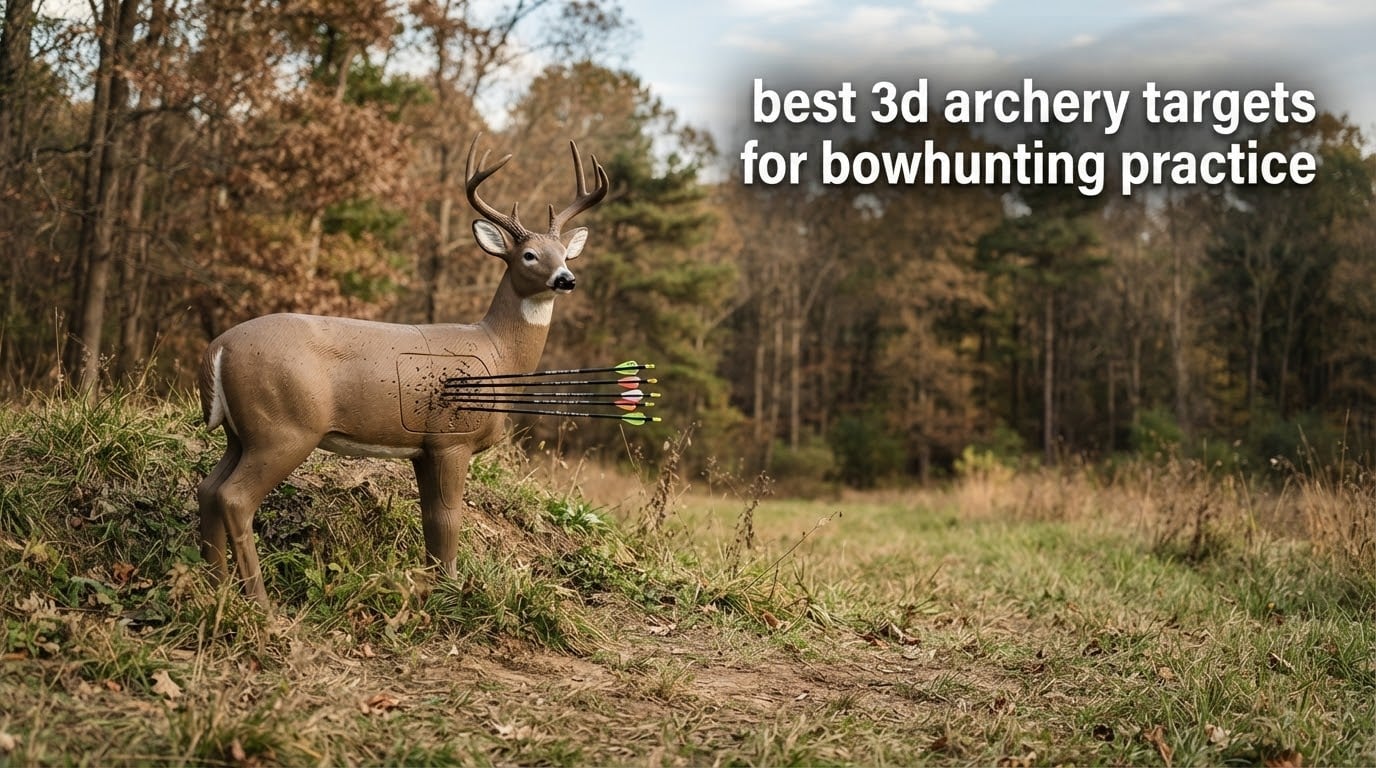
A 3D archery target is a life-size, three-dimensional foam replica of a real animal — deer, elk, bear, turkey, coyote or squirrel — built so bowhunters can rehearse shot placement instead of just grouping arrows on a flat face. That single difference changes what practice actually teaches you.
I have shot foam targets of every shape and size over the years, and the ones that shape real habits are the ones shaped like game. A flat paper target teaches you to put a shaft in a circle. A 3D target teaches you to hold a 30-yard angle on a moving-height chest cavity while guessing elevation and wind drift, which is the entire skill that decides a hunting-season shot.
Short answer on the top question in this category: for most bowhunters, the Delta 51490 Bloodline Buck XL is the best 3D archery deer target you can buy right now, because it is a large, life-proportioned buck with a replaceable foam insert, which means you replace a small insert when the shot area wears out instead of buying a new target. If your priority is premium foam that heals well season after season, the Rinehart 1/3 Scale Woodland Elk is the pick most serious archers gravitate to.
Everything below was judged on the same four questions: how wide is the shootable body, does the foam stay quiet and stop a broadhead, does the core wear out or does the whole animal wear out, and how bad is arrow removal after 200 shots. We also weighed the price band against the size, because buyers consistently ask whether a smaller target earns its lower cost — a question we answer honestly in each review below.
If you are still working out target types in general, our archery target roundup for every budget covers foam bags and layered blocks too. This page stays narrow: only 3D animal targets for bowhunting practice.
Table of Contents
What Is a 3D Archery Target and Why It Beats a Flat Face?
A 3D archery target is a sculpted foam body with the proportions, height and irregular surface of a real animal, built to take broadheads and field points at hunting ranges. Unlike a flat paper face, it gives you a genuine aiming reference: where the shoulder is, where the chest cavity sits, and how far up and over the animal you have to hold to reach the right zone.
That geometry is the whole point. A flat target has one plane and one known height. A 3D target has depth, and the further back the animal stands, the more you must judge its position with no visible vertical reference line. Practising on a buck at 30 yards teaches exactly what a quartering shot at 30 yards demands in the field.
The three construction styles you will meet in this roundup are foam bag, solid carved foam, and foam pit. Most of the targets below are solid carved foam with a replaceable core, sometimes called a vital insert, tucked into the chest and shoulder area. Nearly every high-impact shot lands there, so the target body outlives many cores.
Two other terms matter before you shop. Pass-through means an arrow exits the back of the target, usually caused by a hard-point arrow into a thin section. Field points are the low-profile practice heads most archers use on foam; broadheads and expandables are the hunting heads that demand a denser core.
Top 3 Picks for Best 3D Archery Targets for Bowhunting Practice (October 2026)

Delta 51490 Bloodline Buck XL
- X-Large life-size buck
- Replaceable foam insert
- Accepts any arrow or bow
- 19 lb body with stakes

BIGSHOT Raccoon and Groundhog Combo
- Two life-size targets per pack
- Elasto-Flex self-healing foam
- Weathercoat all-season coating
- IBO scoring rings
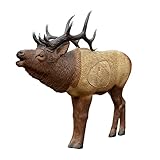
Rinehart 1/3 Scale Woodland Elk
- Rinehart self-healing foam
- Easy arrow removal
- 38 inch H by 44 inch L
- Realistic elk anatomy
All 12 Targets Compared Side by Side In 2026
| Product | Specifications | Action |
|---|---|---|
| Delta 51490 Bloodline Buck XL |
|
Check Latest Price |
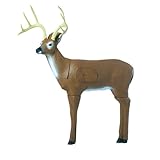 Riverbottom Challenger 3D Target Riverbottom Challenger 3D Target |
|
Check Latest Price |
| BIGSHOT Raccoon and Groundhog Combo |
|
Check Latest Price |
| Rinehart 1/3 Scale Woodland Elk |
|
Check Latest Price |
 BIGSHOT Pro Hunter 3D Doe BIGSHOT Pro Hunter 3D Doe |
|
Check Latest Price |
 Delta Howling Coyote Dura-Flex Delta Howling Coyote Dura-Flex |
|
Check Latest Price |
 Shooter Solid Body 3D Turkey Shooter Solid Body 3D Turkey |
|
Check Latest Price |
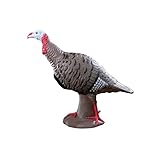 Rinehart Signature Tom Turkey Rinehart Signature Tom Turkey |
|
Check Latest Price |
 Delta McKenzie 3D Woodchuck Delta McKenzie 3D Woodchuck |
|
Check Latest Price |
 BIGSHOT Real Wild Armadillo BIGSHOT Real Wild Armadillo |
|
Check Latest Price |
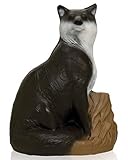 Delta McKenzie 3D Fox Backyard Delta McKenzie 3D Fox Backyard |
|
Check Latest Price |
 JRONG Tols Squirrel 3D Target JRONG Tols Squirrel 3D Target |
|
Check Latest Price |
1. Delta 51490 Bloodline Buck XL Review: Best Overall Deer Target
Delta 51490 Bloodline Buck, X-Large
X-Large life-size buck
Replaceable foam insert
19 lb body
Takes any arrow or bow
Pros
- Large realistic buck proportions
- Replaceable foam insert extends target life
- Mid-tier price for its size
- Ground stakes included
- 4.5 star average across 128 reviews
Cons
- Arrows hard to pull from the body
- Antler foam can split during installation
- Only stakes included and no stand
This is the target I recommend to anyone who shoots more than 50 arrows a week. The Delta 51490 Bloodline Buck XL is a large-format buck with a full chest cavity, and it is built around a replaceable foam insert in the shootable area, which is the feature that actually determines how long you keep it.
Out of the box it measures X-Large and weighs 19 pounds, which is a realistic mass for a whitetail and gives it enough stability to stand without a backstop frame in most backyard conditions. The listing states it takes any arrow from any bow, which in practice means broadheads and field points at both recreational and serious poundage.
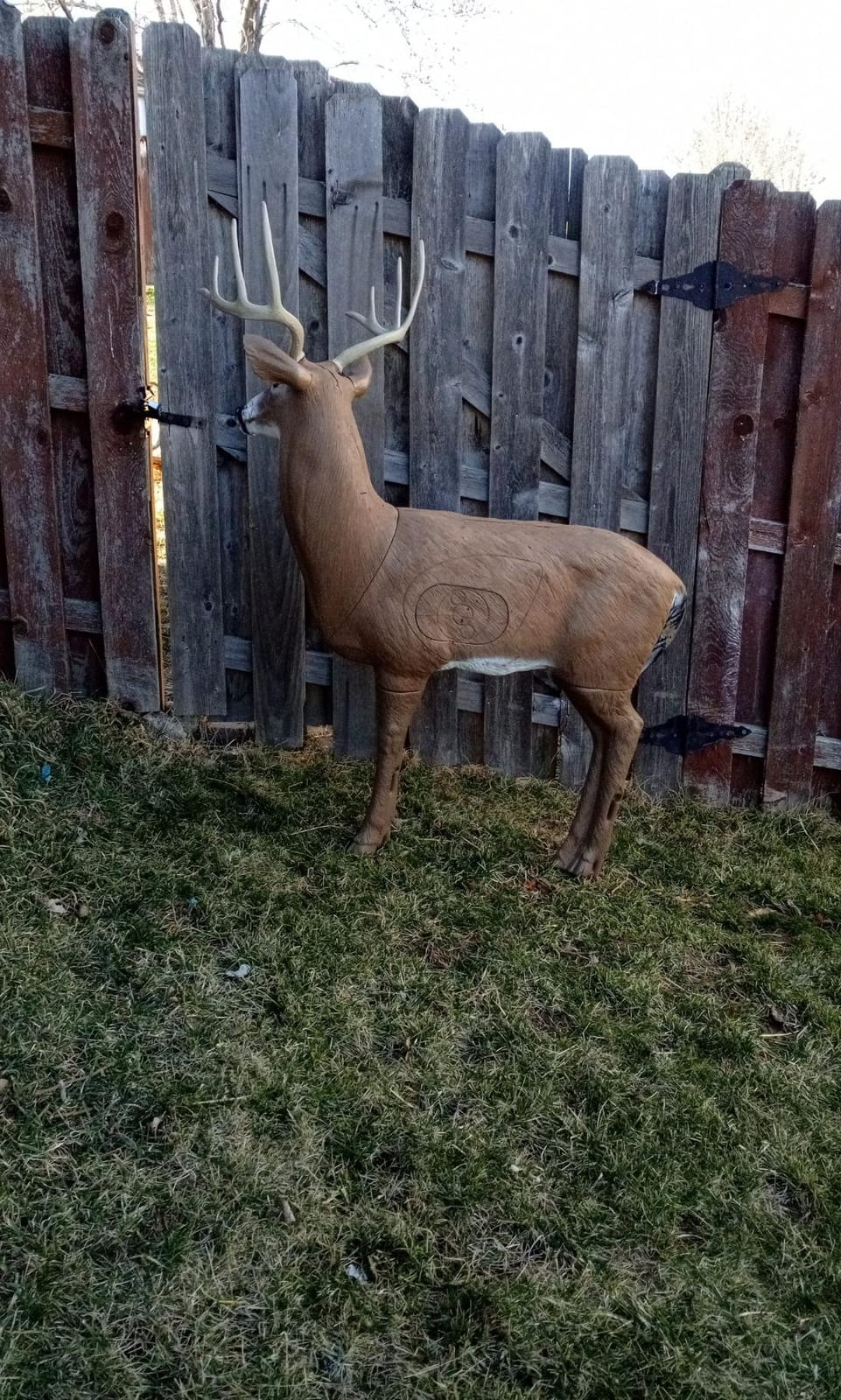
Owner reviews describe good stopping power and a target that holds up under heavy use, and the rating sits at 4.5 across 128 reviews with about 73 percent giving five stars. That combination of score and volume is why it takes the top slot in this roundup: it is not a flash pick, it is one that a lot of people have shot at.
Arrow pull is the trade-off. Once a broadhead is buried in the chest at close range, it takes real effort to extract, which is a good sign for stopping power and a mild annoyance on a long practice session. Bring a puller and you will not think about it.

What you will notice in the first week
The proportions are the story. Shoulder height and chest depth read correctly from a standing position, so aiming at a high shoulder shot feels like aiming at a high shoulder shot. That transfers directly to a tree stand or ground blind.
The replaceable insert is what protects the investment. When the chest zone goes hard and arrows stop pulling cleanly, the worn section comes out and a new one drops in, rather than discarding a whole sculpted buck.
Where it falls short
Antler installation is genuinely fiddly. Owners report the antler foam splitting or loosening while fitting, so go slowly and support the piece as it seats.
Also note that only mounting stakes are included. If you want the target angled at your shooting position rather than square, a stand is worth adding.
2. Riverbottom Challenger 3D Target Review: Best First Deer Target
Riverbottom Challenger 3D Archery Target
Self-healing foam buck
IBO scoring rings
16 lb
10 inch thick
Pros
- Realistic deer anatomy at a mid-tier price
- Self-healing foam holds up to hundreds of shots
- Ground stakes included
- Easy assembly
- Most reviews of any target in this roundup
Cons
- Antlers can break if dropped or hit
- Plastic legs can crack if an arrow strikes them
- Arrows difficult to remove
- Head foam rails can tear
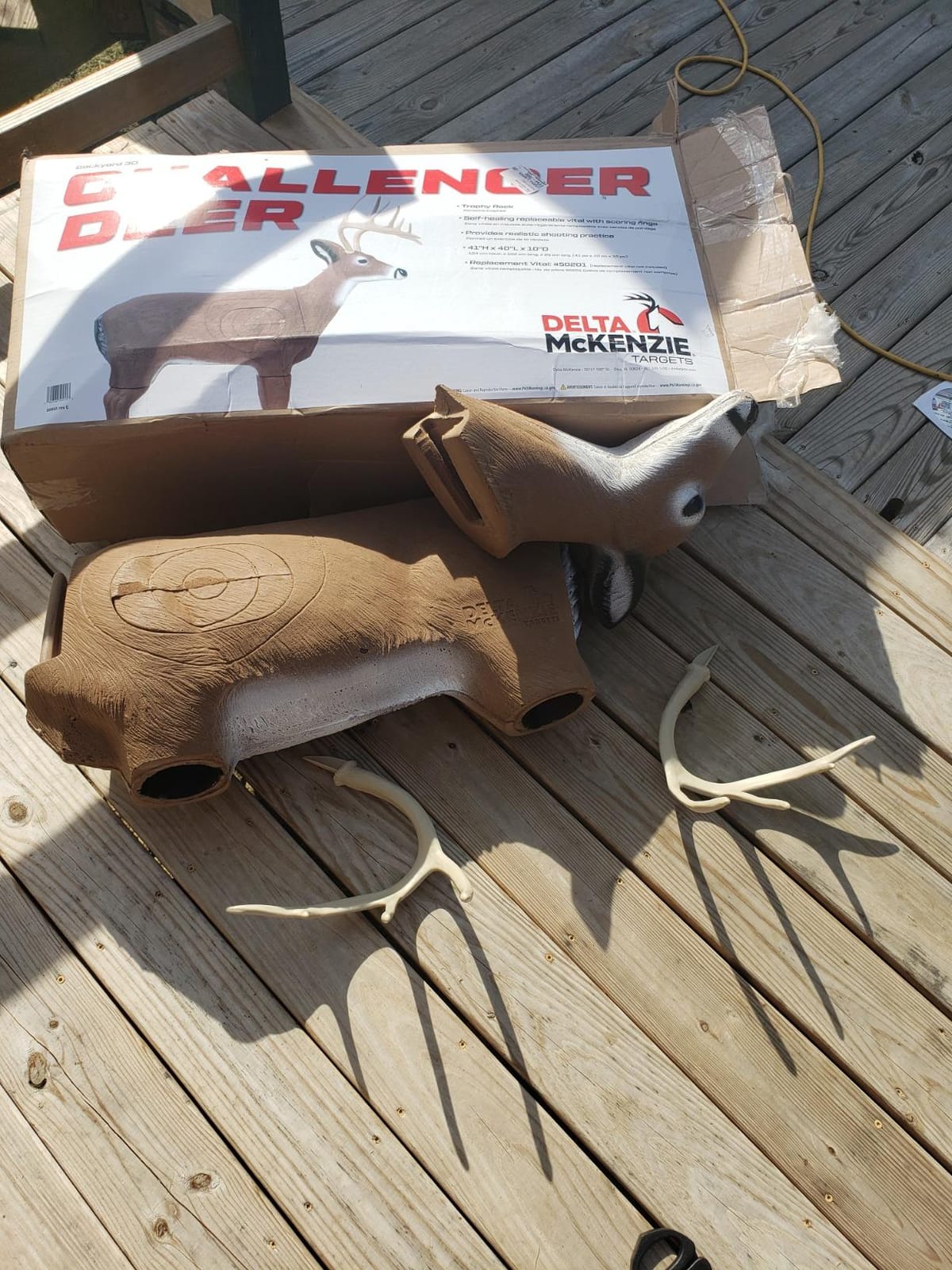
The Riverbottom Challenger is the Delta McKenzie entry point into 3D practice, and at 249 reviews it carries more owner feedback than anything else in this roundup. For a first foam animal, that volume of real-world shooting is genuinely useful.
Construction is self-healing foam with IBO scoring rings printed into the body, and it comes in at 16 pounds with 10 inches of thickness. That combination is the sweet spot for a backyard buck: enough depth to stop broadheads without a foam pit, and a scoring face if you want to shoot it for fun scores as well as placement.
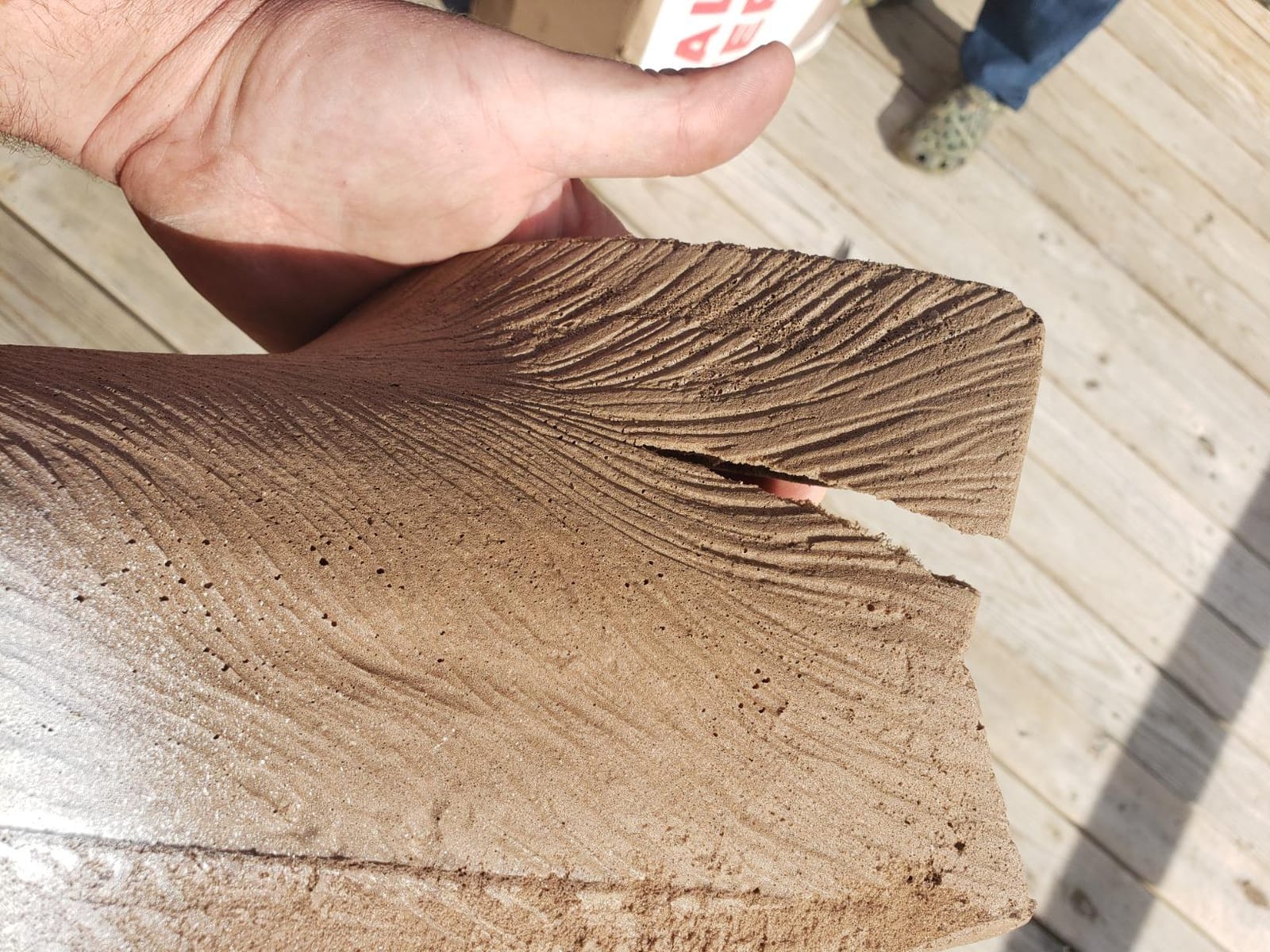
The recurring theme in reviews is longevity for the price. Buyers consistently describe the foam holding up through hundreds of shots and call the value strong next to premium deer models. The product is backed by a satisfaction guarantee rather than a long written warranty, which tells you where it sits in the brand hierarchy.
Weak points cluster around the non-foam parts. Antlers can snap if the target is dropped or struck, and the plastic legs are the first casualty when an arrow lands low and off-axis. Owners also report arrows being difficult to pull, which again points to a dense, well-performing core.
Who this suits
If you are moving from paper or foam bag targets to a 3D animal for the first time, this is the least expensive way to make that jump without giving up a deer silhouette. The IBO rings also make it useful for family or youth archers who want feedback alongside placement practice.
It is also a good second animal for a small 3D course, because a 16 pound buck is easy to reposition between shooting positions.
Where it falls short
Arrow removal gets hard after a heavy session, and there is no replaceable core mentioned in the specification. That means when the chest zone finally wears smooth, you are replacing the whole animal rather than a small insert.
Treat the antlers and legs as consumables. Keep the target off hard ground, and do not let anyone shoot an antler point-blank to see what happens.
3. BIGSHOT Pro Hunter Raccoon and Groundhog Combo Review: Best Value Pick
BIGSHOT Pro Hunter Raccoon & Groundhog 3D Archery Target Combo – Life-Size Dual Critter Set for Compound, Recurve & Youth Bows – Durable Self-Healing Foam – Weatherproof Outdoor Target Practice
Raccoon plus groundhog
24 inch critters
Elasto-Flex foam
16 lb for the set
Pros
- Two life-size targets in one pack
- Self-healing Elasto-Flex foam
- Weathercoat handles rain snow and sun
- Works with compound recurve and youth bows
- Highest average rating in this roundup
Cons
- Dense foam makes arrows hard to pull
- Scoring rings reported off-centre on the raccoon
- Both targets share the same wear pattern
When you divide the cost by targets, this combo is hard to argue with: two life-size critters, a raccoon and a groundhog, in a single pack. That makes it the fastest way to build a small backyard course or to give two archers something to shoot at the same time.
Both targets use BIGSHOT Elasto-Flex self-healing foam and carry a Weathercoat layer for rain, snow and UV. At 16 pounds for the pair with a 24 inch body, they are light enough for a teenager to reposition between shots, which matters more than it sounds for youth practice.
Reviews are unusually warm for a product with this rating at 4.7 across 97 reviews, and about 82 percent are five star. Owners single out the foam durability and the weather resistance, which is the pairing that matters most for a target that lives outside through a full season.
Small game is the honest limitation here. A raccoon and a groundhog will not teach you deer or elk shot placement, so treat this as a supplement for off-season practice and predator calls rather than a substitute for a big game animal.
Why two beats one for a course
Off-angle practice is where two critters pay off. Set them at different distances and angles and you can rehearse the leaning, downhill shot that most hunters get wrong in the field, without dragging a single large target around the yard.
The compatibility list is broad enough that a full household can use it, including youth bows, which makes this a practical first foam animal for a family.
Where it falls short
Arrow removal is the recurring gripe. The foam is dense, and owners note arrows pulling harder in cold weather when the material stiffens. Warm-up shots pull more easily than later ones.
Some buyers also report the raccoon scoring rings sitting slightly off-centre. If scoring accuracy matters to you, check the ring alignment before your first session.
4. Rinehart 1/3 Scale Woodland Elk Target Review: Best Premium Elk
Rinehart 1/3 Scale Woodland Elk Target
1/3 scale woodland elk
38 inch H by 44 inch L
Self-healing foam
Easy arrow removal
Pros
- Rinehart foam is widely trusted for longevity
- Easy arrow removal even after heavy use
- Compact footprint suits small yards
- Well documented durability reputation
Cons
- Higher cost than most in this roundup
- 1/3 scale is small for full-size range work
- Weight not listed in specifications
- Minority of reviews report quality issues
Rinehart has a reputation in this category that predates most of the budget options on this page, and the 1/3 Scale Woodland Elk is the way into that line without buying the largest format. The two properties buyers cite again and again are self-healing foam quality and easy arrow removal, and both matter more than size.
At 38 inches tall by 44 inches long, it is compact. That is a genuine advantage in a suburban yard, but it also means the animal reads as a scaled juvenile elk, so it trains distance judgement a little differently than a full-size model.
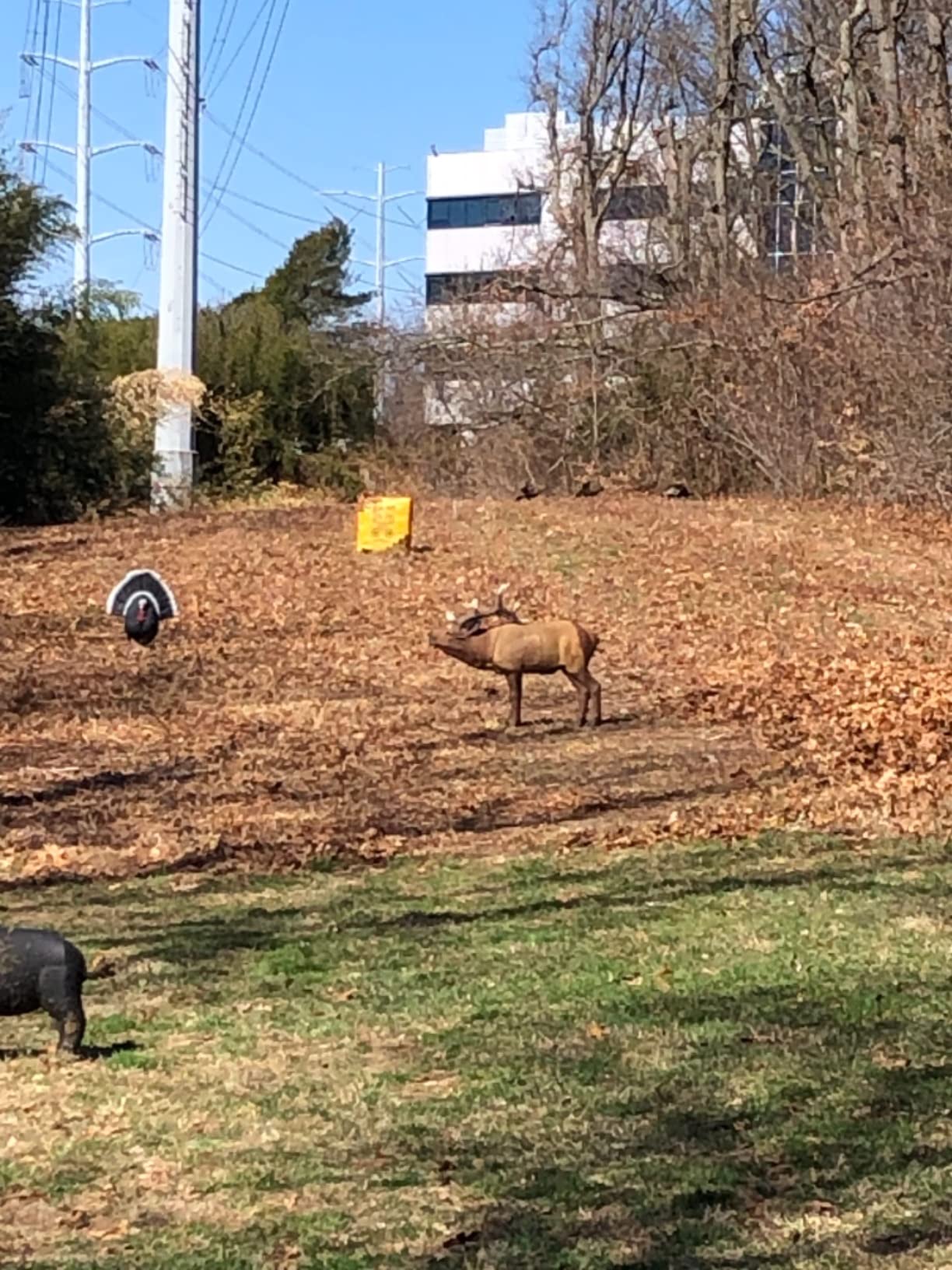
On r/Archery, buyers researching foam composition before buying repeatedly single out Rinehart alongside Delta McKenzie as the names with cores that heal well over seasons. That reputation shows up in the reviews here, where the 4.3 average across 121 reviews comes with a durability complaint rate that is lower than most targets in this list.
Easy arrow removal is the underrated feature. On a target you shoot two hundred arrows at, extraction effort is the difference between a session you enjoy and a session you dread, and this one is repeatedly praised for staying workable.
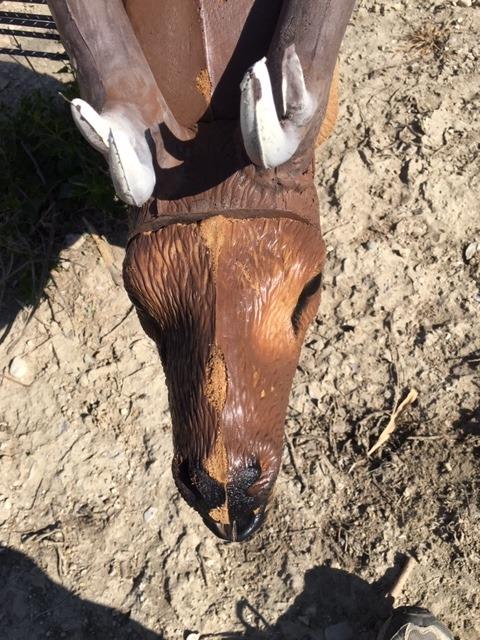
Best used for
Any yard where space is the constraint. The footprint is small enough to sit near a fence or a berm, and light enough to move when mowing or when neighbours are sensitive to early arrows.
It is also a strong choice for an archer who wants one premium animal to shoot year-round rather than a rotating set, because the foam recovers well between sessions.
Where it falls short
It sits at the upper end of the cost range for this roundup, and you are paying partly for the foam rather than for extra size. Buyers expecting a full-size elk at this dimension set will be disappointed.
A small minority of reviews report quality control issues, and the product listing does not state a weight, which makes wind performance harder to judge before you own it.
5. BIGSHOT Pro Hunter 3D Doe Target Review: Best for Heavy Bows
BIGSHOT Pro Hunter 3D Doe Deer Archery Target – Self-Healing Foam for Broadheads & Field Points – Weather Resistant with Replaceable Core – Competition Grade for Compound Bow & Crossbow Practice
Lifesize doe
17 inch thick body
Rated to 375 FPS
Replaceable core
Pros
- Rated to withstand 375 FPS from heavy compounds and crossbows
- Self-healing high-density foam
- Lifesize doe proportions
- Steel tubing in the legs resists tipping
- UV protected for all-season use
Cons
- Replacement cores are a separate purchase
- Core can wear quickly for daily shooters
- Heavy and awkward to reposition
- Smallest review base in the roundup
This is the target to look at if you shoot a fast bow. The specification rate is 375 FPS, the highest energy figure listed across this roundup, and the body is 17 inches thick at a life-size doe scale. That combination is built for high-poundage compounds and crossbows rather than for a casual field-point session.
It uses self-healing high-density elastofoam with a replaceable core system, and the cores are sold separately. That is the correct long-term design for a target intended to take this much energy, but it means the ownership cost has a second line item you should plan for from day one.
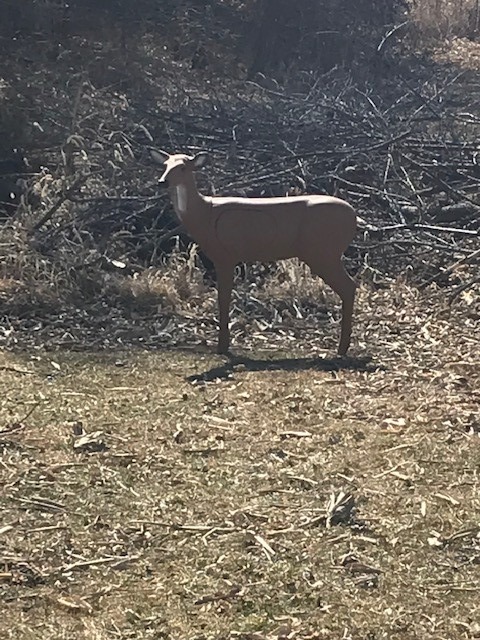
Physical detail is unusually good for the price tier. Steel tubing inside the legs keeps the doe planted when a heavy arrow hits high, and the UV protection matters for a target that stays outside across a full season of sun and rain.
Reviews rate it 4.4, but from a base of 22 reviews, so treat the score as encouraging rather than proven. Serious shooters who tried it tend to praise the anatomy and the leg reinforcement, while high-volume daily shooters mention core wear faster than expected from one side.
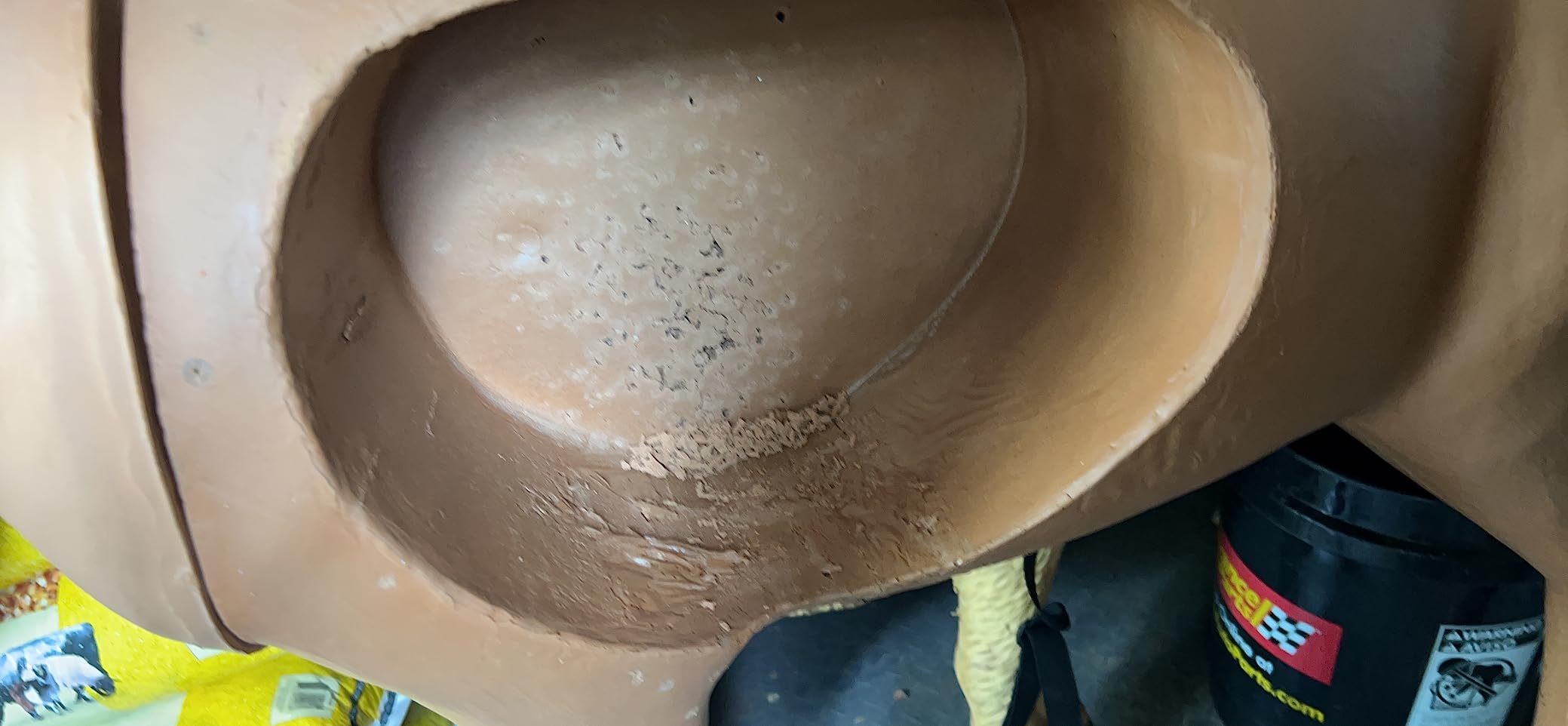
Best used for
Crossbow and heavy compound practice at 30 yards or closer, especially if your hunting arrows are broadheads and you want to know how they behave on foam rather than on a foam pit cushion.
A detachable head makes it awkward to carry, so plan a semi-permanent spot near a berm rather than moving it around a course each session.
Where it falls short
Cores are an extra purchase. If you shoot daily and mostly from one angle, budget for a spare core early, because that is the part that fails first.
The size and weight make it a poor choice for a small yard or for anyone who has to reposition it alone.
6. Delta Howling Coyote Dura-Flex Target Review: Best for Crossbow
Delta McKenzie Howling Coyote 3D Dura-Flex Foam Archery Target – Compound Bow and Crossbow Compatible – Field Point and Broadhead Target
35 inch coyote
Dura-Flex self-healing foam
Crossbow to 350 FPS
UV-resistant coat
Pros
- Explicitly rated for compound bows and crossbows up to 350 FPS
- Accepts field points plus fixed-blade and expandable broadheads
- UV-resistant coating for outdoor use
- Lightweight and portable
- ASA and IBO compliant scoring rings
Cons
- Quality control issues reported in the box
- Some reports of foam quality concerns
- Limited warranty covering defects only
- Nose and jaw damage reported by multiple buyers
The Howling Coyote is a 35 inch predator target with an unusually explicit specification list, which is refreshing on a category where most listings are vague. It states crossbow compatibility up to 350 FPS and accepts field points, fixed-blade broadheads and expandables.
The foam is Delta McKenzie Dura-Flex, described as self-healing, under a UV-resistant coating. Coyote practice is a good use of a 3D target because it trains the same shot placement habits as deer without taking up the space a full-size buck demands.
The specification set is the strongest argument for it. If you shoot a crossbow, you want a target that names your bolt speed, and very few in this category bother to state it. Scoring rings follow ASA and IBO standards, so it doubles as a scored practice target.
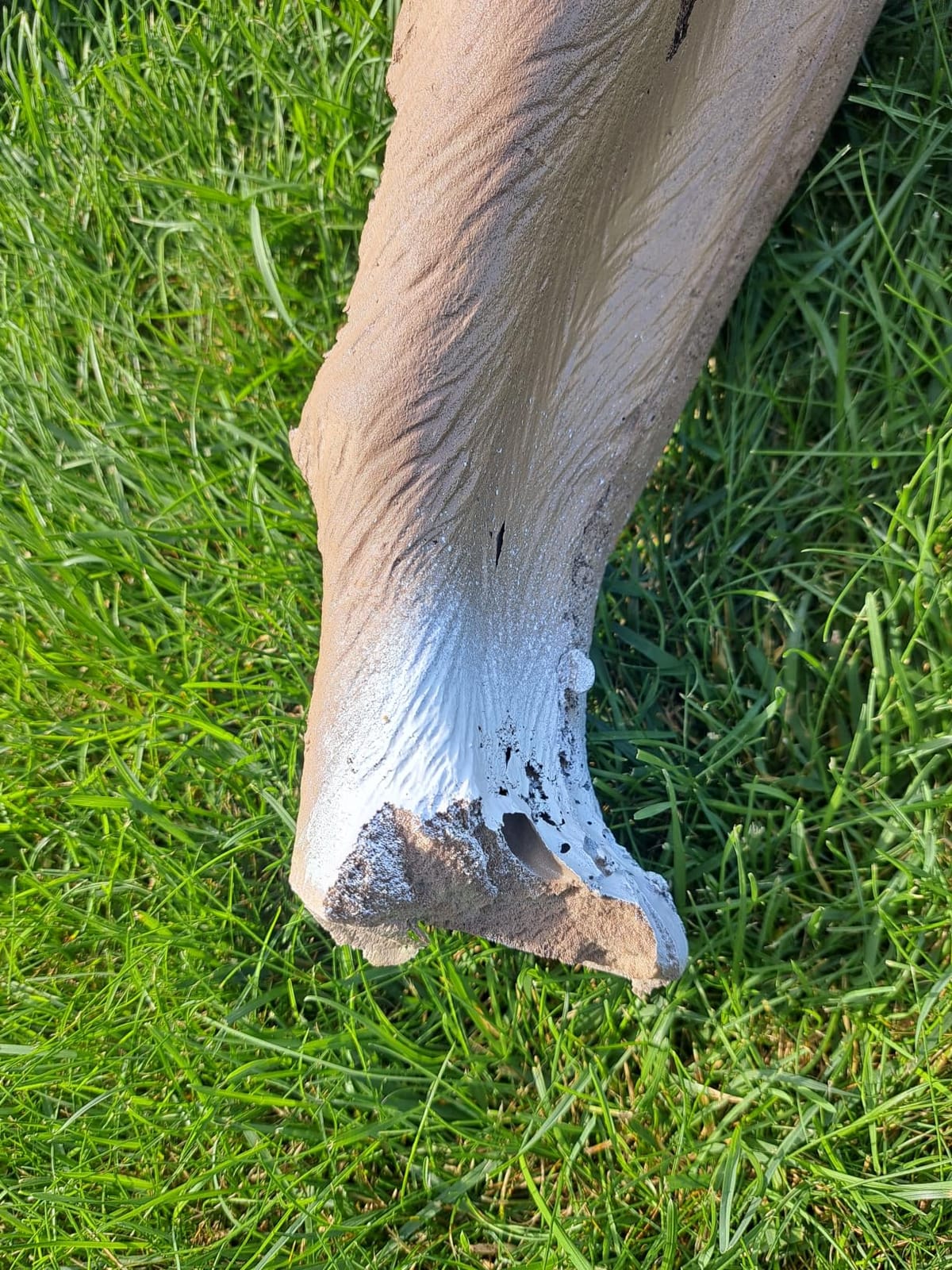
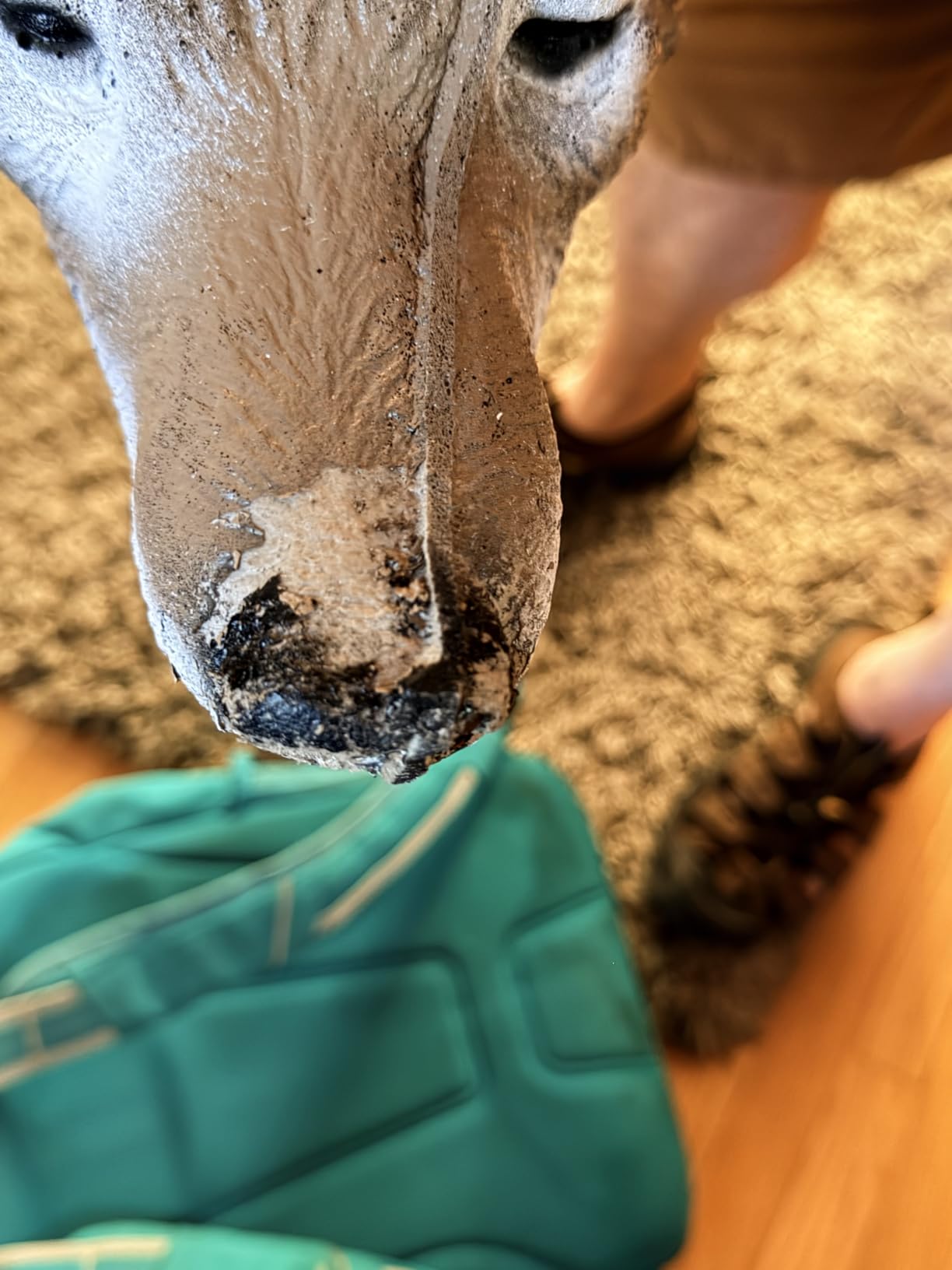
The weak point is arrival condition. Multiple reviews mention jaw or nose damage when the box opens, missing teeth or other parts, and general quality control complaints. That is a packing and handling problem rather than a design problem, but you still own it the day the box opens.
Best used for
Predator season preparation and off-season bow tuning. A coyote silhouette at 25 to 30 yards is an excellent way to rehearse precision without burning a deer animal’s core during practice.
It is light enough to move, which makes it a good companion target for a two-position backyard layout alongside a larger animal.
Where it falls short
Inspect it before you shoot. Reports of damaged nose and jaw sections are common enough that a careful check on day one saves a return.
The warranty covers manufacturer defects only, so normal foam wear and handling damage are on you.
7. Shooter Solid Body 3D Turkey Target Review: Best for Turkey Hunters
SHOOTER Turkey 3D Archery Target, Lifelike Solid Body Design for Realistic Practice, Scoring Ring in Vitals, Includes Ground Stakes, 32”H x 31.5” W Size
32 inch H by 31.5 inch W
Solid body design
Scoring ring in the chest
Ground stakes
Pros
- Scoring ring printed in the vital area for placement feedback
- 32 by 31.5 inch body is roomy for a turkey
- Light at 11 pounds so it moves easily
- Ground stakes included
- Reasonable entry cost
Cons
- Head and neck prone to breaking off
- Foam not consistently described as self-healing
- Packaging damage reported in the box
- Tail can arrive damaged
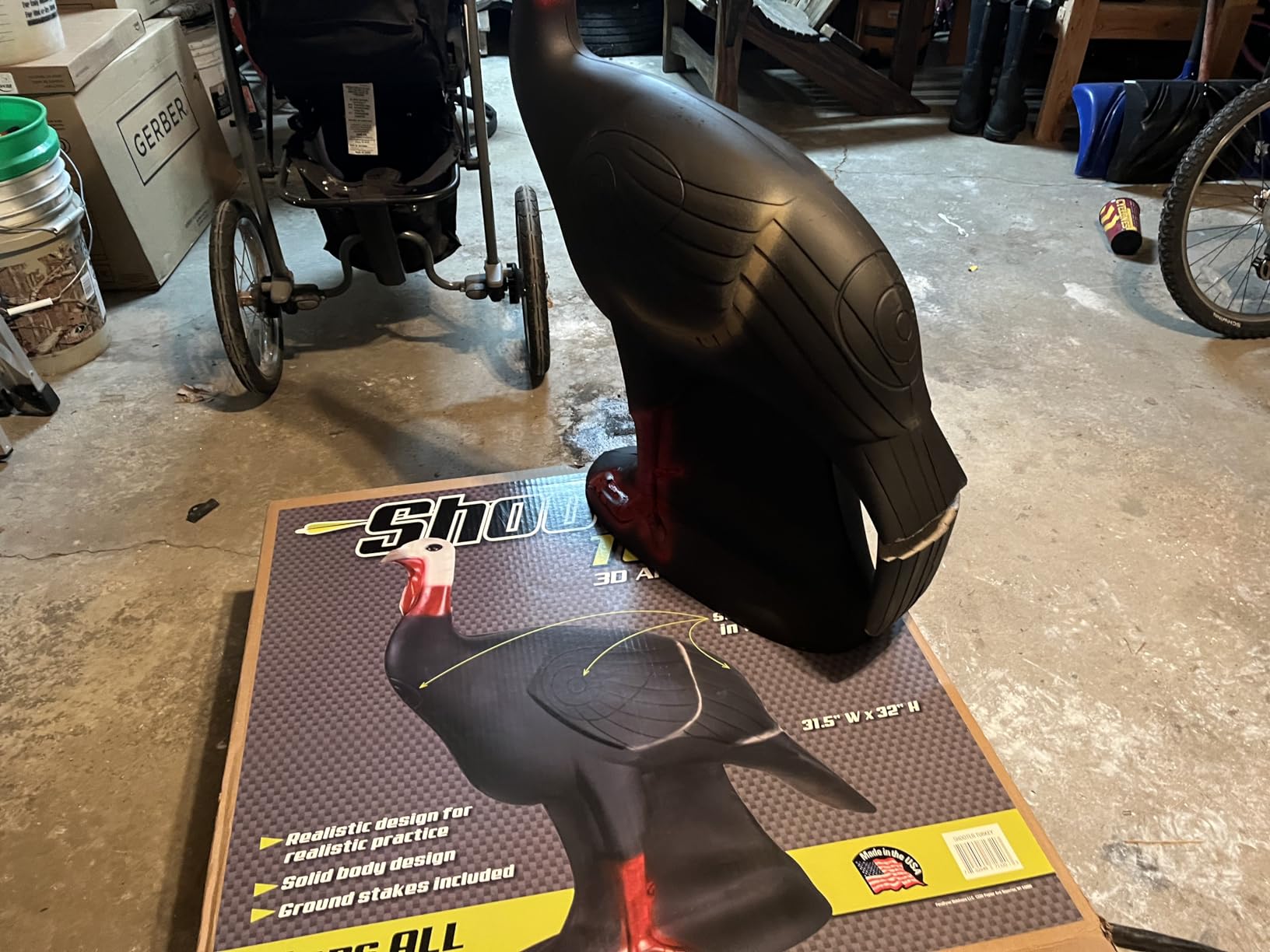
This is a turkey-specific animal rather than a deer stand-in, and it is built around a solid body design with a scoring ring printed in the chest area. If spring gobbling season is your main reason to shoot foam, that printed ring is the feature that makes it different from a generic foam block.
Dimensions are 32 inches high by 31.5 inches wide, and the whole thing weighs 11 pounds. That is light enough for a youth archer or a small yard to handle alone, and it includes ground stakes for anchoring.
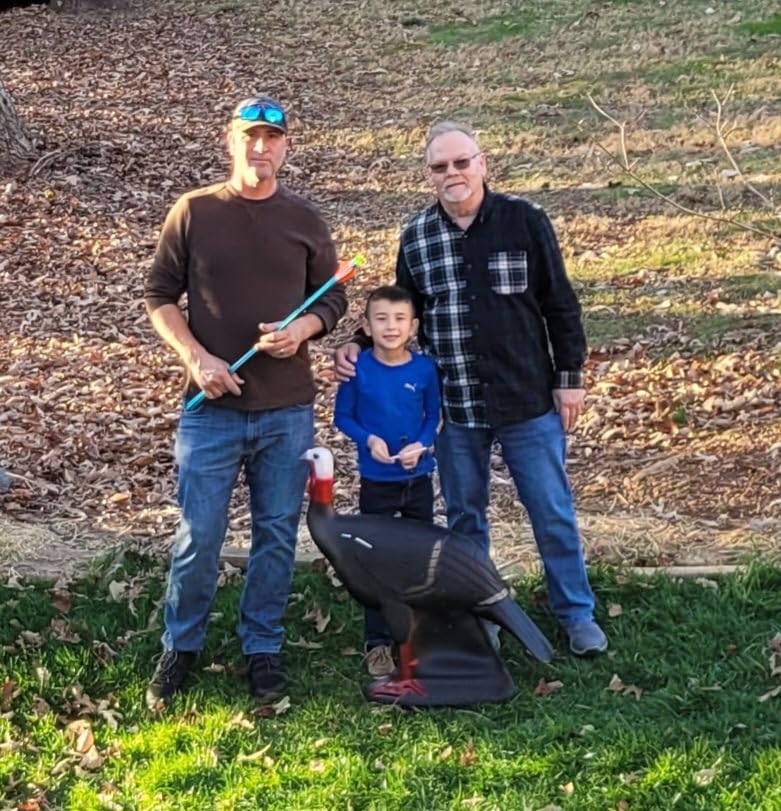
Reviews sit at a 4.0 average across 218 reviews, the largest review base in this roundup. The pattern is consistent: people like the size and the value for casual practice, and several point out the target runs larger than expected, which buyers tend to treat as a positive.
Durability feedback is genuinely mixed. Some owners question whether the foam is truly self-healing, and there are recurring reports of foam degradation after moderate use rather than after years of shooting.
Best used for
Spring turkey practice and youth archer introduction to 3D shooting. The 11 pound weight means a teenager can carry it to a treestand-height setup without an adult moving furniture around.
Use the printed ring to teach head and neck placement as a drill, then move to the chest for the shot that actually ends the bird.
Where it falls short
Packaging quality is the biggest complaint in the reviews. Broken head and tail sections show up often enough that you should open and inspect the box before you carry it to the yard.
Head and neck pieces are also the first thing to break during normal use, so expect to shoot around damage there rather than through it.
8. Rinehart Signature Tom Turkey Target Review: Best Replaceable Core Design
Rinehart Signature Tom Turkey 3D Archery Target, Replaceable Vital Insert
19 inch H by 21 inch L
30 inch beak to tail
Replaceable core insert
Rinehart foam
Pros
- Replaceable core insert extends target life
- Rinehart signature foam with a strong durability reputation
- Backed by a manufacturer warranty
- Realistic turkey anatomy at 30 inches beak to tail
- Compact and easy to move
Cons
- No kill zones marked on the body
- Smallest big-animal format here
- Costs more than other turkey targets
- No scoring rings for practice feedback
The Signature Tom is the clearest example in this roundup of why the replaceable core matters. Instead of a single block of foam, the shootable section is a separate insert you can swap when it wears out, which turns a consumable target into a long-term one.
It measures 19 inches high by 21 inches long and 30 inches from tip of beak to tip of tail, in a compact format that stores easily. Construction is Rinehart signature foam, and the product carries a manufacturer warranty rather than a satisfaction guarantee.
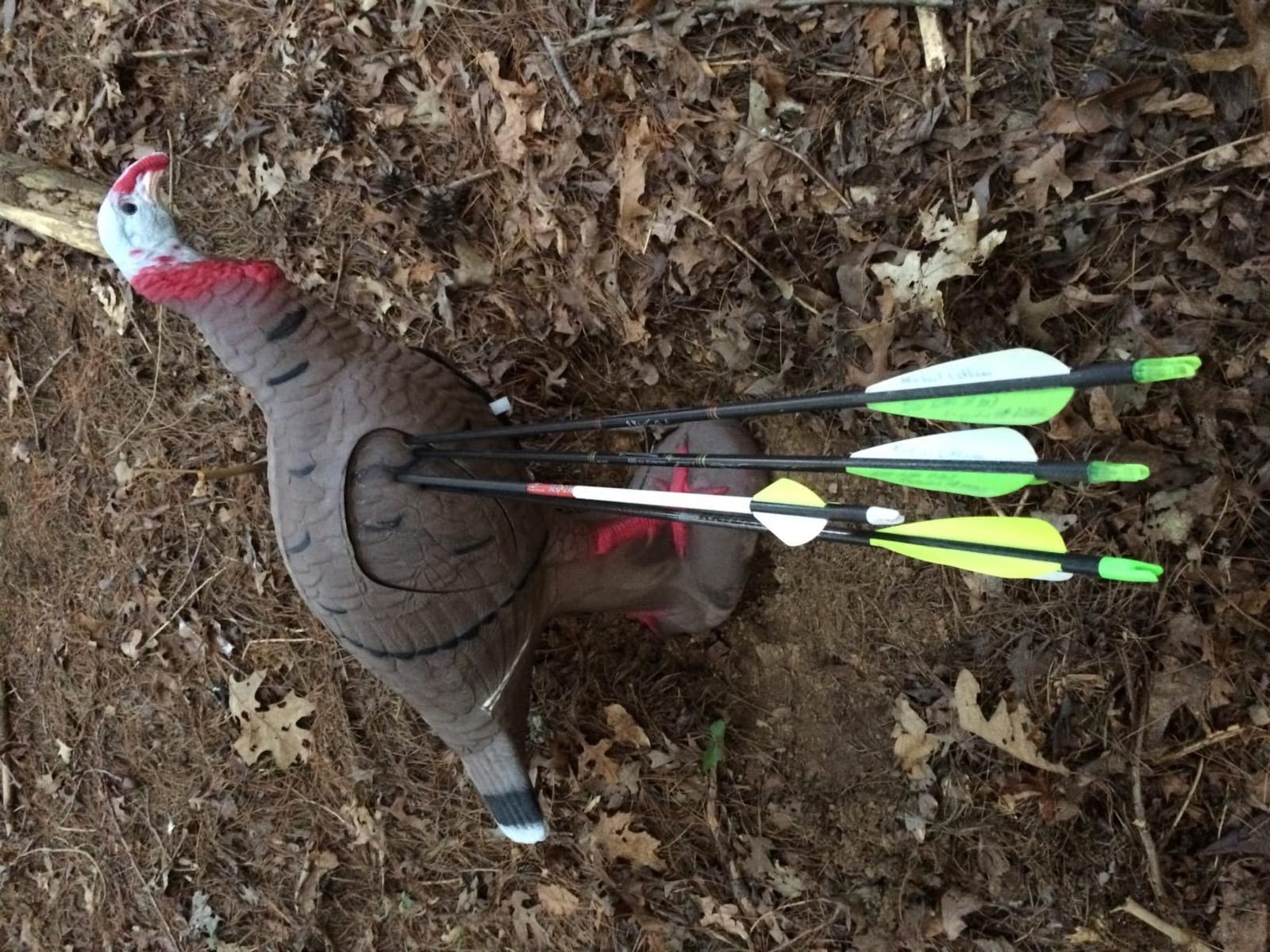
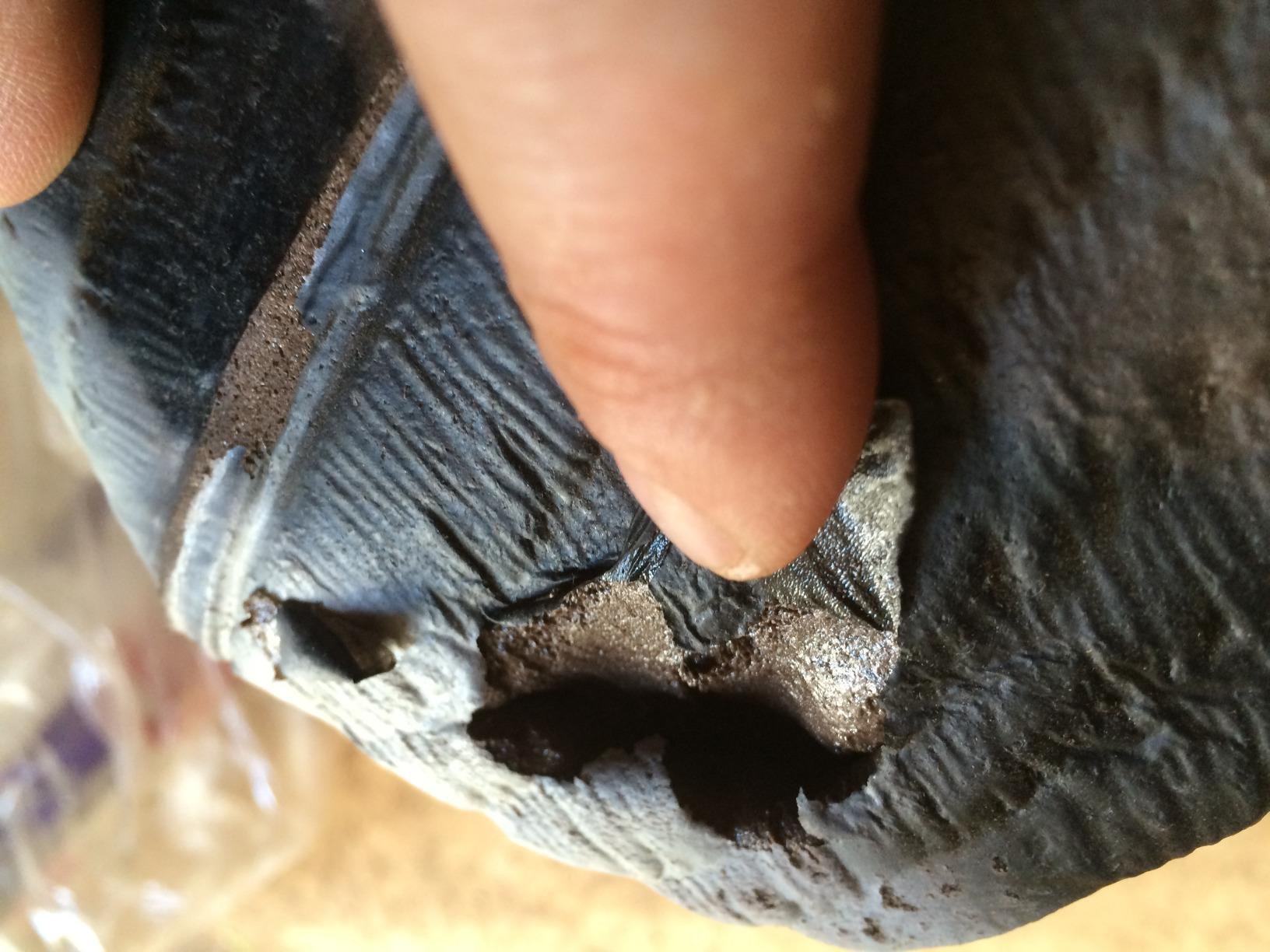
Reviews rate it 4.3 across 73 reviews and consistently praise the foam and the replaceable insert as a pair. The insert is what absorbs the chest impacts, so the sculpted body around it keeps looking like a turkey for years instead of degrading with the shot zone.
The trade-off is scoring. There are no kill zones marked on this target, which means you get realism but no built-in feedback layer. If you shoot for fun scores at the range, that is a real loss.
Best used for
Archers who already shoot a lot of arrows into one spot and want the target to survive it. Insert swaps take minutes and cost a fraction of replacing the target.
It is also a strong gift for someone starting a turkey club or 3D competition group where equipment gets stored between events.
Where it falls short
No marked vital zones means you need a scoring overlay or your own reference to judge placement, which adds friction for newer archers learning where to aim.
It is priced above generic turkey targets of similar size, and you pay for the insert system rather than for extra dimensions.
9. Delta McKenzie 3D Woodchuck Target Review: Best for Small Game
Delta McKenzie Back yd 3D Woodchuck Target, Brown
Woodchuck design
IBO scoring rings
Broadhead compatible
300 to 350 fps
Pros
- Accepts broadheads
- expandables and field points
- Explicitly rated for 300 to 350 fps bows
- Entry-tier cost with a 4.4 average
- IBO scoring rings for practice feedback
- Satisfaction guarantee
Cons
- Woodchuck scale limits big game practice
- Fewer published specifications
- Self-healing behaviour not stated
- Small body suits close range only
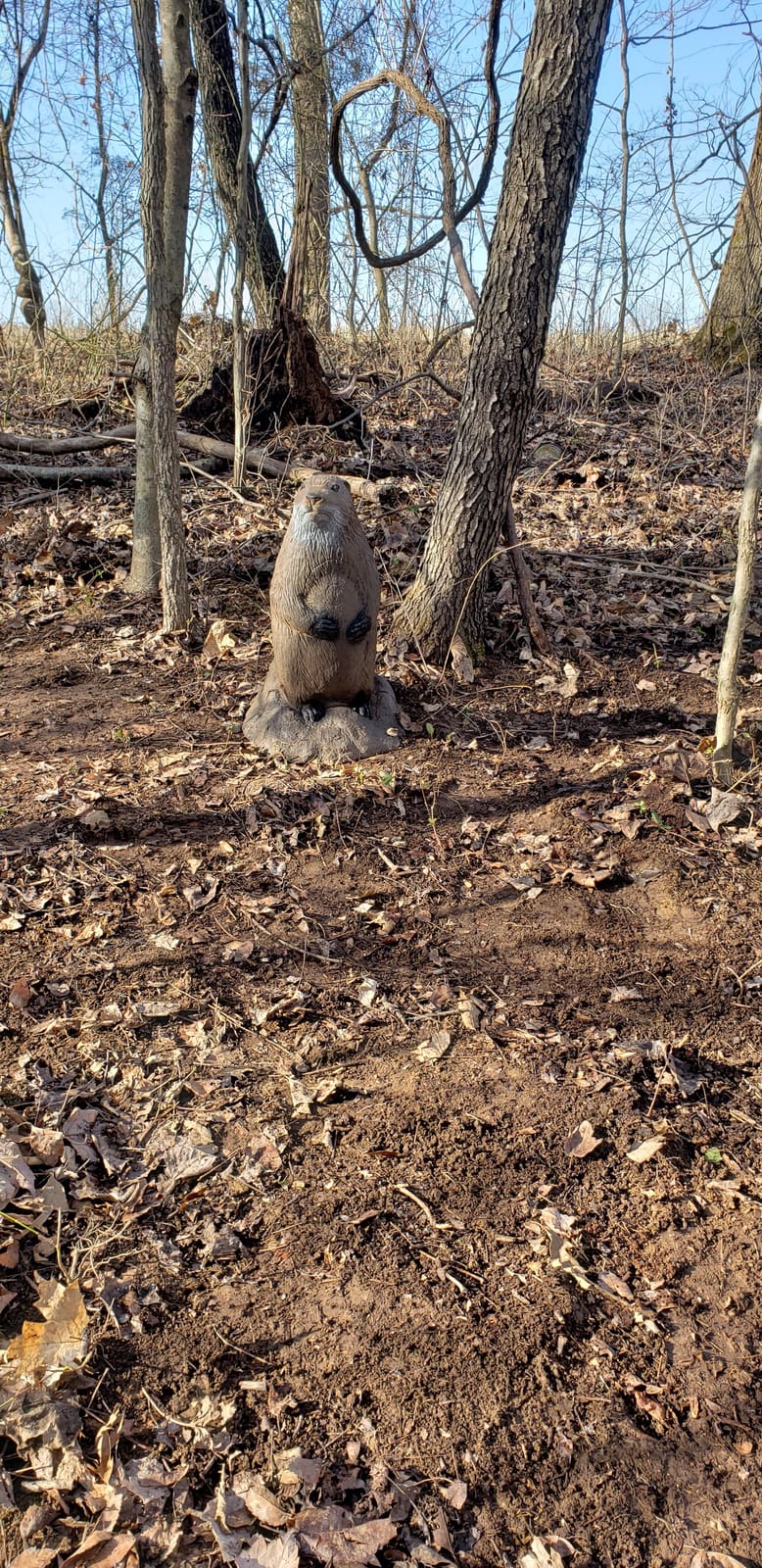
The Woodchuck is the entry point of this roundup and one of the better-rated picks in it. It is a small animal target that accepts broadheads, expandables and field points, and the listing states it is rated for bows shooting 300 to 350 FPS.
That spec sheet is more useful than it sounds. Knowing the target is rated for your bow speed removes the guesswork that comes with vague foam descriptions, and IBO scoring rings add a feedback layer that the premium models in this category often omit.
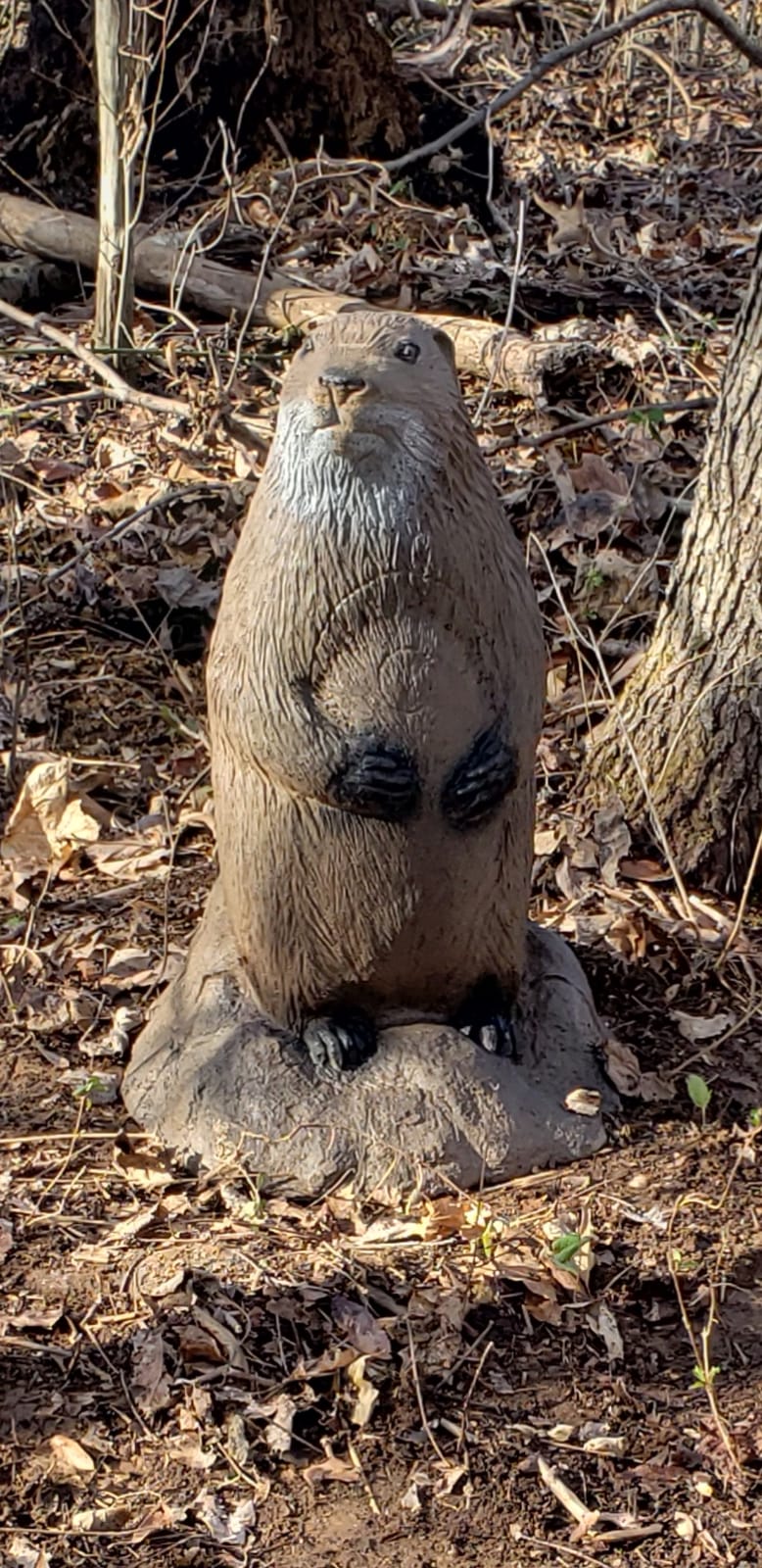
Reviews give it 4.4 across 80 reviews with about 65 percent five stars, and the sentiment is straightforward: excellent value for small game practice, well liked for the scoring ring system, and broadhead compatible as advertised.
The limitation is scale, and it is a hard one. A woodchuck target trains close-range precision, but it will not help you practise a deer or elk vital zone at yardage, so it belongs in the yard as a warm-up animal rather than as the main deer target.
Best used for
Warm-up shooting before a deer session, and small game practice such as groundhog or raccoon hunting. Shooting a small target first sharpens your focus before you move to a larger vital zone.
It also works well as a second target on a beginner course because the scoring rings give newer archers something measurable to work on.
Where it falls short
The published specification list is thin. Weight is not stated, which makes wind performance a guess, and the foam is not explicitly described as self-healing, so assume a shorter useful life before the hole profile stops recovering.
If your goal is big game preparation, this is a companion animal and not a replacement for one.
10. BIGSHOT Real Wild Armadillo Target Review: Best for Field Points
Bigshot Archery Real Wild Armadillo 3D Target
10 by 12 by 24 inch body
EZ Pull self-healing foam
6 lb portable
Field point optimized
Pros
- Self-healing EZ Pull foam with easy extraction
- Lightest full-body option at 6 pounds
- Weather-resistant coating
- Universal scoring rings for practice feedback
- Unique animal adds variety to a course
Cons
- Described as field point optimized rather than broadhead rated
- Smallest adult animal body here
- Only 59 reviews to judge from
- No published weight limit
The Real Wild Armadillo is the lightest full-body target in this roundup at 6 pounds, measured at 10 by 12 by 24 inches. That portability is the selling point: one person can carry it to a treestand-height position or move it between spots on a small course.
Foam is BIGSHOT EZ Pull self-healing, described specifically for easy arrow extraction, under a weather-resistant coating, with universal scoring rings printed on the body. For a practice target you move constantly, easy extraction matters as much as stopping power.
Reviews give it 4.4 across 59 reviews and the feedback is consistently positive on the foam and the weather resistance. Owners also like the variety it adds to a practice yard, since a course of identical deer shapes becomes monotonous fast.
The honest constraint is in the product’s own description: it is field point optimized. That means a broadhead is more likely to damage the foam or pass through than it would on the Dura-Flex or Pro Hunter targets in this roundup, so switch to field points when you use it.
Best used for
Treestand and elevated shot practice, where you want to carry the target up rather than drag it. Armadillo scale gives you a low target at roughly the height of small game rather than deer chest height, so use it for angle work rather than deer vital placement.
It is also the easiest target here to store in a garage between seasons.
Where it falls short
Use field points with this one. The stated field point optimisation is a design choice, and forcing broadheads into it shortens the life of the foam.
At 4.4 from 59 reviews the sample is modest, so treat the rating as indicative rather than settled.
11. Delta McKenzie 3D Fox Backyard Target Review: Best Lifetime Warranty
Delta McKenzie 3D Fox Backyard Target
Fox design
Flex foam construction
Scoring rings
Lifetime warranty
Pros
- Only lifetime warranty in this roundup
- Flex foam chosen for easy arrow removal
- Scoring rings for practice feedback
- Entry-tier cost
- Suitable for backyard predator practice
Cons
- Limited published specifications
- Weight not stated
- Foam not explicitly described as self-healing
- Modest review base of 61
The 3D Fox is a small backyard predator target whose real differentiator is not foam at all. It is the only product in this roundup listed with a lifetime warranty, which changes how you should think about its cost over several seasons of use.
Construction is flex foam, described by the manufacturer as durable with easy arrow removal, and scoring rings are printed on the body. For a target an archer shoots at close range from a backyard, easy extraction is worth more than raw density.
Reviews rate it 4.1 across 61 reviews, and the arrow removal behaviour comes up as the main positive. Extracting arrows quickly matters more than most buyers expect: after 100 arrows the difference between a two-second pull and a thirty-second struggle decides whether you shoot again tomorrow.
The specification listing is thin. Weight is not stated, the foam is not explicitly described as self-healing, and there is no published velocity rating, so do not assume it will handle a heavy crossbow bolt at full draw.
Best used for
Backyard practice with a field-point setup at short range, and for coyote and fox season preparation where you want a low animal silhouette you can move easily.
Fox practice also trains a narrow, deliberate shot, which is a useful contrast to wide deer vital zones and keeps you honest about precision.
Where it falls short
There is no stated velocity rating or self-healing claim, so treat it as a recreational-scale target. Heavy compounds and crossbows should be tested on a rated target like the Dura-Flex coyote or the Pro Hunter doe.
Its smaller size makes it a supplement rather than a main big game animal.
12. JRONG Tols Squirrel 3D Target Review: Best Budget Pick
3D Animal Target, Self-Healing Foam Portable Squirrel Target with Ground Stakes for Archery Outdoor Backyard Hunting
15.4 by 11.8 by 6.3 inch
High density PU foam
Ground stakes included
Pros
- Lowest entry cost of any 3D animal in this roundup
- Self-healing high density PU foam
- Stops broadheads and field points
- Stakes included and no strong odour
Cons
- Squirrel scale limits practice range
- Newer brand with a short track record
- Only 26 reviews available
- Very small body suits close range shooting
A single squirrel-scale foam animal for the lowest outlay in this roundup is a reasonable way to introduce a younger archer to 3D shooting. It comes with ground stakes, and the body is high density PU foam that the listing describes as self-healing and flexible.
The animal measures 15.4 by 11.8 by 6.3 inches and weighs about 1.74 kg, which makes it genuinely portable. At that weight, even a teenager can move it between shooting positions without help.
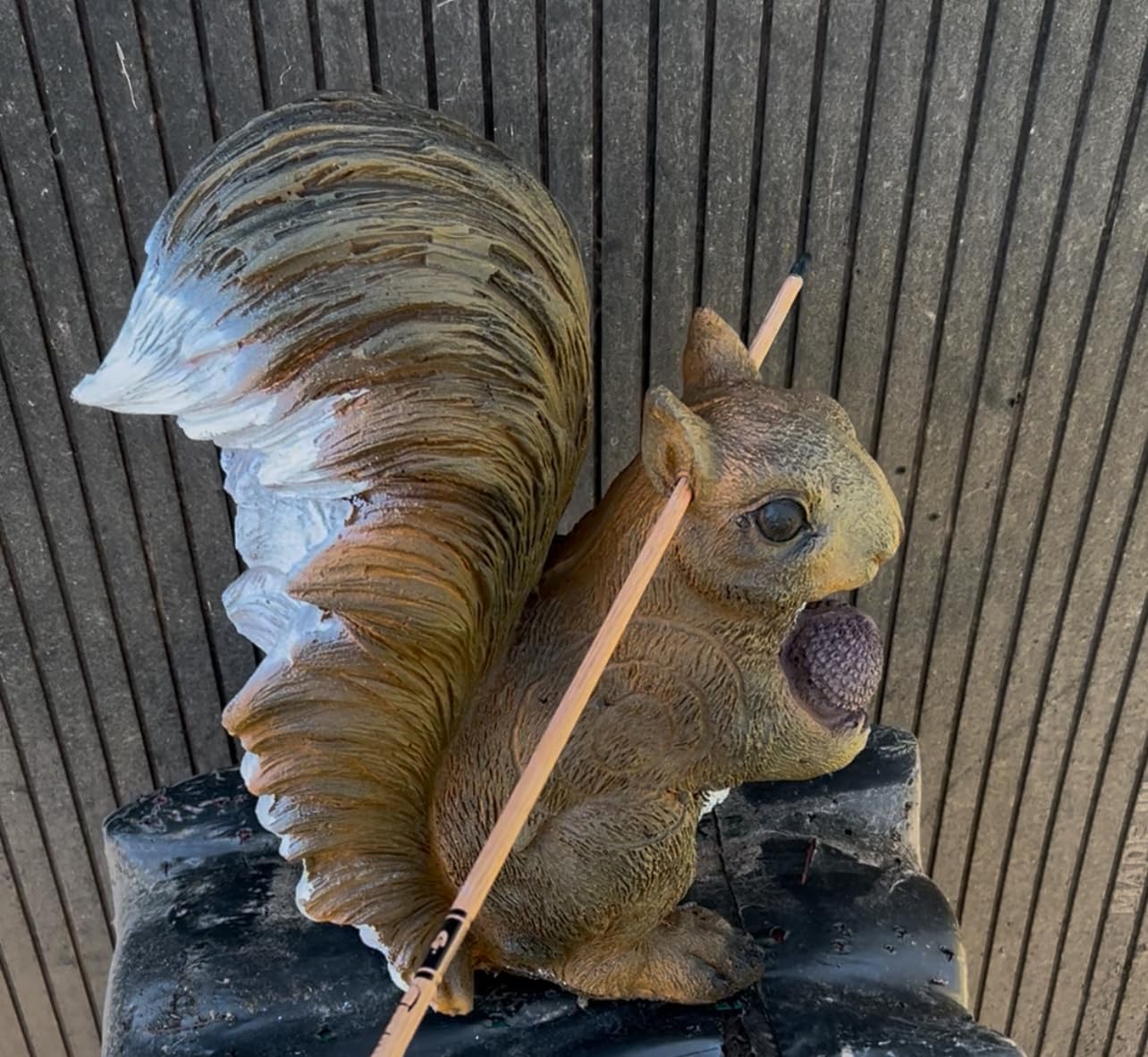
Reviews give it 4.6 across 26 reviews, and owners single out the included stakes, the stopping power with both broadheads and field points, and the absence of any unpleasant foam odour — a real issue with some low-cost foam.
Be clear about the trade-off: at roughly 15 inches, this is squirrel scale. It is a genuine 3D target with real foam behaviour, but it trains close-range precision, not big game shot placement.
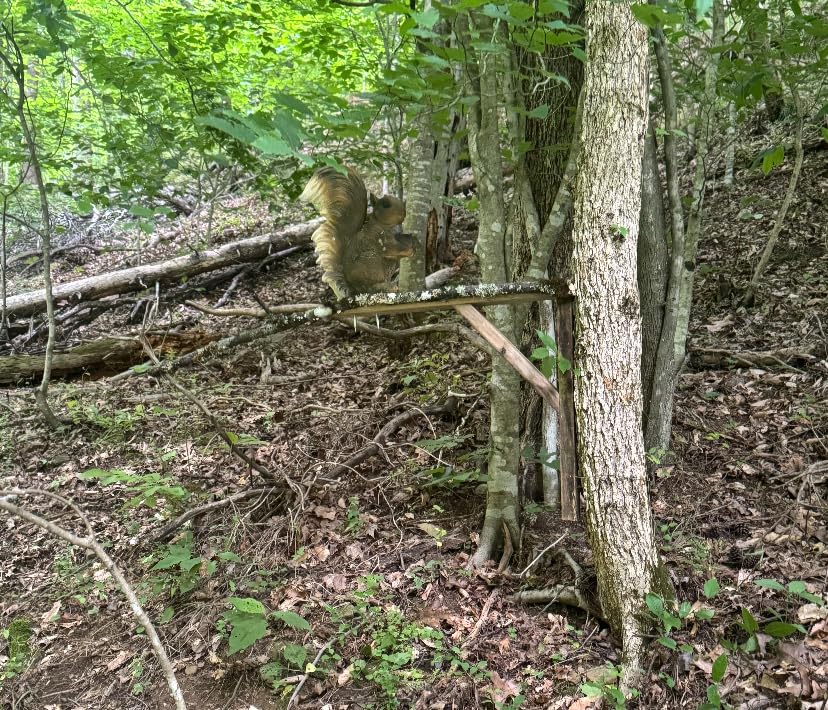
Best used for
Youth and beginner introduction to 3D practice, indoor or sheltered sessions where a small body size keeps the arrow count low and the encouragement high.
Because it is so light and needs only two ground stakes, it works well as a warm-up animal at the front of a small backyard course that leads into a larger target further downrange.
Where it falls short
The brand is newer and the review base is 26, so long-term durability is not yet well documented. Foam that claims self-healing still benefits from rotation and from pulling arrows rather than leaving them in the holes.
It will not substitute for a deer target in a bowhunting preparation routine.
How to Choose a 3D Archery Target: Five Criteria That Matter
Look at the shootable body width first. A wide chest and shoulder area gives you more room to make mistakes at 30 yards, and narrow small game models punish a loose release long before it becomes a habit problem.
Second, check whether the core is replaceable. Targets listing a replaceable core or replaceable insert last far longer, because you replace the high-impact section instead of the whole animal.
Third, look for a stated velocity rating. A target rated to 300 to 350 FPS tells you something useful; one with no rating tells you to assume a recreational bow only.
Fourth, read the arrow removal comments rather than the marketing. A target you cannot dig arrows out of will end up abandoned after three sessions, which defeats the purpose of buying one at all.
Fifth, size your target to your yard. Life-size buck and elk models need room, while 1/3 scale and small game targets are the practical option when space or wind exposure is the constraint.
Foam Bag vs Solid Foam vs Foam Pit: What Actually Matters
Foam bag targets are loose foam in a fabric or vinyl shell. They are cheap, very quiet, and forgiving of miss shots, but they do little to teach anatomy because there is no fixed animal shape to aim at.
Solid foam targets, which most of this roundup uses, are carved bodies with a dense core. They give you realistic dimensions, printed scoring zones, and a predictable place to shoot. Bowhunting forums on r/Archery consistently show buyers spending the most research effort on foam composition for this reason, since it is the one spec that decides how long the target lasts.
Foam pits are the third option: arrows bury into a loose bed and get covered over. They are the quietest and the safest for high-energy bows, but they teach nothing about shot placement.
Our read is that a solid foam animal with a replaceable core beats a bag target for bowhunting practice, and beats a foam pit entirely for anything except late-night high-poundage work. If you want a side-by-side look at every target style rather than only the 3D animals, our broader archery target roundup covers the flat and layered options too.
Replaceable Cores and Cost Per Shot
The economics of a 3D target are simple once you understand the core. Arrows cluster in the chest and shoulder area, so the insert in that zone wears out long before the rest of the animal does.
On a target with a replaceable core, you own the animal once and buy inserts as they fail. On a target without one, the whole sculpted body eventually stops performing and has to be replaced.
Cost per shot works out lowest on the replaceable-core models in this roundup — the Delta Bloodline Buck XL and the BIGSHOT Pro Hunter doe — provided you rotate between sides rather than drilling one spot. Core longevity for daily shooters is the one number the manufacturers do not publish, so track your own arrow count per side.
Matching Your Target to Your Bow and Arrows
Field points are easy on foam and should be your default for pure practice. Broadheads and expandables need a denser core, which is why the Delta Howling Coyote and the Pro Hunter doe both state explicit broadhead and velocity acceptance.
Crossbow shooters should follow the stated velocity rating rather than guess. The coyote at 350 FPS and the Pro Hunter doe at 375 FPS are the two rated options here for high-poundage equipment.
Compound shooters at moderate draw weight have the widest choice, because most of these targets accept any arrow type. Recurve and youth archers are best served by the lighter small game models, which are quieter and far easier to reset.
Broadhead-versus-field-point rule of thumb: use field points for volume practice, then switch to broadheads for the last 20 arrows of a session to confirm penetration and stop behaviour.
Backstop Safety and Yard Setup
Place an arrow-rated backstop behind every target and keep a wide safety margin to either side, because a bad shot at a 3D animal goes somewhere unexpectedly. Archery netting above and behind is the simplest option, and an earth berm works well for fixed positions.
Check what is behind the target before every session, including overhead lines, fences and neighbouring properties. Position the animal at the height you will actually shoot from, and use stakes or a stand so it cannot tip between arrows.
Wait until everyone has stopped moving behind the target before calling a shooting line. Keep an arrow puller and a quiver within reach so nobody walks forward to retrieve arrows.
Frequently Asked Questions
What is the best 3D archery deer target?
The Delta 51490 Bloodline Buck XL is the best all-round deer target in this roundup because it combines a large, life-proportioned body with a replaceable foam insert, so the worn shootable section is swapped rather than the whole target being discarded. Rinehart 1/3 Scale Woodland Elk is the alternative if foam quality and easy arrow removal matter more than body size.
What is the best target for bow practice?
It depends on what you practise. Use a bag target for volume technique work, a foam block for group consistency, and a 3D animal target for shot placement, distance judgement and anatomy. Bowhunters get the most transferable practice from a 3D animal with a replaceable core.
What type of target is best for deer hunting practice?
A life-size or near life-size 3D deer model with a replaceable core, because it replicates animal height and shape while letting you swap the high-impact section. A solid foam animal with printed scoring zones adds useful feedback without changing the practice value.
Are Delta McKenzie targets 3D?
Yes. Delta McKenzie builds sculpted 3D animal targets, and several appear in this roundup including the Bloodline Buck XL, the Riverbottom Challenger, the Howling Coyote and the backyard Fox. Delta McKenzie is the manufacturer behind the Riverbottom Challenger model number in this list.
How long does a 3D archery target last?
A target with a replaceable core lasts far longer than a single-piece foam body, because the core is the section that wears out. Rotating sides, pulling arrows instead of leaving them in the holes, and keeping the target out of prolonged sun all extend useful life. Daily shooters should expect to change cores more often than weekend shooters.
Are foam pit 3D targets better than bag targets?
Neither replaces the other. A foam pit is the quietest and most forgiving option for high-energy bows, but it teaches nothing about shot placement. A solid foam 3D animal teaches anatomy and distance judgement, which is what bowhunting practice needs, while a bag target is the cheapest way to shoot volume.
Can you shoot broadheads into a 3D target?
Yes, as long as the target states broadhead compatibility. In this roundup the Woodchuck, Howling Coyote and Bloodline Buck XL all accept broadheads, and the Pro Hunter doe is rated for heavy compounds and crossbows. Avoid broadheads on the Real Wild Armadillo, which is described as field point optimized.
Conclusion: The Pick That Fits Your Practice
For the best 3D archery targets for bowhunting practice, the Delta 51490 Bloodline Buck XL wins overall: large realistic anatomy, a replaceable foam insert, and a 4.5 average across 128 reviews that reflects real shooting rather than enthusiasm.
Buy the BIGSHOT raccoon and groundhog combo if you want two animals for the cost of roughly one big target, the Rinehart woodland elk if foam quality and easy arrow removal are your priorities, and the Pro Hunter doe if your bow pushes the highest energy in this roundup.
Whichever one you choose, shoot it 2026 season after season rather than switching brands every year, and log your arrow count per side. That habit, more than the model you buy, is what keeps a 3D animal performing for the years ahead.