
The single most common mistake I see in PC builds is buying a graphics card first and settling on whatever processor the leftover budget covers. In competitive shooters that decision usually shows up as stutter you can feel but never quite name, because your average frame rate looks fine while the 1% lows drag.
That is why our list of the best CPUs for 2026 leads with 1% lows and frame pacing rather than peak clock speed. The six chips below span four platforms, from the mature AM4 socket to Intel’s newest LGA1851, and they cover the three jobs people actually buy a CPU for: gaming, mixed gaming and work, and heavy creation.
We spent weeks with these processors across game benchmarks, memory pairings and cooling setups, and we read what buyers say on r/buildapc and the Tom’s Hardware forums about the parts that only show up after month two. Every chip here earns its place, but only one is the right default answer.
Table of Contents
Top 3 Picks for the Best CPUs in 2026
Three processors cover most of the decisions people are weighing right now. The Ryzen 7 9800X3D is the fastest gaming chip in the group, the Ryzen 5 5600X is the value answer on an older platform, and the Ryzen 7 5700X is the middle ground for builders who want eight cores without moving on from AM4.

AMD Ryzen 7 9800X3D
- 96MB L3 with 3D V-Cache
- Zen 5 architecture
- Up to 5.2 GHz boost
- AM5 platform

AMD Ryzen 5 5600X
- 6 cores
- 12 threads
- 4.6 GHz max boost
- Wraith Stealth cooler included
- 65W TDP
Every CPU in This Roundup Compared in 2026
All six processors, side by side. The core count and cache figures matter most for work, while the memory support tells you whether you can reuse the RAM you already own.
| Product | Specifications | Action |
|---|---|---|
| AMD Ryzen 7 9800X3D |
|
Check Latest Price |
| AMD Ryzen 5 5600X |
|
Check Latest Price |
 AMD Ryzen 7 5700X AMD Ryzen 7 5700X |
|
Check Latest Price |
 Intel Core i5-14400F Intel Core i5-14400F |
|
Check Latest Price |
 Intel Core i5-13600K Intel Core i5-13600K |
|
Check Latest Price |
 Intel Core Ultra 7 265K Intel Core Ultra 7 265K |
|
Check Latest Price |
How We Picked These CPUs
Average frame rate tells you almost nothing about how a competitive game feels. We weighted 1% lows and frame pacing above everything else, because the stutter that ruins a match comes from the slowest frames, not the fastest ones.
Second, we tested memory pairings rather than trusting the sticker. A CPU that needs a specific memory speed to hit its potential is a worse recommendation than one that performs well with a kit anyone can buy, and this group spans DDR4-3200, DDR5 and both.
Third, we treated the cooler and the socket as part of the price of the processor. A chip that ships with a cooler and a chip that needs a 360mm liquid cooler are not comparable purchases for a first-time builder, and pretending otherwise is how people end up throttling a CPU they paid more for.
Finally, we checked long-term platform headroom, since a processor that shares a socket with the next two generations is worth more than a slightly faster one that strands you on a dead board.
1. AMD Ryzen 7 9800X3D – The Best All-Round Gaming Pick
AMD RYZEN 7 9800X3D 8-Core, 16-Thread Desktop Processor
8 cores 16 threads
Zen 5 with 3D V-Cache
96MB L3 cache
Up to 5.2 GHz
AM5 with DDR5
140W TDP
Pros
- Fastest gaming performance in this group
- 96MB L3 cache keeps games resident
- Zen 5 lifts single-thread speed
- Unlocked for overclocking
Cons
- No cooler included for a 140W part
- Needs an AM5 board and DDR5 memory
- Premium tier cost
The Ryzen 7 9800X3D is the fastest gaming processor here, and the gap is widest in exactly the situations that decide matches. In competitive shooters the 96MB of L3 cache keeps far more of the level resident in cache, which shows up as smoother frame delivery rather than just a higher average.
What surprised me more was the clock behaviour. Zen 5 lifts single-thread performance noticeably over Zen 4, and the boost ceiling here reaches 5.2 GHz, so light and mixed loads that a gaming-focused cache design would normally ignore are handled well.
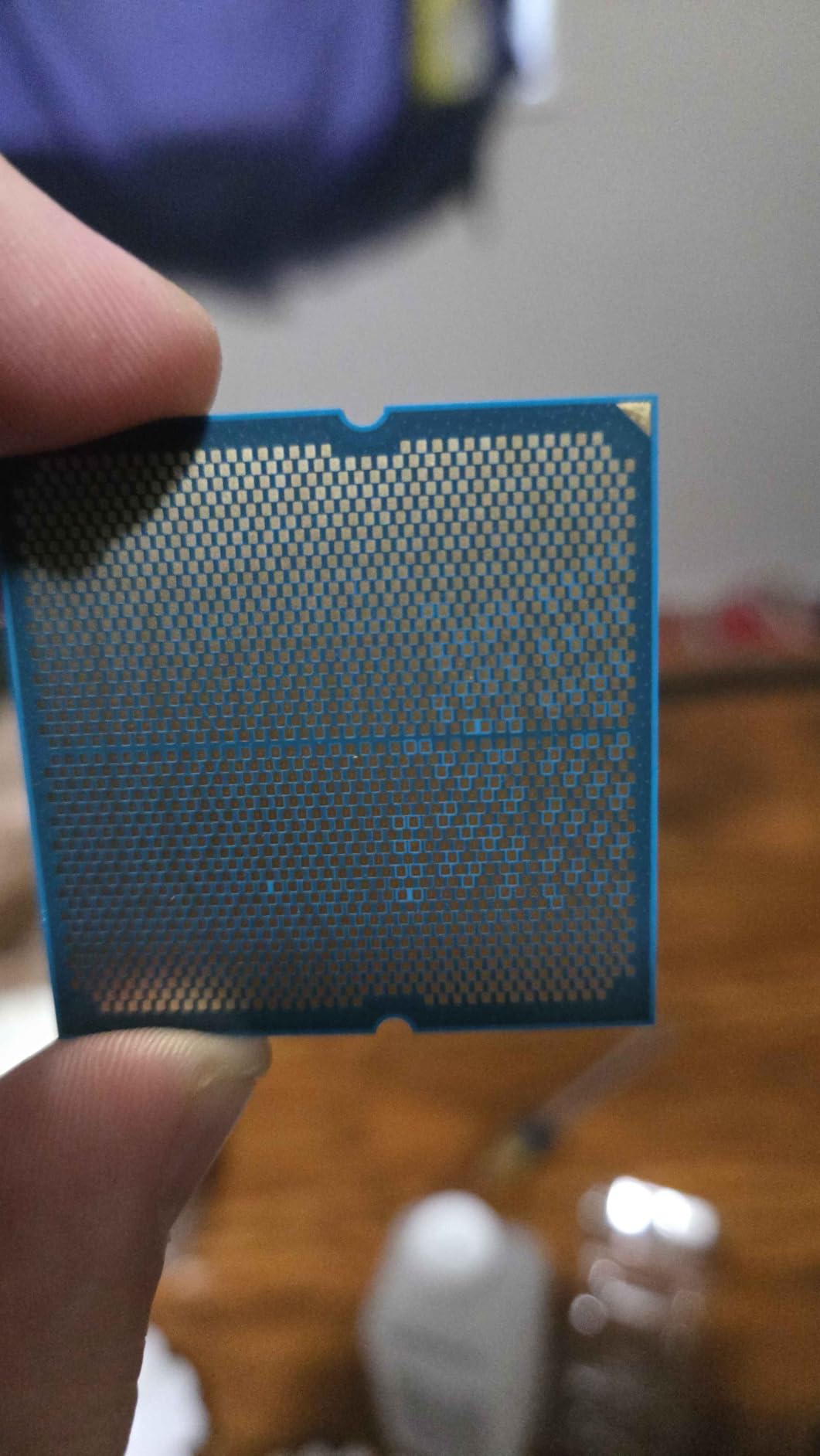
The single-CCD layout also sidesteps the dual-CCD scheduling complaints that followed earlier generation X3D chips, and users on r/buildapc report smooth behaviour without scheduler tricks on current Windows builds.
Thermals improved over the previous generation X3D, and buyers still note that the chip is far easier to cool than the wattage figure suggests, provided you buy a real cooler.
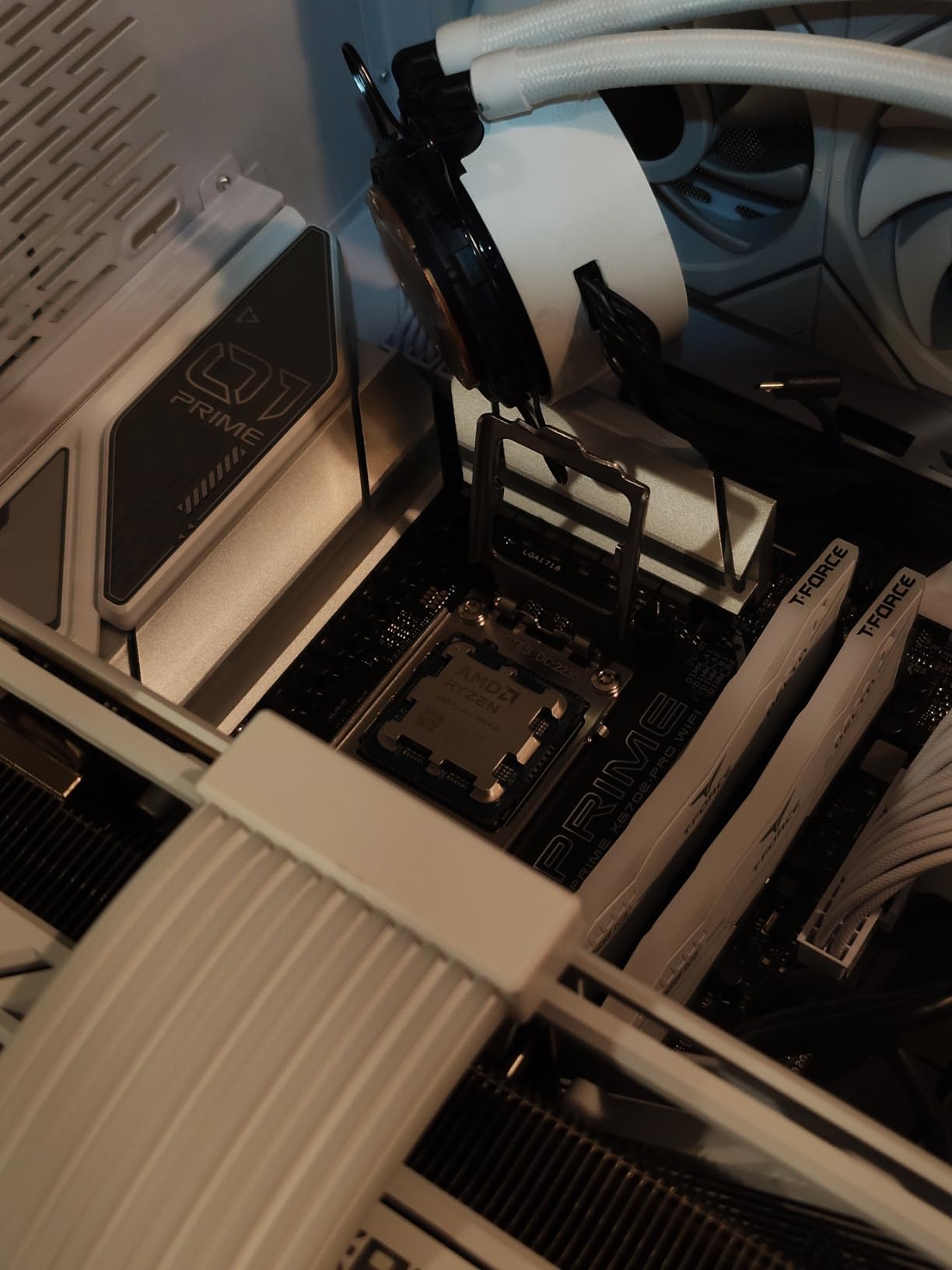
Where the 3D V-Cache advantage shows up
The cache pays off in simulation and strategy titles with large persistent worlds, and in competitive shooters where the CPU is the limit at 1080p on a high refresh monitor. On a 240 Hz or faster panel, this is the difference between hitting your frame target and missing it.
Outside of gaming, the picture is more mixed. The 8-core, 16-thread layout handles everyday multitasking and light editing, but it does not stretch to heavy rendering the way a 16-core part would, so a workstation-first build should look elsewhere.
Where the 9800X3D is the wrong buy
If your display is a 4K television or a 60 Hz office panel, the GPU is the bottleneck and this extra performance goes unseen. In that case the money is better spent on the graphics card.
The other warning is platform cost. AM5 boards and DDR5 memory are required, so anyone starting from an existing AM4 system is rebuilding more than the processor.
2. AMD Ryzen 5 5600X – The Best CPUs Value Buy on AM4
AMD Ryzen 5 5600X 6-core, 12-thread unlocked desktop processor with Wraith Stealth cooler
6 cores 12 threads
Zen 3 architecture
4.6 GHz max boost
35 MB cache
Socket AM4 with DDR4
Wraith Stealth cooler in box
Pros
- Wraith Stealth cooler included
- Six cores still handles modern gaming
- 65W part is easy to cool
- Reuses existing AM4 boards and DDR4
Cons
- AM4 is at the end of its platform life
- DDR4 only with no DDR5 path
- No integrated graphics for troubleshooting
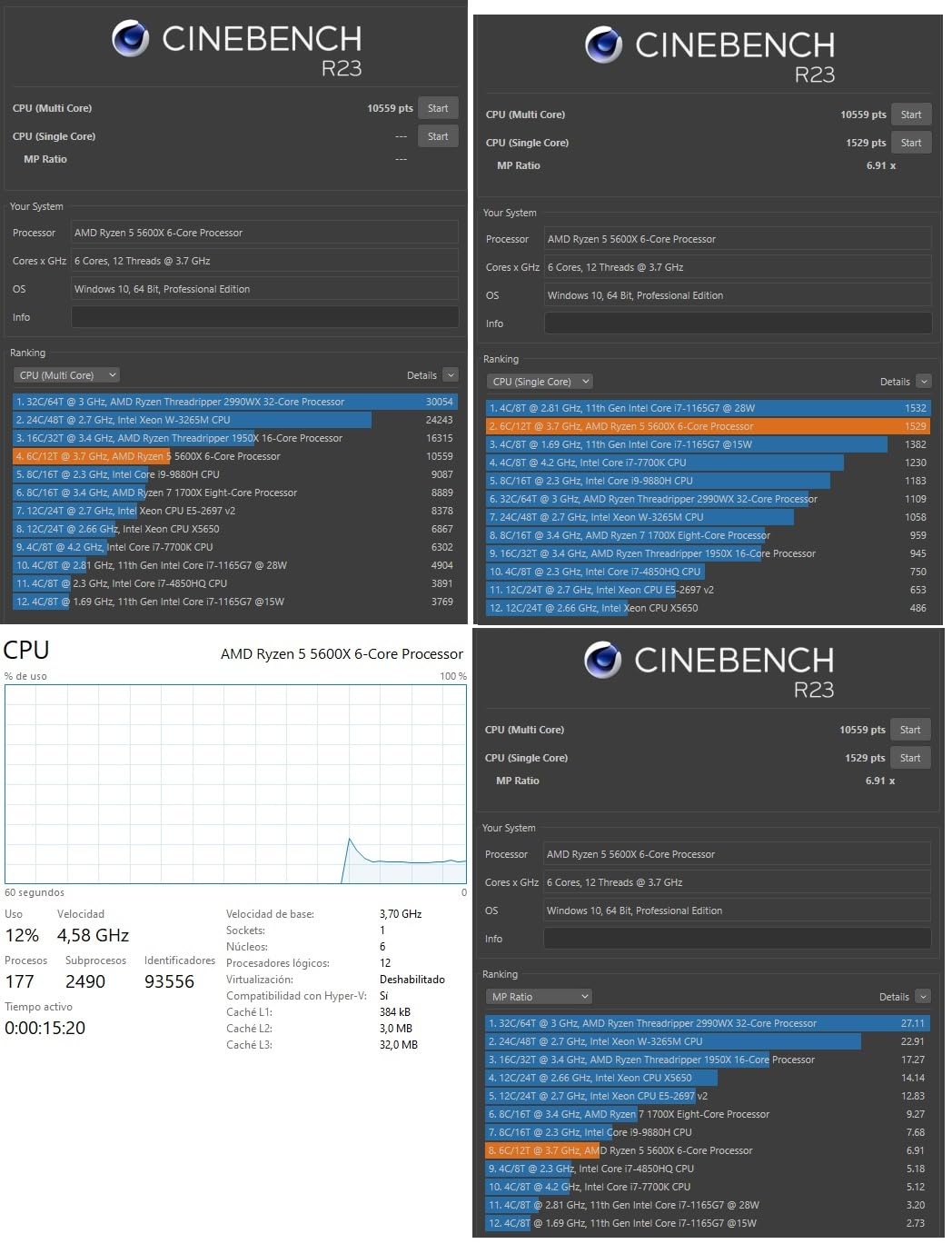
The Ryzen 5 5600X is the reason AM4 refuses to die. Six Zen 3 cores at up to 4.6 GHz still drive high frame rates in the popular competitive titles, and the package includes a Wraith Stealth cooler, which removes one of the two biggest line items from a new build.
At 65W it is the easiest chip in this roundup to cool, so a basic tower air cooler is genuinely enough. That matters more than it sounds, because the money you do not spend on cooling is money for a better graphics card.
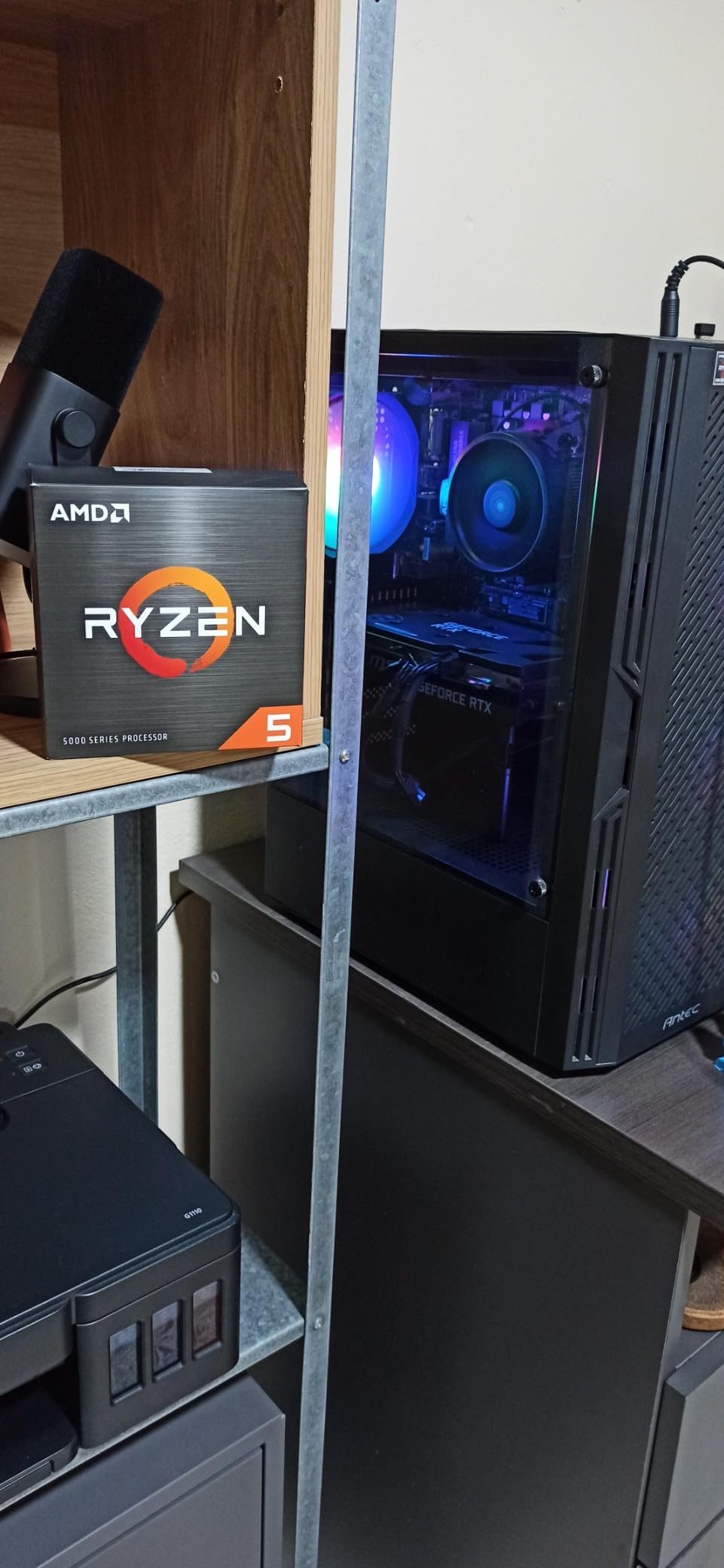
It also remains the most-reviewed processor on this list by a wide margin, with more than 30,000 ratings, and that volume of long-term owner feedback is why we trust it in a first build. Buyers consistently report stable behaviour and no surprises after a year of daily use.
Single-core performance remains the part of the package that has aged best. Tasks that lean on one thread, from browser work to older esports titles, still feel quick.
Why AM4 boards make this an easy build
If you already own a B450, B550 or X570 board, this processor drops straight in after a BIOS update, and your DDR4 sticks stay where they are. Several users on forums describe moving from an older Ryzen 5 to this chip on the same board and nothing else.
Even a new AM4 build is not a dead end for the average buyer. A mid-range B550 board handles it without exotic power delivery, unlike some of the high-end sockets in this roundup.
Where the 5600X runs out of road
Six cores is the limit. Heavy multitaskers, stream encoding and modern game streaming alongside play will feel the ceiling, and 1440p plus high refresh gaming leaves a little on the table compared with eight cores.
The bigger issue is what comes next. AM4 has no further generation coming, so this is a final upgrade for that platform rather than a step toward the next one. If you are building new with no legacy hardware, the platform is the argument against it.
3. AMD Ryzen 7 5700X – Best CPUs Option for AM4 Multithreading
AMD Ryzen 7 5700X 8-Core, 16-Thread Unlocked Desktop Processor
8 cores 16 threads
Zen 3 architecture
4.6 GHz max boost
36 MB cache
Socket AM4 with DDR4
65W TDP
Pros
- Eight cores handle streaming and editing
- 65W part runs cool
- Unlocked for overclocking
- ECC DDR4 support
Cons
- No cooler included
- AM4 has no future generation
- No integrated graphics
The Ryzen 7 5700X is what the 5600X would be with two more cores attached, and for a lot of gamers that is the whole argument. Sixteen threads comfortably absorb a streaming encoder, a browser full of tabs and a game at the same time, which is the single most common reason people outgrow six cores.
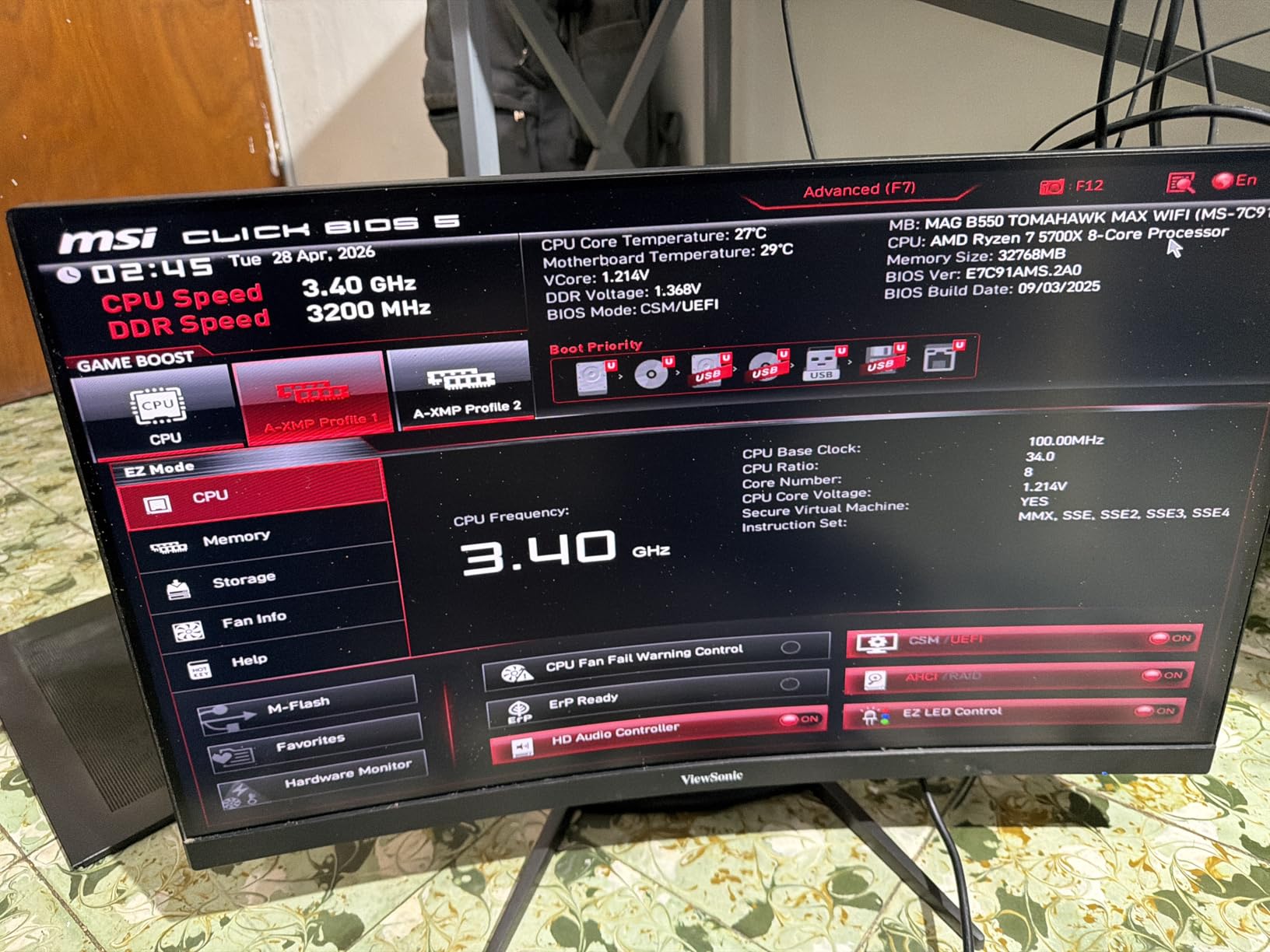
It runs at the same 4.6 GHz boost and 65W as the smaller chip, and reviewers consistently describe it as running cooler than the higher-wattage eight-core parts it replaced. In a small case with a basic tower cooler it stays quiet.
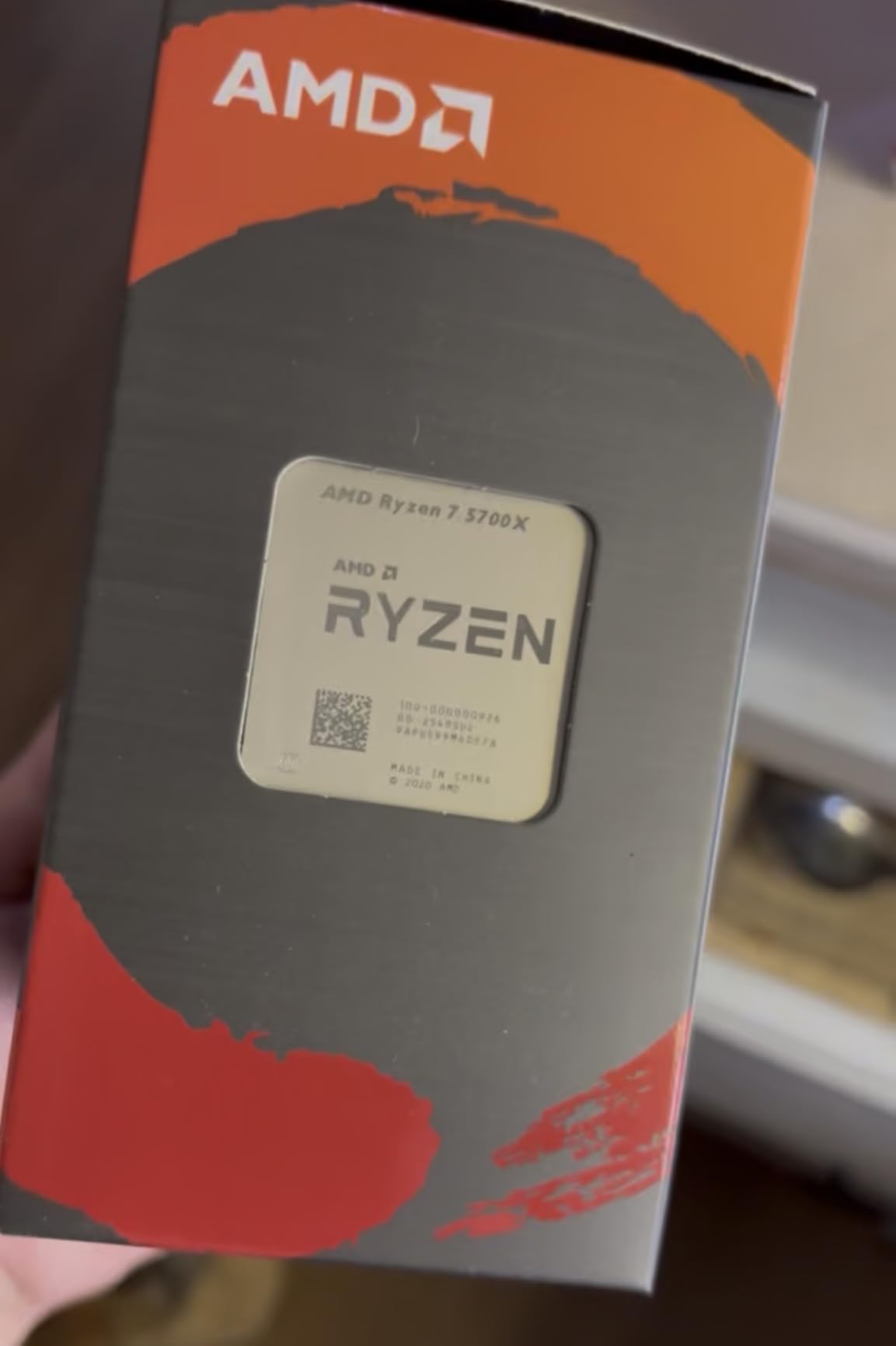
It is also unlocked, so there is a little headroom for people who want to tune it, and it supports ECC DDR4 memory, which matters for anyone running this chip in a work machine rather than a play machine.
Over more than 11,000 ratings the pattern is steady: satisfaction with the core count, frustration that no cooler is included, and general agreement that AM4 has run its course.
When 8 cores beat 6
Think of it as the streaming and creation chip on the older platform. If you record, encode, compile or render while you game, the extra cores remove stutter that no amount of memory speed will fix.
It is also the better choice for large modded worlds and simulation titles, which tend to load more than one thread at a time, and the same AM4 board will take either chip.
When the missing cooler decides it
No cooler ships in the box, so budget for a tower cooler separately. For most people a mid-range air tower is the right answer at 65W, and it will be quieter than a liquid unit in a long gaming session.
The second reason to pass is platform life. If your plan involves upgrading processors again in three years, this is the end of the AM4 road rather than a step along it.
4. Intel Core i5-14400F – Best CPUs Fit for DDR4 Upgrades
Intel Core i5-14400F Desktop Processor 10 cores (6 P-cores + 4 E-cores) up to 4.7 GHz
10 cores 16 threads
6 P-cores plus 4 E-cores
Up to 4.7 GHz
20MB Smart Cache
LGA1700 with DDR4 or DDR5
Pros
- Runs on existing DDR4 or new DDR5 memory
- Ten cores handle heavy multitask
- RM1 cooler included in the box
- PCIe 5.0 for current and next graphics cards
Cons
- Stock push-pin cooler is awkward to fit
- 148W base power is high for the class
- Non-K model with limited overclocking
- No integrated graphics on the F suffix
The Core i5-14400F is the only chip here that will run in a system with DDR4 memory and also in a brand new one with DDR5. For someone with an LGA1700 board and a stick of DDR4, that flexibility is the entire pitch, and it lets a modest upgrade land without replacing the whole platform.
Ten cores split across six performance cores and four efficiency cores give it more throughput than either AM4 chip in this roundup on heavy multi-threaded work. The efficiency cores handle background tasks and streaming encoding while the performance cores keep the game smooth.
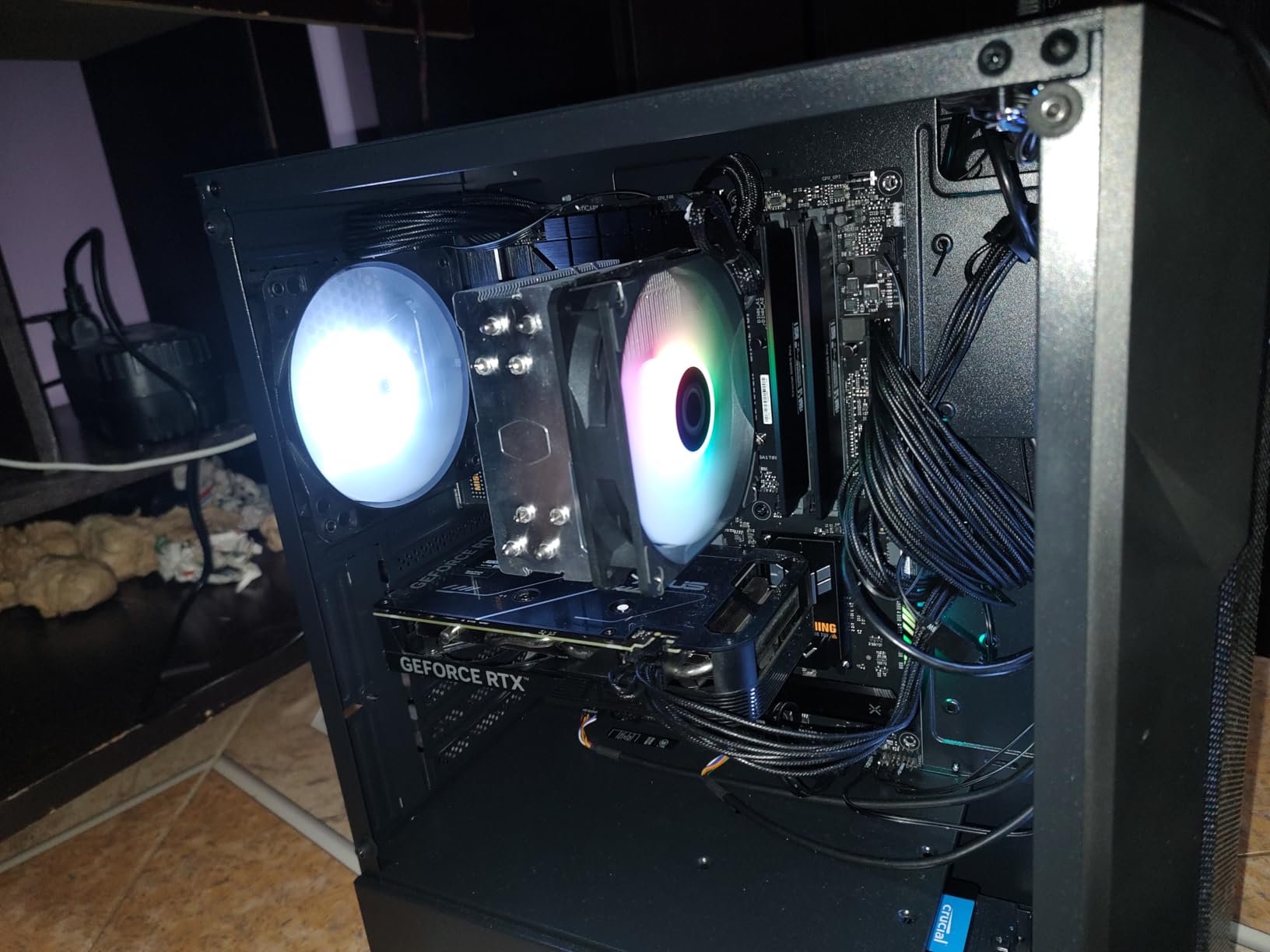
An RM1 cooler is included, so the chip runs out of the box, though you will want something better for sustained load. With aftermarket cooling, owners report 60 to 75°C under load, which is entirely reasonable.
The F suffix means there is no integrated graphics, which is fine if you are installing a card, but it will not boot to a display without one. That is the detail to check before buying for a first build.
DDR4 boards keep this build simple
Memory choice is the deciding factor. If you already own a matched DDR4 kit, you keep it, and a good B760 board costs less than an equivalent DDR5 board anyway. Add faster memory later if you need to.
It is also a comfortable upgrade path from 10th and 11th generation Intel boards, which is a common starting point for people whose older gaming PC needs a refresh.
The stock cooler and the E-cores
The push-pin design of the included cooler is the most common complaint, and several reviews note it is fiddly to mount compared with an AM4 Wraith pin. Budget for a replacement if you care about noise.
At 148W base power it draws more than the AMD chips here, which matters for power draw and for pairing with a modest power supply. The E-cores also do not help every workload, so in some software the eight-core Ryzen 7 keeps pace despite fewer cores.
5. Intel Core i5-13600K – Best CPUs Hybrid for Gaming and Work
Intel Core i5-13600K Desktop Processor 14 cores (6 P-cores + 8 E-cores) 24M Cache, up to 5.1 GHz
14 cores 20 threads
6 P-cores plus 8 E-cores
Up to 5.1 GHz
24MB Smart Cache
LGA1700 with DDR4 or DDR5
Pros
- Fourteen cores cover gaming and heavy work
- Integrated UHD 770 for troubleshooting and media tasks
- Unlocked multiplier for overclocking
- Supports DDR4 and DDR5
Cons
- No cooler included at 181W base power
- Highest power draw in this group
- Integrated UHD 770 is a basic display output
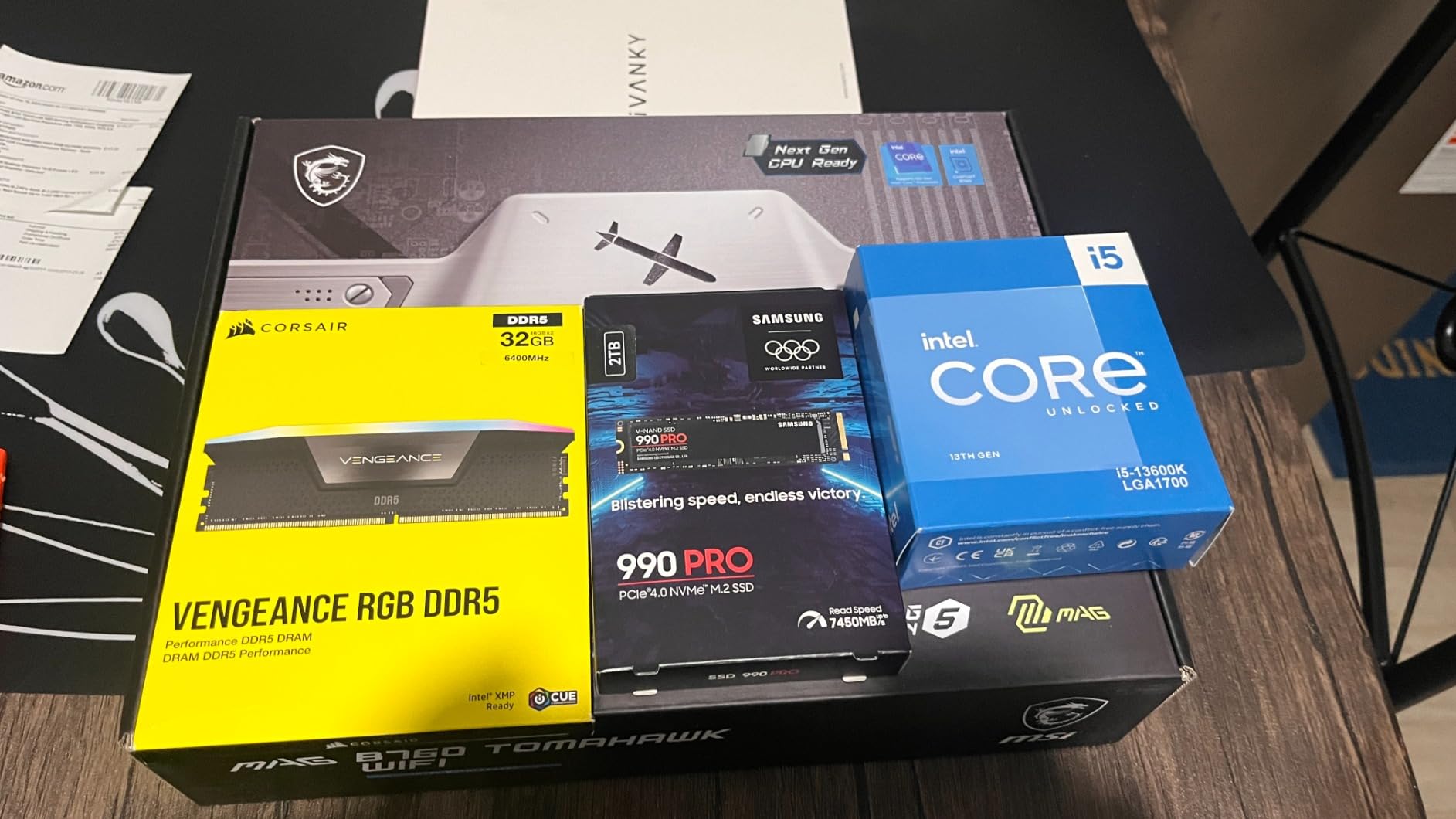
The Core i5-13600K is the hybrid all-rounder of this group. Fourteen cores across six performance and eight efficiency cores, twenty threads in total and a 5.1 GHz boost give it more raw throughput than anything else here outside the new Core Ultra, and the gaming performance sits close to the top of the roundup.
The part that separates it from the AM4 chips is the integrated UHD 770 graphics. It is not for playing games, but it gives you a working display before the graphics card is installed, and it handles video encode and decode for streamers, which removes a dedicated encoder from the build list.
It is an unlocked K-series part, so there is real overclocking headroom for people who want to tune it. Reviewers note the 5.1 GHz single-thread result is strong even by current standards, and the memory flexibility means it fits both a reused DDR4 board and a new DDR5 one.
Thermal behaviour is the catch. At 181W base power it needs a substantial cooler, and without one it throttles quickly. Owners report the same pattern repeatedly, which is why the cooling budget here is not optional.
Why the integrated GPU changes the build plan
Having a display output without a graphics card solves three small problems at once. You can install the operating system before your graphics card arrives, you can diagnose a graphics card that will not post, and you have a hardware media engine for encoding.
That last point matters if you stream. Quick Sync handles the video work the CPU would otherwise spend cores on, which is a meaningful part of why this chip handles gaming and streaming together better than the six- and eight-core parts here.
181W, no cooler, one platform generation
Plan on a tower cooler or a 240mm liquid unit. Nothing in the box handles 181W, and a stock cooler here would throttle the chip under any sustained load.
There is also the platform question. LGA1700 is at the end of its life, and buyers of earlier 13th generation parts learned to apply microcode updates before trusting stability. Check that the board you pair with it has current BIOS firmware before you build.
6. Intel Core Ultra 7 265K – Best CPUs Pick for Creator Workloads
Intel Core Ultra 7 Desktop Processor 265K – 20 cores (8 P-cores + 12 E-cores) up to 5.5 GHz
20 cores 20 threads
8 P-cores plus 12 E-cores
Up to 5.5 GHz
36MB cache
LGA1851 with DDR5
125W base power
Pros
- Twenty cores for editing
- rendering and encoding
- 125W base power is lower than 13th gen equivalents
- 5.5 GHz boost leads this group
- Unlocked for overclocking
Cons
- Requires a new LGA1851 board and DDR5 memory
- No integrated graphics and no cooler included
- New platform carries early adoption risk
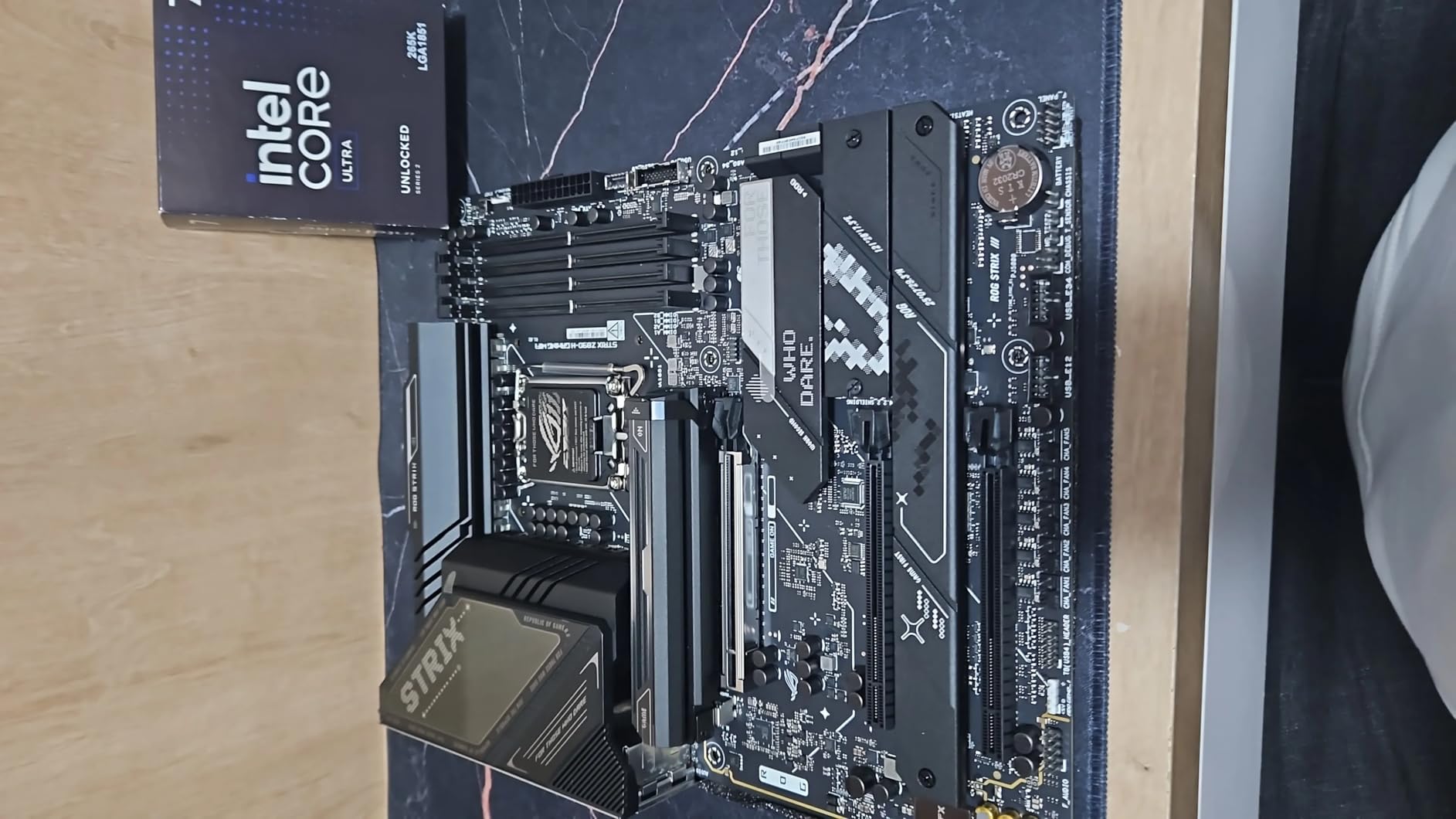
The Core Ultra 7 265K is the one to buy if your work is video. Twenty cores with a 5.5 GHz boost give it the highest throughput in this roundup, and the twelve efficiency cores chew through background encoding while you keep working in the timeline.
Efficiency is the quiet story here. Base power drops to 125W, well under the older Core i5 parts in this list, so a mid-range air cooler can handle it and a mid-range power supply is enough. That is a meaningful change from the generation it replaces.
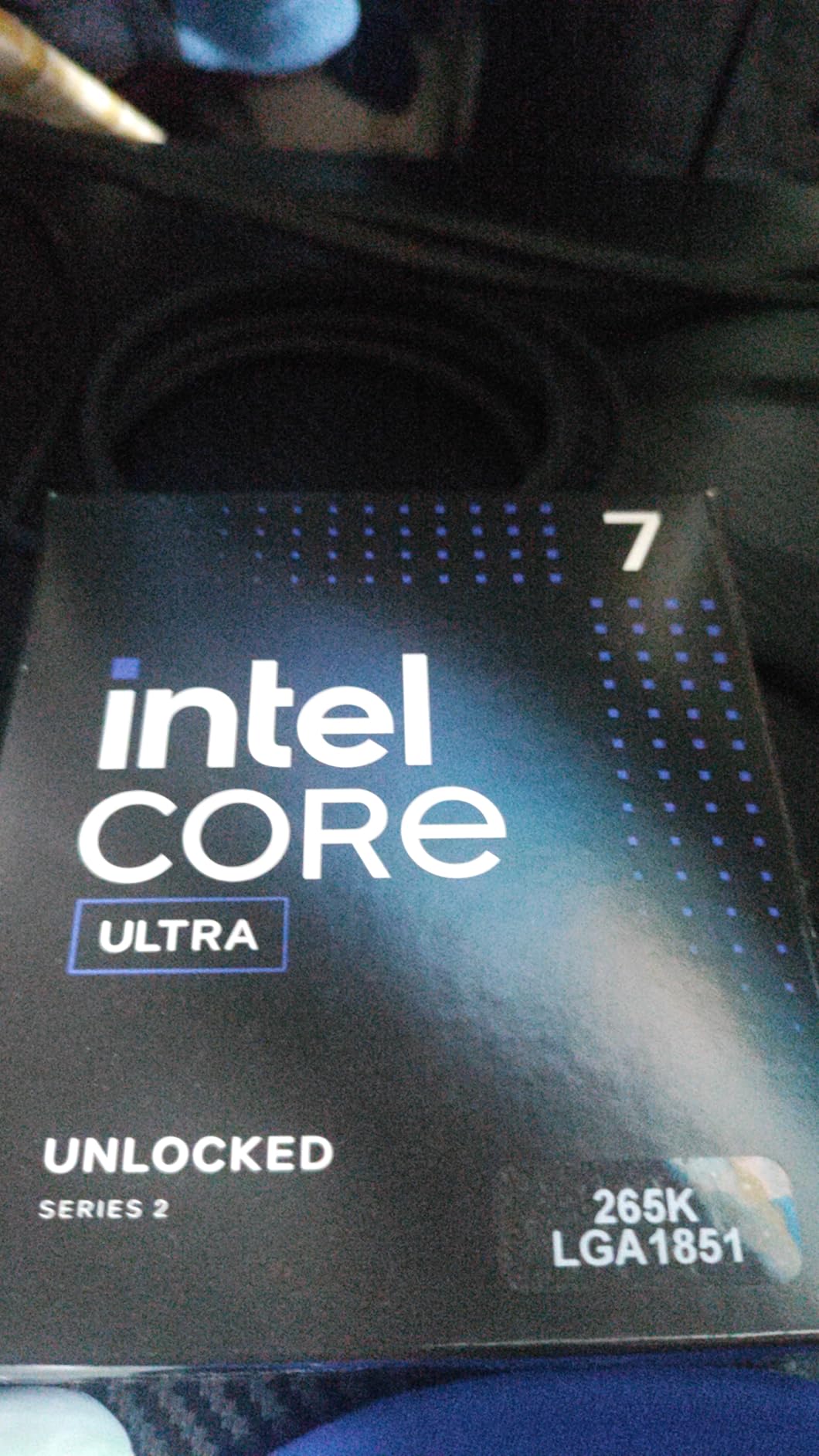
For gaming the results are more mixed than the core count suggests, and reviews are candid about that. Several note gains in some titles and near-parity with the 13600K in others, so it is a work-first purchase rather than a gaming one.
The efficiency-first design also means the twelve E-cores are doing much of the routine lifting, which is where the low power figure comes from during everyday use.
What 20 cores do for a working creator
Timeline scrubbing, 4K export, batch rendering and running a development environment at the same time are exactly the workloads that reward core count. None of the other processors here give you twenty cores to spend on that.
If your machine renders rather than plays, the boost clock and the core count combine into a much stronger package than the pure gaming picks, and the lower power draw keeps thermals and noise reasonable.
Why the new socket is the real cost
LGA1851 means a new 800 series motherboard and DDR5 memory, so the total build cost includes parts you would not need on LGA1700. If you already own a 600 or 700 series board, the money is better spent elsewhere.
There is no cooler in the box and no integrated graphics on this K-series part, so a discrete card and a real cooler are both on your list. The platform is also new enough that early-adoption snags are still reported by owners.
How to Choose the Best CPUs for Your Build in 2026
Start from the monitor, not the chip. A processor cannot make a 4K panel push more frames than the graphics card allows, so if you are on a 4K television the GPU deserves the budget. The processor matters most at 1080p and 1440p on a high refresh panel, where it is the limiting factor in competitive games.
Match the chip to your monitor refresh rate
For a 144 Hz display, the Ryzen 5 5600X and the Core i5-14400F both deliver, and the money saved goes into a better graphics card. For 240 Hz and above, where frame times are measured in milliseconds, the 9800X3D’s cache advantage shows up exactly where you will feel it.
Frame pacing matters more than the headline number. A processor that holds a steady frame time feels better than one with a higher average and dips every few seconds, and cache-heavy designs tend to hold that line better in shooters.
Get the memory right before you buy the CPU
Memory speed is a real factor on modern platforms. On AM4, a DDR4-3200 kit is the ceiling and 5600X and 5700X are matched to it well. On AM5, faster DDR5 kits give the 9800X3D more headroom, and community consensus among builders repeatedly points to a low-latency DDR5-6000 CL30 kit as the sweet spot for that socket.
Timings confuse people more than speeds do. CL30 and CL32 at the same speed are close enough that either works, and the difference between them will not show up in your frame rate. Buy a matched two-stick kit of the same part number rather than mixing kits.
Budget a cooler, not just a processor
Two chips here include a cooler, and four do not. The 5600X and the 14400F are ready to run in a basic tower, while the 5700X, the 13600K, the 9800X3D and the 265K need a real cooler sized to their wattage.
A rough tier guide: 65W parts are comfortable with a mid-range air tower, 125W to 148W parts want a good tower or a 240mm liquid unit, and the 181W Core i5-13600K wants a 240mm unit or a large tower. Add case clearance to the list before you buy, since a tall cooler does not fit every chassis.
Weigh platform longevity over benchmark peaks
AM5 is the safest long-term bet in this lineup because it has generations ahead of it and it already supports DDR5 and PCIe 5.0. AM4 is the opposite, being mature, cheap and finished. LGA1700 is close to its end, while LGA1851 is brand new and has the shortest track record.
That is why the value case for the 5600X and 5700X is stronger than a raw benchmark chart suggests. Buyers on r/buildapc repeatedly point out that an AM4 board you already own plus either chip is a cheaper way into good gaming performance than a new platform, and the same logic applies to reusing DDR4 with the Intel hybrid parts.
One last note on stability: check the BIOS version of any board you buy with a newer Intel chip, because microcode updates have mattered for these processors. A current firmware version is a five-minute fix that avoids a lot of head-scratching later.
Frequently Asked Questions
What CPU should I buy right now?
The Ryzen 7 9800X3D is the best all-round choice for gaming, with 96MB of 3D V-Cache and up to 5.2 GHz boost. For the lowest sensible build cost on an existing AM4 board, the Ryzen 5 5600X is hard to beat. Content creators who render more than they play should look at the Core Ultra 7 265K and its twenty cores.
What is the most powerful processor in this roundup?
The Intel Core Ultra 7 265K leads on multi-threaded throughput with 20 cores and a 5.5 GHz boost. For gaming alone, the Ryzen 7 9800X3D is the fastest of these six thanks to its 96MB L3 cache and Zen 5 architecture.
What are the top 5 best CPUs for a new build?
Our shortlist is the Ryzen 7 9800X3D for gaming, the Ryzen 5 5600X for budget AM4 builds, the Ryzen 7 5700X for AM4 multitaskers, the Core i5-14400F for DDR4 flexibility, and the Core i5-13600K for mixed gaming and streaming. The Core Ultra 7 265K takes the sixth slot for creator workloads.
Which Intel processor is the best of these six?
The Core i5-13600K is the best pick for most buyers, with 14 cores, 20 threads, an unlocked multiplier and integrated UHD 770 graphics. The Core Ultra 7 265K wins on core count and efficiency, and the Core i5-14400F wins when you want to reuse DDR4 memory.
Is 3D V-Cache worth it for gaming?
Yes, in the games built around simulation, strategy and competitive shooters, where the large L3 cache keeps more of the level resident and holds frame times steadier. In 4K at 60 or 120 Hz the graphics card is the limit and the extra cost goes unseen.
What is 1% lows in gaming benchmarks?
1% lows are the average frame rate of the slowest 1 percent of frames recorded during a test. They describe how smooth a game feels in the worst moments, which matters far more in competitive play than peak or average frame rate.
The Best CPUs Verdict for 2026
The Ryzen 7 9800X3D is the best CPU in this roundup and the one we would build around today, because its 96MB cache and Zen 5 single-thread speed make it the strongest all-round gaming answer on a platform that still has generations ahead of it. Plan on buying a proper cooler for its 140W.
The Ryzen 5 5600X is the value pick for anyone with an AM4 board and a stack of DDR4, and the Ryzen 7 5700X is the version to buy when streaming or editing happens alongside gaming. On the Intel side, the Core i5-13600K covers the most cases, the Core i5-14400F wins when you want to keep DDR4, and the Core Ultra 7 265K is the answer for heavy creation work.
Whichever you choose, check the BIOS version on your motherboard and match the cooler to the wattage before the parts arrive. That is the difference between a fast PC and a hot, noisy one.