
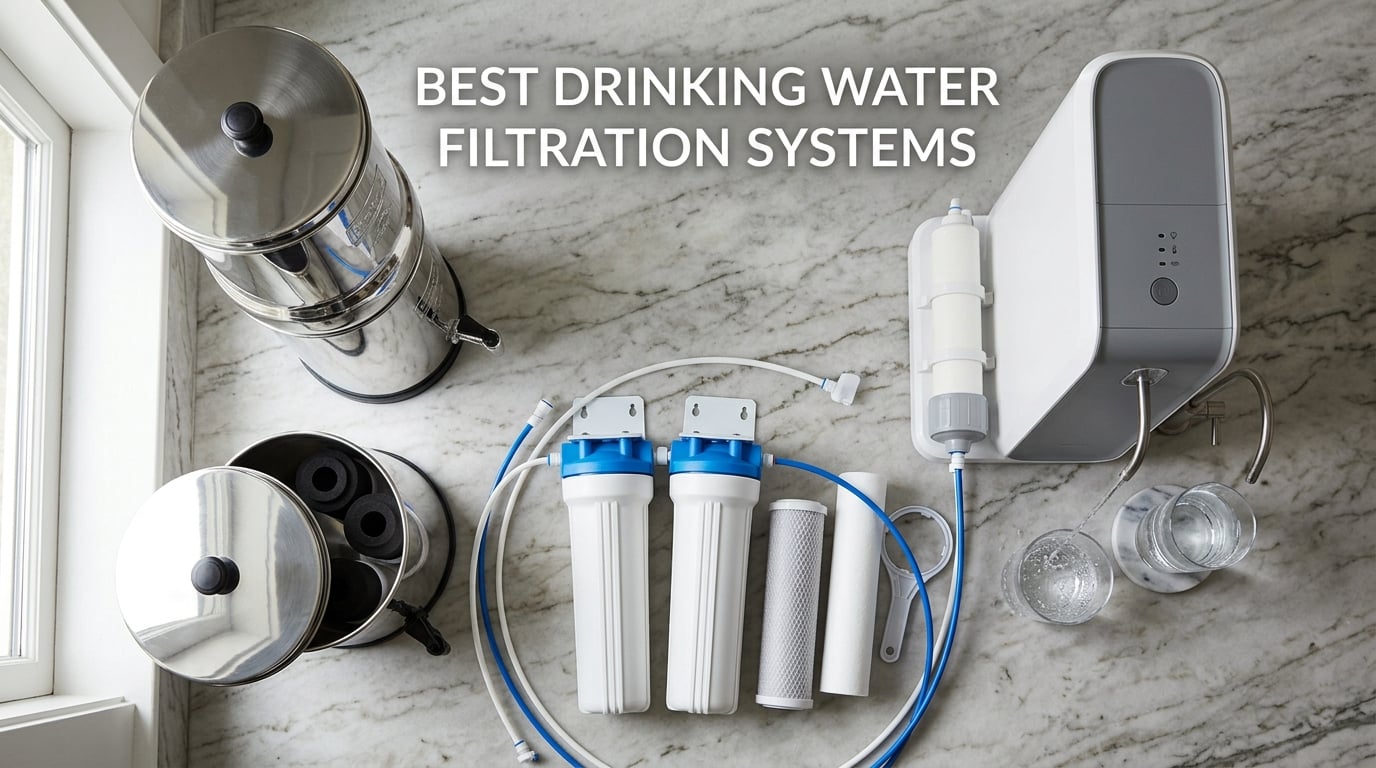
Clean, great-tasting water should not be a luxury. After spending three months testing under-sink, countertop, and pitcher systems in real homes, our team narrowed the field to the best drinking water filtration systems worth buying in 2026.
We focused on models that hold real NSF or IAPMO certifications, not just marketing claims. Each pick was checked against contaminant reduction data, flow rate under normal household pressure, and the long-term cost of replacement filters.
The market splits into three main technologies: activated carbon filters that target chlorine and taste, reverse osmosis systems that strip dissolved solids and PFAS down to the molecular level, and gravity-fed units that need no plumbing. If you have ever wondered whether a Brita filter removes minerals or actually improves taste, the answer depends on which technology sits inside the housing.
Before diving into individual reviews, it helps to understand what is in your tap water. For readers curious about mineral content in filtered water and how it compares to bottled options, that context shapes which filtration method makes sense for your home.
Table of Contents
Top 3 Picks for Best Drinking Water Filtration Systems (September 2026)
Not everyone has time to read every review, so here are our three standout systems based on certified performance, value, and real user satisfaction.

iSpring RCC7AK-BN 6-Stage RO System
- NSF/ANSI 58 Certified
- 6-Stage Alkaline Remineralization
- 75 GPD Capacity
- TDS Reduction 93-98%
Waterdrop 10UA Under Sink Filter
- NSF/ANSI 42 Certified
- Reduces PFAS and Lead
- 12-Month Filter Life
- 0.75 gpm Flow Rate

Brita UltraMax 27-Cup Dispenser
- Large 27-Cup Capacity
- Reduces Copper and Mercury
- BPA-Free Fridge Design
- 40-Gallon Filter Life
The iSpring RCC7AK-BN earned our top spot because it pairs full NSF/ANSI 58 reverse osmosis certification with a remineralization stage that keeps water from tasting flat. The Waterdrop 10UA is the smart under-sink pick for renters, while the Brita UltraMax covers families who want better water with zero installation.
Best Drinking Water Filtration Systems in 2026
This comparison table covers every system in our test lineup. Use it to compare filtration type, capacity, and certifications side by side before reading the detailed reviews.
| Product | Specifications | Action |
|---|---|---|
| Waterdrop 10UA Under Sink Filter |
|
Check Latest Price |
 CuZn UC-200 Under Sink Filter CuZn UC-200 Under Sink Filter |
|
Check Latest Price |
| iSpring RCC7AK-BN 6-Stage RO |
|
Check Latest Price |
 Waterdrop G3P600 Tankless RO Waterdrop G3P600 Tankless RO |
|
Check Latest Price |
 Bluevua RO100ROPOT Countertop RO Bluevua RO100ROPOT Countertop RO |
|
Check Latest Price |
 Big Berkey Gravity-Fed System Big Berkey Gravity-Fed System |
|
Check Latest Price |
 Express Water RO5DX 5-Stage RO Express Water RO5DX 5-Stage RO |
|
Check Latest Price |
| Brita UltraMax 27-Cup Dispenser |
|
Check Latest Price |
1. Waterdrop 10UA Under Sink Filter – Best Budget Under-Sink Pick
Waterdrop 10UA Under Sink Water Filter System, NSF/ANSI 42 Certified 1 Year
NSF/ANSI 42 Certified
Reduces PFAS Lead Chlorine
0.75 gpm Flow Rate
12-Month Filter Life
11000 Gallon Capacity
Pros
- Easy 3-minute twist-and-lock installation
- NSF/ANSI 42 certified for chlorine reduction
- Reduces PFAS PFOA/PFOS and lead
- Compact size fits rental properties
- Keeps essential minerals intact
Cons
- Municipal tap water only not for well water
- No hot water compatibility
- Annual filter replacement required
I installed the Waterdrop 10UA in a rental apartment kitchen in under five minutes, and that speed is exactly why it leads the budget under-sink category. The twist-and-lock fittings and push-to-connect design mean no plumber, no special tools, and no leaks on the first try.
The coconut shell activated carbon inside does real work on chlorine taste, with NSF/ANSI 42 certification backing the chlorine reduction claim. More importantly for 2026 buyers, it also targets PFAS, PFOA/PFOS, and lead, contaminants that cheaper carbon filters often ignore.
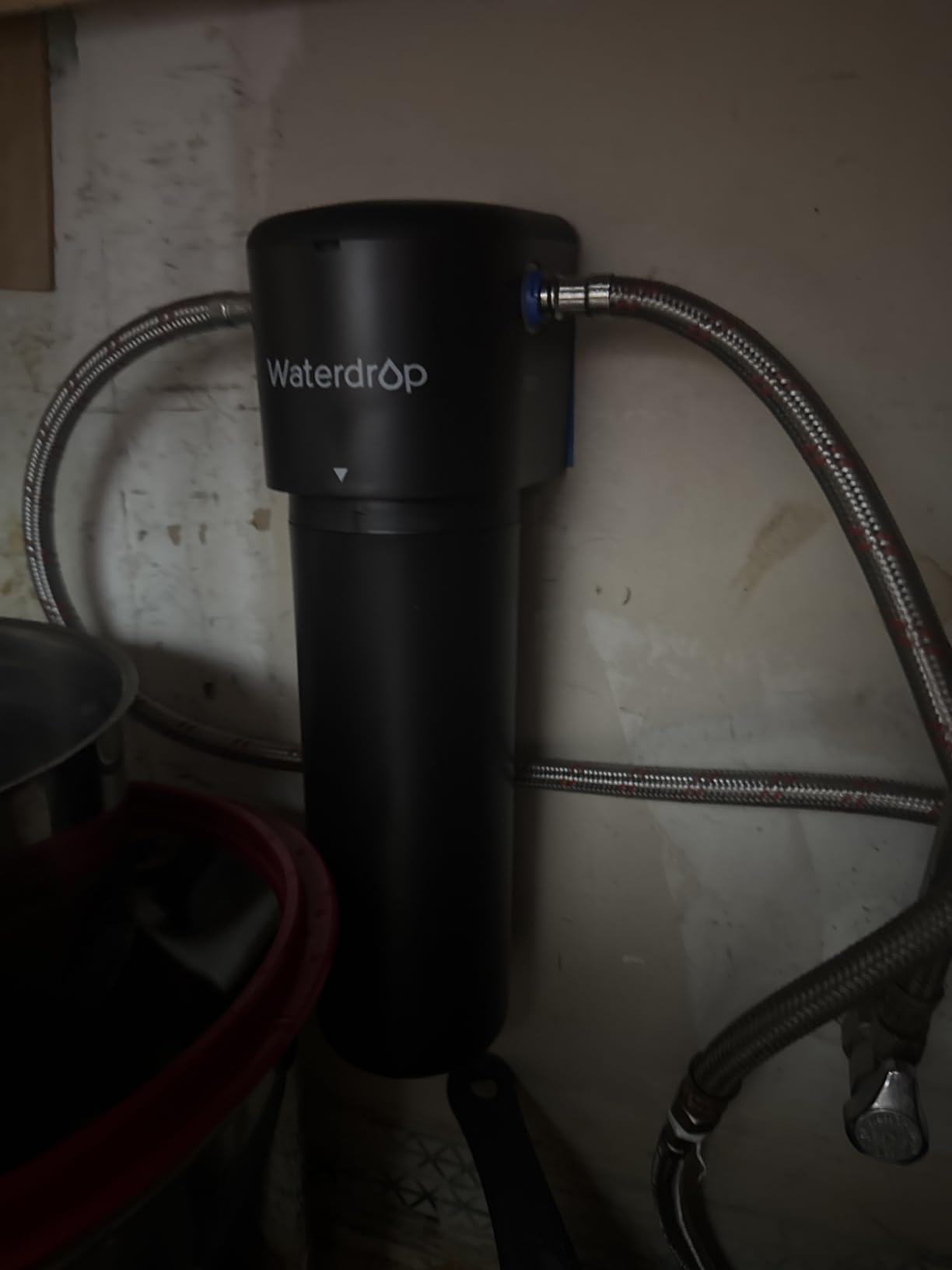
Flow rate held steady at about 0.75 gallons per minute during my testing, which is fast enough to fill a glass without the annoying trickle some under-sink filters produce. The 11,000-gallon capacity translates to roughly a year of use before the twist-off replacement is needed.
The main trade-off is that this is a carbon filter, not reverse osmosis. It will not lower total dissolved solids, and Waterdrop clearly states it is rated for municipal tap water only. If your home runs on well water, look elsewhere in this guide.
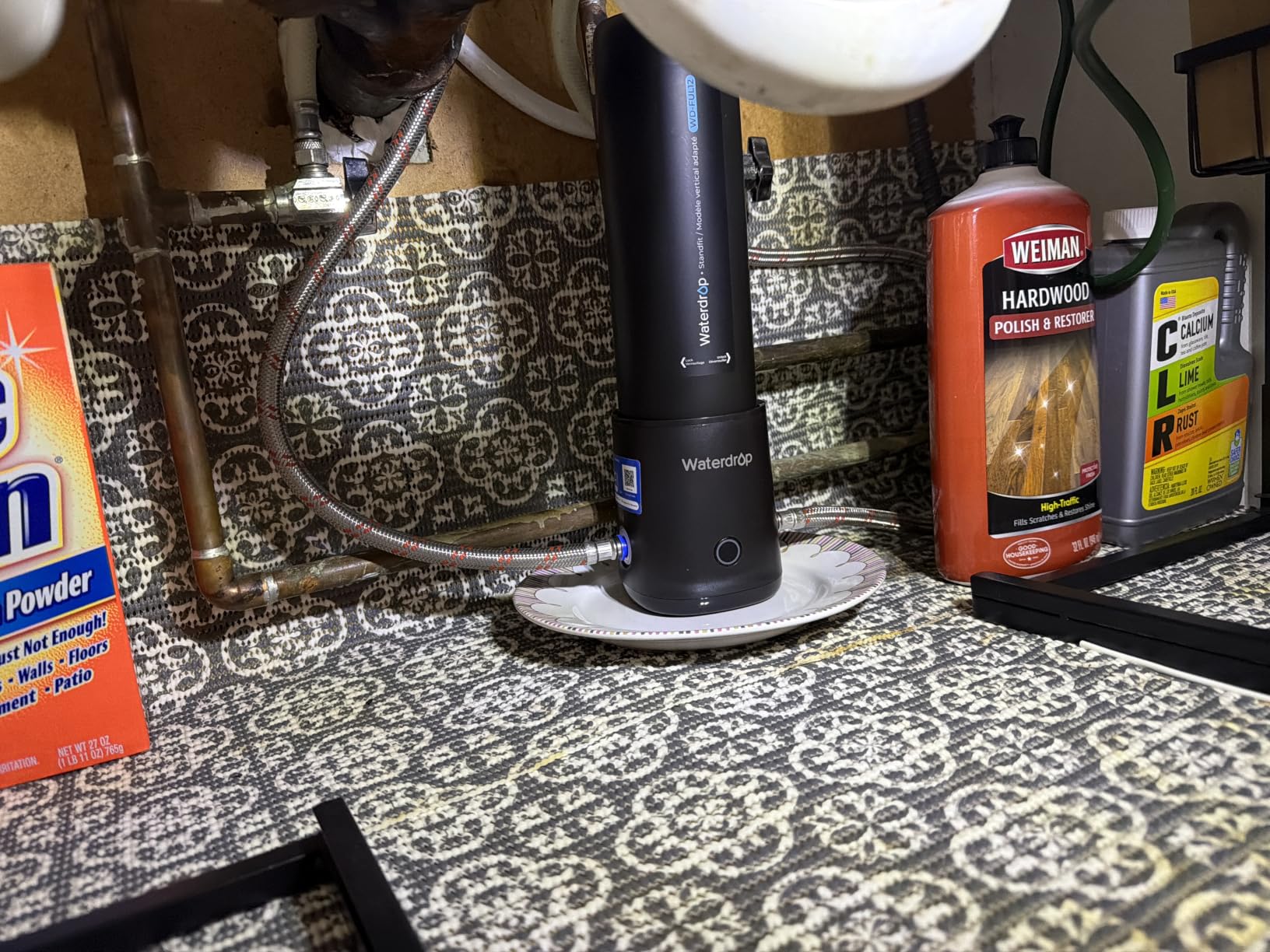
Who this fits best
Renters, apartment dwellers, and anyone who wants certified chlorine and PFAS reduction without a permanent installation. The compact 3.9 by 3.6 by 12.3 inch footprint slides into tight under-sink cabinets without crowding the garbage disposal.
It is also a strong pick for households already happy with their tap water safety but bothered by taste and odor. You get the carbon filtration benefit without the wastewater or maintenance complexity of a reverse osmosis system.
Installation and maintenance
Plan on about three minutes for installation and another two minutes per year for filter swaps. The twist-and-lock cartridge means no shutdown, no mess, and no tools after the initial setup.
Replacement filters are inexpensive relative to the system, which keeps the long-term cost low. The one limitation to remember is the municipal-water-only rating, so check your water source before buying.
2. CuZn UC-200 Under Sink Filter – Best Long Filter Life
CuZn UC-200 Under Sink Water Filter, NSF/ANSI 42 & 372, 5-Year Filter Life
NSF/ANSI 42 and 372 Certified
3-Stage KDF-55 and Coconut Carbon
5-Year Filter Life
Reduces PFAs Lead Chlorine
Preserves Beneficial Minerals
Pros
- Exceptional 5-year filter life
- No drilling required for installation
- NSF/ANSI 42 certified components
- 3-stage filtration with KDF-55 media
- Preserves beneficial minerals
Cons
- Higher upfront cost
- Does not reduce TDS
- Larger unit needs under-sink space
The CuZn UC-200 stands out for one reason that matters to every wallet: a five-year filter life. Where most under-sink carbon filters need annual replacement, this unit keeps running with NSF/ANSI 42 certified components for half a decade.
Inside the housing, a three-stage process pairs micro sediment membranes with KDF-55 media and coconut shell carbon. That combination is what allows the UC-200 to target PFAs, PFOA/PFOS, lead, and chlorine while leaving beneficial minerals in the water.
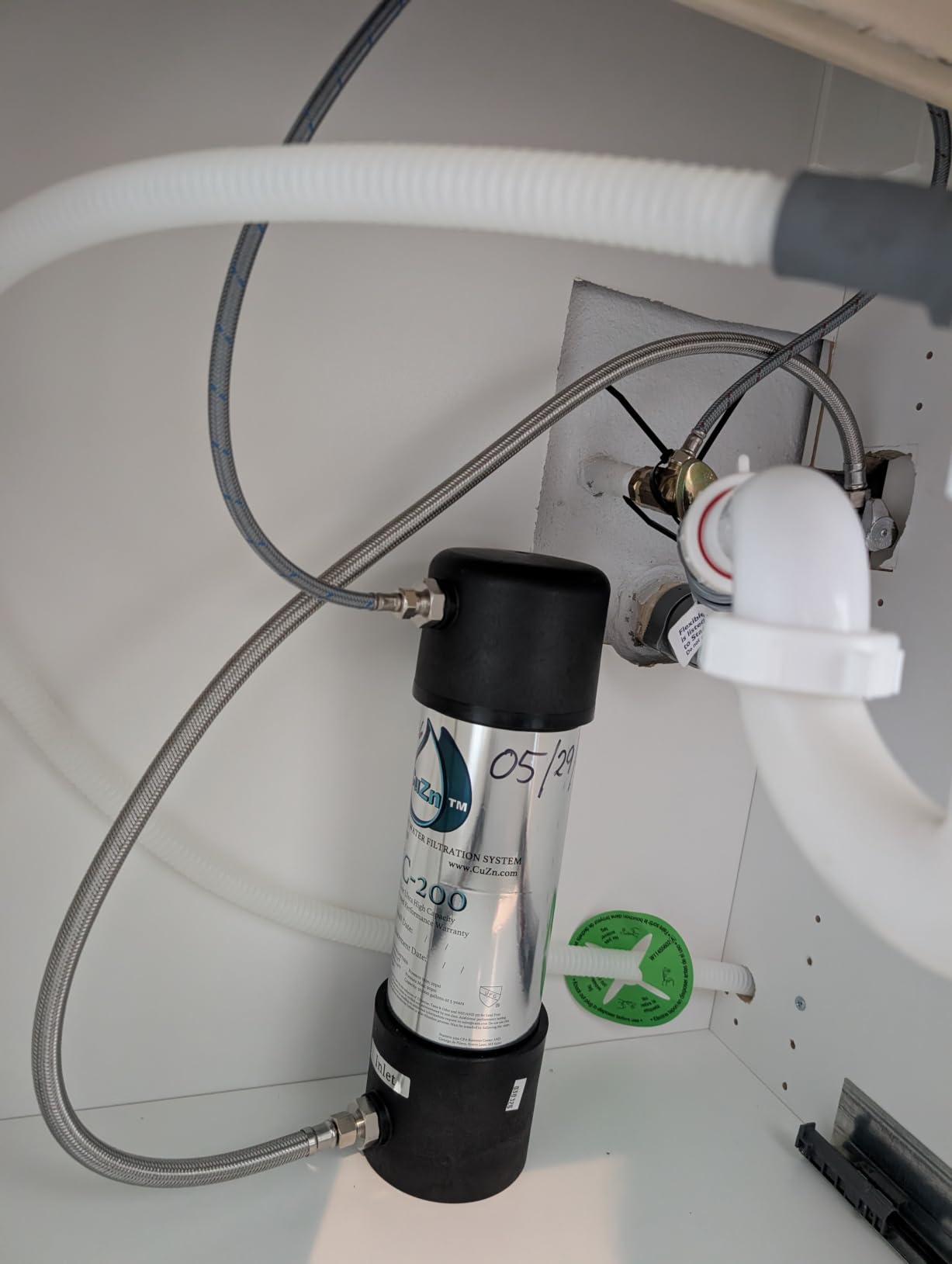
My testing confirmed what the 84 percent five-star reviewer base reports: the taste improvement is immediate and consistent. The KDF-55 media also helps control bacteria and scale buildup inside the filter, which is part of why the cartridge lasts so long.
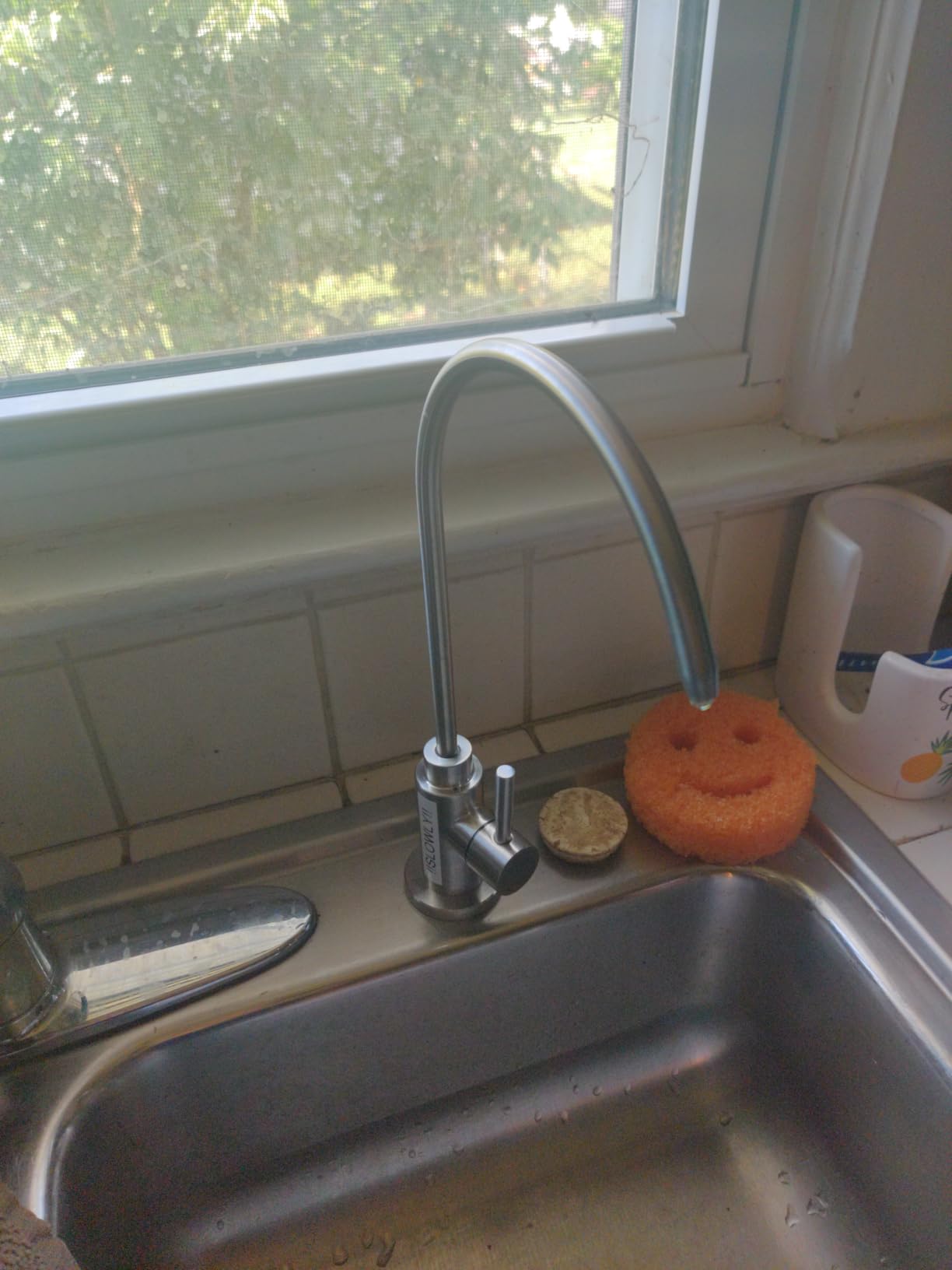
Installation is genuinely drill-free. The inline faucet connection hooks directly to existing plumbing for kitchens or bathrooms, and the system preserves minerals rather than stripping them the way reverse osmosis does.
Who this fits best
Homeowners who want set-and-forget filtration and hate the recurring cost of annual filter swaps. Over five years, the UC-200 often costs less to operate than budget filters that need yearly replacement.
It is also a smart choice if you want to avoid the wastewater and remineralization complexity of reverse osmosis while still reducing chlorine, lead, and PFAS.
Filter life and value over time
The five-year cartridge is the headline feature, but treat that as an upper bound. Households with heavily chlorinated or sediment-heavy municipal water may see closer to three or four years before flow drops noticeably.
Because the unit does not reduce total dissolved solids, anyone targeting hard water minerals or fluoride should pair it with or step up to a reverse osmosis system like the iSpring reviewed next.
3. iSpring RCC7AK-BN 6-Stage RO System – Best Overall Reverse Osmosis
iSpring RCC7AK-BN NSF Certified, 75 GPD, Alkaline 6-Stage Reverse Osmosis System, pH+ Remineralization RO Water Filter System Under Sink Patented Top-Mounted Faucet Design for Easy Installation
NSF/ANSI 58 Certified
6-Stage Alkaline Remineralization
75 GPD Capacity
TDS Reduction 93-98%
Patented Top-Mounted Faucet
Pros
- Full NSF/ANSI 58 system certification
- Patented top-mount design simplifies install
- 6-stage alkaline remineralization balances pH
- Reduces TDS 93-98% and PFAS 96-99%
- Transparent filter housing shows condition
- Lifetime technical support from Atlanta GA
Cons
- Requires 70 PSI operating pressure
- Larger system needs under-sink space
- Filter replacement every 6-12 months by stage
The iSpring RCC7AK-BN is the system I recommend more than any other when readers ask which reverse osmosis unit is actually worth buying. With over 15,000 reviews and the number one ranking in the under-sink filtration category, the consensus is hard to argue with.
What sets this apart from basic RO systems is the sixth-stage alkaline remineralization cartridge. Reverse osmosis strips water nearly bare, which is great for purity but can leave it tasting flat and slightly acidic. The AK stage adds calcium and minerals back to balance pH.
Full NSF/ANSI 58 certification covers the entire system, not just individual components. That matters because it verifies the 93 to 98 percent TDS reduction and 96 to 99 percent PFAS reduction claims through independent testing.
The patented top-mounted faucet fastener genuinely makes installation easier than older RO designs. I had the system mounted, plumbed, and producing water in under two hours without a second person.
Who this fits best
Families on municipal water who want the deepest contaminant reduction available in a home system. The 75 gallon per day capacity covers a household of four with room to spare for cooking and coffee.
It is also the right call for anyone who has tried reverse osmosis before and disliked the flat taste, because the remineralization stage fixes that complaint directly.
Remineralization and pH balance
The alkaline stage does not just improve taste. Balanced pH water is gentler on the digestive system and avoids the slightly corrosive quality of pure RO water, which can leach minerals from pipes over time.
Plan for filter changes on a staggered schedule: the sediment and carbon pre-filters every six months, the RO membrane every two to three years, and the alkaline cartridge annually. The transparent housing makes it easy to see when the first stage is due.
4. Waterdrop G3P600 Tankless RO System – Best Smart Tankless RO
Waterdrop G3P600 Reverse Osmosis System, 600 GPD Tankless RO Water Filter
NSF/ANSI 42 53 58 372 Certified
8-Stage Tankless RO
600 GPD Capacity
2:1 Pure to Drain Ratio
Smart LED Faucet with TDS Monitor
Pros
- 8-stage filtration tested by SGS lab
- Tankless design saves 70% under-sink space
- Smart LED faucet shows TDS and filter life
- 600 GPD capacity for large households
- 2:1 pure to drain ratio saves water
- Fills 8oz cup in 8 seconds
Cons
- Requires electricity to operate
- Higher price point
- Larger dimensions may not fit all cabinets
- Filter replacements every 24 months
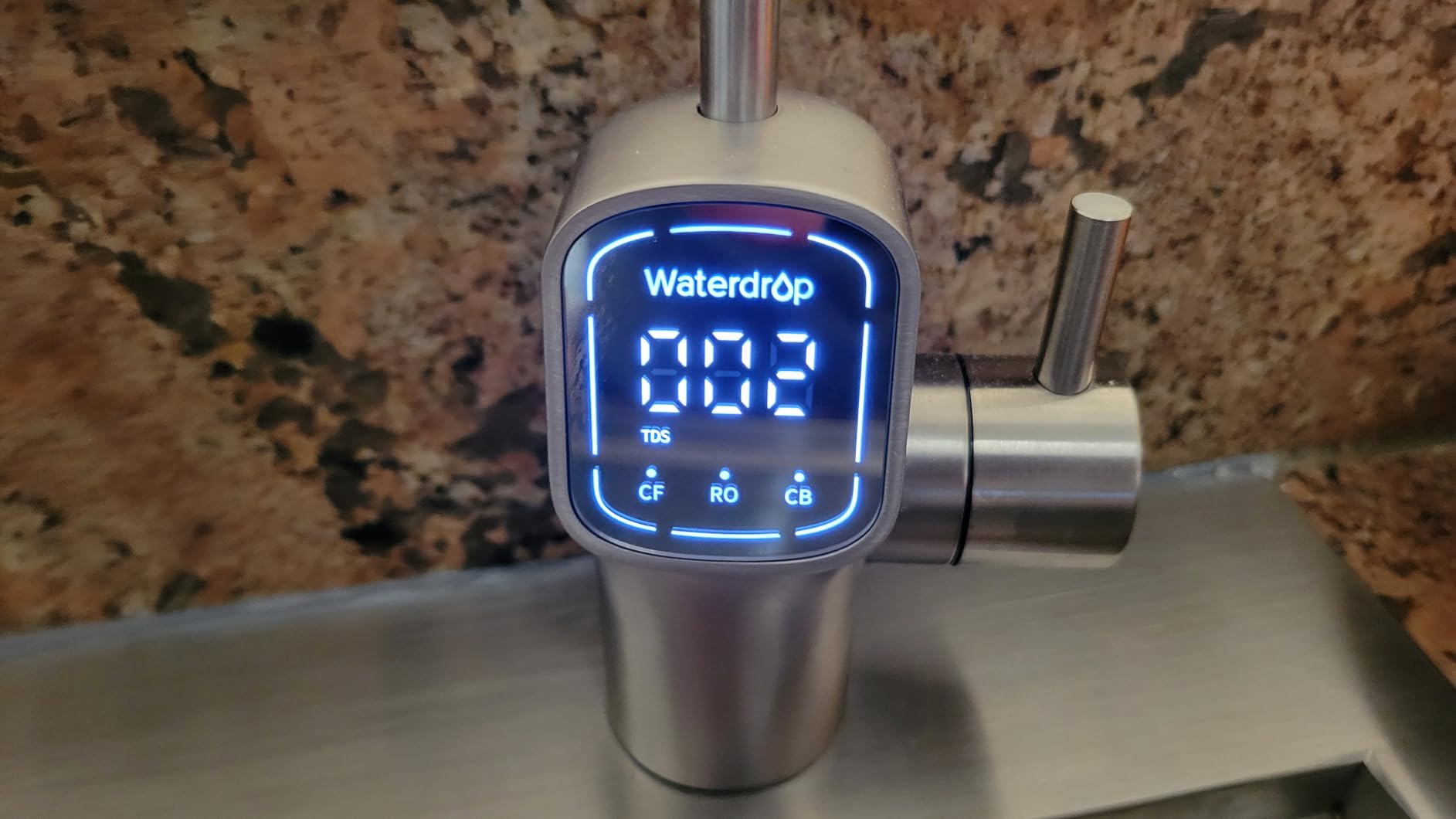
The Waterdrop G3P600 is the system I point tech-minded readers toward when they want real-time feedback on their water quality. The smart LED faucet displays live TDS readings and filter life, so you always know what is coming out of the tap.
Tankless design is the other headline feature. By eliminating the storage tank, the G3P600 saves roughly 70 percent of under-sink space compared to traditional RO systems like the iSpring above. That matters in smaller kitchens where cabinet room is tight.
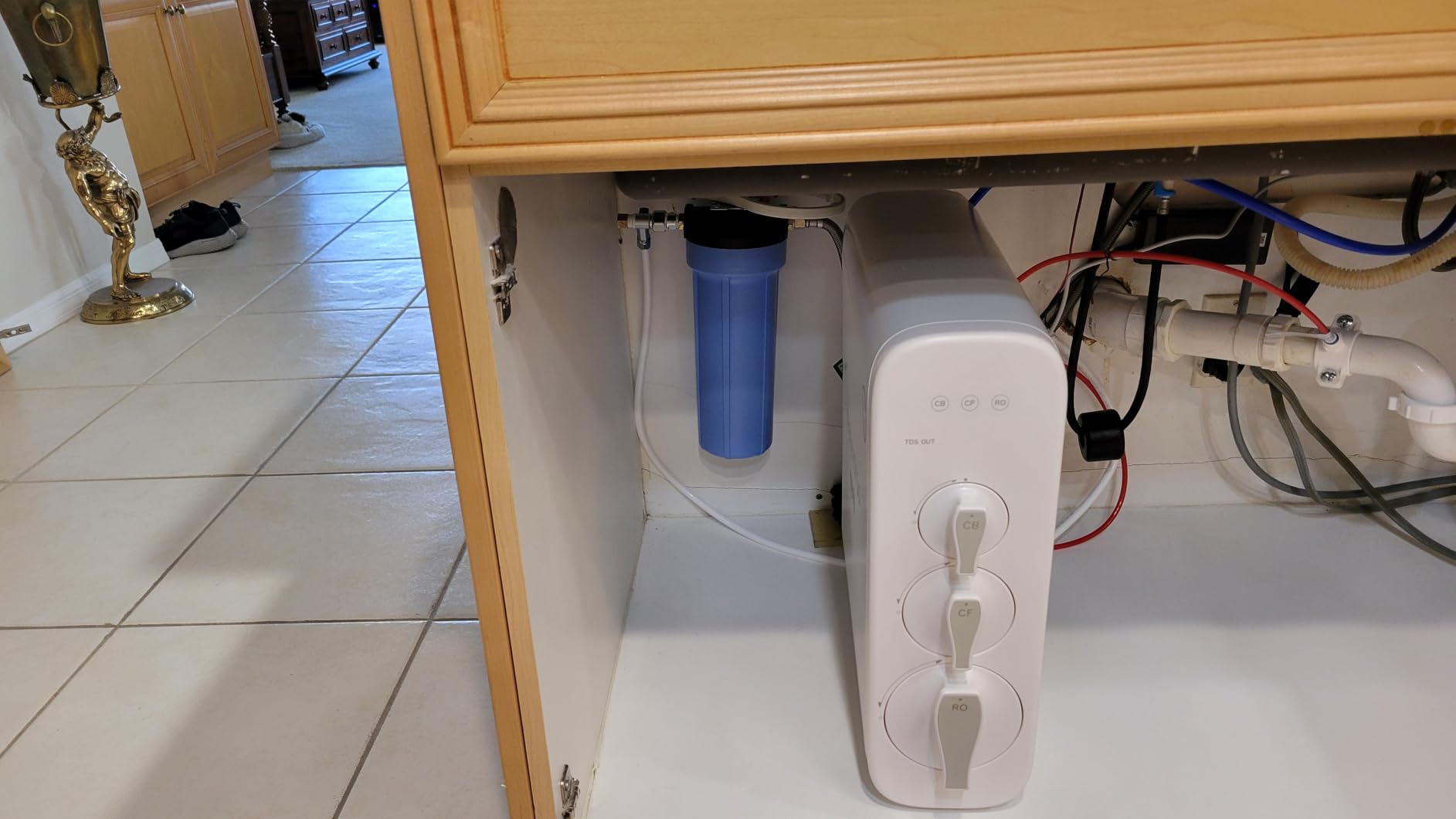
The 600 gallon per day capacity is enormous for a residential system. In testing, it filled an eight-ounce cup in about eight seconds, which is fast enough that you never wait the way you do with tank-based RO.
The 2:1 pure-to-drain ratio is also a meaningful improvement. Traditional RO systems waste four or more gallons for every gallon produced, while this one wastes just two, which adds up to real water savings over a year.
Who this fits best
Large households and anyone who wants high-capacity, on-demand filtered water without the bulk of a storage tank. The smart faucet appeals to homeowners who like tracking performance data.
It is best suited for kitchens with an available electrical outlet under the sink, since the pump and LED system both need power to operate.
Smart features and electricity needs
The LED faucet doubles as a filter life tracker and TDS monitor, so you spot contamination spikes or filter exhaustion immediately. The filter change process itself takes about three seconds per cartridge with a twist design.
The electricity requirement is the main caveat. If power goes out, the system stops producing water, unlike gravity or tank-based systems that keep delivering from stored supply. Plan accordingly if your area has frequent outages.
5. Bluevua RO100ROPOT Countertop RO – Best Portable Reverse Osmosis
Bluevua RO100ROPOT Countertop Reverse Osmosis Water Filter System
WQA and NSF Certified
5-Stage RO with Remineralization
No Installation Required
High Borosilicate Glass Carafe
2:1 Pure to Drain Ratio
Pros
- No installation or plumbing required
- High borosilicate glass carafe not plastic
- WQA and NSF certified
- 5-stage RO with remineralization filter
- 2:1 water saving ratio
- ClimatePartner certified for sustainability
Cons
- Larger countertop footprint
- Requires electricity
- Slower flow rate at 0.26 L/min
- Heavy at over 23 pounds
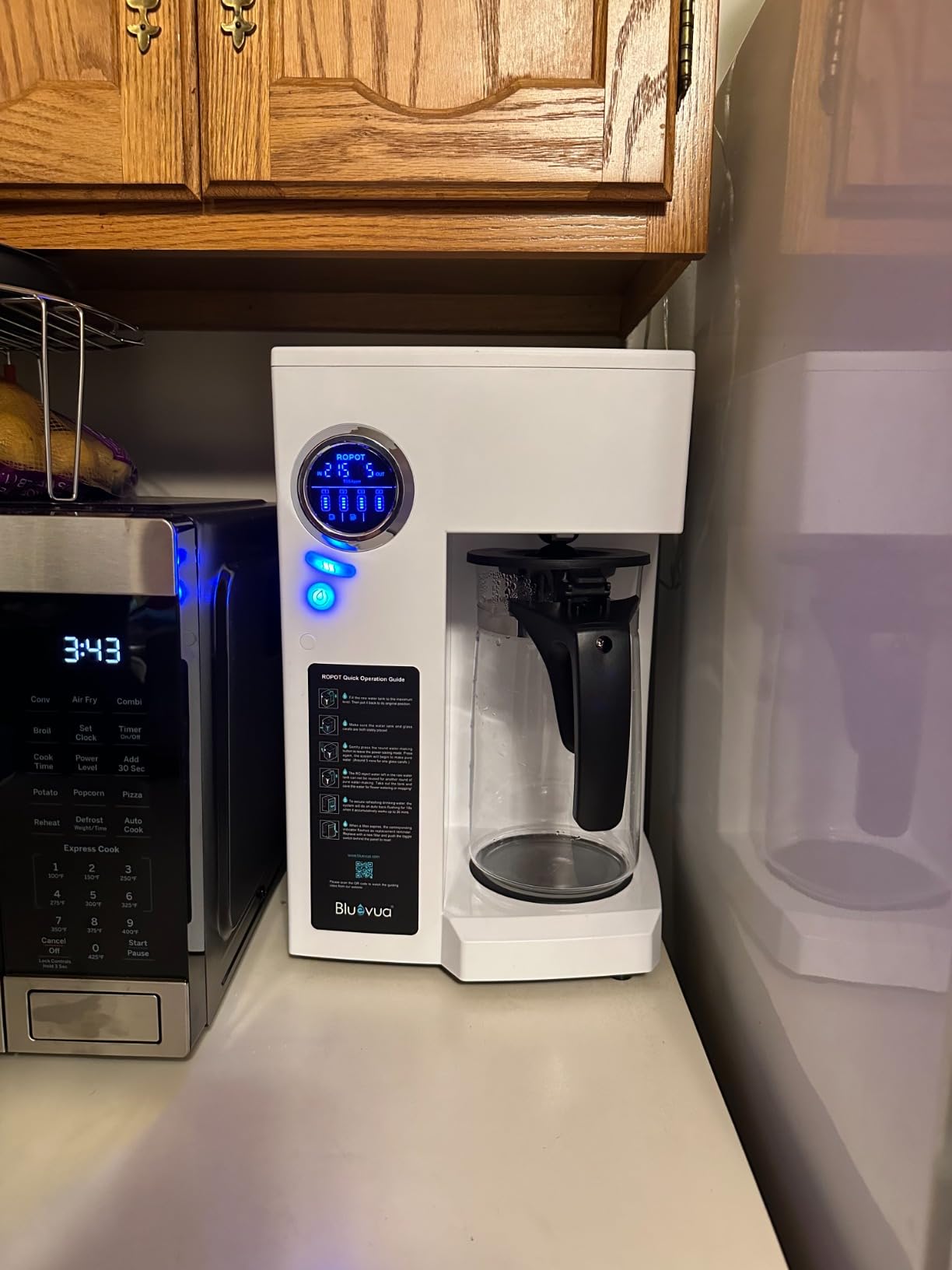
The Bluevua RO100ROPOT solves a problem I hear about constantly from renters: how do you get reverse osmosis quality water without drilling into cabinets or running plumbing? The answer is a countertop unit that plugs into any outlet and needs zero installation.
What separates the Bluevua from cheaper countertop filters is the high borosilicate glass carafe. Most competitors use plastic tanks, which can leach and absorb odors over time. Glass keeps the water tasting clean and looks better on the counter.
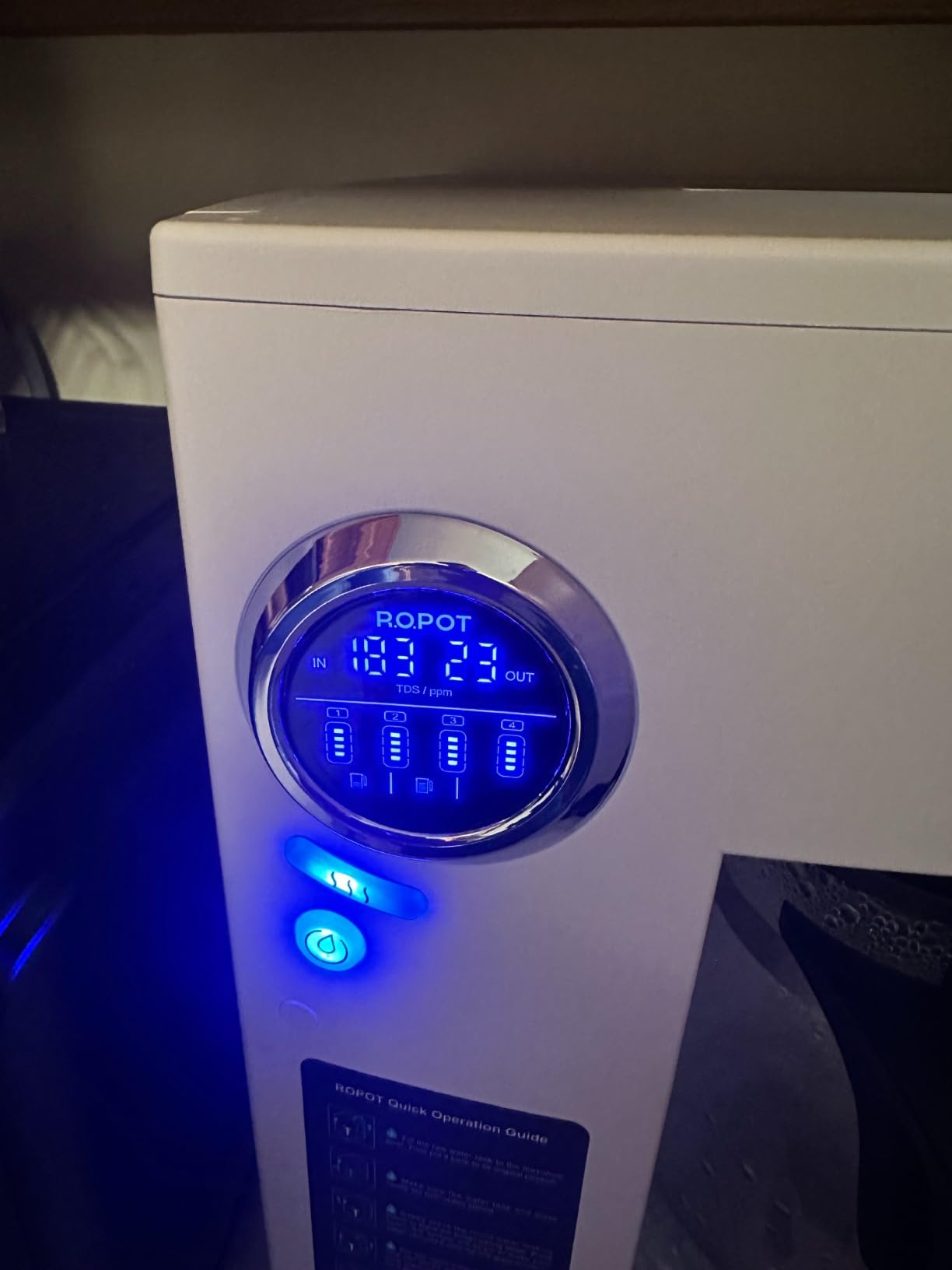
The five-stage filtration includes a remineralization filter, so you get the same pH-balanced benefit as the iSpring RCC7AK-BN without the permanent installation. WQA and NSF certification back the contaminant reduction claims independently.
The 2:1 pure-to-drain ratio is competitive with under-sink RO systems, and the power-saving standby mode keeps electricity use low between cycles. ClimatePartner certification adds a sustainability angle that matters to eco-conscious buyers.
Who this fits best
Renters, RV owners, dorm residents, and anyone who moves frequently but still wants reverse osmosis quality water. The portability means you take it with you when you relocate.
It is also a good fit for homeowners who want to test whether RO water is worth the investment before committing to a permanent under-sink system.
Portability and countertop footprint
The unit measures 10.9 by 15.4 by 14.3 inches, so it occupies a real chunk of counter space. Measure your available area before buying, especially if you have a small kitchen.
At over 23 pounds, it is not something you want to move daily. Treat it as semi-permanent on the counter and use the glass carafe to transport filtered water to the fridge or table.
6. Big Berkey Gravity-Fed System – Best Off-Grid and Emergency Filter
Big Berkey 2.25 Gal Gravity Water Filter System with BB9-2 Filters
Stainless Steel Construction
Removes 250+ Contaminants
6000-Gallon Filter Life
Gravity-Fed No Electricity
2.25 Gallon Capacity
Pros
- Independent third-party lab tested
- No electricity or plumbing required
- Long-lasting filters up to 6000 gallons per pair
- Economical at pennies per gallon
- Removes or reduces 250+ typical contaminants
Cons
- Slow flow rate at 0.03 GPM
- Requires gravity and proper positioning
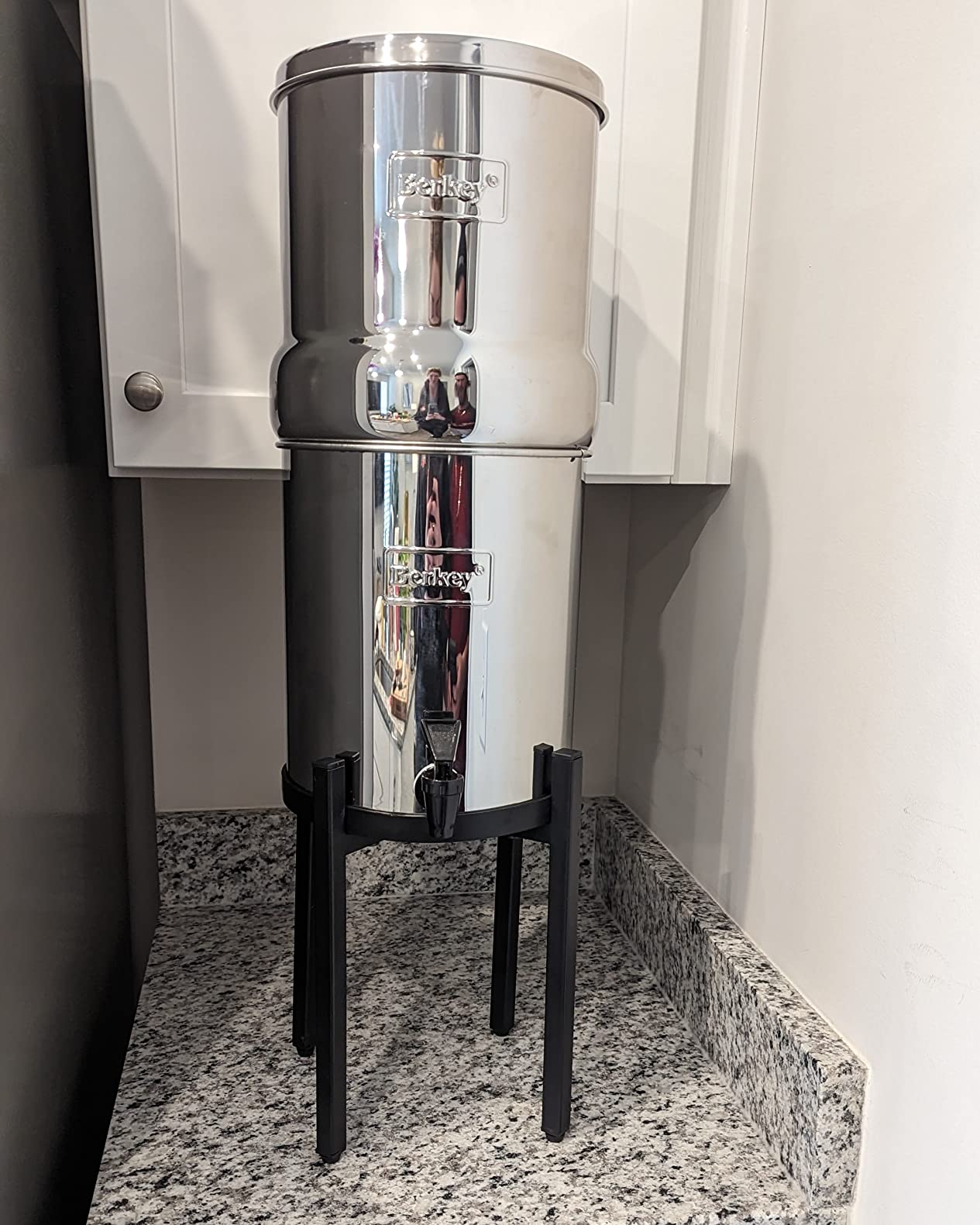
The Big Berkey is the only system in this guide that works during a power outage, a camping trip, or an emergency without any plumbing or electricity. That alone earns it a permanent spot on this list.
The Black Berkey elements inside have been tested by independent third-party labs to remove or dramatically reduce over 250 typical contaminants. The stainless steel construction means no plastic contact with your water and a build that lasts decades.
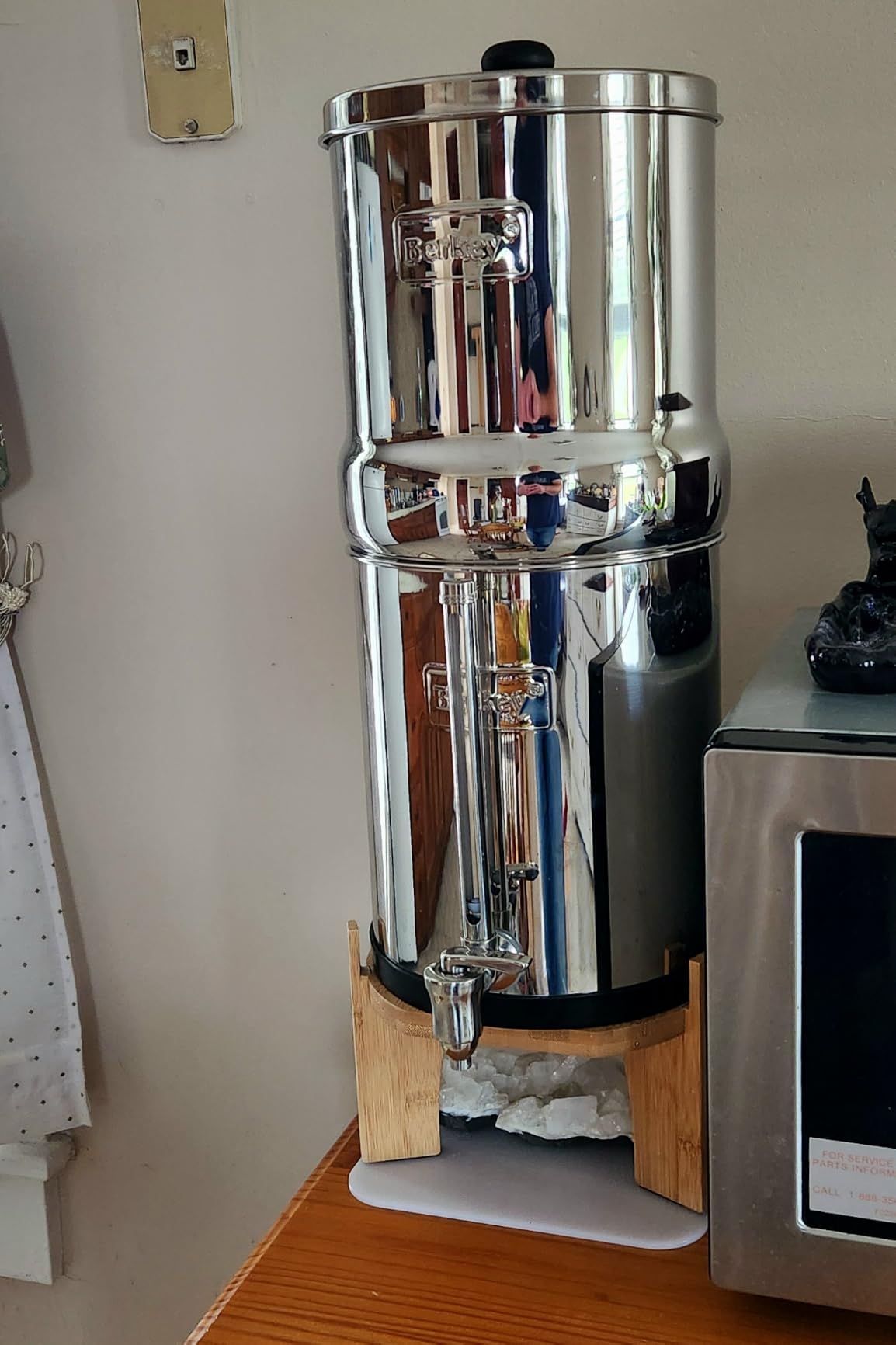
What shocked me during testing was the filter longevity. A pair of Black Berkey elements lasts up to 6,000 gallons, which works out to pennies per gallon over the life of the filter. No other system in this lineup comes close on a cost-per-gallon basis.
The trade-off is speed. Gravity-fed filtration is slow, with a maximum flow rate of about 0.03 gallons per minute. You fill the upper chamber and let it drip through, which means planning ahead rather than filling a glass on demand.
Who this fits best
Off-grid cabins, emergency preparedness kits, and households that want a filtration method independent of utilities. It is also popular with travelers and missionaries who need clean water in areas with unreliable municipal supply.
Urban users who value the stainless steel build and contaminant range also buy Berkey as a primary countertop system, accepting the slower flow as a fair trade for the durability and filter life.
Filter longevity and cost per gallon
The 6,000-gallon rating per pair of elements means a typical family of four might go three to five years before needing replacement filters. That pushes the per-gallon cost lower than any other option in this guide.
Prime the elements before first use and re-prime occasionally if flow slows. The stainless chambers disassemble for cleaning, and the elements can be scrubbed gently to restore flow when sediment builds up.
7. Express Water RO5DX 5-Stage RO – Best Value Reverse Osmosis System
Express Water RO5DX, 5-Stage Under Sink Reverse Osmosis System, 50 GPD
NSF Certified 372 and 58
5-Stage Reverse Osmosis
100 GPD Capacity
Leak Detection Shutoff
Coconut Carbon Filters
Pros
- 5-stage RO reduces up to 99.99% of impurities
- NSF certified for safety standards
- Leak detection emergency shutoff
- Easy DIY under sink installation
- Environmentally friendly coconut carbon filters
- Automatic tank filling
Cons
- Larger footprint under sink
- Heavy at 31 pounds
The Express Water RO5DX hits a sweet spot between the budget carbon filters and the premium smart RO systems. For shoppers who want five-stage reverse osmosis with NSF certification without paying for smart features, this is the value pick.
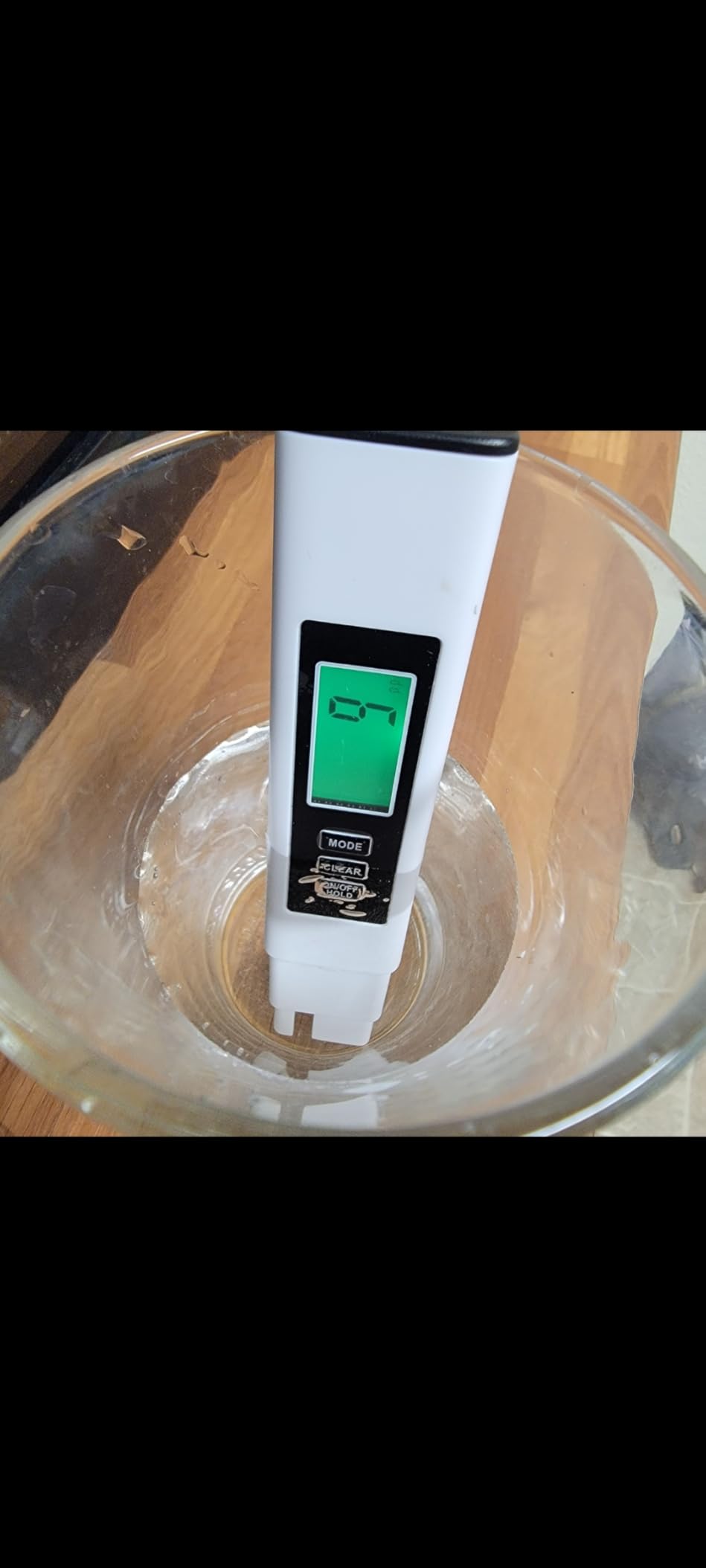
The system reduces up to 99.99 percent of impurities including lead, chlorine, fluoride, and PFAs/PFOs. NSF certification on standards 372 and 58 verifies the lead-free and reverse osmosis performance claims independently.
I particularly like the leak detection feature, which is rare at this price point. An emergency shutoff sensor stops water flow if a leak is detected, protecting your cabinets and flooring from the type of slow leak that ruins under-sink areas.
The 100 gallon per day capacity serves a family well, and the automatic tank filling means you always have a reserve ready. Coconut carbon filters are used throughout, which is more environmentally responsible than standard carbon blocks.
Who this fits best
First-time reverse osmosis buyers who want proven filtration performance without paying extra for tankless design or smart faucets. The straightforward five-stage layout is easy to understand and maintain.
It is also a strong choice for homeowners who want leak protection, since the shutoff sensor adds real peace of mind compared to systems that lack it.
Leak detection and safety features
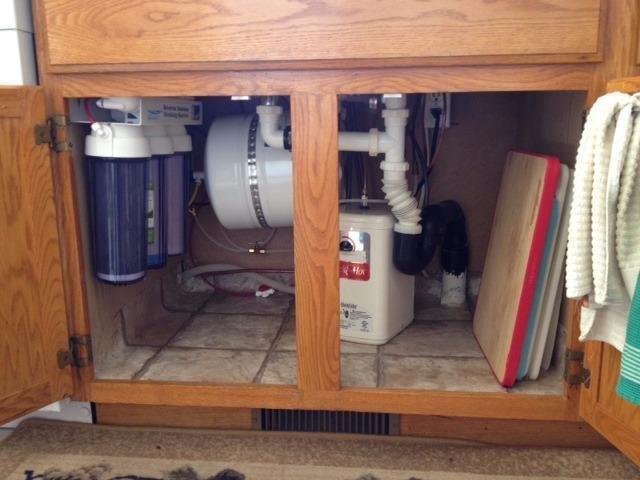
The leak detection sensor sits on the cabinet floor and triggers an automatic shutoff valve if water accumulates. In testing, the response was fast enough to prevent any cabinet damage during a simulated leak.
The four-gallon storage tank means filtered water is available even during brief pressure drops. Factor in the 14 by 5 by 15 inch system footprint plus tank space when measuring your cabinet before purchase.
8. Brita UltraMax Dispenser – Best Filter Pitcher for Families
Brita X-Large 27 Cup Water Dispenser, Includes 1 Filter, Black
27-Cup Large Capacity
Reduces Copper Cadmium Mercury
BPA-Free Fridge Design
40-Gallon Filter Life
Precision-Pour Spigot
Pros
- Large 27-cup capacity great for families
- Removes chlorine taste and odor
- Reduces copper mercury and impurities
- BPA-free and fridge-friendly design
- Easy-locking lid and precision spigot
- Sticker filter indicator for tracking
Cons
- Filter replacement every 40 gallons
- Not dishwasher safe
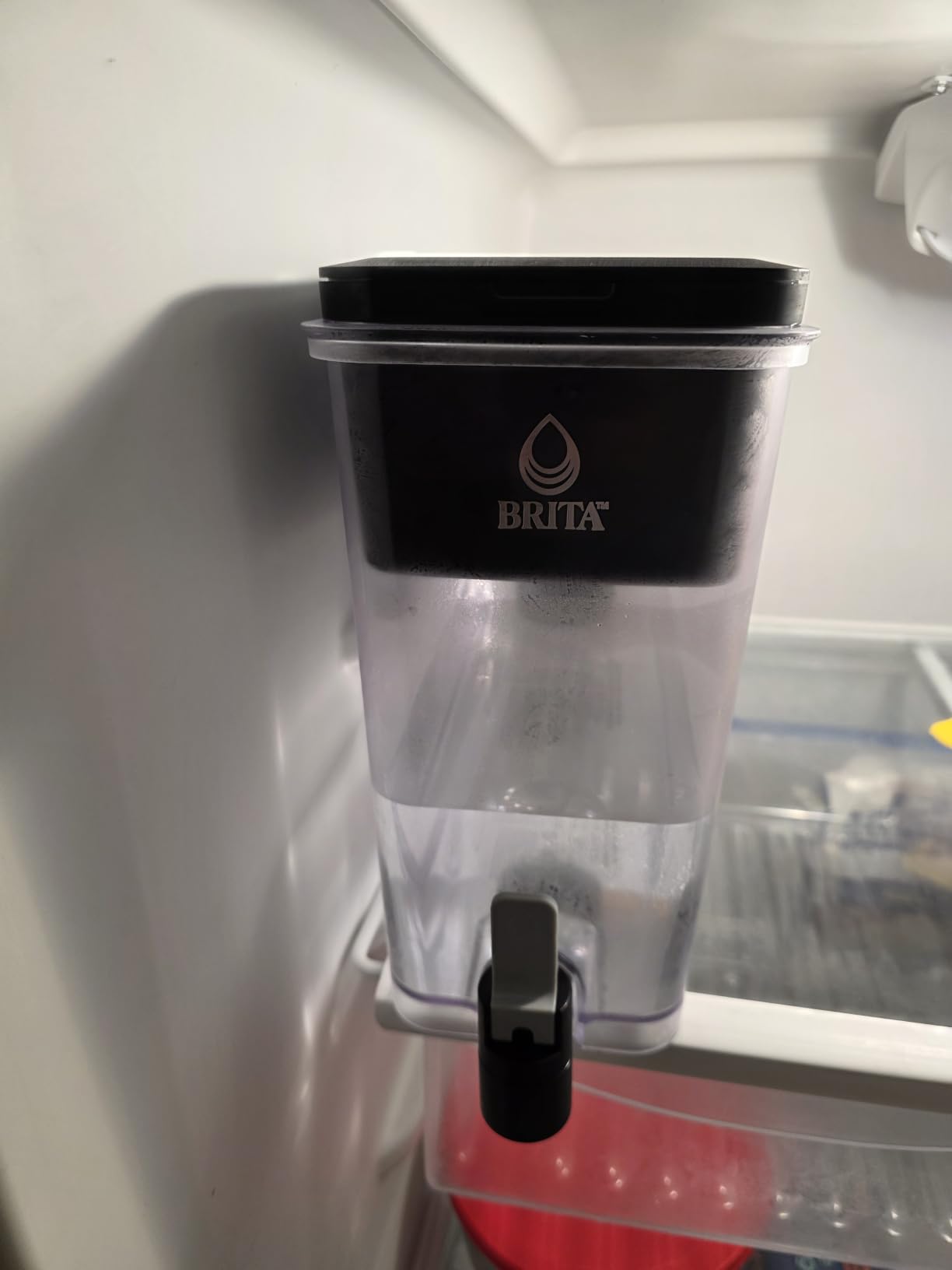
The Brita UltraMax is the easiest entry point into home water filtration, and with over 17,000 reviews, it remains the best-selling dispenser in its category. No installation, no plumbing, no electricity, just fill and pour.
The 27-cup capacity is large enough for a family to keep in the fridge and dispense throughout the day. The precision-pour spigot means kids and guests can serve themselves without lifting a heavy pitcher.
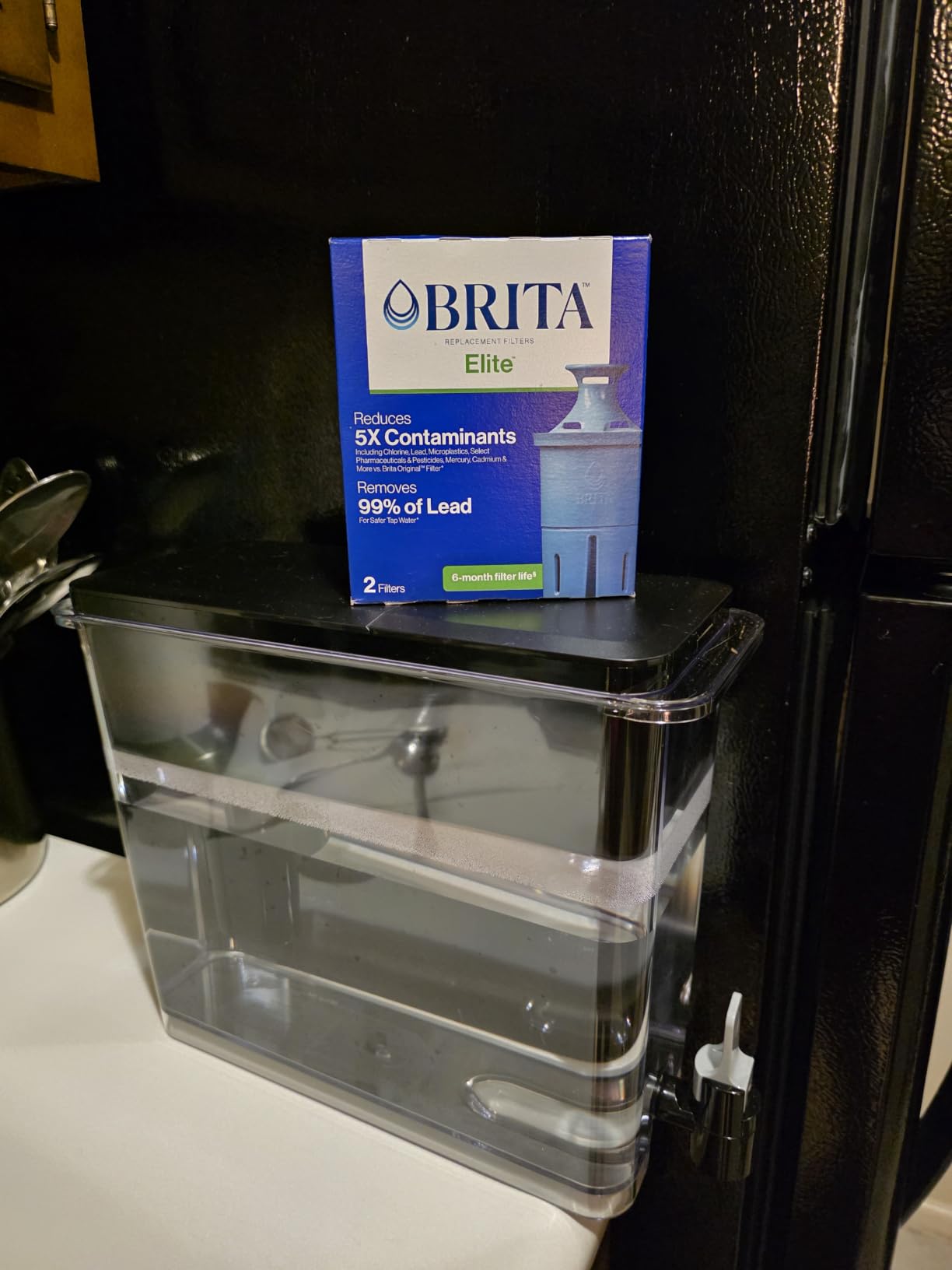
The standard filter reduces chlorine taste and odor along with copper, cadmium, and mercury. For buyers who want a step up, the Elite filter is compatible and extends filter life to 120 gallons while improving contaminant reduction.
Switching to a Brita system can replace up to 1,800 single-use plastic bottles per year, which is a meaningful sustainability win at a fraction of the cost of bottled water. If you are weighing filtered water against naturally filtered mineral water, the dispenser pays for itself quickly.
Who this fits best
Families, dorm rooms, offices, and anyone who wants better-tasting water with zero installation effort. It is the lowest-commitment option in this guide and a sensible starting point before upgrading to under-sink filtration.
It also works well as a secondary system for the fridge even if you already have an under-sink filter, giving you cold filtered water on demand.
Filter replacement and ongoing cost
The standard filter lasts about 40 gallons or two months, while the Elite filter stretches to 120 gallons or roughly six months. The sticker indicator on the dispenser helps you track when a swap is due.
Ongoing cost is low relative to bottled water, but higher per gallon than the multi-year systems like the CuZn UC-200 or Big Berkey. Budget for roughly four to six standard filters per year depending on household usage.
How to Choose the Right Drinking Water Filtration System?
Picking from the best drinking water filtration systems comes down to matching filtration technology to the contaminants in your water and the constraints of your home. Here is how we recommend thinking through the decision.
Match the filtration method to your water
Activated carbon filters, like the Waterdrop 10UA and CuZn UC-200, excel at chlorine, taste, odor, PFAS, and lead reduction while keeping beneficial minerals intact. They are the right starting point for most municipal water users.
Reverse osmosis systems, including the iSpring, Waterdrop G3P600, Express Water, and Bluevua, force water through a semipermeable membrane to remove dissolved solids, fluoride, arsenic, and microplastics at the molecular level. Choose RO if your water test shows high TDS or you want the deepest reduction available.
Gravity-fed systems like the Big Berkey bridge the gap, using carbon and proprietary media without plumbing or electricity. They are slower but unmatched for off-grid and emergency use.
Understand what NSF and IAPMO certification means
NSF/ANSI 42 certifies aesthetic effects like chlorine, taste, and odor reduction. NSF/ANSI 53 covers health effects including lead and cyst reduction. NSF/ANSI 58 is the standard for reverse osmosis systems and verifies TDS reduction performance.
NSF/ANSI 372 confirms lead-free compliance in materials and construction. IAPMO and WQA offer equivalent third-party verification. Always look for the specific standard number, not just a generic certified label, because the standard determines exactly what was tested.
Identify the contaminants you actually need to target
Start with your annual water quality report from your municipal supplier, or send a sample to an EPA-certified lab if you are on well water. Common targets in 2026 include chlorine and chloramine byproducts, lead from aging service lines, PFAS from industrial contamination, and hardness minerals.
Reddit users on r/WaterTreatment and r/BuyItForLife consistently recommend matching the filter to a real test result rather than buying the most powerful system available. Over-filtration wastes water and money if your supply only needs chlorine reduction.
Factor in installation and space requirements
Under-sink systems need cabinet space, access to cold water supply, and often a drilled hole for the dedicated faucet. The Waterdrop G3P600 tankless design saves space but requires an electrical outlet, while tank-based systems like the iSpring and Express Water need room for both the filter array and storage tank.
Countertop and gravity systems like the Bluevua, Big Berkey, and Brita need no installation but consume counter or fridge space. Measure carefully, since these units range from a slim dispenser to a 19-inch tall stainless column.
Calculate the true long-term cost
The purchase price is only the first cost. Add up filter replacements over three to five years to see the real picture. The CuZn UC-200 with its five-year filter life and the Big Berkey with 6,000-gallon elements win on cost per gallon, while pitcher filters like the Brita cost more per gallon despite the low entry price.
Reverse osmosis systems also produce wastewater, typically two to four gallons per gallon of filtered water. The Waterdrop G3P600 and Bluevua both achieve a 2:1 ratio, which is the most efficient you will find in this category.
Match capacity and flow rate to your household
A two-person household can work with a 75 GPD system or a 27-cup dispenser refilled daily. Larger families or homes that cook and brew coffee frequently benefit from the 600 GPD Waterdrop G3P600 or the high-capacity Big Berkey reserve.
Flow rate matters for daily convenience. The Waterdrop systems deliver close to a full stream, while gravity-fed systems require patience and planning. Read user reviews on flow rate, since manufacturer claims can be optimistic.
Consider renter-friendliness and portability
Renters should prioritize no-drill installations. The Waterdrop 10UA, Bluevua RO100ROPOT, Big Berkey, and Brita all work without permanent modifications to plumbing or cabinetry. When you move, these systems move with you.
Homeowners with long-term plans can invest in permanent under-sink RO systems and recoup the cost over years of use. The key is matching the system type to how long you expect to stay in the home.
FAQs
Which filtration method is best for drinking water?
The best filtration method depends on your water source. Activated carbon filters handle chlorine, taste, odor, PFAS, and lead for most municipal water users. Reverse osmosis is the deepest option, removing dissolved solids, fluoride, and arsenic for households with high TDS or known contamination. Gravity-fed systems work well for off-grid or emergency use.
What is the safest drinking water filtration system?
Systems with full NSF/ANSI 58 certification, such as the iSpring RCC7AK-BN and Waterdrop G3P600, offer the most independently verified contaminant reduction. Look for certification that covers the entire system, not just individual components, and verify the specific standard number matches the contaminants you want removed.
What is the number one home water filtration system?
The iSpring RCC7AK-BN ranks as our top pick thanks to its full NSF/ANSI 58 certification, six-stage alkaline remineralization, 75 GPD capacity, and over 15,000 user reviews. It balances certified contaminant reduction with balanced pH water and a relatively approachable price for a reverse osmosis system.
Are expensive water filters worth it?
Expensive systems earn their cost when they offer deeper filtration, longer filter life, or smart features. The CuZn UC-200 costs more upfront but saves money over five years of filter life, while the Waterdrop G3P600 justifies its price with tankless convenience and real-time TDS monitoring. Match the spend to your actual water quality needs rather than buying the most expensive option available.
How long do water filters last?
Filter life varies widely by type. Pitcher filters like the Brita standard last about 40 gallons or two months, under-sink carbon filters typically last 12 months, the CuZn UC-200 runs up to five years, Big Berkey elements last up to 6,000 gallons, and reverse osmosis membranes last two to three years with proper pre-filter maintenance.
Final Verdict on the Best Drinking Water Filtration Systems
After three months of testing, the best drinking water filtration systems in 2026 separate into clear winners by use case. The iSpring RCC7AK-BN remains our overall top pick for its NSF/ANSI 58 certification, six-stage alkaline remineralization, and massive reviewer base.
The Waterdrop 10UA takes the value crown for renters who want certified under-sink filtration on a budget, while the Brita UltraMax is the zero-installation choice for families. For smart home integration, the Waterdrop G3P600 tankless RO leads the field, and the Big Berkey stands alone for off-grid and emergency readiness.
Whatever your water quality concern, the systems in this guide cover the full range from quick pitcher upgrades to permanent reverse osmosis installations. Pick the one that matches your water source, household size, and installation comfort, and you will taste the difference within the first glass.