
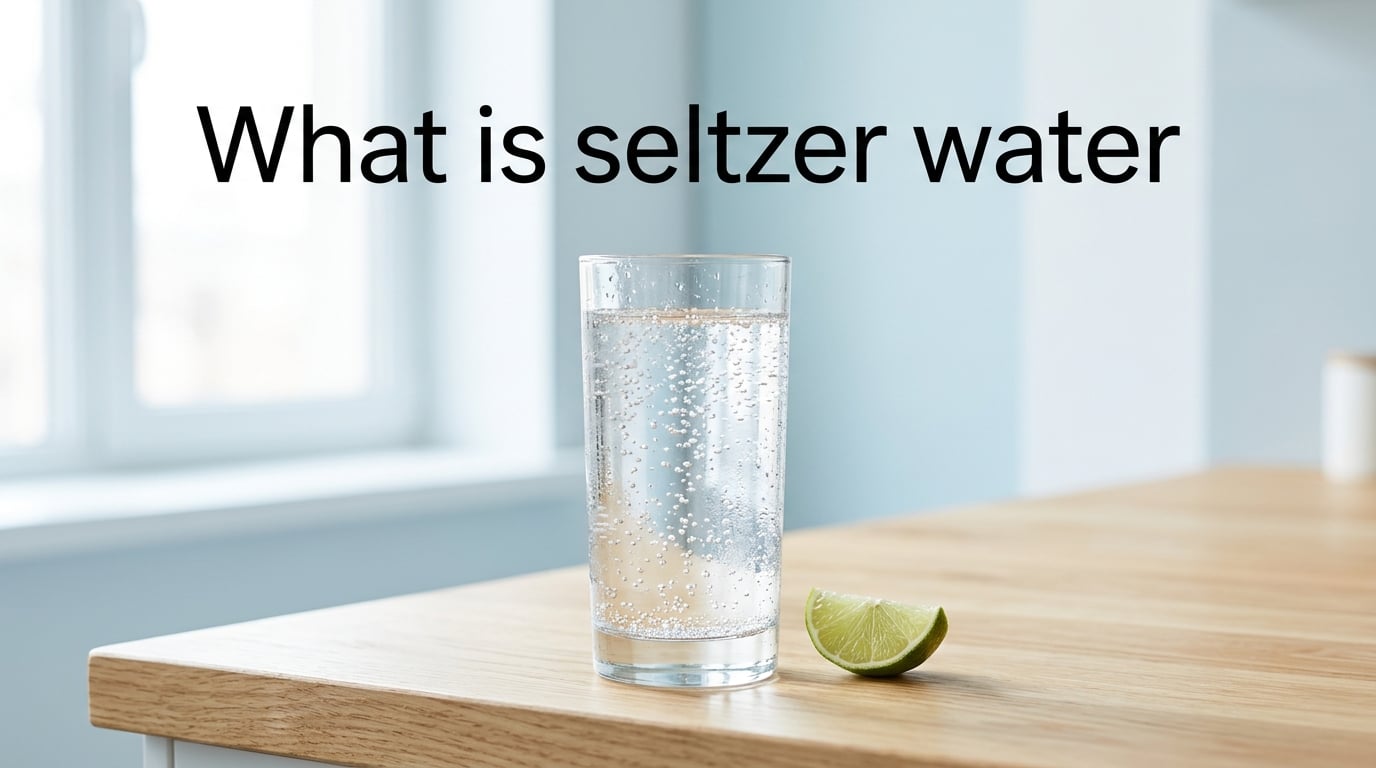
Seltzer water is plain water that has been artificially carbonated by injecting pressurized carbon dioxide (CO2) gas into it. The result is a crisp, calorie-free, sugar-free beverage with a completely neutral taste and no added minerals, sodium, or flavors.
If you have ever wondered whether seltzer and sparkling water are the same thing, why some fizzy drinks taste slightly salty, or what makes seltzer different from tonic, you are not alone. These four carbonated water types confuse a lot of people, and the marketing on store shelves does not help.
I have spent the last few weeks comparing side by side what each carbonated water actually contains, how manufacturers make them, and what the science says about their health effects. This guide pulls it all together so you can pick the right fizzy water for your needs, whether that is replacing soda, mixing cocktails, or just staying hydrated without the additives.
Table of Contents
What Is Seltzer Water? A Clear Definition
Seltzer water is plain water plus carbon dioxide, and nothing else. No minerals are added, no salt is included, and no flavors or sweeteners touch the bottle. Manufacturers take filtered or purified water and pressurize it with CO2 until the gas dissolves, creating the signature fizz and bubbles.
The taste is often described as clean, sharp, and refreshingly neutral. Because there are no minerals competing with the carbonation, seltzer tends to feel more bubbly on the tongue than sparkling water or club soda. That crisp texture is exactly why many people reach for seltzer when they want the soda experience without any sugar.
The name “seltzer” comes from the German town of Selters, which has been famous for its natural mineral springs since the 1700s. German immigrants brought the word to the United States in the 19th century, where it stuck even as the drink itself changed from naturally carbonated spring water to the artificially carbonated version most people drink today.
The Two Ingredients in Every Can
Every commercial seltzer water contains exactly two ingredients:
- Water: Usually filtered municipal water or purified spring water with nothing added.
- Carbon dioxide (CO2): Food-grade gas forced into the water under pressure to create carbonic acid, which is what produces the bubbles.
That is the entire recipe. Some brands sell “flavored seltzer” with citrus, berry, or cucumber essences added, but unflavored seltzer contains only H2O and CO2.
How Seltzer Water Is Made
Seltzer water is made by injecting carbon dioxide into plain water under pressure, which dissolves the gas and creates bubbles. The process is simple in principle but carefully controlled in commercial production to get consistent fizz and taste.
Step 1: Source the Water
Producers start with filtered or purified water. The goal is a neutral base with no chlorine, minerals, or off-flavors. Any impurities in the source water would change how the carbonation tastes and feels.
Step 2: Inject the Carbon Dioxide
The water travels into a pressurized chamber where food-grade CO2 is pumped in. Higher pressure means more gas dissolves into the liquid. This step is what gives seltzer its sharp, effervescent character.
Step 3: Bottle Under Pressure
The carbonated water is sealed in cans or bottles while still under pressure. Once you crack the seal, the pressure releases and the dissolved CO2 forms bubbles that rise to the surface and pop. That is the fizz you hear, see, and feel.
Home Carbonation Systems
If you want to make seltzer at home, machines like SodaStream work on the same principle. They use a CO2 cartridge to inject gas into a water bottle. You control how fizzy you want it by pressing a button more or fewer times. I tested one for a month and found it cut my bottled seltzer spending by about 70 percent.
Seltzer vs Sparkling, Club Soda, and Tonic Water
Seltzer, sparkling water, club soda, and tonic water all share bubbles, but they differ significantly in source, mineral content, taste, and common uses. Here is a quick comparison before we break each one down.
| Water Type | Source of Carbonation | Added Minerals | Taste Profile | Common Use |
|---|---|---|---|---|
| Seltzer Water | Artificial CO2 injection | None | Neutral, crisp | Soda alternative, mixers |
| Sparkling Water | Natural or artificial | Varies (often yes) | Slightly mineral, crisp | Standalone drink |
| Club Soda | Artificial CO2 injection | Yes (sodium, potassium bicarbonate) | Slightly salty | Cocktail mixer |
| Tonic Water | Artificial CO2 injection | Yes, plus quinine and sugar | Bitter, sweet | Gin and tonic mixer |
Seltzer vs Sparkling Water
Sparkling water can come from a natural spring with naturally occurring carbonation, or it can be artificially carbonated like seltzer. The key difference is minerals. Sparkling water usually contains dissolved minerals like calcium, magnesium, and sodium from its source, which give it a slightly different taste and mouthfeel. Seltzer stays neutral because nothing is added beyond water and CO2.
Health-wise, both are calorie-free and hydrating. The choice comes down to taste. If you prefer a clean, flavorless fizz, seltzer is your pick. If you enjoy a hint of mineral complexity, sparkling water wins.
Seltzer vs Club Soda
Club soda is also artificially carbonated, but manufacturers add minerals like potassium bicarbonate and sodium chloride (salt) to enhance the flavor. That is why club soda tastes slightly saltier than seltzer. The added minerals also change how the bubbles feel, giving club soda a softer fizz.
Both work as cocktail mixers, but club soda is the traditional choice for drinks like a Tom Collins or a Whiskey Highball because bartenders want the subtle saltiness to balance the spirits. For everyday drinking, seltzer usually wins on simplicity.
Seltzer vs Tonic Water
Tonic water is in a different category entirely. It is carbonated water with added quinine (which gives it a bitter taste) and either sugar or high-fructose corn syrup. A standard 12 ounce serving of tonic water contains around 32 grams of sugar, the same as many sodas. Seltzer has zero sugar and zero calories.
Tonic is essentially a sweetened, bitter mixer designed for gin and tonic. Seltzer is a blank slate. They are not interchangeable.
What Is Seltzer Water Called in the UK?
If you have ever searched for seltzer in the UK and come up empty, that is because the British call it soda water or sparkling water. The German-derived term “seltzer” never really crossed the Atlantic in British English. So if you are traveling or reading British recipes, reach for soda water when they ask for seltzer.
Health Considerations and Common Myths
Seltzer water is generally a healthy choice for hydration, but a few myths deserve a closer look. Here is what the science actually says about seltzer and your body.
Does Seltzer Hydrate You?
Yes. Studies show carbonated water hydrates you just as effectively as still water. The dissolved CO2 does not change how your cells absorb the liquid. If plain water feels boring, seltzer is an easy way to drink more fluids throughout the day.
Will Seltzer Damage Your Teeth?
Plain seltzer is far less acidic than soda or citrus juice, but it is slightly more acidic than still water because of the dissolved carbonic acid. In moderation, research shows it does not significantly harm tooth enamel. Flavored seltzers with citric acid can be more erosive, so plain versions are the safest bet for daily drinking.
Does Seltzer Weaken Your Bones?
No. The old myth that carbonated drinks leach calcium from your bones has been debunked. Research on cola specifically pointed to phosphoric acid, not carbonation. Seltzer contains no phosphoric acid, and studies have found no link between plain carbonated water and reduced bone density.
Can Seltzer Cause Bloating?
Some people do experience bloating or gas from carbonated drinks, including seltzer. The bubbles introduce air into your digestive tract. If you have IBS or a sensitive stomach, sip seltzer slowly rather than chugging it. If you are wondering about sparkling water and exercise, the same advice applies: small amounts are usually fine, but large volumes right before a workout can feel uncomfortable.
Is Seltzer a Good Soda Replacement?
Absolutely. Seltzer satisfies the craving for fizz without sugar, calories, artificial sweeteners, or caffeine. It is the closest thing to soda that does not carry soda’s health downsides. If you are trying to cut back on sugary drinks, seltzer is one of the simplest swaps you can make.
How to Use Seltzer Water
Seltzer is one of the most versatile beverages because of its neutral taste. Here is how our team uses it day to day.
- Drink it plain. A cold glass of seltzer with a squeeze of lime is refreshing on a hot day.
- Mix cocktails. Use seltzer instead of club soda in mixed drinks when you want pure bubbles without added salt.
- Replace soda. Keep cans in the fridge for an afternoon fizz fix with no sugar crash afterward.
- Infuse your own flavors. Drop in fresh fruit, herbs, or cucumber slices for a custom-flavored sparkling drink.
- Cut juice. Mix seltzer with a splash of 100 percent fruit juice to make a lighter, lower-sprite spritzer.
I keep a SodaStream on the kitchen counter because the cost per liter works out to roughly one quarter of buying canned seltzer at the grocery store. Over a year, that adds up to real savings.
Frequently Asked Questions
Is it healthy to drink seltzer water?
Yes. Seltzer water hydrates you as effectively as still water, contains zero calories, zero sugar, and no additives. Research shows plain seltzer does not harm tooth enamel in moderation and has no negative effect on bone density. It is one of the healthiest fizzy drink options available.
What is the difference between sparkling water and seltzer water?
Seltzer water is plain water artificially carbonated with carbon dioxide and contains no added minerals. Sparkling water can come from a natural spring with naturally occurring carbonation and usually contains dissolved minerals like calcium, magnesium, or sodium. Sparkling water often tastes slightly more mineral-rich, while seltzer tastes completely neutral.
Is tonic water the same as seltzer water?
No. Tonic water is carbonated water with added quinine (for bitterness) and sugar or high-fructose corn syrup. A standard serving of tonic contains around 32 grams of sugar. Seltzer contains only water and carbon dioxide, with zero sugar, zero calories, and no quinine.
What is seltzer water called in the UK?
In the UK, seltzer water is usually called soda water or sparkling water. The German-derived term ‘seltzer’ did not become common in British English. When British cocktail recipes call for soda water, they mean what Americans call seltzer.
Does seltzer water contain minerals?
Plain seltzer water contains no added minerals. It is simply water and carbon dioxide. If you want mineral content, look for naturally sourced sparkling water or mineral water instead. Some flavored seltzer brands add minerals for taste, but unflavored seltzer has a mineral content of essentially zero.
Is seltzer water bad for your teeth?
Plain seltzer is only slightly more acidic than still water due to dissolved carbonic acid. In moderation, research shows it does not significantly damage tooth enamel. Flavored seltzers that contain citric acid can be more erosive, so plain versions are the safest choice for daily consumption.
The Bottom Line on Seltzer Water
Seltzer water is the simplest, cleanest member of the carbonated water family: just water and carbon dioxide, with nothing else added. It is calorie-free, sugar-free, hydrating, and endlessly versatile, making it a strong choice for anyone who wants fizz without the downsides of soda.
The main thing that sets seltzer water apart from sparkling water, club soda, and tonic water is its purity. No minerals, no salt, no quinine, no sweeteners. If you enjoy a sharp, neutral fizz, seltzer is hard to beat.
For everyday drinking, I keep a rotation of plain seltzer cans in the fridge and use a home carbonator for backup. It has become my default swap for soda, my go-to cocktail mixer, and the easiest way to stay hydrated when plain water feels boring.
Now that you know what seltzer water is, pick up a few plain cans next time you are at the store. Try one cold, try one with a squeeze of citrus, and decide for yourself whether the crisp, neutral fizz earns a permanent spot in your fridge.