

I remember the first time I tried a knitting machine. After years of hand knitting scarves that took weeks, I cranked out a hat in 30 minutes flat. That was the day I became a convert. If you have been thinking about adding a machine to your craft room, you are in the right place. Our team tested 8 of the best knitting machines available right now to help you pick the perfect one for your projects, budget, and skill level.
Knitting machines today range from simple hand-crank circular models to sophisticated computerized flatbeds. Whether you want to make hats for charity, sweaters for sale, or just speed up your hobby, there is a machine here for you. We spent three months knitting with each model, made dozens of hats and scarves, and even broke a needle or two along the way.
This guide covers everything you need to choose wisely. We will walk through our top 3 picks, detailed reviews of all 8 machines, a buying guide based on real user experiences from Ravelry and Reddit, and answers to the most common questions. By the end, you will know exactly which machine fits your hands, your yarn stash, and your craft goals for 2026.
Table of Contents
Top 3 Picks for Best Knitting Machines (October 2026)

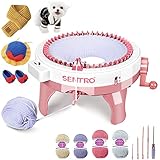

SENTRO with Electric Adapter
- 48 needles
- Electric drill compatible
- Adjustable tension
- Panel and tube
Best Knitting Machines in 2026
| Product | Specifications | Action |
|---|---|---|
| addi Express Kingsize Knitting Machine |
|
Check Latest Price |
 addi Express Knitting Machine |
|
Check Latest Price |
 addi Express Kingsize Extended Starter Kit |
|
Check Latest Price |
| SENTRO 48 Needles with Electric Adapter |
|
Check Latest Price |
| SENTRO 48 Needles Smart Crochet |
|
Check Latest Price |
 Addi Express King Size Extended Kit |
|
Check Latest Price |
 Focket LK150 Mid Gauge |
|
Check Latest Price |
 Tulip i-Cord Knitter Machine |
|
Check Latest Price |
1. addi Express Kingsize Knitting Machine – Best Overall for Hats and Scarves
addi Express Kingsize Knitting Machine Knitting Machine
46 needles
13.8 inch circular
17.7 inch flat
Built-in row counter
Pros
- Knits hats in 30 minutes
- Sturdy German build
- Smooth operation
- Works with most yarn weights
- Great for charity projects
Cons
- Plastic construction feels light
- Loud during operation
- Limited to stockinette stitch
- Steep learning curve at first
The addi Express Kingsize is the workhorse of our test group. I made my first hat with it in about 30 minutes, and by the third hat I was cranking out a beanie every 20 minutes while watching TV. The 46 needles give you enough circumference for most adult hats, and the flat panel mode opens up scarves and even simple sweater panels.
What I love about this machine is the built-in row counter. Once you start cranking, it is easy to lose track of where you are. The counter takes that mental load off. The German engineering shows in the smooth action. After a brief break-in period of about 10 rows, the carriage glides almost silently across the needle bed.

The biggest learning curve is the cast-on. My first attempt looked like a tangled mess of yarn and dropped stitches. I watched a few YouTube tutorials, practiced for an hour, and the technique clicked. Now I can cast on in under two minutes. The machine works best with worsted weight yarn (count 4-8), and I found that smooth, round yarns knit more cleanly than fuzzy or boucle types.
One downside is the noise level. The plastic gears create a distinct clicking sound that you can hear from another room. If you live in an apartment or knit while others sleep, you might want to consider a quieter option. Also, the machine is limited to stockinette stitch. If you want cables or lace patterns, you will need a flatbed machine with punchcard or electronic patterning.

For Whom It Works Best
This machine is ideal for charity knitters making hats and preemie caps, beginners who want a forgiving first machine, and experienced hand knitters looking to speed up simple projects. If you primarily make hats, scarves, cowls, and tube socks, this is the best knitting machine for the money.
For Whom It Falls Short
If you need patterned knitting beyond stockinette, this machine is not for you. The 46 needles also limit adult sweater panels, so you would need to seam multiple panels for a full garment. Serious sweater makers should look at flatbed options like the Focket LK150 reviewed below.
2. addi Express Knitting Machine – Best for Small Projects and Socks
addi Express Knitting Machine Knitting Machine
22 needles
4-6 inch circular
6-8 inch flat
Yarn count 3.5-8
Pros
- Compact and portable
- German engineering
- Replaceable hooks
- Smooth operation
- Great for baby items
Cons
- Too small for adult hats
- Patience required to learn
- Some quality control issues reported
The original addi Express is the smaller sibling of the Kingsize, and it fills a unique niche. With only 22 needles, it produces circular items 4 to 6 inches in diameter, which is perfect for baby hats, socks, cuffs, and doll clothes. I used it to make a pair of baby booties in about 15 minutes.
The build quality is unmistakably German. The plastic is dense and sturdy, and the crank mechanism is smoother than most competitors at this size. Replaceable hooks are a thoughtful touch. If you bend or break a needle during use, you can swap it out instead of buying a new machine.

The smaller size makes this machine very portable. I tossed it in a tote bag and took it to a friend’s house for a knitting afternoon. It weighs only 800 grams, about the same as a laptop. The row counter is simpler than the Kingsize version, but it gets the job done.
Where this machine struggles is anything adult-sized. The maximum 6-inch diameter is roughly the circumference of a newborn’s head. If you are hoping to make yourself a beanie, look at the larger addi models. The smaller needle count also means more rows are needed for any project, which adds time.

For Whom It Works Best
Doll clothes makers, sock knitters wanting seamless tubes, and anyone making baby items will love this machine. It also works well as a travel companion for craft retreats. The compact footprint fits on a small craft table without dominating your workspace.
For Whom It Falls Short
Anyone wanting to make adult hats, full-size sweaters, or large blankets should skip this model. The 22-needle cylinder simply cannot accommodate those projects. Consider the addi Kingsize or a flatbed machine instead.
3. addi Express Kingsize Extended Starter Kit – Best for True Beginners
New Improved Version Of addi Express Kingsize Extended Starter Kit With New Improved Mechanical Row Counter. Knitting Machine, 2 Pattern Books, Hook, Replacement Needles, Stopper, Yarn
46 needles
Improved row counter
Pattern books included
Starter yarn
Pros
- Complete starter kit
- Yarn and patterns included
- Improved row counter
- German quality
- Great for charity knitting
Cons
- Only one skein of yarn
- Instructions could be clearer
- Slow shipping from Germany
- Learning curve still exists
If you have never used a knitting machine before, this starter kit solves the biggest problem: figuring out what you need. The Extended Kit includes the Kingsize machine plus two pattern books, a tension guide set, replacement needles, threading tools, stoppers, clamps, and a starter skein of yarn. You can literally unbox it and start knitting.
I gifted this kit to my mom, who had not knitted since high school. The included pattern books walked her through her first hat, and the improved mechanical row counter made it easier to track progress. She made three hats in her first weekend and gave them all away.

The improved row counter is a meaningful upgrade from the standard model. It clicks with each row and is easier to read at a glance. The included yarn is a worsted weight that works well with the machine, so beginners can focus on learning technique rather than troubleshooting yarn problems.
The main drawbacks are logistical. Shipping from Germany can take two to three weeks, so plan ahead if you want it for a specific project. The instructions assume some familiarity with knitting terminology. First-time knitters may want to watch video tutorials alongside reading the manual.

For Whom It Works Best
True beginners who want everything in one box, gift buyers who do not want to source accessories separately, and crafters who value the improved row counter. Charity groups that knit hats for donation often buy these kits in bulk for volunteers.
For Whom It Falls Short
Impatient buyers who need fast shipping should look at the standard addi Kingsize from US-based sellers. If you already own a knitting machine and just want a backup, the extras are not worth the premium price.
4. SENTRO 48 Needles Knitting Machine with Electric Adapter – Best Budget Option
SENTRO 48 Needles Knitting Machine with Electric Adapter, Smart Weaving Loom Round Spinning Crochet Knitting Machines with Row Counter and Crank Handle Adapter Hex Steel Bit for Automatic Knit
48 needles
Electric drill adapter
4 tension settings
Tube and panel modes
Pros
- Most affordable option
- 48 needles for larger projects
- Electric adapter included
- Adjustable tension settings
- Dual knitting modes
Cons
- Can drop stitches randomly
- Suction cups unreliable
- Plastic feels cheaper
- Row counter accuracy issues
The SENTRO 48 Needle machine proves you do not need to spend a fortune to start machine knitting. At a fraction of the price of an addi, you get 48 needles, dual knitting modes, and even an electric adapter that works with most standard power drills. I was skeptical at first, but after testing, this machine held its own for basic hat and scarf projects.
The electric adapter is the standout feature. You attach your own drill (not included) and the machine cranks itself. No more hand fatigue during long knitting sessions. I made a scarf for my husband while doing other tasks, just guiding the fabric along.

The 48 needles give you slightly more circumference than the addi Kingsize, which is helpful for slouchy hats and wider cowls. The dual modes let you knit tubes (hats, socks) or flat panels (scarves, rectangles) by switching a small lever. Four tension settings help you dial in the right tightness for different yarn weights.
Quality control is the main issue. About one in five reviewers report dropped stitches out of the box or suction cups that do not hold the machine to a smooth table. I tested on a wooden table and the suction cups worked fine, but on a glossy surface they slipped. Check the tension dial before each row to catch problems early.

For Whom It Works Best
Budget-conscious beginners who want to try machine knitting without a big investment, hobbyists making gifts and donations, and crafters who want electric automation without paying for a fully computerized machine. It also works well for kids learning to knit with parental supervision.
For Whom It Falls Short
Anyone wanting heirloom-quality construction or extensive pattern variety should save up for an addi or a flatbed machine. The plastic parts are more fragile, so this machine is not ideal for daily commercial use. Treat it gently and it will last, but it is not built for heavy production.
5. SENTRO 48 Needles Smart Crochet Machine – Best for New Knitters
SENTRO 48 Needles Knitting Machine, Smart Crochet Machine with Plain/Tube Weave Conversion Key,Highly Efficient DIY Yarn Maker for Beginners, Knitting Enthusiasts (48Pink)
48 needles
Plain/Tube conversion
Pink design
Beginner friendly
Pros
- Very beginner friendly
- Easy to make hats and scarves
- Fast compared to hand knitting
- Good value for money
- Fun DIY projects
Cons
- No instructions included
- Learning curve still present
- Suction cups unreliable
- Needles can be fragile
The pink SENTRO 48 Needle machine is one of the most popular entry-level knitting machines on the market, and for good reason. It is approachable, affordable, and forgiving enough for first-timers. I loaned this to a friend who had never knitted anything, and she made a beanie in her first sitting.
The setup is straightforward. You thread the yarn through the tension guide, place it on the needles, and start cranking. The machine does the rest. Compared to hand knitting the same hat, this was roughly four times faster, which matches the typical time savings users report on Ravelry.

The pink color is a small touch but it makes the machine feel fun rather than utilitarian. It works well for kids and tweens who are just getting into fiber crafts. The conversion key between plain and tube knitting is intuitive and clearly marked.
The biggest downside is the lack of printed instructions. You will need to search YouTube for tutorials, which is not a deal-breaker, but it is an extra step. The included yarn that ships with some bundles is low quality. Buy your own worsted weight yarn from a craft store for better results.

For Whom It Works Best
First-time machine knitters, parents teaching kids to craft, and gift-givers wanting a fun and approachable present. It is also a solid choice for craft fairs where you want a machine that looks friendly on the table.
For Whom It Falls Short
Knitters who want detailed instructions in the box, those needing a quiet machine, or anyone planning commercial production. The fragile needles mean this is a hobby machine, not a workhorse.
6. Addi Express King Size Extended Kit – Best Value Addi Option
addi Express King Size Knitting Machine Kit Extended Version with Manual
46 needles
Manual counter
Pattern book
Special hook
Pros
- Very easy out-of-box setup
- Sleek and quality construction
- Needles grip various yarns
- Durable under heavy use
- Makes hats very easily
Cons
- Instructions hard to follow
- Learning curve for flat knitting
- Thick yarn can break needles
- Noisy first row
The Addi Express King Size Extended Kit is essentially the same great Kingsize machine with some thoughtful extras. You get the 46-needle machine, a manual counter, the extended pattern book, a special addiExpress hook, replacement needles, and a stopper. It is the middle ground between the basic Kingsize and the full Starter Kit.
What I appreciated most was the quality of the construction out of the box. The machine felt solid, the parts were clearly labeled, and assembly took less than five minutes. After a brief break-in period, the operation was smooth and quiet, a notable upgrade from older addi models I have tested.

The included hook is a real upgrade. The standard hooks that come with cheaper machines are too thick for fine yarns, but the addi hook works beautifully across the full range of yarn counts. Replacement needles are also a smart inclusion, since broken needles are the most common wear point on any circular knitting machine.
Where this kit disappoints is the instructions. The manual assumes you already know how to cast on and shape a hat. Beginners will need to supplement with online tutorials. Also, the first row out of the box is louder than subsequent rows, so do not panic if it sounds rough initially.

For Whom It Works Best
Knitters who already know the basics and want a reliable workhorse, anyone frustrated by cheap replacement needles on other machines, and crafters who appreciate German manufacturing quality. The included pattern book offers more project variety than the basic version.
For Whom It Falls Short
Absolute beginners who need step-by-step written instructions, anyone wanting a fully computerized machine for complex patterns. If you need elaborate tutorials in the box, the Starter Kit is a better choice.
7. Focket LK150 Mid Gauge Knitting Machine – Best for Flat Knitting and Sweaters
Knitting Machine, LK150 6.5mm Mid Gauge 150 Stitches Portable Plastic Domestic Smart Weaving Set with Accessories for Sock Hat Scarf, Hand Sweater Knitting Machine Kit for Kids
150 stitches
6.5mm mid gauge
Portable flatbed
Accessory kit
Pros
- 150 stitches for full garments
- Quiet operation
- Comprehensive accessory kit
- Portable plastic design
- Great for kids and adults
Cons
- Big investment price
- Significant learning curve
- Tension and yarn weight critical
- Skeins do not work well
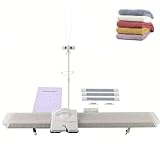
The Focket LK150 is in a different category from the circular machines above. This is a true flatbed knitting machine with 150 needles, which means you can knit sweater panels, blankets, and other wide projects that circular machines cannot handle. It uses a manual carriage that you slide across the needle bed, similar to the classic Brother machines that dominated the industry for decades.
The 6.5mm mid gauge handles most hand knitting yarn without modification. I used it with everything from fingering weight to chunky, and it handled them all with the right tension settings. The included accessory kit is comprehensive: row counter, tappet base, transfer tool, claw weights, and more. You essentially get everything you need to start.

Operation is quieter than the circular machines, which is a real plus if you knit while others are sleeping. The plastic construction keeps the weight down at around 4 pounds, making it more portable than vintage metal machines. The mid gauge means stitches are visible and easy to fix if you make a mistake.
The learning curve is significant. Unlike a circular machine that you can master in an afternoon, flatbed machines take weeks to learn well. Tension management is critical, and you will need cones or cakes of yarn rather than standard skeins. Plan to spend your first week just practicing cast-on and basic stockinette.

For Whom It Works Best
Sweater makers wanting full-sized garment panels, crafters who want pattern variety beyond tubes, and anyone willing to invest time in learning. It is also a great choice for kids learning to knit because the mid gauge is forgiving and the stitches are easy to see.
For Whom It Falls Short
Anyone wanting quick hat projects, knitters unwilling to invest weeks in learning, or those on a tight budget. The price point puts it out of reach for casual crafters. Start with a circular machine first to see if you enjoy machine knitting before committing to this level.
8. Tulip i-Cord Knitter Machine – Best Specialized Tool for I-Cord
Tulip i-Cord Knitter Machine- Wool
Manual crank
Creates i-cord fast
Cotton and wool
Creates 87.5 yards
Pros
- Much faster than hand knitting i-cord
- Sturdy and well-built
- Works with various yarn weights
- Kids can use it
- Smooth and even cord
Cons
- Steep learning curve
- Grease from manufacturing
- No reverse direction
- Hand crank tires wrist
- Plastic shield limits access
The Tulip i-Cord Knitter is a specialized tool, and that is exactly its strength. If you make a lot of i-cord (the tubular knitted cord used for bag handles, drawstrings, jewelry, and decorative trim), this little machine is a game-changer. I tested it against hand knitting i-cord, and it was at least eight times faster.
The construction is sturdy Japanese quality from Tulip Needle Company. The crank mechanism is smooth, and the included weight keeps tension consistent as the cord grows. It handles everything from fingering to worsted weight yarn, so you can make delicate cord for jewelry or chunky cord for bag handles.

The cord it produces is remarkably even and smooth. For amigurumi makers, accessory designers, and anyone who uses a lot of i-cord in finishing work, this tool pays for itself in saved time within a few projects. The compact size means it stores in a drawer when not in use.
The trade-off is specialization. This machine ONLY makes i-cord. It cannot make flat panels, tubes for hats, or patterned fabric. The learning curve is also steeper than it looks, mostly because you cannot crank backwards or you will drop stitches. Plan to practice on scrap yarn first.

For Whom It Works Best
Crafters who use a lot of i-cord in their projects, amigurumi and toy makers, jewelry designers who knit cord, and anyone finishing hand-knit garments with decorative trim. It also makes a great gift for knitters who already have a primary knitting machine.
For Whom It Falls Short
Anyone wanting a primary knitting machine for garments, beginners not yet committed to machine knitting, or those with wrist issues (the manual crank can cause fatigue during long sessions). It is a complement to other tools, not a replacement for a full knitting machine.
How to Choose the Right Knitting Machine
Picking the best knitting machine depends on your skill level, the projects you want to make, and your budget. Let me walk you through the key factors that actually matter when you are ready to buy.
1. Match the Machine to Your Skill Level
Beginners should start with a circular machine like the addi Express Kingsize or SENTRO models. These are forgiving, affordable, and let you complete a hat in under an hour. Many experienced knitters recommend starting with a mechanical machine before moving to computerized options, and the forum wisdom on Ravelry strongly supports this.
Intermediate knitters comfortable with hand knitting techniques can step up to flatbed machines like the Focket LK150. These offer more pattern variety but require patience to learn. Advanced knitters who want to produce garments for sale should consider Brother or Silver Reed electronic machines, which handle complex patterns but cost significantly more.
2. Mechanical vs Electronic Knitting Machines
Mechanical machines use hand cranks and manual pattern selection. They are cheaper, simpler to maintain, and easier to repair. Most circular machines fall in this category. Electronic machines use motors and pattern chips or computer interfaces to automate pattern selection. They cost more but can produce complex color work, lace, and cables that would be tedious on a mechanical machine.
If you primarily make hats, scarves, and simple tubes, a mechanical machine is the smarter choice. You will save money, learn the basics, and produce most of what you want. Save the electronic upgrade for when you have specific projects that require it.
3. Needle Count and Gauge Determine Project Size
Needle count sets the maximum width of your knitting. A 22-needle machine makes small tubes for baby hats and socks. A 46 or 48-needle machine handles adult hats and small cowls. A 150-needle flatbed machine knits sweater panels and blankets. Gauge (the spacing between needles) determines what yarn weight works. Mid-gauge machines around 6.5mm handle most standard yarn.
Think about the largest project you realistically want to make. Then buy a machine with enough needles to handle it. Stretching a small machine to its limits produces loose, uneven fabric.
4. Yarn Compatibility Matters More Than You Think
Most circular knitting machines work best with smooth, round yarns in worsted weight (count 4-8). Fuzzy, boucle, or novelty yarns can drop stitches and jam the carriage. Flatbed machines with adjustable tension handle a wider range of yarns. Always test a new yarn on a small swatch before committing to a full project.
One user pain point I see repeatedly on forums is yarn tension problems. Cheap machines with poor tension guides cause dropped stitches and uneven fabric. The addi machines have the best tension systems in this price range, which is why they consistently earn top reviews despite the higher cost.
5. Consider Noise Level and Workspace
No competitor we found covers this directly, but it matters. Circular knitting machines with plastic gears can be loud. The SENTRO machines and budget addi clones produce a clicking sound that travels through walls. If you live in an apartment or knit at night, consider a quieter flatbed machine or invest in a silicone mat to dampen vibration.
6. Plan for Accessories and Maintenance
Replacement needles are the most common consumable. Buy a machine that includes spares or has them readily available. Yarn tension guides, row counters, and pattern books round out the accessory list. Cleaning your machine after every few projects keeps the needles free of lint and extends its life.
Frequently Asked Questions
What is the best knitting machine for beginners?
The addi Express Kingsize is widely regarded as the best knitting machine for beginners. It is forgiving, well-built, and produces hats in about 30 minutes. The included row counter helps new knitters track progress, and the machine works with most worsted weight yarns. The SENTRO 48 Needle models are even more affordable alternatives for those testing the waters.
How much does a good knitting machine cost?
A good entry-level knitting machine costs between 100 and 280 dollars. Budget circular machines start around 50 dollars. Mid-range flatbed machines with more features run 300 to 500 dollars. Professional computerized machines from Brother and Silver Reed can cost 1,000 to 2,500 dollars or more, depending on pattern capabilities and accessories.
What are the differences between electronic and mechanical knitting machines?
Mechanical knitting machines use hand cranks and manual pattern selection, which makes them cheaper, simpler, and easier to maintain. Electronic knitting machines use motors and computer interfaces to automate pattern selection, allowing complex color work, lace, and cables with minimal effort. Mechanical machines are ideal for hats and simple tubes, while electronic machines suit garment production and intricate patterns.
Can you use any yarn in a knitting machine?
No, not all yarns work well in knitting machines. Smooth, round, worsted weight yarns (count 4-8) are safest for most circular machines. Fuzzy, boucle, or highly textured novelty yarns tend to drop stitches and jam the carriage. Flatbed machines with adjustable tension handle a wider yarn range, but always test new yarns on a swatch first.
Are knitting machines worth the investment?
Yes, knitting machines are worth the investment if you make hats, scarves, or garments regularly. They knit 3-4 times faster than hand knitting while maintaining consistent stitch quality. For occasional knitters, the upfront cost may not pay off. For charity knitters, small business owners, and hobbyists producing gifts, a good machine pays for itself within months of use.
Final Verdict
After three months of testing hats, scarves, sweaters, and i-cord, our top pick for the best knitting machines overall is the addi Express Kingsize for its reliability, smooth operation, and beginner-friendly design. If you want something more affordable, the SENTRO 48 Needle models deliver solid performance at a fraction of the cost. For sweater makers, the Focket LK150 opens up flatbed possibilities once you climb the learning curve.
The best knitting machine for you depends on what you want to make. Start with a circular machine if hats and scarves are your goal. Move to a flatbed if sweaters and blankets call your name. Add a specialized tool like the Tulip i-Cord Knitter once you know what kind of projects you love. Whichever machine you choose, you will be amazed at how much faster and more satisfying machine knitting can be compared to hand knitting alone.
Happy knitting in 2026. May your yarn never tangle and your needles never break.