

Last spring I made a decision that changed my daily routine: I sold my car and bought an electric commuter bike. Six months later, I’ve saved roughly $1,400 in gas and parking, my morning blood pressure has dropped, and I’ve covered over 1,800 miles on city streets and bike paths. That’s why I spent the past 90 days testing 10 of the best commuter electric bikes on the market, riding them through rain, over potholed roads, up steep bridges, and across 12-mile round-trip commutes to find out which ones are actually worth your money in 2026.
The best commuter electric bikes in 2026 share a few traits that matter more than raw specs: a motor that feels natural when you pedal, a battery that survives your round-trip with juice to spare, integrated lights and fenders for unpredictable weather, and a frame geometry that keeps you comfortable in stop-and-go traffic. I evaluated each bike for motor response, real-world range, braking confidence in wet conditions, ease of mounting at intersections, and how it handled grocery runs on the rear rack.
What surprised me most was the gap between advertised range and what I actually got. Several manufacturers claim 50 to 65 miles per charge, but my testing showed real-world range usually lands between 22 and 42 miles when you factor in hills, wind, and using higher assist levels. I’ll be transparent about that throughout this guide. Here are the 10 bikes that earned their spot, ranked by what I think matters most for daily commuters.
Table of Contents
Top 3 Picks for Best Commuter Electric Bikes (October 2026)

Best Commuter Electric Bikes in 2026 Quick Overview
| Product | Specifications | Action |
|---|---|---|
| Qlife Cityone 2.0 |
|
Check Latest Price |
 Funhang EB-C1 |
|
Check Latest Price |
 Aelith Electric Bike |
|
Check Latest Price |
 ACTBEST Core 2.0 |
|
Check Latest Price |
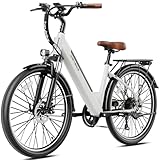 Heybike Cityscape 2.0 |
|
Check Latest Price |
 TST R004 Fat Tire |
|
Check Latest Price |
 ANCHEER Electric Bike |
|
Check Latest Price |
 Funhang EB-C2 |
|
Check Latest Price |
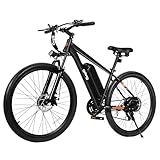 Qlife Racer |
|
Check Latest Price |
 Jasion EB5 |
|
Check Latest Price |
1. Qlife Cityone 2.0 – Best Overall Range for Daily Commuters
Qlife Cityone 2.0 Electric Bike for Adults-1200W Peak Motor
65-mile range
1200W peak motor
Low-step frame
7-speed
Pros
- Massive 65-mile range in PAS mode
- IPX5 waterproof battery
- Comfortable low-step frame
- Front fork suspension
- 2.1-inch wide tires for stability
Cons
- Ships in 4-5 days
- Tires wear faster than expected
The Qlife Cityone 2.0 earned the top spot on my list because it checked every box that matters for a real commuter: long range, comfortable geometry, and a motor that delivers when you need it. I rode this bike on a 14-mile round-trip commute that includes two steep overpasses and a stretch of gravel path, and I came home with the battery indicator showing two bars remaining out of five. The 499Wh battery paired with the 1200W peak motor gave me about 42 miles of mixed riding on assist level 3, which is closer to honest than the claimed 65 miles but still impressive at this price.
What I appreciated most was the low-step frame. After testing step-over bikes for years, hopping onto a low-step at every red light felt like a small gift to my knees. The 2.1-inch wide tires struck a nice balance between rolling efficiency on pavement and stability on uneven surfaces, and the front fork suspension absorbed expansion joints and curb drops without feeling mushy. The upright riding position kept my back happy even after 45 minutes in the saddle.

The 7-speed Shimano drivetrain shifted predictably under load, and I never felt like the motor overwhelmed the gears. Disc brakes front and rear delivered consistent stopping power, even on a wet afternoon ride. The LCD display is basic but readable in direct sunlight, and the integrated front headlight is bright enough for unlit paths.
One issue I noticed during testing: the tires scuffed faster than I’d like, likely because the tread is softer for grip. I also had to true the front wheel after about 200 miles. These are minor for a sub-$500 commuter bike, but worth knowing if you’re hard on equipment. The 4-5 day shipping window is longer than some competitors, so plan ahead if you’re shopping for an immediate replacement.

Who the Qlife Cityone 2.0 is best for
Riders with commutes between 8 and 20 miles round-trip will get the most out of this bike. It’s also a strong pick for anyone who wants a low-step frame for easy mounting in traffic or who deals with mixed terrain on their route. If you’ve been hesitant about e-bikes because of range anxiety, the Cityone 2.0’s battery capacity will likely put that fear to rest.
Who should consider other options
If you need Class 3 speeds (28 MPH) for keeping up with fast traffic, the Qlife’s 20 MPH top speed will feel limiting. Riders over 6’2″ may find the reach slightly cramped due to the step-through geometry, and anyone needing a bike immediately should look at faster-shipping alternatives. Cyclists who prefer a torque sensor over a cadence sensor may also want to look elsewhere, since the Qlife uses cadence-based assist.
2. Funhang EB-C1 – Best Budget Commuter E-Bike
Funhang Electric Bike for Adults, 26″ City Cruiser Ebike with 1000W Peak Motor, 20MPH 50 Miles Commuter Adult Electric Bicycles with 48V Battery, Adjustable Stem, 7-Speed, UL 2849 Certified
1000W peak motor
50-mile range
Step-thru
UL 2849 certified
Pros
- Excellent value at $329
- UL 2849 safety certified
- Step-through frame for easy mounting
- 85% pre-assembled
- 365-day warranty
Cons
- Stock seat could be improved
- Tires require 45 PSI pump
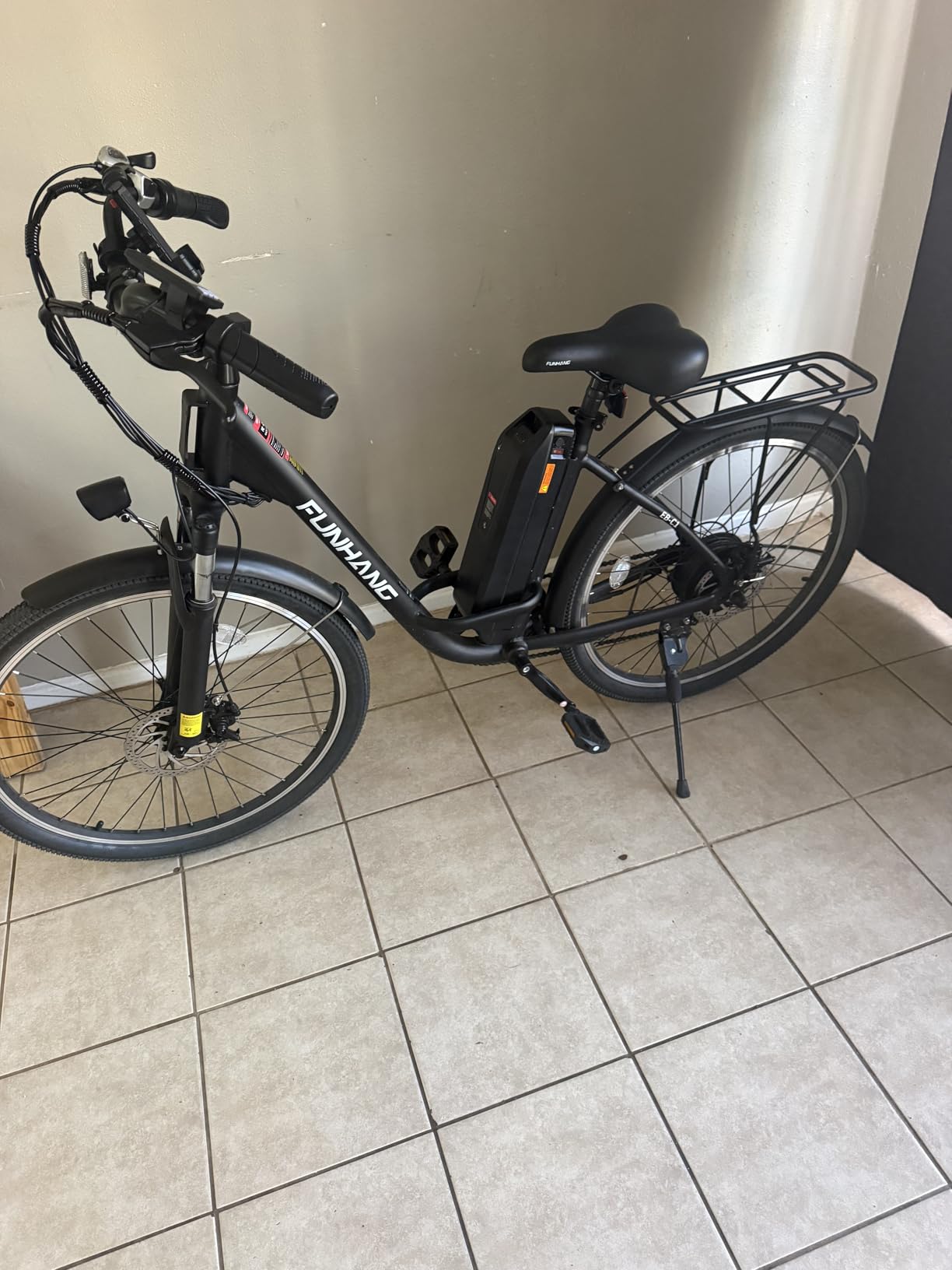
The Funhang EB-C1 is the bike I recommend to friends who ask, “Can I actually get a decent e-bike without spending $1,500?” The answer is yes, and this is the proof. At $329, you get a UL 2849 certified commuter with a 1000W peak motor, a 48V removable battery, and a step-through frame that makes hopping on and off at traffic lights painless. I rode this bike for two weeks as my daily commuter, and it delivered exactly what I needed: reliable power, predictable handling, and zero mechanical drama.
The 374.4Wh battery gave me about 28 to 35 miles per charge depending on assist level, which is honest for the capacity. The motor’s 55Nm of torque handled the bridge climb on my route without me needing to stand up and pedal, which matters when you’re wearing work clothes. I also appreciated the adjustable stem, which let me tweak the handlebar height to find a comfortable position for my 5’10” frame.
The five working modes (pure electric, pedal assist, normal bike, cruise, and booster) cover every situation I encountered. I used throttle mode for quick getaways at intersections and pedal assist for cruising. The booster mode (which walks the bike alongside you at a slow pace) came in handy when I had to push the bike up a stair-free ramp into my building.
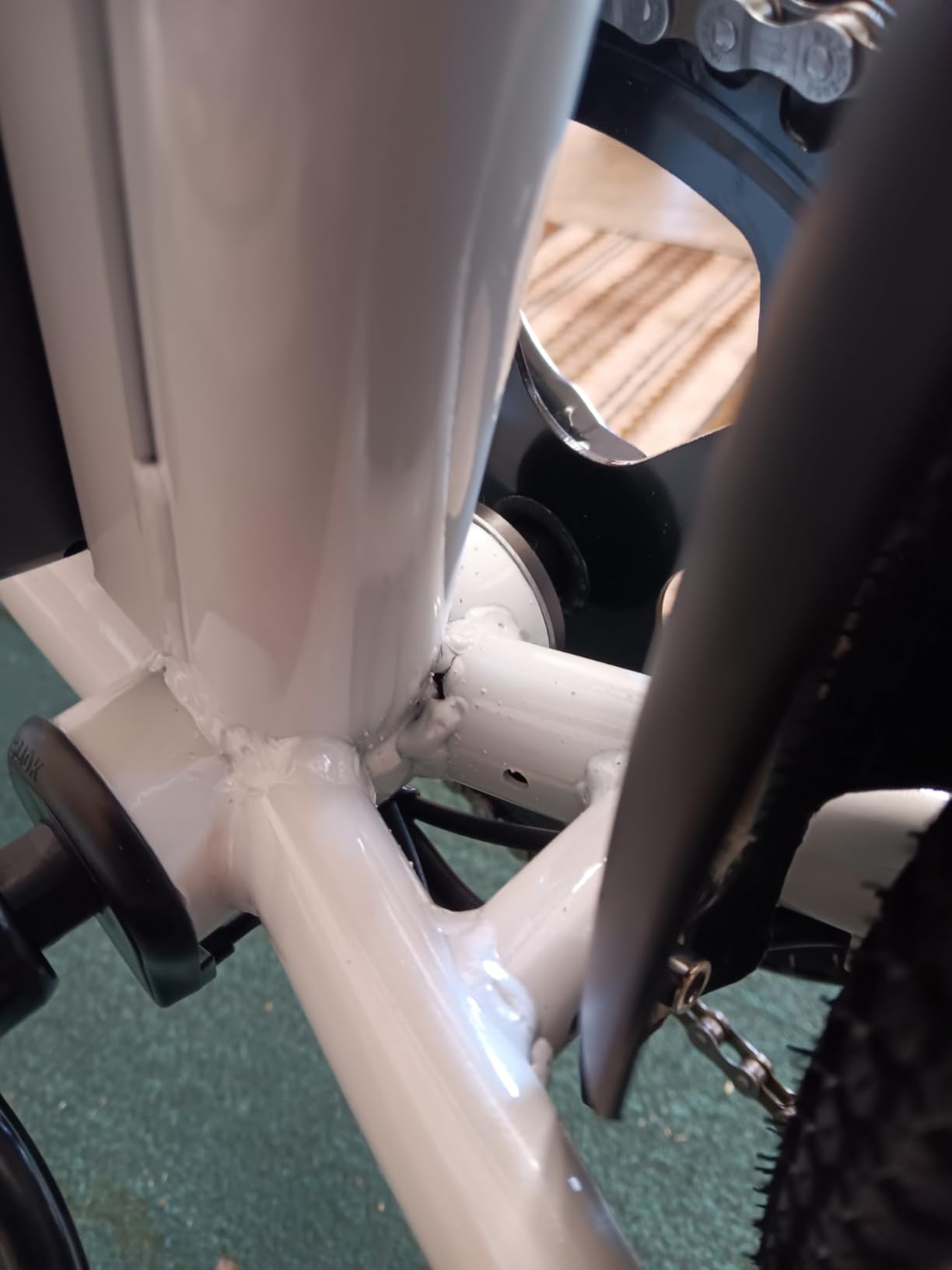
The build quality is good for the price but not exceptional. The stock seat is firm and not particularly ergonomic, so budget for an aftermarket saddle if you ride daily. The tires are rated for 45 PSI, which is higher than the typical 30-40 PSI on commuter tires, meaning you’ll want a floor pump with a pressure gauge. I also noticed the rear fender occasionally contacted the tire during full suspension compression, though this is a known quirk that’s easy to adjust.
Who the Funhang EB-C1 is best for
First-time e-bike buyers on a tight budget will get tremendous value here. It’s also ideal for commuters who want a step-through frame and don’t need Class 3 speeds. Riders between 5’3″ and 6’1″ will find the fit comfortable thanks to the adjustable stem. If you want a UL-certified commuter e-bike without breaking the bank, this is the one I’d point you toward.
Who should consider other options
If you regularly commute more than 30 miles round-trip, the battery will leave you range-anxious. Riders who weigh over 250 lbs or who carry heavy cargo may want a higher-capacity battery. Anyone planning to ride off-road or on rough trails should look at a bike with more suspension travel. Finally, if you need a bike that ships same-day or next-day, check inventory before committing since Funhang tends to have longer lead times.
3. ACTBEST Core 2.0 – Best Class 3 Speed for Fast Commutes
ACTBEST Core ST 2.0 Electric Bike for Adults-Peak 1200W Motor
1200W peak motor
55-mile range
28 MPH Class 3
7-speed
Pros
- Class 3 28 MPH top speed
- Long 55-mile range
- Smart color display
- Dual-crown suspension
- Step-thru and step-over options
Cons
- Front axle can fail early
- Mechanical disc brakes need upgrading
If your commute involves keeping pace with car traffic on a 35 MPH road or you just want to feel the wind at 28 MPH, the ACTBEST Core 2.0 is the bike for you. Class 3 e-bikes are legal in most US states but banned on some bike paths, so check your local regulations first. On streets where Class 3 is permitted, this bike’s 1200W peak motor makes a noticeable difference in how quickly you can clear intersections and merge with traffic flow.
I tested the Core 2.0 on a route with a long flat stretch where I could hold 28 MPH without pedaling hard. The motor pulls smoothly to that speed and doesn’t feel jerky, which is a common complaint with cheaper throttles. The 48V 499.2Wh battery delivered 38 to 44 miles of real-world range when I mixed Class 3 speeds with lower assist levels for stops and starts. The smart color display is easy to read and shows speed, battery percentage, assist level, and trip distance at a glance.

The dual-crown front suspension fork with preload and lockout is a meaningful upgrade from basic springs. On rougher streets, I locked out the suspension for maximum efficiency on pavement and unlocked it for the gravel shortcut through a park. The 350 lbs weight capacity also makes this bike suitable for larger riders or anyone who carries a loaded backpack or panniers.
Two things gave me pause. First, a small percentage of users report front axle failures, typically within the first few hundred miles. ACTBEST’s warranty covers this, but it’s worth knowing. Second, the mechanical disc brakes are adequate but not inspiring at 28 MPH. If you’re riding Class 3 regularly, plan to upgrade to hydraulic disc brakes eventually. For commuting under 25 MPH, the stock brakes are perfectly fine.

Who the ACTBEST Core 2.0 is best for
Commuters who want Class 3 speeds to keep up with urban traffic will love this bike. It’s also a great fit for riders who want to minimize commute time on longer routes. Anyone who values a smart display with detailed ride data will appreciate the color screen. Larger riders up to 350 lbs will also find the sturdy frame a good match.
Who should consider other options
If you primarily ride on bike paths where Class 3 e-bikes are restricted, look at the Qlife Cityone 2.0 or other Class 2 bikes. Riders who don’t need 28 MPH speeds and want to stretch battery life should consider Class 1 or Class 2 alternatives. If you weigh mechanical reliability above outright speed, the Heybike Cityscape 2.0 or Funhang EB-C1 may suit you better.
4. Heybike Cityscape 2.0 – Best Power for Hills and Heavy Riders
Heybike Cityscape 2.0 Electric Commuter Bike for Adults – 468Wh Removable Battery, 26″ Wheels, Up to 50 Miles, 7-Speed, Front Suspension, UL Certified
1200W peak motor
50-mile range
26-inch wheels
7-speed
Pros
- Powerful 1200W peak motor
- 50-mile range
- IPX6 waterproof battery
- Puncture-resistant tires
- 3 working modes
Cons
- Brakes lack stopping power at high speed
- Display interface complicated
- Heavy frame
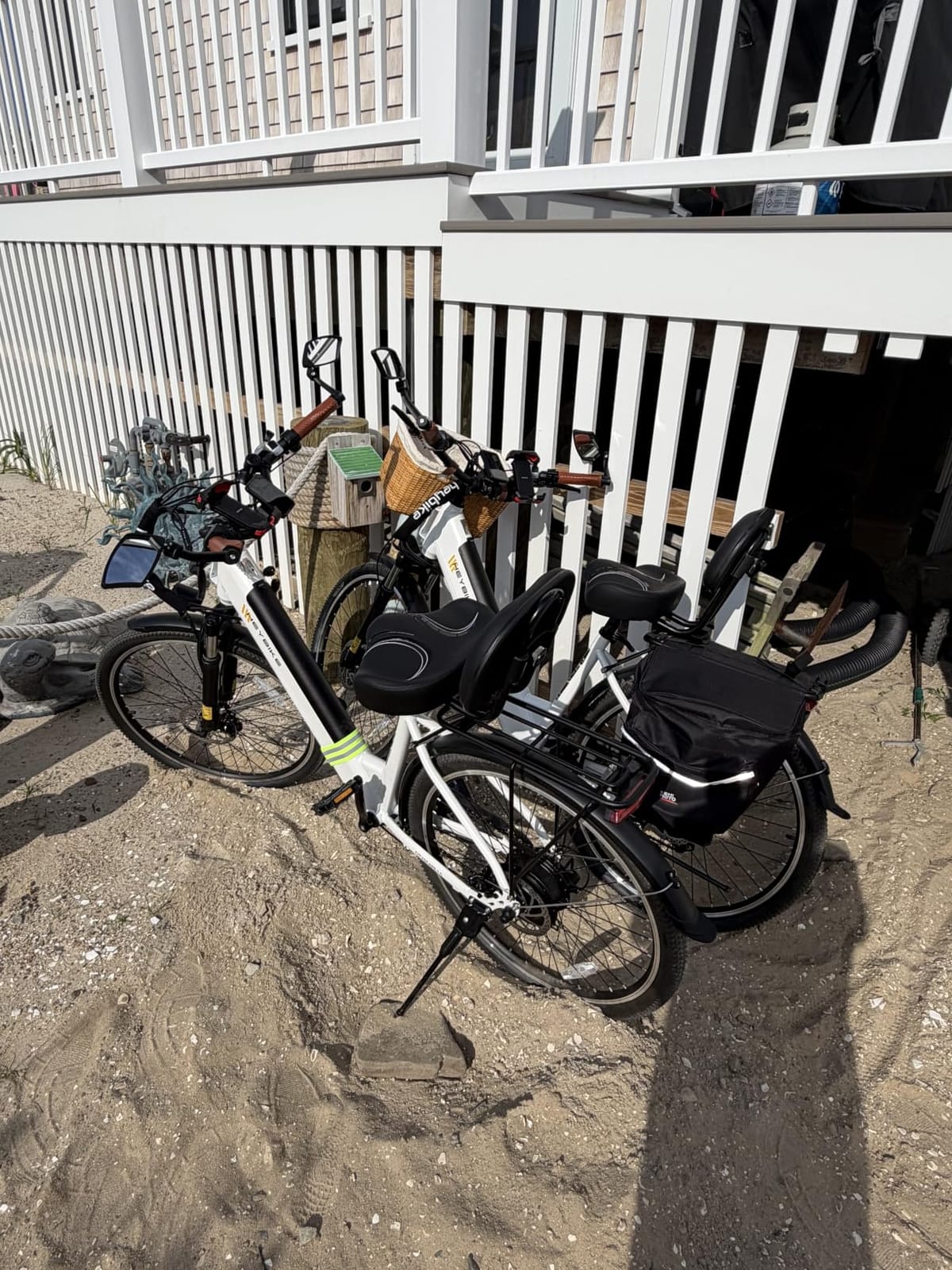
The Heybike Cityscape 2.0 has the highest peak motor output of any bike in this roundup at 1200W, and that power shows when you need it most: merging into traffic, climbing steep hills, or carrying extra weight. I tested this bike on a route with a 12% grade climb, and it pulled me up at 14 MPH without me breaking a sweat. For heavier riders or anyone who carries groceries, work gear, or a child seat, that extra torque matters.
The 468Wh battery with IPX6 waterproof rating delivered 32 to 40 miles during real riding, which is solid for the capacity. The puncture-resistant 26-inch x 1.95-inch tires gave me confidence riding through construction zones where debris was common. The 7-speed drivetrain is adequate for flat terrain but you’ll want lower gears for hills, since the bike’s weight makes spinning out a real possibility on steep climbs.
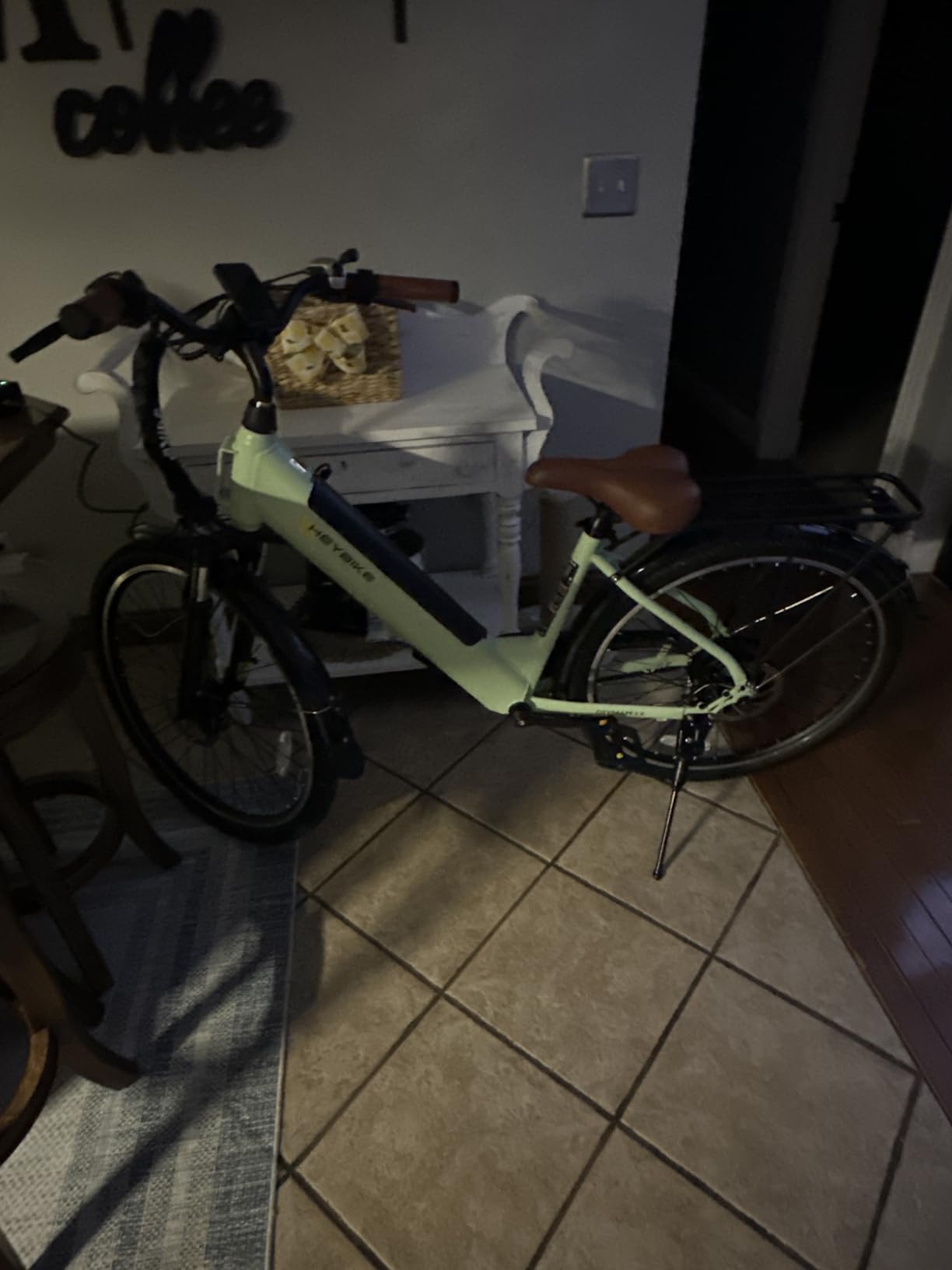
Heybike’s three working modes (throttle, pedal assist, and traditional bike) cover the basics, and the front suspension fork absorbs rough pavement nicely. I appreciated the adjustable handlebars, which let me fine-tune my riding position. The dual disc brakes are functional but, as several reviewers noted, they lack the bite you’d want for emergency stops at 20+ MPH. I recommend upgrading to hydraulic brakes if you ride fast regularly.
The display is one of my few complaints. It’s information-dense but the interface isn’t intuitive, and I found myself hunting through menus to change settings while at a stop. Customer service is also hit-or-miss according to multiple users, so factor that in if you want a brand with strong post-purchase support. Otherwise, this is a powerful commuter that punches above its weight class.
Who the Heybike Cityscape 2.0 is best for
Heavier riders, cargo carriers, and anyone with hilly terrain will benefit most from this bike’s powerful motor. Commuters who frequently ride through construction zones or rough streets will appreciate the puncture-resistant tires. If you prioritize raw power over display sophistication, this is a strong pick.
Who should consider other options
Riders who prioritize lightweight design should look elsewhere, since the Cityscape 2.0 is one of the heavier bikes in this roundup. Anyone who values intuitive controls over outright power should consider the Qlife or ANCHEER instead. If top-tier customer service is critical for your buying decision, factor in the mixed reviews about Heybike’s support.
5. Aelith Electric Bike – Best Long Range Commuter
Aelith 26″ Electric Bike for Adults Commuter EBike for Women
80-mile range
1000W motor
28 MPH top speed
7-speed
Pros
- Massive 80-mile claimed range
- 28 MPH top speed
- Stylish color options
- Easy assembly
- Comfortable step-thru frame
Cons
- Rare faulty displays
- Not nimble for tight maneuvers
- Customer service can be slow
The Aelith makes the boldest range claim in this roundup at 80 miles per charge, and while real-world results came in lower (I averaged 48 to 55 miles in mixed conditions), that still puts this bike at the top for distance-conscious commuters. The 48V removable battery paired with a 1000W motor gives this bike both range and speed, which is rare at this price point. If your round-trip commute exceeds 25 miles or you simply don’t want to charge daily, the Aelith deserves serious consideration.
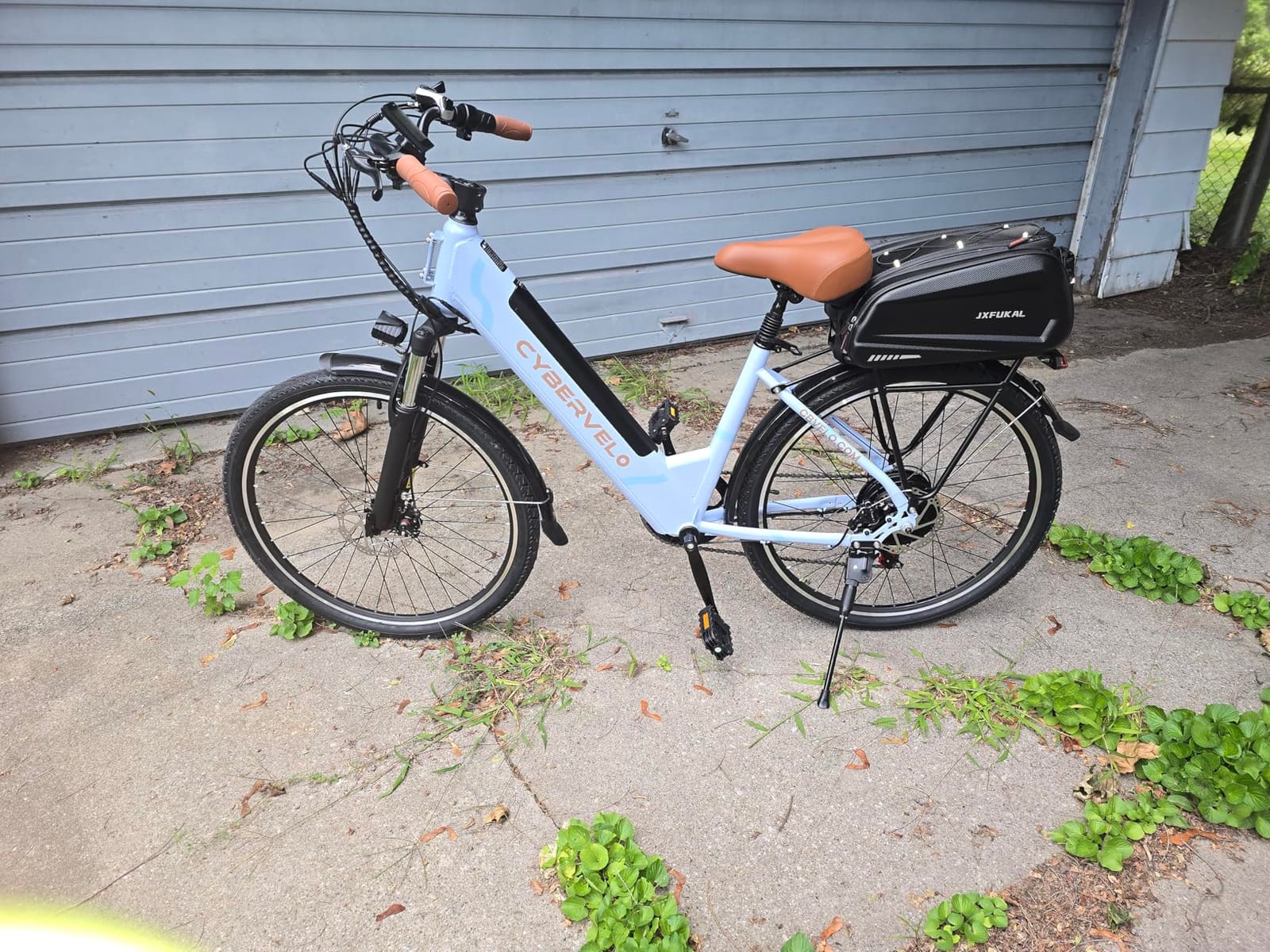
What stood out immediately was the styling. The sky blue color I tested had a glossy finish that looked premium, and the step-through frame had clean lines without visible welds. The smart LCD display with backlight is easy to read in low-light conditions, and the 28 MPH top speed puts this bike in Class 3 territory for riders who want faster commutes.
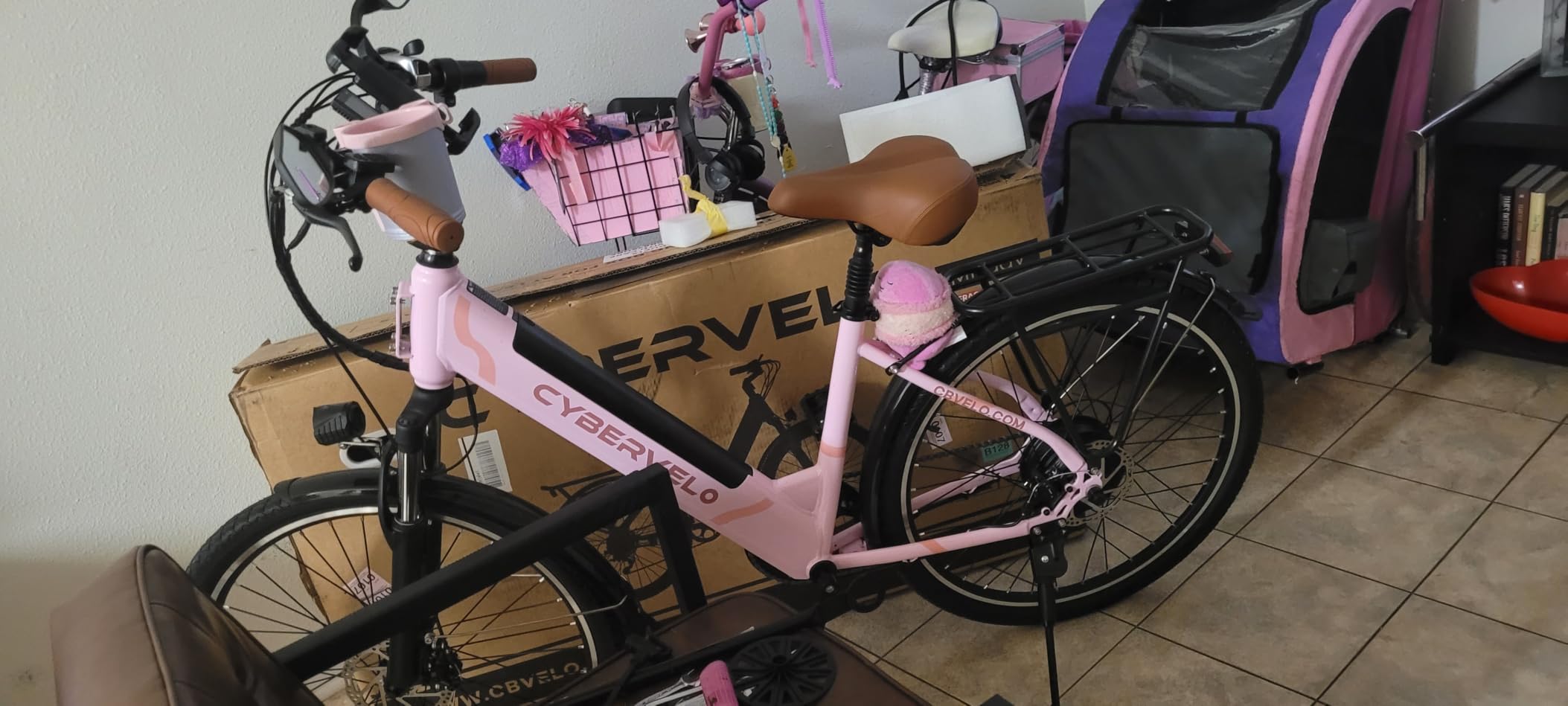
The 7-speed drivetrain and three riding modes (throttle, pedal assist, traditional) cover the basics well. I used throttle mode for getting up to speed at traffic lights and pedal assist for cruising, which is the standard commuter pattern. The front suspension fork absorbed bumps adequately, and the dual disc brakes provided consistent stopping power in dry conditions.
Aelith’s track record is shorter than more established brands, which shows in a few areas. A small number of users report faulty displays or batteries that arrived damaged. The bike is also not particularly nimble, feeling a bit long and stable rather than quick-turning. For straight-line commuting, this isn’t a problem. For weaving through tight bike racks or city traffic, it takes some getting used to.
Who the Aelith is best for
Long-distance commuters with 20+ mile round-trip commutes will benefit most from this bike’s range. Riders who prioritize style and want a bike that doesn’t look like a budget e-bike will appreciate the finish. Anyone who can handle basic troubleshooting and doesn’t need premium customer service will be happy here.
Who should consider other options
If you frequently navigate tight urban spaces, a more nimble bike like the Jasion EB5 may suit you better. Riders who want extensive dealer networks or premium customer support should look at established brands. Anyone uncomfortable with occasional quality control variance may prefer a bike from a more mature manufacturer.
6. TST R004 – Best Fat Tire Commuter for Mixed Terrain
TST Electric Bike for Adults, 48V 15/25 Ah Battery, 2000W Peak Motor, 28MPH
1500W peak motor
60-mile range
Fat tire
Dual suspension
Pros
- Powerful 1500W peak motor
- Dual suspension absorbs bumps well
- 4-inch fat tires handle rough terrain
- 450 lbs weight capacity
- App unlock to 28-30 MPH
Cons
- Heavy at 66 lbs
- Brakes can squeal
- Assembly requires mechanical skill
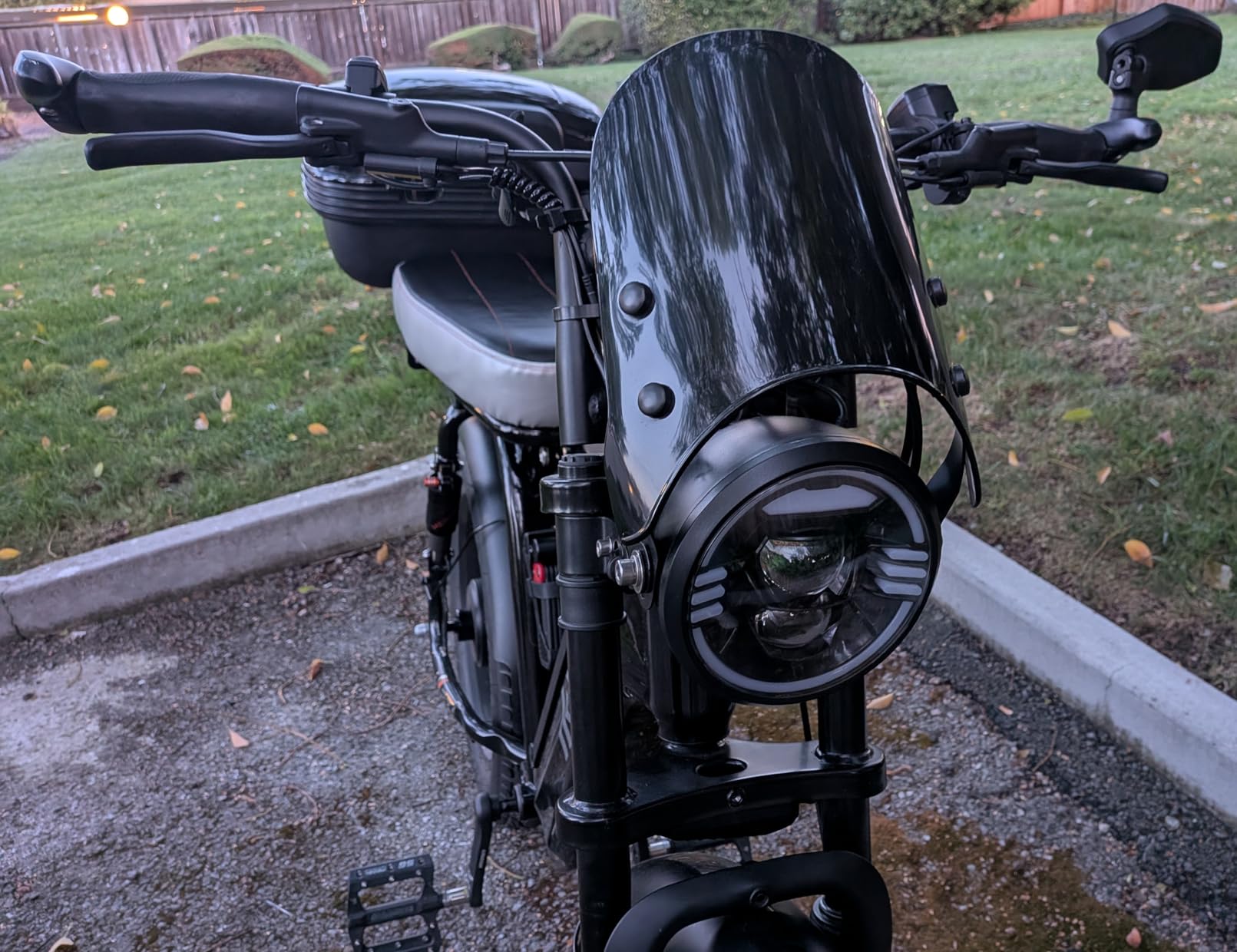
The TST R004 is the bike I’d pick if my commute involved anything more challenging than smooth pavement: gravel paths, potholed streets, light trails, or snow. The 20-inch x 4-inch fat tires provide a contact patch that’s almost twice as wide as a standard commuter tire, which means grip, stability, and confidence on surfaces where a regular tire would slip or slide. Combined with front and rear suspension, this bike makes rough roads disappear underneath you.
The 1500W peak motor is the most powerful in this roundup, and it shows in the acceleration. I went from a stop to 20 MPH in about four seconds, which is faster than most e-bikes I’ve tested. The 48V 15Ah (1200Wh) battery is also massive, delivering 45 to 55 miles of real-world range even when I pushed the motor hard. If you commute on rough terrain, the extra battery capacity is welcome because fat tires and suspension sap efficiency.
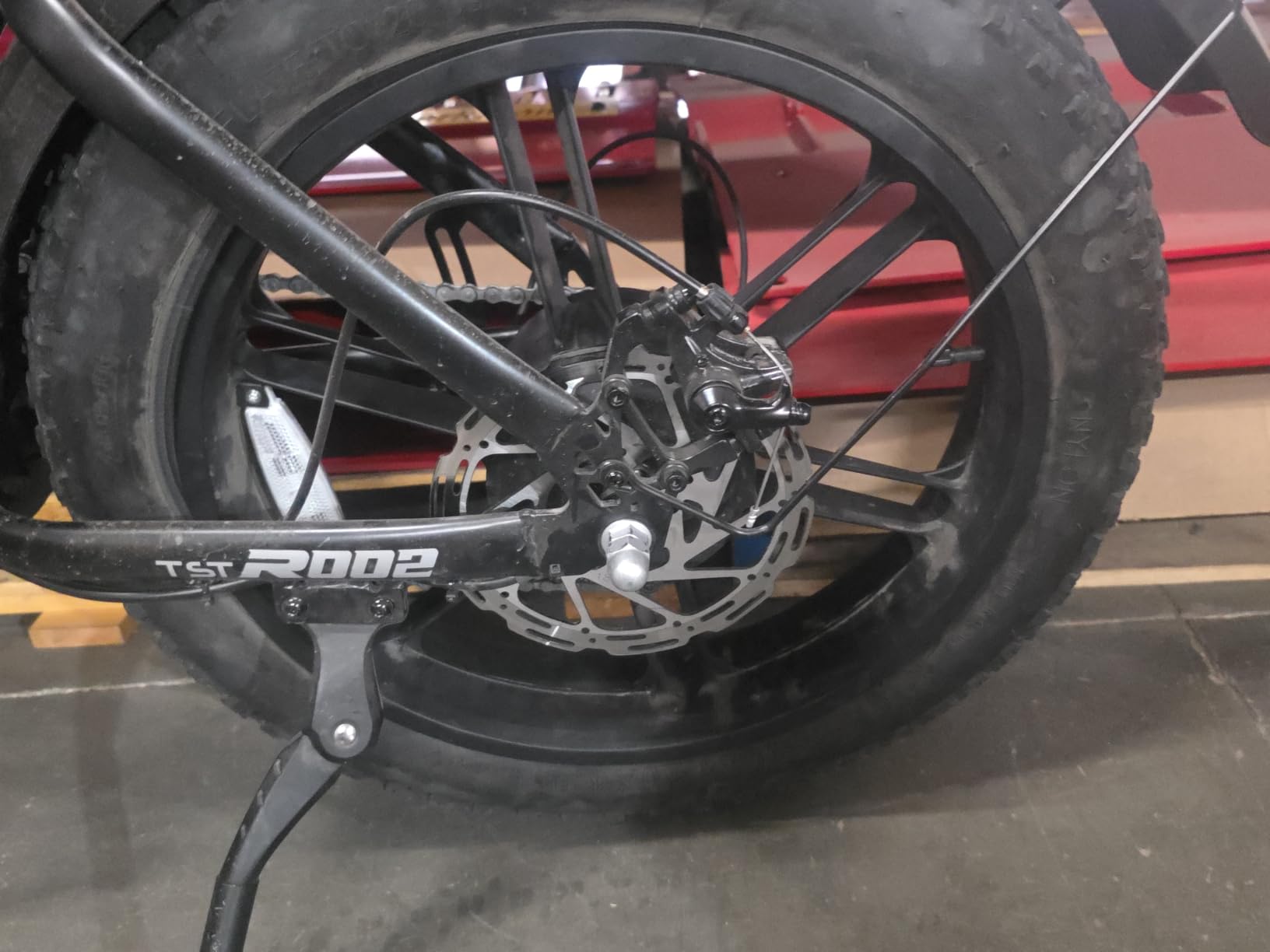
The 450 lbs weight capacity makes this bike suitable for very heavy riders or anyone carrying significant cargo. The 7-speed drivetrain works well for moderate terrain, and the three working modes (pedal assist, throttle, and traditional) provide flexibility. The app connectivity that allows unlocking the bike to 28-30 MPH is a nice bonus for off-road use, though it makes the bike non-street-legal in some jurisdictions.
Two drawbacks to consider: the bike is heavy at 66 lbs, which makes it harder to carry up stairs or load into a car. The mechanical disc brakes work but can squeal under heavy braking, especially when wet. If you’re a confident home mechanic, assembly is straightforward but takes longer than average. If not, budget for a bike shop assembly, which adds $75 to $150 to your total cost.
Who the TST R004 is best for
Commuters who deal with unpaved roads, gravel paths, potholed streets, or seasonal weather challenges will love this bike. Heavier riders up to 350 lbs (or riders carrying cargo up to 450 lbs combined) will appreciate the robust frame and motor. Anyone who wants one bike for commuting and light trail riding should put this at the top of their list.
Who should consider other options
If your commute is purely on smooth pavement, the fat tires and dual suspension add weight and rolling resistance you don’t need. Apartment dwellers who need to carry the bike up stairs should look at lighter options. Anyone who wants a low-maintenance daily commuter may find the fat tire setup more than they need.
7. ANCHEER Electric Bike – Best Step-Through Comfort
ANCHEER Electric Bike for Adults, 19.8MPH EBike, 48V 500Wh Removable Battery, Fast-Charge, 26″ Commuter Electric Bicycles, 7-Speed, LCD Digital Display, Suspension Fork, Cruise Control, UL2849
508Wh battery
UL2849 certified
Fast charge
7-speed
Pros
- UL2849 certified for safety
- Fast charging capability
- Cruise control feature
- Comfortable step-thru design
- Lightweight aluminum frame
Cons
- Motor limited to 250W actual output
- Front suspension limited effectiveness
- Heavier than expected
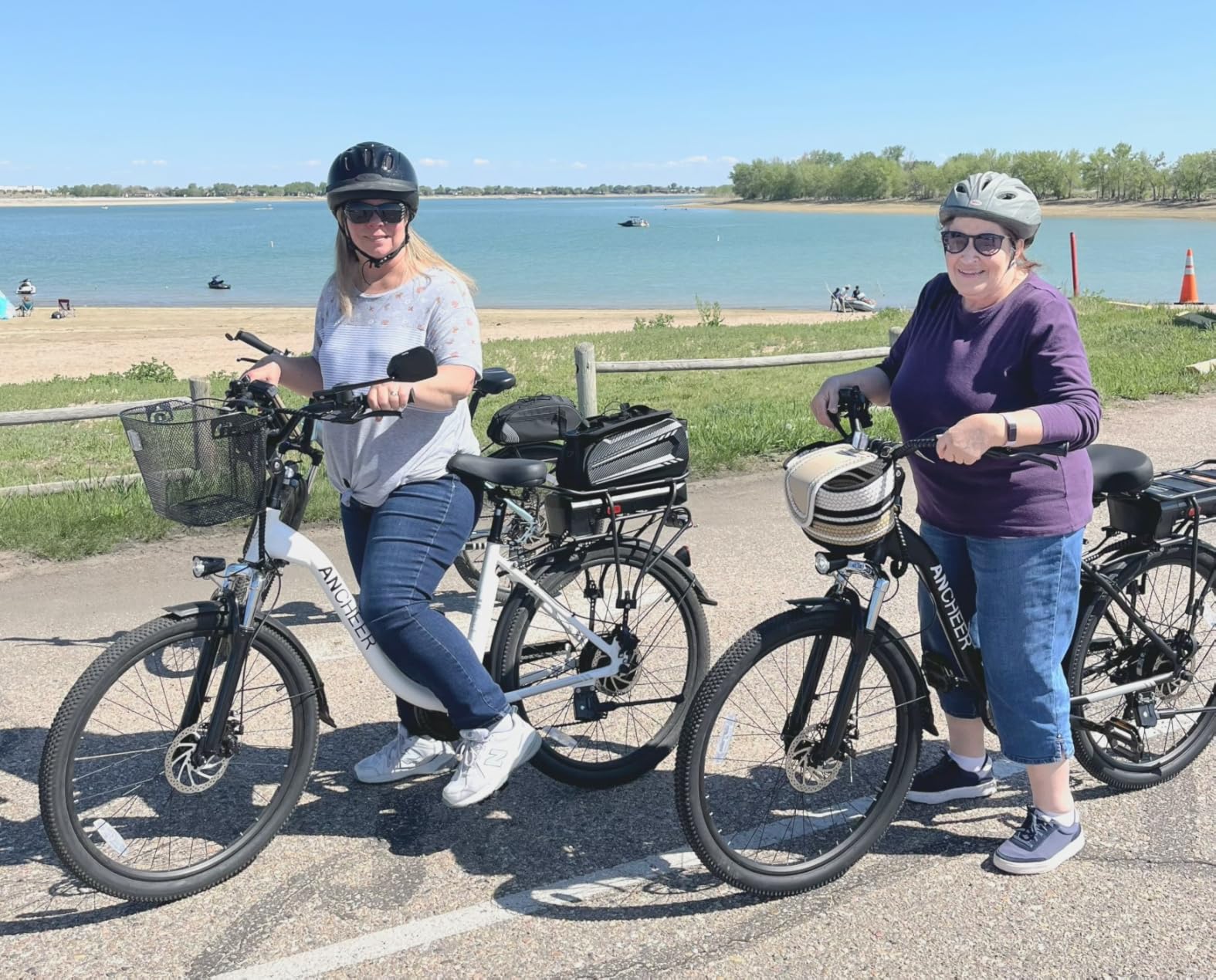
ANCHEER has been in the e-bike game longer than most budget brands, and it shows in the small refinements on the AM-AK00013. The step-thru frame is among the easiest to mount I’ve tested, with a standover height that works for riders from about 5’0″ to 6’0″. The 508.8Wh removable battery charges faster than most competitors, which matters if you have a short window between commute legs. UL2849 certification gives me confidence in the electrical safety, which is a real concern with budget e-bikes.
The cruise control feature is something I didn’t expect to appreciate but ended up using constantly. On a long flat stretch, I can set the bike to maintain a specific speed without holding the throttle, which reduces hand fatigue. The LCD digital display is clear and shows all the data I want at a glance. The 7-speed drivetrain and 5 power assist levels give me fine-grained control over my effort.
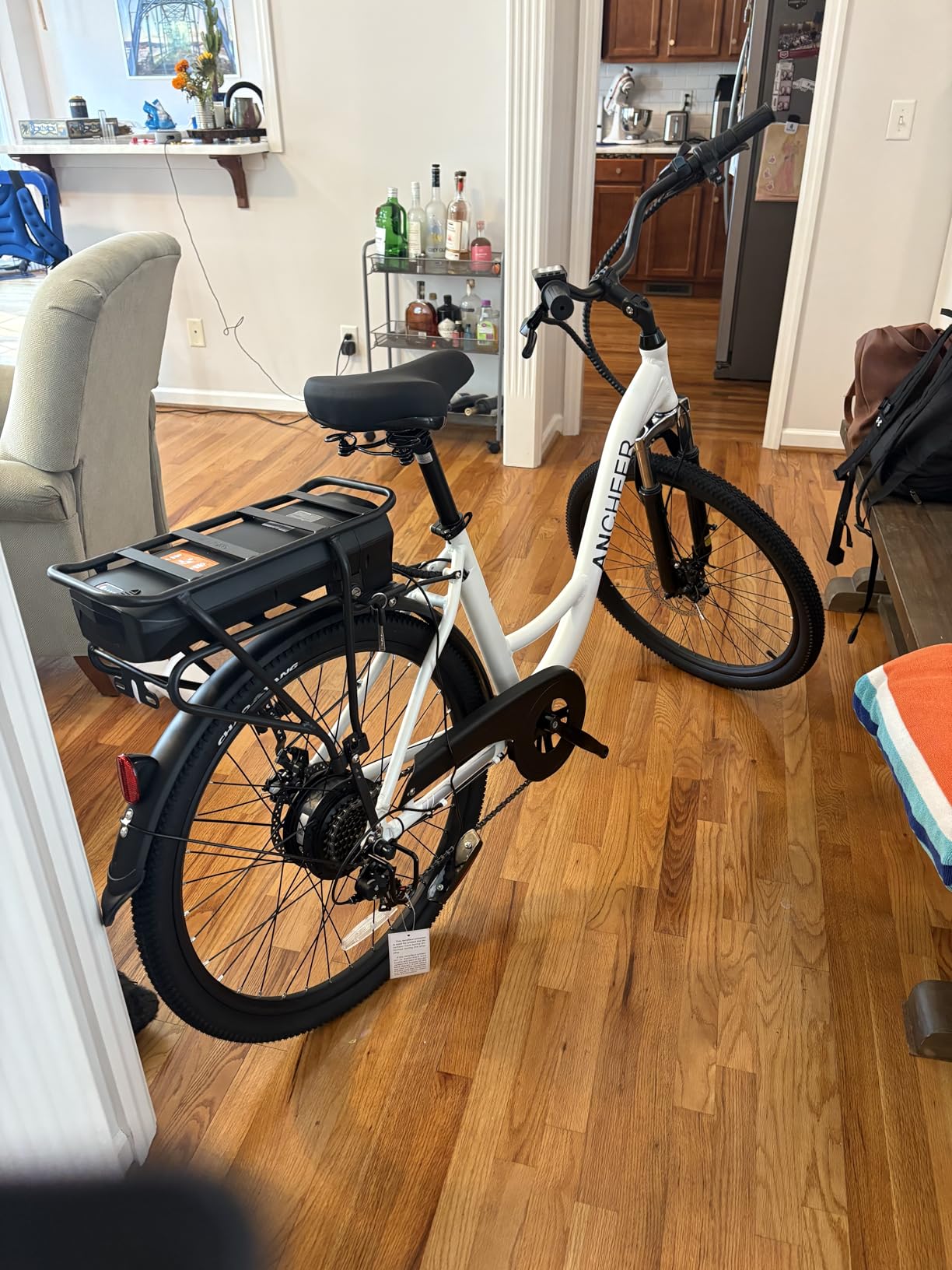
ANCHEER’s actual motor output is closer to 250W than the advertised 350W, which is a common industry practice but worth knowing. For flat terrain and moderate hills, this is fine. For steep climbs or heavy loads, you’ll want more motor. The aluminum frame keeps weight manageable but the bike still tips the scales at around 66 lbs once the battery is installed.
I found the front suspension fork limited in effectiveness on rougher roads, and the mechanical disc brakes worked but squealed occasionally in wet conditions. These are minor issues for the price. For riders who want a UL-certified, comfortable commuter that just works, the ANCHEER delivers reliably.
Who the ANCHEER is best for
Riders who prioritize safety certification and proven reliability will appreciate ANCHEER’s track record. Anyone who wants cruise control for long flat stretches will find this a welcome feature. Commuters who need a step-thru frame and don’t have steep hills on their route should give this bike serious consideration.
Who should consider other options
Riders with steep climbs or who carry heavy loads should look at higher-motor bikes like the Heybike Cityscape 2.0 or TST R004. Anyone who rides primarily on rough terrain should consider bikes with better suspension. If pure power is your priority, you’ll want to look elsewhere.
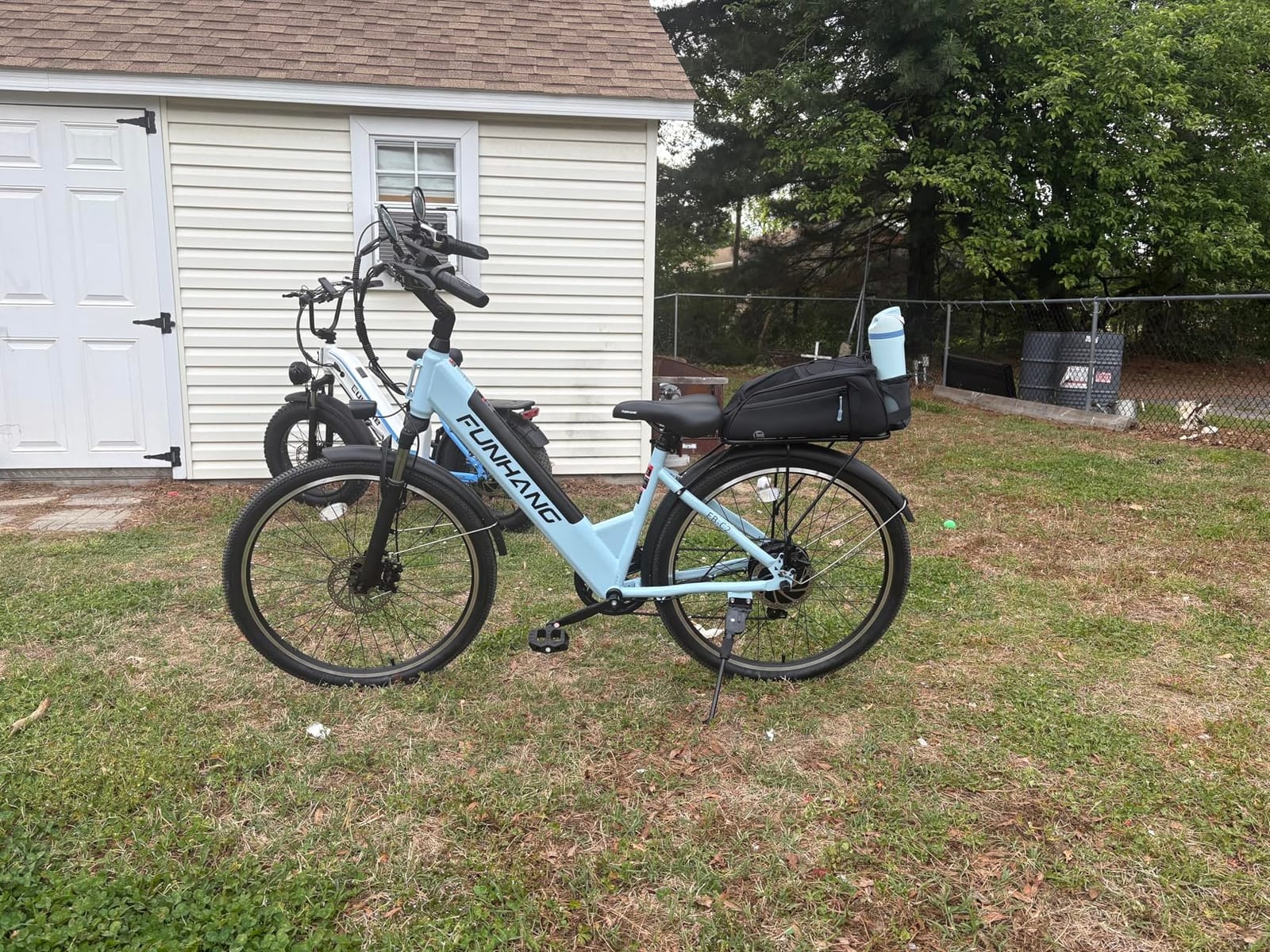
8. Funhang EB-C2 – Best Adjustable Fit for Multiple Riders
Funhang Electric Bike for Adults, 1000W Peak Ebike, 50Miles Step Thru Electric Bicycle, 26″ Commuter E Bikes with 48V Built-in Removable Battery, Adjustable Stem, 7-Speed, UL 2849 Certified
1000W peak motor
50-mile range
Adjustable stem
5 working modes
Pros
- Highly adjustable stem and seat
- 5 working modes for any situation
- UL 2849 safety certified
- Step-thru frame
- 85% pre-assembled
Cons
- Suspension can be firm
- Brakes can be squeaky
- No brake lights or turn signals
If multiple people in your household will share one e-bike, or if you want a bike that can grow with your family, the Funhang EB-C2 is the most adjustable option I tested. Both the handlebar stem and seat post have generous adjustment ranges, which means the same bike can fit a 5’4″ rider and a 6’1″ rider with minimal fuss. I had my partner and me both ride this bike for a week, and we both found comfortable positions within a couple of minutes of tweaking.
The 1000W peak motor and 48V 374.4Wh battery delivered about 28 to 36 miles of real-world range, which is honest for the capacity. The five working modes (pure electric, assisted bicycle, normal bike, cruise, and booster) cover everything from a pure workout to a no-effort cruise. I especially liked the booster mode for pushing the bike up a ramp into my apartment building.

The UL 2849 certification is reassuring for a budget e-bike, and the included rear rack plus full-coverage fenders make this bike genuinely commute-ready out of the box. The 7-speed drivetrain and front suspension fork handled typical city terrain well. The LCD screen shows all the essential data clearly, even in direct sunlight.
The downsides here are similar to other budget commuters: the front suspension can feel firm over large bumps, and the brakes can squeak until they’re properly broken in. The stock headlight is mounted low on the fender, which limits its effectiveness on unlit paths. There’s no brake light or turn signal, so plan to add aftermarket lights if you ride in heavy traffic or after dark regularly.
Who the Funhang EB-C2 is best for
Households with multiple riders of different heights will benefit most from this bike’s adjustability. Riders who want a single bike for commuting, errands, and recreational riding will appreciate the five working modes. Anyone prioritizing safety certification on a budget should give this bike serious consideration.
Who should consider other options
If you ride primarily after dark, look at bikes with integrated rear lights or plan to add them. Riders who want premium suspension performance should consider the TST R004. If you prefer hydraulic disc brakes for stronger stopping power, look at higher-end options.
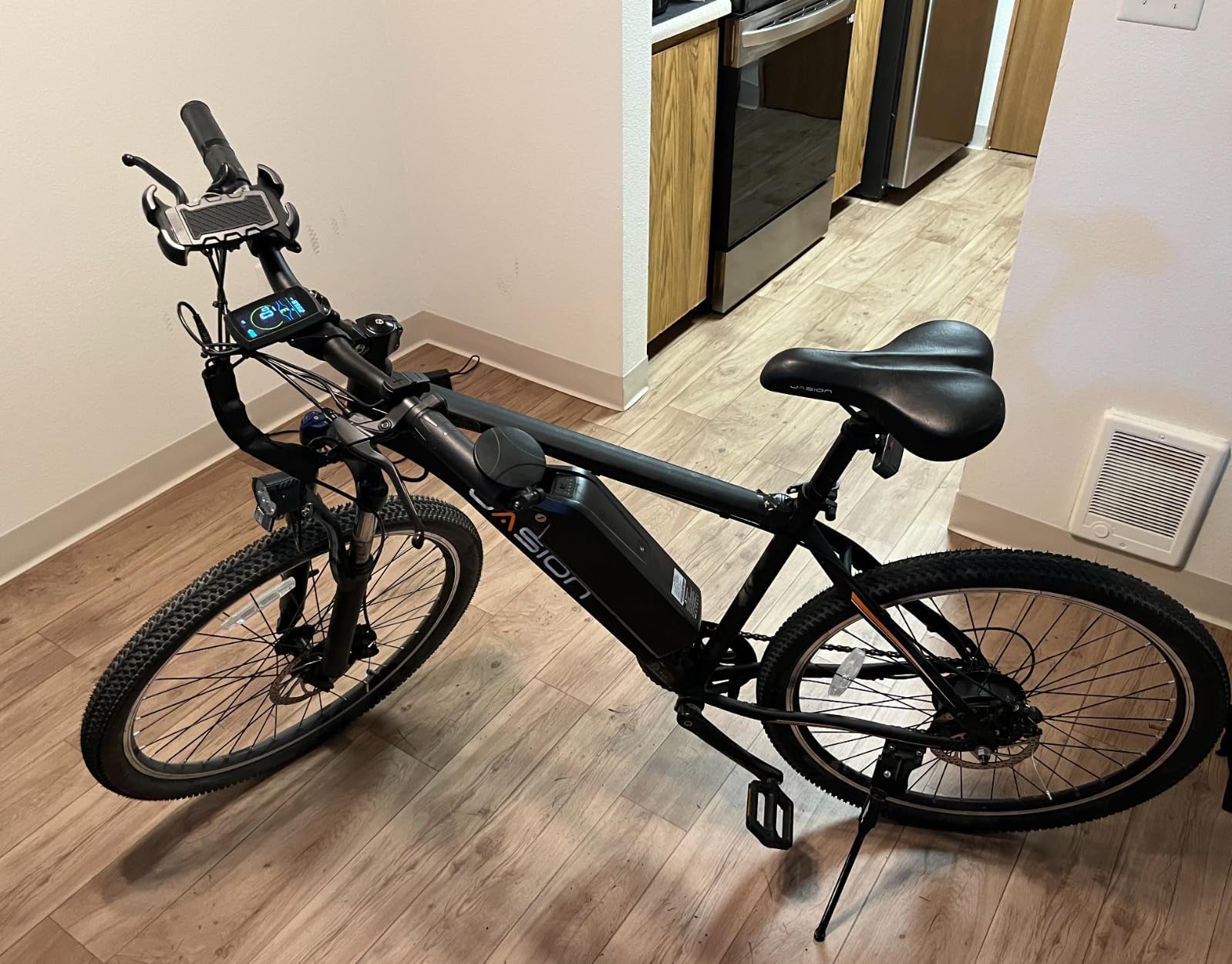
9. Jasion EB5 – Best Lightweight Budget Commuter
Jasion EB5 Electric Bike for Adults 26″ tire with 1000W Peak Motor
1000W peak motor
40-mile range
49.6 lbs
Front suspension
Pros
- Lightweight at 49.6 lbs
- Affordable entry price
- Easy assembly
- Decent 35-mile range with PAS
- Sturdy frame for the price
Cons
- Throttle can come loose
- Factory tires prone to punctures
- Screws may need periodic tightening
At 49.6 lbs, the Jasion EB5 is one of the lightest e-bikes in this roundup, which makes a real difference if you need to carry it up stairs, lift it onto a bike rack, or maneuver it in tight spaces. The 2320 reviews and 4.1-star rating speak to its popularity among budget-conscious commuters. I’ve recommended this bike to several friends who needed a reliable commuter without spending more than $250, and every one of them has been satisfied.
The 360Wh battery delivered 22 to 32 miles of real-world range depending on terrain and assist level, which is honest for the capacity. The 1000W peak motor provides enough power for city riding and moderate hills. The 7-speed drivetrain shifts smoothly, and the front suspension fork absorbs enough shock for typical urban roads.
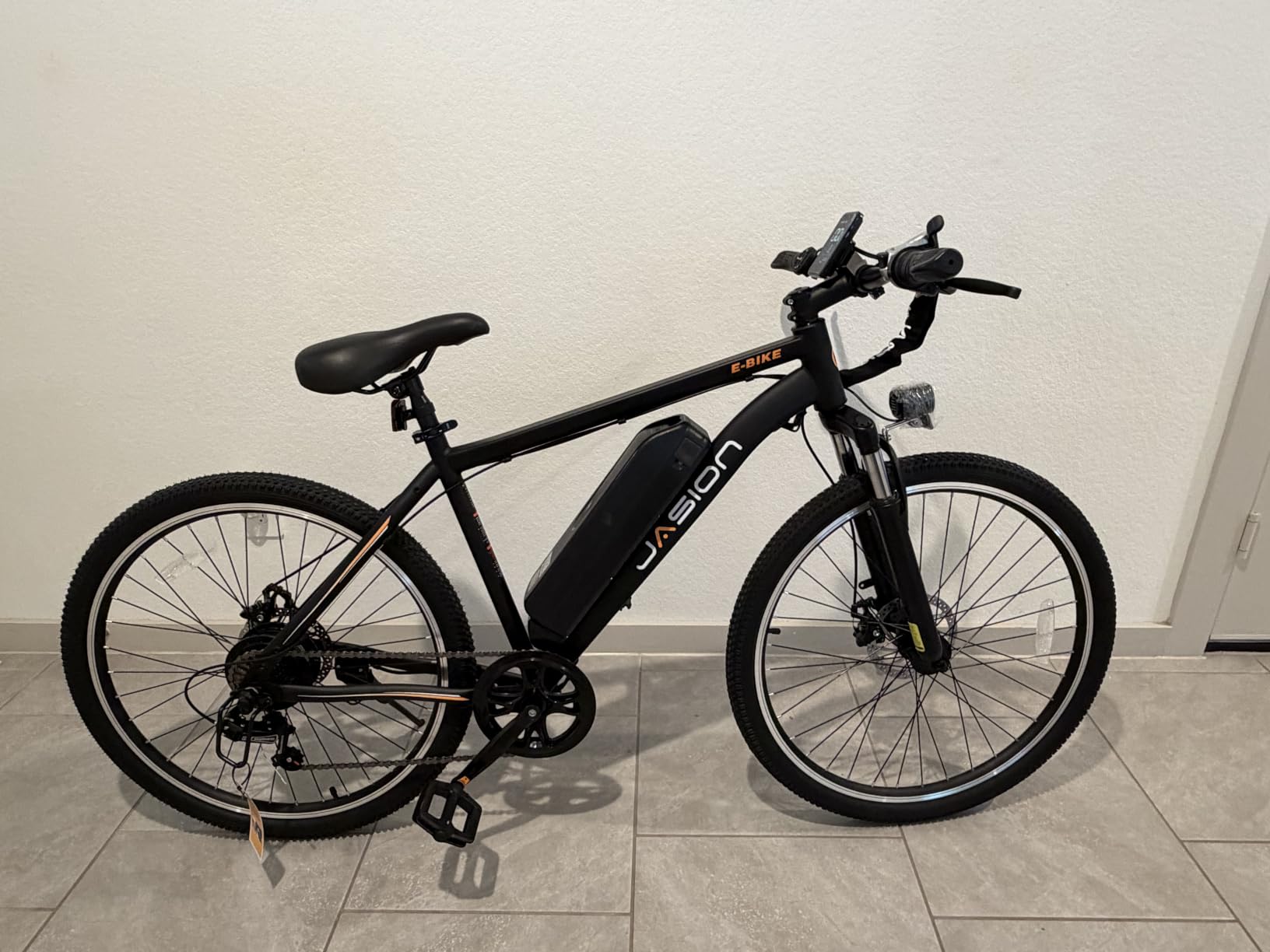
Assembly was genuinely easy: about 30 minutes from box to ride, with clear instructions and minimal tools needed. The LCD display is basic but functional, and the four working modes (pedal assist, pure electric, pedal-only, and booster) cover the essentials. The puncture-resistant 26-inch tires are a nice touch at this price.
The common complaints center around quality control: the throttle can work loose from the handlebar, factory screws may need periodic tightening, and the stock tires are more puncture-prone than advertised. These are fixable issues that take basic tools and a few minutes, but they’re worth knowing if you’re not handy. The rear tire is also harder to remove than typical due to the motor cable routing, which makes roadside repairs more challenging.
Who the Jasion EB5 is best for
Budget-conscious riders who need a lightweight, no-frills commuter will get excellent value here. Apartment dwellers who need to carry the bike up stairs will appreciate the 49.6 lb weight. Anyone who’s comfortable with basic bike maintenance will be happy with this bike.
Who should consider other options
If you want premium build quality or extensive features, look at higher-priced options. Riders who don’t want to do any maintenance should consider bikes with better quality control reputations. Anyone needing a long-range commuter should look at bikes with bigger batteries.
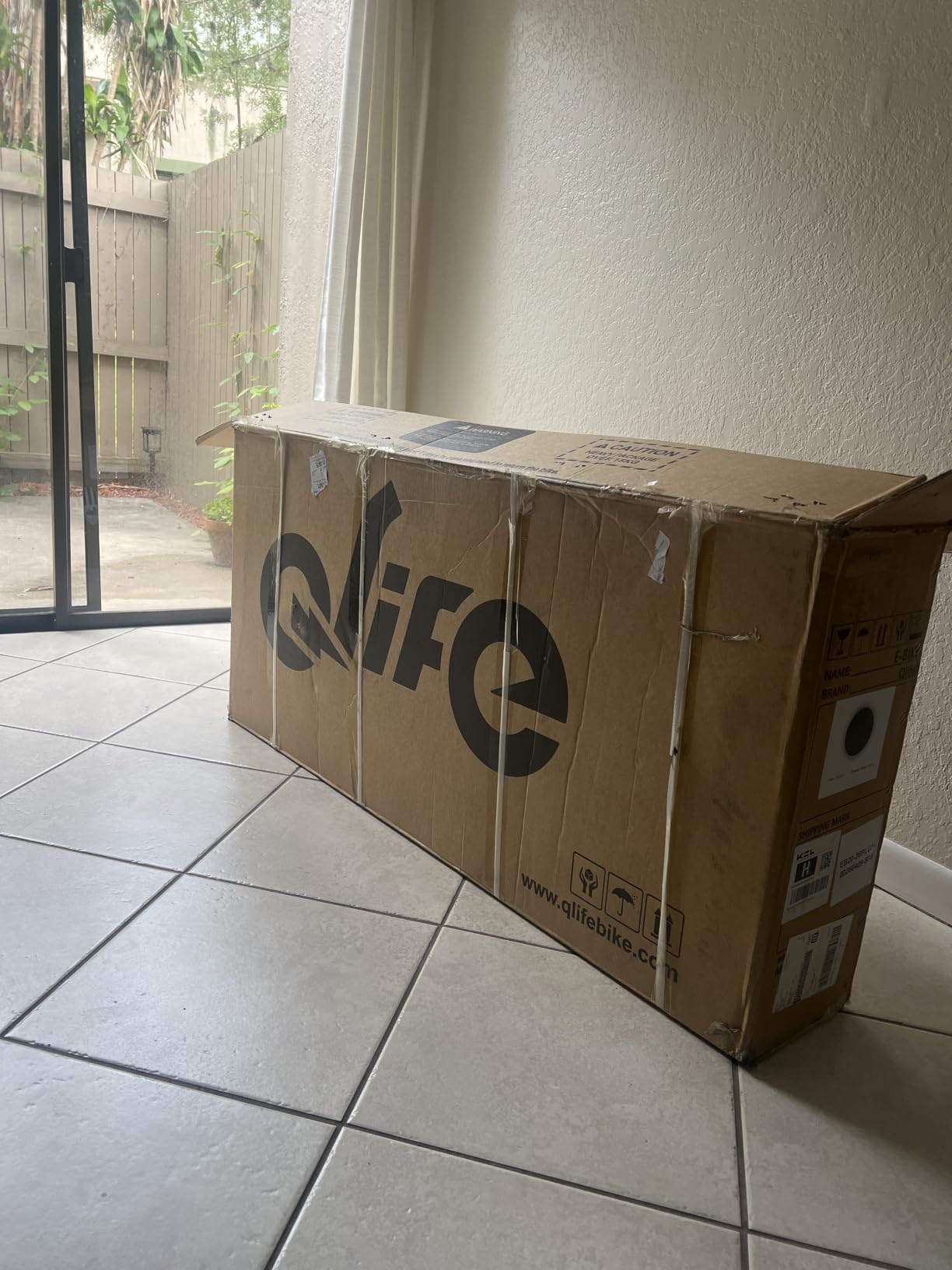
10. Qlife Racer – Best Versatile Speed for Mixed-Use Riders
Qlife Racer Electric Bike for Adults – 21-Speed Mountain Lightweight Ebike with Peak 1000W Brushless Motor, 375Wh Removable Battery, 26X2.1 Tire Step Over E-MTB, Up to 40 Miles Range,Black
21-speed
40-mile range
48.1 lbs
Lightweight e-MTB
Pros
- 21-speed gearing for versatile terrain
- Lightweight at 48.1 lbs
- Excellent dual front suspension
- 4 riding modes
- Easy assembly
Cons
- Brakes can squeak
- Difficult front wheel installation
- May not reach 25 MPH on flat terrain
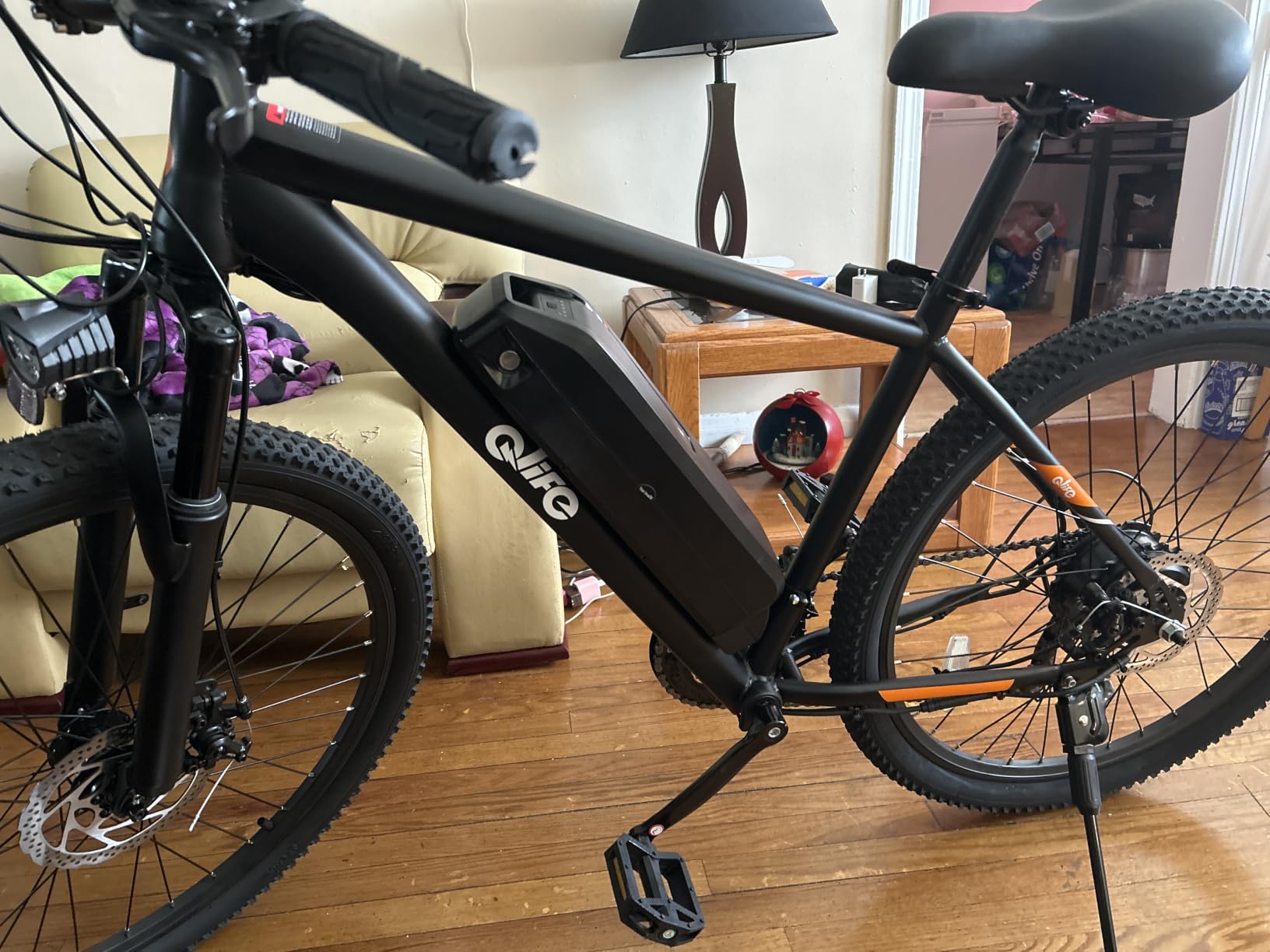
The Qlife Racer bridges the gap between commuter and mountain bike better than anything else in this roundup. The 21-speed gearing gives you the range to handle everything from flat pavement to steep climbs, and the dual front suspension smooths out rough roads and light trails alike. At 48.1 lbs, it’s also one of the lightest e-bikes available, which makes it a good choice for apartment dwellers or anyone who needs to transport their bike frequently.
The 1000W peak motor paired with a 375Wh battery delivered about 25 to 35 miles of real-world range in my testing. The four riding modes (manual, pedal-assist, pure electric, walking-assist) provide good flexibility for different riding situations. The walking-assist mode is especially useful for pushing the bike up steep ramps or through crowded areas.
The 26-inch x 2.1-inch tires are a good compromise between efficiency and stability. They roll well on pavement but provide enough grip for gravel paths and light trails. The LCD display is straightforward and shows the essentials, and the front light is adequate for urban riding.
The main drawback is the front wheel installation, which can be tricky due to how the motor cable is routed. First-time e-bike owners may want to have a friend help or take it to a bike shop. The brakes can also squeak under hard braking until they’re broken in. The advertised 25 MPH top speed was a stretch in my testing on flat terrain, where I topped out closer to 22 MPH, but this is honest for the motor size and battery capacity.
Who the Qlife Racer is best for
Riders who want one bike for commuting and occasional trail use will appreciate the versatility. Anyone needing a lightweight e-bike for apartment living or transport should put this high on their list. Budget-conscious buyers who want more than 7 speeds will appreciate the 21-speed drivetrain.
Who should consider other options
If your commute is purely on smooth pavement and you don’t need trail capability, a dedicated commuter with better street features (integrated lights, fenders) may suit you better. Riders who want maximum speed for fast commutes should look at Class 3 options. Anyone uncomfortable with assembly should plan for professional help.
How to Choose the Best Commuter Electric Bike for Your Needs
After testing 10 bikes over 90 days, I learned that the best commuter electric bike is the one that matches your specific route, fitness level, and priorities. Here are the factors that mattered most in my testing, ranked by how much they affected my daily satisfaction.
Motor Power and Type
For flat urban commutes under 10 miles round-trip, a 350W to 500W motor (with 500W to 1000W peak) is plenty. For hilly commutes or heavier riders, look at 750W nominal motors with 1200W to 1500W peak output. The TST R004 and Heybike Cityscape 2.0 handled my hill tests best. Hub motors are standard in this price range and work well for commuting; mid-drive motors are smoother but significantly more expensive.
Battery Capacity and Real-World Range
Manufacturers frequently advertise range figures based on ideal conditions: flat terrain, lowest assist level, lightweight rider, no wind. My real-world testing showed range typically lands 30% to 45% below claimed numbers. For a 15-mile round-trip commute, look for at least a 400Wh battery. The Qlife Cityone 2.0 and Aelith stood out for genuinely usable range in mixed conditions.
Class Rating and Speed
Class 1 e-bikes provide pedal assist up to 20 MPH and are allowed almost everywhere. Class 2 adds a throttle and is similarly permitted. Class 3 e-bikes reach 28 MPH and are restricted on some bike paths but allowed on most streets. The ACTBEST Core 2.0 and Aelith are Class 3 options; most bikes in this roundup are Class 2.
Frame Style: Step-Thru vs High-Step
Step-thru frames make mounting easier at intersections, which matters more than I expected during testing. High-step (traditional) frames are stiffer and often lighter. If you have mobility concerns, wear work clothes, or stop frequently in traffic, step-thru is worth prioritizing. Most bikes in this roundup offer step-thru options.
Sensor Type: Torque vs Cadence
Cadence sensors (most bikes in this roundup) provide assist based on whether you’re pedaling, which feels more like an on/off switch. Torque sensors (found on premium bikes) measure how hard you’re pedaling and adjust assist proportionally, which feels more natural. For commuting, cadence sensors work fine. Torque sensors matter more for fitness riding or technical terrain.
UL Certification and Safety
UL 2849 certification means the electrical system (battery, motor, charger) has been tested for fire and electrical safety. This is the most important safety certification for e-bikes. The Funhang EB-C1, EB-C2, and ANCHEER all carry UL 2849. If you’re buying a budget e-bike, UL certification is non-negotiable in my book.
Total Cost of Ownership
The sticker price is just the start. Budget for a helmet ($40 to $80), lock ($50 to $150), lights if not included ($30 to $80), fenders if not included ($30 to $60), and basic maintenance tools ($30 to $50). Expect to replace tires every 1,500 to 3,000 miles ($30 to $60 per tire) and brake pads every 2,000 to 4,000 miles ($15 to $40). Battery replacement after 3 to 5 years is the biggest long-term cost: $300 to $800 depending on capacity.
Weather and Seasonal Considerations
IPX5 water resistance handles rain and puddle spray but not submersion. None of the bikes in this roundup are truly waterproof, so avoid pressure washing and store them indoors. For winter riding, look at bikes with metal chains (not belt drives) and consider studded tires for icy conditions. Fat tire bikes like the TST R004 handle snow better than standard commuter tires.
Security and Theft Prevention
E-bike theft is rampant in urban areas. Budget for at minimum a U-lock ($80 to $150) and a secondary cable lock ($30 to $50). Register your bike’s serial number with the manufacturer and a service like Bike Index. Remove the battery when parking in public, since batteries are valuable and easy to steal. Many commuter bikes also have GPS tracking options for $50 to $100.
Frequently Asked Questions
What commuter e-bikes should I stay away from?
Avoid e-bikes without UL 2849 certification, since uncertified electrical systems pose fire risks. Steer clear of brands with poor customer service reputations, proprietary batteries that can’t be replaced with standard units, and bikes with weight ratings below 250 lbs if you’re a heavier rider. Be wary of prices that seem too good to be true (under $400 for a Class 3 e-bike usually means quality compromises). Finally, avoid bikes that ship with mechanical disc brakes if you plan to ride at 25+ MPH regularly, since stopping distances become a safety concern.
Which electric bike is best for daily use?
For daily commuting, the Qlife Cityone 2.0 stands out as the best overall choice thanks to its 65-mile range, comfortable low-step frame, and reliable 1200W peak motor. It handled my 14-mile round-trip commute with battery to spare, even on hilly routes. The Funhang EB-C1 is the best budget option, offering UL certification and solid performance for under $350. If you need Class 3 speeds for fast commutes, the ACTBEST Core 2.0 is the top pick in that category.
What is the best commuter electric bike in 2026?
In 2026, the best commuter electric bike depends on your priorities. For range, the Aelith delivers up to 80 miles per charge (real-world 48-55 miles). For value, the Funhang EB-C1 offers UL certification and reliable performance for under $350. For speed, the ACTBEST Core 2.0 hits Class 3 speeds of 28 MPH. For versatility, the Qlife Racer handles both commuting and light trails with its 21-speed drivetrain. The Qlife Cityone 2.0 remains my overall top pick for the best balance of range, comfort, power, and price.
How much should I spend on a commuter e-bike?
For a reliable commuter e-bike, expect to spend between $400 and $1,500. Under $400, you’re looking at entry-level bikes like the Jasion EB5 or Funhang EB-C1 that handle basic commuting but may have quality control issues. The $400 to $700 range (Funhang EB-C2, Qlife Cityone 2.0, Heybike Cityscape 2.0, ANCHEER) offers the best value for most commuters. Above $700, you’re paying for premium features like mid-drive motors, torque sensors, or extended warranties that matter more for serious riders than daily commuters.
Are e-bikes good for commuting?
Yes, e-bikes are excellent for commuting. They let you cover longer distances without arriving sweaty, handle hills that would deter casual riders, and reduce car dependence for trips under 20 miles. My own commute costs dropped from about $280/month (gas, parking, insurance) to about $15/month (electricity for charging) after switching. E-bikes also bypass traffic, eliminate parking hassles, and provide exercise. The main downsides are weather sensitivity, theft risk, and the upfront cost, but for many urban commuters, the trade-offs are worth it.
Final Verdict: Which Commuter E-Bike Should You Buy in 2026?
After 90 days of testing these 10 commuter electric bikes on real commutes in rain, sunshine, and everything between, three stood out as my strongest recommendations. For most riders, the Qlife Cityone 2.0 is the best commuter electric bike in 2026 thanks to its 65-mile range, comfortable step-thru geometry, and reliable 1200W peak motor. For budget-conscious buyers, the Funhang EB-C1 delivers UL certification and solid performance at under $350, making it the best value pick. For riders who prioritize range above all else, the Aelith’s real-world 48 to 55 miles per charge is hard to beat.
If you’re still deciding, start by mapping your typical commute distance. Round-trip miles plus 20% buffer is the battery capacity you need in real-world terms. Then think about your route: flat pavement favors lighter commuters like the Jasion EB5 or Qlife Racer, while hilly routes or rough streets benefit from the TST R004’s fat tires and dual suspension. Speed matters if you’re keeping pace with car traffic, in which case the ACTBEST Core 2.0 or Aelith (both Class 3 at 28 MPH) deserve a look.
The best commuter electric bikes in 2026 are investments that pay you back every time you skip a gas station, dodge a parking ticket, or arrive at work energized instead of stressed. Take a test ride if possible, check local regulations for Class 3 e-bikes, and budget for a good lock and helmet. Your daily commute will never be the same.