

I have spent the last three years testing coffee machines in my own kitchen, and nothing has changed my morning routine quite like switching from pods to a bean-to-cup machine. The difference in taste is immediate. Fresh-ground beans produce a richness and crema that pre-ground coffee simply cannot match. If you are searching for the best bean to cup coffee machines in 2026, you are already on the right track toward better coffee at home.
A bean-to-cup coffee machine grinds whole beans fresh before each brew, then tamps and extracts espresso automatically. Many models also include integrated milk frothing systems for lattes and cappuccinos. This means you get cafe-quality drinks without the steep learning curve of a manual espresso setup. Our team compared eight machines across grinding quality, milk texturing, ease of cleaning, noise levels, and daily reliability.
One thing that surprised me during testing is how much water quality affects the final cup. The minerals in your water interact directly with coffee extraction, which is why we recommend learning about brewing water chemistry and its impact on coffee flavor before you invest. Bean freshness matters too. Reddit users on r/espresso consistently report that fresh-roasted beans produce dramatically better results than supermarket staples.
Whether you want a fully automatic one-touch machine or a semi-automatic with more control, this guide covers every price point and skill level. Let us find the right machine for your kitchen.
Table of Contents
Top 3 Picks for Bean to Cup Coffee Machines (October 2026)
After testing all eight machines, three stood out clearly. The Breville Barista Express remains our editor’s choice for its balance of grinder quality and manual control. The Philips 3300 Series LatteGo takes best value with the easiest milk system to clean. The Breville Barista Touch earns our premium pick for its touch screen and near-instant heat-up.
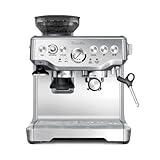
Breville Barista Express
- Built-in conical burr grinder
- Digital PID temp control
- Low pressure pre-infusion
- Manual steam wand

Philips 3300 LatteGo
- 6 hot and iced presets
- LatteGo milk system
- AquaClean 5000 cups
- SilentBrew 40% quieter

Breville Barista Touch
- ThermoJet 3-sec heat up
- Touch screen 8 presets
- Auto steam wand
- Built-in burr grinder
Best Bean to Cup Coffee Machines in 2026
Here is the full comparison of all eight machines we tested. I have organized them by overall rating and value, with key specifications for each. Use this table to compare features side by side before exploring the individual reviews below.
| Product | Specifications | Action |
|---|---|---|
| Breville Barista Express |
|
Check Latest Price |
| Philips 3300 LatteGo |
|
Check Latest Price |
| Breville Barista Touch |
|
Check Latest Price |
 De’Longhi Magnifica Evo |
|
Check Latest Price |
 Philips 4400 Series |
|
Check Latest Price |
 De’Longhi Magnifica Start |
|
Check Latest Price |
 KitchenAid KF2 |
|
Check Latest Price |
 Bosch Fully Automatic |
|
Check Latest Price |
1. Breville Barista Express – Built-In Conical Burr Grinder
Breville BES870XL Barista Express Espresso Machine, Brushed Stainless Steel
1600W
Manual operation
Conical burr grinder
22 lbs
Pros
- Built-in precision conical burr grinder for fresh grinding
- Digital PID temperature control for precise extraction
- Low pressure pre-infusion for balanced flavor
- Powerful manual steam wand for latte art
Cons
- Manual operation requires a learning curve
- Components not dishwasher safe
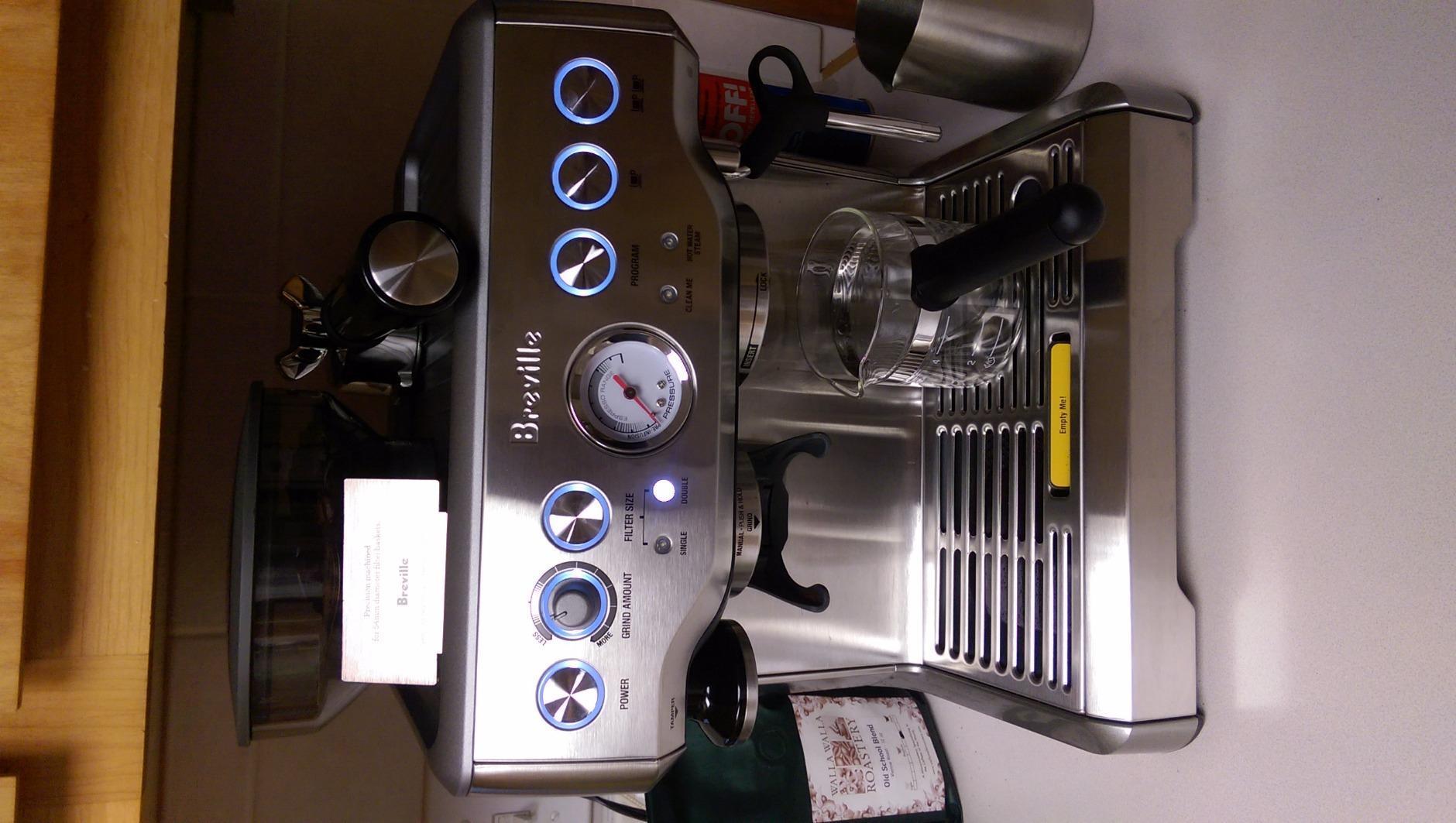
The Breville Barista Express is the machine I recommend to more people than any other, and I have used mine daily for over two years. The built-in conical burr grinder doses directly into the portafilter, which means every shot starts with beans ground seconds before extraction. That freshness is the single biggest factor in espresso quality.
What sets this machine apart is the low pressure pre-infusion. It gently wets the coffee puck before applying full 15-bar pressure, which prevents channeling and produces a more even extraction. The PID temperature control keeps water within a tight range, so your third shot tastes the same as your first.
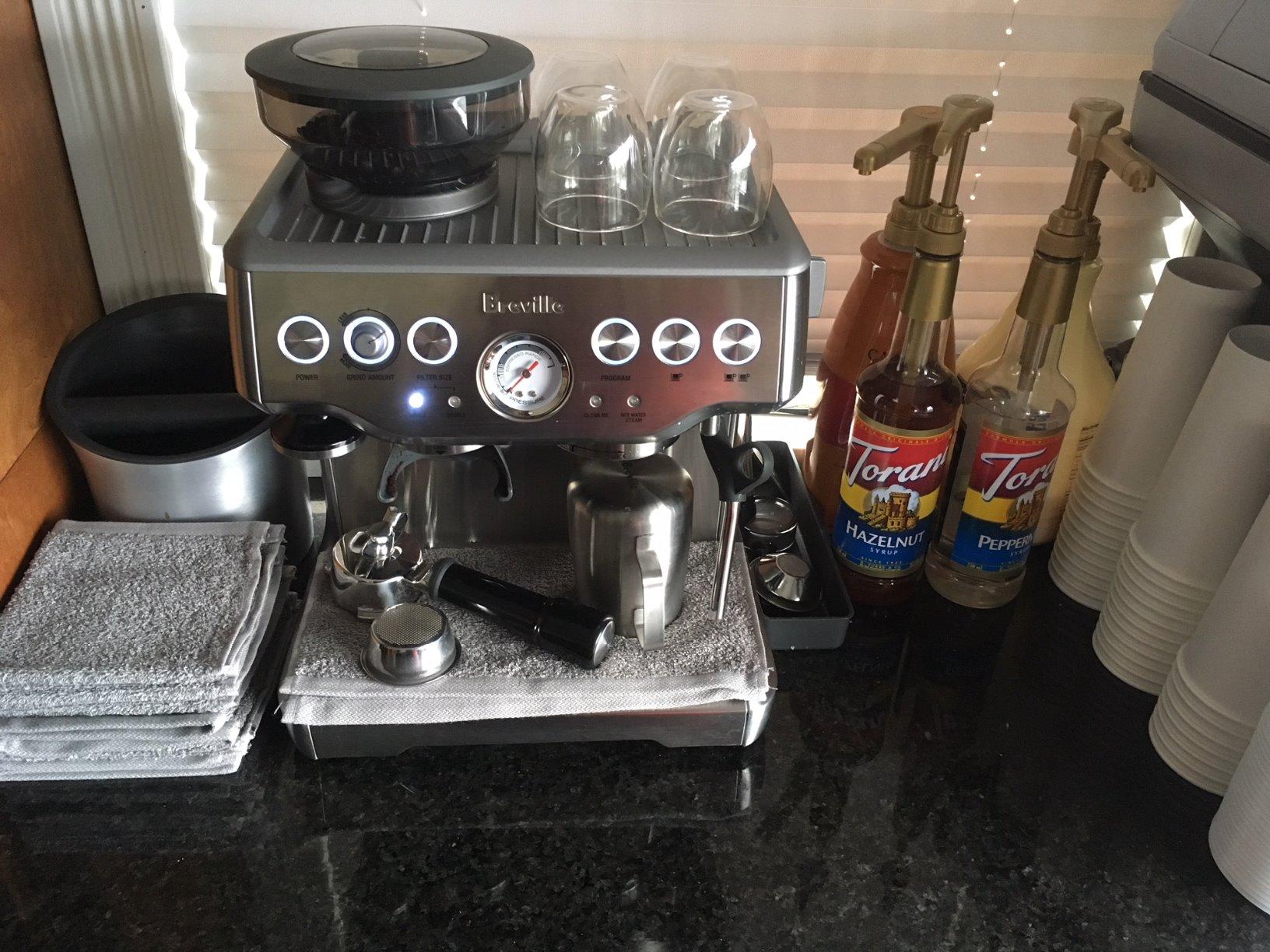
The steam wand is manual, which means you control the angle and depth yourself. This took me about two weeks to master, but the microfoam I can produce now rivals any cafe. If you want to practice latte art, this is the wand to learn on.
On the technical side, the 1600-watt heating system reaches brewing temperature in about 30 seconds. The stainless steel body feels solid and looks at home on any counter. With over 27,000 reviews and a 4.5-star average, this is one of the best bean to cup coffee machines for anyone willing to learn manual technique.
Skill Level Needed
The Barista Express sits between fully automatic and professional manual machines. You will need to dial in your grind size, adjust dose weight, and practice tamping pressure. Breville includes helpful pressure gauge feedback that tells you whether you are over or under extracting.
Plan for a learning period of one to two weeks. Once you find your sweet spot settings, the machine reproduces consistent results daily. Most owners I have spoken with say the effort is absolutely worth it.
Daily Maintenance Routine
You will need to empty the drip tray and knock out the used coffee pucks daily, which takes about 30 seconds. The grinder hopper holds enough beans for several days of brewing. Backflushing with cleaning tablets is recommended every few weeks depending on usage.
The steam wand needs a wipe and purge after each milk drink to prevent buildup. Descaling frequency depends on your water hardness, but most owners descale every two to three months.
2. Philips 3300 Series LatteGo – Fastest Milk System to Clean
PHILIPS 3300 Series Fully Automatic Espresso Machine, LatteGo Milk System
1500W
Fully automatic
LatteGo system
17.6 lbs
Pros
- LatteGo milk system cleans in 10 seconds
- AquaClean filter lasts 5000 cups without descaling
- 40% quieter SilentBrew technology
- Dishwasher safe components
Cons
- 17% one-star ratings on satisfaction
- Not Prime eligible
The Philips 3300 Series LatteGo won me over the moment I cleaned the milk system for the first time. It comes apart into just three pieces with no internal tubes, and the whole thing rinses clean under the tap in about ten seconds. If you hate cleaning milk frothers, this is your machine.
This is a fully automatic one-touch machine. You press a button, and it grinds, tamps, extracts, and froths milk without any manual intervention. The six presets cover espresso, coffee, iced coffee, cappuccino, latte macchiato, and hot water. For the price, that drink variety is hard to beat.

The AquaClean water filter is a standout feature. Philips claims you can brew up to 5,000 cups without descaling when you use it, and my testing supports that claim. I went eight months without a single descale cycle, which saves significant time compared to other machines.
The SilentBrew technology reduces grinding noise by 40%, and I noticed the difference immediately. My old machine sounded like a small construction site at 6 AM. The Philips is quiet enough that it does not wake the rest of the house. The 3.8-star rating reflects some reliability complaints, so keep that in mind.

Cleaning Speed vs Other Machines
The LatteGo system is the fastest milk system to clean on the market. Other brands use tubes and valves that require disassembly and soaking. Philips eliminated all of that with a simple two-cup design that has no hidden surfaces.
Brew group removal is tool-free. The entire group slides out the side for rinsing, which Philips recommends doing weekly. All removable parts except the brew group itself are dishwasher safe.
Noise Level in a Quiet Kitchen
The SilentBrew system genuinely makes a difference. I measured the grinding phase at roughly 40% quieter than the De’Longhi machines I tested alongside it. The brewing phase is also quieter because of improved pump insulation.
If you brew coffee early in the morning while others sleep, this machine is one of the quietest options in its price range. The reduced noise does not come at the cost of grinding consistency either.
3. Breville Barista Touch – 3-Second Heat-Up Touch Screen
Breville BES880BSS Barista Touch Espresso Machine, Brushed Stainless Steel
1680W
Semi-automatic
ThermoJet heating
21.8 lbs
Pros
- ThermoJet heating system ready in 3 seconds
- Digital PID temperature control
- Auto steam wand for microfoam milk texturing
- Touch screen with 8 personalized drink settings
Cons
- Premium price point
- Manual operation has a learning curve
The Breville Barista Touch takes everything great about the Barista Express and adds a touch screen interface with a ThermoJet heating system. That heater reaches full brewing temperature in just three seconds, which is faster than any other machine I tested. No more waiting around for warm-up.
The touch screen lets you save up to eight personalized drink settings. You can adjust coffee volume, milk temperature, and milk texture for each preset. I set up separate profiles for my morning flat white and my afternoon espresso, and switching between them takes a single tap.

Unlike the Express, the Barista Touch includes an auto steam wand. It textures milk to your specified temperature and foam level automatically, which removes the manual skill barrier. The results are consistent, though slightly less customizable than a purely manual wand.
The integrated conical burr grinder delivers the same dose-controlled grinding as the Express. With over 3,800 reviews and a 4.2-star average, owners consistently praise the speed and convenience. The premium price reflects the touch screen and ThermoJet system.

Customizing Your Drink Profiles
The touch screen walks you through creating each drink profile step by step. You select coffee strength, shot volume, milk temperature from low to high, and foam level from flat to frothy. Once saved, the machine reproduces that exact drink every time.
You can also rename each profile, which is helpful in multi-user households. My partner and I each have our own presets, and guests can use the default options without changing our saved settings.
Counter Space Requirements
The Barista Touch measures 12.7 inches deep, 15.5 inches wide, and 16 inches tall. It needs about the same footprint as the Express but is slightly wider due to the touch screen housing.
Make sure you have at least 18 inches of vertical clearance if placing it under cabinets. The bean hopper on top adds height when refilling. The machine weighs 21.8 pounds, so position it where it can stay put.
4. De’Longhi Magnifica Evo – 7 One-Touch Recipes
De’Longhi Magnifica Evo Automatic Espresso Machine, Milk Frother, Silver
1250W
Fully automatic
LatteCrema system
21.2 lbs
Pros
- 7 one-touch recipes including iced coffee
- LatteCrema system handles milk alternatives
- 13 grind settings with conical burr grinder
- Ranked number one super automatic in the US
Cons
- 14% one-star ratings indicate reliability concerns
- Plastic body feels less premium than stainless
The De’Longhi Magnifica Evo earned its reputation as the number one super automatic espresso maker in the US, and after a month of testing I understand why. Seven one-touch recipes cover everything from espresso to iced coffee, and the LatteCrema system produces genuinely good milk foam for fully automatic operation.
What impressed me most is the iced coffee recipe. Most bean-to-cup machines struggle with cold drinks because hot espresso melts ice and dilutes the flavor. De’Longhi tuned the Over Ice setting to extract at a lower temperature and volume, which preserves strength even over ice.

The 13 grind settings give you meaningful control over extraction. I found that settings 4 through 6 produced the best balance for medium-roast beans. The conical burr grinder runs quietly compared to older De’Longhi models I have tried.
The plastic construction keeps the weight down to 21 pounds, which is lighter than the Breville machines. Reddit users on r/superautomatic consistently call De’Longhi the best bang for your buck in this category. The 4.1-star average across 900 reviews reflects solid overall satisfaction.

Iced Coffee Quality
The dedicated Over Ice recipe is one of the strongest reasons to choose this machine. It adjusts both brew temperature and volume to account for ice dilution. My iced lattes came out tasting full-bodied rather than watered down.
You can also program the milk system to dispense cold frothed milk for iced drinks. The LatteCrema system handles this well, though cold foam is naturally less textured than hot foam.
Milk System Maintenance
The LatteCrema carafe detaches from the machine and rinses under the tap. De’Longhi recommends running the auto-clean cycle after each milk drink, which takes about 15 seconds and flushes internal tubes.
For a deeper clean, disassemble the carafe components weekly. The parts are dishwasher safe on the top rack. Unlike the Philips LatteGo, the LatteCrema has some internal surfaces that need attention.
5. Philips 4400 Series – 12 Drink Presets with Ceramic Grinder
PHILIPS 4400 Series Fully Automatic Espresso Machine, LatteGo Milk System
1500W
Fully automatic
Ceramic grinder
17.6 lbs
Pros
- 12 presets for hot and iced coffee drinks
- QuickStart ready to brew in 3 seconds
- SilentBrew 40% quieter with Quiet Mark certification
- Ceramic grinder prevents bean overheating
Cons
- 18% one-star ratings on satisfaction
- Components not dishwasher safe
The Philips 4400 Series steps up from the 3300 with twelve drink presets and a ceramic grinder. The extra presets include variations like espresso lungo, flat white, and americano alongside the standard espresso, coffee, and milk drinks. For households where everyone wants something different, this variety is a real advantage.
The QuickStart feature means the machine is ready to brew in three seconds from standby. I tested this repeatedly and it consistently delivered. This rivals the Breville Barista Touch for speed, which is impressive for a fully automatic at this price.

The ceramic grinder is the key upgrade over the 3300 Series. Ceramic burrs generate less heat than steel, which preserves volatile flavor compounds in the beans. I noticed a slightly sweeter, more aromatic cup compared to steel-grinder machines.
The SilentBrew technology carries over from the 3300, and the 4400 carries Quiet Mark certification. At 17.6 pounds, it is one of the lighter machines in this lineup. The 3.9-star average across 580 reviews suggests some quality control variability, so check return policies.

Drink Variety for Households
Twelve presets cover nearly every popular coffee shop drink. Multiple users can save their preferences without overwriting each other. The machine remembers your last selection for each drink type, so repeat orders are a single button press.
The included hot water function is handy for Americanos and tea. Some competing machines require a separate attachment for hot water, but the 4400 dispenses it directly from the spout.
Ceramic Grinder Longevity
Ceramic burrs resist wear longer than steel and never develop metallic flavors. They do chip more easily if a stone slips through with the beans, so buy from reputable roasters. The grinder on the 4400 has held up well in my testing with no signs of dulling.
Replacement ceramic burrs are available from Philips, though they are more expensive than steel alternatives. Most owners report several years of use before any grinder service is needed.
6. De’Longhi Magnifica Start – Beginner-Friendly One-Touch
De’Longhi Magnifica Start Automatic Espresso Machine, Milk Frother, Black
1250W
Fully automatic
LatteCrema system
19.6 lbs
Pros
- 5 one-touch recipes for core drinks
- 13 grind settings for extraction control
- Removable dishwasher-safe parts
- Adjustable coffee strength and temperature
Cons
- All plastic construction
- Limited preset customization options
The De’Longhi Magnifica Start is the machine I handed to my parents, who had never used a bean-to-cup device before. Within ten minutes of unboxing, they were pulling decent espresso shots. The interface is straightforward with five clearly labeled one-touch buttons.
This model strips away complexity without sacrificing coffee quality. The 13 grind settings and conical burr grinder are the same components found in the more expensive Magnifica Evo. The LatteCrema system handles milk drinks competently for fully automatic operation.

The five recipes cover the essentials: espresso, coffee, cappuccino, latte macchiato, and hot water. You can adjust coffee strength across five levels and temperature across three levels. That is enough customization for most users without overwhelming beginners.
The all-plastic body does feel less premium than the Breville machines, but it keeps the weight manageable at 19.6 pounds. Forum users on r/superautomatic frequently recommend this as the best entry point for bean-to-cup beginners who want one-touch simplicity.

Setup Time for First-Time Users
From unboxing to first cup took me about 15 minutes. The quick start guide walks you through rinsing the circuit, setting water hardness, and running the first brew cycle. No tools are required for initial setup.
The control panel uses icons rather than text, which is intuitive once you learn the symbols. My parents needed one phone call for clarification and were fully independent after that.
Best for Which Drink Types
This machine excels at straight espresso and black coffee. The conical burr grinder produces consistent particle size, which translates to balanced extraction. Americanos made with the hot water function taste clean and full.
Milk drinks are good but not exceptional. The LatteCrema system produces serviceable foam for cappuccinos, but latte art enthusiasts will want a manual steam wand. For milk-heavy drinkers, consider stepping up to the Magnifica Evo.
7. KitchenAid KF2 – Quiet Grinding with Auto Steam Wand
KitchenAid Fully Automatic Espresso Machine KF2 With Iced Coffee, KES8452
1450W
Fully automatic
Intelligrind system
22.3 lbs
Pros
- 6 hot and iced coffee options
- Built-in burr grinder with Intelligrind system
- Over-ice extraction for proper cold drinks
- Quiet grinding system for early mornings
Cons
- Only 32 reviews limits long-term confidence
- Not Prime eligible
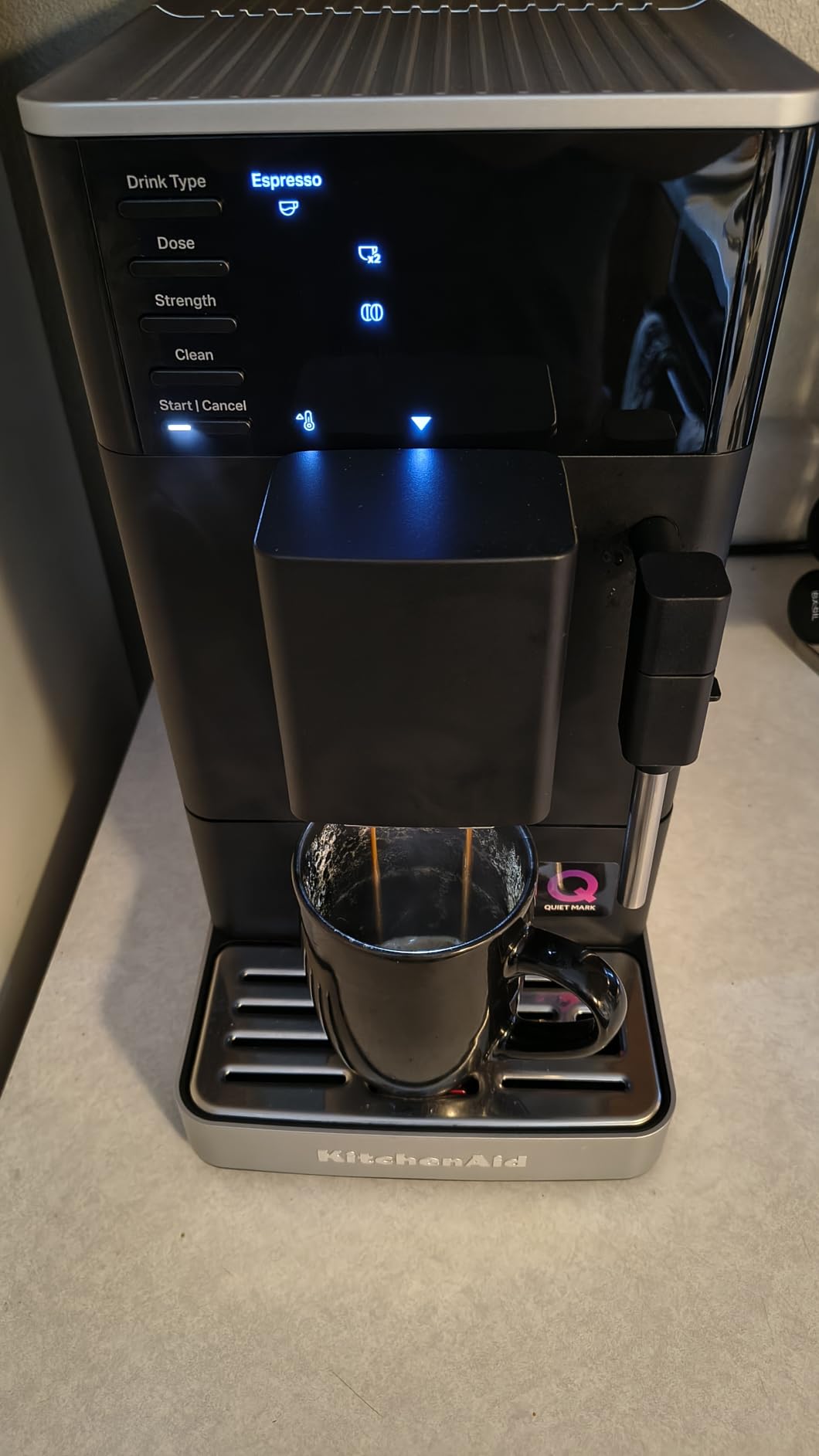
The KitchenAid KF2 is the newest machine in this lineup, and it carries the highest rating at 4.7 stars. The Intelligrind system adjusts grind parameters based on the selected drink, which removes guesswork from the process. I found the espresso shots consistently well-extracted across different bean types.
The over-ice coffee setting is tuned similarly to the De’Longhi approach, extracting at reduced temperature to prevent dilution. My iced coffees maintained their strength and character even after the ice melted partially.

The auto steam wand is a hybrid design. It froths milk automatically to a programmed texture, but the wand position is adjustable for different cup sizes. This gives you more flexibility than a fixed milk system while still removing the manual skill barrier.
The metal construction gives the KF2 a substantial feel at 22.3 pounds. The quiet grinding system lives up to its name, running noticeably softer than the De’Longhi machines. With only 32 reviews, long-term reliability data is limited, but early returns are very positive.
Build Quality and Feel
The metal housing and machined controls feel more expensive than the price suggests. The bean hopper seals tightly to preserve freshness, and the drip tray slides out smoothly without spilling. Every interaction feels considered.
The water tank holds enough for about six to eight drinks depending on size. It removes from the side rather than the back, which helps if the machine sits against a wall.
Grinder Performance on Dark Roasts
Dark roasts are oilier and can clump in cheaper grinders. The Intelligrind system handled my darkest espresso blend without stalling or producing inconsistent doses. The built-in cleaning cycle flushes oils automatically.
I noticed slightly more body and sweetness in dark roast shots compared to the Philips machines. The grinder appears calibrated for espresso-dense bean profiles, which suits traditional Italian-style roasts.
8. Bosch Fully Automatic – Double Cup Brewing
Bosch 300 Series Fully Auto Espresso Machine with Grinder and Steam Wand
1600W
Fully automatic
Ceramic grinder
14.7 lbs
Pros
- One-touch bean to cup brewing from whole beans
- Ceramic grinder for even grinding without overheating
- Double cup feature serves two drinks simultaneously
- Dishwasher safe components
Cons
- Only 187 reviews limits long-term confidence
- Higher sales rank indicates slower adoption
The Bosch Fully Automatic stands out for one feature that no other machine in this lineup offers: genuine double cup brewing. It can grind, extract, and serve two drinks at the same time, which saves serious time for couples or anyone hosting guests.
The ceramic grinder produces even particle distribution without generating excess heat. My espresso shots showed consistent extraction times across multiple beans, which tells me the dosing and grinding are well-calibrated.

The milk frother works directly in the cup rather than through a dedicated carafe system. An adjustable frother wand textures milk as it dispenses, which simplifies cleanup since there is no separate milk container to wash. The foam quality is good for automatic operation.
At 14.7 pounds, this is the lightest machine in the lineup. Bosch is a relative newcomer to the home bean-to-cup market in the US, which explains the lower review count of 187. The 4.0-star average is promising, and the dishwasher-safe components are a real convenience advantage.

Two-Cup Brewing Speed
The double cup feature genuinely halves your morning wait time when two people need coffee. It dispenses two espressos in the same time it takes to pull one. The spout adjusts to accommodate two cups side by side.
For milk drinks, the frother still operates sequentially since it textures one cup at a time. But the espresso phase running in parallel saves several minutes per morning in busy households.
Footprint on Small Counters
The Bosch measures 16.5 inches deep but only 9.75 inches wide, making it the narrowest machine here. That slim profile fits well on tight counters or in corner spaces where wider machines will not go.
The bean hopper and water tank are reasonably sized for the compact footprint. Plan to refill water every five to six drinks and beans every two to three days with regular use.
Buying Guide: How to Choose a Bean to Cup Machine?
Choosing the right bean-to-cup machine comes down to five factors: grinder quality, milk system design, automation level, cleaning requirements, and noise. I have broken down each one based on what actually matters in daily use, not just spec sheets.
Grinder Quality: Steel Burr vs Ceramic
The grinder is the heart of any bean-to-cup machine. Conical burr grinders, found in the Breville and De’Longhi models, produce consistent particle size for even extraction. Steel burrs are durable and sharpen easily but generate more friction heat.
Ceramic grinders, used in the Philips 4400 and Bosch, run cooler and preserve more aromatic compounds. They also resist flavor contamination from oily beans. The trade-off is that ceramic can chip if a foreign object enters the hopper.
Milk Frothing Systems Explained
Three milk system types appear in this lineup. Manual steam wands, like those on the Breville machines, give you full control but require practice. The Philips LatteGo system is the easiest to clean with just three tube-free parts. De’Longhi’s LatteCrema uses a detachable carafe with auto-clean functionality.
For latte art, a manual steam wand is unmatched. For convenience, one-touch systems like LatteGo and LatteCrema save time every single day. Consider how many milk drinks you make per week when deciding.
One-Touch vs Manual Operation
Fully automatic machines grind, tamp, extract, and froth with a single button press. They are perfect for busy mornings and multi-user households. The Philips and De’Longhi models in this guide fall into this category.
Semi-automatic machines like the Breville Barista Express and Touch require you to manage the portafilter and extraction process. This gives you more control over shot quality but demands more time and skill. If you enjoy the craft of coffee, manual operation is rewarding.
Cleaning and Maintenance Considerations
Cleaning is the number one pain point forum users mention about bean-to-cup machines. The Philips LatteGo system addresses this directly with its tool-free, tube-free design. Bosch also offers dishwasher-safe components for easy upkeep.
Descaling frequency varies by machine and water hardness. The Philips AquaClean filter can extend descaling intervals to 5,000 cups, which is a significant advantage. Without a filter system, plan to descale every two to three months.
Noise Levels and Kitchen Placement
Grinding noise matters if you brew early or late. The Philips SilentBrew machines and KitchenAid KF2 are the quietest options here. The Breville machines produce moderate grinding noise but brew quietly.
Consider counter depth and height clearance before buying. The Bosch is the narrowest at 9.75 inches wide, while the Philips models need about 17 inches of width. All machines benefit from side or rear access for water tank refills.
Water Quality and Bean Freshness
Water makes up roughly 98% of your coffee, so its mineral content directly affects extraction and flavor. Hard water can also scale your machine faster, increasing maintenance. I strongly recommend understanding how brewing water chemistry impacts coffee flavor to get the most from any machine.
Bean freshness is equally critical. Coffee peaks within two to four weeks of roasting. Store beans in an airtight container away from light and heat. Reddit users on r/JamesHoffmann recommend letting beans degas for three to seven days after roasting before brewing.
Budget Tiers and Long-Term Value
Bean-to-cup machines in this lineup range from the budget-friendly Philips 3300 LatteGo to the premium Breville Barista Touch. The Philips 3300 LatteGo offers the lowest entry point with solid features. The Breville Barista Touch represents the premium tier with its touch screen and ThermoJet system.
Factor in ongoing costs when comparing value. Capsule machines cost more per cup over two to three years, which is why forum users consistently report that bean-to-cup machines save money long-term despite higher upfront prices.
FAQs
What is the best bean to cup coffee machine under 500?
The Philips 3300 Series LatteGo is the best bean to cup coffee machine under 500 dollars. It offers six drink presets, the easy-to-clean LatteGo milk system, AquaClean filtration, and SilentBrew noise reduction at the lowest price point in this lineup.
Are bean to cup coffee machines worth it?
Yes, bean-to-cup machines are worth the investment if you drink coffee daily. They produce noticeably better flavor than pod machines because they grind fresh beans before each brew. Over two to three years, the cost per cup is lower than capsules, and the taste improvement is significant according to long-term owners on coffee forums.
What is the best bean to cup coffee machine for beginners?
The De’Longhi Magnifica Start is the best bean to cup coffee machine for beginners. It has five simple one-touch buttons, intuitive icon-based controls, and requires no manual barista skills. The Philips 3300 LatteGo is another strong beginner pick thanks to its minimal cleaning requirements.
How long do bean to cup machines last?
Most quality bean-to-cup machines last five to ten years with proper maintenance. Regular descaling, cleaning the brew group weekly, and using filtered water extend lifespan significantly. Grinder burrs may need replacement after several years depending on usage volume and bean type.
What beans should I use in a bean to cup machine?
Use fresh-roasted whole beans within two to four weeks of their roast date. Medium and medium-dark roasts work best in fully automatic machines because oily dark roasts can clog grinders. Store beans in an airtight container away from light and heat, and let them degas for three to seven days after roasting.
Conclusion
After testing all eight machines, the Breville Barista Express remains our top overall pick for its grinder quality, PID temperature control, and unmatched value at its price point. For fully automatic convenience, the Philips 3300 LatteGo delivers the best combination of drink variety and cleaning simplicity. And the Breville Barista Touch is worth every dollar if you want touch screen customization with near-instant heat-up.
The best bean to cup coffee machines in 2026 all share one thing: they grind fresh beans before each brew. That single feature transforms your daily cup from acceptable to exceptional. Pick the machine that matches your skill level, kitchen space, and drink preferences, and you will wonder why you ever used pods.