
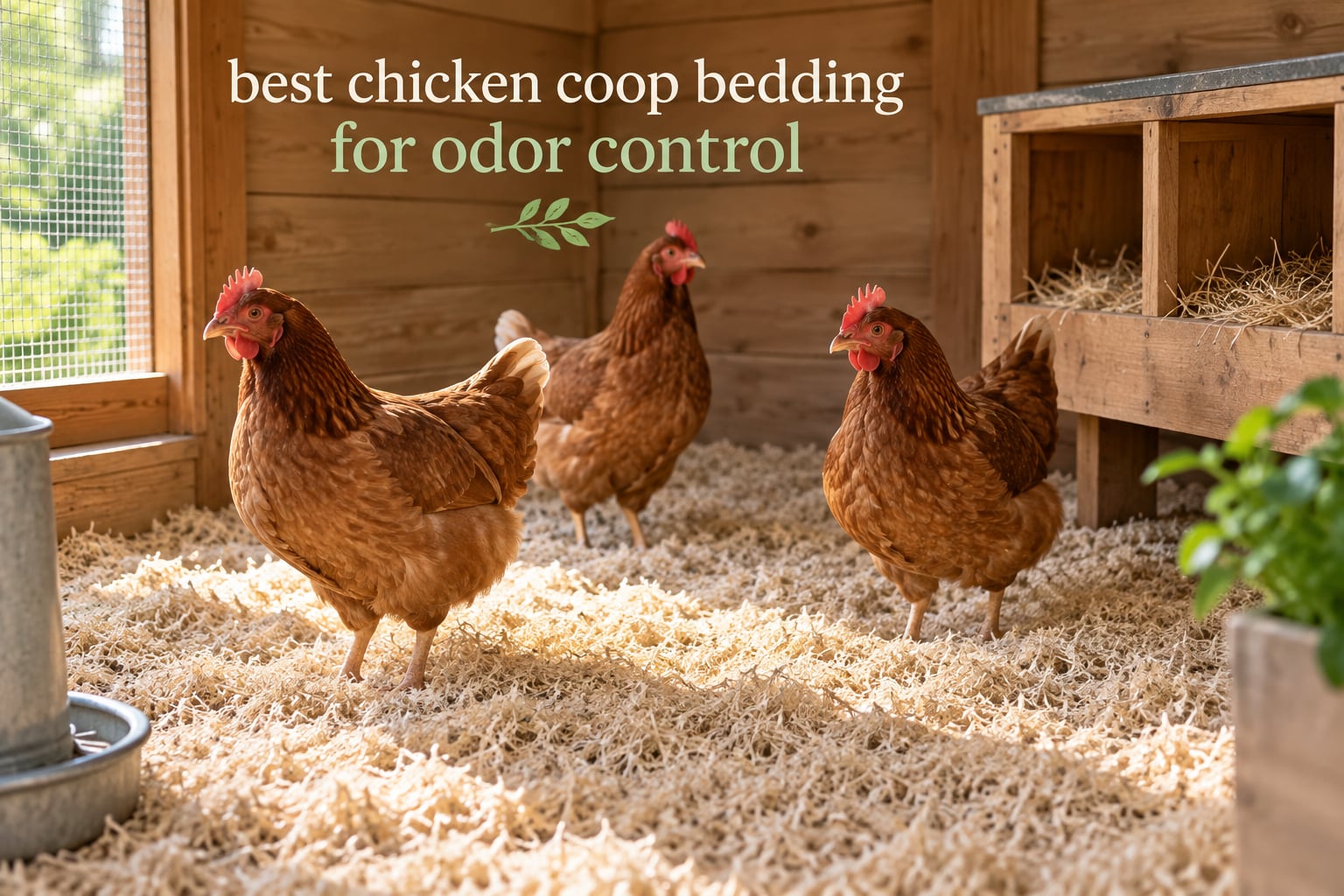
If you open the coop door and get hit with a sharp ammonia sting, the bedding is the first thing most keepers blame and the last thing that actually fixes it. Choosing the best chicken coop bedding for odor control is about picking a dry, absorbent, low-dust material that keeps manure from breaking down in place, then giving that material the airflow it needs to work. We compared 12 bedding and odor-control products side by side for 2026, read through thousands of owner reviews, and sorted out which ones earn their space in a real coop.
One thing came out of every conversation we had while researching this: no product rescues a wet, poorly ventilated coop. A leaking drinker, a roof gap that lets rain blow in, or a run with no airflow will overpower any bedding on the market. Fix the water, fix the air, then choose the litter. Everything below assumes that order, because a deodorizer sprayed over soaked bedding is just expensive sand.
We also have to be honest about the data here. Low-dust claims are not consistent between brands, and the words odor control get stretched across everything from scented pine to granulated zeolite. So we leaned on review volume, material specifics, and the honest complaints owners wrote about, not on the marketing adjectives. Where a claim is the manufacturer’s own (like an absorbency multiple), we say so.
What follows: a three-pick shortlist, a full comparison of all 12 products, an individual write-up for each one, then the practical sections that decide whether your coop smells — the ammonia science, what to avoid, sand versus pine shavings, DIY bedding, layering, and a buying guide that matches material to climate. Start here if you want the short answer; scroll if you want the reasoning.
Table of Contents
Top 3 Best Chicken Coop Bedding Picks for Odor Control in 2026

Eaton Hemp Bedding 8 Lb
- USA-grown hemp hurd
- Up to 2x pine absorbency
- Low-dust and soft
- Paper packaged
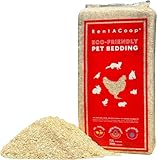
RentACoop Hemp Bedding 30Lb
- Low-dust formula
- Super absorbent odor control
- Supports deep litter
- Biodegradable

Small Pet Select Pine Pellets
- Unbleached pine
- 99% dust-free
- Expands when wet
- Easy spot cleaning
The short version: hemp hurd leads on odor control and dust, pine pellets lead on practical spot cleaning, and zeolite leads if your problem is ammonia molecules already in the air rather than wet litter. All three have review counts high enough that the pattern is not a fluke.
Quick Comparison of All 12 Bedding and Odor-Control Products (October 2026)
Every product below appears in the same format: what it is made of, what it does about odor, and where it fits. The full table lets you scan the whole field in a few seconds before you read any single write-up.
| Product | Specifications | Action |
|---|---|---|
| Eaton Pet and Pasture Hemp Bedding 8 Lb |
|
Check Latest Price |
| RentACoop Premium Hemp Bedding 30 Lb |
|
Check Latest Price |
| Small Pet Select Pine Pellet Bedding |
|
Check Latest Price |
 Standlee Flock Fresh Poultry Bedding Standlee Flock Fresh Poultry Bedding |
|
Check Latest Price |
 Small Pet Select Hemp Hurd Bedding Small Pet Select Hemp Hurd Bedding |
|
Check Latest Price |
 Small Pet Select Pine Shavings 141L Small Pet Select Pine Shavings 141L |
|
Check Latest Price |
 Premium Chicken Sand 100 Lb Total Premium Chicken Sand 100 Lb Total |
|
Check Latest Price |
 All Walks Hemp Bedding 18.5L All Walks Hemp Bedding 18.5L |
|
Check Latest Price |
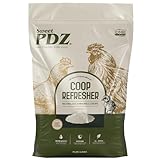 Sweet PDZ Coop Refresher Zeolite Sweet PDZ Coop Refresher Zeolite |
|
Check Latest Price |
 FlockLeader Healthy Coop Neutralizer FlockLeader Healthy Coop Neutralizer |
|
Check Latest Price |
 Chicken Chick Sweet Coop Zeolite Chicken Chick Sweet Coop Zeolite |
|
Check Latest Price |
 Manna Pro Coop N Compost Deodorizer Manna Pro Coop N Compost Deodorizer |
|
Check Latest Price |
A note on how to read the table: absorbency figures come from the manufacturers and are not tested on the same basis across brands, so treat them as relative rather than exact. Review counts are the better signal for real-world performance, and the two poultry sand and Manna Pro entries have the fewest verified owner photos of the group.
1. Eaton Pet and Pasture Hemp Bedding (8 Lb) — Best Overall for Odor Control
Eaton Pet and Pasture Hemp Bedding for Chickens, Rabbits, Small Pets, 8 Lb
Hemp hurd material
8 lb bag
6.3 lb item weight
4.7 stars from 817 reviews
Pros
- Highest average rating in this group at 4.7
- Very absorbent with up to 2x pine shavings absorbency claimed
- Low dust and soft enough for nesting boxes
- Recyclable paper bag from American-grown hemp
Cons
- Higher cost per volume than pine shavings and pellets
- Only two bag sizes available for the line
This is the bedding I keep coming back to for odor work, and it earned the top slot on numbers rather than enthusiasm. It holds a 4.7 average across 817 reviews, with 81% of those reviews at five stars, and it is the only product in the group rated above 4.6 with a review count that large. That combination is what you want when your coop smells: a material people have actually kept using long enough to write a paragraph about.
The material is hemp hurd, the soft inner core of the hemp stalk, not shavings and not fiber. Owners describe it as noticeably less dusty than pine, and several mention that the coop has no pine scent at all, which matters if you are sensitive to aromatic wood odors yourself. It also holds up as a nesting material: eggs sit on it without rolling, and the cushioning is gentle on feet.
On odor specifically, the manufacturer claims absorbency of up to two times pine shavings. Independently, the review pattern backs the direction of that claim even if the exact multiple is marketing. The recurring note across reviews is that bedding stays drier for longer between cleanouts, and drier bedding is the whole game — ammonia comes from wet manure breaking down, not from dry litter sitting there.
The practical wrinkle is packaging. This line comes in 8 lb and 33 lb bags, so a 12-bird flock on the deep litter method means the heavier bag or multiple trips with the small one. The 8 lb bag is genuinely the better choice for a brooder, a nest box refill, or a first-coop owner testing whether hemp suits their flock at all.
What makes it worth the higher cost per bag
If your coop is humid, or you are not able to clean out litter every week, the buy gets easier to justify. Owners running a larger flock with deep litter report that cleanouts drop to a few times a year rather than monthly, and that alone spreads the cost across months. Hemp bedding also composts cleanly, so the used material still has value at the end.
On a backyard chickens thread about the best and worst coop bedding, owners named this hemp bedding specifically for being dust free and for absorbing smells well. That is the exact two-part problem we were trying to solve, and it is why this one is first.
Where it will disappoint you
The price per volume is the honest drawback, and reviewers mention it directly. If you have a large run or a big flock on a tight budget, pine pellets will get you most of the way for considerably less. Also note the limited size range — if you need a small amount occasionally, the 8 lb bag is the only option, and if you need a lot monthly, you are committing to the 33 lb bag.
2. RentACoop Premium Hemp Bedding (30 Lb) — Best for Deep Litter Systems
RentACoop Premium Hemp Bedding for Chickens, Rabbits, Horses – 300L (30lbs)
Hemp bedding
29.5 lb bale
About 10.6 cu ft expanded
4.5 stars from 1733 reviews
Pros
- Largest review base of any bedding in this roundup
- Soft rounded fibers gentle on feet and feathers
- Easy to sift and spot clean
- Reduces cleaning to 1-3 times yearly on deep litter
Cons
- Bulky bale format needs storage space
- Some users find the material finer than expected
This has the most owner reviews of any bedding on this list at 1733, and the feedback is unusually consistent. People use it for chickens, chicks, rabbits, guinea pigs, hamsters and gerbils, and the same two words keep showing up: low dust and absorbent. The rating is 4.5, with 80% of reviews at five stars.
The manufacturer lists expanded volume at roughly 10.6 cubic feet from the 29.5 lb bale, which covers about 60 square feet at a 2 inch depth. That number is the single most useful planning figure in this whole roundup, because most people underestimate how much bedding depth they need for odor control to work at all. Shallow litter dries in patches and smells; deep litter holds moisture below the surface where it can be turned.
This is the one to buy if you intend to run the deep litter method rather than weekly cleanouts. The product is explicitly positioned to support it, with owners reporting that cleanings drop to one to three times a year on an established deep litter system. The fibers are soft and rounded, which matters under roosts where birds spend the night and any sharp edge becomes a foot or breast blister risk.
Composting is straightforward here: the material is natural and biodegradable with no synthetic chemicals or pesticides, so spent bedding goes straight onto a pile. For anyone running a worm bin, that matters more than the brand name does.
Who this suits best
Keepers with more than about eight birds, keepers in humid climates, and anyone who already travels for a few days at a time. It also works well in brooders, though the smaller 8 lb hemp option on review one is easier to handle for chicks. The low-dust claim here is consistent with what owners report, which is not something we can say for every product in this roundup.
Where the setup fights back
Storage is the main practical issue. A 29.5 lb bale is bulky, and a shed that fits the coop may not fit the bale plus the deep litter depth you want. A minority of owners also report the material is finer than they expected, which makes full sifting slower — worth knowing if your plan depends on scooping out wet spots daily rather than turning the whole bed.
3. Small Pet Select Pine Pellet Bedding (20 Lb) — Best Value for Everyday Coops
Small Pet Select Pine Pellet Bedding for Rabbits & Guinea Pigs, 20 lb
Pine pellet bedding
20 lb
7.87 x 7.87 x 5.91 inch box
4.6 stars from 979 reviews
Pros
- Excellent moisture absorption extends time between changes
- Triple-screened and 99% dust-free
- No additives or artificial scents
- Recyclable and compostable
Cons
- Birds may need time to adjust to the pellet texture
- Dust when pouring
- Marketed more toward rabbits and guinea pigs than poultry
When people ask for the practical answer rather than the premium one, pellets are usually where I land. This bag holds a 4.6 average across 979 reviews, sits in the same rating band as the top pick, and the odor story is mechanical: pellets expand when they get wet, which means a wet patch turns into dry, scoopable clumps instead of a caked mat stuck to the floor.
That expand-when-wet behavior is the whole advantage. Droppings sit on top of the pellet bed rather than sinking into it, so you can remove the dirty layer without stripping the whole floor. Owners using it in coops report noticeably fewer bedding changes, and the material is unscented, which is a genuine advantage if a strong pine odor is part of what you dislike about your coop.
It is 100% natural unbleached pine with no additives, chemicals or artificial scents, triple-screened to be 99% dust-free, and made in the USA. The manufacturer also positions it as a toxin-free alternative to wood stove pellets, which is worth noting because not all pine pellets are interchangeable and some are pressed with binders intended for stoves.
Two bag sizes are available, 8 lb and 20 lb, so it is easy to test before committing. Spent bedding is compostable, and reviewers consistently call out that the pellets do not cling to fur, feathers or feet, so spot cleaning stays quick.
Why this one earns the value slot
It does the two things that actually reduce smell — takes moisture away fast and stays dry on top — without the per-volume cost of hemp. For a flock of 10 to 20 birds on a normal cleaning schedule, this is the setup I would build first and upgrade later if the coop still smells. The 979-review base also means the dust claims have been tested by a lot of people, not just by a marketing team.
Where it does not fit
Texture is the issue with birds. Some animals dislike the pellet feel at first and need a transition period, and chickens used to loose shavings sometimes ignore pellets for a day or two. Reviewers also note dust when pouring, so scoop rather than rake, and consider a mask if you are sensitive. Finally, this bedding is marketed primarily for rabbits and guinea pigs, so if you need a material a chick can safely be brooded on, look elsewhere.
4. Standlee Flock Fresh Poultry Bedding (2 Cubic Feet) — Best for Compost Returns
Standlee Hay Company Flock Fresh Premium Poultry Bedding, 2 Cubic feet
Poultry bedding with deodorizer
2 cubic feet
19.8 lb
25.5 x 9.25 x 14.75 inches
Pros
- Neutralizes odors through ion exchange
- Very dry and fluffy for nest cleaning
- Disintegrates easily and rereleases nutrients in compost
- Poultry and guineafowl forage and nest in it willingly
Cons
- Occasional light dustiness reported
- A torn inner bag on arrival can spill bedding
- Costs more than comparable bedding for some buyers
This is hay-based bedding with a built-in deodorizing additive, and it is the only product here that approaches odor control chemically rather than purely physically. The manufacturer describes it as attracting harmful compounds and neutralizing odors through ion exchanges, which is a different mechanism from the absorbency that drives the hemp and pellet products. It rates 4.6 across 575 reviews with 79% five stars.
Chickens and guineafowl genuinely seem to like it. Owners report birds scratching through the hay and building nests in it, and the material is very dry and fluffy, which makes stripping a dirty nest box a fast job. At 19.8 lb for 2 cubic feet, it is also a dense bag that stores without the bulk problem a hemp bale creates.
The composting angle is the real reason to pick this one. Rather than sitting in a pile as inert carbon, spent bedding breaks down and rereleases nutrients, so a small flock generating used bedding every few months actually produces something useful for a garden. If you have a worm bin, keepers report this bedding is a good input.
It works for chicks and adult birds in the same coop, which is convenient during the awkward weeks when you have both. Nest boxes are its strongest application, and many buyers end up buying it for the boxes even when they use something else on the floor.
When this is the right call
Choose it if compost matters to your setup, if you want a soft dry nest material, or if you keep a mixed flock including guineafowl. It is also a reasonable bridge product for people moving from straw toward a lower-dust bedding, because it dries well and is forgiving of moderate moisture.
Where it falls short
Some users report occasional light dustiness, which matters more for you than for the birds if you are inside the coop scooping. A minority also report arriving with a torn inner bag, so check the bag before opening the bale. And several buyers note it costs more than comparable bedding, which narrows the argument for it to compost and nest performance rather than raw value.
5. Small Pet Select Hemp Hurd Bedding (18 Lb) — Best for Brooders and Chicks
Small Pet Select Hemp HURD Chicken Coop Bedding, Odor Control, 18 lb
Hemp hurd bedding
18 lb bag
26 x 9 x 17 inches
4.6 stars from 245 reviews
Pros
- Very low dust with little to no scent
- Soft warm texture that settles well for chicks
- Expands from a highly compacted bag
- Biodegradable and easy to compost
Cons
- Harder to sift than shredded bedding
- Higher cost per bag than pine bedding
This is the hemp option to look at if chicks are part of the equation. It is made from the inner core of the hemp stalk, described as low-dust and suitable for animals with sensitive respiratory systems, and owners consistently report very little dust and no scent compared with pine. It rates 4.6 across 245 reviews, with 79% five stars.
The manufacturer claims absorbency of up to 400% of the bedding’s own weight in moisture, which is the highest number any product here makes. Treat the exact figure as a lab claim rather than a coop measurement, but the direction matches what owners describe: bedding that stays drier longer and reduces how often you need to change it.
It works beyond chickens. Reviewers use it in quail setups and guinea pig cages with good results, and the soft texture means birds settle rather than pace. The bag is highly compacted at 18 lb in a 26 x 9 x 17 inch package, so storage is easier than a loose bale, and it expands to generous coverage once fluffed.
Less scent is the underrated benefit here. In a small brooder sitting inside a house, a pine odor can make the room unusable, and owners of this bedding specifically mention having no aroma at all. For an indoor brooder that is a practical advantage rather than a preference.
What to check before buying
Size is the first thing. This line comes in 18 lb and 36 lb, so a brooder or nest box refill only needs the smaller bag. The second check is your sifting plan, because several reviewers say this material is harder to sift than shredded bedding and you need the right scoop to work through it quickly.
Where it will not fit the budget
Cost per bag is the recurring complaint, and for a large run or a big flock the numbers stop making sense. If your birds are adult layers in a well-ventilated coop, pine pellets give you most of the same dry-floor result for less. Save the hemp for the brooder and the nest boxes, where the low dust and softness are hardest to replace.
6. Small Pet Select Pine Shavings (141L) — Best for Nest Boxes
Small Pet Select Pine Shavings Chicken Bedding, Chicken Coop Bedding, Wood Shavings, Great for Hen Nesting Boxes and Chick Brooders, 141L
Pine shavings
141 liter bag
12 lb
25 x 16.75 x 9 inches
Pros
- Triple-screened to be 99% dust-free
- Absorbs three times its weight in moisture
- Soft texture with a mild pine scent
- Works for chickens
- chicks
- rabbits and guinea pigs
Cons
- Some dust at first when chicks kick the shavings
- Sharper chips can catch very young chicks
- Costs more than bedding found in local pet shops
Shavings remain the default for a reason. This 141 liter bag is made from 100% natural pine, triple-screened to reduce dust, and the manufacturer claims it absorbs three times its weight in moisture. Owners report good odor control, no mold development even in damp spells, and birds that seem to prefer the texture over paper bedding.
Nest boxes are where shavings earn their place in my opinion. They are soft, they hold shape in a box, and a hen will rearrange them herself, which she rarely does with pellets. The mild pine scent is pleasant to most people and, unlike scented deodorizers, it is not a fragrance added on top of the problem.
At 12 lb the bag is lighter than most competitors here, and it is well packed so it expands to a large usable volume. Owners report using it for a range of animals, which is useful if you keep chickens and rabbits together or move bedding between a brooder and a cage.
Composting is straightforward, since the shavings are fully biodegradable and compostable and made in the USA from sustainably sourced pine. The same material in the nest boxes and on the floor can be stripped together and go on the pile.
Who should buy this one
Keepers on a budget who want a familiar, widely understood material, and anyone who prefers a milder natural scent over a scent-free floor. It also works for chicks once they are about a week old, which reviewers specifically recommend, and for other small animals in the same building.
Where the dust and chips show up
The 99% dust-free claim is about the screening, not a promise. Owners report a burst of dust when chicks first kick bedding around, and that settles once the litter settles. The other issue is sharp chips in the bag, which can catch or injure very young chicks, so start chicks on something softer and move them over at about a week.
7. Premium Chicken Sand (2-Pack, 100 Lb Total) — Best for Hot and Humid Climates
Premium Chicken Sand 50 lbs (2-Pack) – Dust-Free, Odor-Control Bedding for Chicken Coops, Nesting Boxes, and Runs – Natural Poultry Litter, 100 lbs Total
Coarse poultry sand
2 x 50 lb bags
100 lb total
Chemical-free and reusable
Pros
- Very low dust supports cleaner air for birds and keepers
- Uniform granules sift quickly for fast spot cleaning
- Keeps runs and coops dry
- Durable and reusable so replacement is infrequent
Cons
- Heavier and awkward to move than shavings or pellets
- Unsuitable for very young chicks that ingest bedding
- Sand does not compost like organic bedding
Sand is the answer for hot, humid runs where organic bedding turns into a wet mat, and this is the best-documented sand option in the group. It is 100% natural, chemical-free coarse sand sold as two 50 lb bags, rated 4.5 across 436 reviews, and it ranks in the top ten of Poultry Habitat Supplies. Reviewers single out the dust-free quality as the main reason for the rating.
The granules are uniform in size, which is what makes sand practical rather than a chore. Even granules sift fast, so you can pull out droppings and any soiled grit quickly, and the material does not compact into a hard floor. It is durable and reusable, so you are not replacing it every month the way you would with shavings.
Moisture handling is the real strength. Reviewers report that it keeps runs dry and cuts down on wet bedding and odor, which in a humid climate is often the difference between a coop that smells and one that does not. There are no owner photos on this listing, which is worth keeping in mind, but the written feedback is consistent and specific.
When sand is the correct choice
Coastal and subtropical keepers, anyone with a covered run that gets wet, and flocks that generate more manure than they can compost. Sand also works well under a row of nest boxes or in a high-traffic area around the chicken door where organic bedding gets destroyed daily. If birds spend a lot of time outdoors in wet weather, sand is the lowest-friction surface you can put down.
What you give up by using sand
Weight is the first thing you will notice, at 50 lb a bag it is genuinely awkward to carry, and moving a full run bed is a two-person job. It cannot go in a brooder because chicks will ingest it, so brooders need a separate material. And it does not compost the way hemp or shavings do, so if you were counting on bedding for garden compost, sand ends that plan.
8. All Walks Hemp Bedding (18.5L) — Best for Small Flocks
All Walks | Hemp Bedding for Small Animals 18.5L (3.7 LBS) | Low Dust, Odor Control, Highly Absorbent, Natural Cage Bedding for Rabbits, Hamsters, Guinea Pigs, Birds, and More
Hemp bedding
18.5 liter
3.7 lb
17 x 5 x 5 inches
Pros
- Triple-filtered for low dust
- Claimed absorbency of 4x pine
- 100% natural
- chemical-free and compostable
- Works for birds
- rabbits
- hamsters and reptiles
Cons
- Some buyers find it less absorbent than expected
- Costs more per liter than wood shavings
This is the entry point for someone with four hens and a small shed who wants to try hemp without buying a 30 lb bale. The 18.5 liter bag holds 3.7 lb, it is triple-filtered for low dust, and it carries 1125 reviews, so the volume of real use behind it is substantial. The rating is 4.3, the lowest here, and the reason is worth understanding before you buy.
Most of the praise is the same as the bigger hemp bags: low dust, a natural feel, reduced odor, easy spot cleaning. The manufacturer claims it absorbs four times as much as pine, and the product is a USDA Certified Biobased Product made of 100% natural hemp with no chemicals.
The reservations are consistent enough to plan around. A minority of buyers feel it does not absorb as much as expected or lasts less long than conventional bedding in very wet enclosures, and several note that hemp costs more per liter than wood shavings. With a 4.3 average and about 69% five stars, the disappointment rate is real but not alarming.
The instructions are helpful: add 1 to 2 inches and spot clean as needed, which suits a small flock where a full changeout is a ten-minute job anyway. A 40 liter version is also available if your birds spread out through the summer.
Why I would start here rather than with a bale
For a flock under about six birds, a full 30 lb hemp bale is more material than you can use before it starts absorbing moisture in the bag. The small bag lets you judge the dust level and the scent in your own coop, in your own climate, without committing to a system. If the flock grows, you can move up to the larger options with a real opinion formed by then.
Where it underperforms
If your coop is genuinely wet, or if a drinker leaks regularly, this bedding will not outrun the problem. Reviews that describe it as less absorbent than expected cluster around wet enclosures, which is exactly the situation where you also need to fix a leak. On value grounds, pine pellets remain harder to argue with for a small flock on a budget.
9. Sweet PDZ Coop Refresher Zeolite (10 Lb) — Best for Whole-Coop Odor Control
Sweet PDZ – Coop Refresher – Zeolite Odor Eliminator – Essential Chicken Coop Accessory – 10 lbs
Zeolite deodorizer
10 lb bag
9.7 lb
3.5 x 15 x 7 inches
4.6 stars from 4426 reviews
Pros
- Neutralizes ammonia at the source rather than masking it
- Keeps bedding dry which helps reduce foot and respiratory issues
- OMRI listed with no perfumes or additives
- Used bedding still works as compost
Cons
- Can be dusty when poured
- Some buyers find 10 lb smaller than expected for the coverage
This is the most heavily reviewed product in the entire roundup at 4426 reviews, with a 4.6 average and 80% five stars. It is not bedding, it is an additive you work into the litter, but if your problem is ammonia specifically then it is the single best-evidenced option here. No other product has this much long-term owner feedback behind it.
It is 100% natural zeolite mineral with no perfumes, additives or chemicals, and it is OMRI listed for organic production. Zeolite works by binding ammonia molecules rather than covering a smell with a fragrance, which is the difference between removing the odor and perfuming it. Reviewers repeatedly describe the change as a reduction in ammonia rather than a new scent.
Using it properly makes a real difference. The granules are scattered over the bedding, concentrated under roosts, around waterers and in nest boxes, and worked in lightly. Owners report drier bedding, fewer odor complaints, and an extension of the time between full changeouts. It also suits a wide range of animals beyond chickens, including waterfowl, quail, rabbits and housed birds.
One detail keepers like: the minerals bind waste into compost-friendly material, so the bedding still goes on the pile afterward. That matters for anyone running a closed-loop system.
Why this pairs well with any bedding
Because it is an additive, it stacks. Hemp bedding plus zeolite gives you absorbency plus chemical capture, and several owners run exactly that combination. It is also the honest answer for the question of whether a deodorizer can remove ammonia, which the FAQ below covers in full.
The dust caveat nobody mentions
Zeolite pours as a fine powder and a minority of buyers report visible dust while spreading it, so wear a mask and spread it when the flock is out of the coop. Do not scatter a thick layer, because fine powder sitting loose is exactly what chickens turn into airborne grit as they scratch. Mix it into damp bedding instead, and use the granules under roosts where there is no scratching.
10. FlockLeader Healthy Coop Odor and Moisture Neutralizer (12 Lb)
FlockLeader Healthy Coop, Odor & Moisture Neutralizer for Chicken Coop,12lb
Granulated coop neutralizer
12 lb
8.25 x 4 x 14 inches
4.6 stars from 606 reviews
Pros
- Combines probiotics
- zeolite and organic acids
- Live bacteria grown in the USA
- Works on odor
- moisture and microbial growth at once
- Weekly sprinkle around nesting and roosting areas
Cons
- Needs consistent weekly application to keep working
- Granules get kicked and scattered by active birds
Most coop additives are a single mechanism. This one is three: probiotics, zeolite and organic acids, in a granulated formula from a manufacturer with agricultural roots. It rates 4.6 across 606 reviews with 78% five stars, and owners who like it tend to like the probiotic angle rather than plain mineral alone.
The logic is straightforward. Zeolite absorbs moisture and binds ammonia, organic acids lower the pH that bacteria producing ammonia prefer, and the live bacteria work against the organisms causing the smell in the first place. Owners report fresher coops and drier bedding after a few weeks of regular use.
It is safe for all poultry species and for use around the household, which matters if children or other pets share the space. Four pack sizes are offered, from 6 lb up to multi-pound packs, so it is easy to match a bag to a coop size rather than overbuying.
The manufacturer emphasizes that the bacteria are USA-grown and preserved through a specific drying process, guaranteed for full shelf life. That is a reasonable thing to pay attention to, since a probiotic that has died on the shelf is just zeolite with a higher cost per pound.
Where this beats plain zeolite
If your problem is recurring odor that returns every few weeks regardless of how you clean, the multi-mechanism approach tends to hold better than mineral alone. It is also a sensible choice for a coop that stays damp for stretches in spring, when moisture management matters as much as smell. The weekly sprinkle routine fits naturally into a normal cleaning day.
Where it will frustrate you
This is a maintenance product, not a set-and-forget one. Owners are explicit that results depend on staying on a weekly schedule, and if you skip two weeks after a wet month you will notice the difference. The granules also get kicked and scattered by active birds, so you will be reapplying more than the label suggests in a busy coop.
11. The Chicken Chick Sweet Coop Zeolite Enhancer (5 Lb)
The Chicken Chick Sweet Coop, Zeolite Bedding Enhancer, 5lb Bag
Clinoptilolite zeolite
5 lb bag
9.5 x 4 x 13 inches
4.6 stars from 1073 reviews
Pros
- Single ingredient with no fillers or additives
- Less dusty than competing zeolite products
- Effective on roosts
- droppings boards and in litter boxes
- Compost-safe so droppings can go straight on the pile
Cons
- 5 lb bag is small relative to the coverage
- Some residual dust when pouring
This is the cleaner zeolite. The ingredient list is clinoptilolite granules and nothing else, a naturally occurring volcanic mineral, which is why owners comparing it with other zeolite brands keep saying it is less dusty. It holds a 4.6 average across 1073 reviews, with 79% five stars, and it suits a wide range of animals from chickens and ducks to rabbits, hamsters and cats.
Droppings boards are its strongest application. The granules absorb residual moisture on a cleaned board, and they work well under roosts where ammonia concentrates and where bedding is thinnest. Owners with roosting bars report the clearest odor improvement in those zones specifically.
It is recommended from one month of age up, so it fits a flock with young birds. Because the granules are fine and compost-safe, droppings can go straight onto the pile without separating anything out, and the fine texture does not irritate paws of other animals sharing the space.
Use it as a bedding enhancer rather than a floor covering. Sprinkle it beneath and on top of litter, concentrating it where manure lands, and it works in litter boxes as well.
When this is the smarter zeolite
Choose it if you have ever been put off by the dust cloud from a zeolite product, if you have animals other than chickens in the same building, or if you want a single-ingredient additive with nothing else in the bag. It is also a good fit for anyone with a small number of birds and a 5 lb size that is easy to store and to finish before it goes stale.
The coverage problem
The consistent complaint is size. Five pounds is not much once you are treating a whole floor plus roost boards, and several buyers report needing multiple bags for a flock, which makes the per-pound cost less attractive than it looks. There is also some residual dust when pouring, though owners rate it as less than competing products.
12. Manna Pro Coop N Compost Deodorizer and Moisture Absorber (1.75 Lb)
Manna Pro Coop ‘N Compost Coop Deodorizer & Moisture Absorber, 1.75 lb
Zeolite powder deodorizer
1.75 lb
3 x 3 x 9 inch canister
4.5 stars from 922 reviews
Pros
- Reduces ammonia and general coop odor
- Absorbs moisture to prolong bedding usability
- Improves the nutrient quality of resulting compost
- Safe for chickens
- ducks and all poultry
Cons
- Small 1.75 lb size needs frequent reapplication
- Powder form creates dust when scattered
This is the oldest product in the roundup, a zeolite powder sold in a canister, and it still holds a 4.5 average across 922 reviews with 74% five stars. Long-standing users report steady ammonia reduction, drier bedding and easier cleanup in backyard coops, which is the kind of consistency you only get from a product people have been buying for a decade.
It is sprinkled directly over bedding, which makes it the easiest additive here to use. The mechanism is moisture absorption plus ammonia neutralization, and owners note that bedding stays usable longer because the powder pulls water out of the litter before it creates a wet mat.
The compost benefit gets repeated in reviews. Poultry waste plus zeolite produces a better compost, and for a small flock that wants to close the loop on a garden bed, that is a real if unglamorous return. It is safe for chickens, ducks and all poultry.
Where it earns a place in the setup
Think of it as a maintenance top-up rather than a primary additive. It works well in a coop with a small number of birds, a deep litter base you want to keep going, or a specific problem corner that keeps returning to wet. The fine powder mixes into damp litter easily, which is where it does the most work.
Why I would not build a system around it
The canister is small at 1.75 lb and 28 ounce refills are the practical size, so you are reapplying often. It is also a powder, and forum keepers specifically warn against scattering fine powders in a coop where chickens scratch near the floor, because loose powder becomes airborne grit. Work it in rather than dusting it on top, and keep the birds out of the coop while you spread it.
Why Does a Chicken Coop Smell Like Ammonia?
The smell is ammonia, and ammonia is a chemical signal of a specific problem: wet manure sitting long enough for bacteria to break down the nitrogen in it. Dry droppings smell of nothing much. Manure that has been damp for days releases ammonia gas, and that gas is what you smell the moment the door opens. So the odor is a readout, not a mystery.
University extension guidance on poultry housing treats ammonia as a respiratory hazard, not just an annoyance. Birds breathe through air sacs, and continued exposure to elevated ammonia causes eye irritation, coughing and respiratory damage that shows up later as poor production. The part that catches keepers out is that human smell sensitivity fades: you stop noticing ammonia long before your birds stop breathing it.
Three things produce that gas, and they are worth separating. First, moisture from droppings, drinkers and rain. Second, air, because ammonia only leaves the coop if it can travel out. Third, carbon, because litter that breaks down too completely with no fresh material on top loses the structure that lets air move through it. Fix any one of the three and the smell drops; fix all three and the coop can stay fresh for weeks.
That framing is also why every product in this roundup has a limit. Bedding controls moisture, additives control the molecules, and neither of them moves air. If a coop has no high vent and no low vent, no bag of hemp hurd will fix it.
What to Put in a Chicken Coop to Keep the Smell Down
The short answer is a dry, absorbent, low-dust floor covering, plus airflow, plus a fix for any water leak. Specifically: four to six inches of pine shavings, pine pellets, hemp bedding or poultry sand, kept loose rather than packed; a high vent near the roofline and a low vent at bird level; a dry floor under every roost; and a granular zeolite additive worked into damp litter if you still notice ammonia after a week.
There is an order that matters. Start by fixing water, because a leaking drinker or a rain-driven roof gap will soak any bedding you buy within days. Then fix air. Then choose the material. Bedding, then water, then deodorizer is the order that wastes the most money.
Two habits do more than any product. Scoop droppings daily so manure never sits in bedding, and stir the bedding every few days to aerate it. If you are not doing both, no amount of additive compensates. Keeping the bedding depth honest, deep enough to absorb and not so deep it goes anaerobic, is the third habit that pays off every single time.
What Not to Use as Chicken Coop Bedding
Cedar shavings are the first item on every unsafe list, and the reason is the aromatic oils in cedar, which cause respiratory irritation in birds. Some sources also note that the same oils can cause skin and feather problems with prolonged contact. The smell people associate with a fresh coop is the smell causing the problem.
Cat litter is the second. Clumping clay litter is designed to absorb urine, and while that sounds useful, it is not intended as an animal living surface and produces dust as birds scratch through it. Treated or painted sawdust comes next, since the preservatives in old lumber and the ink in glossy newspaper are both things you do not want near a bird that pecks at the floor.
Moldy hay and alfalfa are the quiet ones. Straw and hay are traditional and insulating, which is why they work in cold climates, but they mold quickly in damp conditions and moldy material harbors mites and respiratory irritants. If your bedding smells musty instead of sweet when you break it open, it is already compromised. Glossy-ink newspaper, walnut and cocoa mulch, and any bedding with a strong added fragrance round out the avoid list.
One more caution that catches experienced keepers. Baking soda, lime and other household powders scattered loose in a coop turn into airborne dust the moment birds start scratching, and the same goes for powdered deodorizers. They can be useful worked into damp bedding, never as a surface layer.
Sand vs. Pine Shavings: Which Wins for Odor Control?
For odor control inside a covered coop with a small flock, pine shavings win, because they absorb moisture quickly, hold it away from the manure, and can be turned or composted afterward. For a wet, uncovered run in a hot humid climate, or for anywhere birds spend most of the day outdoors, sand wins, because it does not decompose, does not mat, and does not hold the smell of months of accumulated organic material.
The real difference is what happens when bedding gets wet. Shavings swell, mat together, and turn into a sodden layer that has to be removed in chunks. Sand does not absorb liquid the same way, but it lets moisture pass through to a lower layer, drains, and stays workable. Neither one can fix a leak, but sand simply refuses to rot while shavings eventually do.
Dust is the tie-breaker in the other direction. If anyone in your household has asthma, or if you spend long periods inside the coop, sand is meaningfully easier on lungs, and the poultry sand in this roundup is specified as dust-free with uniform granules. Compostability is the final factor and it favors shavings, since spent pine bedding goes on a pile and spent sand has to be spread on paths instead.
Plenty of keepers run a mixed setup: sand in the run where the wear is heaviest, shavings under the roosts inside the coop. That gives you the drainage of sand where it matters and the absorbency and compostability of shavings where the manure actually falls.
DIY Bedding Options: Coffee Grounds, Cardboard Bedding, and Deep Litter
Deep litter is the DIY option that works best, because it changes the physics of odor control. You start with a deep base of coarse material, add fresh bedding on top weekly, and turn the layers so air reaches the buried manure. The carbon in the litter feeds aerobic decomposition instead of anaerobic decay, and the composted layer underneath builds over a season. Owners running this with hemp bedding report one to three full cleanouts a year.
Cardboard bedding is the underrated one. Flattened shipping boxes, shredded and dampened, make a cheap base layer that stays flat, holds moisture well and does not blow around in a run. It is a foundation layer rather than a surface layer, and it is especially useful under a deep litter system where you want something dense at the bottom. Avoid glossy-ink printing, and wet the cardboard so it stays put.
Straw and hay have a legitimate place, in cold climates and in nest boxes, but they are a poor odor choice in damp weather because they mold quickly and hold moisture in a hollow core. If you use them, keep them out of the wet zone and change them often.
Coffee grounds bedding: does it actually work?
Coffee grounds earn their reputation for one reason, which is nitrogen. They are a nitrogen-rich, carbon-poor material, and adding them to bedding is essentially a targeted feed for the compost microbes that turn chicken waste into stable organic matter. Used grounds from a cafe are typically available free, which is the other part of the appeal. Used on their own, though, they are a weak bedding: they stay damp, they clump, and in a wet coop they can make odor worse before they make it better. The sensible use is a thin layer mixed into carbon bedding, or a light top-dressing on a compost pile, not a full floor covering. Forum keepers raise this question constantly, and the consistent answer is that grounds are a compost accelerant, not a bedding material.
How to Layer Bedding and Use Zeolite for Maximum Odor Control
Start with a base of about four inches of coarse material, cardboard or wood shavings, on a floor that drains. Add four to six inches of your chosen bedding on top, which is the working layer birds actually contact. Spread a zeolite additive over the surface, heavier under roosts, around waterers and beneath nest boxes, then mix it in lightly so it sits inside the damp layer rather than on top of it. The absorb-and-bind logic is the same one we cover in our guide to the best 3D printer enclosures for odor control, just applied to a much larger and smellier enclosure.
From there, work in a routine. Scoop droppings daily, add a few inches of fresh bedding weekly, and turn the top layer with a fork or rake so air moves through it. Re-apply zeolite every week or two on the high-traffic zones rather than dusting the entire floor, which keeps powder where it binds ammonia and out of the air.
Know when the bed is finished. The signs are a smell that returns within hours of cleaning, a surface that stays damp in the morning, and bedding that has broken down into fine material rather than structure. At that point, either strip it down to the base and start over, or move the deep litter system forward by adding a thick fresh layer over the top. Both work; what does not work is adding a thin layer of new bedding over an already-failed one.
Chicken Coop Bedding Buying Guide: Climate, Cost and Maintenance
Match the material to your climate first, because that single factor beats every brand difference. In hot humid regions, sand in the run and pellets or hemp in the covered coop is the reliable pairing, because the run is where bedding fails first. In cold and freezing climates, hemp and pellets both insulate reasonably and dry out slowly, which matters more than raw absorbency. In arid climates the main job is dust, so hemp bedding or poultry sand beats shavings. In mixed climates, start with pellets and change only if dust or odor becomes a problem.
Think about cost per bird rather than cost per bag, which is what most comparisons leave out. A 30 lb hemp bale that expands to roughly 10.6 cubic feet and covers about 60 square feet at 2 inches is a very different number from a 19.8 lb bag of 2 cubic feet of hay bedding, and neither tells you much until you divide by the flock size and the months between changeouts. The useful number is the cost to keep one bird comfortable for a month, and for most small flocks that favors pellets, while for most larger flocks on deep litter the hemp bale is hard to beat on labor saved.
Consider dust as a health issue, not a comfort preference. Birds have air sacs and are sensitive to fine particles, and loose powder or fine shavings kicked into the air is a respiratory risk over a full flock lifetime. Triple-screened pine, hemp hurd and washed sand are all meaningfully better than generic shavings here, and any deodorizer in powder form should be mixed into damp bedding rather than scattered.
Match the maintenance effort to your schedule honestly. Weekly scoop-and-add systems work with any bedding. Deep litter systems reduce cleanouts to a few times a year but require a flock large enough to keep the lower layers composting and enough time each week to turn the bed. Sand is the lowest-effort daily option and the highest-effort option to move. A brooder needs something soft and low dust for chicks, which is a different requirement from an adult layer coop, and many keepers keep both materials on hand for exactly that reason.
Finally, plan for the end of the bedding. Hemp, shavings, pellets and hay bedding compost; sand does not. If you keep worms, the compostable options are dramatically better inputs, and used bedding is a small but real return on a flock that produces it monthly. If you are starting fresh, our guide to the best chicken coops covers sizing and floor setup, which determines how much bedding you need in the first place.
Frequently Asked Questions
Will a coop deodorizer actually remove ammonia?
A zeolite-based deodorizer such as Sweet PDZ or the Chicken Chick enhancer binds ammonia molecules rather than masking them, so it reduces the source of the smell. It works best in damp bedding under roosts, around waterers and in nest boxes. It will not fix ammonia from a wet litter floor that never dries, because the moisture keeps regenerating the gas.
Can I use baking soda in a chicken coop?
Baking soda absorbs odor, but scattering it loose in a coop is risky because chickens scratch close to the floor and turn fine powder into airborne dust. If you use it, mix a small amount into damp bedding rather than dusting the surface, and keep the birds out of the coop while you spread it. A granular zeolite additive handles the same job with far less airborne material.
How often should I use chicken coop deodorizer?
Most granular additives are re-applied weekly in the high-traffic zones, under roosts, around waterers and beneath nest boxes. A whole-floor application is unnecessary and raises the dust risk. Products with live bacteria, such as FlockLeader, need the weekly schedule more than plain zeolite does, since results fade if applications stop for a couple of weeks.
Why does my chicken coop smell bad after rain?
Rain drives moisture into the coop, wet manure breaks down faster, and damp bedding stops absorbing. The smell gets worse when warm humid air sits against a cold litter floor, which slows drying. Fix the source: check the roof and run cover for gaps, move waterers under cover, and add dry bedding over the top of the damp layer rather than stripping it while it is wet.
Can I use a deodorizer with the deep litter method?
Yes, and they work well together. Deep litter relies on turning the bed so decomposition stays aerobic, and a zeolite additive helps bind ammonia in the layers you cannot reach with a rake. Spread the additive into the top few inches of bedding rather than over the whole bed, keep the application thin to limit dust, and re-apply weekly where the birds concentrate.
Final Verdict on the Best Chicken Coop Bedding for Odor Control
For most backyard flocks, the best chicken coop bedding for odor control in 2026 is the Eaton Pet and Pasture hemp hurd bedding, backed by the highest rating in this group and a review base large enough to trust. If cost per bag is the deciding factor, Small Pet Select pine pellets give you the same dry-floor result with faster spot cleaning. If the smell is ammonia specifically rather than general damp-litter odor, add Sweet PDZ zeolite in thin, mixed-in layers.
Whichever you pick, the order of operations does more than the product. Fix the water, fix the air, keep bedding four to six inches deep and loose, scoop daily, and add an additive only once the litter is dry enough to hold it. Do that and the coop stops being something you hold your breath opening. If you are still planning the setup, our automatic chicken coop door comparison is worth reading next, since a door that keeps the flock moving and the litter turning is part of the same system.