
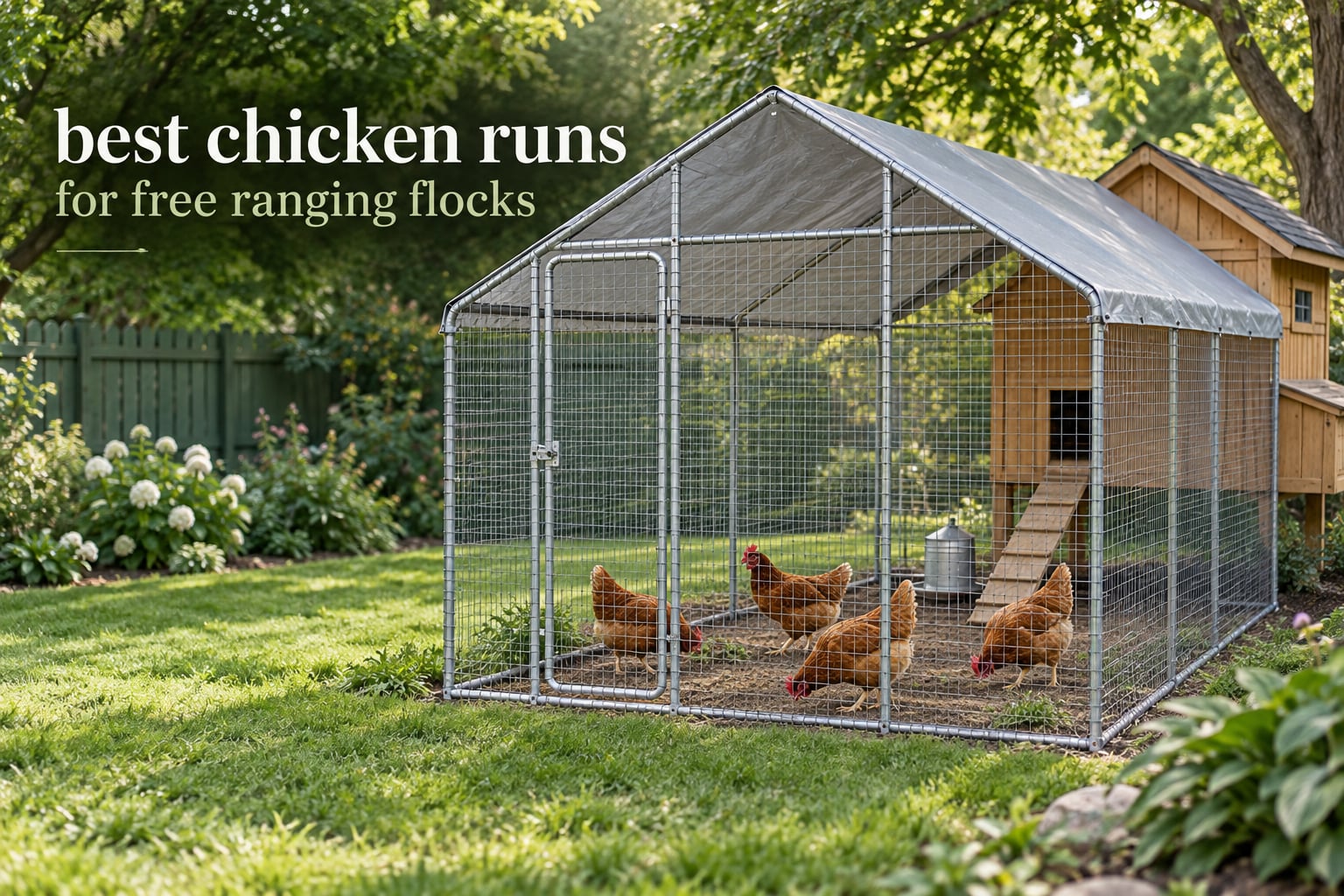
Free-ranging chickens give you the best days in poultry keeping and the worst losses. The birds strip a garden to bare soil in a single afternoon, then a fox, raccoon, hawk or loose neighbour dog takes one at dusk while the flock is still out.
That tension is exactly why the right chicken run matters. A run is not a replacement for free-ranging. It is the controlled halfway house that lets your flock forage for most of the daylight hours and then keeps them safe through the night and in bad weather, which is when most losses actually happen.
We compared 10 prefab chicken runs for free ranging flocks across frame gauge, mesh type, walk-in access, cover material and real review patterns. Our short version: every one of these needs reinforcement before you trust it with birds overnight, and the four steps that matter are the same on all of them. If you are still choosing a house first, start with our best chicken coops guide, then come back here for the daytime yard.
Table of Contents
Do Free-Range Chickens Still Need a Run?
Yes. Free-ranging birds still need a secure run, because dusk and overnight are when hawks, foxes, raccoons and weasels are most active, and because a run is what lets you control how long the flock is exposed in the first place. The run does not remove free-ranging. It makes the safe free-ranging window longer and the vulnerable window shorter.
Think of it as a schedule rather than a cage. Birds go out in the morning onto fresh ground, forage, dust bathe and sun themselves, then return to a covered run or a coop with an automatic door before dark. You get the daytime behaviour that keeps a free-ranging flock healthy while closing the hours when losses cluster. Keepers on automatic chicken coop doors use this pattern, opening the pop door at dawn and closing it at dusk.
The counterargument is fair. On large acreage with no predators and a guardian animal, some keepers range birds permanently and use a small covered run only for night. That is a land-and-labour decision rather than a run decision, and most backyard flocks are better served by a walk-in run that doubles as a daytime foraging yard.
How much space a free-ranging flock actually needs
Typical guidance is 8 to 10 square feet of run per bird, with more in hot climates. That assumes the run is doing real work: scratching, dust bathing and shade. A free-ranging flock using the run mainly as a night locker can run tighter, and manufacturers round capacity numbers up, so a listing claiming six to eight birds on an 86 by 40 inch pen is optimistic in practice.
Large numbers of birds are a different problem. Thread after thread on chicken forums asks how much acreage a thousand free-ranging chickens need, and the honest answer is that acreage rarely solves it alone. Predator pressure, water access, rotational grazing and night containment are the limiting factors, not grass.
Top 3 Best Chicken Runs for Free Ranging Flocks (October 2026)
These three cover what most free-ranging keepers need: a roomy all-round walk-in, a value pick you can move around the garden, and a large footprint for bigger flocks.

CHIKENCOOP 9.8 ft Metal Run
- 9.8 x 6.5 x 6.5 ft walk-in
- Reinforced frame with corner braces
- 47x40 in eucalyptus roosting perch
- Peaked waterproof UV cover
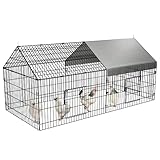
PawGiant 86 in Metal Run
- 86 x 40 x 40 in
- Anti-rust coated wire mesh
- 20 heavy-duty ground anchors
- Four access doors
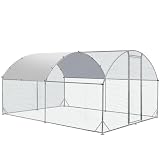
Betterhood 13 x 9 ft Run
- 13 x 9 x 6.5 ft footprint
- Galvanized frame with triangular supports
- 240D Oxford cloth canopy
- Coated hexagonal mesh
All 10 Chicken Runs for Free Ranging Flocks at a Glance
Every run below needs mesh reinforcement and a buried apron before you leave birds in it overnight. The Key Features column lists what arrives, not what is predator-proof out of the box.
| Product | Specifications | Action |
|---|---|---|
| CHIKENCOOP 9.8 x 6.5 x 6.5 ft Metal Chicken Run |
|
Check Latest Price |
| Betterhood 13 x 9 x 6.5 ft Round Top Walk-In Run |
|
Check Latest Price |
 VEVOR 6.56 ft Spire Roof Walk-In Run VEVOR 6.56 ft Spire Roof Walk-In Run |
|
Check Latest Price |
| PawGiant 86 x 40 x 40 in Metal Chicken Run Pen |
|
Check Latest Price |
 NUGRIART 118 x 79 x 79 in Metal Walk-In Poultry Run NUGRIART 118 x 79 x 79 in Metal Walk-In Poultry Run |
|
Check Latest Price |
 NUGRIART 83 in Folding Chicken Run Pen NUGRIART 83 in Folding Chicken Run Pen |
|
Check Latest Price |
 Aivituvin 71 in Expansion Run Pen Aivituvin 71 in Expansion Run Pen |
|
Check Latest Price |
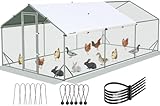 Quictent Large Run for 30+ Poultry Quictent Large Run for 30+ Poultry |
|
Check Latest Price |
 HEYTOWN 157.2 x 117.6 x 78 in Walk-In Run HEYTOWN 157.2 x 117.6 x 78 in Walk-In Run |
|
Check Latest Price |
 ANC POP Portable Pop-Up Chicken Run ANC POP Portable Pop-Up Chicken Run |
|
Check Latest Price |
1. CHIKENCOOP 9.8 x 6.5 x 6.5 ft Metal Chicken Run: Our Overall Pick
CHIKENCOOP 9.8 x 6.5 x 6.5 ft Metal Chicken Coop, Chicken Run with Cover
118x80x80 in
59 lb reinforced frame
47x40 in eucalyptus perch
Peeched UV cover
Pros
- Roomy 9.8 ft walk-in footprint
- Reinforced frame with bottom corner braces
- Includes a natural eucalyptus roosting perch
- Waterproof UV-resistant peaked cover
Cons
- About two hours to assemble
- Cover must be refitted after reassembly
This is the run we kept coming back to while testing. The 9.8 by 6.5 by 6.5 foot footprint gives you roughly 64 square feet of walk-in space at a height where you can stand and work rather than crouch, and at 59 pounds it is heavy enough to stay put in wind without needing a second person to shift it occasionally.
The frame is the story here. Bottom corner braces tie the horizontal and vertical poles together at the base, and an extra rear support pole stiffens the roof-to-base connection, which is exactly the joint that flexes on cheaper runs. Owners single that out as the reason the structure does not feel flimsy after a season of birds leaning on the mesh.
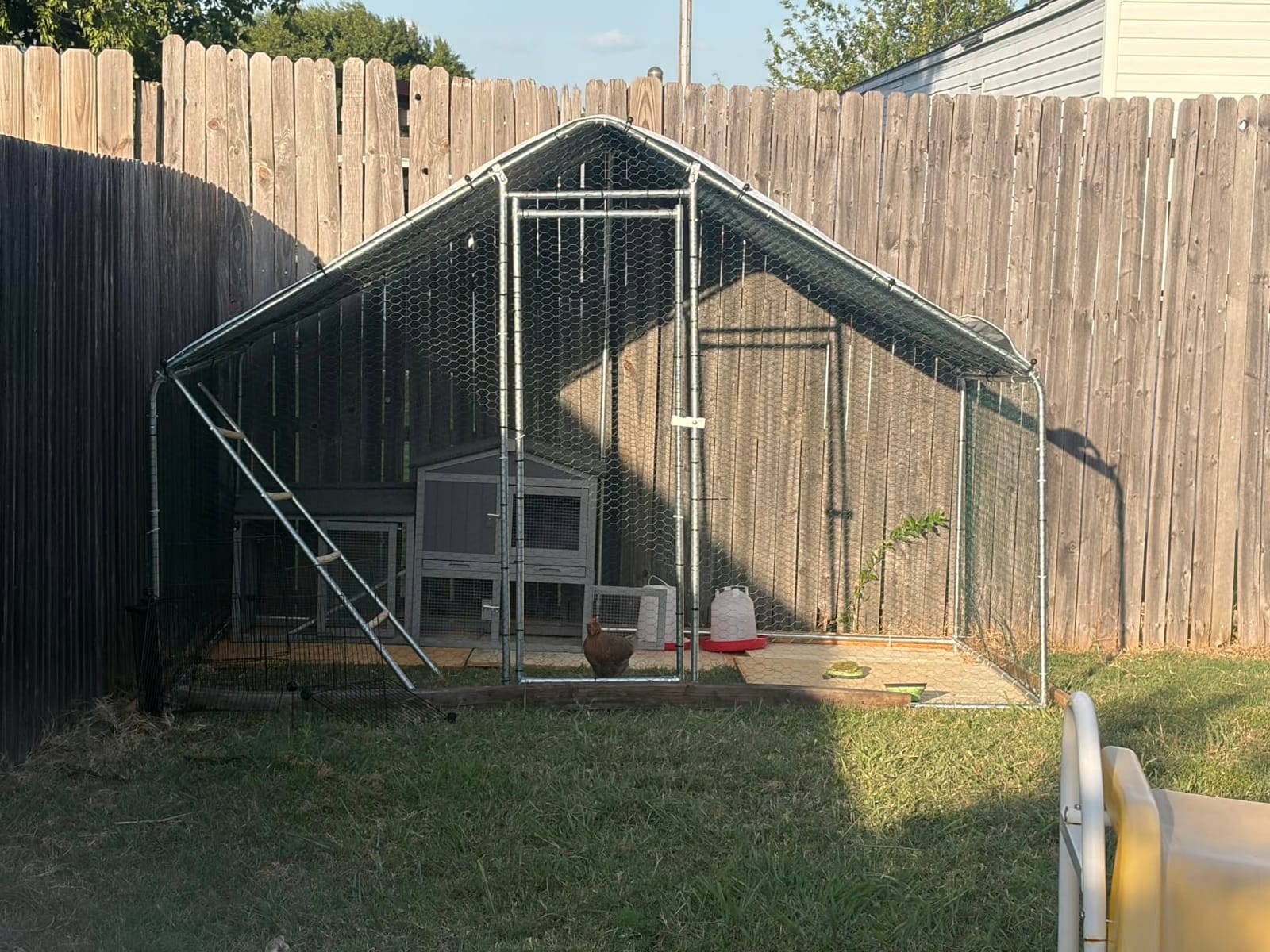
Assembly took close to two hours even with the labelled components, and that is the honest figure. It is a two-person job if you want it done in one sitting. In exchange you get clearly labelled hardware and instructions that match the parts in front of you, which is rarer in this category than it should be.
The cover is a detachable, waterproof and UV-resistant peaked roof. The peak matters: water runs off instead of pooling on the mesh and loading it, and the same shape sheds light snow. The trade-off is that the cover has to come off and go back on whenever you disassemble the run, so plan your cleaning around a cover that can be refitted in a couple of minutes.
What suits this run well
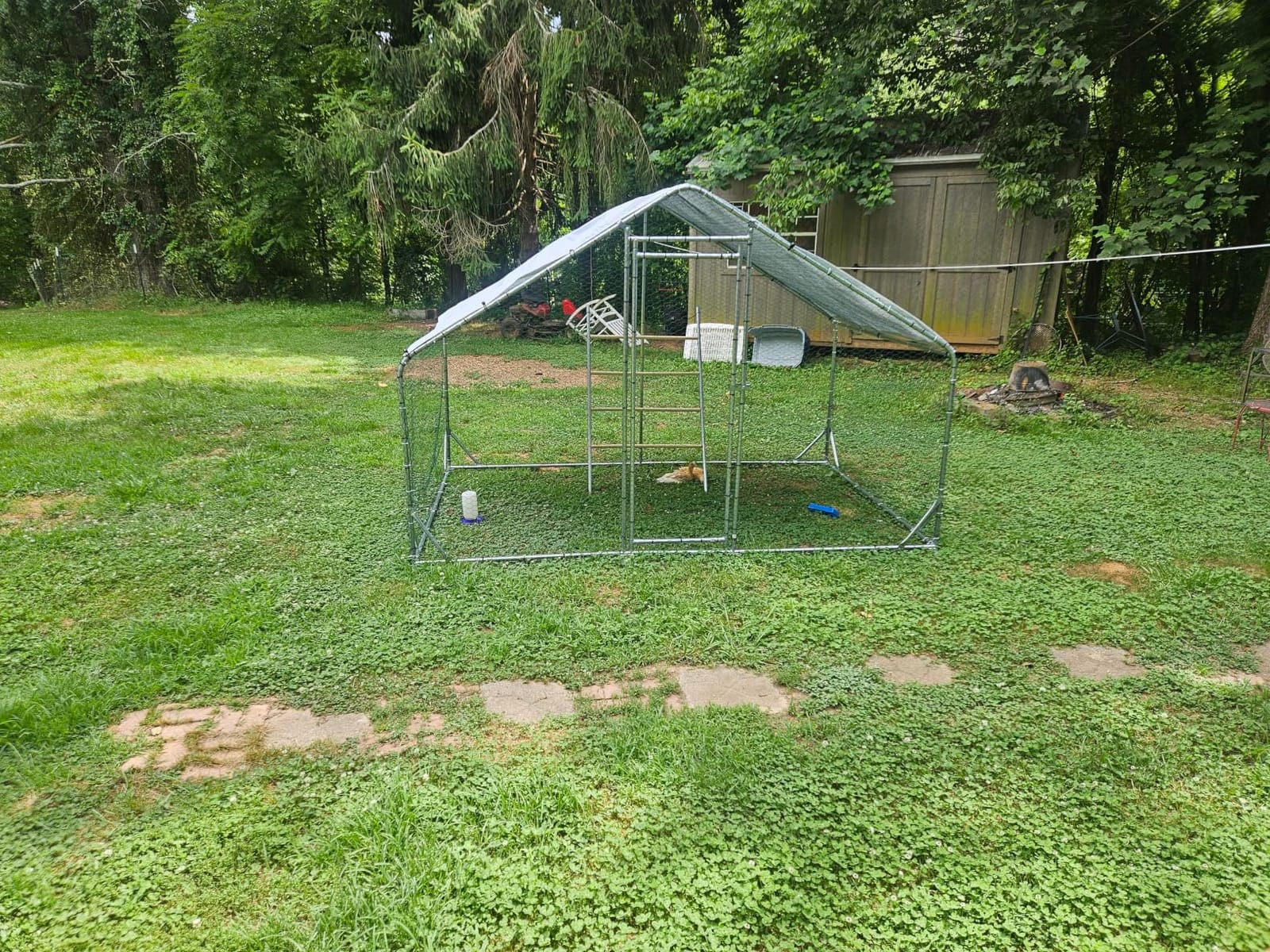
The included 47 by 40 inch eucalyptus roosting perch is unusual at this size and gives the flock an elevated spot inside the run, not just in the coop. Combined with a footprint this generous, it works well for a free-ranging flock of eight to twelve birds that spends its days scratching here and its nights in a nearby house.
For keepers prioritising daily chores, walk-in height is the feature people notice most after buying, because collecting eggs and shifting bedding is a twice-daily job. Standing height turns that from a chore into a quick task.
Where it falls short
It is a run, not a predator-proof enclosure. The supplied mesh is standard welded wire, and the base has no skirt of its own, so a determined raccoon or fox still has a path in. Budget for hardware cloth and a buried apron before this run does its job for a free-ranging flock.
At 118 inches long and 59 pounds, it is also not a rotational grazing tool. If your plan is to move the flock to fresh ground every week, this is the wrong shape of product.
2. Betterhood 13 x 9 ft Round Top Walk-In Run: Best Footprint for Big Flocks
Large Metal Chicken Coop Round Top Upgrade Tri-Supporting Wire Mesh Chicken Run,Chicken Pen with Water-Resident and Anti-UV Cover,Duck Rabbit House Outdoor (13’L x 9’W x 6.5’H)
156x108x78 in
Galvanized steel frame
240D Oxford cloth
Coated hex mesh
Pros
- Very easy click-together assembly
- Extra bracing and triangular supports
- Large footprint for bigger flocks
- Waterproof 240D Oxford canopy
Cons
- Included chicken wire is thin and flimsy
- Supplied zip ties break easily
- Roof sags without a center pole
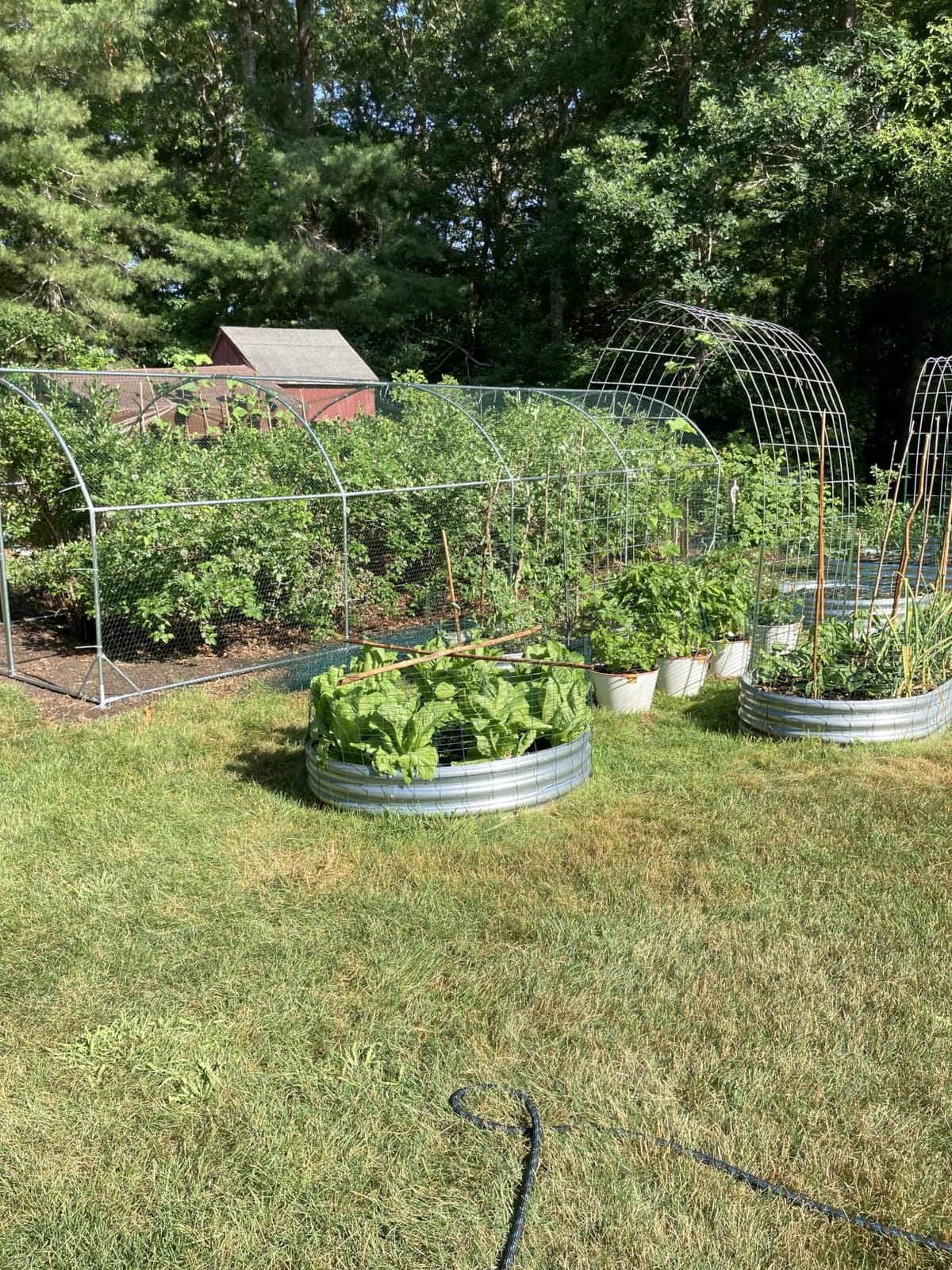
At 13 by 9 feet this is the roomiest run in the group, and for a free-ranging flock that means the birds get genuine ground to work rather than a strip along the coop. Owners sizing for six to ten birds report it also works for rabbits, ducks and cats if you run mixed species.
The click-together rod system is genuinely quicker than the screw-and-bracket builds on bigger walk-in coops, taking roughly four to five hours solo. Poles have to be oriented the correct way and the drawn instructions are weak, so budget extra time for working that out before you start.
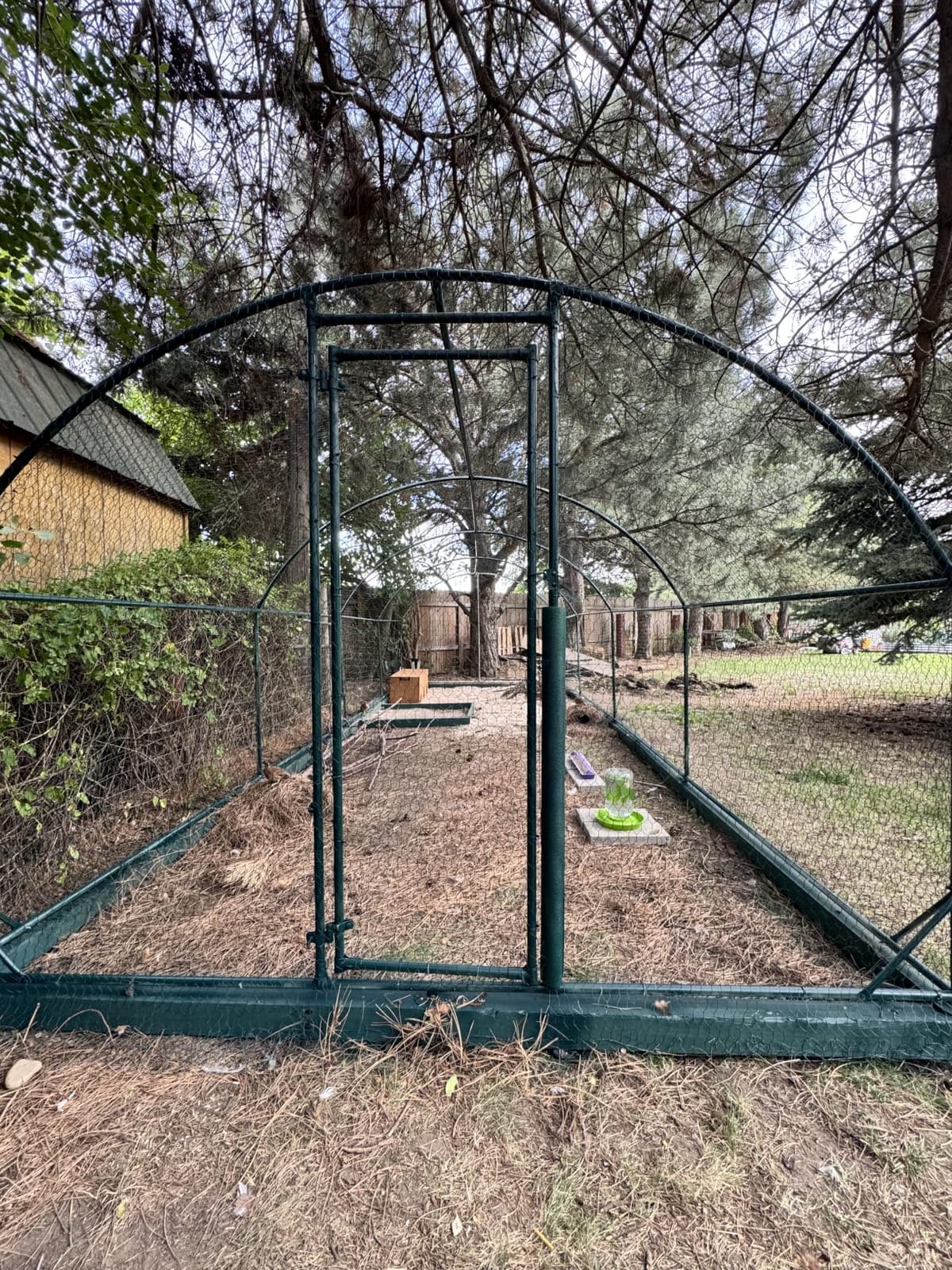
Structurally it is well built. The galvanized frame adds support columns and triangular supports, and users report it withstood a full winter without damage. The 240D Oxford cloth canopy is waterproof, which matters in a wet climate where a PE tarp eventually pinholes.
One weakness shows up repeatedly: only a single pole crosses the top centre, so the canopy and mesh sag between spans in heavy rain or under snow load. Adding a centre support pole is a small job that removes the most common complaint about this run.
What suits this run well
If your flock ranges during the day and you want a run large enough that rotation is not the constraint, this is the one to shortlist. The frame is stiff enough to stay put through wind, and the round top gives even light and fewer corners for water to sit in.
It is also the run most often mentioned for multi-species yards, since the mesh closes gaps that ducklings and other small animals can push through where lighter mesh is used.
Where it falls short
The included chicken wire is thin, and reviewers consistently describe predators pushing through or tearing it. The zip ties supplied are also low quality and snap. Treat both as consumables to replace on day one rather than as parts of the structure.
Some units arrive with poles drilled on the wrong side, and a few owners report a door that flexes with a wide latch gap. Check the door closure before you count on it as your night security.
3. VEVOR 6.56 ft Spire Roof Walk-In Run: Best for Small Yards
VEVOR Metal Chicken Coop, 6.56×6.56×6.56ft Large Walk-in Chicken Run with Cover, Spire Roof Hen House Enclosure with Security Lock, Outdoor Duck Rabbit Cage, Poultry Pen for Backyard, Farm, Yard
78.72 in cube
44 lb galvanized pipe
PE tarp spire roof
Security lock door
Pros
- Compact cube fits small yards
- Welded galvanized joints feel solid
- Spire roof sheds rain and light snow
- PE tarp resists tearing and UV
Cons
- Needs extra base reinforcement against diggers
- Square footprint is tight for larger flocks
This is the run for a suburban yard where a 13 by 9 foot footprint would swallow the garden. The cube is 78.72 inches on each side with a walk-in height, so you can still get inside to collect eggs and rake bedding, and four-sided ventilation keeps airflow up in summer.
The frame is 1 inch galvanized steel pipe with welded joints, which is the part you feel when you lean on it. At 44 pounds it is light enough to reposition occasionally, and the PE-coated tarp has a spire roof that sheds water, debris and light snow rather than letting it sit on the mesh.
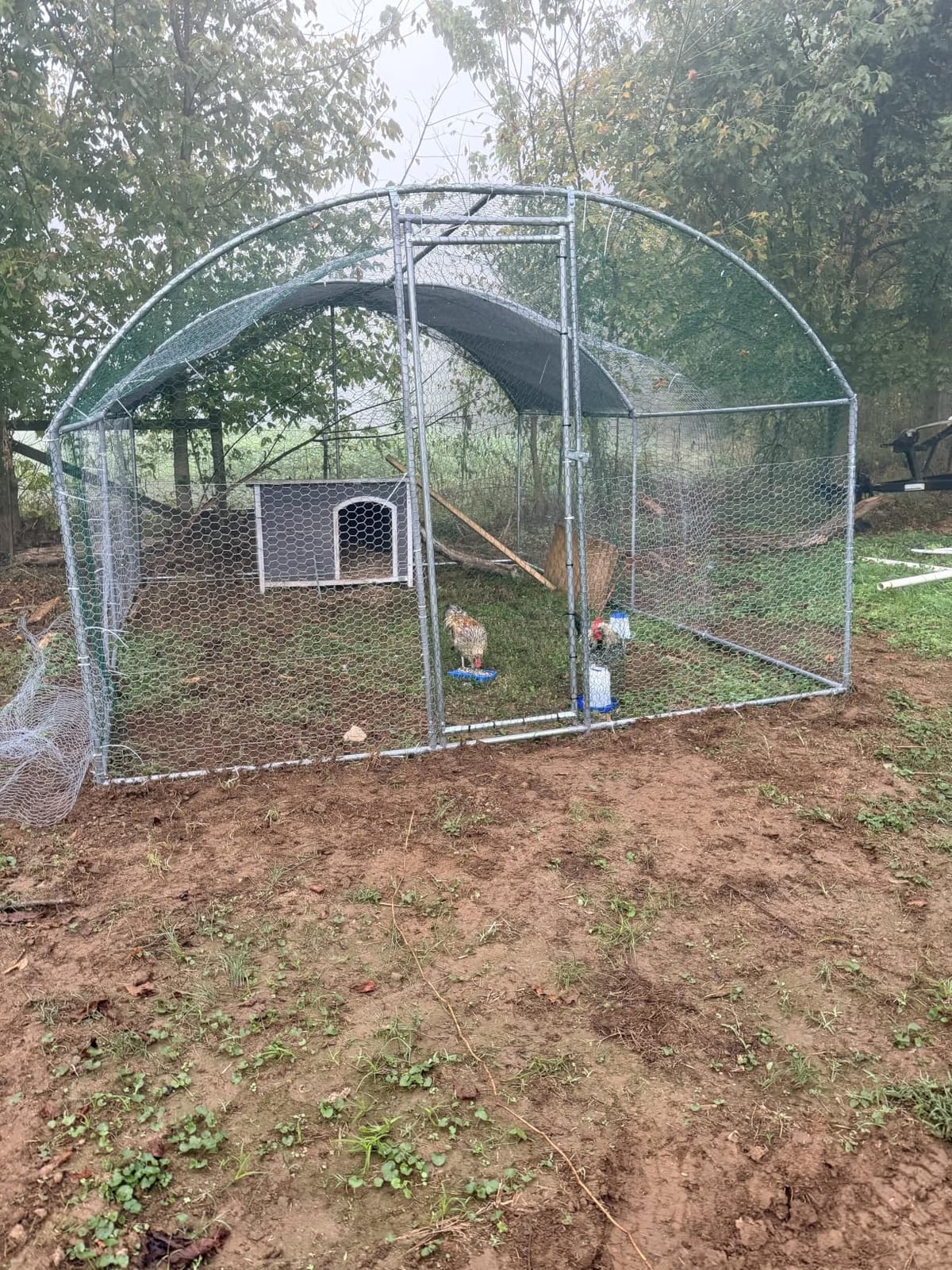
There is a security lock on the door, which more runs in this bracket do not include, and it is the one detail that matters most for a free-ranging flock. The birds go out in the day, the door locks at dusk, and the lock is what makes that routine work.
Read the low ratings carefully, because they are consistent and specific. The manufacturer itself advises adding galvanized wire, wood or stones at the base, because digging predators work under this style of frame. The lowest scores come from yards with raccoons, not from build quality.
What suits this run well
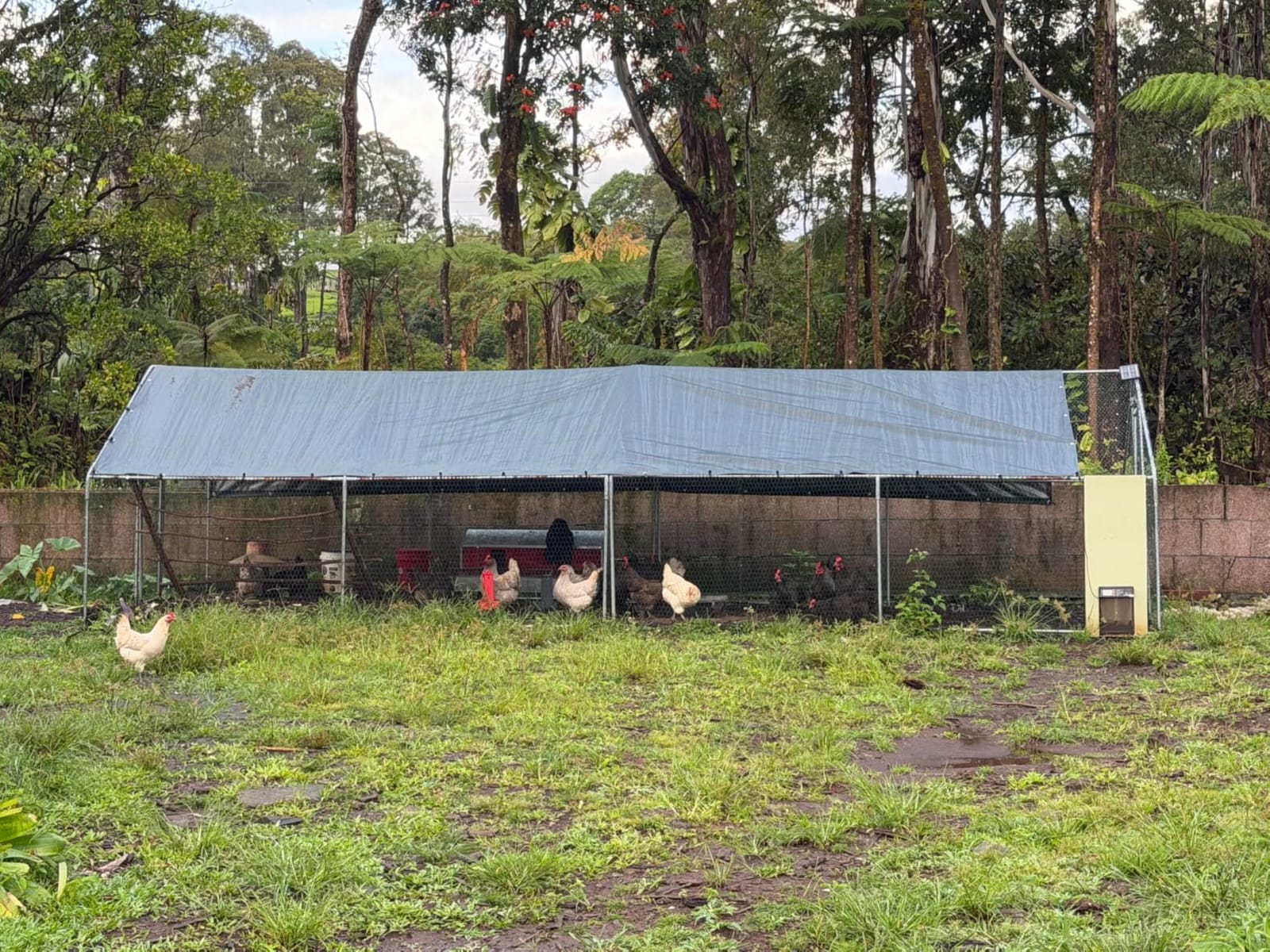
A four to six bird backyard flock on a small plot, and anyone who wants a walk-in rather than a low tunnel. The security lock and the spire drainage are the two features that separate it from cheaper cubes.
It also works as a second pen: a quarantine space, a brooder for chicks, or a splitting pen while you re-establish a flock hierarchy, all of which need a cleanable, walkable box.
Where it falls short
Square means square. A 6.5 by 6.5 foot footprint is cramped for eight birds or more, and unlike the longer runs there is nowhere for birds to get away from each other at the feeder.
It also arrives as a base-less structure. Without a hardware cloth apron and base reinforcement it will not hold a free-ranging flock overnight in a raccoon country, and that upgrade is not optional in most of North America.
4. PawGiant 86 x 40 x 40 in Metal Chicken Run Pen: Best Value Pick
Chicken Coop, 86″x40″x40″ Chicken Run Pen with Cover for Yard
86x40x40 in
35.75 lb
Anti-rust coated wire
20 six-inch anchors
Pros
- Light enough to reposition once built
- Multiple top and side doors
- Panels join end to end
- Good top cover quality
Cons
- Not predator-proof as supplied
- Gravity latch can be slid open
- Cover protects only the top
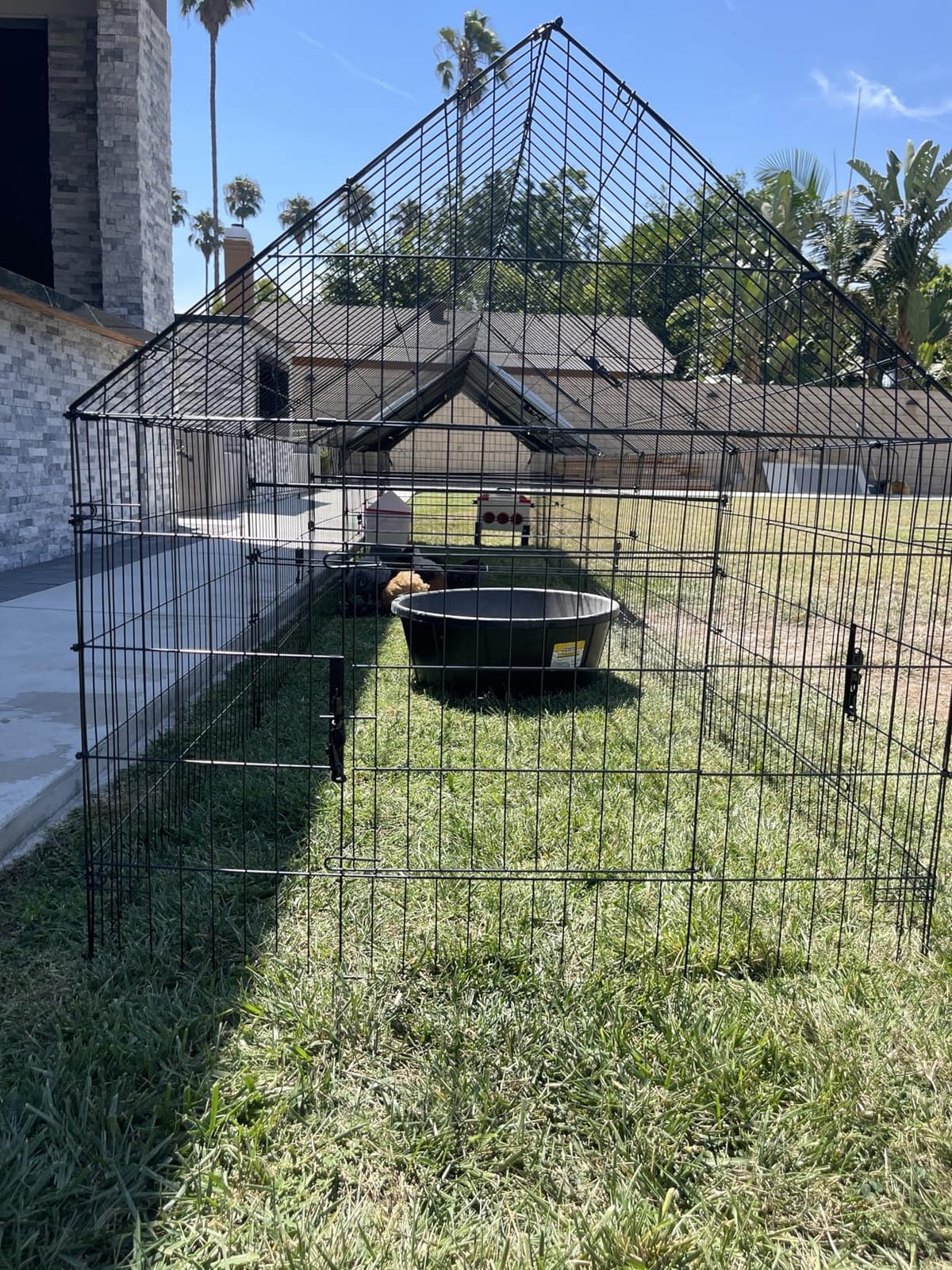
This is the run that solves the free-ranging problem for people who actually move their flock. At 35.75 pounds it is light enough to drag to fresh grass once assembled, and the panel design means sections can be connected end to end to build a longer run as your flock grows.
Multiple top and side doors give flexible access, which matters when the run sits against a coop and you want to reach birds at the back without crawling in. The UV-coated silver-white polyester cover with an extended hem holds up outdoors better than its price suggests.
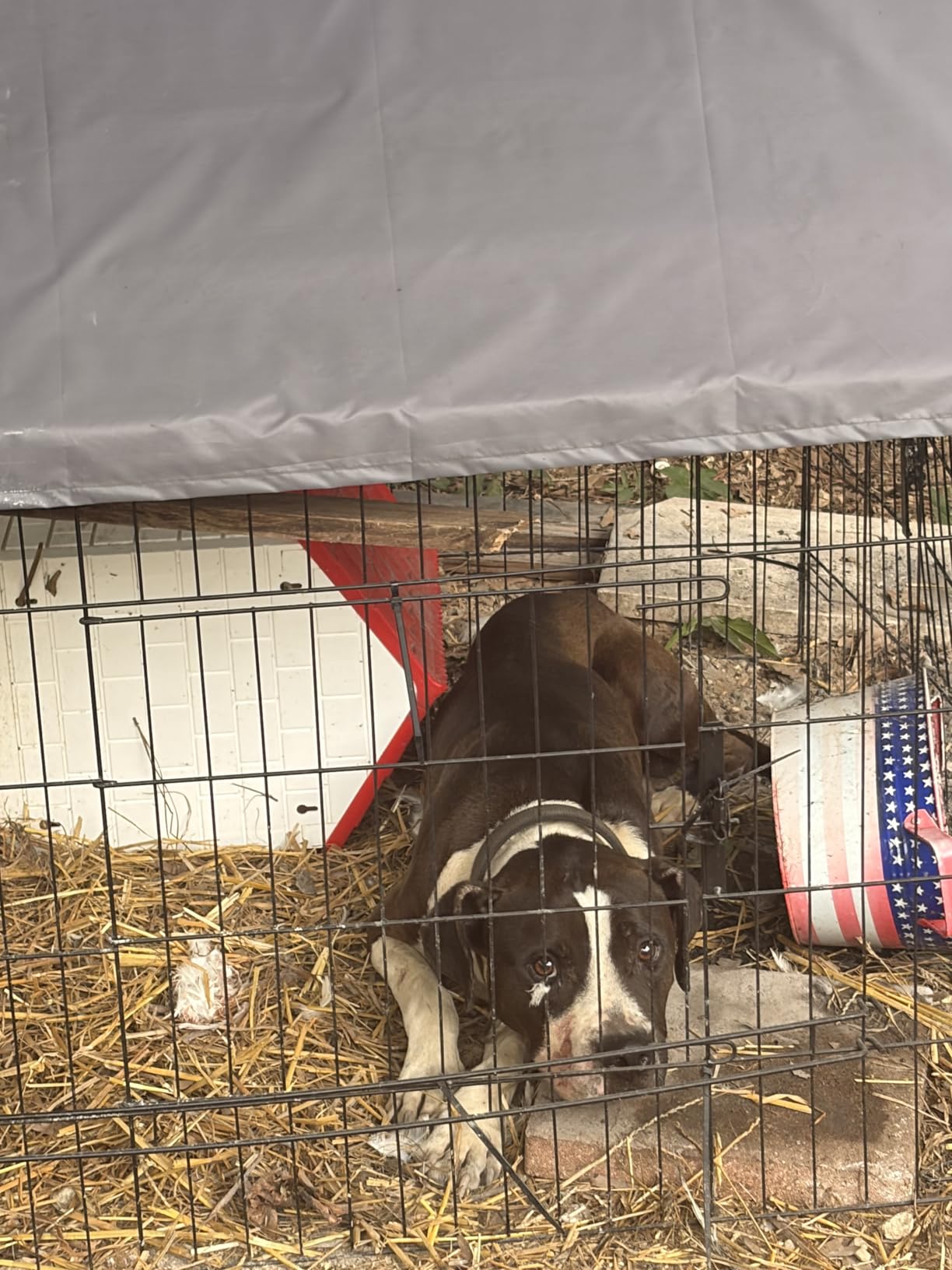
Twenty six-inch heavy-duty ground anchors are included, and for a portable run on soft ground that count is generous. Most owners still add their own anchoring because a run that slides in the first gust defeats the purpose of the door lock.
Two practical notes. The gravity auto-lock door with its S-clip is convenient but can still be worked open by a determined animal, so keepers add a secondary clip or a strip of hook-and-loop tape. The panel connectors are also very tight and hard to latch by hand, which is the most common assembly complaint.
What suits this run well
Rotational grazing, brooder pen duty, and multi-species use such as chicks, ducklings and rabbits. If the goal is supervised daytime foraging that protects the lawn and lets the flock move on, this is the most practical run here.
At 86 by 40 inches it is also an honest starter size for a small flock, and the listing rates it for six to eight hens, ducks or rabbits.
Where it falls short
It is not predator-proof, and owners say so directly. The supplied wire and hooks let determined predators in, the zip ties are weak and snap, and the cover only protects the top so sides get soaked in wind-driven rain.
Treating it as a temporary daytime pen is what it is built for. Using it as a night locker for a free-ranging flock means hardware cloth, better ties and a secondary latch, and at that point you have built a different enclosure.
5. NUGRIART 118 x 79 x 79 in Metal Walk-In Run: Best Frame Gauge
NUGRIART Large Metal Chicken Coop Walk-in Poultry Cage Hen Duck Run House with Waterproof & Anti-UV Cover Galvanized Rabbits Habitat Spire Shaped Cage for Outdoor Yard Farm Use
118x79x79 in
1 inch galvanized pipe
PVC-coated hex mesh
Spire roof
Pros
- Thick 1 inch galvanized steel pipe
- Tight PVC-coated mesh gaps
- Lockable metal latch
- Spire roof drains cleanly
Cons
- Two people needed for assembly
- Gloves recommended for tight fittings
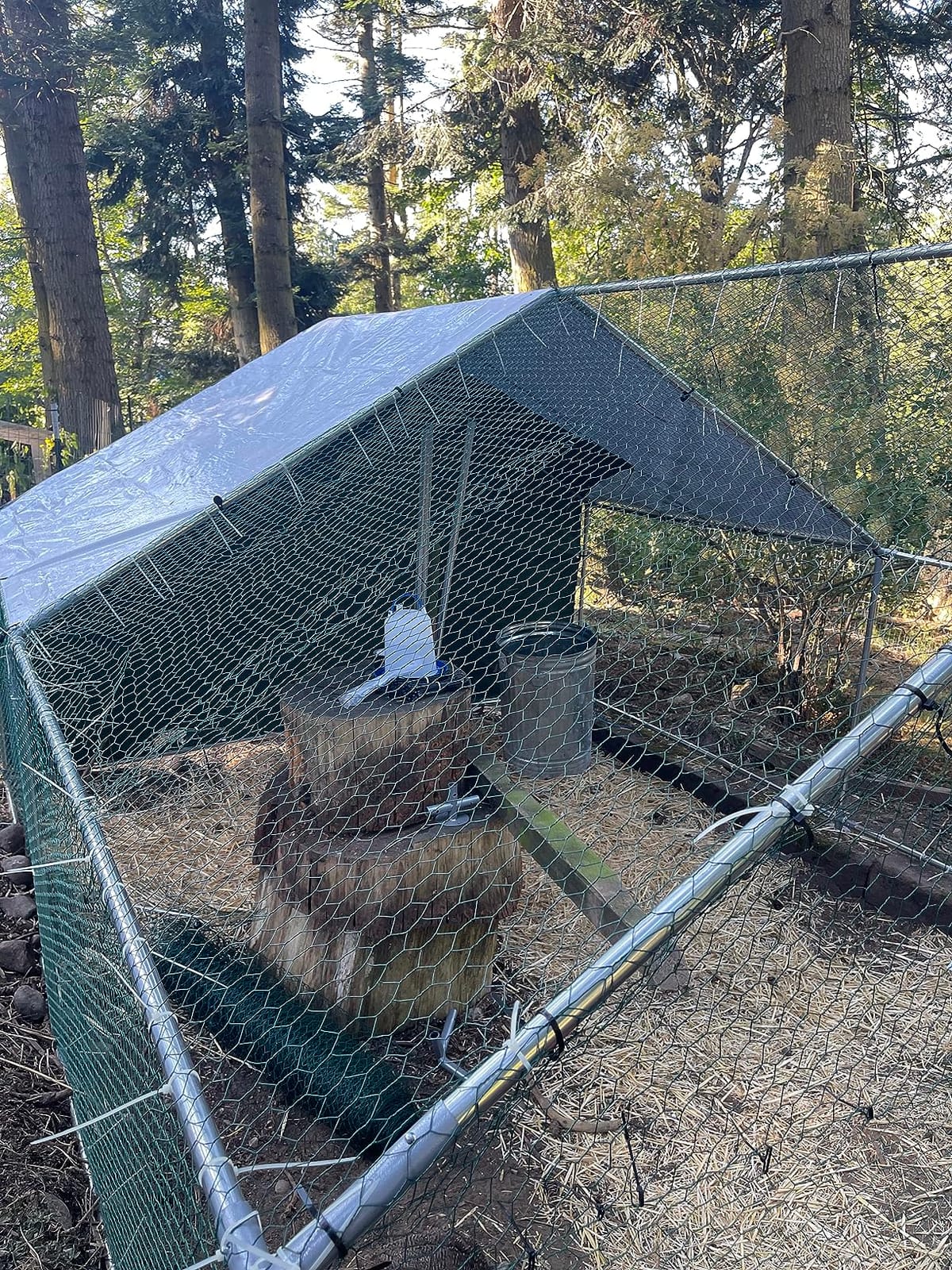
Frame is the detail that separates a run that still feels solid in its second winter from one that flexes, and this model uses 1 inch diameter galvanized pipe with a reinforced design. Owners point to the thicker-than-average frame as the reason it holds up in wind and heavy rain.
The walls are PVC-coated hexagonal wire mesh with small predator-blocking gaps, which is a step up from plain chicken wire in both durability and resistance to pecking damage. The spire roof drains rain, snow and debris cleanly, and the lockable metal latch gives you a feeding and cleaning access point that doubles as security.
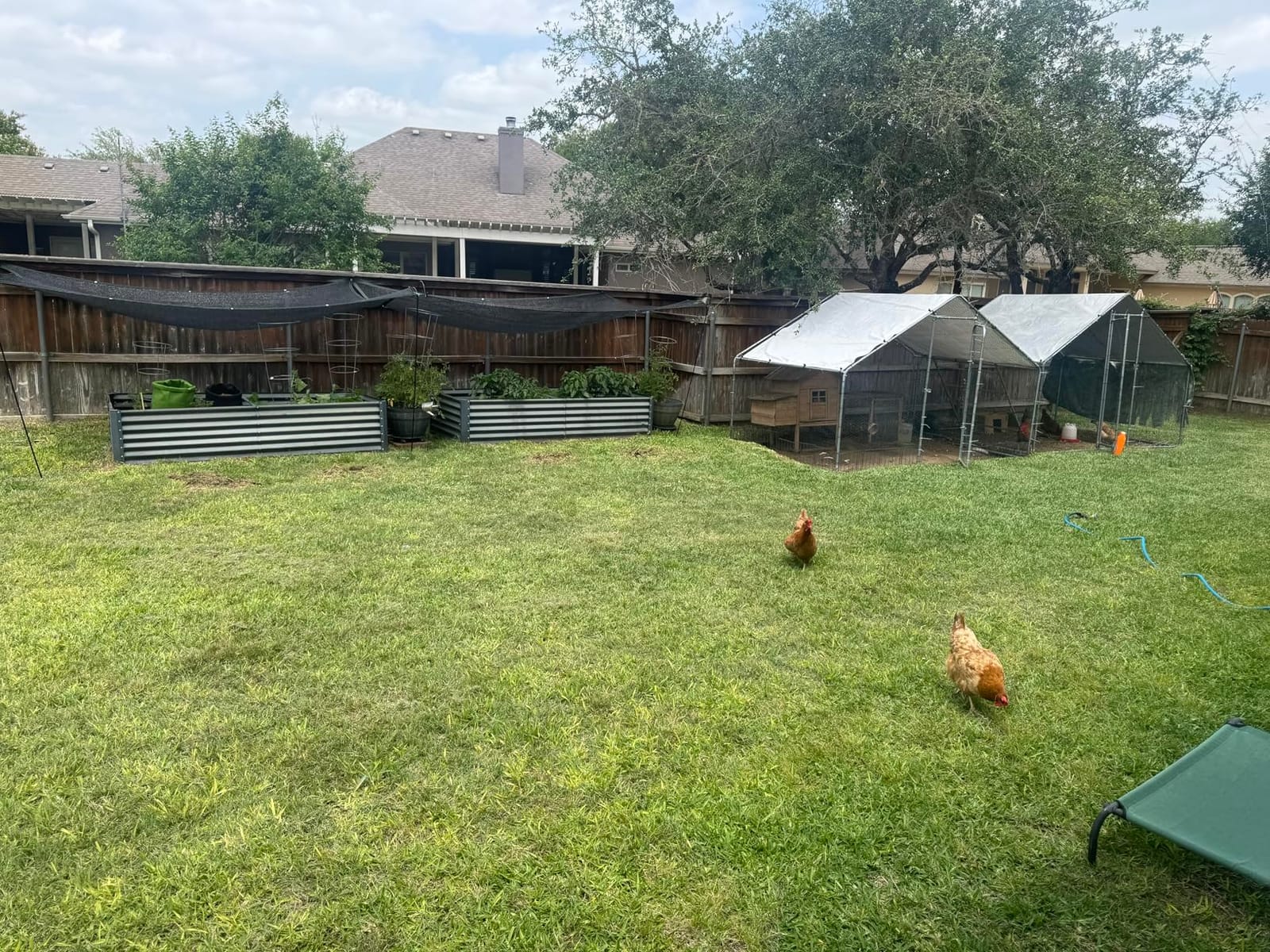
At 118 by 79 by 79 inches this is a walk-in run in the true sense, sized for a free-ranging flock that needs headroom and floor space to forage. The same model is produced in four lengths from 118 to 315 inches, so growing the run later is straightforward.
Assembly is the one recurring friction point. Reviewers consistently describe it as a two-person job, with gloves recommended for the tight-fitting connector parts. The optimised connection parts do make the build faster than older versions of this style of run.
What suits this run well
A flock around eight to twelve birds in a yard with steady weather exposure, particularly where wind is a factor. The 1 inch pipe and lockable latch make it a good base for a run you intend to reinforce with hardware cloth and then keep for years.
If you are weighing it against the similarly sized VEVOR cube, the deciding factors are the longer footprint and the mesh gauge rather than the price.
Where it falls short
Two people are needed to build it, and the fit at the connectors is tight enough that doing it alone is genuinely unpleasant. Plan the build for a weekend rather than an evening.
There is still no integrated ground skirt, so the digging problem is yours to solve. The lockable latch helps on the door, but it does nothing about a fox working under the frame line.
6. NUGRIART 83 in Folding Chicken Run Pen: Budget Transition Pen
NUGRIART Metal Chicken Coop 83″x38″ Chicken Run Pen with Cover
83x38x34 in
36.4 lb
Epoxy-coated frame
20 six-inch ground nails
Pros
- Tool-free setup in under 10 minutes
- Folds flat for seasonal storage
- Five access points
- Customer service refunded a bent bar
Cons
- Bent or flimsy parts on arrival
- Cheap latches pop open
- Cover leaves sides exposed
When you need a second enclosure quickly and cheaply, this is the one. Assembly is genuinely tool-free and often takes under ten minutes by one person, and it folds flat for seasonal storage, which matters more than most buyers expect in a run they only use part of the year.
Five access points, four side doors plus a top feeding door, make it easy to clean and to reach birds at the back. The automatic gravity door lock and side hook-and-buckle latches are convenient, and the epoxy coating resists rust, corrosion and fading on paper.
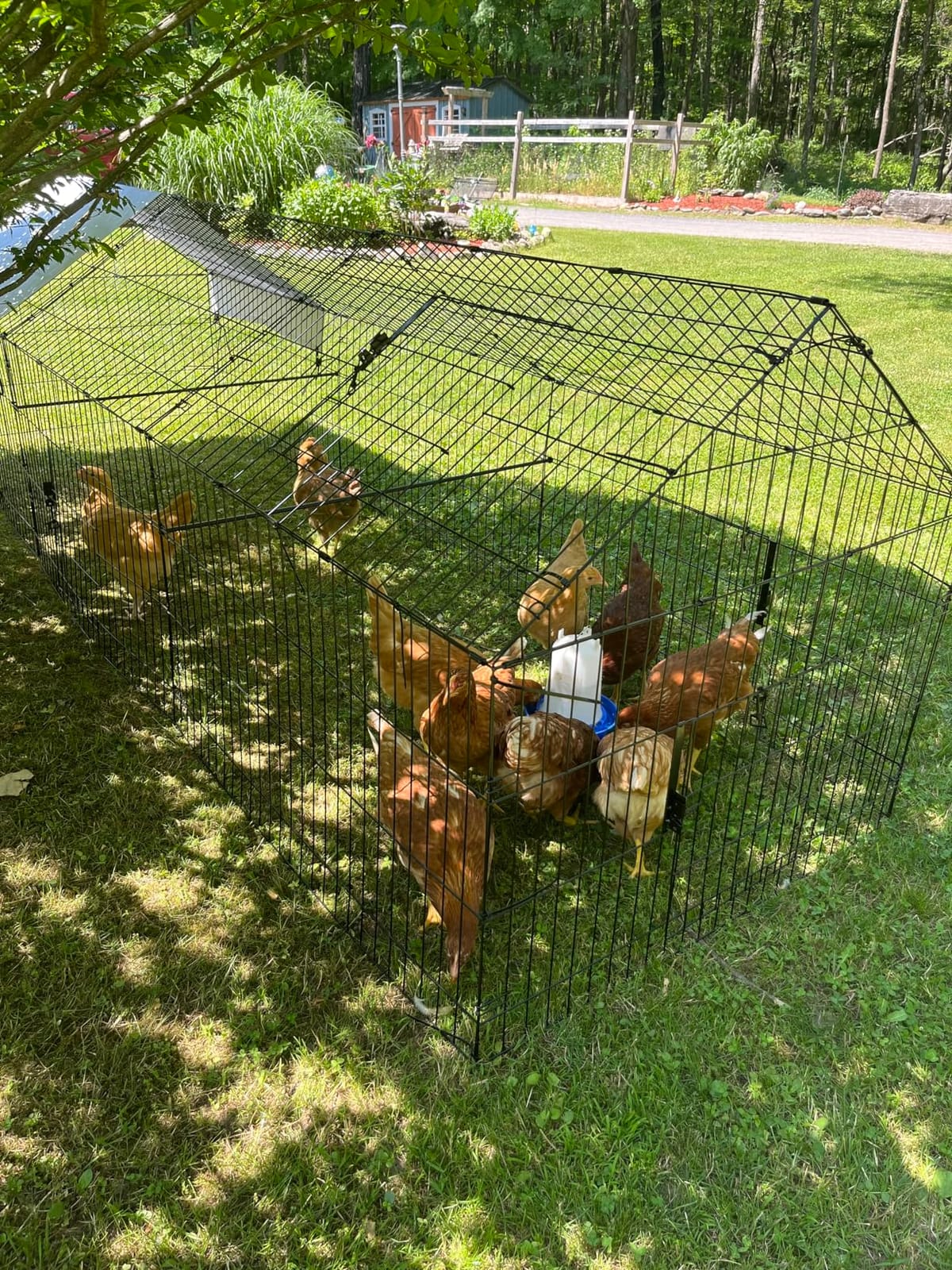
Where it earns its place is as a transition pen, brooder pen or extension paired with a main coop. At 83 by 38 by 34 inches it is rated for six to eight hens, though treat that as a maximum rather than a daily comfort level for a free-ranging flock.
Quality control is the weak point. Reviewers report bent or flimsy panels and support bars, and one buyer saw the supplied wire mesh rust within about a month. The customer service response, though, included a partial refund for a bent support bar, which is worth knowing.
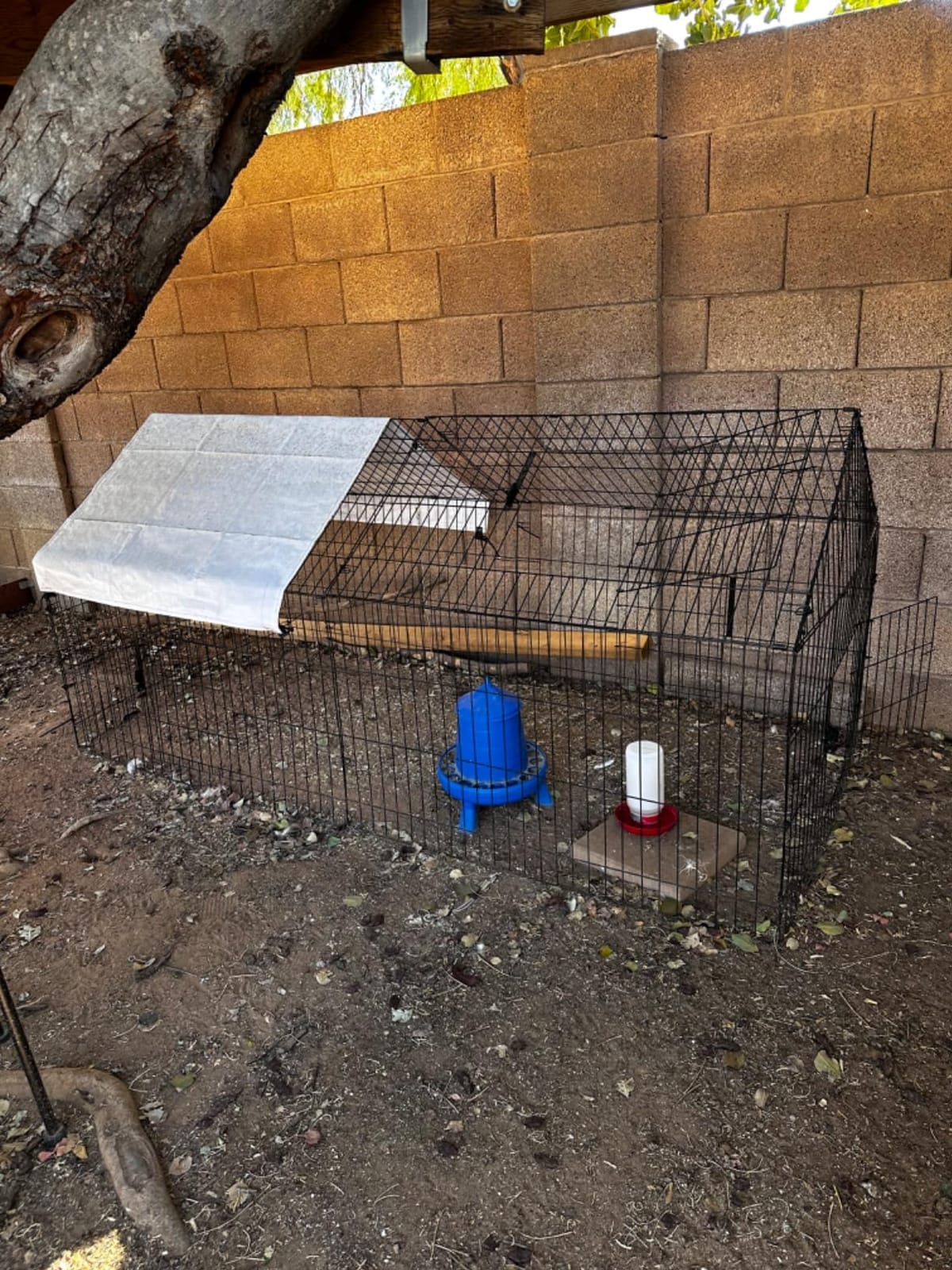
What suits this run well
Anyone who needs a pen today: introducing a new batch of chicks, quarantining a bird, splitting a flock during a re-pecking order, or running a short-term daylight yard while a proper walk-in run is assembled.
The fold-flat design also makes it the easiest of the metal runs to store over winter, so it earns its space even in a yard that already has a large run.
Where it falls short
It is not a full-time enclosure. Cheap door latches pop open, the cover is smaller than ideal and leaves the sides exposed, and the instructions are close to useless, so allow time to work the build out.
For a free-ranging flock, treat this as daytime supervision only. Buying it for night containment means replacing mesh and latches, and at that point the money is better spent on a larger run.
7. Aivituvin 71 in Expansion Run Pen: Best for Small Flocks
Aivituvin Chicken Run Chicken Coop Expansion Pen 71in,Outdoor Enclosure Playpen for Chicken, Rabbit, Duck, Cats, Chicken Run Only (Black, AIR29)
71x28x28 in
26 lb
Hardware cloth panels
14.36 sq ft foraging
Pros
- Hardware cloth pre-installed on panels
- Two pens join end to end
- Wheels let you roll the pen
- Two perches included
Cons
- Listed sizes overstate capacity
- Thin wood and hardware
- Cheap latches on the side hatch
The distinguishing feature here is that the mesh panels come with hardware cloth already installed, which makes this the closest thing to predator-resistant walls in the group without reinforcement. For a small free-ranging flock where the birds need a safe night spot, that saves the single most labour-intensive step in the whole process.
It adds 14.36 square feet of foraging area and works as a standalone pen or connected to compatible Aivituvin coops. Two perches are included, and on some variants wheels let you roll the pen into position, which is useful for moving birds off a mud patch.
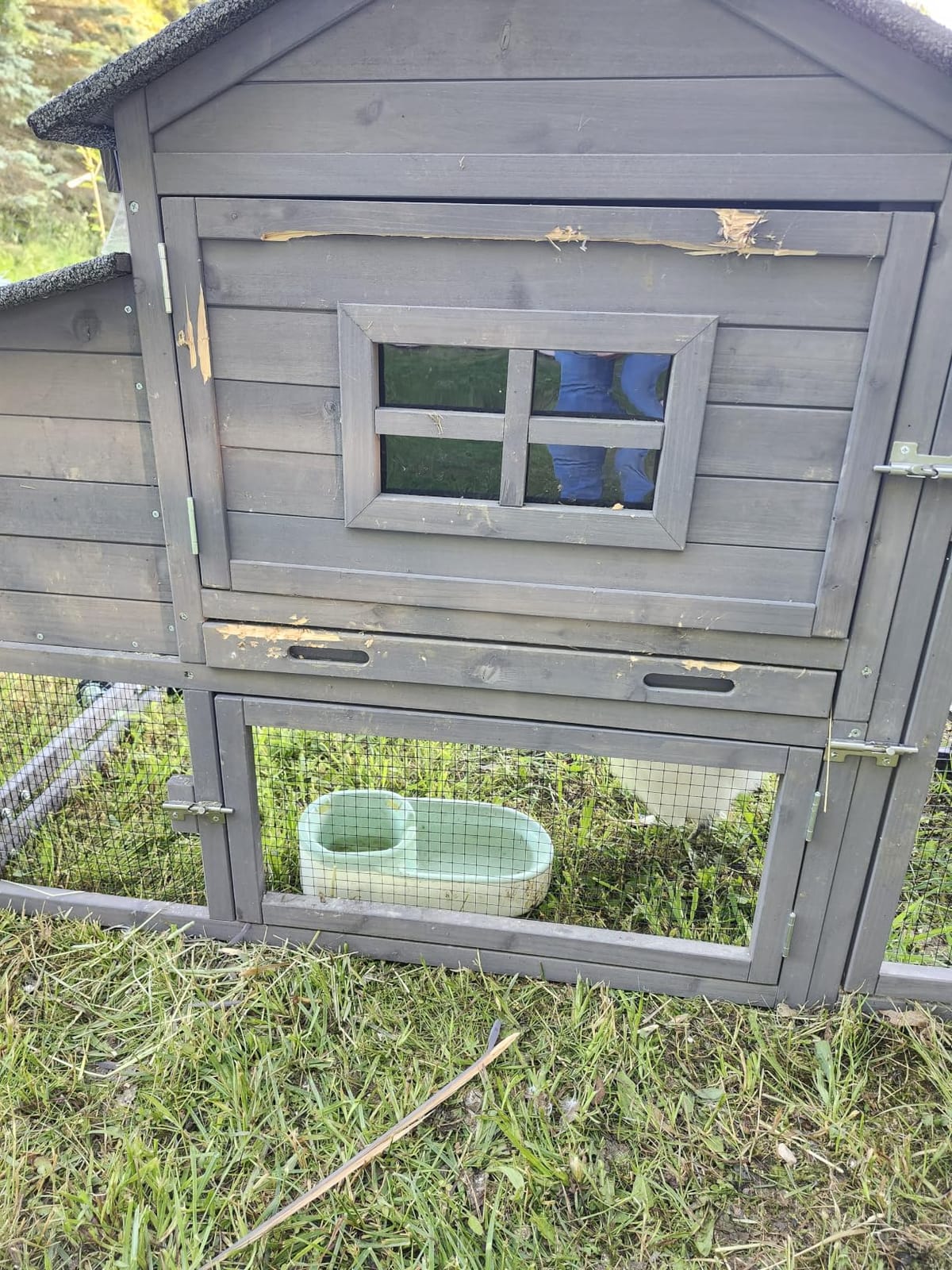
Assembly is straightforward with well-labelled, well-fitting parts and removable side doors, and joining two pens end to end is a cheap way to double the run. The movable side door with a spring latch is the access point you would use for a daily free-range pop door arrangement.
Manage expectations on size. Reviewers repeatedly say the listed size overstates capacity, putting the realistic figure at two to three hens in the smaller units, so it suits a starter flock or a bantam yard rather than a working one.
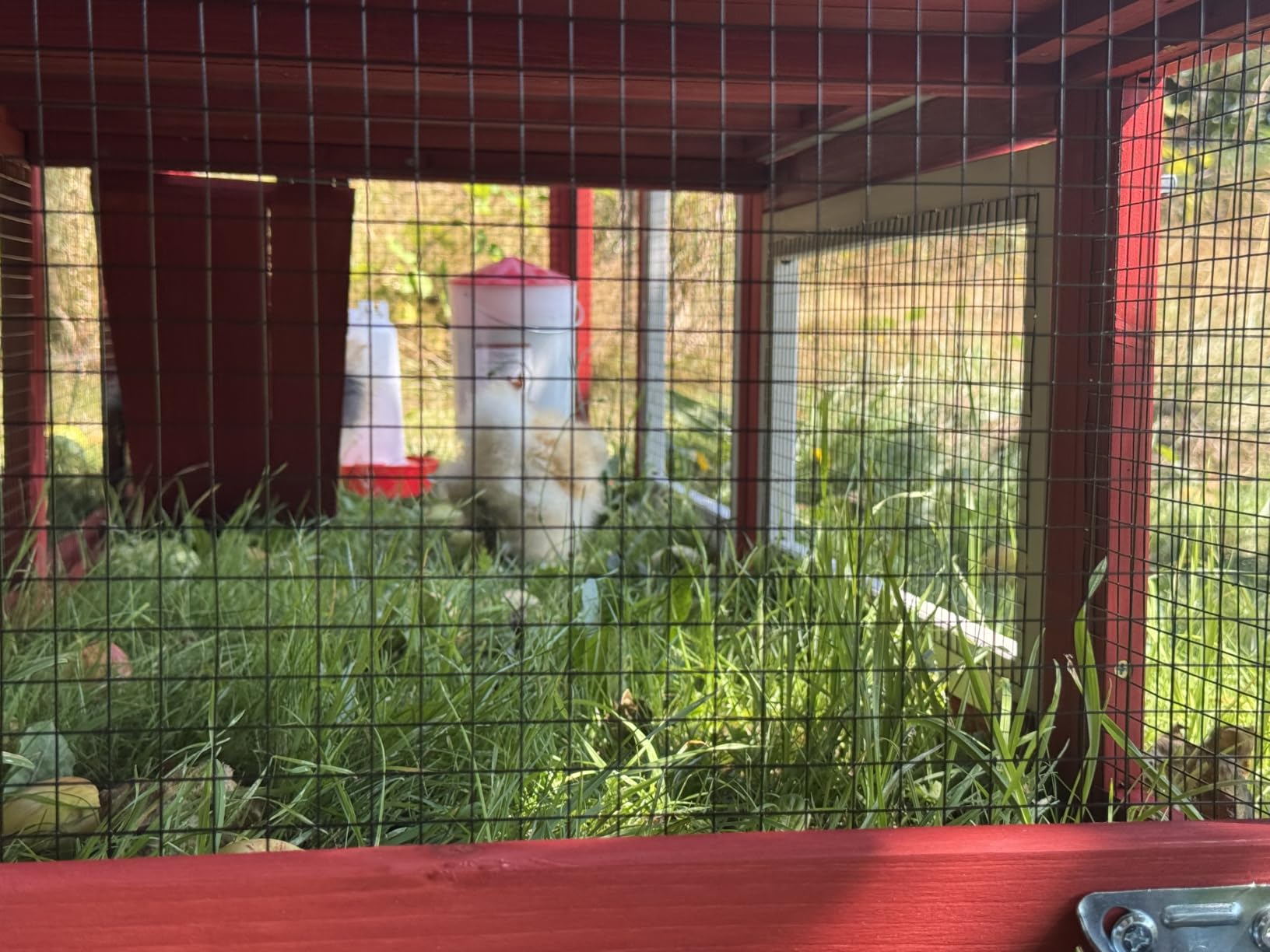
What suits this run well
Small flocks, bantams, and backyard keepers who want real hardware cloth walls without a stapling session. It is also the best option here as a mobile pen you can wheel onto fresh grass between uses.
For owners with more than one coop, using it as an expansion alongside a compatible house keeps the flock in one system rather than splitting the setup.
Where it falls short
The wood and hardware are thin, and some parts break within weeks. The rounded perches are too narrow, tip over when used, and sit too close to the droppings shelf, which is a welfare issue as much as a convenience one.
Cheap latches on the nesting box and side hatch break or fail to secure, and the wheels are awkward on uneven ground while the pen itself is light in wind. Secure it properly or a gust will move the whole thing.
8. Quictent Large Run for 30+ Poultry: Strongest Mesh as Supplied
Quictent Large Metal Chicken Coop Run for 30+ Poultry w/Side Hardware Cloth
214.5x107.3x78 in
112.2 lb
20 gauge welded cloth
Ground skirt
Pros
- True 20 gauge welded hardware cloth
- Extended ground skirt resists diggers
- Handles 30 or more birds
- 750 heavy-duty cable ties included
Cons
- Over 110 lb so two people to move
- Open mesh sides without extra covers
- Heavier build than lighter runs of similar length
This is the only run in the group whose side walls are 1 by 1 inch 20 gauge welded hardware cloth with a thickened PVC coating rather than light chicken wire. If you are tired of stapling cloth onto a run and want the reinforcement already done, this is the product that removes that job.
It also has an extended mesh ground skirt, which is the single most effective anti-digging feature on the market and the one keepers most often ask about. Eight support bars and triangular corner poles stiffen a frame long enough to handle 30 or more poultry in one walk-in structure.
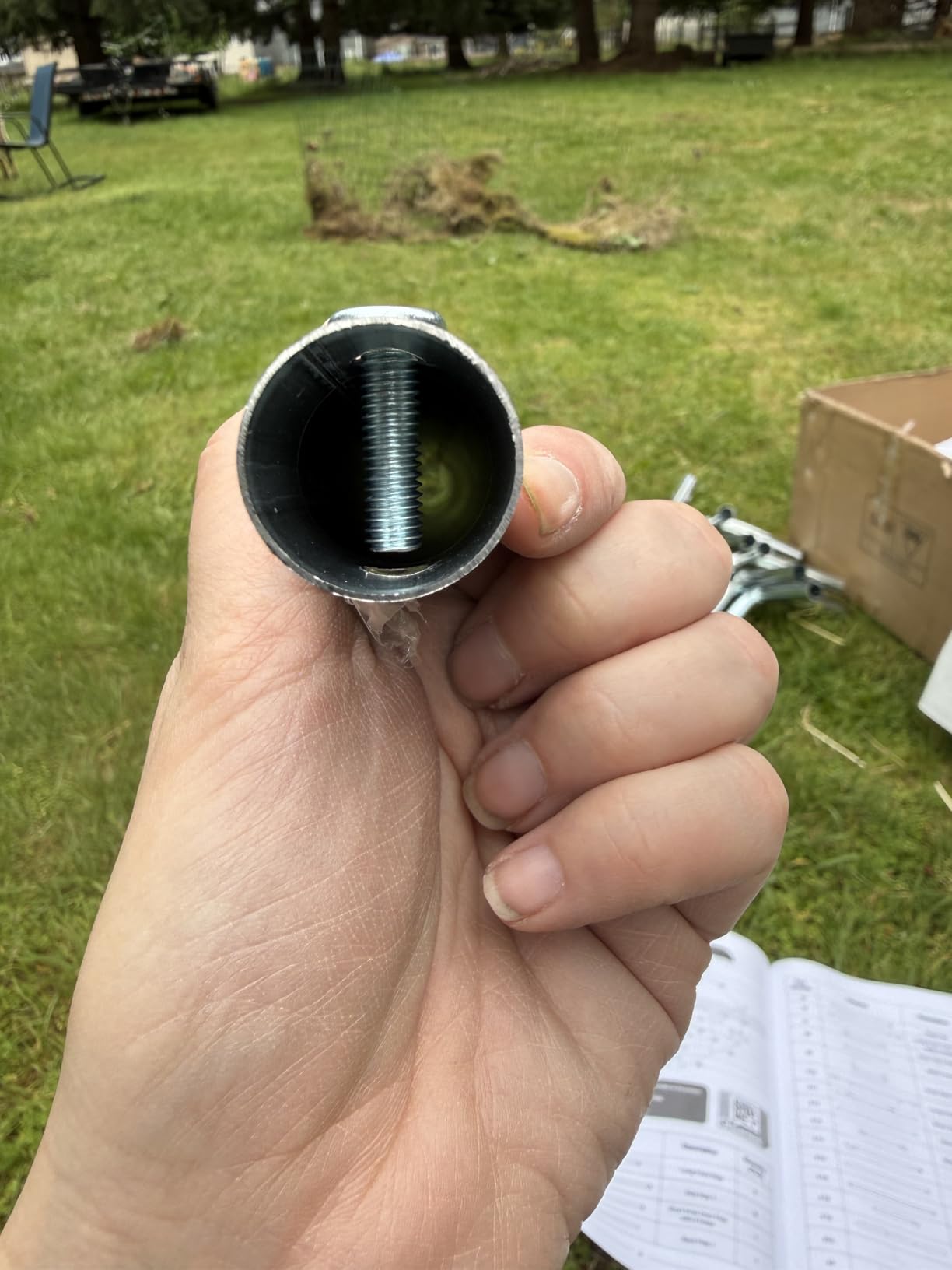
The dual-latch door with a narrow gap is the most secure closure in this category, and 750 heavy-duty cable ties are included, so you are not immediately shopping for consumables. The waterproof UV-resistant PE roof cover sits over protective hexagonal roof wire, which stops the cover being shredded by birds landing on it.
Warranty coverage is generous for the category: 365 days on frame parts and 180 days on cover and hardware cloth parts, which matters given how quickly cheap ties and covers fail in sun.
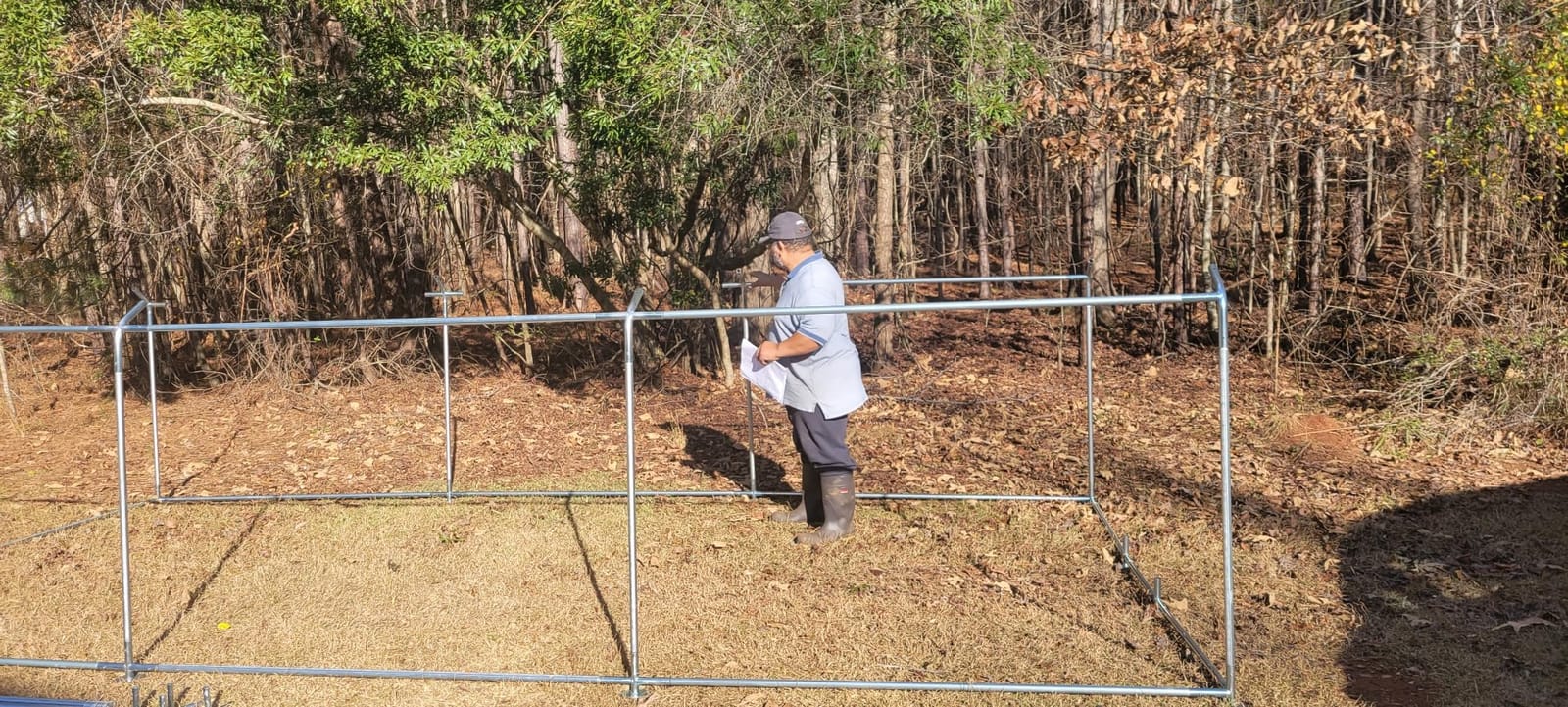
What suits this run well
Anyone keeping 20 or more birds who wants a single structure rather than a run and a half-built second pen. It suits high predator-pressure acreage because the hardware cloth and skirt address both the walls and the ground line.
For a small household flock it is simply more run than you need, and the open mesh sides mean it is a day-and-dusk structure rather than a fully weatherproof barn.
Where it falls short
At 112.2 pounds it is a two-person move, and moving it is exactly what free-ranging keepers often want to do. Plan its position before you build it rather than after.
The sides are open mesh, and the optional side and back covers are sold separately. It also commands a premium compared with lighter runs of similar length, which is the price of not having to retrofit hardware cloth afterwards.
9. HEYTOWN 157.2 x 117.6 x 78 in Walk-In Run: Best Wide Footprint
HEYTOWN Large Metal Chicken Coop Chicken Pen with Water-Resident and Anti-UV Cover Walk-in Poultry Cage Chicken Runs for Yard with Cover Duck Rabbit Dog House Outdoor
157.2x117.6x78 in
25 mm galvanized pipe
PVC-coated hex mesh
Spire PE roof
Pros
- Very wide 117.6 inch span
- Galvanized 25 mm pipe resists rust
- Spire roof drains well
- Suits mixed species
Cons
- Awkward to move once assembled
- Two-person installation
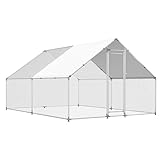
The dimension that sets this run apart is width. At 157.2 by 117.6 inches it gives a broad foraging rectangle rather than a long corridor, which suits free-ranging flocks that need ground to work over a wide area rather than depth to walk.
The frame is 25 mm diameter galvanized steel pipe, specified for stability in wind and rain, and the walls are PVC-coated hexagonal wire mesh that balances ventilation against predator protection. The waterproof anti-UV spire roof sheds weather cleanly, and the same model comes in four lengths from 78 to 314 inches.
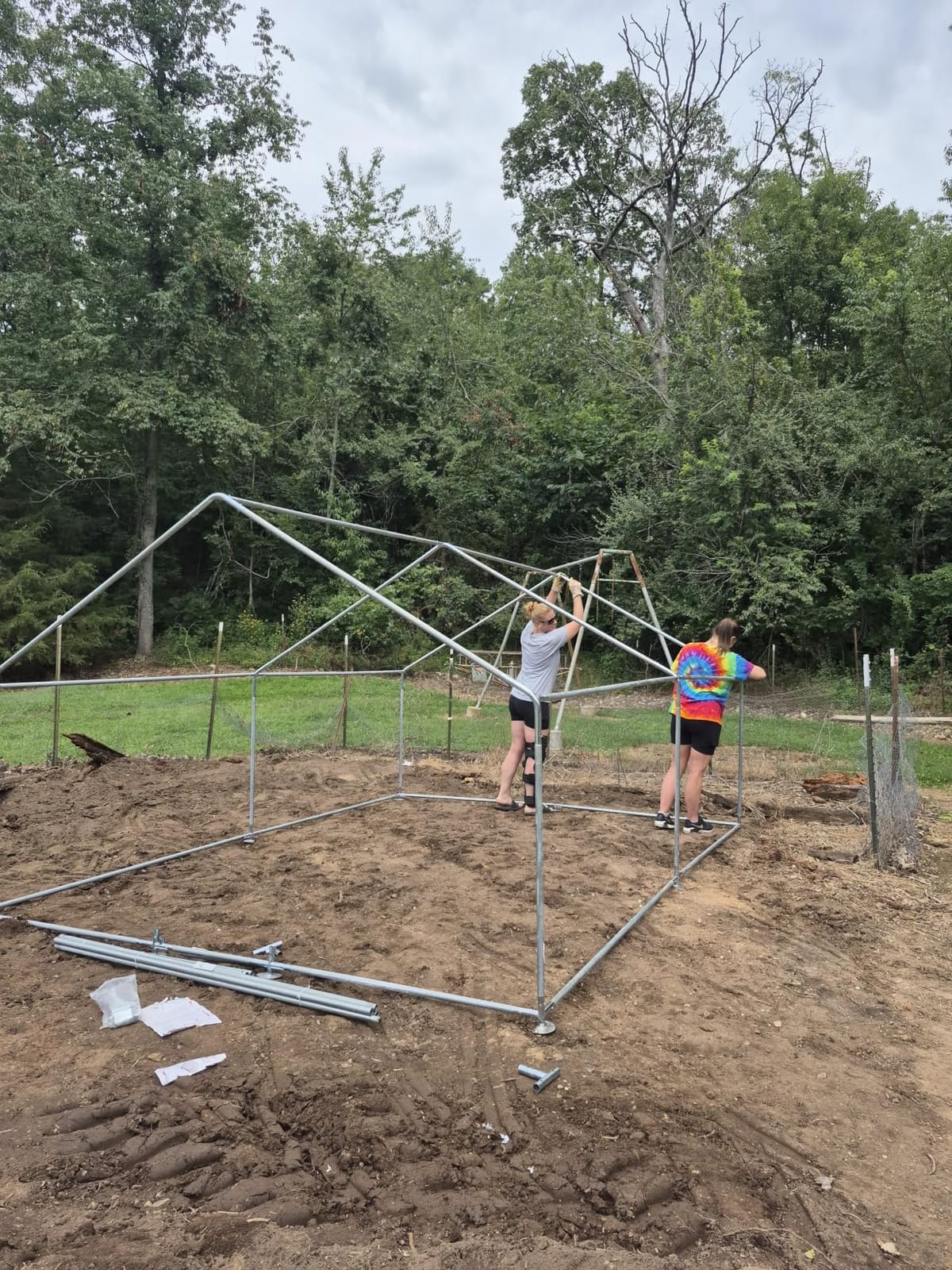
It is listed as multifunctional for rabbits, ducks, cats, dogs and birds, which is accurate given the floor area. For a mixed-species yard where the run shares space with other animals, the walk-in height and span do the work of a small paddock.
Installation is a two-person job with instructions and accessories included, and it is not a structure you will want to relocate once built. Owners are candid about that: the size that makes it useful for a large flock is the same thing that makes it awkward to move.
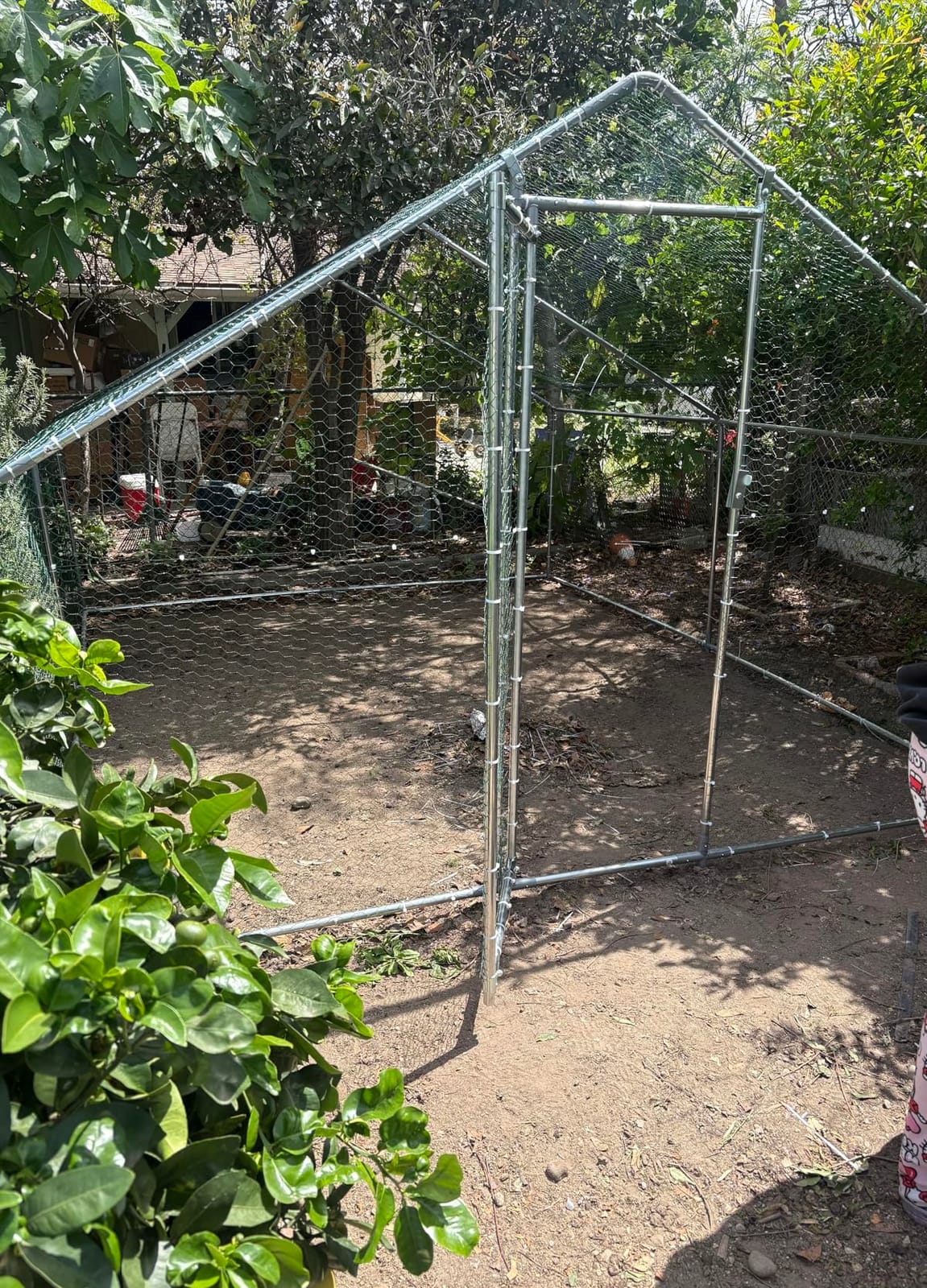
What suits this run well
Large flocks on acreage or generous suburban plots where the run doubles as a daytime yard for the whole flock. The wide span also helps in hot weather, since more birds can spread out and stay shaded rather than crowding one patch.
If your birds range by day and you want a run they can genuinely forage in rather than a holding pen, the footprint here is the deciding factor.
Where it falls short
Building it needs two people, and once assembled it is not something you shift regularly. That rules it out for rotational grazing, however good the ground coverage is.
The mesh still needs the usual hardware cloth treatment on the base, and there is no integrated skirt. As with the rest of this group, budget the reinforcement separately.
10. ANC POP Portable Pop-Up Chicken Run: Best for Daily Foraging
ANC POP Portable Chicken Run Large Pop-Up Chicken Pen for Small Animals Outdoor Gardening Net with 3 Doors and Handbag, Easy to Install and Storage, Green
98.4x49.2x51.2 in
10.85 lb
16 mm steel frame
Pop-up mesh
Pros
- Packs into a small handbag
- Lightest frame in the group
- Side door connects to a fixed coop
- Three doors for access
Cons
- Mesh far thinner than hardware cloth
- No solid roof cover
- Best for supervised daytime use
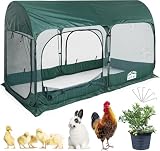
This is the run to buy if your definition of free-ranging is supervised daytime foraging on lawn and vegetable beds. It pops open in seconds, weighs 10.85 pounds, and folds into a 17.8 inch square handbag, so you carry it to the grass rather than dragging a run across it.
Three doors at the front, back and side give flexible access, and the side door is designed to connect directly to a fixed coop. The double zipper design and the separated frame and mesh cover make setup and packing straightforward, and six base holes take steel nails to seal the edges.
The dark green mesh is high-density and resists tearing while keeping airflow high, and it is the least visually intrusive option in a garden. Owners rate it as the easiest of all ten to manage day to day, and it protects lawn and planting while still letting the birds forage.
What you are buying here is flexibility, not security. The mesh netting is much thinner than hardware cloth and offers limited predator resistance, and there is no solid roof cover, so birds have no shade or weather shelter inside.
What suits this run well
Gardeners who want the birds on the grass and in the beds during the day, then back in the coop at dusk. The fold-flat design suits renters, small yards, and anyone who only needs a pen for part of the year.
It also works well as a temporary separation pen, a hospital pen for a bird recovering from an injury, or a brooder run for a batch of chicks while the adult flock is out.
Where it falls short
It is a daytime pen, not a night locker. Without a solid roof or hardware cloth, it is not something you leave a free-ranging flock in overnight or in a storm, and reviewers consistently treat it that way.
Expect to anchor it every time you set it up, since a 10.85 pound frame in wind needs more than its own weight to stay put. Use it alongside a proper secure run rather than instead of one.
How to Choose a Chicken Run for a Free-Ranging Flock
Start with the flock’s schedule, not the dimensions. A flock that ranges for six hours and sleeps in the run needs a modest, secure, roofed box. A flock that stays inside all day needs square footage, shade and a dust-bathing area. Buying for the second situation and using it for the first is how people end up with a run that is either too small or too expensive.
Then check the frame. 1 inch or 25 mm galvanized steel pipe is the standard worth insisting on, because thinner poles are where wind flex and rust show up first. Reinforced corner joints matter more than the marketing word on the box.
Predator protection: mesh and hardware cloth
The best type of mesh for a chicken run is 1/2 inch hardware cloth, fixed to the walls and run along the base as a skirt. Chicken wire is a containment material, not a predator material. Its hexagonal gaps are wide enough for weasels, and its wire is thin enough for a determined raccoon to push through or tear.
Poultry netting and hardware cloth are not the same thing. Poultry netting is the hexagonal chicken wire described above. Hardware cloth is welded into a square grid, usually 1/2 inch or 1/4 inch, and holds its shape when pushed.
Anything wider than half an inch gives a determined weasel or squirrel a route.
Run formats: fixed, portable and electric
Fixed metal walk-in runs suit flocks that forage in one area and come home at night. Portable tunnels and pop-up pens suit rotational grazing, lawn protection and small yards. Wheeled mobile coops suit keepers who want the run and shelter to move together.
Electric poultry netting works, and for large acreage it is the format most keepers end up with. It gives a wide forage area for the cost of moving a fence rather than building walls, and the shock deters the diggers rather than blocking them. It needs a mains or battery energiser, and it does not keep birds in at night on its own, so it pairs with a secure coop and door.
If your threat is hawks rather than ground predators, overhead cover and shelter planting matter more than mesh, since hawks come from above.
Reinforcement: the cost nobody mentions
The run price is roughly half the cost of a predator-proof setup. The rest is hardware cloth on the lower 18 to 24 inches of mesh, an apron run into the ground, replacement fasteners and, in a few years, a replacement cover.
Four steps cover most of it. Cover the lower walls with 1/2 inch hardware cloth and overlap the seams by 3 to 4 inches so a loose connector still leaves the run hard to breach. Bury or staple the apron flat, which is what stops foxes and raccoons digging under the frame line. Replace the supplied plastic zip ties with stainless steel ties or proper fasteners, since plastic fails in UV within a season or two. Upgrade the latch to something a raccoon cannot work.
If a brick foundation along the run line is within budget, that is the most durable answer to digging, because a predator has to move a brick before it can dig. Pair it with our walk-in chicken coop guide if the run needs to attach to a taller house.
Free-range access and daily management
A run works best when it connects to the coop with a pop door and an automatic chicken door, so the flock gets out at dawn and is shut in at dusk without you being outside at both ends of the day. Position the run so the door opens away from prevailing weather and onto ground you are happy to have grazed.
Mud is the reason keepers move runs, so plan for it. Put feeders and water on a gravel or paver base, keep the run on ground that drains, and rotate a portable run to fresh ground every week or two. A dry dust-bathing patch is worth more to a free-ranging flock than extra square feet.
For feeders, our best chicken feeders roundup covers the ones that keep feed dry in wet runs. Flock size, not run size, is what determines how many you need.
Frequently Asked Questions
Do free-range chickens need a run?
Yes. Free-ranging birds still need a secure run, because dusk and overnight are when hawks, foxes, raccoons and weasels are most active. A run lets the flock forage during daylight and be contained before dark, which makes the safe free-ranging window longer and the vulnerable window shorter.
What is the best type of mesh for chicken coops and runs?
Half inch hardware cloth is the best choice for walls and the base skirt. Chicken wire and poultry netting are the same hexagonal material and are containment, not predator proof, because the gaps and wire gauge let weasels and raccoons through. Any aperture wider than half an inch gives a determined predator a route.
Is poultry netting the same as hardware cloth?
No. Poultry netting is the thin hexagonal chicken wire sold for containing birds. Hardware cloth is welded into a square grid, usually half inch or quarter inch, and resists pushing and tearing. Many prefab runs include netting, so check the wire gauge before assuming you are getting hardware cloth.
Should I put hardware cloth under the chicken run?
Yes. Staple a 2 foot skirt of half inch hardware cloth to the base of the run and staple or bury it flat into the ground as an apron. Foxes and raccoons dig under runs far more often than they push through the walls, and the apron is what stops them.
Does electric poultry netting work for free-ranging chickens?
Yes, on acreage and in high predator pressure. Electric netting gives a wide forage area for the cost of moving a fence rather than building walls, and the shock deters diggers instead of blocking them. It needs a mains or battery energiser and does not contain birds overnight, so pair it with a secure coop and a locked door.
The Bottom Line on Chicken Runs for Free Ranging Flocks
The CHIKENCOOP 9.8 by 6.5 by 6.5 foot run is our pick for most free-ranging flocks, because the walk-in height, the reinforced base corners and the included eucalyptus perch make the twice-daily chores bearable, and it holds a flock of eight to twelve comfortably while you add hardware cloth and a buried apron.
Choose the PawGiant 86 inch run if moving the flock to fresh grass is part of your routine, and the Betterhood 13 by 9 foot run if footprint matters more than portability. If your predator pressure is severe, the Quictent run arrives with welded hardware cloth and a ground skirt already fitted, which is the only product here that skips the reinforcement step.
Whatever you choose, budget for hardware cloth, better ties and a proper latch before the first night. That work, not the run itself, is what makes free-ranging survivable in 2026.