
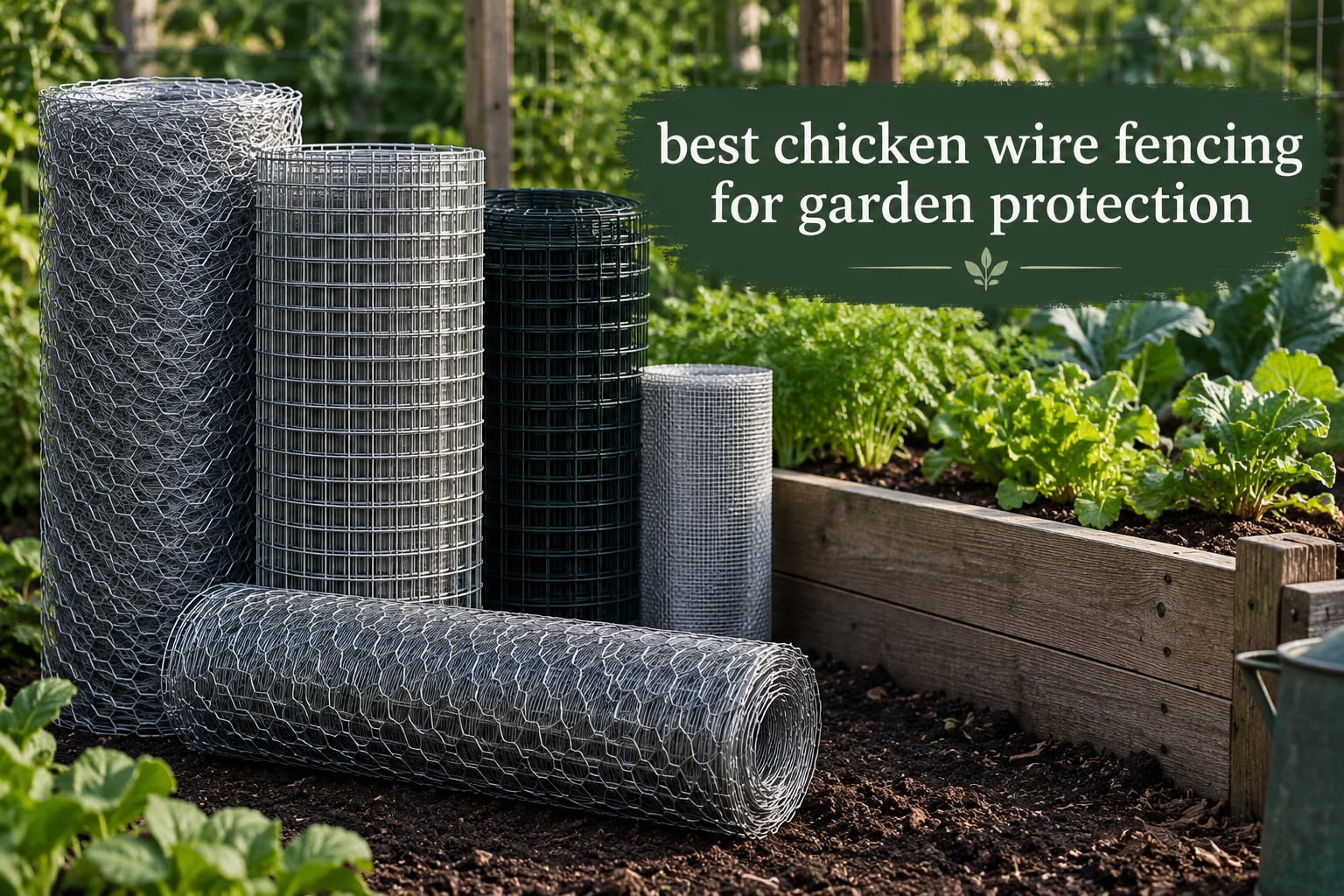
The term “chicken wire” covers two completely opposite jobs, and almost every mistake we see in garden fencing comes from mixing them up. One job is keeping chickens out of your vegetable beds. The other is keeping raccoons, foxes, dogs, and groundhogs in their own territory and away from your plants. The same roll of mesh cannot do both well, and the two halves of this market rarely get separated, so that is where this guide starts.
Here is the short version. Chicken wire fencing for garden protection is the cheapest, lightest option for blocking chickens and rabbits, but it is not predator-proof. When something has to stay out rather than stay in, 1/2-inch 19-gauge hardware cloth is the minimum you should consider, and 1/4-inch mesh is the version that stops mice and chipmunks. Pick the wrong one and you will replace the fence within a season.
So which fence do you actually need? It comes down to four situations:
Keeping chickens out of beds: hex chicken wire, 1 to 2 inch mesh, 3 to 4 ft tall. The floppy weave is a feature here, because a chicken will not perch on it to hop over.
Keeping rabbits and deer out: welded hardware cloth, 1/2 inch or 1 inch mesh, 4 ft tall with a buried skirt. Rabbits chew, so gauge matters more than mesh here.
Keeping raccoons, foxes and dogs out: 1/2-inch 19-gauge hardware cloth at minimum, 4 ft tall, with the bottom 8 to 12 inches skinned into the soil. Anything lighter is decoration.
Caging seedlings and transplants: the small hex rolls and 1/4-inch mesh. Height barely matters because nothing is jumping yet.
Over the last two months our team compared eight of the highest-rated rolls on the market, read the buyer reviews closely, and watched how each one behaves in wet soil and summer sun. We have been building with chicken coops and runs for years, and if you are setting up the housing side of things, our guide to the best chicken coops covers the structures these fences are meant to surround.
Table of Contents
How We Picked These Chicken Wire Fences
Every roll on this list was selected against five criteria, and we did not include anything that failed two of them.
Mesh opening against the target animal. A fence that blocks rabbits but not mice is a partial fence, and partial fences get ignored because the damage still happens.
Wire gauge, stated honestly. We looked for a published gauge rather than a vague heaviness claim, because sellers routinely describe 20-gauge mesh as heavy duty.
Coating method. Galvanized before weaving, hot-dip galvanized, double galvanized after welding, and vinyl coated are not the same thing, and the difference shows up two to three years later.
Roll size against handling weight. A 100 ft roll of 1/2-inch hardware cloth is a two-person job. Buyers routinely underestimate this.
Verified buyer reviews. We weighted reviews that describe real installs over reviews that describe unrolling in a driveway.
We earn a commission when you buy through the links on this page, at no additional cost to you. That does not change which roll wins, and where a product has a real drawback we say so in the review rather than burying it.
Top 3 Best Chicken Wire Fencing Picks for 2026

TOYPOPOR 16in x 82ft Hex Chicken Wire
- Hexagonal galvanized mesh
- 16 in x 82 ft
- Galvanized steel
- 2.07 kg roll weight
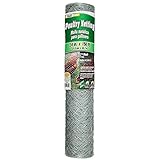
YARDGARD 20-Gauge 2-Inch Poultry Netting
- 20-gauge galvanized steel
- 2 inch hex mesh
- 24 in x 150 ft
- Rust-resistant coating
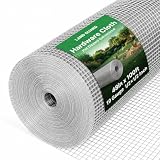
Land Guard 19-Gauge Hardware Cloth
- 1/2 inch welded square mesh
- 19-gauge hot-dip galvanized
- 48 in x 100 ft roll
- High corrosion resistance
The 8 Best Chicken Wire Fences Compared (October 2026)
All eight rolls below are the full lineup we tested against. The quick specs are here so you can filter before reading the individual reviews.
| Product | Specifications | Action |
|---|---|---|
| TOYPOPOR 16in x 82ft Hex Chicken Wire |
|
Check Latest Price |
| YARDGARD 2 Inch Poultry Netting 24in x 150ft |
|
Check Latest Price |
| Land Guard 19 Gauge Hardware Cloth 48in x 100ft |
|
Check Latest Price |
 Amagabeli True 19 Gauge Hardware Cloth 48in x 50ft Amagabeli True 19 Gauge Hardware Cloth 48in x 50ft |
|
Check Latest Price |
 GoldPeak Black Hardware Cloth 1/2 inch 48in x 100ft GoldPeak Black Hardware Cloth 1/2 inch 48in x 100ft |
|
Check Latest Price |
 SANZEUS Hardware Cloth 48in x 100ft 1/2in Mesh SANZEUS Hardware Cloth 48in x 100ft 1/2in Mesh |
|
Check Latest Price |
 VEVOR 1/4 inch Hardware Cloth 48in x 100ft 23 Gauge VEVOR 1/4 inch Hardware Cloth 48in x 100ft 23 Gauge |
|
Check Latest Price |
 Miuwauer 13.7in x 236in Hex Poultry Netting Miuwauer 13.7in x 236in Hex Poultry Netting |
|
Check Latest Price |
1. TOYPOPOR 16in x 82ft Hex Chicken Wire – Best Overall Garden Fence
16in x 82ft Chicken Wire, TOYPOPOR 40cm x 25m Poultry Wire Netting Hexagonal Galvanized Mesh Garden Fence Barrier for Pet Rabbit Chicken Fencing (16In x 82FT)
Hexagonal galvanized mesh
16 in x 82 ft roll
Galvanized steel
2.07 kg
Pros
- Galvanized for long-term outdoor use
- Light and easy to shape around cages and curves
- Easy to cut with basic hand tools
- 82 ft roll covers a full bed run
- 4.6 stars across 2493 reviews
Cons
- Wire may be thinner than buyers expect
- Hex openings will not stop mice or small snakes
This is the roll we end up buying most often. The spec sheet reads simply: 16 inch width by 82 ft, hexagonal weave, galvanized steel, and a listed weight of just 2.07 kg. That combination is hard to find elsewhere, because most garden-length hex rolls are either much heavier or much shorter.
What sold us is the 82 ft length against the 16 in width. At 16 inches tall you can strip a raised bed, a compost corner, or a row of transplants without the fence becoming a trip hazard, and 82 ft is long enough to run the full perimeter of a decent-sized plot in one piece with no seams for a rabbit to work at.
We have bent this mesh around tomato cages and squash trellises without it kinking or springing back, and it cuts cleanly with the tin snips we already had on the bench. For straight runs along a bed edge it is genuinely a one-person job, which is not true of any 100 ft roll of 1/2-inch hardware cloth.
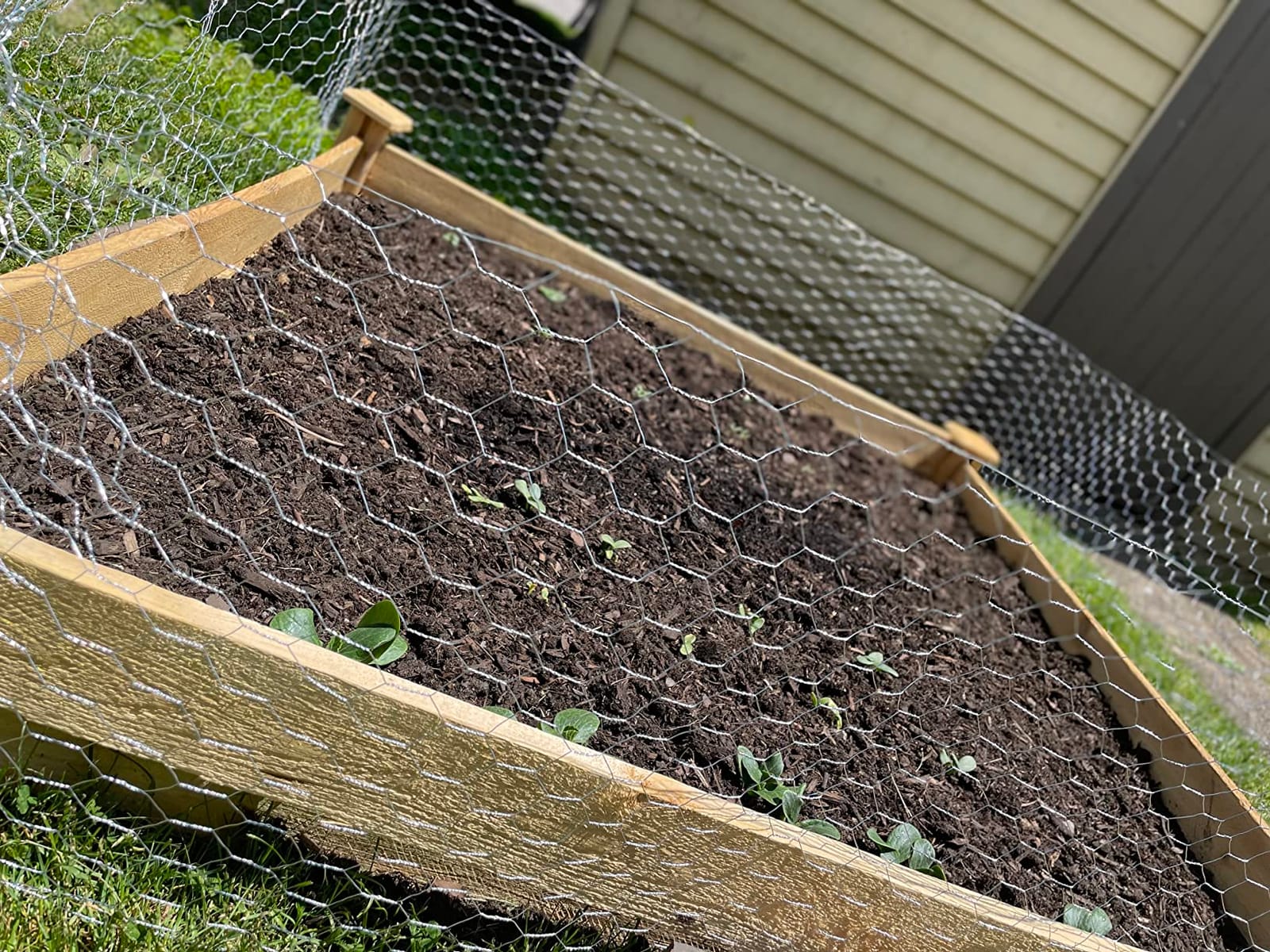
Now the honest part. This is light hex mesh, and it is sold to you as garden fencing, which is exactly what it is good at. Buyers report that the gauge can be thinner than they expected, and the hex openings are wide enough for a mouse or a young snake. The same 4.6-star review base that praises the value also flags this, so do not hang it on a frame that has to resist a determined raccoon.
It also has no PVC or vinyl coating, so the corrosion resistance depends entirely on the galvanizing. We have seen it hold up fine through ordinary seasonal wet, but fence lines sitting in wet clay or salted winter conditions will show surface rust sooner than the coated options on this list.
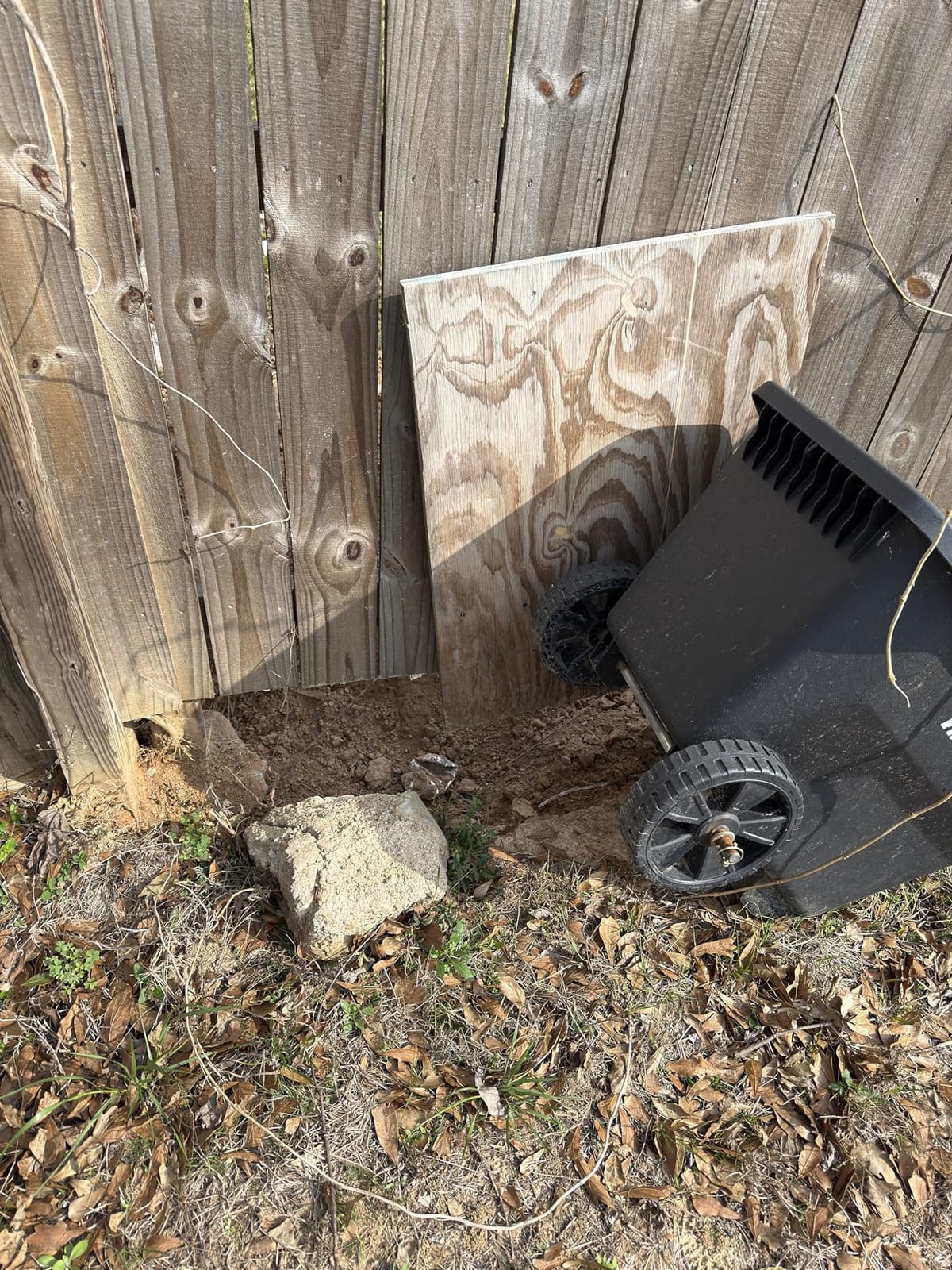
Where this fence works in a garden
This is the one to buy for the fence around a vegetable bed whose only problem is the flock scratching through it. Chickens treat a floppy hex fence as a dead end, because there is nothing solid to roost on, and that instability is exactly the reason poultry netting is a legitimate tool rather than a compromise.
It is also the right pick for rabbit protection at the bed level, for 20 ft of protective skirt along a new transplant row, and for building circular or arched plant cloches. One roll produces a surprising number of cages because the wire is so light to work.
When to skip this roll
Skip it if your real enemy is something with teeth and persistence: raccoons, foxes, coyotes, or a neighbor’s dog. Nothing in a light hex mesh of this gauge survives that, and buyers report the same thing in their own words.
Skip it for squirrel and chipmunk exclusion, because the hex opening is large enough for a determined squirrel to work through, and always finish any run with a top rail or a cap net, since these animals come from above rather than through the face of the fence.
2. YARDGARD 20-Gauge 2-Inch Poultry Netting, 24in x 150ft – Best Value for Long Runs
YARDGARD 2 Inch Poultry Netting, Chicken Wire Fence, 20 Gauge Galvanized Steel, Rabbit Fencing, Bird Enclosures, Garden Protection and Plant Support, 24 Inches x 150 Feet Legacy
20-gauge galvanized steel
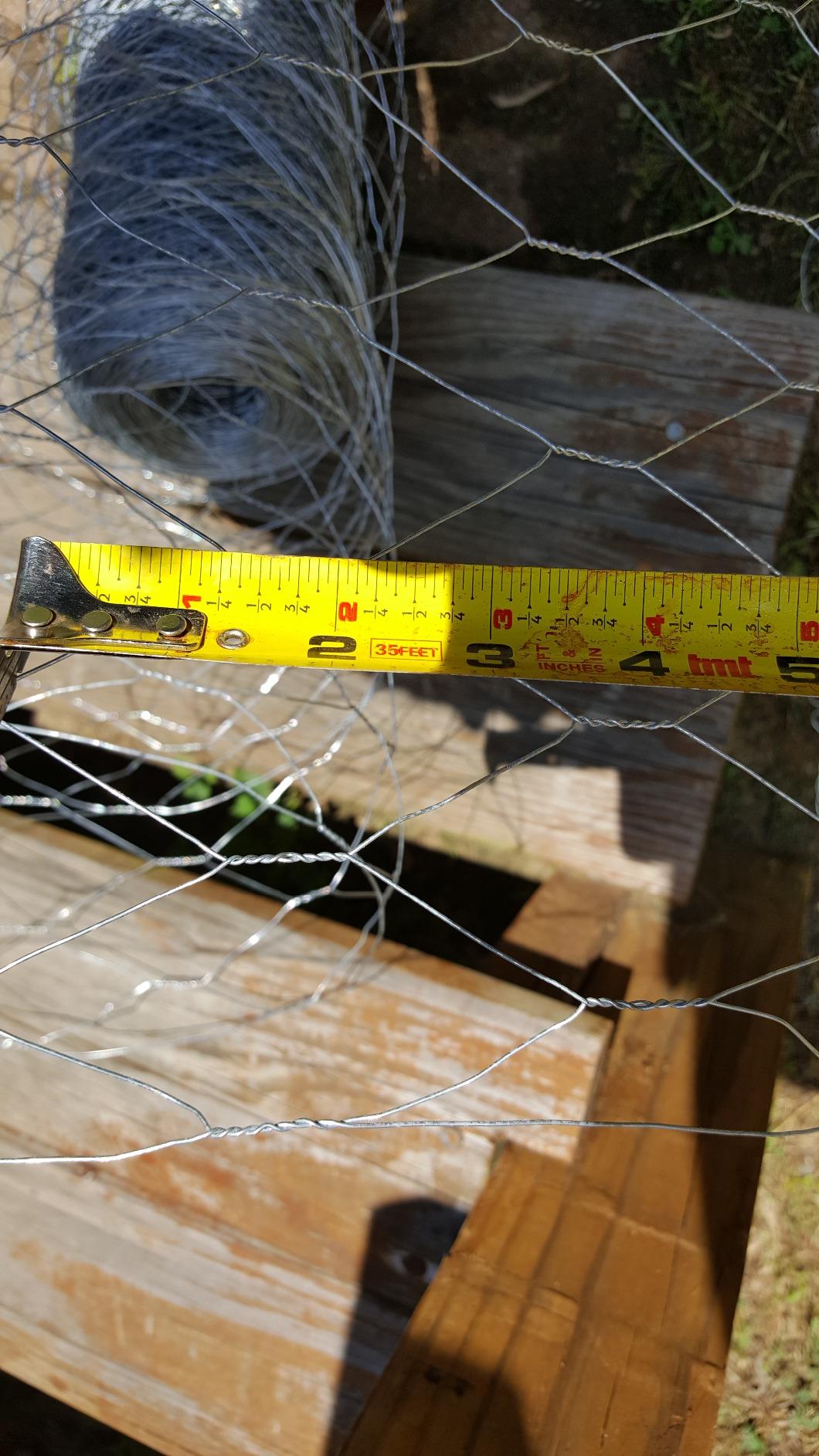
2 inch hex openings
24 in x 150 ft
10.9 lb roll
Pros
- 150 ft roll covers long runs economically
- Galvanized before weaving for even coating
- Very pliable and fast to install
- Long-established brand with deep review history
- Light enough for one person at 10.9 lb
Cons
- 2 inch openings will not block rodents
- Thinner than hardware cloth in the same price band
This is the classic poultry netting roll, and for a reason. 150 ft of 20-gauge galvanized steel at 24 inches tall covers more ground per roll than anything else in this roundup, and it stays flexible enough to follow uneven ground without a fight.
At 150 ft you can ring an entire flock area, divide a yard into rotational strips, or run multiple short bed borders from a single roll. That coverage-per-roll is the whole argument. When the job is containing chickens and rabbits, mesh size is the deciding factor rather than wire thickness, and this is a light, well-made 20-gauge roll that does the job it is designed for.
The zinc coating is applied before weaving, so the wire is coated inside and out rather than just on the visible face. That is the correct order of operations and it is why reviews describe the finish as holding up through weather without early bloom. Buyers consistently call it easy to install and conforming to frames, posts and uneven ground without needing a second pair of hands.
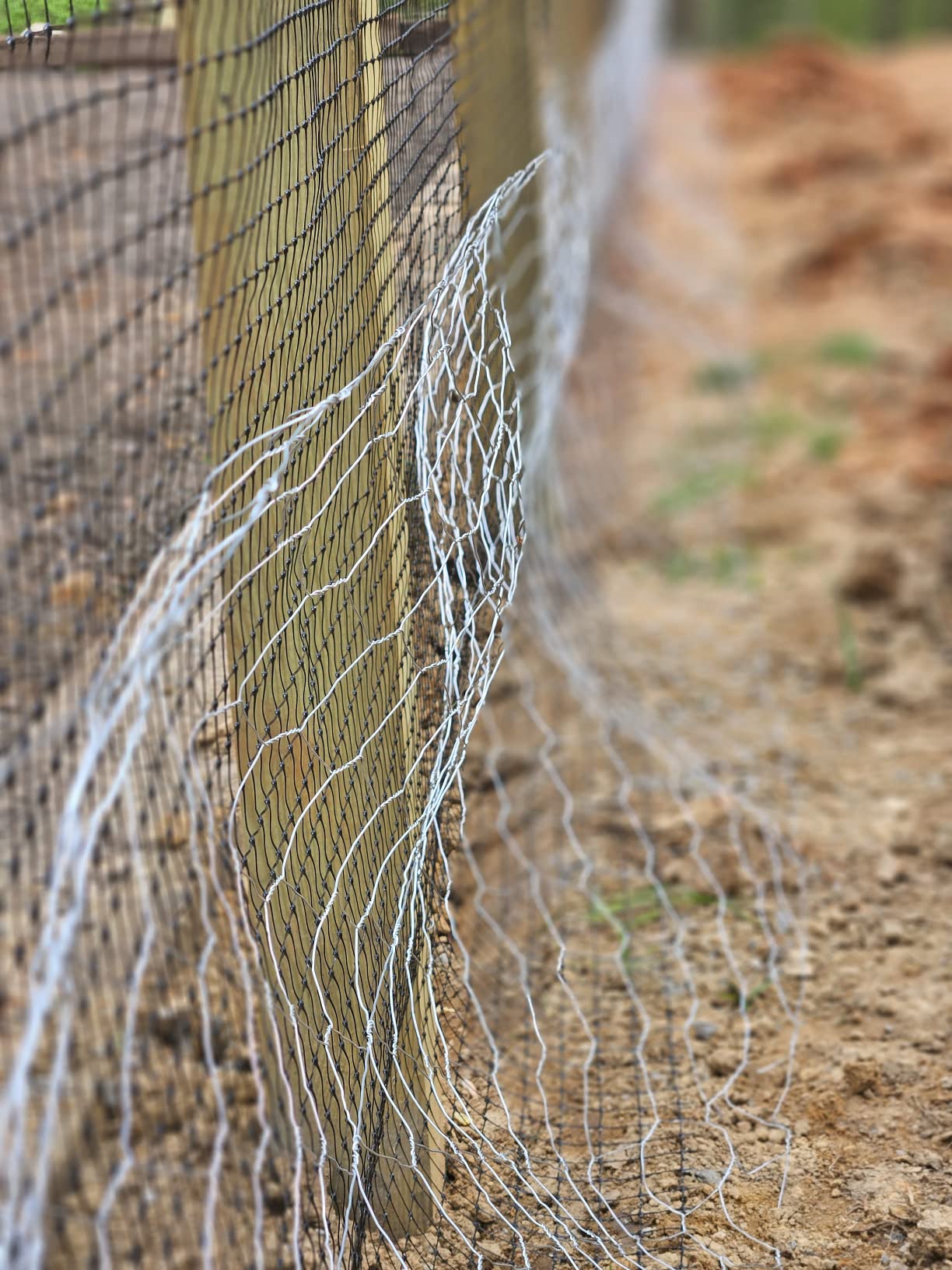
The catch is 2 inches of opening. That is a chicken, a large rabbit, a magpie or a small dog opening. It is not a vole opening, not a rat opening, and not a snake opening. If your problem list includes rodents, this roll will not touch any of them and no amount of extra height will fix that.
The 20-gauge wire is also thinner than the 19-gauge hardware cloth on this list, which matters where animals chew rather than push. Groundhogs and gophers working at ground level chew straight through light wire, and the fix is heavier wire at the base, not a taller run of the same material.
Who should buy this roll
Buy this one if you are fencing chickens in rather than out, or building a temporary run you will move around the yard, or setting a boundary against rabbits and stray dogs on a large plot. The 150 ft length is unmatched here and the light weight means you can reposition a section by yourself.
It also works well as a top section on a taller mixed-material fence, where the lower portion handles the pushing and the upper portion only needs to stop climbing and flying. And it doubles perfectly as plant support, which is why you will find it stretched along bean rows and around young trees.
Where it falls short
This is not the roll to hang around a bed if squirrels or chipmunks are the issue, because both of those animals treat 2-inch hex mesh as a doorway. Reviews mention this limitation directly.
It is also the wrong choice for a permanent perimeter line that has to look tidy, since uncoated galvanized mesh bright silver against mulch is a visible line. If appearance matters, the black coated hardware cloth further down handles the same job without the shine.
3. Land Guard 19-Gauge Hardware Cloth, 48in x 100ft – Best for Deer and Dogs
Land guard 19 Gauge Hardware Cloth, 1/2 inch 48inch×100ft Chicken Wire Fence, Galvanized Welded Cage Wire Mesh Roll Supports Poultry Netting Cage Fence………
1/2 inch x 1/2 inch welded mesh
19 gauge
48 in x 100 ft
Hot-dip galvanized alloy steel
Pros
- 1/2 inch openings block most crawling creatures
- Welded wire holds shape and resists pushing
- Hot-dip galvanizing for high corrosion resistance
- 100 ft roll covers a full property line
- 4.6 stars from 1428 reviews
Cons
- Heavy and awkward to unroll
- Costs more than basic chicken wire
- Cutting needs real wire cutters
This is the roll to reach for when something has to be kept out. 1/2 inch by 1/2 inch welded square openings in 19-gauge hot-dipped galvanized alloy steel, on a 48 inch by 100 ft roll, is the configuration that keeps coming up whenever gardeners talk about fences that must actually hold.
Welded intersections are the key difference from hex mesh. There is no twist to work loose under load, and the panel holds its shape once tensioned, so an animal pushing against it is pushing against a rigid grid rather than a flexible braid. That is why community advice about predator fencing keeps pointing to welded hardware cloth as the honest answer.
At 4 ft tall it clears the hop height of nearly every rabbit, and the 1/2 inch opening is tight enough to shut out snakes, mice, and voles at the same time. For a garden where the threat list includes deer at the top and rodents at the bottom, this single roll covers both ends of the range.
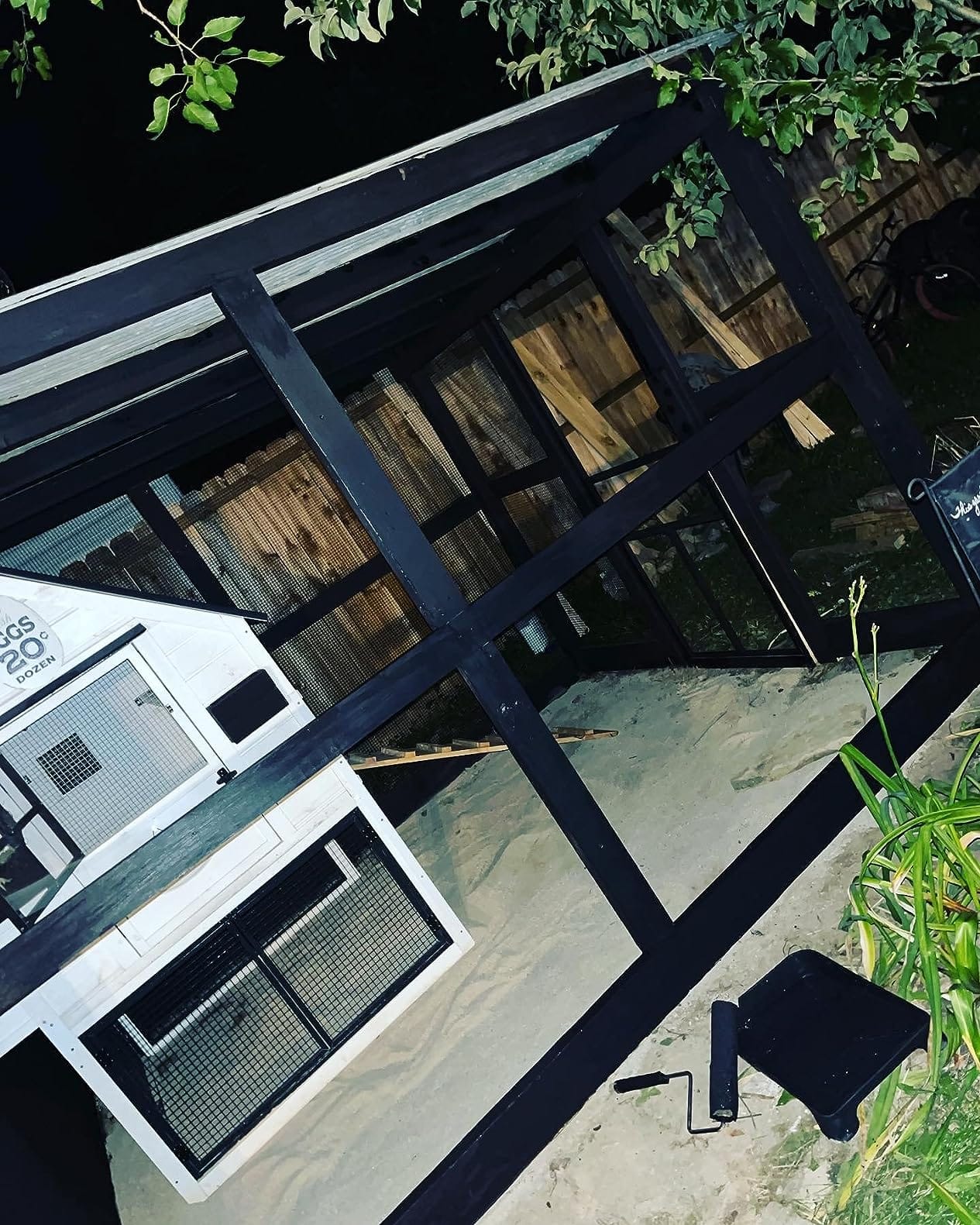
Now the part that trips people up in the first ten minutes. This roll is heavy and reviewers say so plainly, describing it as difficult to handle during installation and needing tools for cutting. A 48 in by 100 ft roll of 1/2-inch hardware cloth is genuinely a two-person job, and on uneven ground it is worse.
The other honest drawback is what it costs per linear foot relative to basic chicken wire, and that gap is real. That gap only makes sense if you were going to replace the cheap roll within a year, and for anything involving animals that chew or push, you were.
Why this is the deer and dog answer
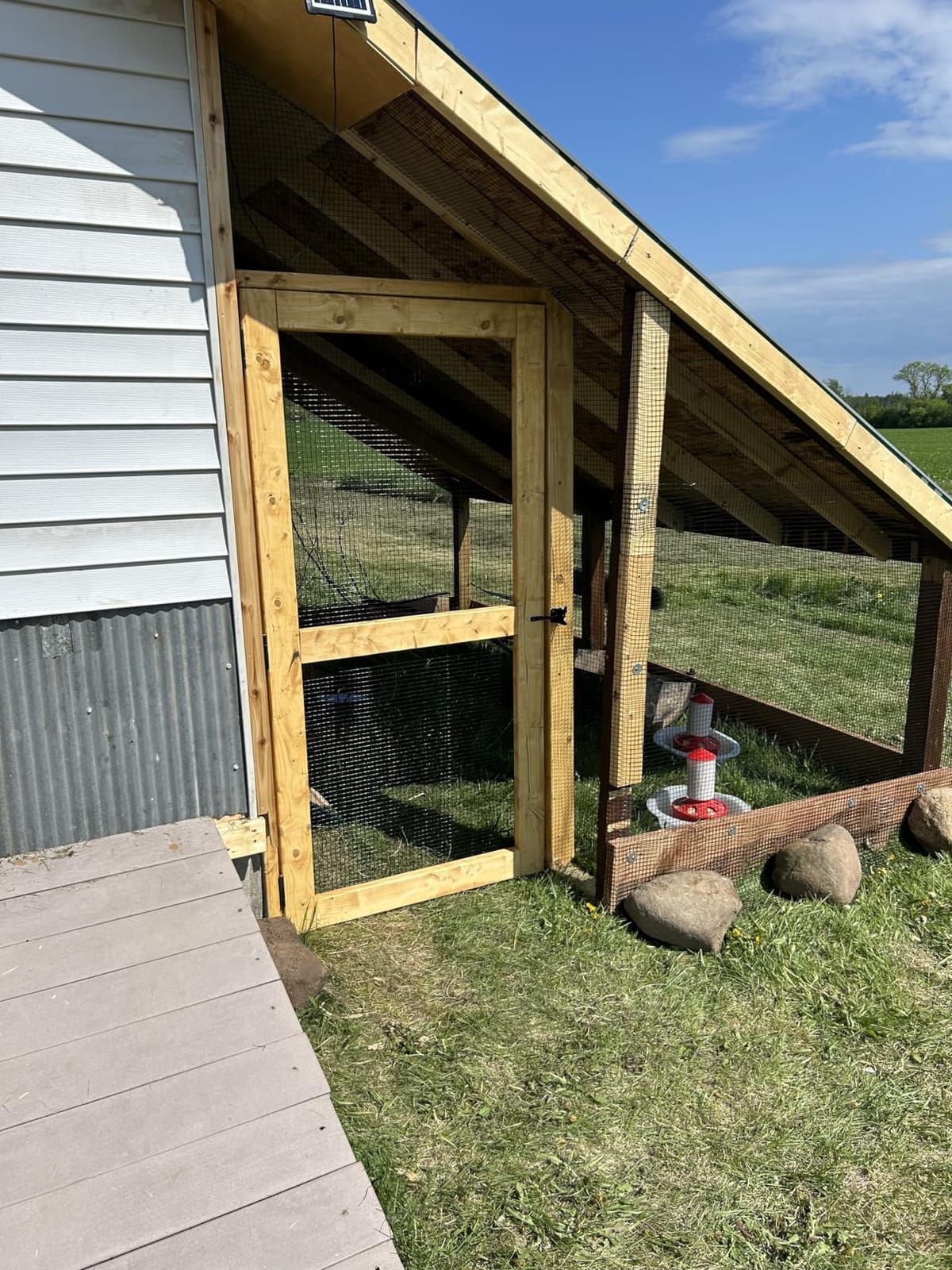
Deer do not chew, they push and lean, and a welded panel that holds its shape absorbs that far better than hex mesh. Dogs test fences by leaning and digging, so the rigid face plus a proper buried skirt is the combination that holds where a floppy fence simply bows out.
For mixed gardens, this is also the pick that handles the whole list in one material, which means fewer transition points where a determined animal can find a weak seam. We prefer 1/2 inch over 1 inch here for exactly that reason, even though 1 inch is cheaper per foot.
What to watch out for
Plan the install as a two-person job, and get the posts set before the roll is unrolled. Post spacing of 8 to 10 ft keeps the panel tight enough that there is no gap at the base for anything small to exploit.
Over-driven staples can eventually cut through 19-gauge wire, so drive them flush and space them every 6 inches rather than hammering them deep. Cut ends are sharp, and the review base mentions that the material resists cutting without proper tools, so budget for wire cutters rather than trying to fold it.
4. Amagabeli True 19-Gauge Hardware Cloth, 48in x 50ft – Most Versatile
Amagabeli Hardware Cloth 1/2 inch 48 in x 50 ft True 19 Gauge Chicken Wire Double Galvanized Welded Wire Fencing Mesh Roll Garden Plant Support Poultry Netting Rabbit Cage Snake Gopher Fence
True 19 gauge steel
1/2 inch mesh
48 in x 50 ft
Double hot-dip galvanizing
Pros
- True 19 gauge with double hot-dip galvanizing
- 1/2 inch mesh blocks small rodents
- Cuts easily with scissors or wire cutters
- 4.7 stars across 1851 reviews
Cons
- Only 50 ft per roll
- Heavier than basic chicken wire
- Large projects need multiple rolls
This roll is the top-rated pick here, 4.7 stars across 1851 reviews, and the reason is a word that matters enormously in this category: true. The listing states true 19 gauge, and buyers who measured it report that the wire is actually what it claims to be. That is not a small detail, because plenty of rolls in this price band are lighter than the gauge on the label.
The construction is a high-strength low-carbon steel core with hot-dip galvanizing applied twice. Double galvanizing is the specification that makes the biggest difference to service life, because the second pass covers the cut ends and any points the first pass left thin. Reviews describe the rust resistance as excellent in wet and saline conditions, which is exactly the environment a garden fence line lives in.
At 1/2 inch the mesh is dense enough to stop rabbits, snakes and rodents, and the 48 in height suits a perimeter line around beds or a low run. Buyers like that it is easy to cut and splice, which matters if you are joining rolls or fitting around a corner post.
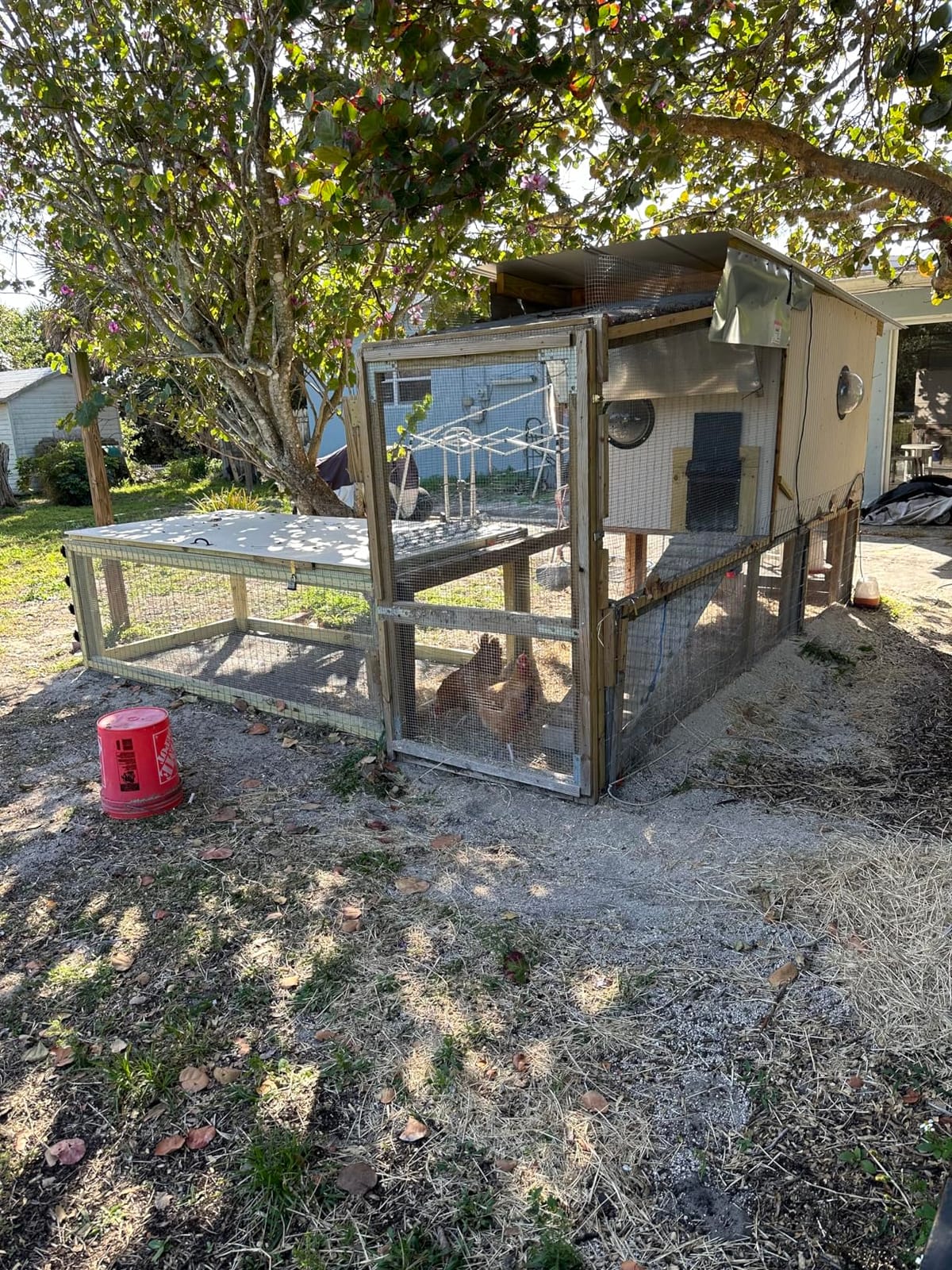
The real trade-off is coverage. Fifty feet is half the length of the 100 ft rolls, so a perimeter project means either two rolls or a plan that uses the length more cleverly. The listed weight of 28.9 pounds tells you what to expect in the hand, which is heavy enough that two people make sense for anything longer than a bed.
It is also heavier than any hex chicken wire, which is the price of a 1/2 inch mesh. Plan the install the same way as the other hardware cloth here: posts first, staples every 6 inches, and wire cutters on the bench before you start.
Best used for high-humidity and coastal gardens
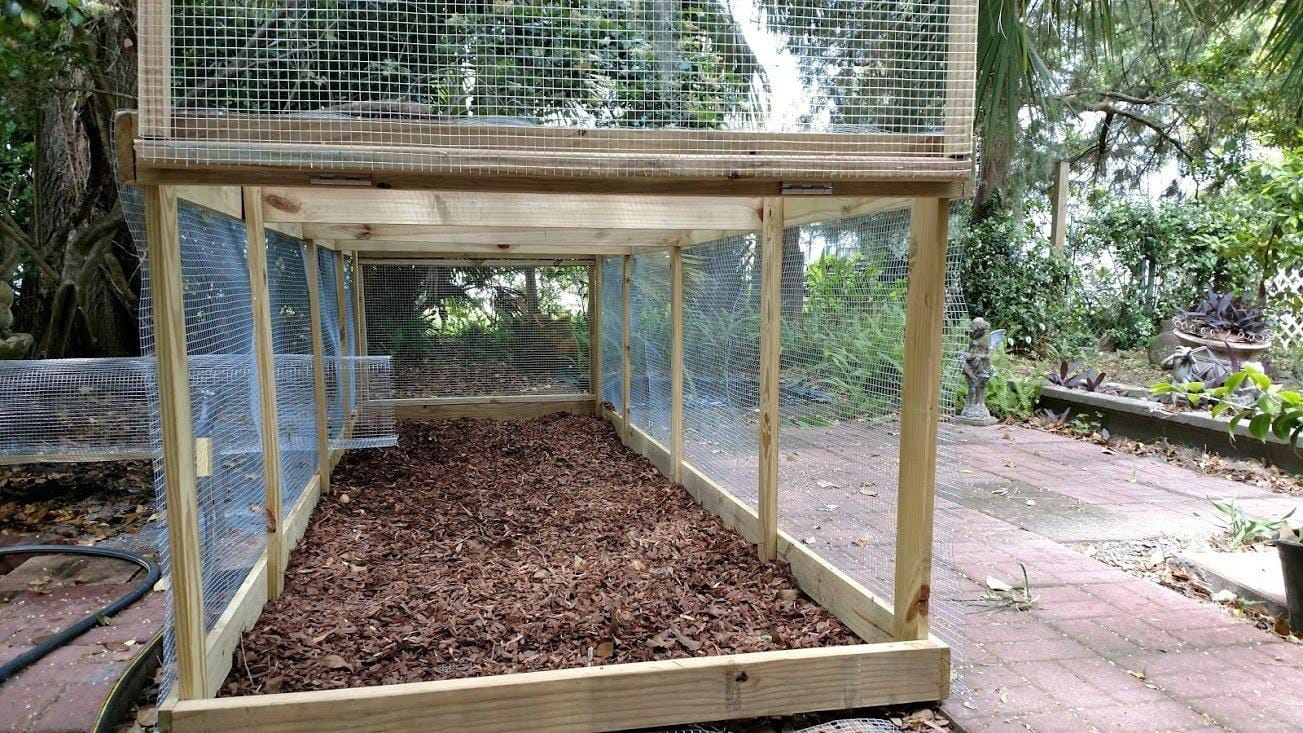
If your soil holds moisture, you irrigate by sprinkler, or you live somewhere with salted winters, the double galvanizing is the reason to spend up for this roll. It is the one we would trust to sit against damp soil for years without the surface going orange.
It is also the right pick for edible beds where wire sits close to crops, because the heavier core and the better coating reduce the chance of zinc and rust contact with plant material. For gopher and snake protection around raised beds, the 1/2 inch opening does the work that hex mesh never will.
Where the shorter roll bites
If you are running a long boundary, 50 ft is a constraint you will feel. Budget for the number of rolls up front rather than discovering mid-install that a spliced seam has become a weak point in your perimeter.
For very light jobs, this is over-engineered. A single raised bed or a set of plant cages does not need 28.9 pounds of true 19-gauge steel, and the lighter hex rolls on this list will do the same work at a fraction of the effort.
5. GoldPeak Black Vinyl-Coated Hardware Cloth, 48in x 100ft – Best for Blending Into Mulch
GoldPeak Black Hardware Cloth 1/2 Inch Mesh 48 Inch x 100 Foot 19 Gauge
1/2 inch x 1/2 inch mesh
19 gauge
48 in x 100 ft
49 lb with vinyl coating
Pros
- Black vinyl coating disappears against mulch and foliage
- Galvanized core with vinyl outer layer for double protection
- 100 ft roll with a 5-year warranty
- Gloves included for handling sharp wire
- 4.8 stars from 765 reviews
Cons
- Some buyers question the true gauge
- Not suited to chewing predators
- 49 pounds is a two-person unroll
This is the only coated roll on the list, and the reason is purely visual and practical. The core is galvanized steel with a vinyl coating over the outside, giving 1/2 inch square openings in 19 gauge wire on a 48 in by 100 ft roll. Against dark mulch, evergreen hedging or a painted fence, it reads as a thin dark line rather than a bright silver wall.
It also carries the highest star rating in this roundup at 4.8, based on 765 reviews. Buyers mention the blend-in effect unprompted, which tells you how much the finish matters to people actually living with the fence rather than just specifying it.
Two details stand out for a garden buyer. A 5-year warranty is unusual in this category, and the package includes gloves, which matters because hardware cloth cuts produce genuinely sharp ends and everyone handling a 49 pound roll will appreciate them.
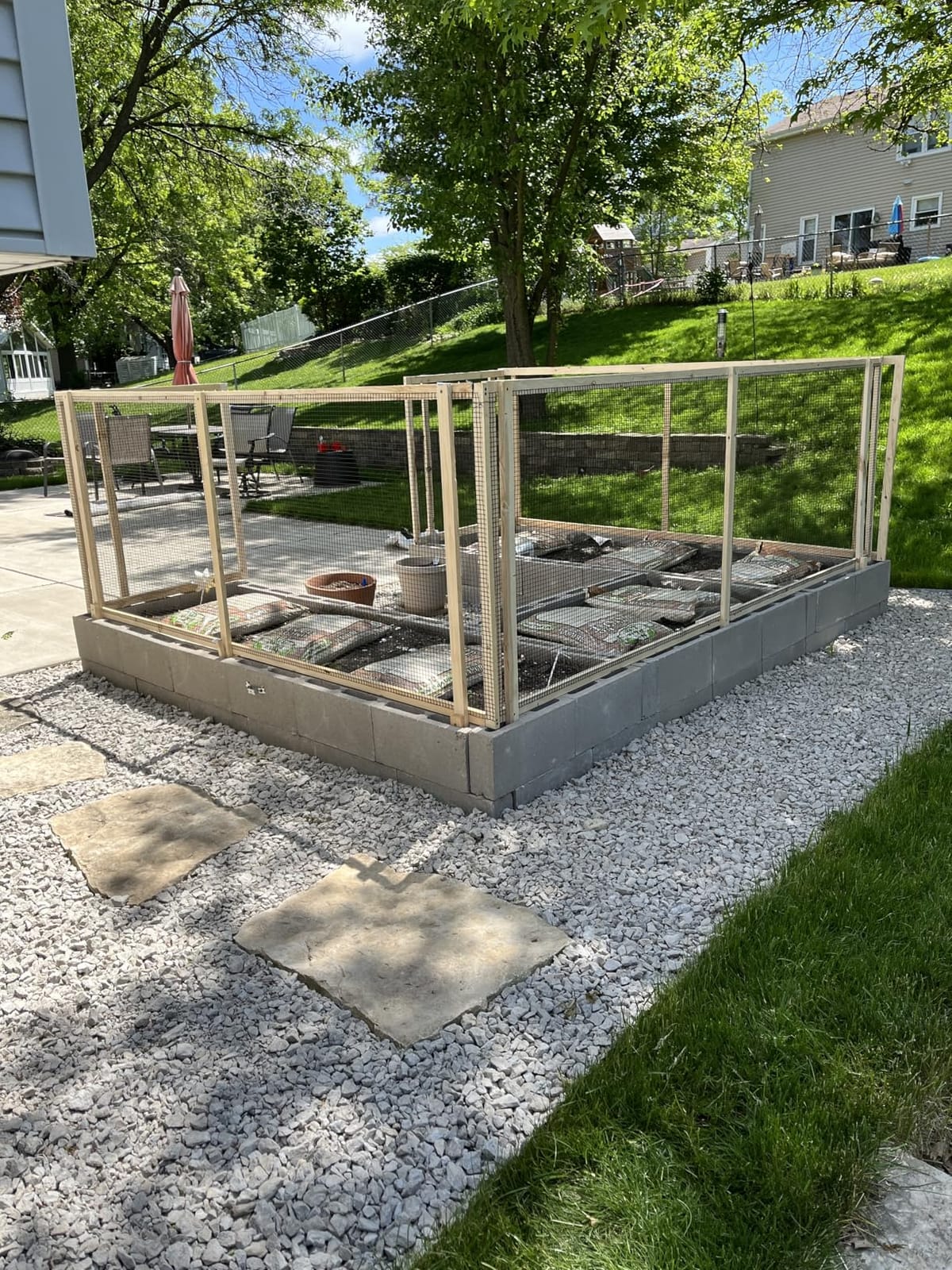
The gauge question is the honest drawback. Some customers question whether it is true 19 gauge, and that is worth taking seriously, because the whole category has a naming problem. If the wire feels lighter than the heavier rolls on this list, treat it as closer to the light end of the range and use it accordingly.
More importantly, the reviews are clear that this is not built for large predators that chew. Raccoons in particular work at mesh edges and coatings, and a vinyl layer is a chewable layer. For deer pressure or stray dogs it performs well, but for a determined raccoon, choose bare galvanized hardware cloth instead.
One more practical note: at 1/2 inch square, hog ring clips will not work as fasteners. Use staples or zip ties on the fence line and reserve clips for hardware cloth at 1 inch or larger.
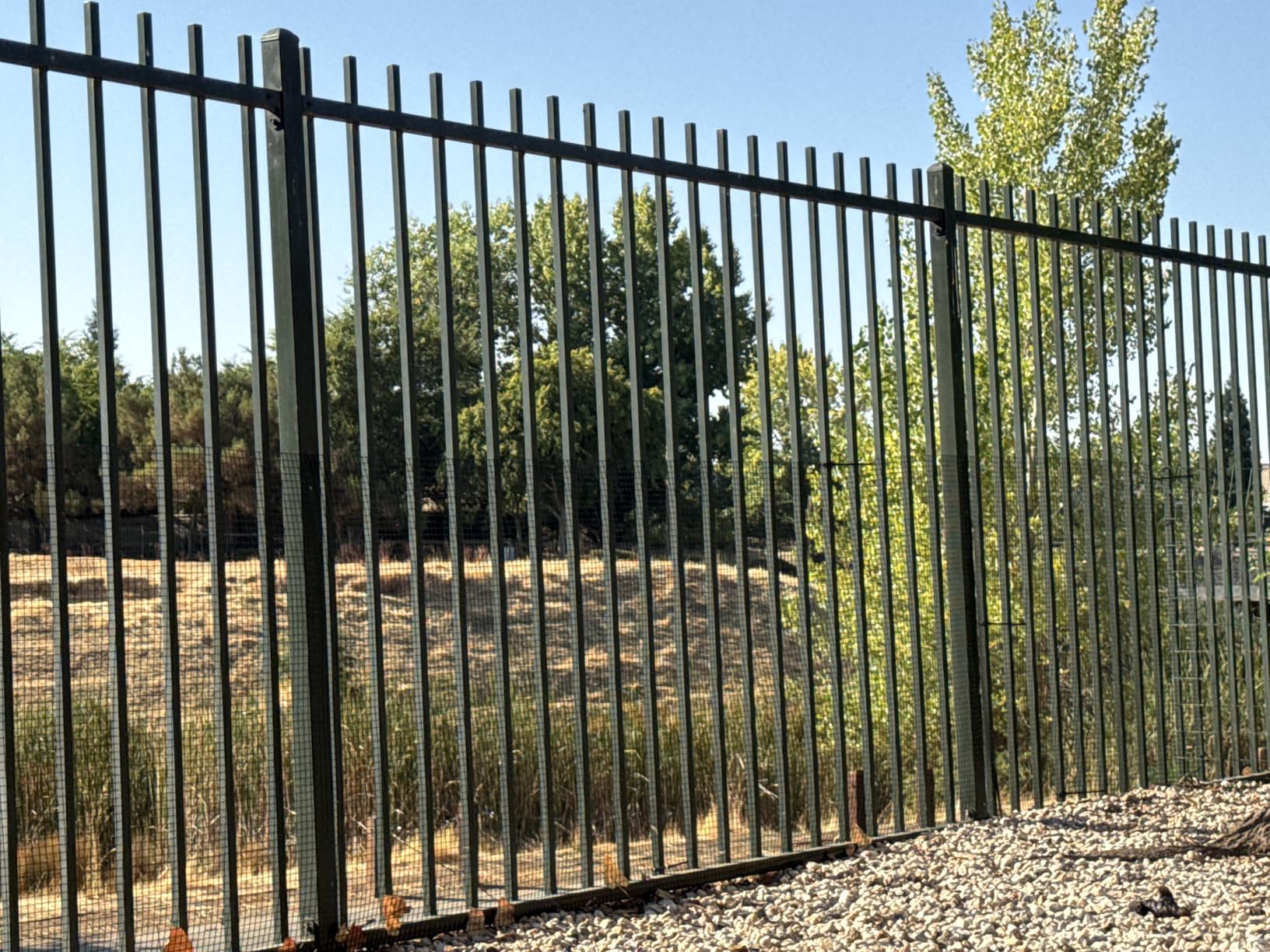
Where the black coating earns its place
Front gardens and side-yard vegetable plots are where a silver fence becomes an eyesore. Against mulch, dark soil, or a cedar fence, this roll is close to invisible, and the vinyl layer buys a second layer of rust protection on top of the galvanizing.
It is also a sensible pick for a decorative border where the fence is a visible element, and for anyone who wants the appearance of a wrapped, finished edge rather than raw cut wire. The included gloves make a 49 pound unroll safer and more comfortable.
When to choose bare galvanized instead
Choose bare hot-dip galvanized hardware cloth when chewing animals are the threat. Vinyl is a soft outer layer, and a raccoon or groundhog working at a buried edge will find it faster than zinc-coated steel.
Also look elsewhere if the true gauge question bothers you. If you want a fence that will be leaned on by a large dog or a deer for a decade, pay for a heavier verified gauge rather than a lighter wire with a coating over it.
6. SANZEUS Double-Galvanized Hardware Cloth, 48in x 100ft – Best for Coops and Garden Beds
SANZEUS Hardware Cloth, 48in x 100ft 1/2in Mesh, 19GA Chicken Wire Fencing
1/2 inch x 1/2 inch mesh
19 gauge black annealed steel
48 in x 100 ft
48 lb roll
Pros
- Double galvanized after welding covers every weld point
- 100 ft roll for full perimeter coverage
- Reinforced packaging prevents shipping dents
- Cuts with wire cutters or scissors
- 4.7 stars from 739 reviews
Cons
- Wire may be slightly thinner than expected
- 48 pounds is heavy to handle
- Some buyers report delivery delays
This roll is built around a detail that most competitors skip. The 19 gauge black annealed steel is galvanized after welding, which means every weld intersection receives its own zinc coating rather than relying on the pre-weave galvanizing to reach it. Weld points are the first place hardware cloth rusts, so this is the specification that actually extends service life.
The result is 1/2 inch by 1/2 inch openings on a 48 in by 100 ft roll, rated at 4.7 stars across 739 reviews. Buyers describe it as good value for a 100-foot roll and sturdy enough to cut with proper tools without the mesh deforming.
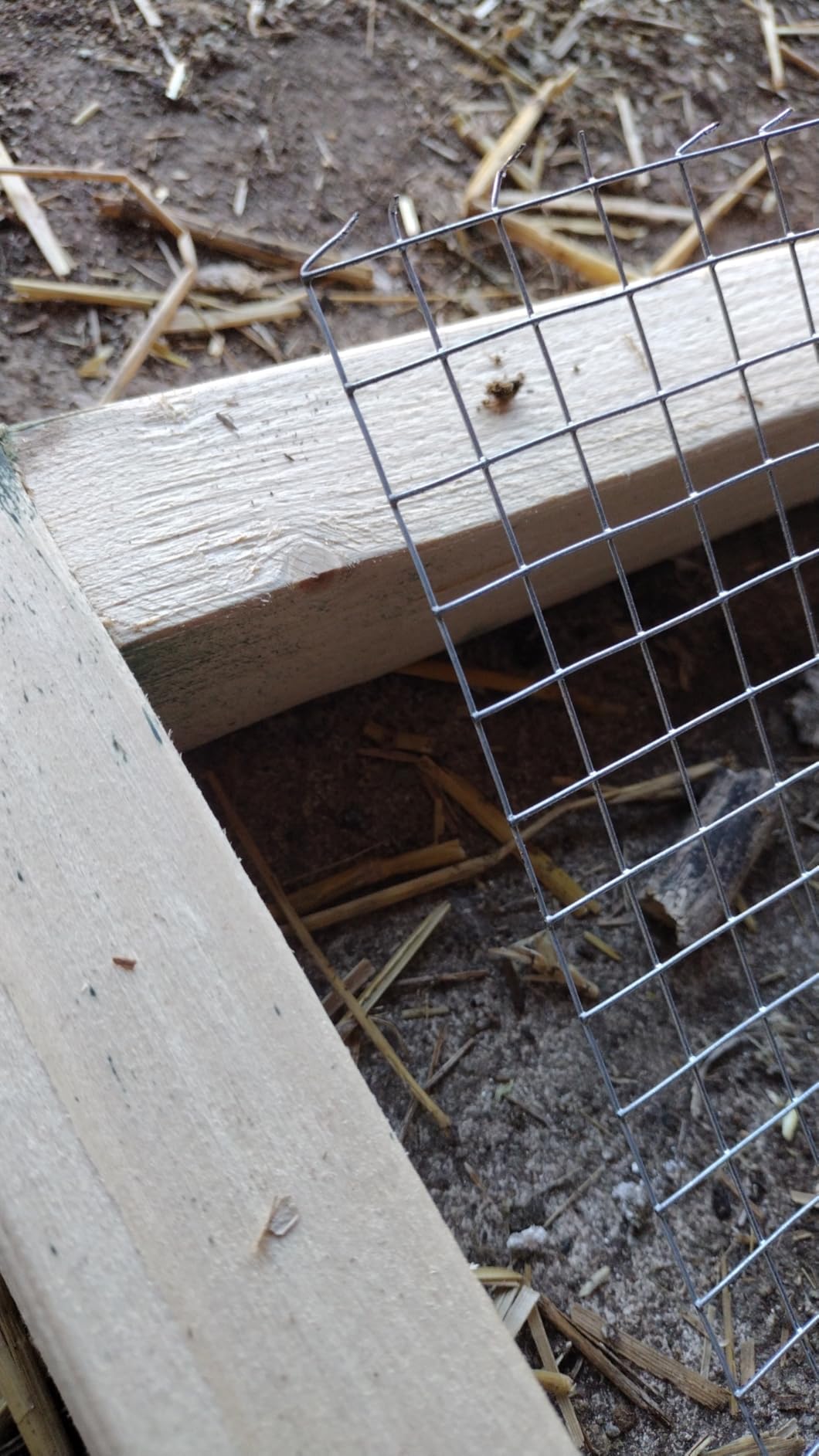
Packaging is the quiet advantage. Reinforced transparent film and paper boxes protect the roll in transit, and in this category that genuinely matters, because a bare galvanized roll that arrives dented or kinked is a roll that frustrates you for the whole install. Buyers single out the packaging improvement as a reason they keep coming back.
For a garden, the 1/2 inch opening is the useful part. It stops rabbits, snakes, mice and voles in a single pass, and at 4 ft it handles a bed perimeter or the lower run of a mixed fence without anything having to jump it.
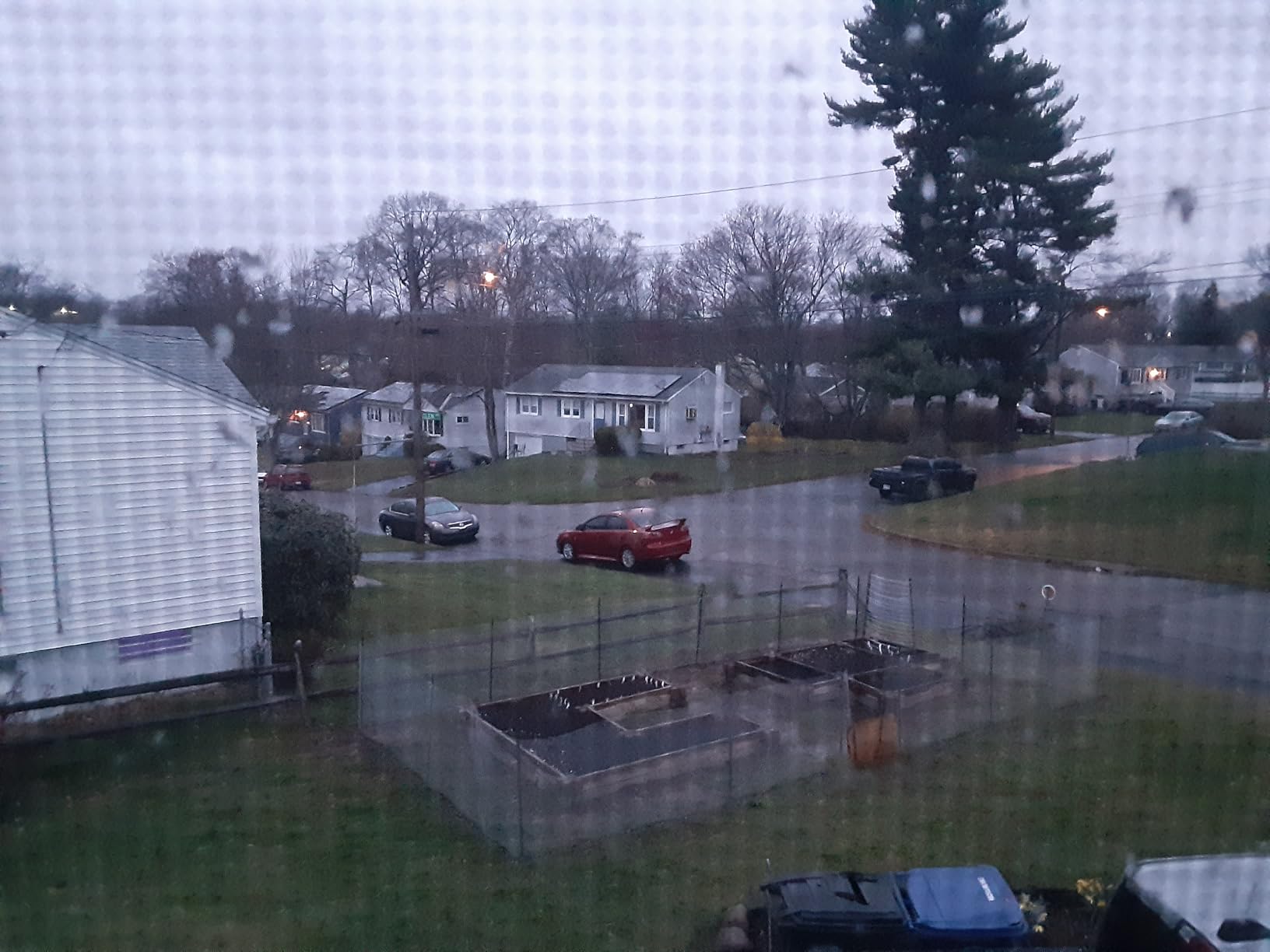
The trade-offs are ordinary ones. The wire can be slightly thinner than buyers expect, the listed weight of 48 pounds makes this a two-person unroll, and a few customers report delivery delays. None of that reflects on the product itself, but plan your install around the weight.
Why we like it for dual-use yards
Where one fence has to do double duty as both run boundary and garden protector, the fully galvanized weld points matter. The same mesh can face a wet run floor and a damp bed edge without the corrosion starting at the joints.
It is also the pick for anyone who has been disappointed by mesh that rusted from the weld lines outward. Reviewers describe the rust protection as the main reason for the rating, and that is the honest reason to choose it.
Where it is not the right buy
It is not the right buy for a light decorative job. 48 pounds of hardware cloth around an herb bed is effort with no return, and lighter hex mesh will do the same thing.
It is also not the answer for the biggest diggers on their own. A buried 8 to 12 inch skirt matters more than the fence material for groundhogs and gophers, and no gauge of hardware cloth replaces that trench.
7. VEVOR 1/4-Inch 23-Gauge Hardware Cloth, 48in x 100ft – Best for Mice, Snakes and Chipmunks
VEVOR Hardware Cloth, 1/4 inch 48in x 100 ft 23 Gauge, Hot Dipped Galvanized Wire Mesh Roll, Chicken Wire Fencing, Wire Mesh for Rabbit Cages, Garden, Small Rodents
1/4 inch fine mesh
23 gauge hot-dipped steel
48 in x 100 ft
42.2 lb roll
Pros
- 1/4 inch mesh blocks mice and small rodents
- Hot-dipped with post-weld zinc coating
- Salt spray tested for corrosion
- Five-layer packaging protects the roll
- Cuts fine detail cages and guards
Cons
- 23 gauge is thinner than 19 gauge options
- Finer mesh is slower to install
- Sharp cut edges
- 42.2 pounds needs two people
This is the specialist on the list. Everything else here is 1/2 inch mesh or coarser, and 1/4 inch is the size that changes the conversation when your problem is mice, voles, chipmunks or snakes. The VEVOR roll is 23 gauge low-carbon steel, hot-dip galvanized, with each weld point zinc-coated after welding and the whole thing salt spray tested for corrosion resistance.
At 48 in by 100 ft it covers a large area, and the 1/4 inch opening is genuinely fine, which is why reviewers single out its ability to keep out small rodents and protect against snakes, mice and squirrels. If a vole has been stripping a bed at soil level, this is the mesh that changes the outcome.
Packaging is again better than most. Five layers of reinforced cardboard protect a roll of this mesh density, and on fine mesh a dent picked up in transit is much harder to work out than on a light hex roll.
Here is the honest trade. 23 gauge is the thinnest wire in this roundup, and thin wire means more of the work is being done by the mesh size rather than the wire thickness. That is fine against determined rodents, and it is not fine against an animal that chews through wire, because there is less metal to chew. For raccoon or dog pressure, pair it with a heavier lower section.
It is also slower to install. Fine mesh means more staples, more edges to trim, and a lot more wire to cut. At 42.2 pounds it still needs a second person to unroll comfortably.
Best used at soil level and around trunks
The highest-value use is a 12 to 18 inch band of 1/4 inch mesh around the base of raised beds and the lower edge of a run. That is where voles and mice operate, and where 1/2 inch mesh leaks.
Tree guards and squirrel-proof trunk wraps are the other natural application, since the fine mesh excludes the smaller animals without blocking any meaningful airflow. It also works well for caging small pets and for protecting tender transplants from nibbling.
Where the thin gauge gets you into trouble
Do not use this as your only barrier against anything with a strong chewing instinct. Groundhogs and gophers work at ground level by exactly that method, and 23 gauge gives them less resistance than the 19-gauge rolls here.
Sharp edges after cutting are called out in the reviews, so keep gloves on for the whole install and trim ends back rather than leaving cut stubs pointed outward. Plan for the extra time this mesh takes to fasten before you start a long run.
8. Miuwauer 13.7in x 236in Hex Poultry Netting – Budget Pick for Plant Cages
Chicken Wire 13.7 in x 236 in Poultry Wire Netting Hexagonal Galvanized Mesh Garden Fence Barrier for Craft Projects, Pet Rabbit Chicken Fencing
0.8 x 1.38 inch hex mesh
0.6 mm wire
13.7 in x 236 in roll
0.46 kg
Pros
- Lowest outlay on the list
- Lightest roll at 0.46 kg
- Plenty of reviews at 2710
- Easy to cut and shape for small builds
- Galvanized for basic rust resistance
Cons
- Only about 20 ft of coverage
- 0.8 x 1.38 inch openings are large
- Material spec is inconsistent
- Too short for perimeter fencing
Every garden needs a roll for the small jobs, and this is the one we keep on hand. At 13.7 in by 236 in, with 0.8 by 1.38 inch hexagonal openings in 0.6 mm wire, it is a craft and nursery roll rather than a perimeter roll, and it weighs half a kilogram, so even a full roll is easy to carry with one hand.
Across 2710 reviews it holds a 4.5 rating, and the feedback clusters around value, low weight, and being genuinely easy to cut and shape. Those are exactly the three things you want from a roll you are bending into half-moon cloches, potato cylinders, or tomato guards.
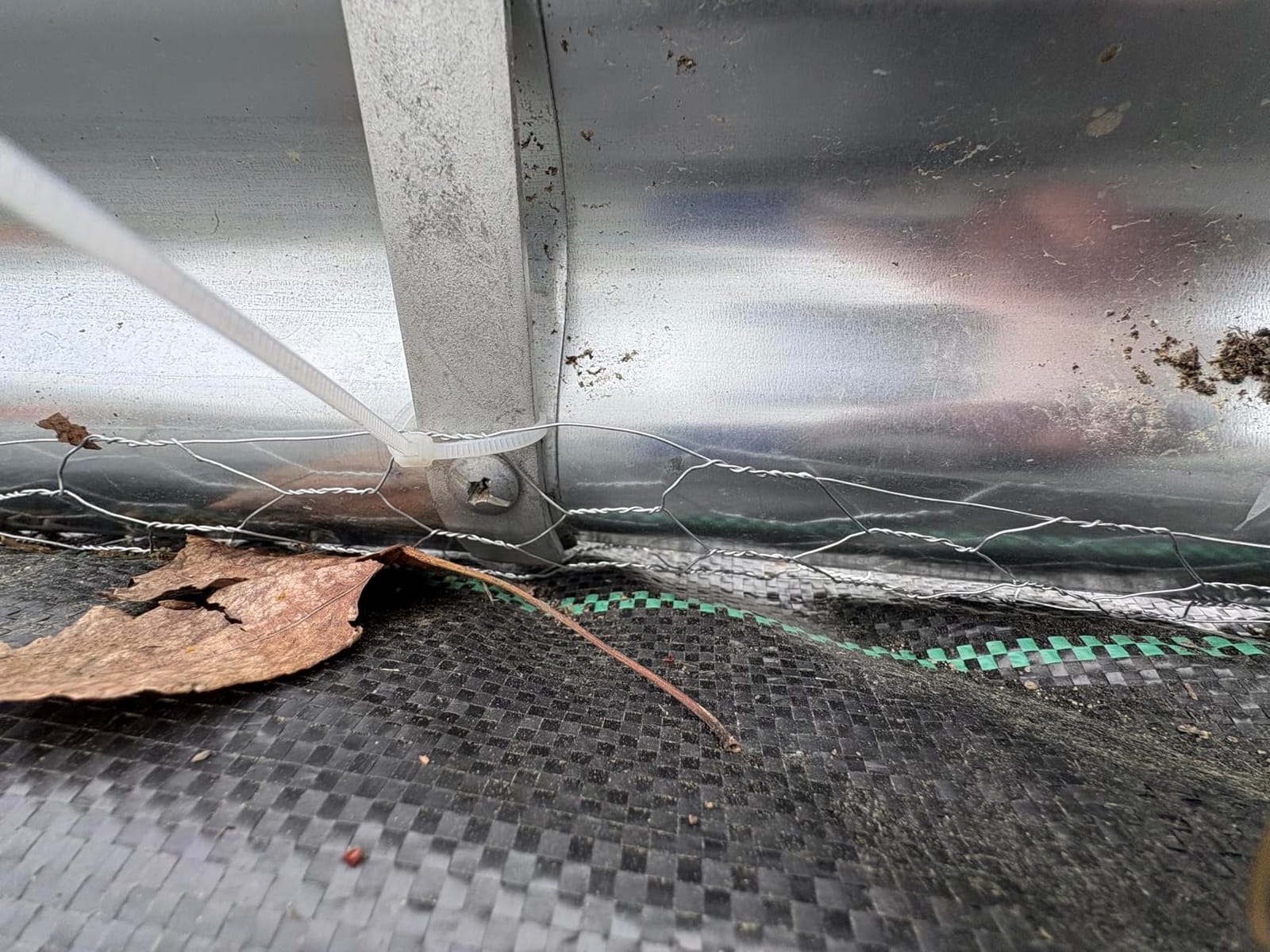
It also does a reasonable job as a short decorative border. Because the openings are larger than most hardware cloth here, the whole roll has a softer, less fortified look that suits a garden bed edge better than a rigid panel.
Two limitations to plan around. The length is about 20 feet, so a single roll covers one bed or a row of cages rather than a property edge, and reviewers note that the narrow width means multiple rolls for anything larger. The mesh openings are also large, so nothing smaller than a rabbit or a bird is excluded.
One more thing worth knowing: the specification sheet is inconsistent about whether the material is galvanized or nylon, while the description and the visible product are galvanized mesh. We have not had rust complaints at this weight, but check the wire visually when it arrives.
Best used for cages, cloches and small builds
This is the roll to buy for seedling protection, where nothing is yet strong enough to push through 0.6 mm wire. Bent into cylinders or half-moon hoops, it covers a whole bed of transplants in an afternoon.
It is also useful as a short apron under a heavier fence, a sleeve around young tree trunks, a repair patch for a torn corner, or a divider between zones in a vegetable plot. Keep one on hand and it will get used constantly.
When to spend more
Spend more the moment the fence has to stop an animal that pushes or chews. At 0.6 mm and 0.8 by 1.38 inch openings, this roll is a soft suggestion rather than a barrier to anything determined.
It is also the wrong tool for a rabbit problem that covers a whole garden, since the 20 ft length means a lot of roll changes. For a single bed, it does the job with far less effort than a heavier roll.
Chicken Wire vs. Hardware Cloth vs. Poultry Netting
This is the distinction that decides whether your fence works, and it is the part of this topic most roundups leave blurred. Four materials get sold under the label chicken wire, and they behave nothing alike.
Chicken wire: hex mesh, light, and built for containing birds
Chicken wire is hexagonal galvanized mesh, typically 19 or 20 gauge with 1 to 2 inch openings. Its strength is flexibility and low weight, and its weakness is that it distorts under real load. The community consensus is blunt about this, with the recurring note that chicken wire is only good to keep chickens in, and is not good to keep predators out.
There is one non-obvious advantage that experienced keepers rely on: the instability of hex mesh is itself a deterrent. A chicken will not hop over a floppy fence because there is nothing solid to perch on. That makes hex mesh a genuinely good tool for the pest-out job, and a poor one for the predator-in job.
Poultry netting: larger hex, long rolls, cheap coverage
Poultry netting, sometimes sold as bird netting or garden netting, is the same family as chicken wire but with larger openings and much longer rolls. The YARDGARD roll on this list is the classic example at 2 inch openings and 150 ft. One roll covers a large perimeter, and it works entirely on flexibility and length.
Its limits are equally clear. Nothing smaller than a rabbit passes the test, and light wire at ground level gives a groundhog nothing to respect.
Hardware cloth: welded, rigid, the honest predator fence
Hardware cloth is welded square mesh, sold in 1/2 inch, 1 inch or 1/4 inch openings, usually 16, 19 or 23 gauge. The welded intersections are what change the game. Nothing twists loose, the panel holds tension, and an animal leaning on it is loading a rigid grid rather than a flexible braid.
This is the material expert guides point to when predators are the issue, with community advice consistently recommending 1/2 inch hardware cloth for keeping predators out. The 1/4 inch version is the step up for small rodents, at the cost of thin wire and slower installation.
Which one you actually need
Match the material to the direction of the problem. Keeping chickens and rabbits out of beds means light hex mesh, because you want a fence they will not try to climb. Keeping raccoons, foxes, dogs or deer out means welded hardware cloth, because you want a fence that will not deform. Keeping mice and snakes out means 1/4 inch mesh, because you want an opening they cannot fit through.
One more material worth naming, and the reason we do not rank it above the wire: plastic poultry fencing. It is light, never rusts, and moves easily, which makes it useful for temporary runs and seasonal protection. It also does not stop anything with teeth, and it degrades in sun. For a permanent garden boundary, coated or galvanized wire is the safer answer.
How to Choose Chicken Wire Fencing for Garden Protection
Wire gauge is the thickness of the wire, and the rule is that a lower number means thicker wire. 16 gauge is roughly 1.5 mm, 19 gauge is roughly 1 mm, and 20 gauge is roughly 0.9 mm. Light hex wire on the budget end of the range is thinner than all three. Gauge determines how much an animal has to chew through, so it matters most for ground-level threats.
Galvanized coating is a zinc layer that slows corrosion, and the method matters. Galvanizing before weaving is the standard. Hot-dip galvanizing gives a heavier, more even coating. Double galvanizing, applied after welding, is the most thorough because it covers the cut ends and the weld points that fail first. Vinyl or PVC coating adds a second layer and looks better, but it is a softer surface that chewing animals can work at.
Mesh size decides everything, and it is the one spec you cannot compromise on:
2 inch: chickens, large rabbits, magpies, small dogs. Nothing smaller.
1 inch: adds exclusion of most adult rabbits and birds at a lower cost per foot.
1/2 inch: adds voles, mice, rats, and blocks snakes and most juveniles.
1/4 inch: the practical floor for mice, chipmunks and small snakes.
Height is set by the shortest animal you need to stop, not the tallest. Rabbits hop around 2 to 3 ft. Groundhogs need about 2 ft plus a buried skirt, because height is irrelevant to a digger. Chickens generally need 4 to 5 ft, and on hex mesh 3 to 4 ft is usually enough because they will not perch to hop. Deer need 4 ft minimum and will lean rather than jump, so rigidity matters more than height. For dogs, assume they will test the fence rather than respect it.
Roll size and handling weight are the most underestimated buying factors. A 100 ft roll of 1/2-inch hardware cloth weighs 42 to 49 pounds depending on the gauge, and it is a two-person unroll. A 16 in by 82 ft light hex roll comes in around 2 kg and needs no help at all. Buy the roll that matches the job rather than the biggest roll you can manage.
Cost per linear foot is the final filter, and it needs a denominator. Divide total spend by the feet of fence you actually need, including the buried skirt, the top rail and the corners you will waste. A cheap roll that needs replacing every eighteen months is not cheaper than a coated roll that lasts five years, and community feedback on plain galvanized wire describes exactly that cycle.
How to Install Chicken Wire Fencing in a Garden
The install matters as much as the material. A perfect roll of hardware cloth buried flat on the ground gets chewed through at the base in a week, and a badly stapled hex fence develops the sag gap that small predators exploit.
Map the line first and mark the posts. Set posts every 8 to 10 ft for hardware cloth, and add a post at every corner and at both ends. Driving the posts before unrolling the mesh is the difference between a clean job and a tangled one.
Drive the posts before you unroll. A 100 ft roll cannot be repositioned once it starts twisting. On sloped or uneven ground, step the posts rather than trying to float the mesh, because a fence that follows the ground is a fence with a gap at the base.
Staple every 6 inches, driven flush. Over-driven staples can eventually cut through 19-gauge wire, so set the gun so the crown sits flat. Zip ties or fence clips work well too, and they are the right choice on coated or black wire where staples can chip the finish.
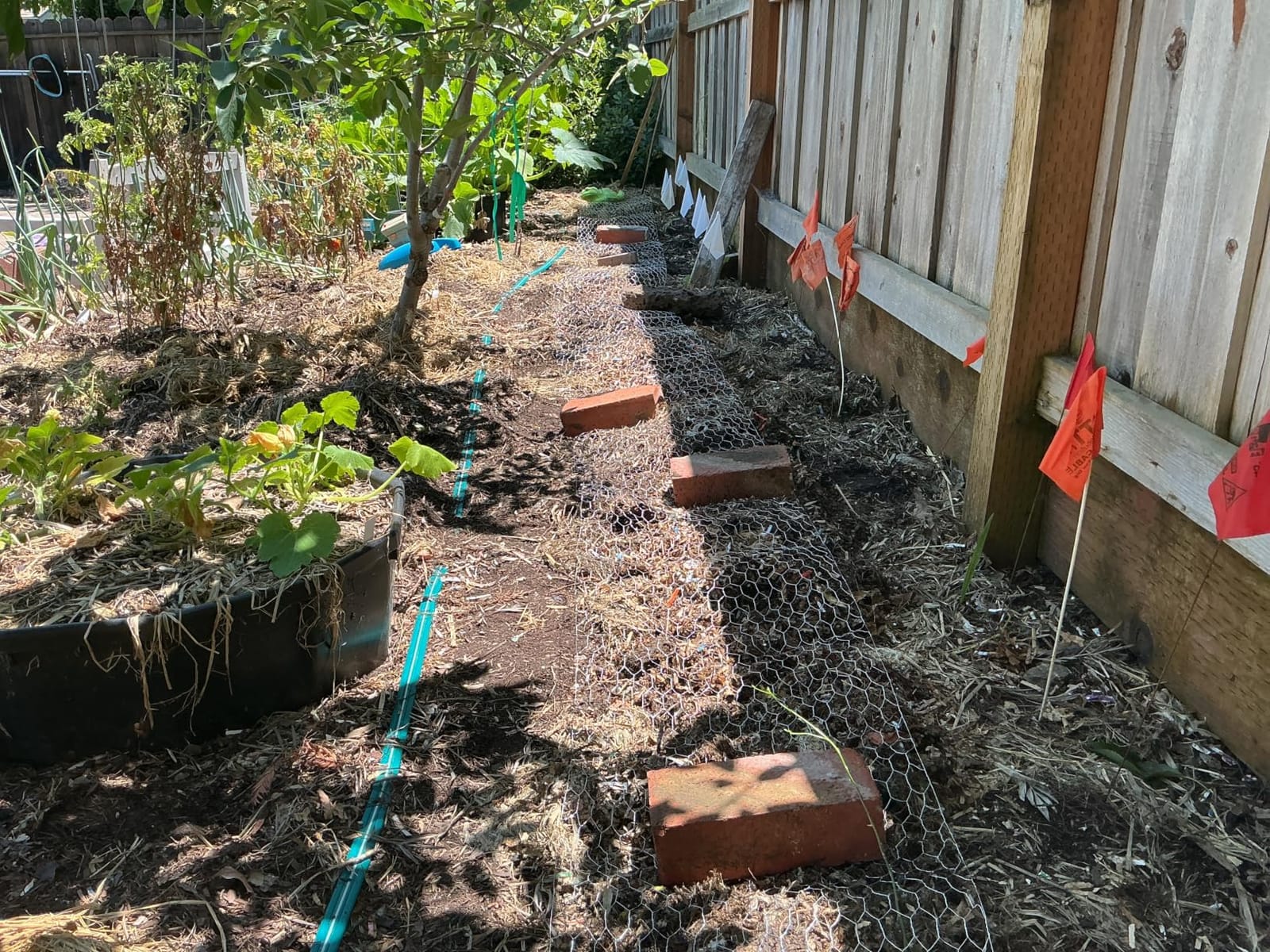
Bend an 8 to 12 inch apron into the soil at a 90 degree angle. This is the single most repeated technique in community threads, and gardeners describe it as the reason their fence works. The buried apron is what stops rabbits, groundhogs and gophers from digging under, and for hard diggers go 12 to 36 inches.
Leave the trench clean and backfill loosely. Fill with the soil you removed rather than packing it tight, and check the base after the first heavy rain, which is when a hidden gap becomes obvious.
Cap the top against aerial and climbing pests. Squirrels and chipmunks come in from above even when your ground mesh is correct, so either run a top rail they cannot grip or add a light net over the top. For chicken runs, overhead netting also handles hawks.
One safety note that applies specifically to chicken runs: do not bury chicken wire where birds walk over it. Wire buried under a henhouse is widely described in community discussion as a recipe for bumble foot, which is painful and can be fatal. Bury hardware cloth instead, or keep the wire in a trough outside the area the birds use.
Frequently Asked Questions
What kind of fence can I use to protect my garden from chickens?
Hexagonal chicken wire with 1 to 2 inch openings, 3 to 4 ft tall, is the standard answer for keeping chickens out of vegetable beds. The floppy weave works in your favour here because a chicken will not perch on it to hop over. Stake it to 3 ft posts every 6 to 8 ft and staple every 6 inches. For 1/2 inch welded hardware cloth, the added rigidity is unnecessary unless something is pushing through from the other side.
Is chicken wire safe for vegetable gardens?
Plain galvanized wire is safe to use around edible beds, but heavy gauge or coated wire is preferable where the fence sits against moist soil. Light hex mesh can rust faster and holds soil moisture against plant roots. For beds you eat from, use 19-gauge or heavier, ideally hot-dip galvanized or vinyl coated, and keep the wire off the soil surface where possible.
What type of wire is best for a vegetable garden fence?
It depends entirely on which animal you are blocking. For chickens and rabbits, light hex poultry netting is cheapest and works. For rabbits, deer and dogs, 1/2 inch 19-gauge welded hardware cloth holds its shape under pushing. For mice, voles and snakes, drop to 1/4 inch mesh. Whichever you choose, add a buried 8 to 12 inch apron at a 90 degree angle, because diggers ignore the fence face entirely.
What type of fence is best for protecting my garden?
The best fence is the one matched to the threat, not the one with the thickest wire. Match mesh opening to the smallest animal you need to exclude, then match gauge to whether animals push or chew. Rigid welded hardware cloth for anything that leans or digs, light hex netting for birds and rabbits, and fine 1/4 inch mesh for rodents. Height follows the lowest animal in the list, not the tallest.
Can chicken wire keep out predators?
No. Hexagonal chicken wire is not predator fencing, and the name creates false confidence. Raccoons, foxes, dogs and groundhogs tear through 19 and 20 gauge hex mesh, and the lightest hex wire offers almost nothing. For animals that must stay out, use 1/2 inch 19-gauge welded hardware cloth with a buried skirt, and add a heavier section at ground level where diggers work.
What gauge chicken wire should I buy for a garden?
For keeping chickens and rabbits out of beds, 20-gauge hex wire is enough and keeps the fence light and easy to shape. For rabbits that chew and for anything at ground level, step up to 19-gauge. For deer, dogs and larger animals, 19-gauge welded hardware cloth is the practical minimum because it holds its shape under pressure rather than deforming.
How do I keep rabbits from digging under chicken wire?
Bend the bottom 8 to 12 inches of the fence into a 90 degree angle and bury it in a shallow trench, with hard diggers needing 12 to 36 inches. The apron blocks the tunnel rather than the animal. Hold the mesh tight against the ground, staple every 6 inches, backfill loosely, and check the base after the first heavy rain, which is when hidden gaps appear.
Does chicken wire rust when buried underground?
Plain galvanized wire does corrode, and buried sections fail faster than above-ground runs because the soil stays wet. Hot-dip galvanized or double-galvanized hardware cloth holds up far longer, and vinyl coating adds another layer. If the fence must sit in damp clay, choose a coated or double-galvanized roll and expect to inspect the buried line every season or two.
Final Verdict: Which Chicken Wire Fence Should You Buy?
The best chicken wire fencing for garden protection in 2026 depends on which direction the problem runs. If the flock is wrecking your beds and nothing is pushing in from outside, the TOYPOPOR 16 in by 82 ft hex roll is the one we use most, because 82 ft of light mesh covers a real bed run and a chicken will not perch on it to hop over.
For large boundaries and long runs, the YARDGARD 20-gauge 2 inch poultry netting covers the most ground per roll. When something has to be kept out rather than kept in, the Land Guard 19-gauge 1/2 inch hardware cloth is the honest answer, and the Amagabeli roll is the pick for damp soil and long-term rust resistance. The GoldPeak black coated roll solves appearance, and the VEVOR 1/4 inch mesh is the only one on this list with an opening tight enough to stop mice and chipmunks.
Whatever you choose, staple it every 6 inches, tension it properly, and bury an 8 to 12 inch apron at a 90 degree angle. That last step is the difference between a fence and a suggestion, and it costs you a trench rather than a new roll.