
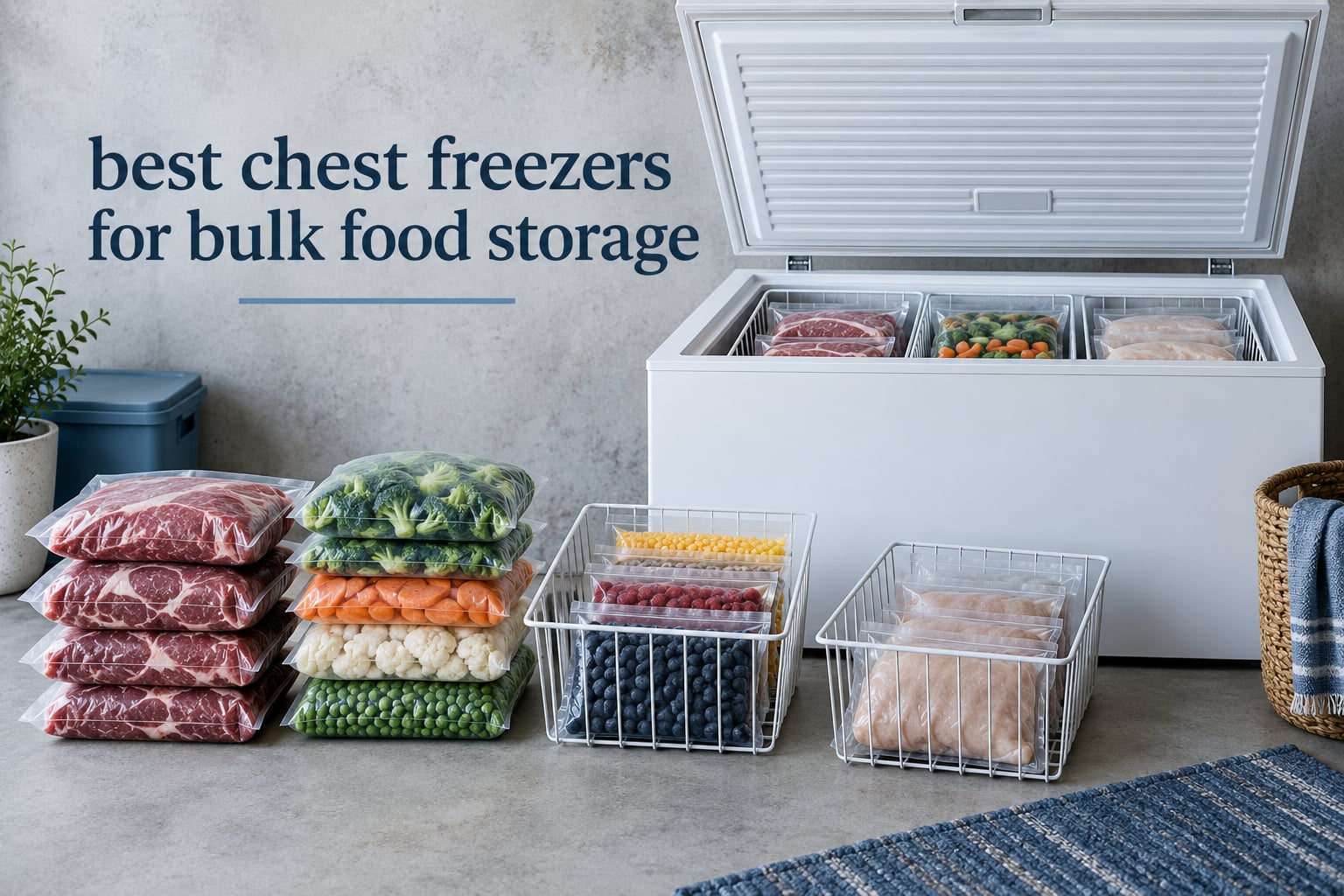
A chest freezer is a top-opening, manual-defrost box whose horizontal shape lets you stack bulky cuts of meat, whole game, and garden produce far more tightly than an upright freezer ever could. That single design decision is why the best chest freezers for bulk food storage keep winning owners who treat a freezer as storage space rather than a second refrigerator. Cold air is dense, so it stays in the box when the lid lifts instead of pouring out across the floor, and the compressor and evaporator are the simplest mechanical system in the appliance aisle.
We compared ten of the highest-rated chest freezers available today, from a 7 cu. ft. apartment box to two 20 cu. ft. cabinets built for a half cow. Along the way we pinned down the sizing math that nobody in the editorial roundups bothers to publish: how many pounds of meat a given cubic-foot rating actually holds, where each badge is likely built, and how long a full freezer stays frozen when the power goes out.
If you are still choosing an appliance type, start with our broader chest freezer roundup for general guidance, then come back here for the bulk-storage sizing rules. If your freezer is for dry goods and shelf-stable food rather than frozen weight, our guides to mylar bags and oxygen absorbers cover that side of the pantry.
Table of Contents
Top 3 Picks for Bulk Food Storage in 2026

Kismile 7.0 cu ft Chest Freezer
- 7-grade thermostat from 6.8 F to -7.6 F
- 0.66 kWh per day
- Noise below 38 dB
- Three hanging wire baskets

Frigidaire 7 cu ft Chest Freezer
- Seven-setting analog thermostat
- Aluminum interior liner
- Removable wire basket and shelf
- Exterior defrost drain

BODACIOUS 7 cu ft Slim Freezer
- Narrow 17.32 inch footprint
- 48.5 lb body
- 6-setting thermostat
- Recessed-rail drop-in basket
All Ten Picks Best Chest Freezers for Bulk Food Storage (October 2026)
| Product | Specifications | Action |
|---|---|---|
| Kismile 7.0 cu ft Chest Freezer |
|
Check Latest Price |
 BLACK+DECKER 19.8 cu ft Chest Freezer BLACK+DECKER 19.8 cu ft Chest Freezer |
|
Check Latest Price |
 Hamilton Beach 17 cu ft Garage-Ready Hamilton Beach 17 cu ft Garage-Ready |
|
Check Latest Price |
 KoolMore SCF-20C 20 cu ft KoolMore SCF-20C 20 cu ft |
|
Check Latest Price |
 Midea 7.0 cu ft Convertible Chest Freezer Midea 7.0 cu ft Convertible Chest Freezer |
|
Check Latest Price |
| Frigidaire EFRF7003 7 cu ft Chest Freezer |
|
Check Latest Price |
 Koolatron 7.0 cu ft 195 L Chest Freezer Koolatron 7.0 cu ft 195 L Chest Freezer |
|
Check Latest Price |
 Arctic Chef 7 cu ft Convertible Chest Freezer Arctic Chef 7 cu ft Convertible Chest Freezer |
|
Check Latest Price |
| BODACIOUS 7 cu ft Slim Chest Freezer |
|
Check Latest Price |
 Techomey 20 cu ft Chest Freezer Techomey 20 cu ft Chest Freezer |
|
Check Latest Price |
1. Kismile 7.0 cu. Ft. Chest Freezer – The Most Documented Choice
Kismile 7.0 Cubic Feet Chest Freezer, Deep Freezer for Home, White
7.0 cu ft
32.2 W x 22.04 D x 33.66 H
0.66 kWh per day
Under 38 dB
3 wire baskets
Pros
- Best-documented freezer here at 2150 ratings
- Seven-grade thermostat from 6.8 F to -7.6 F
- Quiet at under 38 dB
- Light enough at 60.5 lb to move alone
- Three hanging wire baskets
Cons
- Manual defrost with scheduled ice melting
- Transit dents show up in reviews
- Manual cautions against high ambient temperatures
- No interior light
We picked this one first because its evidence base is the deepest in the group. At roughly 2150 ratings averaging 4.4 stars with 76 percent five-star feedback, this is the freezer where owners have had time to discover both what works and what does not.
The cabinet measures 32.2 inches wide by 22.04 inches deep and 33.66 inches tall, so it slots beside a washer without stealing a wall. At 60.5 pounds it is light enough to reposition for cleaning, which matters more than it sounds when the freezer is packed to the lid.
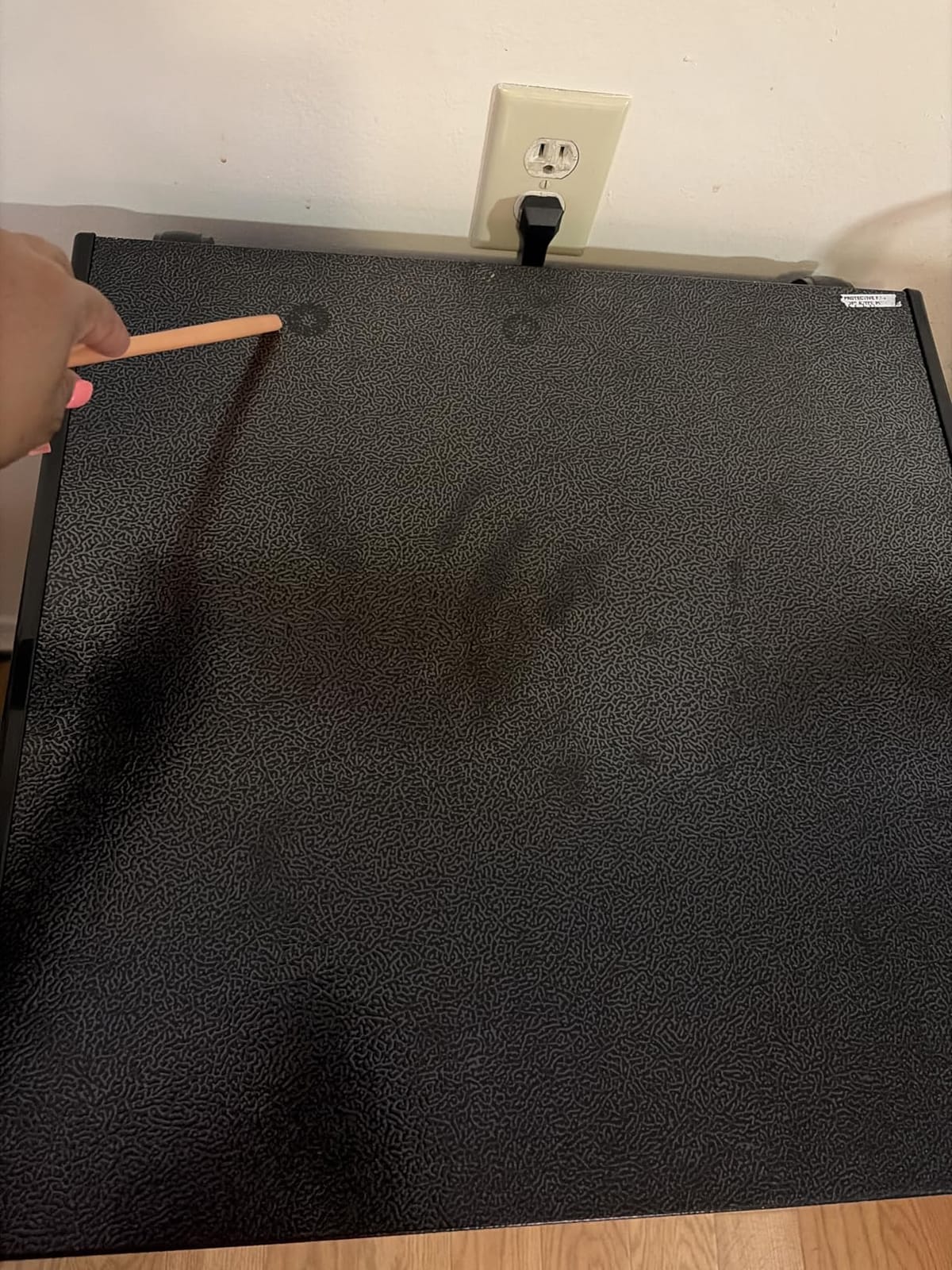
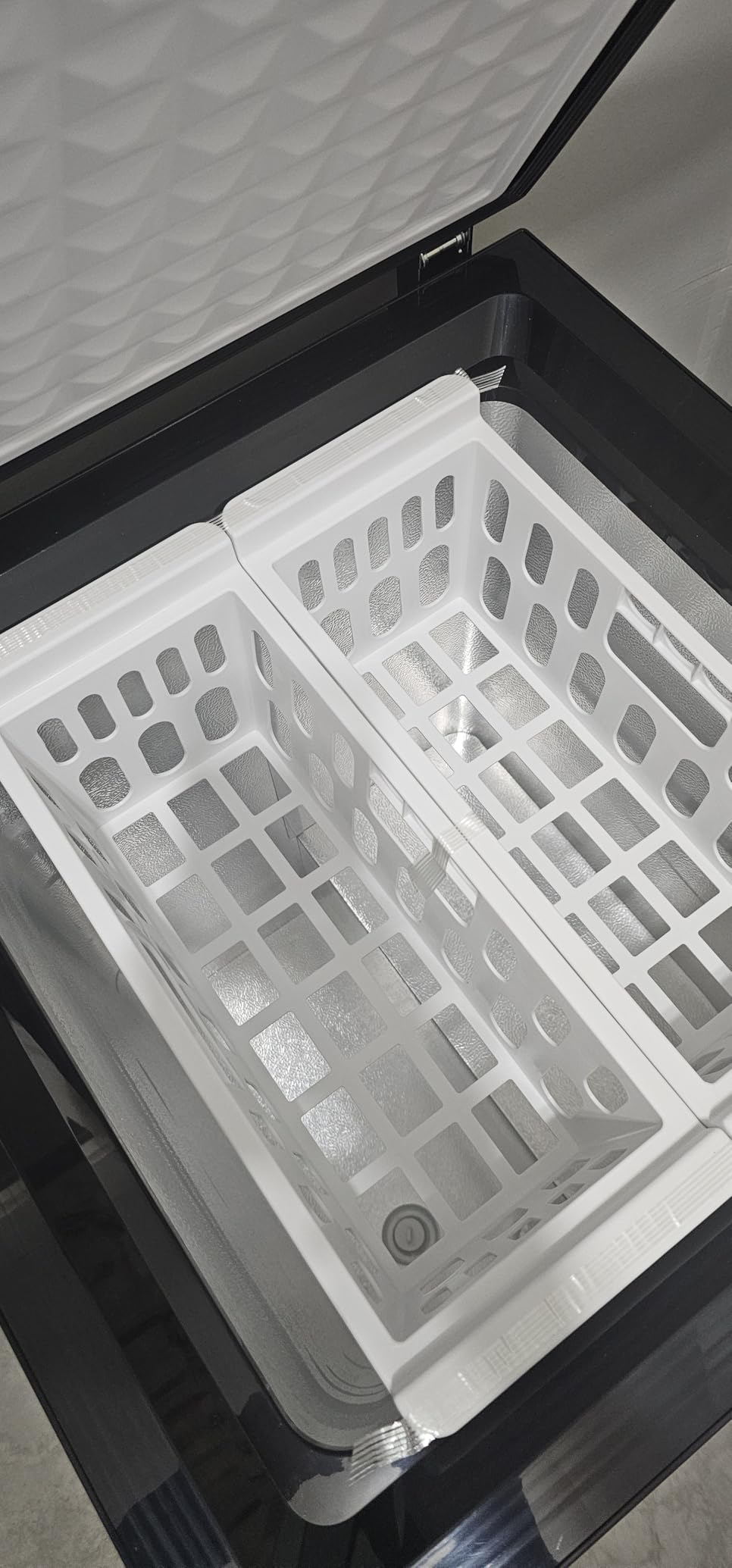
The seven-grade thermostat runs from 6.8 F down to -7.6 F with a zero position that switches the unit off, and a green run light confirms the compressor is calling. Three hanging wire baskets keep small items off the floor of the tub, and a hinge-style door holds open anywhere from 45 to 90 degrees so you can sort a load without holding the lid yourself.
Running cost is published at 0.66 kWh per day and noise below 38 dB, which is genuinely quiet enough for a utility room adjoining living space. Owners in owner threads single out even cooling and the light body as the two features they did not expect to like as much as they do.
What you get right and what you give up
The thermostat granularity and the three sliding baskets are the real wins here. Seven cold settings let you back the compressor off in a warm basement instead of running it flat out, and the baskets make the difference between finding a bag of venison and excavating for it.
The caveats are honest ones. It is manual defrost, so plan one melt-down every six months or so. Some owners report dents on arrival, which is a shipping-transit pattern across this whole category rather than a fault of this model.
More unusual: the manual warns against very high ambient temperatures, and the box carries heavily worded flammable-refrigerant warnings because it uses cyclopentane as a blowing agent. Neither is a dealbreaker in a basement or a climate-controlled garage, but read it before you commit to a hot shed.
Where it fits and where it does not
This is the freezer to buy if you want a family-sized bulk box that stays quiet, runs cheaply, and comes with a support trail deep enough to trust. It handles a quarter beef, a bulk grocery run, or a couple of hundred pounds of garden produce without complaint.
It is the wrong choice for a hot unheated garage in summer or for anyone who needs to dig out small items daily. For daily access, an upright with shelves beats it, and for a heat attic location, pick a garage-rated cabinet instead.
2. BLACK+DECKER 19.8 cu. Ft. Chest Freezer – Built for a Half Cow
BLACK+DECKER 19.8 Cu. Ft. Chest Freezer, R600a Refrigerant, BCF1980E, White
19.8 cu ft
71 W x 29.5 D x 33.5 H
101 watts
ETL
2 removable baskets
Pros
- 19.8 cu ft handles split beef shares
- Mechanical dial readable without opening the lid
- Two removable storage baskets
- Easy-access defrost drain
- Top-opening steel door
- Freestanding
Cons
- Manual defrost means melting ice by hand
- No interior light listed
- 71 inch width needs a large floor area
- 1-year limited warranty
This is the cabinet we would point at when someone asks where to put a half cow. At 19.8 cubic feet it sits in the same capacity band as the 20 cu. ft. models but in a noticeably narrower footprint, and it carries a 4.5 average from 504 ratings with 80 percent five-star feedback, the strongest star average in the roundup.
The exterior mechanical temperature dial with indicator lights is the detail that wins me over. You can confirm the compressor is calling without kneeling on the floor and holding a 71 inch lid open in an unheated garage, which is exactly the moment you most want that information.
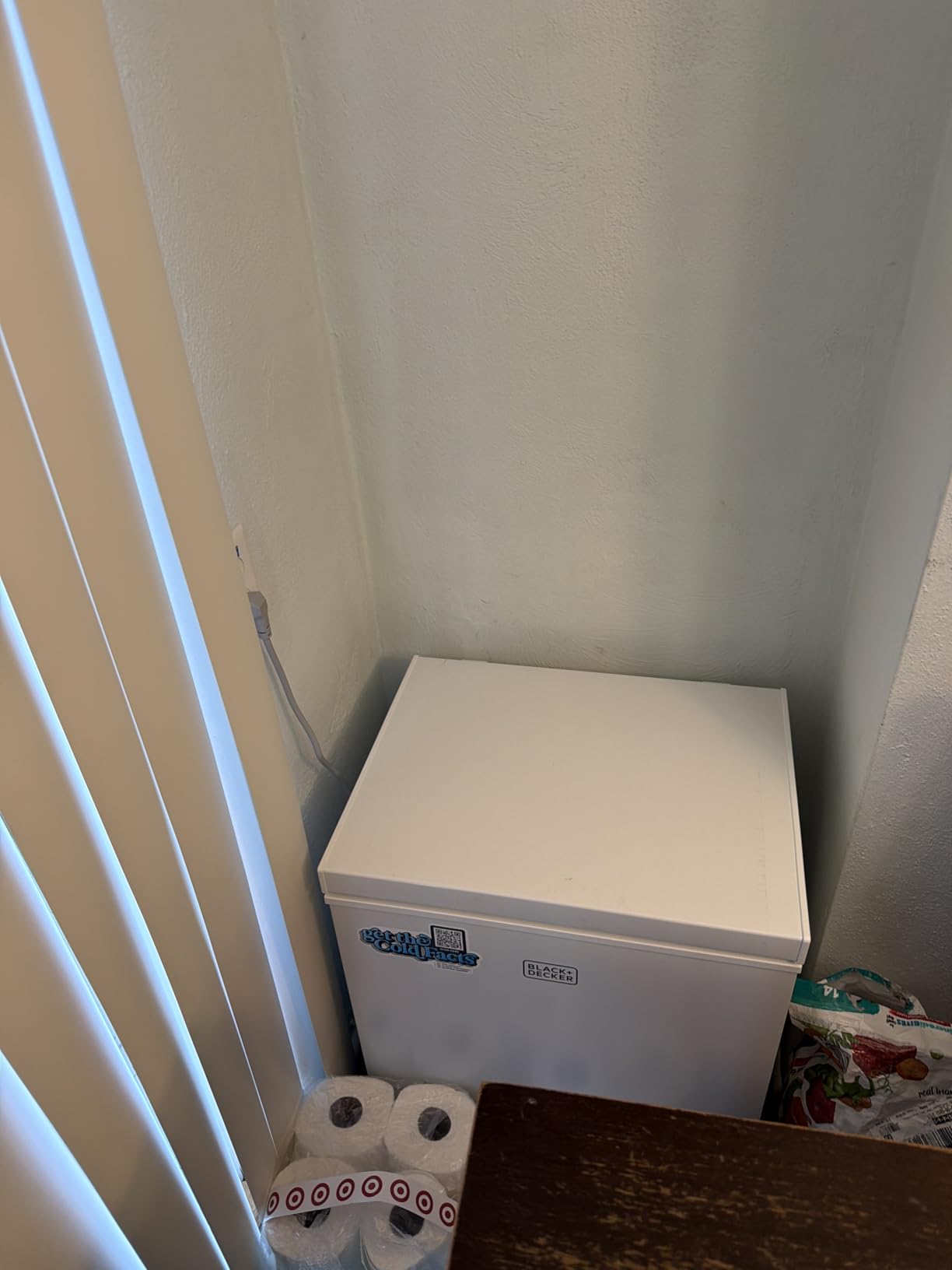
R600a refrigerant runs through a 101 watt compressor rated to ETL standards, and two removable wire baskets give you two tiers to sort cuts against finished meals. The manual defrost design has an easy-access drain at the base, which shortens the once-or-twice-a-year thaw considerably.
Owners consistently call out the generous capacity and the readable dial as the reasons the load is easy to manage. Someone running a bulk meat split and a garden harvest in the same box will not run out of room or of confidence that the machine is working.
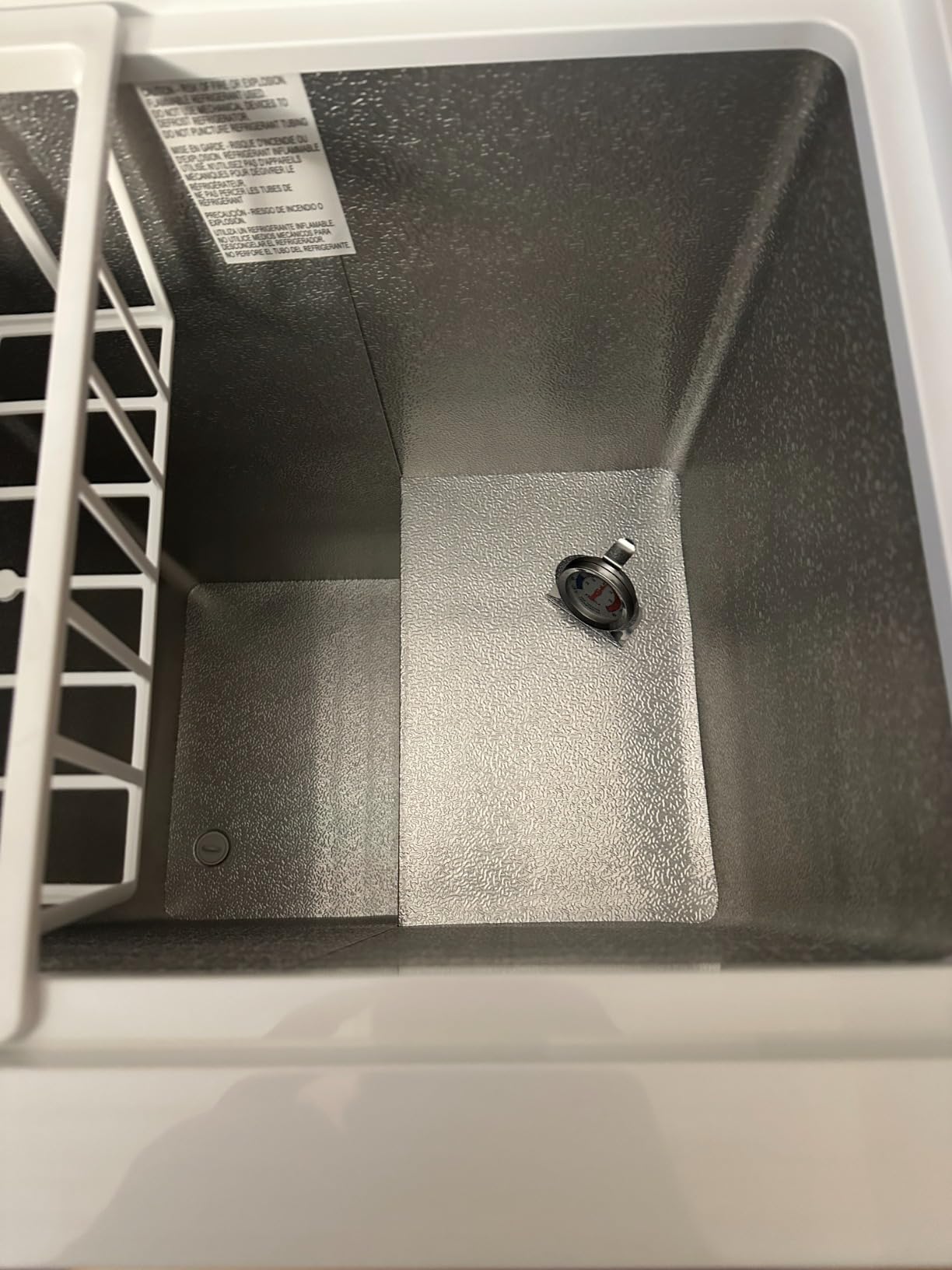
What you get right and what you give up
The steel top door, external dial and 19.8 cu. ft. cavity mean the whole unit is built around a person loading heavy food in an awkward room. Two baskets is enough structure to stop everything migrating to the bottom.
You give up an interior light, which in a box this deep means a flashlight for the first six months. The 71 inch width is the other real cost: you need a clear wall run of about six feet plus clearance at the back.
The 1-year limited warranty is short for an appliance holding several hundred pounds of inventory, so treat a compressor failure as something you would absorb rather than something that would be fully covered.
Where it fits and where it does not
Buy this one for split beef, a whole pig processed in halves, or a hunting season that overran the freezer you started with. It also suits a basement or utility room where the floor space exists and a garage where heat does not.
Skip it for an apartment, a small laundry closet, or any room where a six-foot-wide white steel box will dominate the space. If the floor area is not there, a pair of 7 cu. ft. boxes can hold similar weight in a far smaller footprint.
3. Hamilton Beach 17 cu. Ft. Garage-Ready Chest Freezer – Flat-Back Capacity
Hamilton Beach 17 cu ft Chest Deep Freezer – White, GARAGE READY Food for Large Family, Storage Basket, Space-Saving Flat Back, Stay-Open Lid, Front-Access Drain, for Basement, Laundry Room, Cottage
17 cu ft
70 W x 28 D x 35.04 H
168 lb
Garage ready
7-setting dial
Pros
- Rated garage ready for unconditioned spaces
- Flat back saves depth against a wall
- Stay-open lid with front-access drain
- Detachable vinyl-coated wire basket
- Runs quietly in hot spaces
Cons
- Indicator light only shows compressor state
- One report of a unit losing cold in about a month
- 70 inch width and 168 lb make it a two-person move
- No interior light
This unit is built for the garage specifically, and the spec sheet says so plainly: garage ready for non-climate-controlled spaces. At 17 cubic feet it holds roughly 320 pounds using the conversion from earlier, which covers a deer season plus a bulk grocery run in the same box.
The flat back is the feature that matters most in a garage. Most chests in this class have a domed compressor housing that eats six inches of clearance; this one is designed to sit tight against a wall, which in a single-car garage is the difference between fitting and shuffling your workbench.
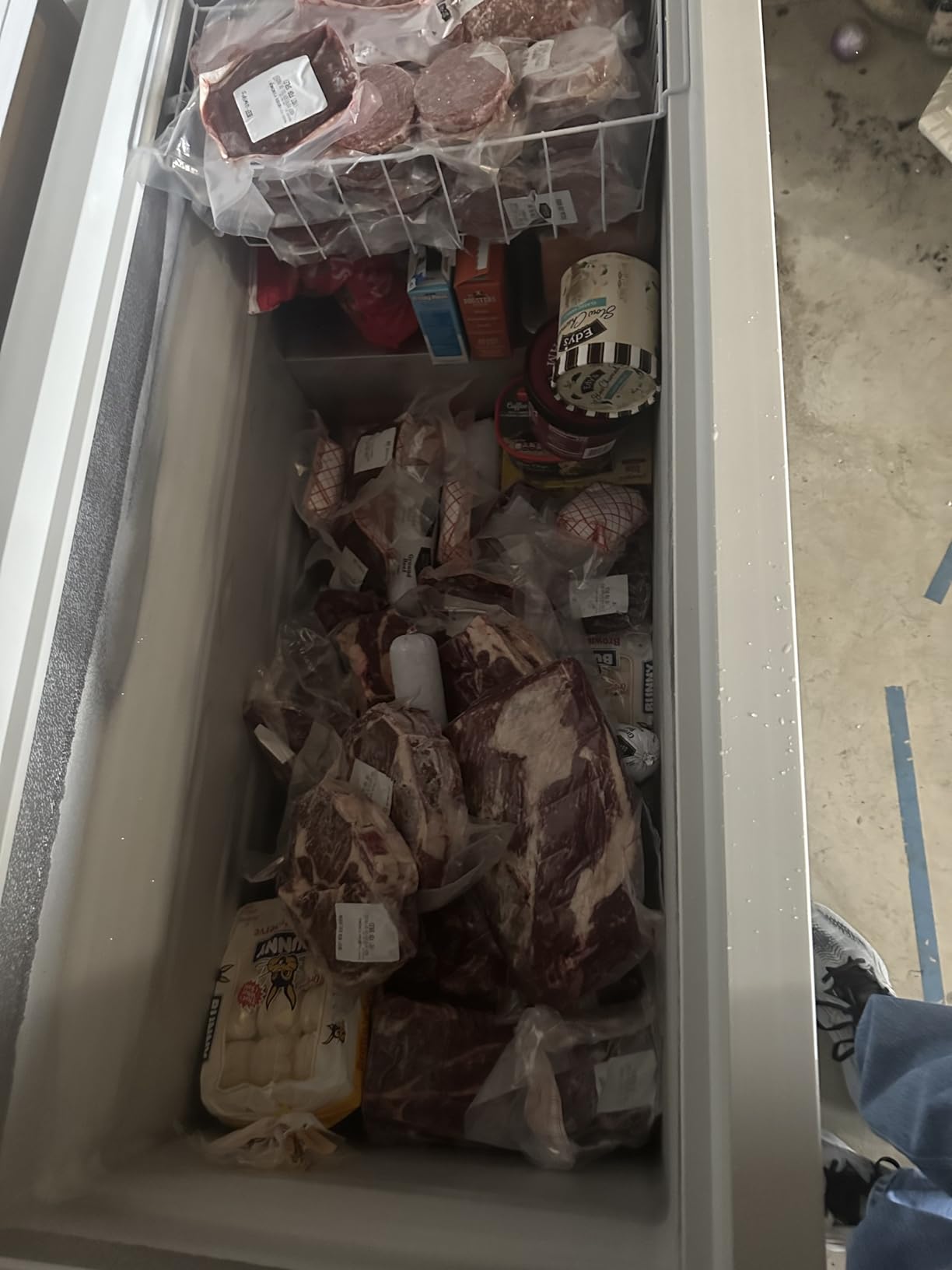
Inside you get a detachable vinyl-coated wire basket for drop-in loading and a stay-open lid that holds without a hinge arm. The front-access exterior defrost drain means you never have to tip a 168 pound appliance to drain melt water, and adjustable levelling legs solve the uneven slab problem that trips up most garage installs.
Owners mention bulk ice, fish harvests and garden produce as their heavy uses, and report that the quiet compressor holds a steady deep freeze even in hot unconditioned spaces. That is the claim worth verifying in your own space before you rely on it.
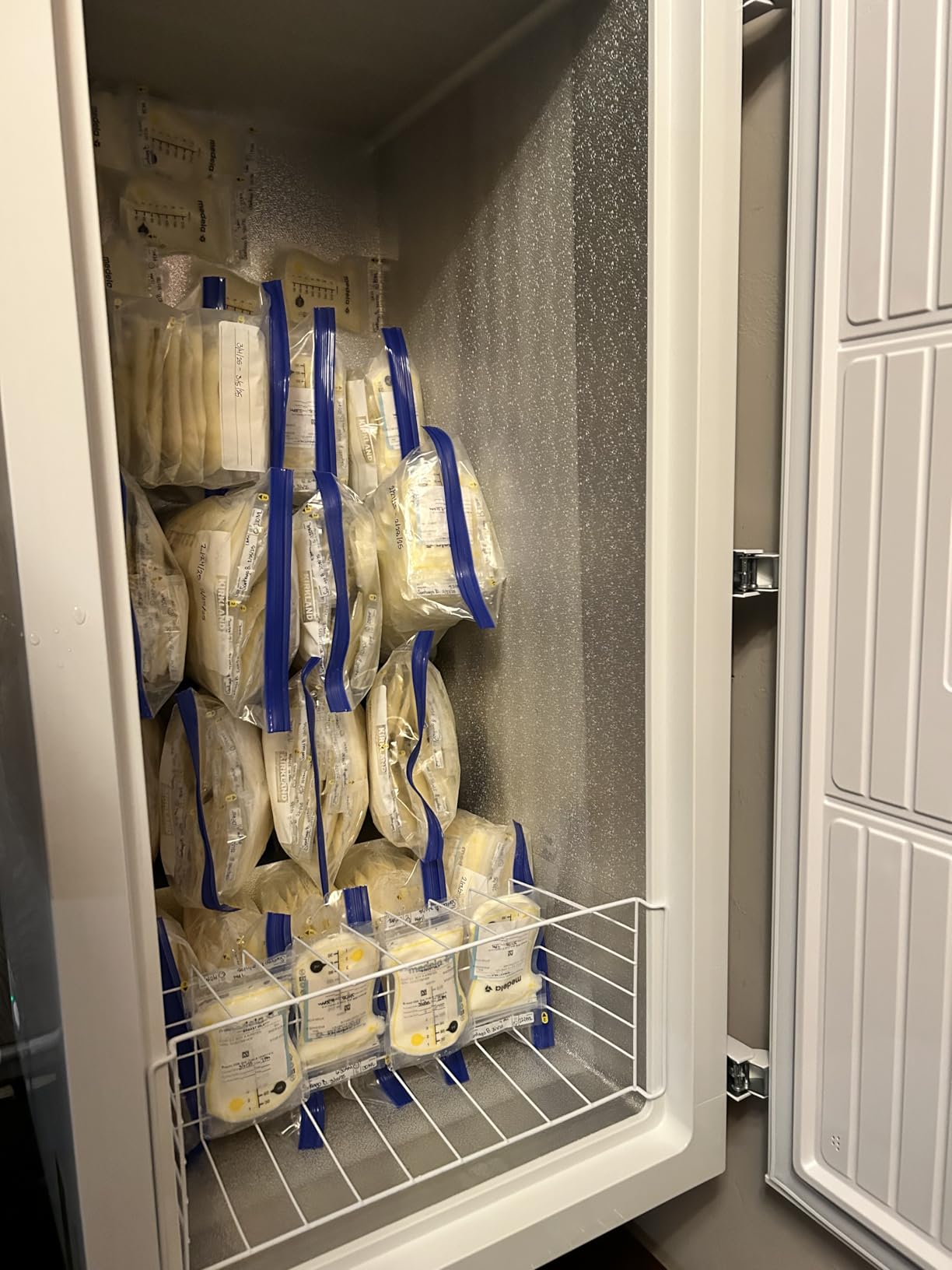
What you get right and what you give up
The seven-setting thermostat knob, the flat back, and the exterior drain are all aimed at the same problem: making a big box manageable in a room that is not finished space. That combination is rare at this capacity.
The power-on indicator light only confirms the compressor is running, not that the box is at temperature. One owner reported a unit that stopped holding temperature after about a month with the indicator lights still on, so an interior thermometer is worth adding.
At 168 pounds and 70 inches wide, this is a two-person move with a dolly. Measure the doorway and the path from the truck before you unbox it, and plan on a helper rather than improvising.
Where it fits and where it does not
This is the pick for a garage, shed, or basement where temperatures swing and the floor is concrete. Buyers storing game meat, bulk ice, or a season of produce will get the quietest, most spatially efficient package in the roundup.
It is the wrong choice for a garage floor in a climate that dips well below freezing without a garage-rated compressor rating confirmed in the manual, and wrong for anyone who cannot get a second pair of hands to the install. If you need to know the unit is genuinely freezing, this is not the box for you.
4. KoolMore SCF-20C 20 cu. Ft. Chest Freezer – NSF-Certified for Bulk Operations
KoolMore SCF-20C Chest Freezer, 20 cu. Ft, White
20 cu ft
75.98 W x 27.95 D x 32.48 H
1/5 hp compressor
ETL to NSF 7
Pros
- ETL certified to NSF 7 sanitation standards
- Lockable lid with key protects bulk inventory
- Caster wheels move a 165.3 lb cabinet
- 1/5 hp compressor holds 0 to -8 F
- R600a refrigerant and double-lid design
Cons
- Lowest average rating here at 4.0
- About 76 inches wide and needs a large room
- Manual defrost with no interior light
- 19 percent one-star feedback
Only one product here carries a sanitation certification: this cabinet is ETL certified to NSF/ANSI 7, which is the standard that matters if you are storing bulk food for a restaurant, a meat processor, or a small food operation rather than for your own table.
Capacity is 20 cubic feet across a double-lid design, which means you can open half the lid, pull what you need, and close it again. At roughly 380 pounds of capacity using our conversion, this is the largest load in the roundup. The 1/5 hp compressor with R600a refrigerant holds a steady 0 to -8 F across the cavity.
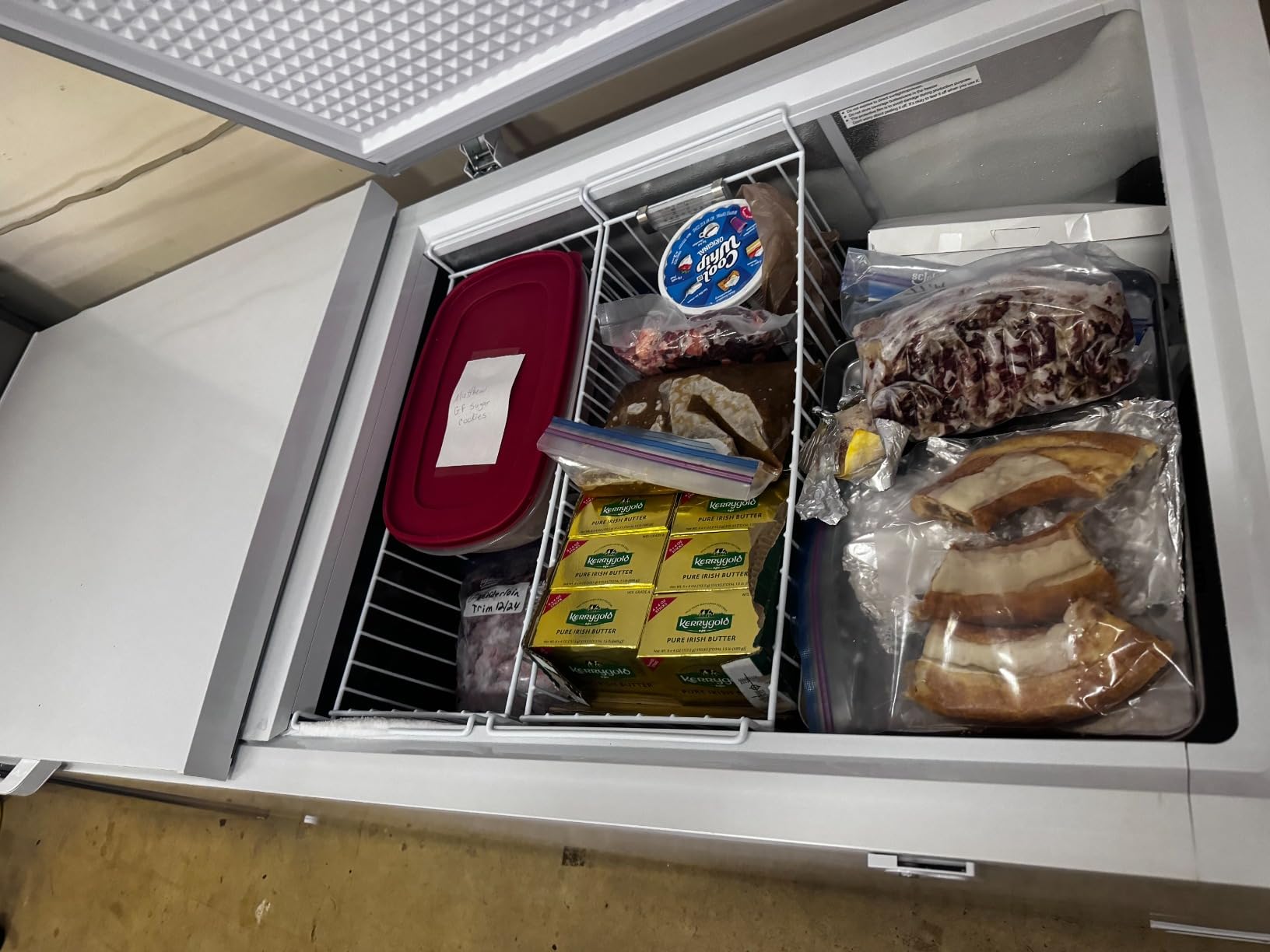
The heavy-duty built-in lid lock with a key is the feature that separates it from every other box here. When you are storing a season of meat, a lock is insurance against a curious teenager, a wandering guest, or staff who open the lid without thinking about what it costs.
Smooth-rolling caster wheels underneath mean one person can move a 165.3 pound cabinet across a garage or utility room floor. Most cabinets in this class do not include wheels at all, and dragging one across concrete is how cabinets get damaged.
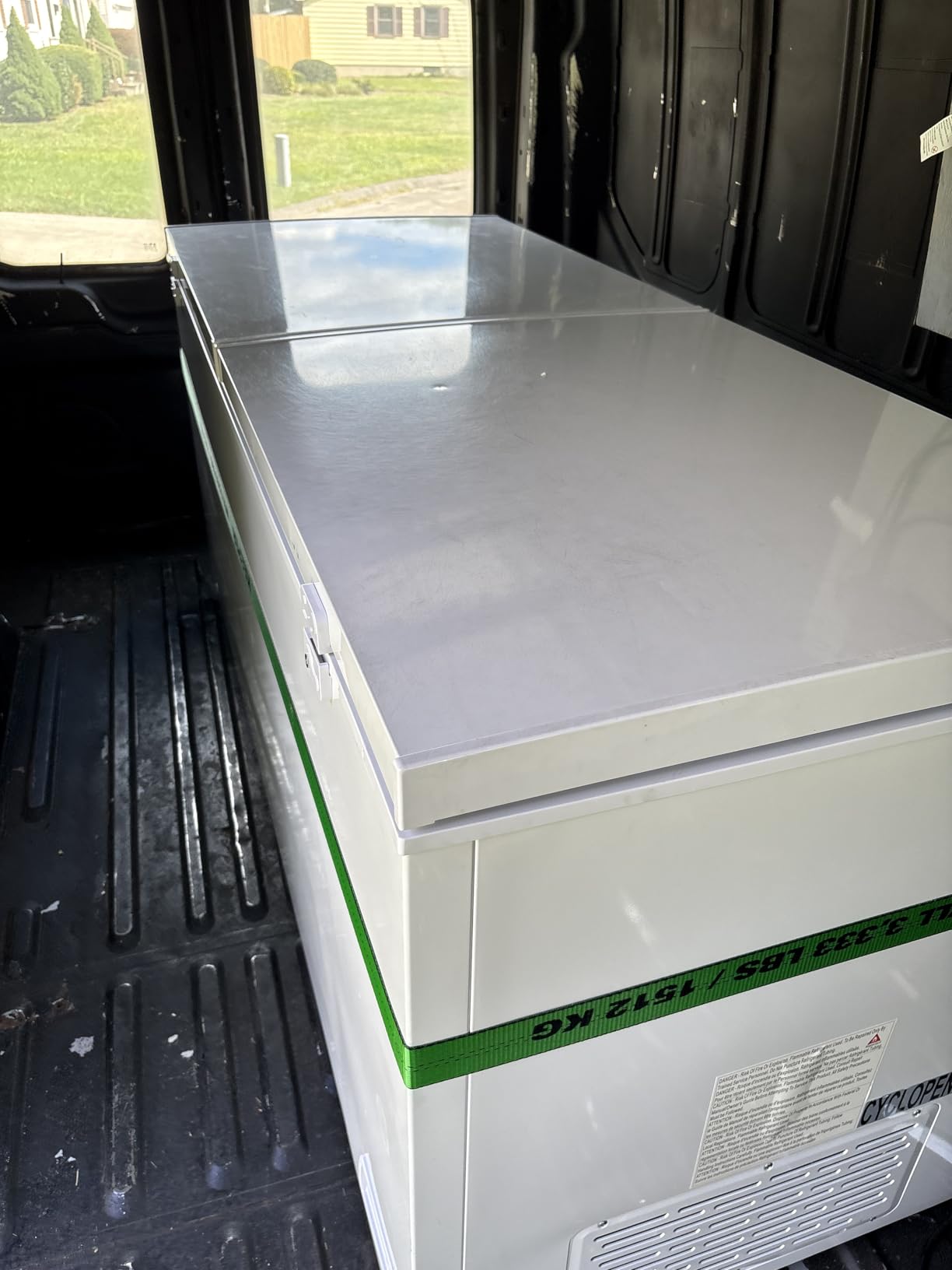
What you get right and what you give up
The NSF 7 certification and the key lock together are genuinely useful for bulk operations. If your storage has to pass a health inspection standard or hold inventory behind a door you control, those two specifications decide the purchase before anything else does.
The honest drawback is the rating. At 4.0 stars with 65 percent five-star but 19 percent one-star feedback, this is the widest spread in the group. The lower scores read as complaints about size and cost rather than about freezing performance, but a one-star rate that high still deserves a plan B for what happens if a compressor fails.
At roughly 76 inches wide it is the widest cabinet here and needs a dedicated room. There is no interior light and no frost-free option, so maintenance is manual and searching is flashlight work.
Where it fits and where it does not
Buy it if you are storing bulk food for a business, a hunting club, or a large household that treats the freezer as inventory. The lock, the wheels and the sanitation listing all pay for themselves in that setting.
Skip it if this is a family freezer. You would be paying for certification and security features you will not use, accepting the lowest average rating in the roundup, and giving up floor space to a 76 inch cabinet for no benefit at home.
5. Midea 7.0 cu. Ft. Convertible Chest Freezer – Fridge Mode and an Interior Light
Midea 7.0 Cu.ft Chest Freezer, Fridge Freezer Convertible with LED Light
7.0 cu ft
30.3 W x 22 D x 33.5 H
65.3 lb
Convertible
LED interior light
Pros
- Switches between freezer and refrigerator modes
- Interior LED light in a deep box
- Rated 0 F to 110 F in freezer mode
- Holds food frozen up to 48 hours in an outage
- Quiet operation with a removable basket
Cons
- Manual defrost
- drain not explained in the manual
- Frost builds faster than expected with frequent opening
- Deep box is awkward to organize
- Side vents need clearance on the right
This is the only 7 cu. ft. box in the roundup with an interior LED light, and once you have used a chest freezer in the dark that fact alone changes the appliance. Finding one bag of stock at the bottom of a 22 inch deep tub stops being an exercise.
The convertible mode is the second feature worth arguing for. When bulk buying season ends and you are down to a few containers, you switch it to refrigerator mode rather than leaving a mostly empty freezer running for another nine months. It holds about 135 pounds of frozen food in freezer mode.
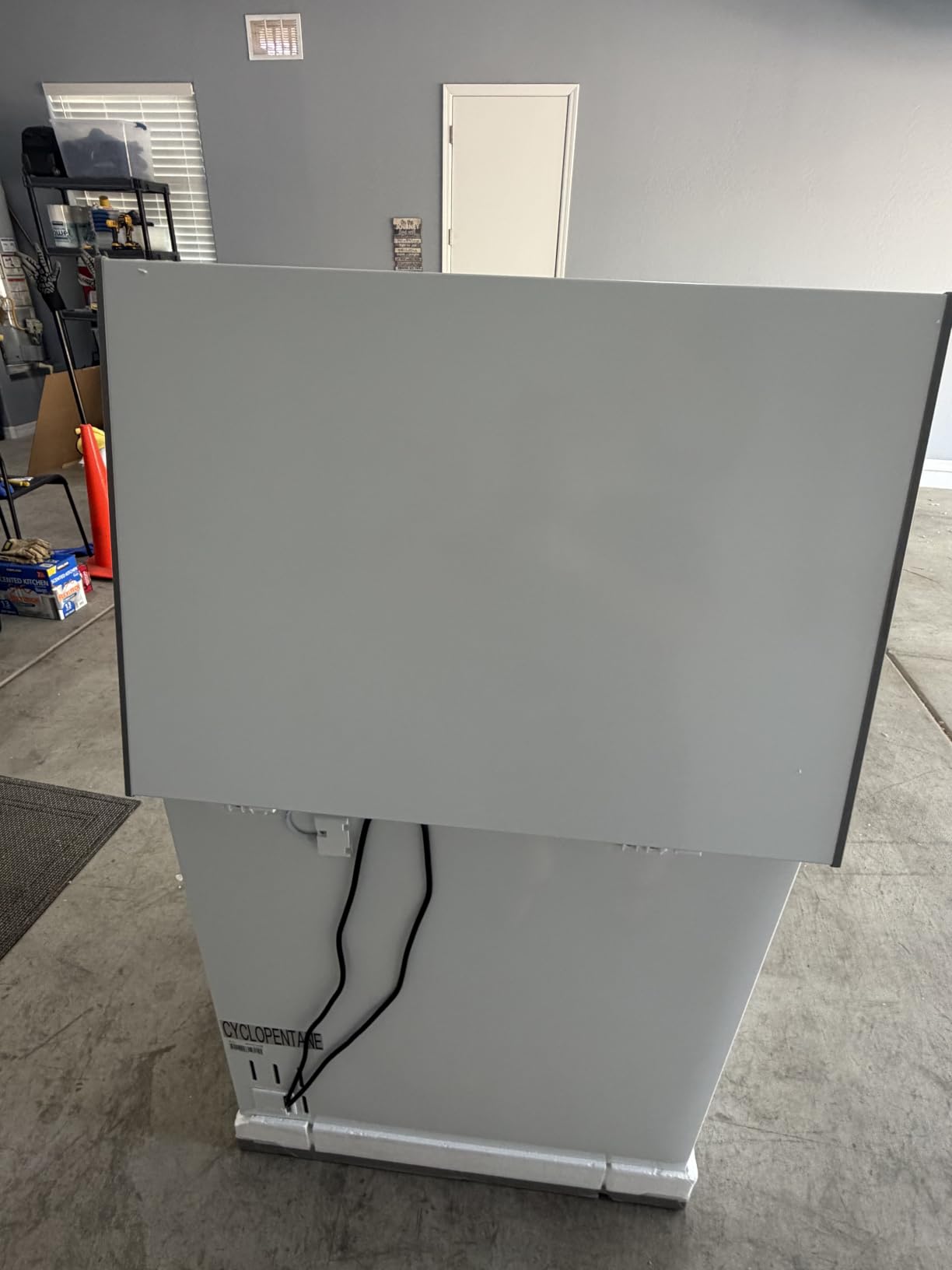
The temperature tolerance is the widest stated here: garage ready from 0 F to 110 F in freezer mode and 38 F to 110 F in fridge mode. One Texas owner reported contents still frozen after an eight-hour outage at 105 F ambient, which is a real-world data point on hot-garage performance rather than a lab claim.
Manufacturer figures put the outage hold at up to 48 hours with the power off. Adjustable legs solve uneven floors, and the removable plastic basket separates cuts from prepared meals, which is exactly the sort of binning a bulk household needs.

What you get right and what you give up
The light, the conversion mode and the verified 48-hour outage hold are the three things reviewers repeat. They cover the two biggest complaints about chest freezers, which are difficulty seeing what you stored and difficulty justifying a second appliance year round.
The defrost drain is not explained in the operations manual, which sounds trivial until you need it after a frost build. Frost also accumulates faster than some owners expect, particularly if the lid gets opened many times a day while you are loading a bulk order.
Organizing a 30 inch deep box is genuinely awkward. Several buyers gave up on the basket system entirely. Leave clearance on the right-hand side for the vents or the compressor will work harder than its rating suggests.
Where it fits and where it does not
Pick this one for a basement, finished garage, or laundry room where you want a freezer you can convert to a fridge and can see inside. It suits a household that buys in bulk during the year and then drops to light usage in the off months.
It is the wrong choice for someone who wants maximum capacity per dollar, since the light and the conversion electronics do not add a single pound of storage. It is also wrong for daily digging, because no amount of lighting fixes a chest freezer’s retrieval problem.
6. Frigidaire EFRF7003 7 cu. Ft. Chest Freezer – The Quiet Analog Workhorse
FRIGIDAIRE EFRF7003-BLACK Chest Deep Freezer, 7 Cu. Ft, Black Adjustable Thermostat-Removable Vinyl Coated Wire Basket-Easy Defrost Drain
7 cu ft
37 W x 26 D x 33 H
70 lb
Aluminum liner
7-setting dial
Pros
- Seven-setting analog thermostat
- Quiet enough to be inaudible in a room
- Full cold in roughly 20 to 24 hours
- Aluminum liner with exterior defrost drain
- Basket and shelf add a second tier
Cons
- No interior light
- Manual defrost
- Transit dents in a fair share of reviews
- Freight scheduling for a large appliance can be a hassle
Frigidaire is the name that comes up most often when owners rank chest freezer brands on forums, and this 7 cu. ft. cabinet is the reason. It holds a 4.4 average from 595 ratings with 78 percent five-star feedback, and the design is deliberately simple.
The seven-setting analog thermostat needs no menu, no app, and no learning curve. You set a number on a knob and the compressor does the rest. Owners describe the unit as quiet enough to be inaudible unless you stand next to it, and report that the electric bill did not noticeably change after installation.
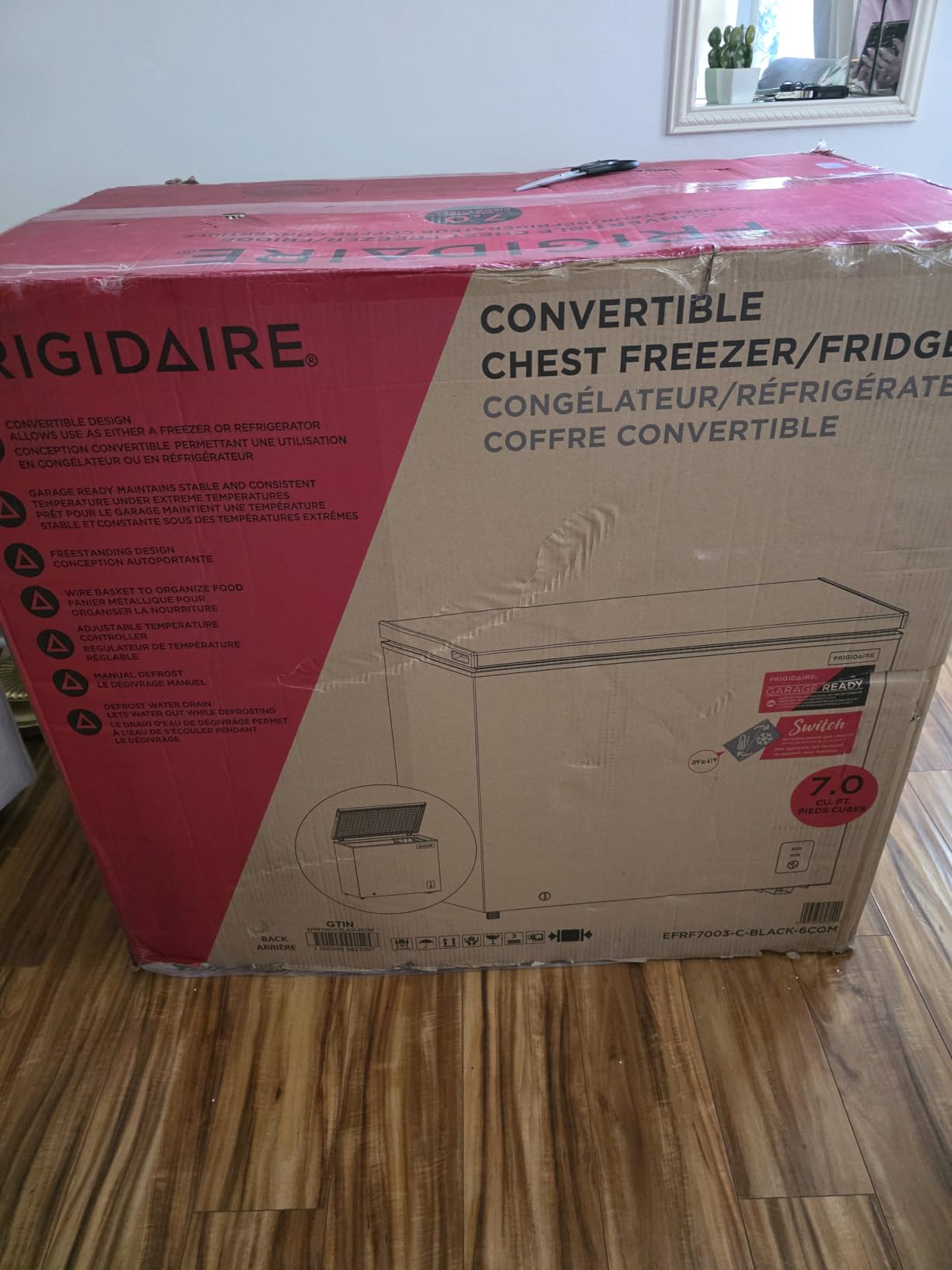
The aluminum interior liner conducts cold better than the thin steel used in some budget cabinets and is easier to wipe down after a defrost. A removable vinyl-coated wire basket plus a shelf gives you two levels, and the exterior defrost drain means you never tip the appliance to empty it.
Full cold arrives in roughly 20 to 24 hours from a cold start, and owners consistently remark that the interior holds more than 7 cu. ft. suggests once you stop treating it as a shelf unit and start stacking it.
What you get right and what you give up
The analog controls, the aluminum liner and the quiet run are the combination that makes this the value pick. Nothing here is premium, and everything here does its job without asking you to learn anything.
There is no interior light, and owners of the smaller sizes request one specifically. Manual defrost remains the only defrost mode, which we consider a feature at this level but does mean an annual thaw.
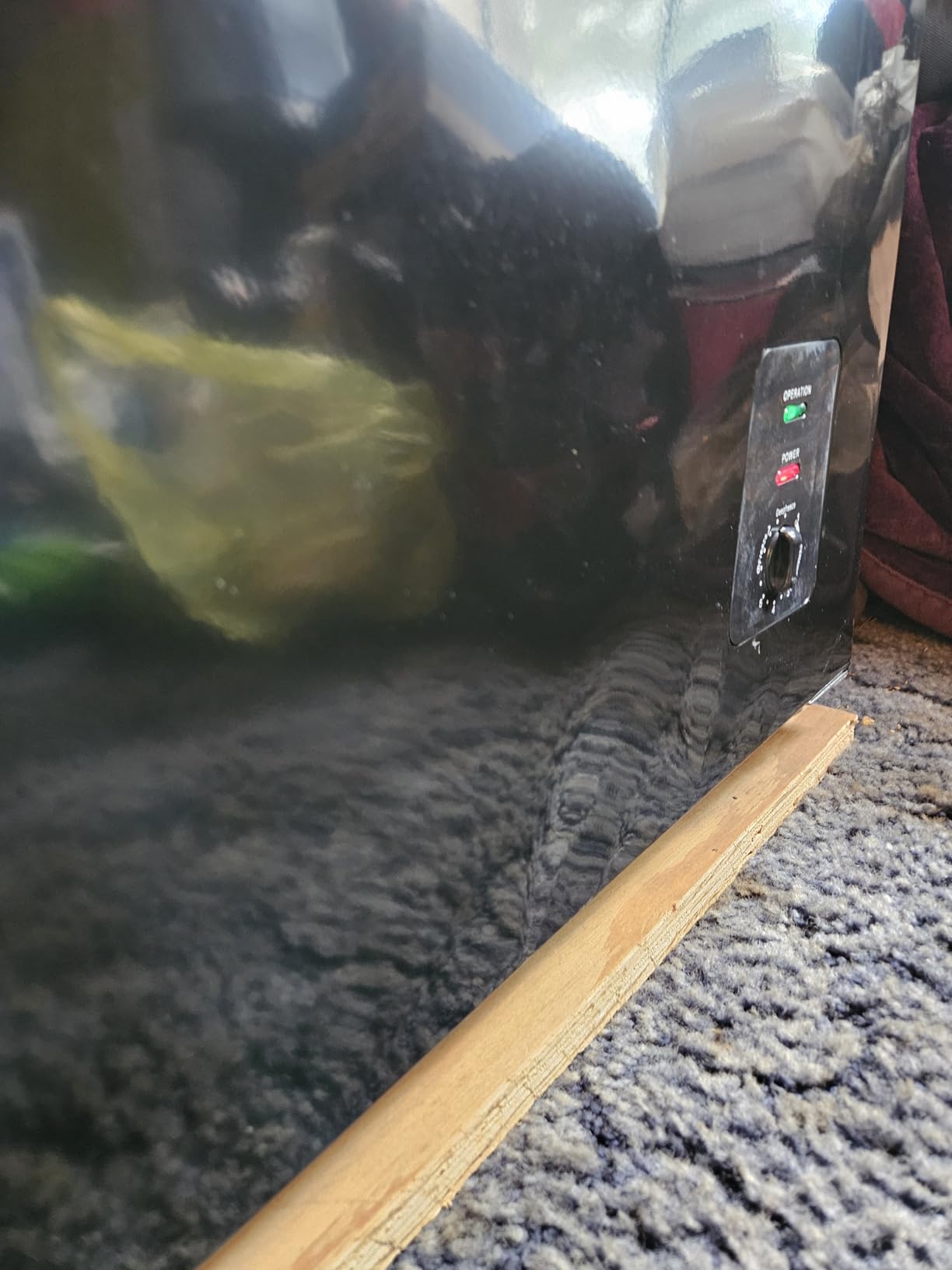
Transit damage shows up in a fair share of reviews, and scheduling the freight drop for a large appliance is its own small project. Inspect the box on arrival before you accept it, because a dented liner is a slow leak in cold air performance.
Where it fits and where it does not
This is the freezer for a family buying bulk groceries, a couple splitting a quarter beef, or anyone who wants a chest freezer that disappears acoustically in a basement. It is the pick we would put in a house with no tolerance for appliance noise.
It is the wrong choice for a hot garage that regularly exceeds 110 F, since no garage-ready rating is claimed. It is also wrong for you if you want a temperature display, because the dial tells you the setting and nothing about the actual internal temperature.
7. Koolatron 7.0 cu. Ft. (195 L) Chest Freezer – Built Around Spare Parts
Koolatron 7.0 cu ft Chest Freezer, 195 L, Storage Basket, White
7.0 cu ft / 195 L
35.75 W x 22 D x 33 H
0 to -24 C
Five-year parts
Pros
- Five-year spare part availability commitment
- Flat back sits tight against a wall
- Rear hinges let the lid stay open
- Low 1.2 amp draw is easy on a generator
- Vinyl-coated hanging wire basket
Cons
- 90-day parts and labor warranty
- Compressor will not run in very cold ambient spaces
- Hanging basket is light duty under heavy loads
- Manual defrost with no interior light
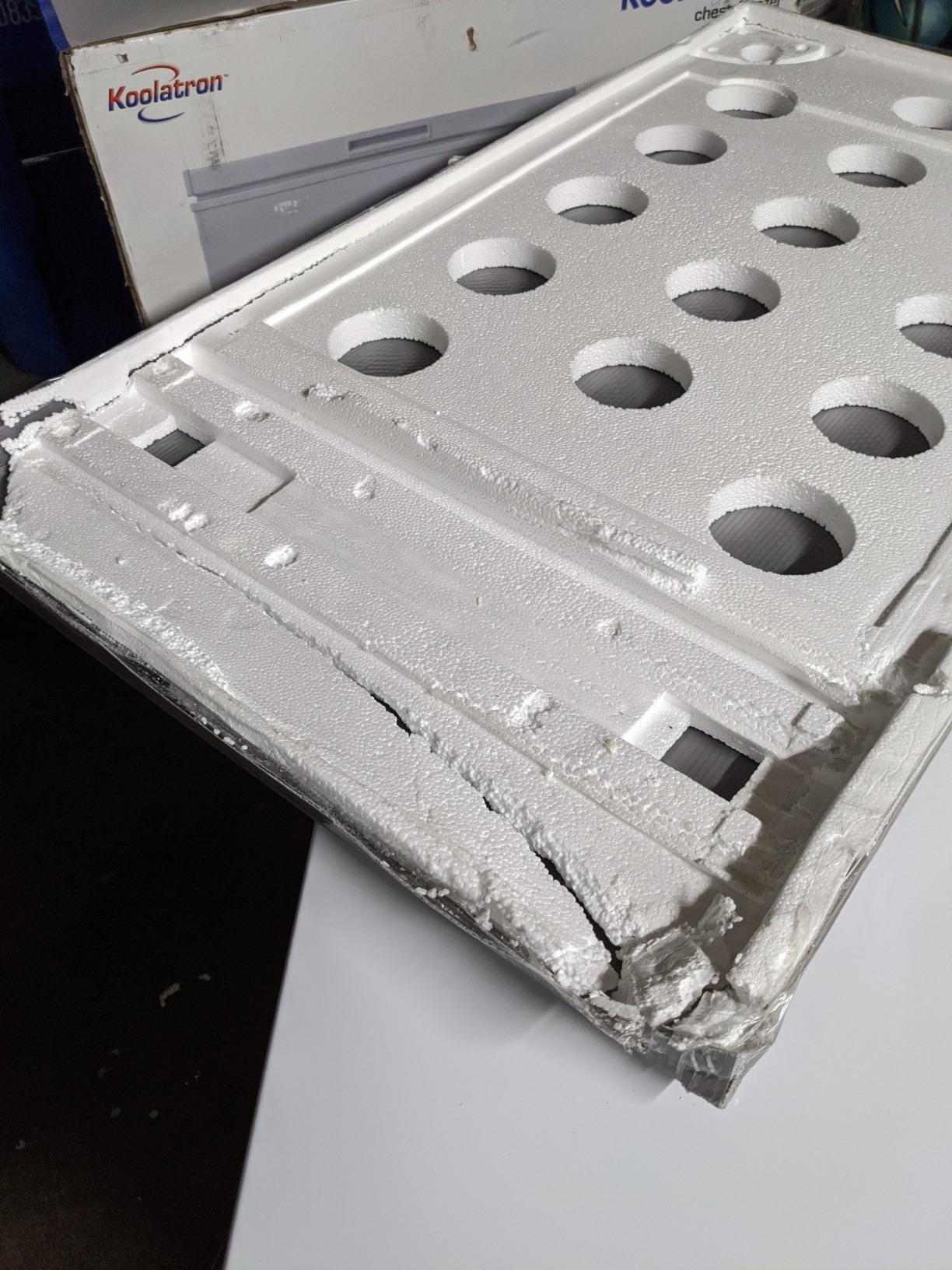
The reason to look at this cabinet is longevity, not features. Spare part availability is documented for five years, which is longer than the warranty on any other unit in this roundup and longer than most owners will own the appliance.
For a bulk-storage freezer that will be loaded with several hundred pounds of food you cannot replace quickly, that commitment is worth more than an interior light. When a thermostat or a basket rail eventually fails, the part exists somewhere in five years rather than nowhere.
The temperature range is 0 to -24 C, which is deeper than most residential chests claim and comfortably inside FDA guidance for freezer storage. A vinyl-coated corrosion-resistant hanging basket keeps items off the tub floor, and the flat back sits tight against a wall to save depth.
Rear-mounted hinges let the lid stay open without hitting the wall behind the unit, and the magnetic seal holds temperature between openings. The 1.2 amp draw is low enough that this is one of the few freezers in the roundup you could reasonably run off a generator or a small solar circuit.
What you get right and what you give up
The flat back, the rear hinges and the low draw are quietly excellent for a garage or basement. A freezer you can push against a wall without losing three inches is a real gain in a tight utility room.
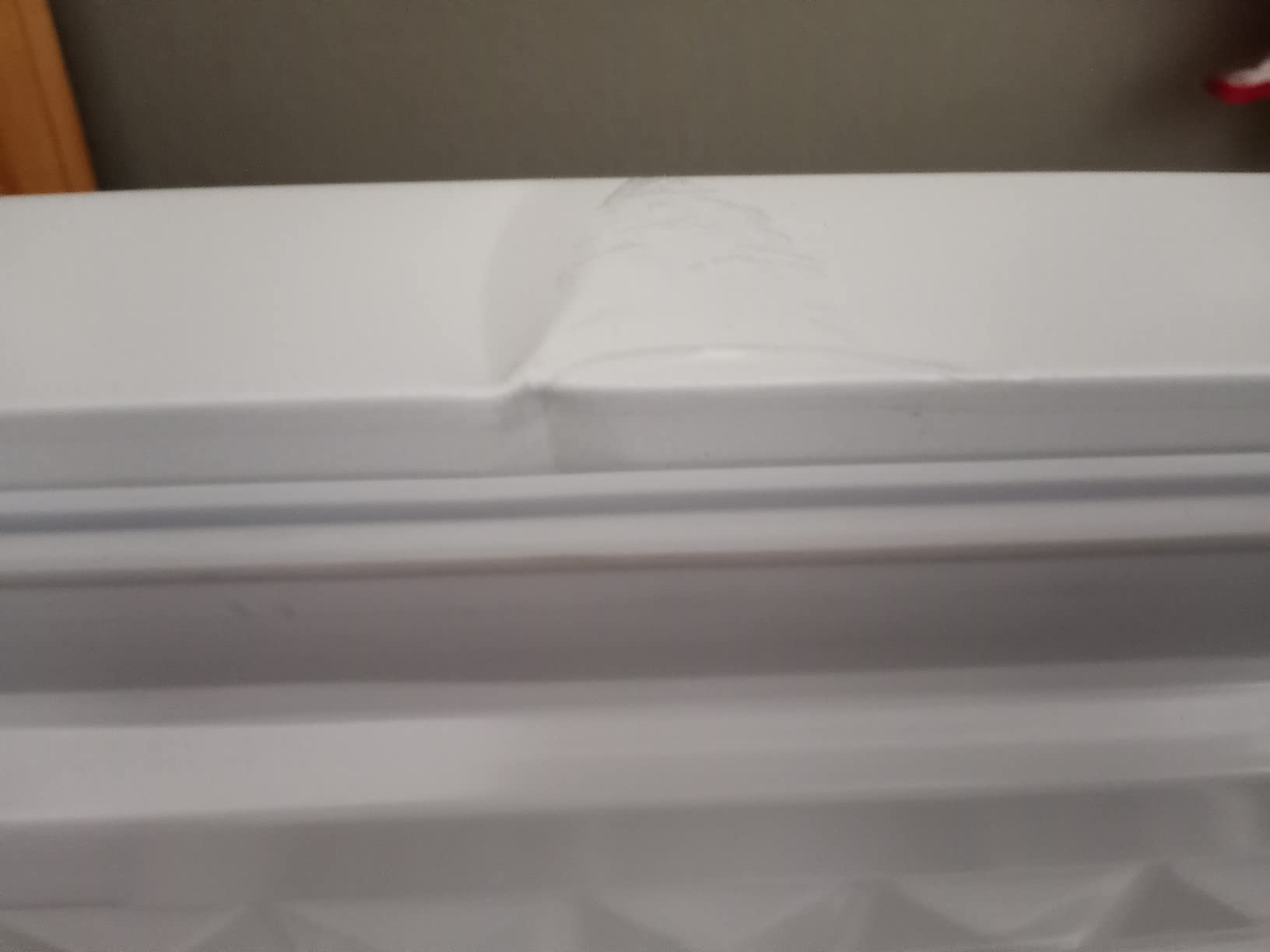
The serious drawback is the compressor cutoff. The unit will not run in ambient temperatures below about 55 F, which rules out unheated garages and porches through winter in most of the country. One owner lost a freezer full of venison stored in an unheated Michigan space for exactly this reason.
The 90-day parts and labor warranty is the shortest here, the hanging basket is light duty and can bow under heavy loads, and the compressor cycles on and off more often than some owners would like.
Where it fits and where it does not
Buy it for a conditioned basement, a mudroom, or a garage that stays above 55 F all winter. It is a good match for someone who plans to keep this freezer for a decade rather than replace it.
Skip it for any unheated space in a cold climate, full stop. That failure mode does not announce itself; the unit simply does not cool, and you find out days later. If you need a cold-garage freezer, choose a garage-rated model instead.
8. Arctic Chef 7 cu. Ft. Convertible Chest Freezer – Rated for 135 Pounds of Food
Arctic Chef, 7 Cu. Ft. Convertible Chest Freezer, Garage Ready Freezer or Refrigerator, Manual Defrost Chest Freezer with External Temperature Control, Removable Basket, Defrost Drain, Power Indicator
7 cu ft
38.58 W x 22.83 D x 35.04 H
77 lb
About 135 lb load
Pros
- Manufacturer rates it for about 135 lb of frozen food
- Convertible freezer and refrigerator modes
- 77 lb body carries up steps alone
- Front external controls and power indicator
- Quiet once cold with a wire basket included
Cons
- No interior light
- Manual defrost only
- Brief compressor noise on some starts
- Transit dents and occasional cracked corners
- 300 W rated wattage is the highest here
The Arctic Chef is the one unit in the roundup that states a food load rather than leaving you to extrapolate: approximately 135 pounds of frozen food in a 7 cu. ft. cabinet. That single published figure is why this one anchors our sizing math, and garden producers tend to trust it more than a nominal volume.
At 135 pounds it holds a couple of hundred pounds of berries, a season of green beans, or a small hog. Owners using it for bulk meat and garden produce report that the rating matches reality rather than the marketing number.
The convertible mode lets you run it as a refrigerator when the harvest is done and you are down to jars and condiments. Front external controls mean the thermostat and the power-on indicator are both reachable without opening the lid.
At 77 pounds it is light enough for one person to carry up basement stairs, which is a bigger convenience than it sounds when you are comparing it to the 165 pound commercial cabinets. It runs very quiet once cold, and the included wire basket and easy-access drain cover the essentials.
What you get right and what you give up
The published 135 pound load, the 77 pound weight and the front-mounted controls are the practical wins. This is the easiest unit in the roundup to install by yourself and the easiest to hand down a set of basement stairs.
There is no interior light, which owners ask for most often. It is manual defrost with no frost-free option, and a number of owners report a brief burst of noise on some compressor starts, though unplugging and letting it sit resolved it for at least one buyer.
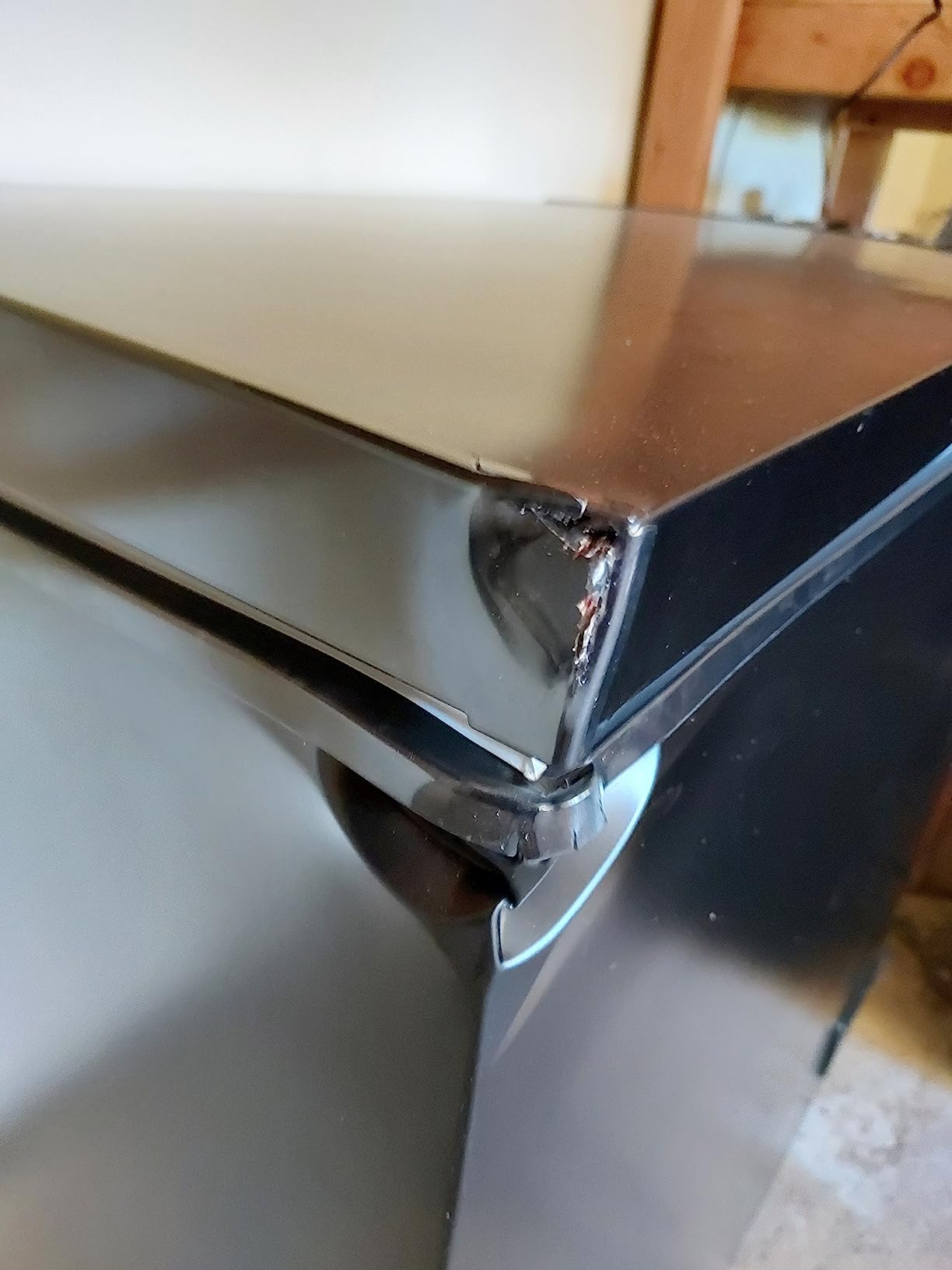
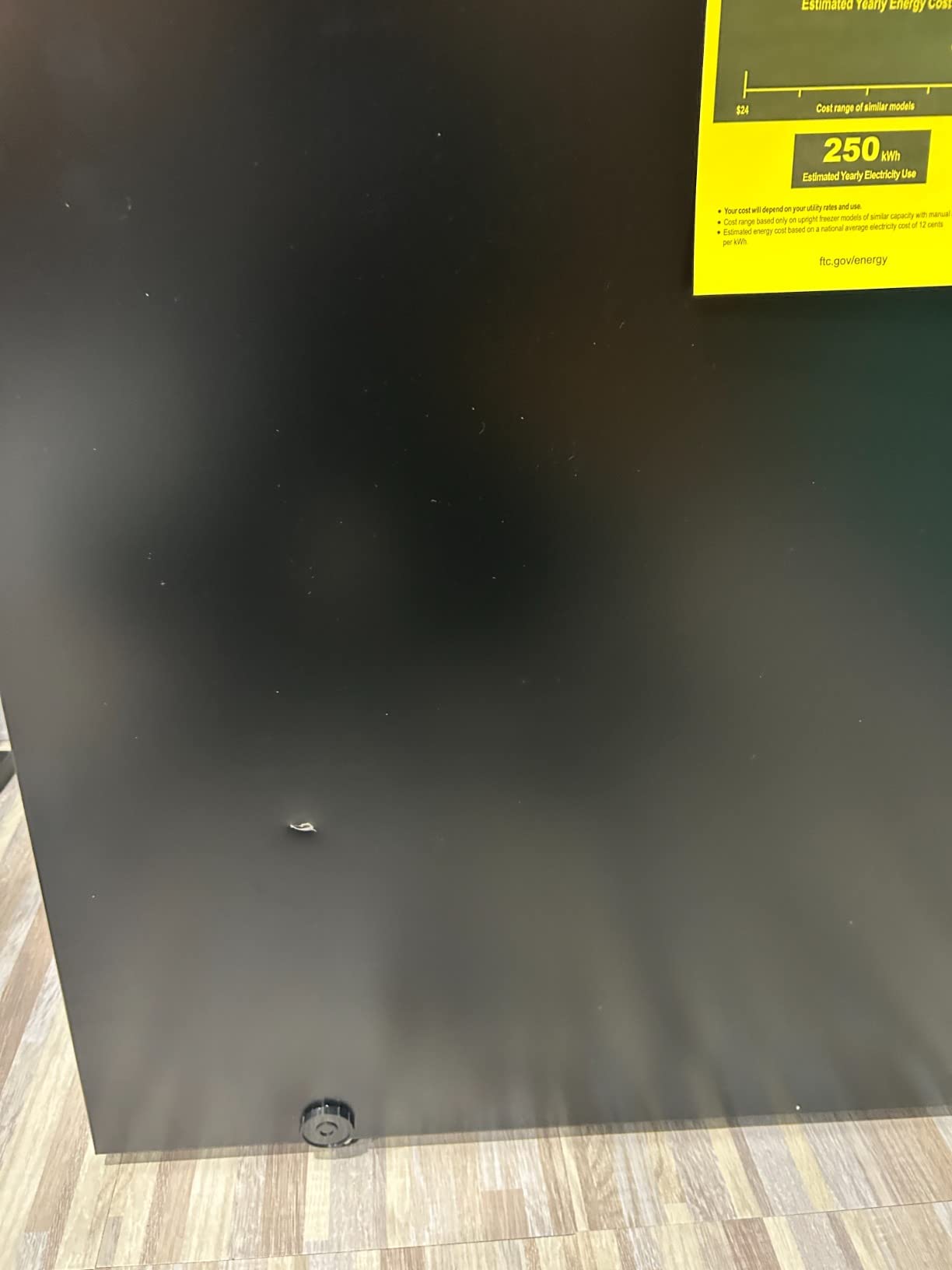
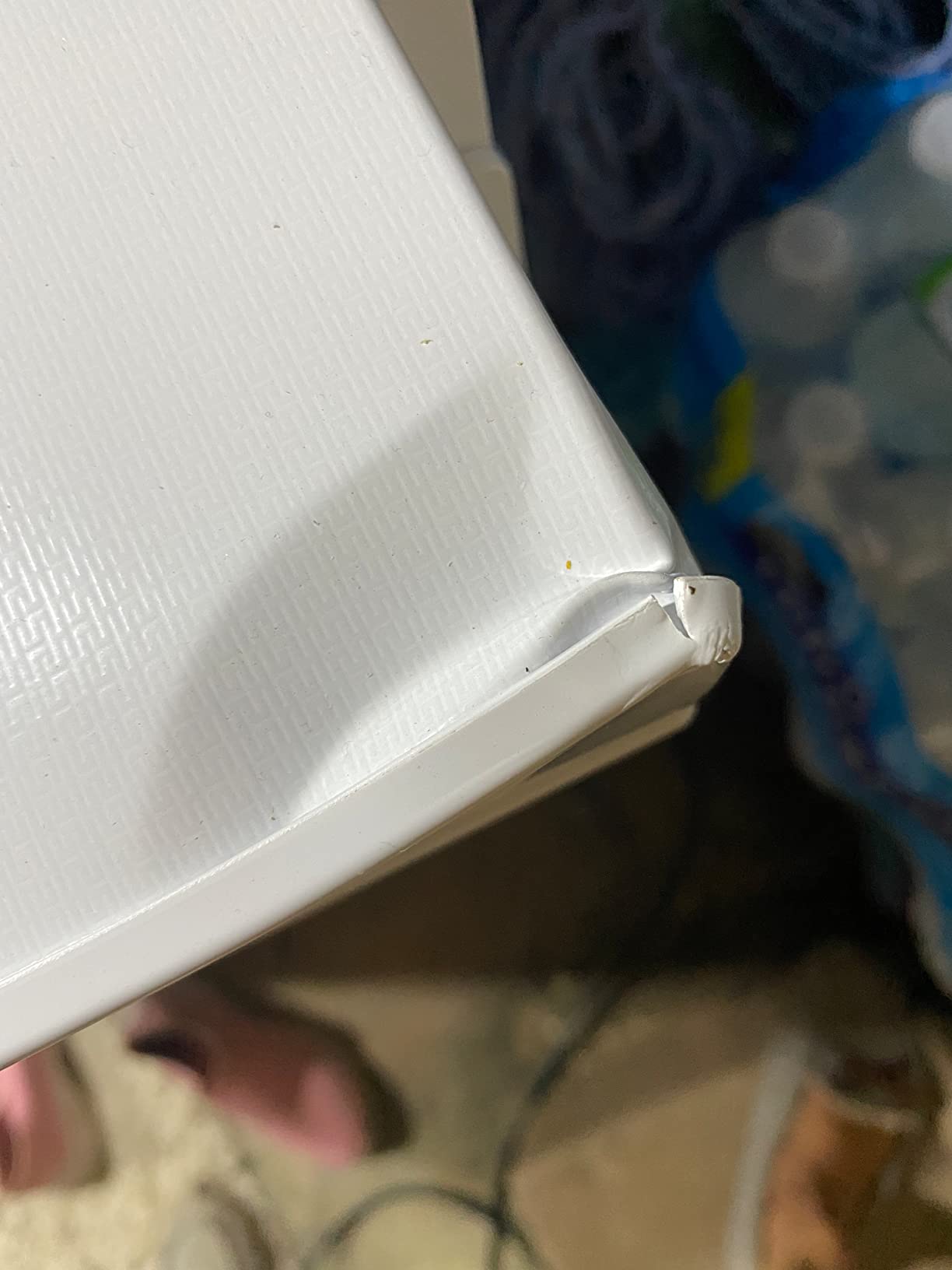
Transit damage is a recurring theme, including dents and, in one case, cracked corners that stopped the lid sealing properly. Inspect the seal before you plug it in. The 300 W rated wattage is the highest figure among these models, so size your circuit accordingly.
Where it fits and where it does not
Pick this one for garden produce, small livestock harvests, or a first bulk freezer in a home without a garage. The weight and the single-person install make it the friendliest starting point in the roundup.
It is the wrong choice for an unheated garage in a hot summer, for anyone near maximum circuit load, and for anyone who needs the lid to stay open alone while loading. The convertible mode is a convenience here, not a substitute for a real refrigerator for daily groceries.
9. BODACIOUS 7.0 cu. Ft. Slim Chest Freezer – Narrowest Footprint Here
7.0 Cu Ft Chest Freezer – Energy Saving Quiet Top Open Door Mini Freezer Adjustable 6 Thermostat – Compact Small Deep Freezer w/Removable Basket and Defrost Water Drain for Home/Apartment/Garage
7 cu ft
17.32 W x 21.57 D x 33.46 H
48.5 lb
6-setting dial
Pros
- Narrowest footprint here at 17.32 inches wide
- Lightest body at 48.5 lb
- Quiet enough for a bedroom or closet
- Recessed-rail drop-in basket within reach
- Manufacturer rates a low daily running cost
Cons
- Manual defrost with fast frost buildup
- Up to 24 hours to freeze from a cold start
- Thermostat often needed near maximum
- Reported interior is smaller than the 7 cu ft label
- Isolated reports of breaker trips
This cabinet trades width for height, and in a narrow kitchen corner that is the entire point. At 17.32 inches wide it is the slimmest freezer in the roundup by a wide margin, while still measuring 33.46 inches tall and 7 cu. ft. on the label.
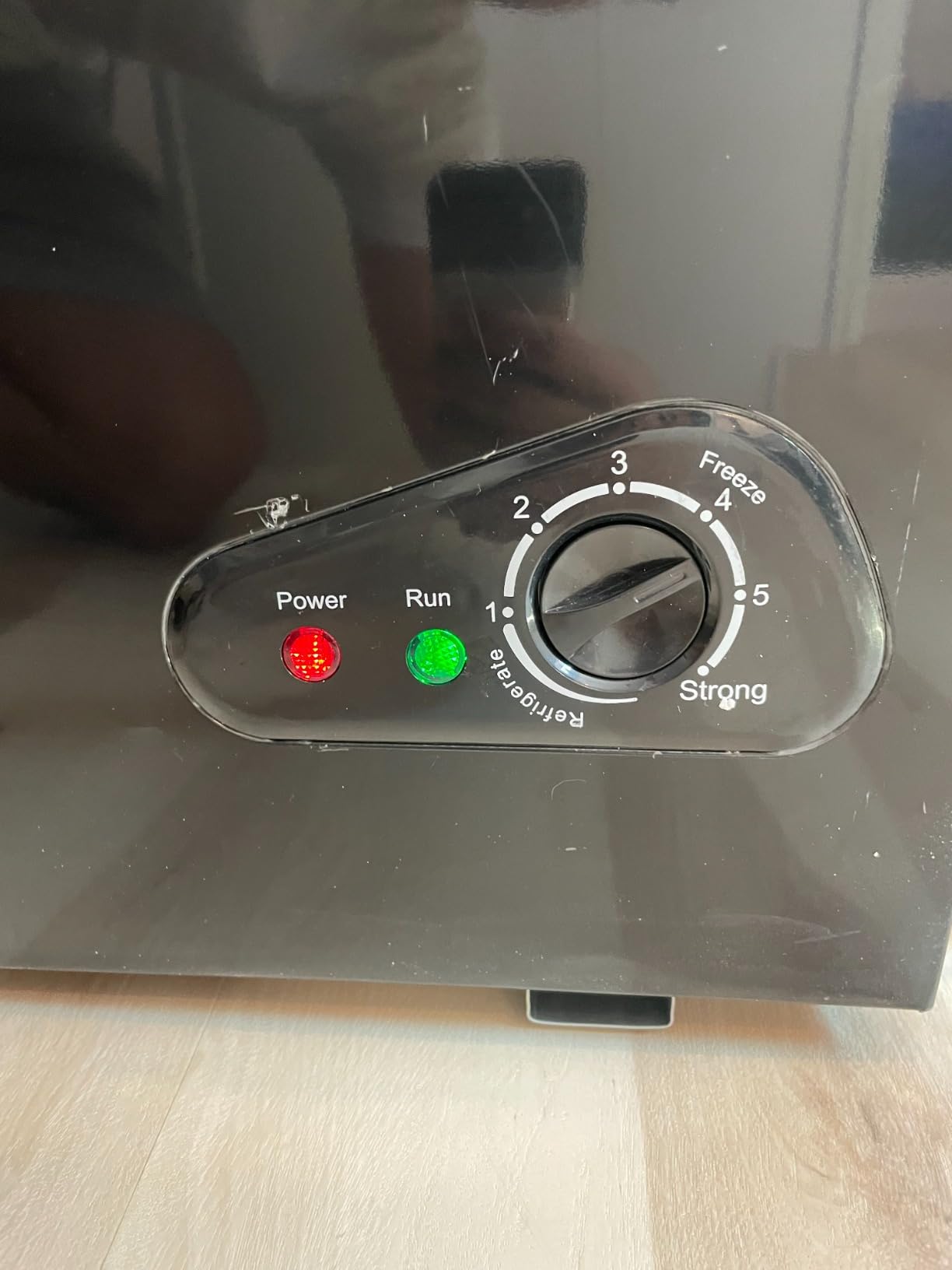
It is also the lightest at 48.5 pounds, which makes it a genuinely portable appliance. Reviewers describe it as quiet enough for a bedroom or closet, and the built-in removable basket sits on a recessed rail at the opening so the things you use most stay within arm’s reach instead of at the bottom of the tub.
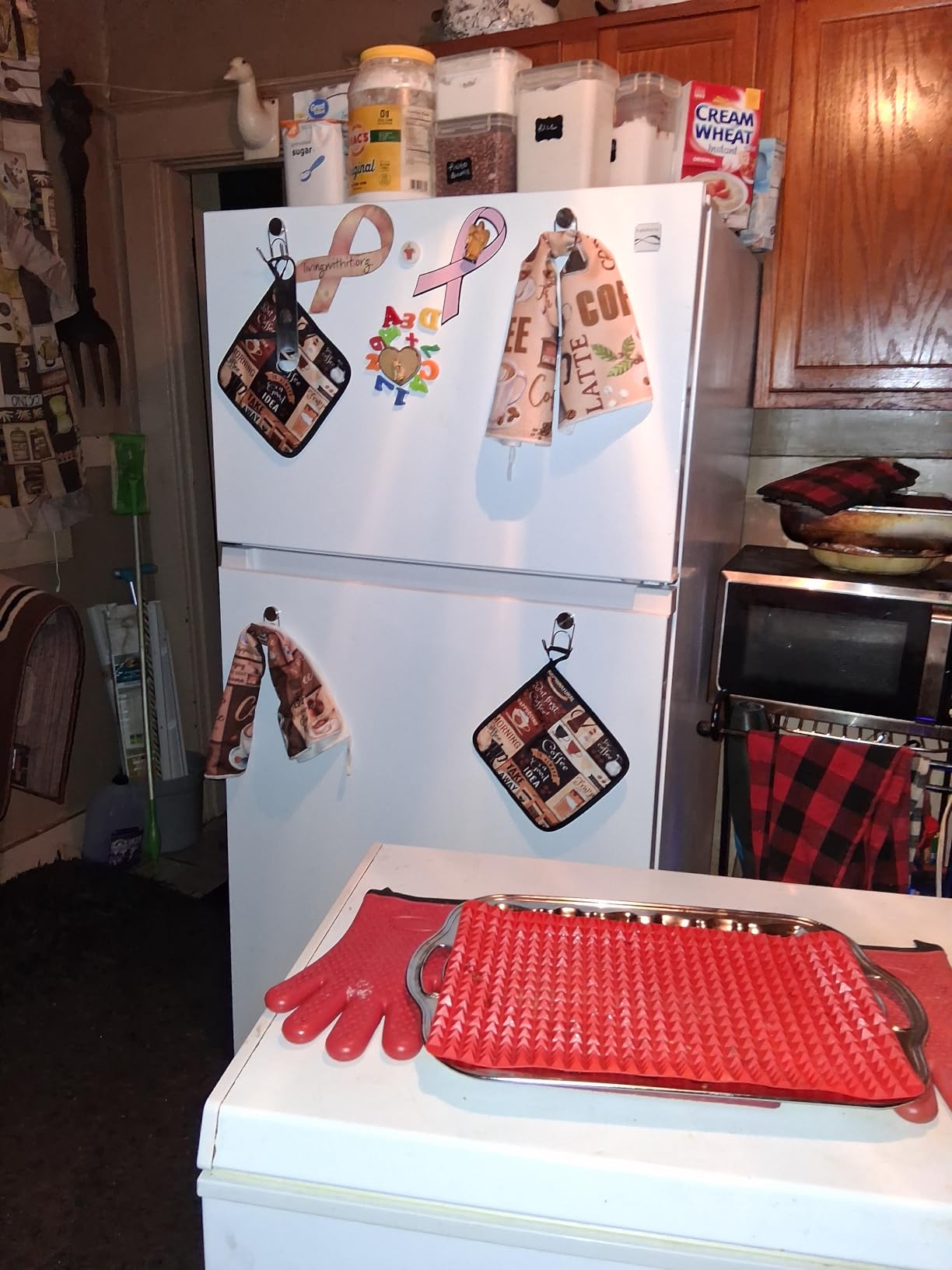
The six-setting thermostat has an exterior defrost water drain, and the manufacturer publishes a running-cost figure at the lower end of this class, which lands in the same band as the other 7 cu. ft. models here. It sits at the top of the chest freezer best-seller rank, which tells you something about how many people have bought one.
Owners value the narrow footprint, the near-silent compressor and the light body above all else. If your available space is a 20 inch gap between a wall and a cabinet run, this is the only unit on this list that fits without moving anything.
What you get right and what you give up
The footprint and the weight are the real advantages. A tall slim cabinet in a small kitchen or an apartment utility area solves a spatial problem that a wider 7 cu. ft. box simply cannot.
Manual defrost means frost builds quickly in a cavity this size, and the pull-down is slow. It can take up to 24 hours to freeze even small packages from a cold start, and some owners found the thermostat needed to be set near maximum before the box would reach freezing temperature.
Reported dimensions come in narrower than a typical 7 cu. ft. cabinet, so real capacity reads smaller than the label. There are also isolated reports of the unit tripping a breaker, one of which left it warming while the owner was away. Inspect the cord and the outlet before a long load.
Where it fits and where it does not
Choose this for an apartment, a narrow kitchen gap, an office break room, or a second freezer where floor area is the binding constraint. It is a good overflow box behind a family of four who already owns a full-size freezer.
Skip it if you are storing a farm share or anything measured in hundreds of pounds, since the interior is smaller than 7 cu. ft. suggests and frost will eat into that quickly. It is also the wrong choice for anyone who will load it in one session and then leave for a week.
10. Techomey 20 cu. Ft. Chest Freezer – Casters and a Seven-Position Dial
Techomey Large Chest Freezer 20 Cu Ft, Deep Freezer with 7 Adjustable Thermostat, Chest Deep Freezer with Removable Basket for Garage, Basement, White
20 cu ft
63.2 W x 29.7 D x 34.5 H
184 W
4 casters
Pros
- 20 cu ft in a 63.2 inch cabinet
- Seven-position mechanical thermostat
- Holds a steady -11.2 F
- Two removable baskets
- Four heavy-duty casters plus external handle
Cons
- Only 82 ratings
- thinnest evidence in the roundup
- Dents on arrival even when double-boxed
- Manual defrost with no interior light
- One report of a failure within six months
The Techomey holds 20 cubic feet in a 63.2 inch cabinet. Both 20 cu. ft. competitors in this roundup are wider, at roughly 71 and 76 inches, so in a two-car garage or a long utility room this cabinet buys back meaningful floor space at the same capacity.
Its 4.5 average matches the highest star rating in the roundup, but it comes from only 82 ratings. That is by far the thinnest evidence base here, so treat the score as encouraging rather than corroborated.
Four heavy-duty casters plus an external handle mean one person can move the cabinet across a flat floor, which is a meaningful advantage on a unit this size. The seven-position mechanical thermostat holds a steady -11.2 F across a -11.2 F to 14 F range, and two removable baskets sort bulk meat from prepared meals.
Owners report fast cooling and quiet running once the load settles. The PCM door and commercial-grade construction are what let it claim a 184 watt operating figure at this capacity.
What you get right and what you give up
The casters, the handle and the narrower-than-rivals cabinet are the practical strengths. Mobility on a unit this size is not a luxury; it is the difference between keeping the freezer and rebuilding a corner of the garage around it.
The evidence base is the real limitation. With 82 ratings, a 4.5 average tells you that the people who bought it liked it, and tells you very little about what happens at year four. There is one report of a unit quitting within six months and losing its full contents.
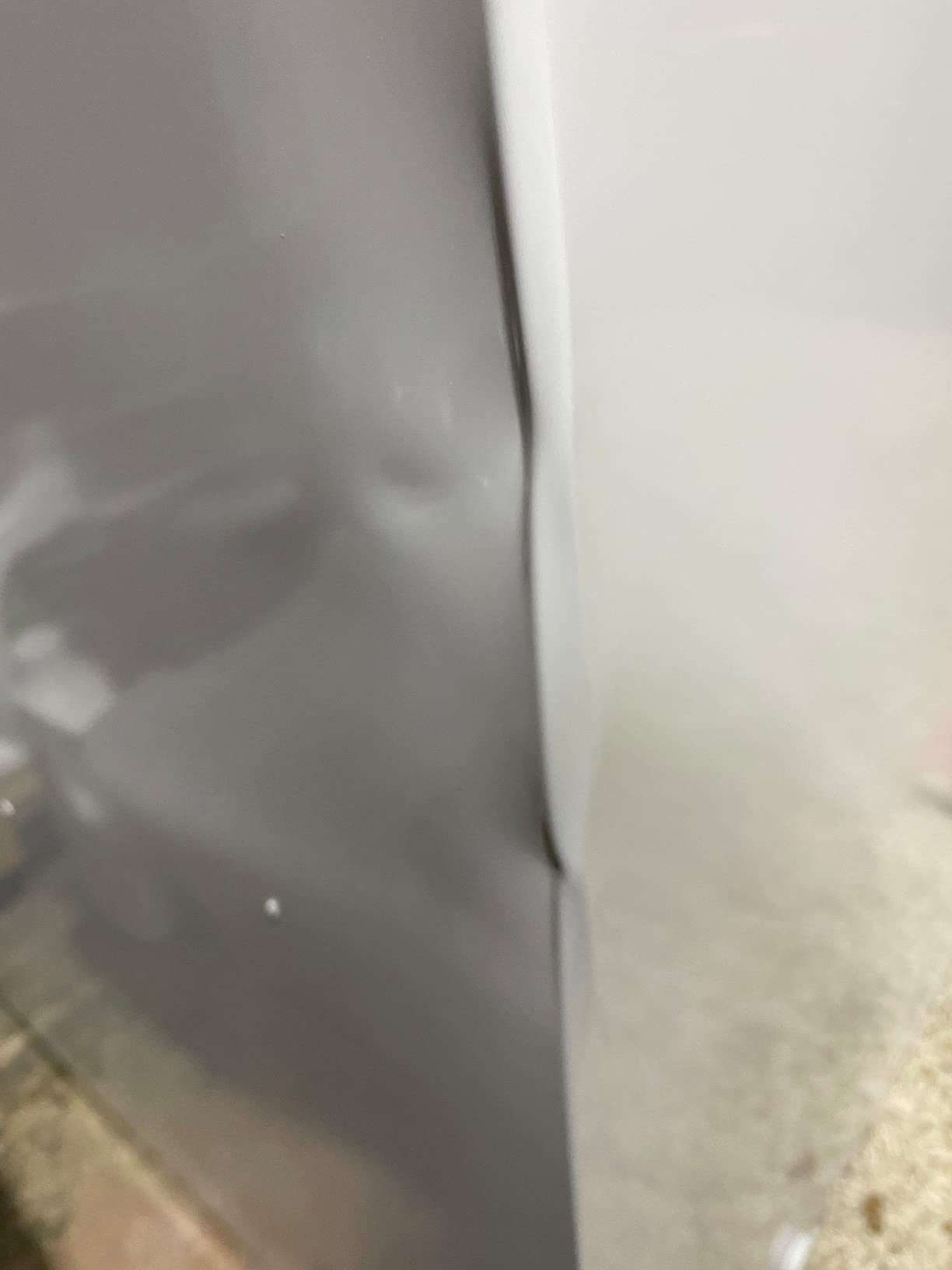
Dents on arrival appear in more than one report even when the cabinet was double-boxed, so inspect before accepting. It is manual defrost with no interior light listed, which is standard for this class.
Where it fits and where it does not
Buy it when you need 20 cu. ft. but have fewer than 70 inches of wall to work with, and when being able to roll the freezer is important to you. It works well for bulk grocery buying at scale and for large game harvests.
Skip it if you want a long ownership history behind the unit, because 82 ratings cannot tell you that. If your priority is a garage install in a climate that swings hard in both directions, spend the research time on a cabinet with a documented temperature rating instead.
Why Chest Freezers Beat Uprights for Bulk Food Storage
Chest freezers hold roughly 20 to 30 percent more usable food than an upright of similar total size, because there are no shelves and no wasted headroom above each load. A whole hindquarter, a case of frozen berries, or a tub of stock does not conform to a 1.5 inch shelf gap, and owners routinely report stacking them in a chest in ways that would be impossible on a wire rack.
The thermal case is straightforward. Cold air is heavier than room air, so when you lift the lid the cold stays in the cavity. On an upright, a door swing dumps that cold into the room and pulls warm air into the shelves, which is why uprights cycle harder, run their compressors more, and hit more freezer burn over a long storage season.
Manual defrost is also not a downgrade. It means no defrost heater, no fan motor, and no drain pan heater, so there are fewer parts that can fail. Owners in r/Appliances and r/BuyItForLife threads consistently describe manual defrost as a reliability feature, and one long-running discusscooking.com thread notes that manual chests hold a more even temperature than frost-free uprights that cycle between 0 F and 32 F.
The trade-off is retrieval. Everything sits in one deep box, so a small bag of beef at the bottom becomes archaeology. Our upright freezer roundup makes sense if you pull something out daily; if you pull something out monthly, the chest wins.
How to Size a Chest Freezer for Bulk Meat Storage
The fastest sizing answer is this: the Arctic Chef 7 cu. ft. convertible in this roundup is rated by its manufacturer to hold about 135 pounds of frozen food, which works out to roughly 19 pounds per cubic foot. Everything else on the ladder scales from that number.
7 cu. ft. holds about 135 pounds of frozen food. That covers a family buying bulk at the grocery store, a season of duck, or a few hundred pounds of garden produce.
14 to 16 cu. ft. holds roughly 265 to 305 pounds. This is the hunting and half-a-cow band, and the most popular capacity among homestead owners.
17 to 20 cu. ft. holds roughly 325 to 380 pounds. A whole pig or a half cow share needs this much room, plus headspace for air circulation.
For farm shares specifically: a quarter beef typically lands near 125 to 150 pounds hanging weight, so a 10 cu. ft. freezer is adequate. A half cow runs 250 to 300 pounds and wants 14 cu. ft. or more. A 300 pound live-weight pig yields roughly 150 to 170 pounds of meat, which fits comfortably in a 9 cu. ft. box. If your load hits 400 pounds, go straight to 20 cu. ft. and count on filling it in two sessions.
One owner in an r/homestead thread put it plainly: a 9 cu. ft. box held about half a beef and satisfied the family. Another forum thread raised the limit nobody warns you about: a consumer-rated freezer will not pull a whole cow share down to freezing as fast as you would like, so load in batches over a couple of days if you can.
Chest Freezer Brands and Who Actually Builds Them
One fact explains most of what people get wrong about chest freezer brands: roughly four factories build nearly every home chest freezer badge you will see on a shelf. Magic Chef, GE, Frigidaire and Midea account for the large majority of units, and Haier builds store brands on top of that.
That means a badge you have never heard of and an established brand name may well come off the same production line. Paying a premium for the name rather than for a better freezer is a real way to overspend, and commenters in r/Appliances and r/HomeImprovement threads make exactly this point.
The corollary is which badges draw complaints. Magic Chef and its Vissani alias come up most often in r/Appliances threads with high complaint volume, which is why our earlier brand guidance advised research before buying. Frigidaire is frequently described as the best value, and GE as a step up in quality for more money.
Look at the manufacturer field rather than the badge. In this roundup alone, three different brand names trace back to Curtis International as the actual manufacturer, which tells you more about build consistency than the front of the box does.
Garage Placement and the Temperature Limits That Matter
A chest freezer belongs in an unheated garage only if its documentation says it can operate there. The rule of thumb owners use is a range from roughly 0 F to 110 F ambient; outside that window, a standard residential compressor can stop, run continuously without freezing, or wear out early.
Two units here state the rating explicitly. The Midea is rated 0 F to 110 F in freezer mode, and the Arctic Chef is described as garage ready for non-climate-controlled spaces. The Hamilton Beach makes the same claim for its flat-back cabinet.
Two more quietly rule themselves out of a cold garage. The Kismile manual cautions against very high ambient temperatures, and the Koolatron compressor will not run below about 55 F, which is the more dangerous direction because it fails silently.
The failure owners describe in an uninsulated shed is the compressor that never starts, followed by days later discovering a thawed load. If you cannot control the winter temperature, put the freezer in a conditioned basement instead of trusting the badge.
Energy Use and What a Chest Freezer Costs to Run
A 7 cu. ft. chest freezer typically draws about 200 to 250 kWh per year, and even 16 cu. ft. cabinets often land under 350 kWh per year. That works out to a modest monthly addition to a typical residential electricity bill.
The published figure on the Kismile is 0.66 kWh per day, which lands right in that band, and the BODACIOUS manufacturer publishes a running-cost figure at the lower end of the same range. Owners of the Frigidaire report that the electric bill did not noticeably change after installation.
Two same-size freezers can differ by roughly 30 percent in annual energy use, so a cheaper unit at purchase can cost the difference back within a few years. More importantly, a full freezer is a more efficient freezer, so leaving dead air space costs you money every month of the year.
Power Outage Readiness for a Full Freezer
A full chest freezer holds safe temperature for roughly 48 hours without power, and about 24 hours when it is half full. Those are the two numbers that matter when a bulk load is at stake, and they explain why filling the box is not just a storage decision.
The Midea in this roundup is the only unit with a manufacturer-stated outage figure, claiming food stays frozen for up to 48 hours. One owner reported contents still frozen after an eight-hour outage at 105 F ambient, which is consistent with the general pattern that a full box of frozen mass is its own backup generator.
Fill dead space with frozen water jugs. The thermal mass is the point, and one owner noted the practical bonus: if the load thaws anyway, there is no water to clean up.
Put a wireless thermometer with an audible alarm inside the box before you travel. Owners who have come home to a thawed freezer after a vacation consistently regret not having had a remote alert, and that alert costs far less than the load it would protect.
Defrosting, Organizing and Preventing Freezer Burn
Manual defrost happens once or twice a year, and the trigger is simple: when ice reaches about a quarter inch thick. Below that, leave it alone, because every melt cycle costs you food temperature and time.
Empty the box, unplug it, and let it drain through the access plug rather than chipping the ice. A sharp tool punctures the liner, and a punctured liner is the start of a repair bill that dwarfs a defrost. Owners who have done this right will tell you the same thing in every thread.
Frost quietly steals capacity, which is why a cabinet that comfortably held a load when new may not a year later. Defrosting on a schedule rather than waiting for a wall of ice preserves the cubic feet you paid for.
The organization system matters just as much. Keep a written inventory list taped to the lid, and bin by category so a single basket lift does not turn into a full excavation. The retrieval problem is the chest freezer’s real weakness: one owner piled elk on top of ducks and had to move the elk every time they wanted duck.
Wrap and vacuum-seal bulk meat before it goes in. If the meat is not sealed or wrapped well, the savings from buying in bulk evaporate into freezer burn, and you will meet that load again as a freezer-burned block rather than dinner. Our guides to food storage container sets are useful for the non-frozen half of a bulk pantry.
Frequently Asked Questions
What is the most reliable brand of chest freezer?
Roughly four factories build nearly every home chest freezer badge, so brand alone tells you very little. In owner forums Frigidaire is most often described as the best value, and GE as a step up in quality for more money. Magic Chef and its Vissani alias draw the highest complaint volume. Check the actual manufacturer field on the spec sheet, buy a unit with an exterior defrost drain, and skip any badge with very few ratings.
What freezer brand to stay away from?
The badge most often flagged in owner threads is Magic Chef, which is also sold under house-brand names such as Vissani and turns up in high-volume complaint threads. The practical rule is that a rebadged house brand obscures who built the machine and who stands behind it, so it carries more risk than the equivalent named model.
How do I choose the right size chest freezer?
Work from weight, not volume. A 7 cu. ft. chest freezer holds about 135 pounds of frozen food, which works out to roughly 19 pounds per cubic foot. Multiply your expected load by 1.3 and round up to the next cabinet size, because air needs to circulate around the load.
What size freezer holds 400 pounds of meat?
You need a 20 cu. ft. cabinet. At roughly 19 pounds per cubic foot, 20 cu. ft. covers about 380 pounds, and 22 cu. ft. gives you the headroom to keep air moving around a full load. Plan on filling it across two sessions, because a consumer-rated freezer pulls a very large load down to temperature slowly.
How big of a freezer do I need for a half pig or half a cow?
A 300 pound live-weight pig yields roughly 150 to 170 pounds of meat, which a 9 to 10 cu. ft. chest freezer handles comfortably. A half cow runs 250 to 300 pounds, which needs 14 to 16 cu. ft. for storage plus working room. A whole pig or a full half cow wants 20 cu. ft. and two loading sessions.
Can I put a chest freezer in an unheated garage?
Only if the unit is documented for it. Look for a range of roughly 0 F to 110 F ambient. Some models shut the compressor down in very cold conditions and never cool, and others are cautioned against very high ambients, so an uninsulated shed in either extreme can cost you a full load of meat without warning.
How long does a chest freezer hold temperature without power?
A full chest freezer holds safe temperature for roughly 48 hours without power, and about 24 hours when it is half full. Filling dead space with frozen water jugs adds thermal mass and extends that window, and a wireless thermometer with an audible alarm inside the box tells you about a failure while you are still away from home.
Do chest freezers need to be defrosted?
Yes, and manual defrost is standard because a chest has no defrost heater or fan. Defrost when ice reaches about a quarter inch thick, unplug the unit, and drain it through the access plug. Never chip the ice with a sharp tool, because a punctured liner turns a defrost job into a repair.
What is the difference between a chest freezer and a deep freezer?
A deep freezer is simply a chest freezer by another name, and the two are usually the same appliance. The more useful comparison is against an upright freezer: a chest holds more usable food per cubic foot and loses less cold air when opened, while an upright gives you shelves and easier access to small items.
What is the best chest freezer for commercial use?
Look for a sanitation certification rather than a household badge. ETL certified to NSF/ANSI 7 is the standard that matters for food operations, and in this roundup only the 20 cu. ft. commercial-style cabinet carries it. A lockable lid also matters commercially, since it protects bulk inventory from staff and customers.
The Verdict for Bulk Food Storage in 2026
For most households buying in bulk, the Kismile 7.0 cu. ft. is the pick we keep coming back to, because a 2150-rating history tells you more than any spec sheet. If you want less fuss and a light analogue dial instead of a seven-stage one, the Frigidaire EFRF7003 is the same capacity at a similarly quiet operation. Where floor space is the binding constraint, the BODACIOUS slim cabinet fits gaps nothing else in this roundup will.
For farm shares, the BLACK+DECKER at 19.8 cu. ft. handles a half cow in the narrowest footprint at that capacity. For a garage that swings hard in both directions, the Hamilton Beach 17 cu. ft. flat-back cabinet is the one rated for non-climate-controlled spaces. For bulk storage that has to pass a sanitation standard or keep inventory behind a lock, the NSF-certified 20 cu. ft. cabinet is the only option here that does both.
Whatever you choose, size by weight rather than volume, check the documented ambient temperature range before you pick a room, and fill the box. A full chest freezer is a more efficient freezer and the one that lasts longest when the power goes out.