
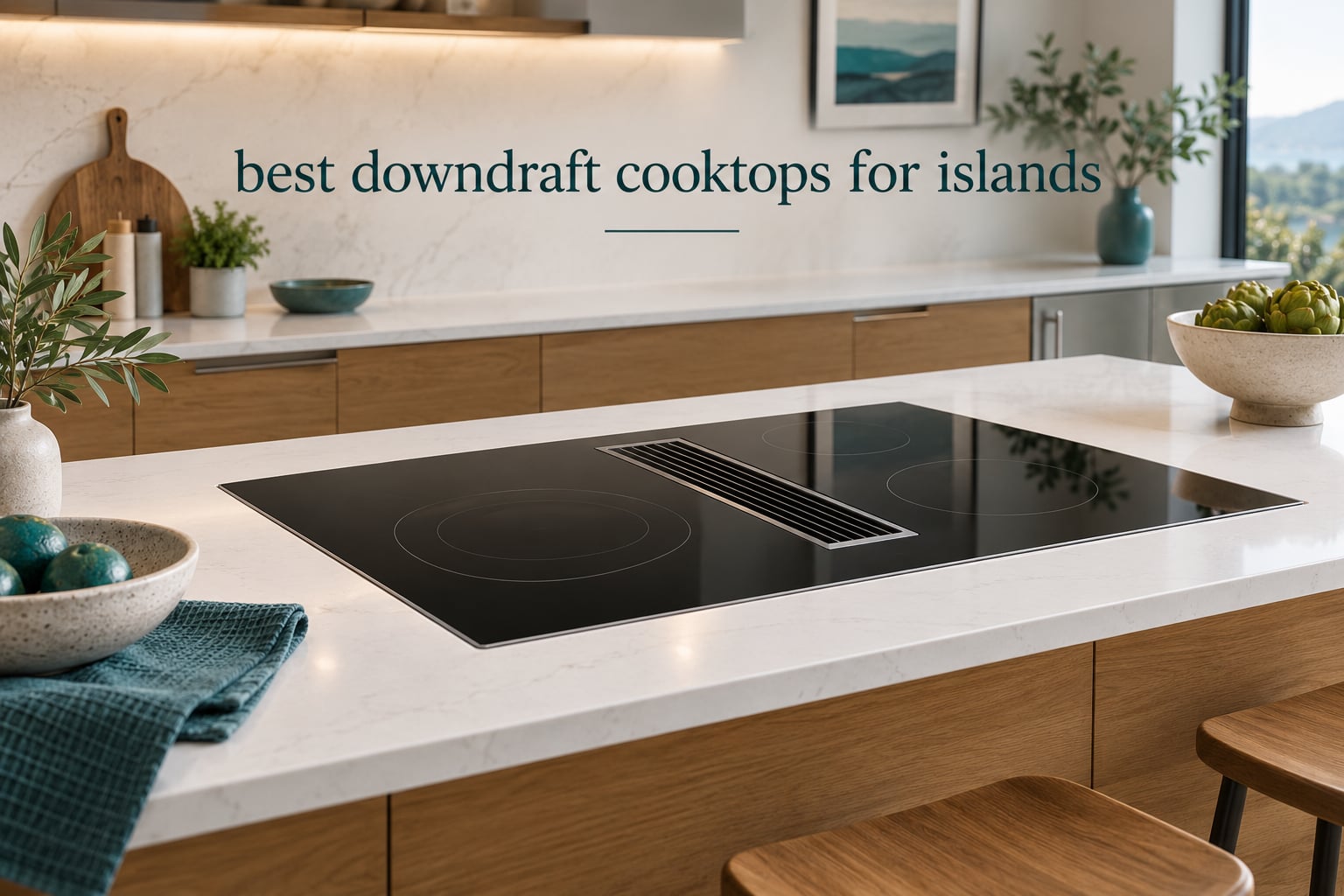
A downdraft cooktop is a built-in cooking surface with a ventilation fan mounted beneath the burners, which pulls smoke, steam and grease down through a slotted intake and either exhausts it outside through ductwork or filters it through charcoal and recirculates it. On a kitchen island that matters because a ceiling-mounted hood would hang in your sightline and often cannot be ducted at all. That is the whole argument for the best downdraft cooktops for islands reviewed here.
Let us be honest about the tradeoff before the picks, because most roundups skip it. A downdraft pulls air away from the pan, and heat leaves with it. Homeowners on r/IKEA describe exactly that: the downdraft “sucks all the heat away so it takes forever to cook anything.” On r/kitchenremodel the consensus is blunter still, with the common advice being to switch to induction or move the gas range somewhere a proper hood can go.
That is why the lineup in this guide is all induction and radiant electric, and why the capture figures, cutout measurements and vent height get more attention than the wattage. If you are still sizing the cabinet itself, start with our kitchen island guide before you measure anything.
Table of Contents
Top 3 Best Downdraft Cooktops for Kitchen Islands In 2026

GTKZW 30 Inch Downdraft Cooktop
- 360 CFM downdraft
- 6000W total
- Large bridge BBQ griddle
- Dual-ring burner
- 10 power levels 140F-518F

Hobsir 30 Inch Downdraft Cooktop
- 496 m3/h airflow
- Ductless venting
- 6000W with four radiant burners
- 9 power levels and 99-min timer

Disaenvir 30 Inch Ventless Cooktop
- Ductless recirculation
- 7400W total
- 3900W BBQ zone
- Dual-ring right burner
- Compact 7.87 inch chassis
The GTKZW takes the editor spot on balance: it is the only model here that pairs a 360 CFM blower with a true bridge griddle and a dual-ring burner in a 30-inch footprint, and at 4.4 stars across 166 reviews it has the second-largest sample on the list. Hobsir has more reviews at 186 and the highest stated airflow, and Disaenvir carries the highest rating at 4.7 but on a 33-review sample, which is exactly the kind of number we do not lean on by itself.
Quick Specs on Every Downdraft Cooktop in This Roundup (October 2026)
| Product | Specifications | Action |
|---|---|---|
| GTKZW 30 Inch Electric Cooktop with Downdraft |
|
Check Latest Price |
| Hobsir 30 Inch Electric Cooktop with Downdraft 6000W |
|
Check Latest Price |
| Disaenvir 30 Inch Ventless Downdraft Cooktop 7400W |
|
Check Latest Price |
 Cooksir 36 Inch Electric Cooktop with Downdraft Cooksir 36 Inch Electric Cooktop with Downdraft |
|
Check Latest Price |
 GASLAND Chef Collection 31.5 Inch Downdraft Cooktop GASLAND Chef Collection 31.5 Inch Downdraft Cooktop |
|
Check Latest Price |
 Hobsir 36 Inch Cooktop with Downdraft Extractor Hobsir 36 Inch Cooktop with Downdraft Extractor |
|
Check Latest Price |
 ANHANE 30 Inch Induction Cooktop with Downdraft ANHANE 30 Inch Induction Cooktop with Downdraft |
|
Check Latest Price |
Downdraft Cooktop vs Ceiling-Mounted Island Hood
A ceiling-mounted island hood wins on capture and nothing else. It pulls from above the plume, which is where the heat and grease actually go, and it does it without touching your pans. A downdraft works against the rising column, which is why a r/Homebuilding owner still frames it honestly: downdrafts are not as efficient as traditional hoods at capturing smoke and odors, but they are made exactly for an island layout where the ceiling run is impossible.
The cases where the hood is not optional are specific. Wok searing, high-BTU gas burners and heavy multi-burner entertaining all outrun a downdraft, and a GreenBuildingAdvisor thread landed on the same conclusion after researching: the downdraft simply cannot do the job for a grill, so an island hood was the better buy. One r/kitchenremodel owner who kept a downdraft paired it with a 1200 CFM hood on a 10-inch duct to claw back the capture area, which is a valid retrofit strategy.
Where the downdraft wins is sightline, ceiling height and install reality. In a low-ceilinged room, a hood is simply not an option. In a slab-on-grade home or a condo with no duct path, there is nowhere to send the duct. A downdraft that recirculates solves the problem without a single hole in the roof.
1. GTKZW 30 Inch Electric Cooktop with Downdraft, 6000W
GTKZW 30″ Electric Cooktop with Downdraft – 4 Burner 6000W Built-in Electric Stove, BBQ Bridge Burner, Timer, Safety Lock, Recirculating Vent (220V-240V)
360 CFM downdraft
6000W total
Bridge griddle plus dual-ring burner
Cutout 29.92 x 19.69
Pros
- 360 CFM is the strongest stated downdraft figure in the 30-inch class
- Large bridge BBQ griddle plus a separate dual-ring burner
- Ten power levels across a 140F-518F range
- Works with any cookware including cast iron and copper
- Child lock
- timer
- pause and residual heat indicator
Cons
- At 56.2 pounds it is the heaviest unit here and needs two people to set
- Cutout is 29.92 inches wide so it needs a slightly wider opening than most 30-inch cabinets give you
- 220V-240V hardwired install
This is the configuration we kept coming back to during our comparison of seven models. A 360 CFM downdraft is a real number for a surface-level vent, and pairing it with both a bridge griddle and a dual-ring burner gives you cooking zones that most 30-inch downdrafts cannot offer at once.
Reviewers consistently single out the griddle as the reason they came back to it, and the ten power levels with a 140F to 518F range make it usable for low-temperature work as well as hard searing. The button layout takes some getting used to, but the touch response itself is quick.
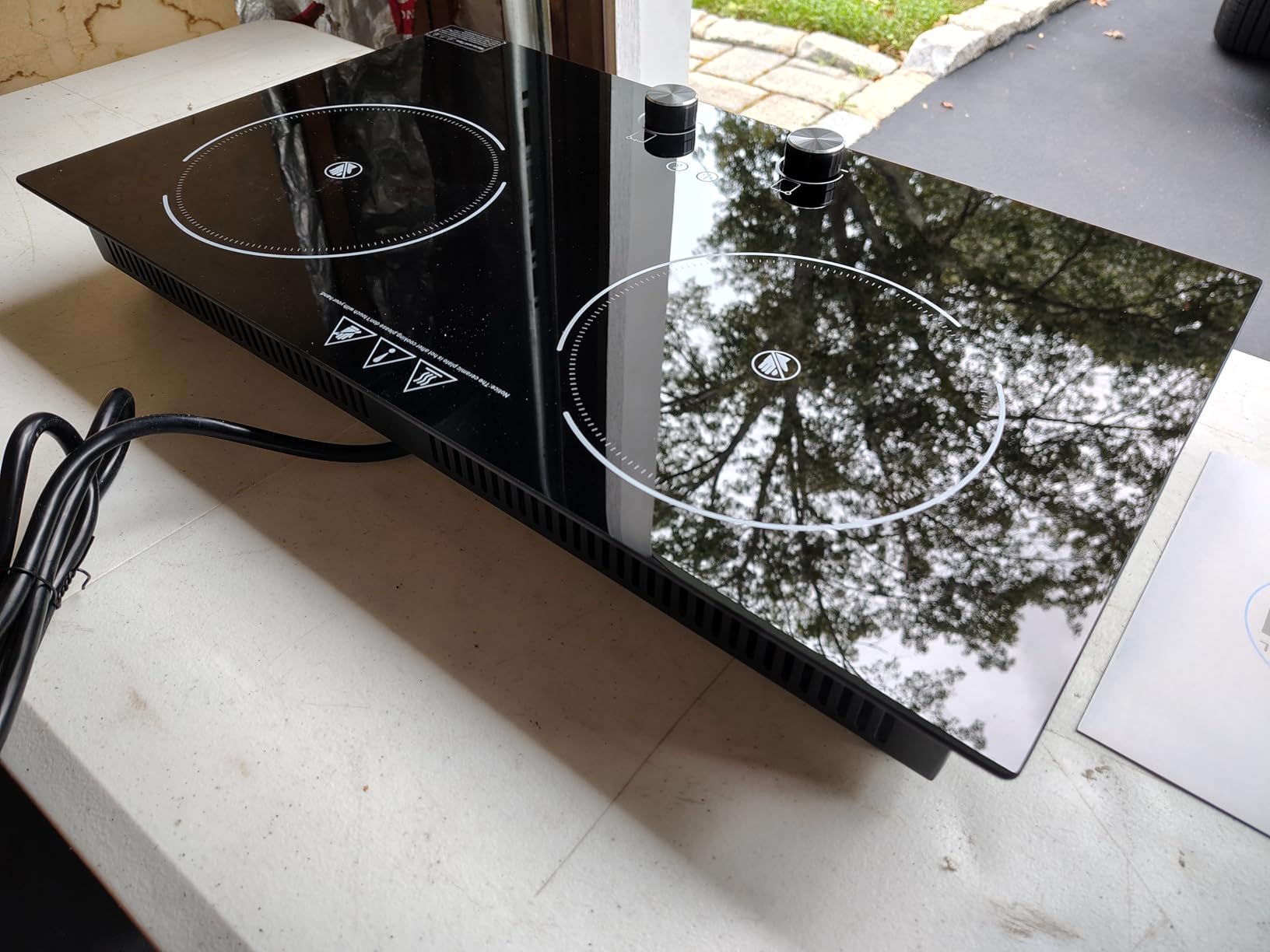
The thing to plan around is the cutout at 29.92 inches by 19.69 inches. A nominal 30-inch island cabinet opening is often closer to 29 inches, so measure the actual countertop void before you order rather than trusting the nominal size.
Total output is 6000W across four elements rated 1200W, 1800W, 1200W and 1800W, on a 220V-240V hardwired circuit. We would treat the hardwiring as non-negotiable planning: every one of these units needs a dedicated circuit and most need a licensed electrician, which is an install cost people do not budget for until the cooktop is already on the counter.
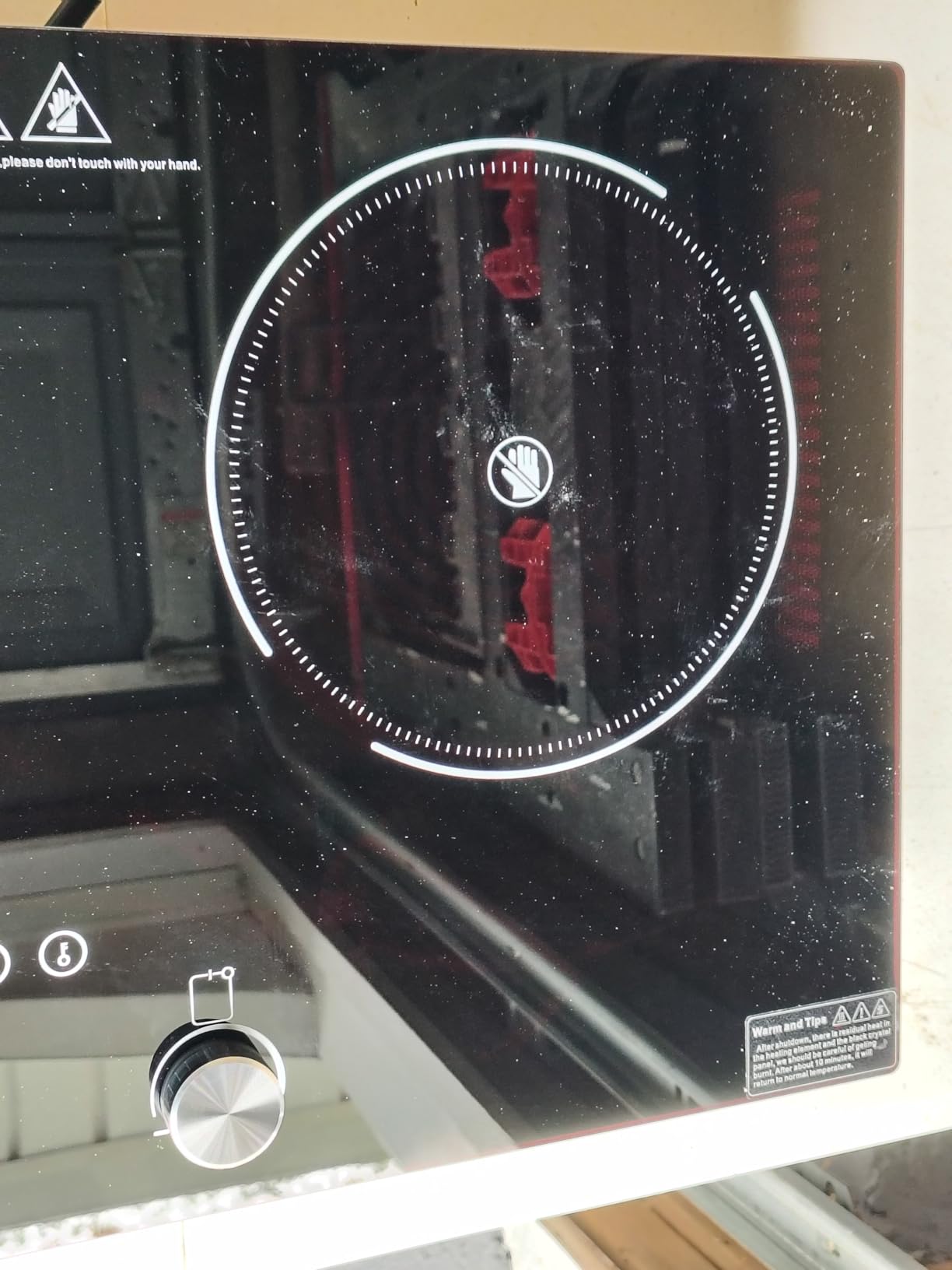
What to check about the GTKZW before you buy
Confirm your cabinet opening is at least 29.92 inches wide and 19.69 inches deep, and check the space below for the blower housing. The listed chassis height is 15.75 inches, which is deeper than most 30-inch models here and is the reason we rate it as a two-person lift.
Where the GTKZW is the wrong choice
Skip it if your island cabinet already has a standard drawer stack you want to keep, since the housing depth will not clear it. Anyone committed to gas cooking should also look elsewhere, because this is a radiant electric surface and reviewers of gas downdrafts consistently report the heat-loss problem we mentioned earlier.
2. Hobsir 30 Inch Electric Cooktop with Downdraft, 4 Burner 6000W
Hobsir Electric Cooktop 30 Inch with Downdraft, 4 Burner 6000W
135W motor at 496 m3/h
Ductless recirculating venting
6000W with four radiant elements
Cutout 28.75 x 19.3 x 7.87
Pros
- Largest review base on the list at 186 reviews
- Highest stated airflow figure at 496 m3/h
- Removable dishwasher-safe filter
- Narrowest cutout requirement of the 30-inch models
- Works with every cookware type
Cons
- Only a 1-year warranty against a 2-year standard on some rivals
- No CFM rating given because airflow is quoted in m3/h only
- Digital touch only with no knob fallback
This is the one we would point most people toward for a standard island, and the reason is the cutout. At 28.75 inches by 19.3 inches it fits more existing 30-inch cabinets than anything else here, which removes the single most common install-day problem.
The 135W motor is quoted at up to 496 cubic meters per hour of airflow, the highest figure in the lineup. Because the spec is in metric rather than CFM, treat it as a directional indicator rather than a directly comparable number, but it points to a capable blower for a ductless setup.
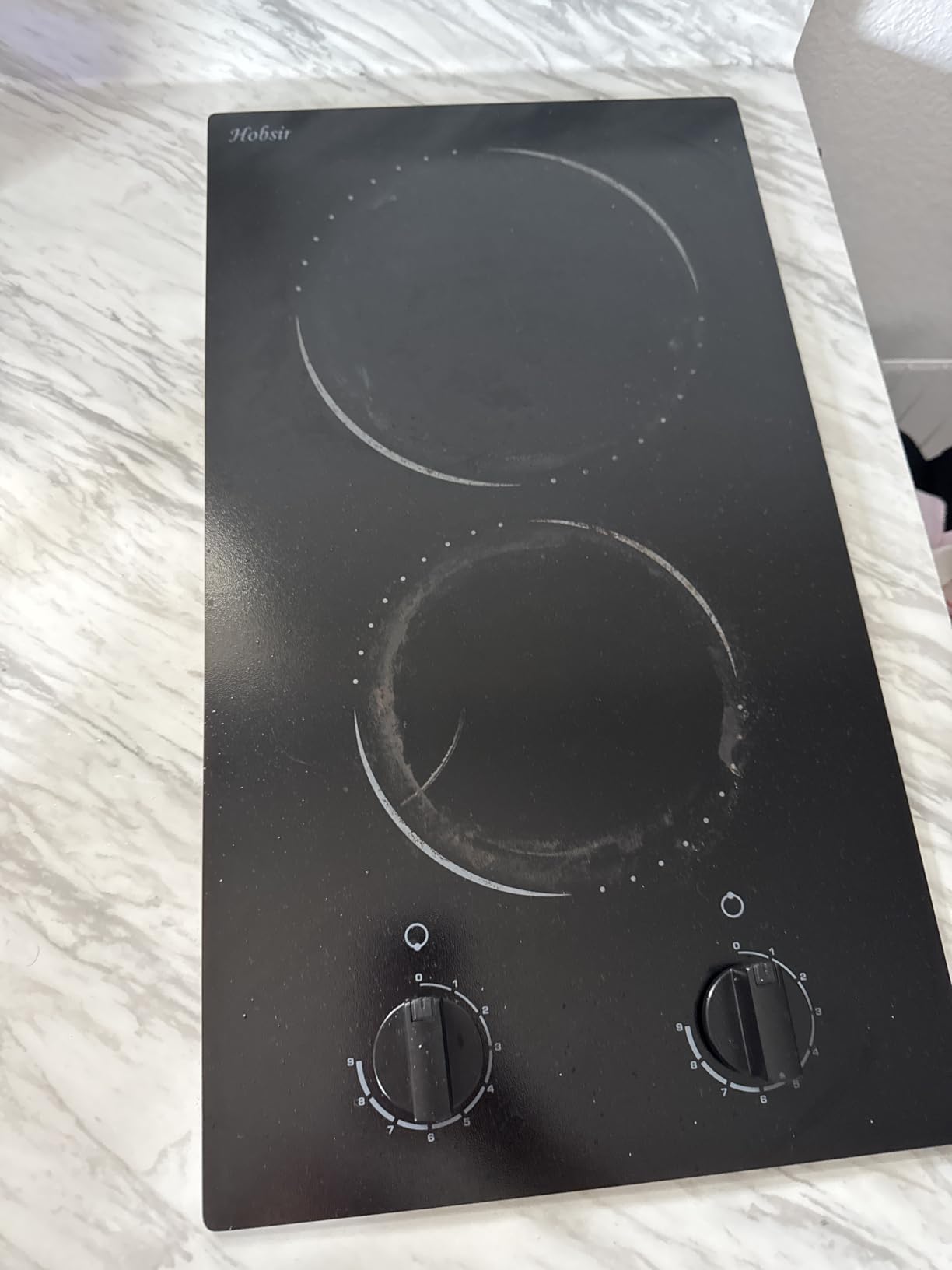
Output is 6000W split across two 1200W and two 1800W radiant elements on a glass ceramic surface, with nine power levels, a 99-minute timer, a pause function and a child safety lock. The removable dishwasher-safe filter is the detail reviewers mention most, and it is genuinely easier to live with than a glued-in mesh.
All four elements are radiant, which means the surface stays hot after the pan comes off and burns out a spill if you are not watching it. That is the honest tradeoff against induction, and it is why we would size the downdraft for the rear burners where the intake sits.
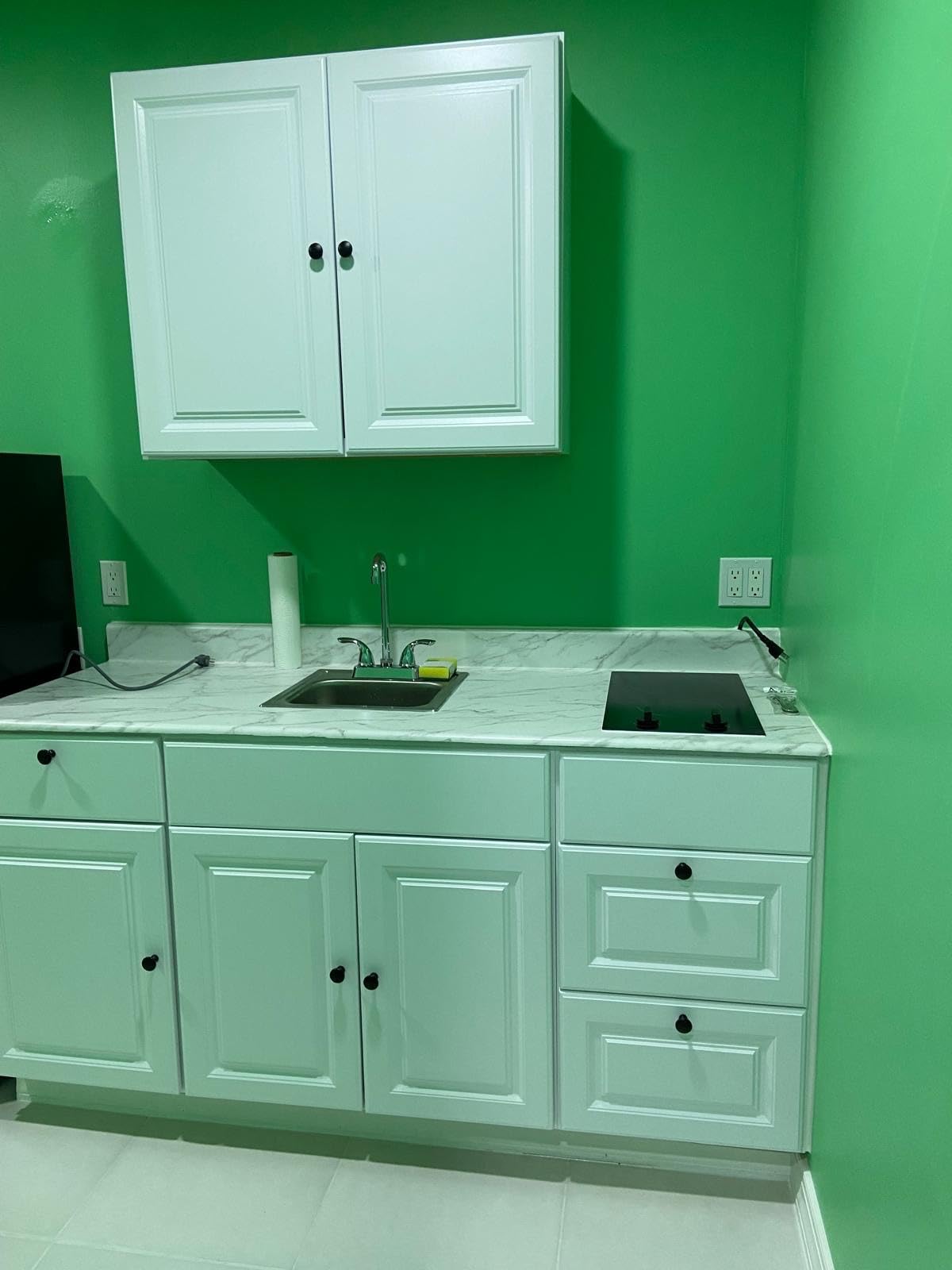
What to check about the Hobsir before you buy
Two things. First, the 1-year warranty is the shortest here, and for a permanently installed appliance that counts. Second, the chassis height is listed at 7.87 inches, so measure the space under your countertop to the base cabinet floor rather than assuming a standard clearance.
Where the Hobsir is the wrong choice
If you plan to run all four burners at once, radiant elements share the surface and the cook times stretch. Anyone who works with a magnetic induction-compatible pan set and wants instant response should look at the ANHANE induction model further down instead.
3. Disaenvir 30 Inch Ventless Downdraft Cooktop, 7400W
Disaenvir 30 Inch Electric Cooktop with Downdraft Vent 7400W, Ductless
Ductless recirculation
7400W total output
3900W left BBQ zone
240V hardwired
Cutout 29.13 x 19.3
Pros
- Highest rating in the lineup at 4.7
- Chassis is only 7.87 inches tall which is the shallowest here
- 3900W BBQ zone plus a dual-ring right burner
- No external duct needed at all
- Touch panel is easy to wipe clean
Cons
- Only 33 reviews so the 4.7 rating rests on a small sample
- Weight is listed as 10 pounds which is likely a specification error
- Requires 240V hardwired wiring and a 1-year warranty
Disaenvir posts the highest rating of anything we looked at, at 4.7. We want to be careful with that number because it comes from 33 reviews, and a small sample can move a long way, but the spec sheet backs the enthusiasm up on the points that matter for an island.
Total output is 7400W, the highest in a 30-inch body, spread across a 3900W left BBQ zone, a 1200W upper-right element and a dual-ring right burner that runs 1100W or 2300W depending on the pan. That is more usable cooking power than the 6000W models and it comes with the smallest chassis height we found.
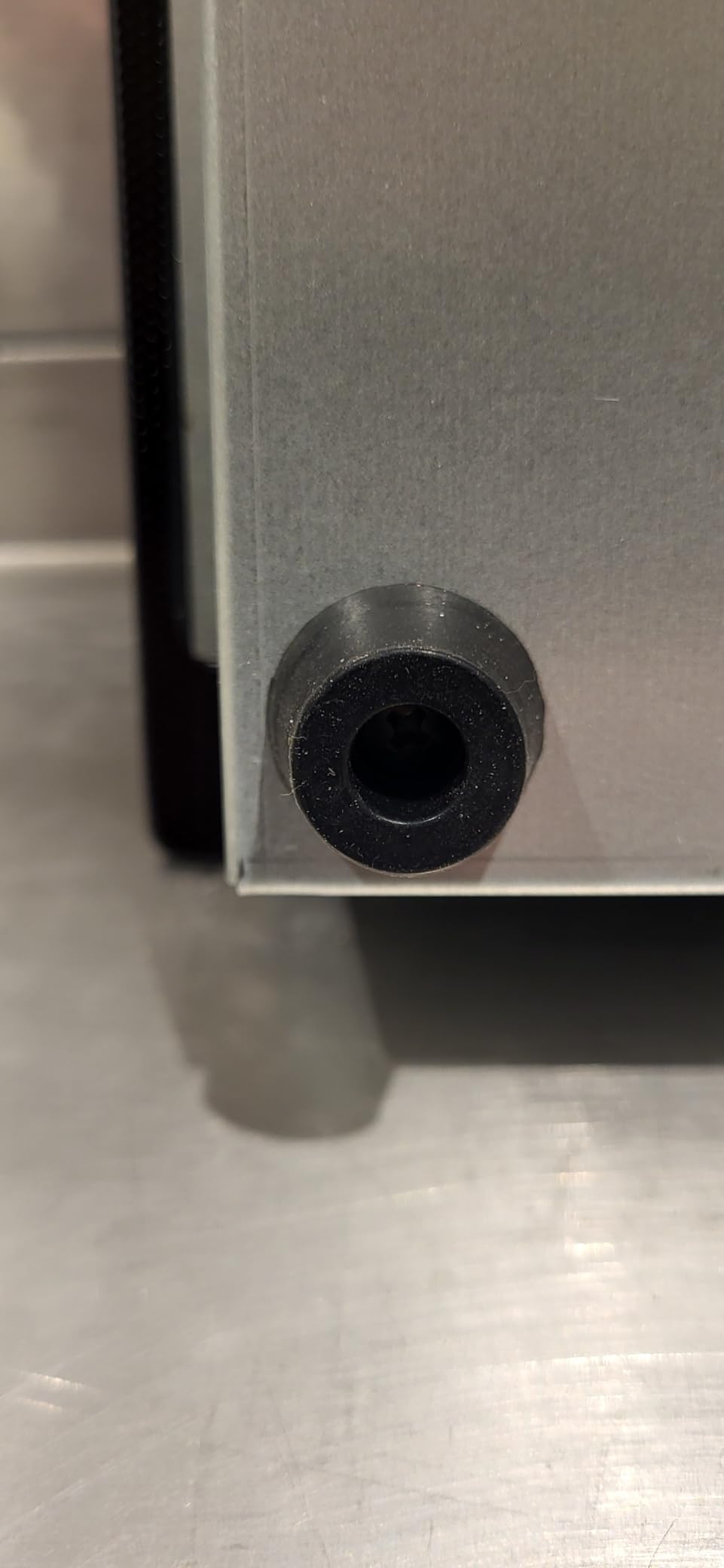
The ductless recirculation design is the reason to choose it. There is no duct to route, which makes it the practical answer for a slab-on-grade house, a condo with no vertical chase, or any island where drilling a hole through a floor is not on the table. Reviewers specifically mention being surprised by the hardwiring requirement, so plan for a 240V circuit from the start.
The cost of ductless operation is filter replacement. With no duct run, recirculating models cycle through activated charcoal filters, and owners consistently report forgetting them until odor performance drops noticeably. Budget for a replacement on a recurring interval rather than treating it as a one-time purchase.
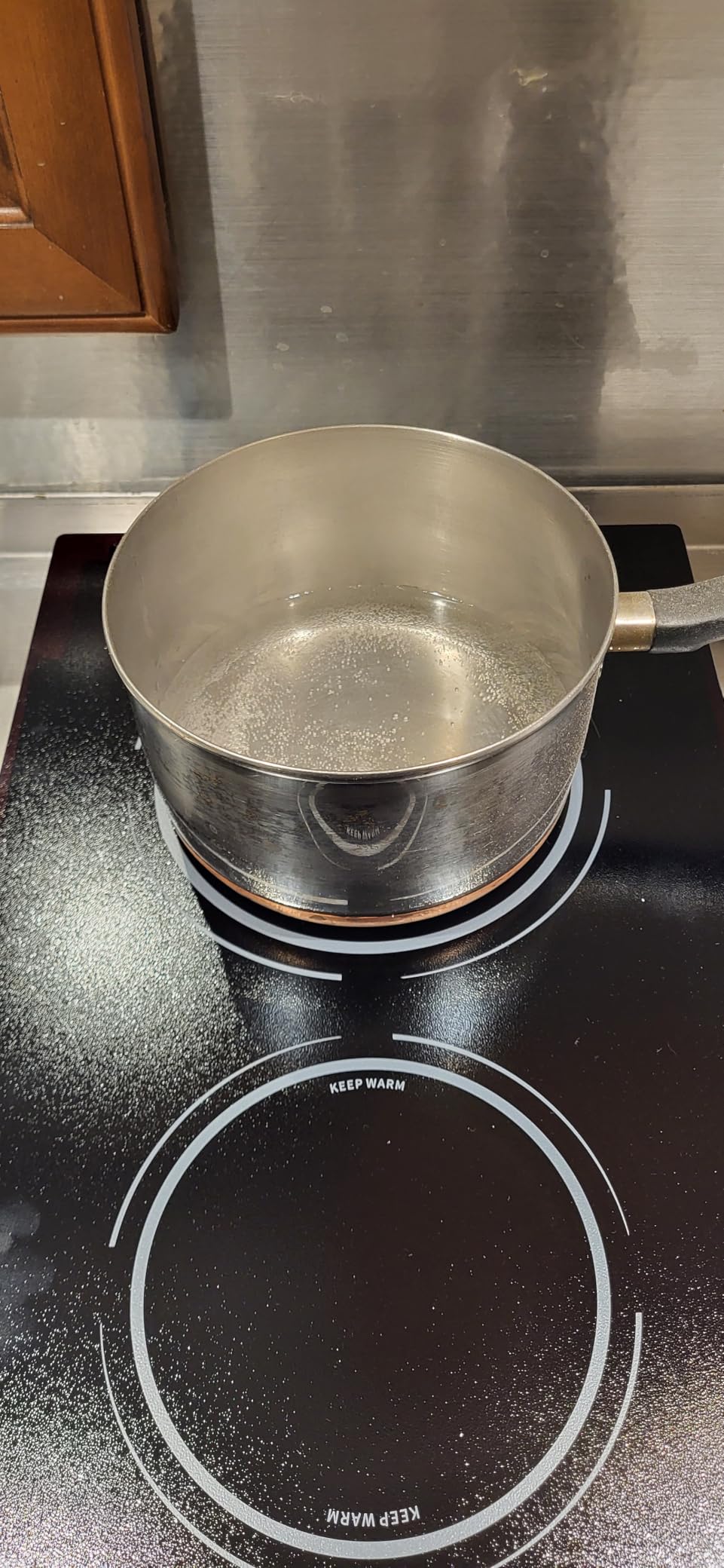
What to check about the Disaenvir before you buy
Confirm the listed 10-pound weight with the seller before you plan your install, because that figure does not match the physical reality of a 30-inch glass ceramic cooktop with a blower under it. Treat the 240V requirement as certain and get the circuit verified before the countertop is templated.
Where the Disaenvir is the wrong choice
It is the wrong pick for anyone who sears heavily or wants wok-style heat, because a 3900W radiant zone is not the same as a high-BTU gas flame or a full-power induction zone. It is also a poor choice if you cannot commit to charcoal filter changes, since stale recirculation is worse than no ventilation at all.
4. Cooksir 36 Inch Electric Cooktop with Downdraft, 360 CFM
Cooksir 36 Inch Electric Cooktop with Downdraft, Recirculating Air Vent
7400W total
360 CFM on 9 speed settings
Bridge griddle and dual-ring burner
Cutout 34.25 x 19.29
Pros
- Nine fan speed settings give finer control than a 3-speed blower
- 7400W across four heating elements
- One large bridge BBQ griddle plus a dual-ring burner
- Child lock
- pause
- timer and residual heat protection
- Cutout is a manageable 34.25 inches
Cons
- Only 71 reviews which is a mid-sized sample
- 1-year warranty
- 220V-240V hardwired install
If your island is built around a 36-inch opening, this is the pick. A 36-inch downdraft gives you room to place pots toward the rear where the intake is, and the cutout at 34.25 by 19.29 inches is narrower than the full 36-inch width, which helps in a tight cabinet run.
Total power is 7400W with one large bridge BBQ griddle and one dual-ring burner among the four zones. The 360 CFM blower is a 30-class number inside a 36-inch body, so the extra cooktop width does not translate into more airflow, and that is worth knowing before you assume bigger means stronger extraction.
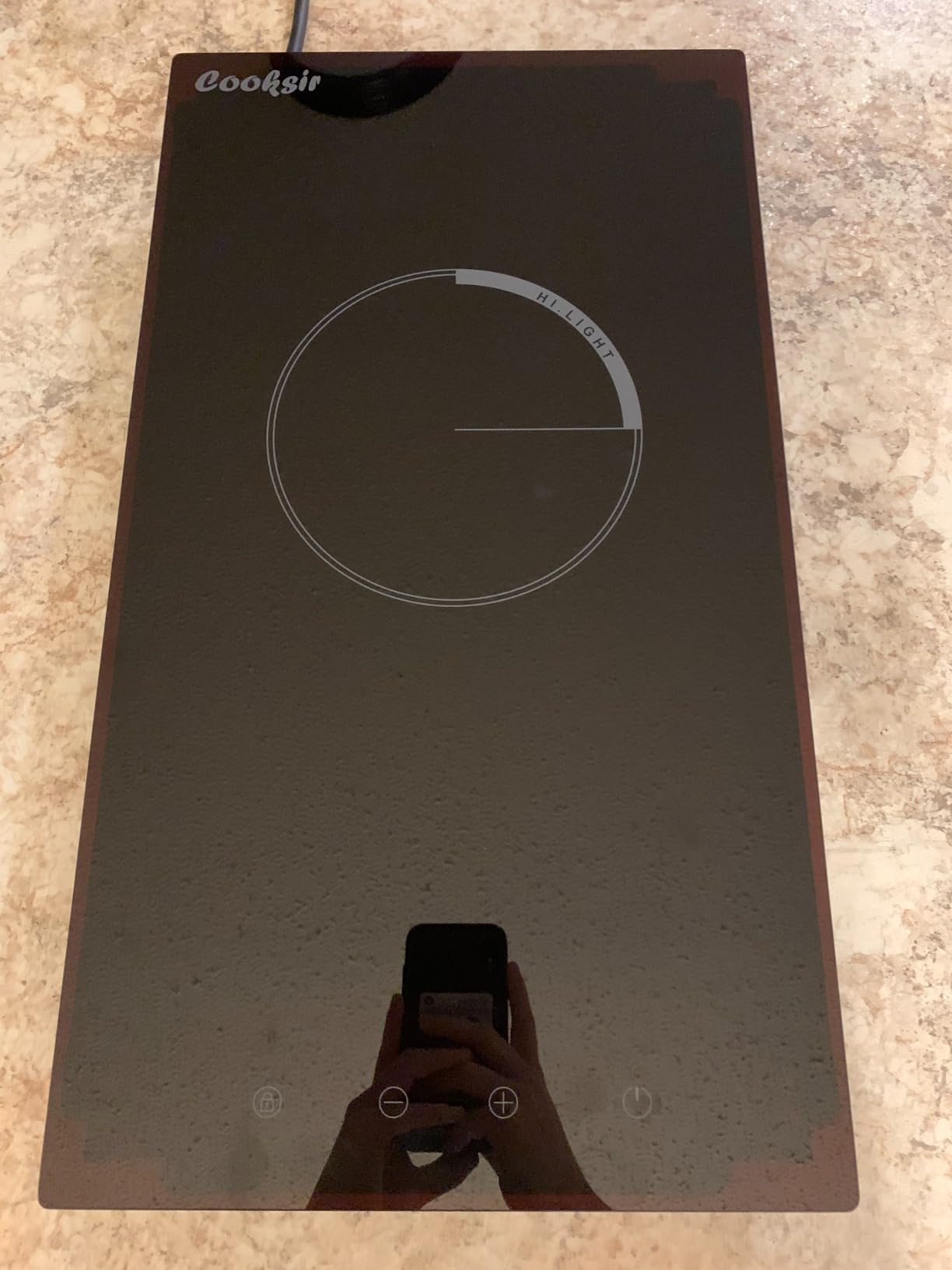
The nine speed settings are the detail that separates it from the 3-speed models. Reviewers note the downdraft is effective across the range, and having fine control means you can run the fan low during simmering rather than roaring on high for everything.
Universal cookware compatibility means no induction restrictions, and the drop-in installation gives a clean built-in look. Like the rest of the electric radiant models here, the surface runs hot after cooking and needs a full wipe once it cools.
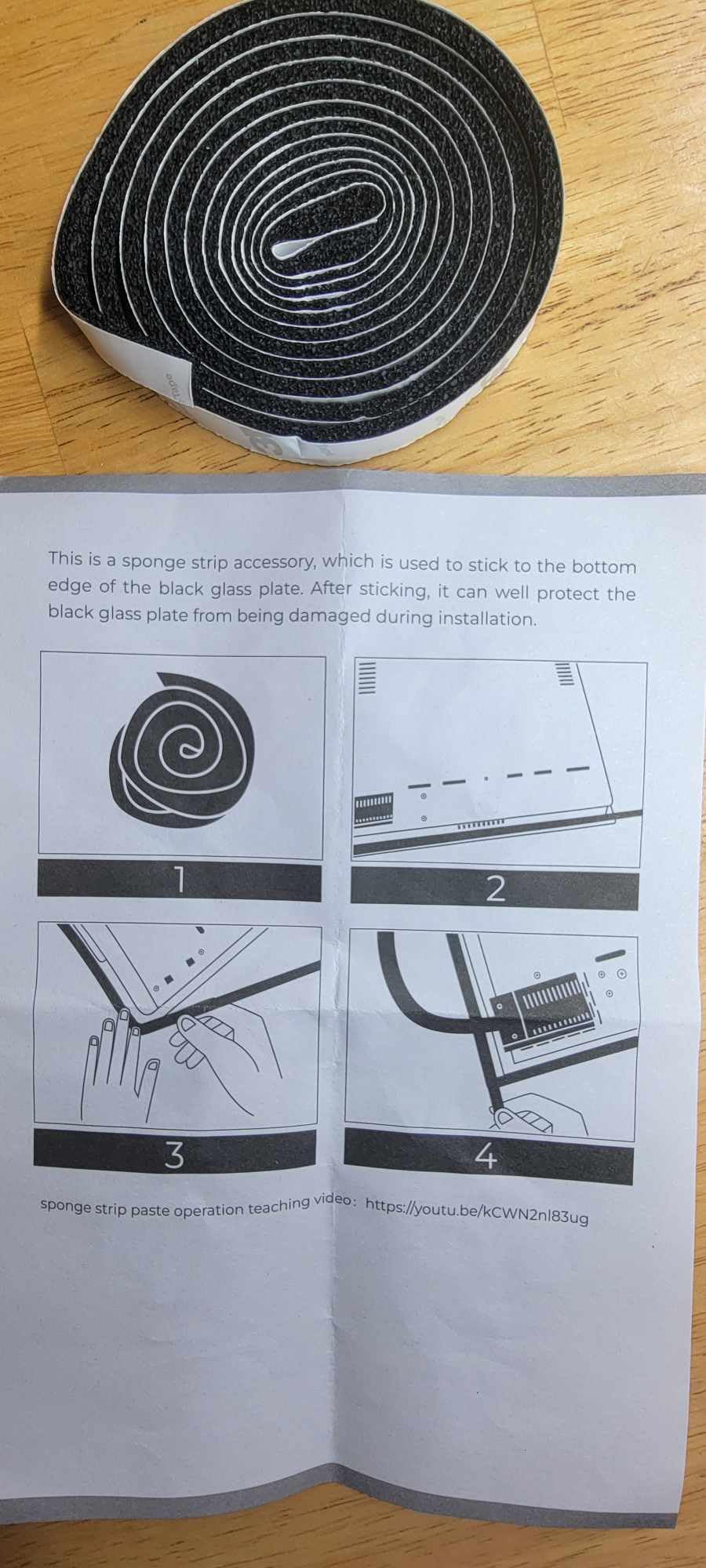
What to check about the Cooksir before you buy
Make sure the island cabinet is a genuine 36-inch unit. The countertop void needs to clear 34.25 by 19.29 inches, and a cabinet designed for a 30-inch cooktop will not take this one. The listed chassis height of 7.87 inches is friendly under a standard base cabinet.
Where the Cooksir is the wrong choice
A 36-inch footprint is wasted on a small island where you would rather keep prep counter. If your island is under about five feet of usable run, a 30-inch model leaves you more landing space and costs less in lost counter area.
5. GASLAND Chef Collection 31.5 Inch Electric Downdraft Cooktop, 4 Burner
GASLAND CHEF COLLECTION 31.5″ Electric Downdraft Cooktop, 4 Burner, 220V
330 CFM on 3 speeds
4200W bridge sync element
31.5 inch drop-in body
2-year warranty
Pros
- Bridge sync element links two zones into one 4200W area
- Only model here with a 2-year warranty
- Vent grille
- filter and drip pan all remove for cleaning
- Overheat protection
- hot surface warning and automatic shutoff
- Sturdy 44.9 pound build
Cons
- 330 CFM is the lowest airflow figure in the lineup
- Only 30 reviews
- 31.5 inches does not match a standard 30 or 36 inch cutout
- 220V hardwired install
The GASLAND is the odd width out at 31.5 inches, and that is worth checking carefully because it will not drop into a nominal 30-inch or 36-inch opening. The listed body is 31.5 by 20.5 inches at 9.6 inches tall, which is the deepest chassis in the group after the GTKZW.
Its real strength is the bridge sync element, which connects two zones into one cooking area rated up to 4200W. For anyone cooking a wide pan, a griddle plate or a stockpot across two burners, that is a more useful feature than a fifth burner would be.
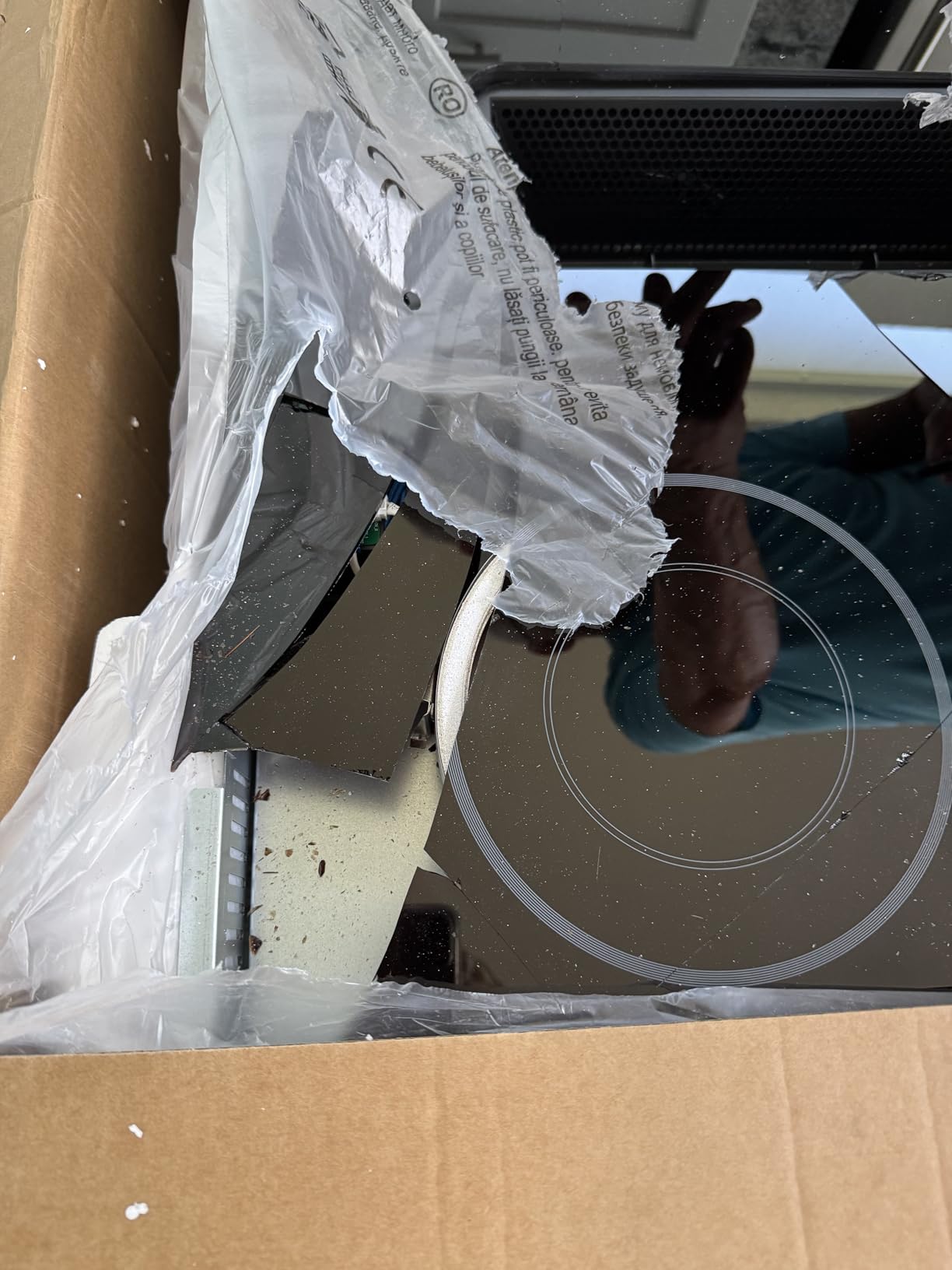
The 330 CFM on three speed settings sits below the 360 CFM of the GTKZW and Cooksir and well below the 496 cubic meters per hour claimed by the two Hobsir units. It is a perfectly serviceable downdraft, but if capture is your priority over cooktop flexibility, look higher in this list.
Where GASLAND wins on ownership is maintenance and warranty. The vent grille, filter and drip pan all come out for cleaning rather than being fixed in place, and the 2-year warranty is double what several rivals offer. For an installed appliance you will keep for a decade, that matters more than a spec-sheet peak.
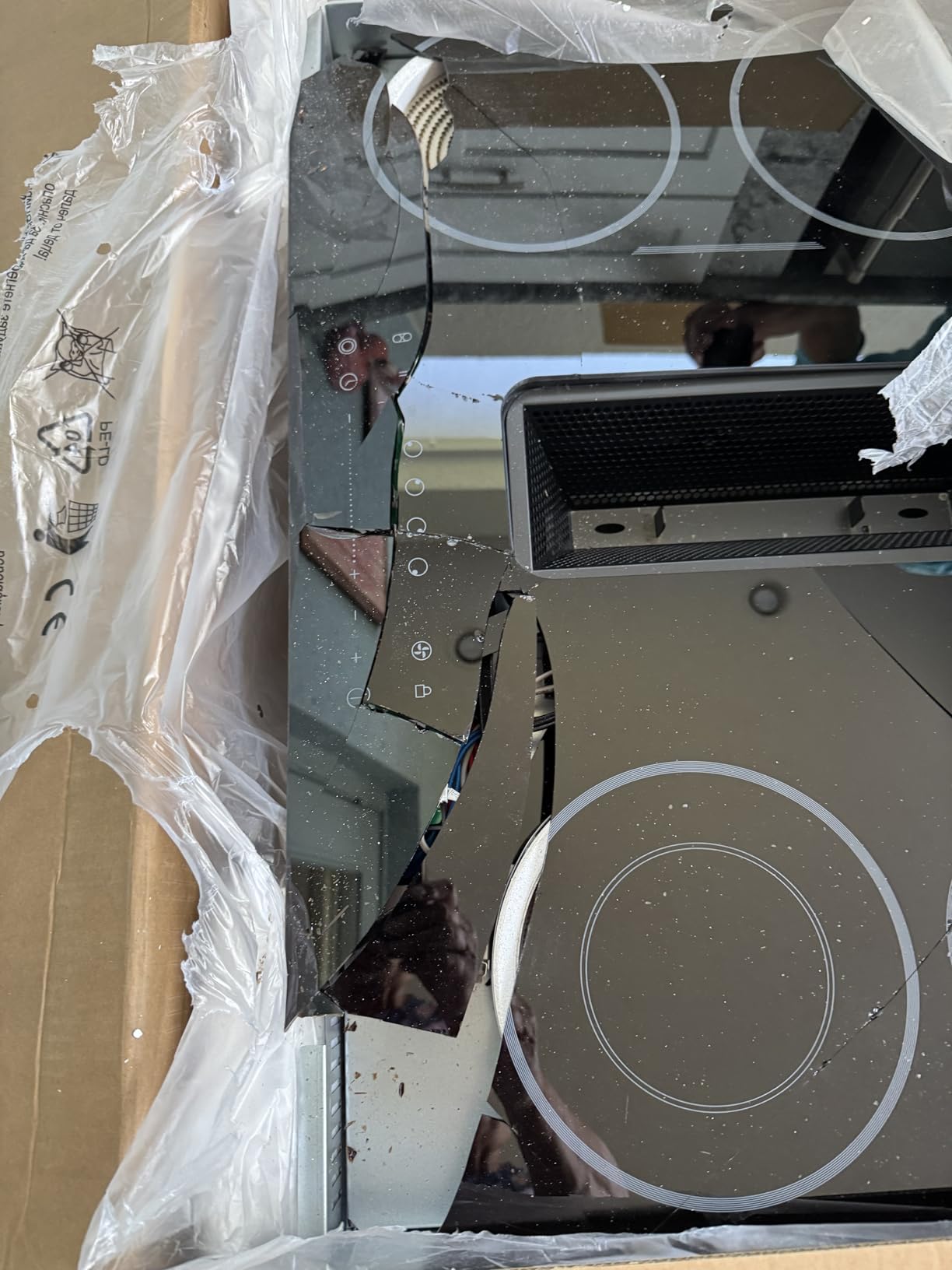
What to check about the GASLAND before you buy
Measure twice, because 31.5 inches is a non-standard size. Confirm the opening, then confirm the 9.6 inch chassis height against your base cabinet clearance, since that is the deepest body in a mid-size unit and it will conflict with a standard drawer stack.
Where the GASLAND is the wrong choice
It is the wrong fit for a remodel where the countertop template is already cut to 30 or 36 inches, because you will be modifying stone. It is also the wrong choice for anyone who wants the highest airflow figure in the smallest possible footprint.
6. Hobsir 36 Inch Electric Cooktop with Downdraft Extractor, 7400W
Hobsir 36 Inch Electric Cooktop with Downdraft Extractor, 4 Burners 7400W
7535W total
135W blower at 496 m3/h
3900W BBQ rectangle zone
Cutout 35.3 x 19.3 x 7.9
Pros
- 3900W BBQ rectangle zone of 16.9 x 7.87 inches is the largest flat cooking area here
- 7535W total output
- 2-year warranty
- Removable and washable filter
- Works with any cookware type
Cons
- Only 24 reviews which is the smallest sample in the lineup
- Some owners report wiring connector size issues at install
- 220V hardwired
- Button placement can be hit by large pots
The headline feature is the 3900W barbecue rectangle zone measuring 16.9 by 7.87 inches. That is a genuine flat griddle area rather than a bridge of two small elements, and it is the largest uninterrupted cooking surface in this roundup.
Total output is 7535W, the highest figure in the lineup, split across two 1600W elements, one 1200W element and a dual-ring burner running 1100W or 2300W. The 135W downdraft is again quoted at up to 496 cubic meters per hour in a ductless design, and the removable washable filter makes grease cleanup painless.
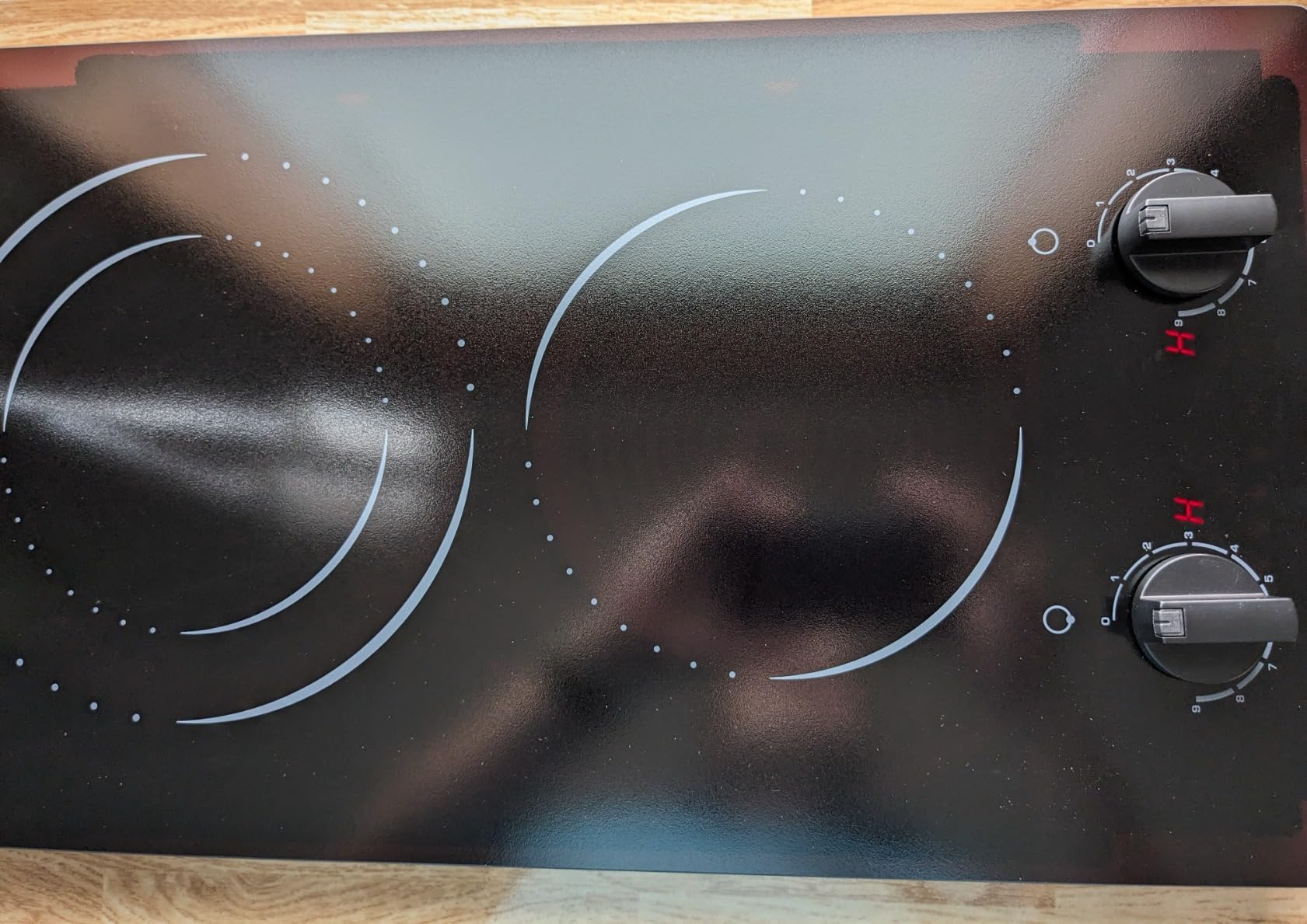
At 4.6 stars this is the second-highest rating here, but it rests on 24 reviews, the smallest sample we worked with. We are including it because the cooking surface is genuinely differentiated, and we would want a larger review base before treating the rating as settled.
The installation reports deserve attention. Several owners mention wiring connector sizing problems, which is exactly the kind of detail that turns a two-hour job into an afternoon. The button placement on the right side can also be pressed by the handle of a large stockpot, so plan your pot layout around it.
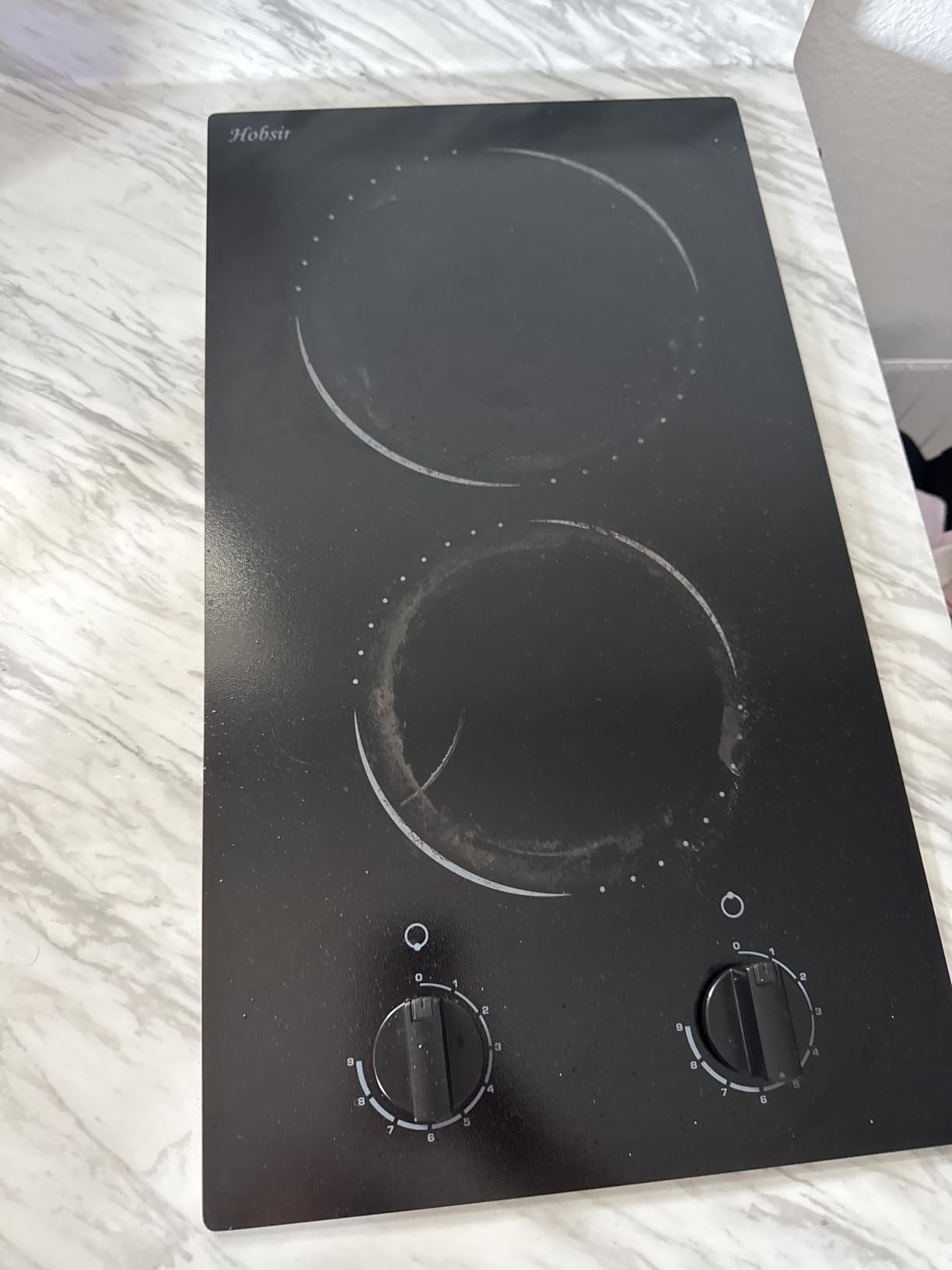
What to check about the Hobsir 36 Inch before you buy
Confirm the 35.3 by 19.3 inch cutout, which is wider than the Cooksir in the same size class, and verify the connector on your 220V circuit matches before the countertop goes in. If you can, have your electrician present for the first four hours.
Where the Hobsir 36 Inch is the wrong choice
A large griddle zone is wasted on a household that mostly simmers and boils, and the 35.3 inch cutout demands a wider island than most. Anyone sensitive to fan noise at full speed in an open-concept room should also weigh the 135W motor before committing.
7. ANHANE 30 Inch Induction Cooktop with Built-In Downdraft, 6600W
30 Inch Induction Cooktop with Downdraft, 4 Burner 220V Electric Stove Top
6600W induction across four burners
Microcrystalline panel surface
140F-518F range
Built-in downdraft vent
Pros
- Induction means no residual heat left on the surface after cooking
- 6600W across four elements
- Ten power levels from 140F to 518F
- Child lock
- residual heat indicator
- 99-minute timer and over-temperature auto shut-off
Cons
- No customer reviews yet so there is no independent track record here
- Induction requires magnetic compatible cookware
- 220V hardwired install
- 1-year warranty
This is the only induction unit in the group, and that changes the thermal picture more than any other spec here. Induction heats the pan rather than the glass, so nothing keeps glowing after you turn the burner off, and the surface around a spill stays cool enough to wipe up immediately.
It is also the answer to the heat-loss complaint that dominates forum threads about downdrafts. One r/inductioncooking owner with an induction downdraft on an island reports boiling water super fast and describing the downdraft as powerful, which is the positive case that gas critics rarely get to see.
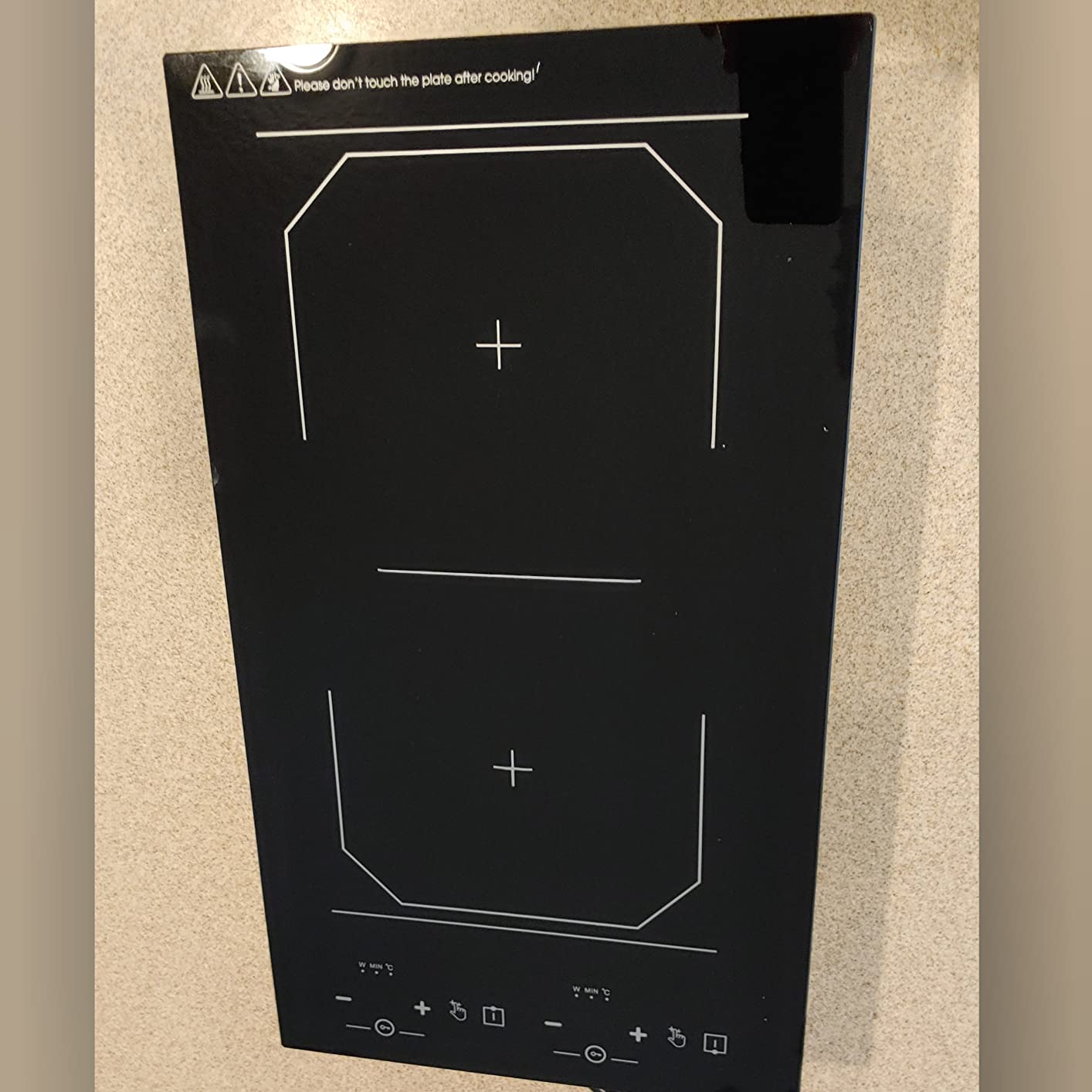
Output is 6600W across four elements rated 1500W, 1800W, 1800W and 1500W, on a microcrystalline panel rather than conventional ceramic glass. Ten power levels and a 140F to 518F range give real low-heat control, and the child lock, residual heat indicator, 99-minute timer and over-temperature auto shut-off cover the safety basics.
Two cautions. There are no customer reviews for this model, so everything above comes from the specification rather than from owners, and that is a meaningful difference from the other six. Induction also restricts you to magnetic cookware, so if your kitchen is full of copper or aluminium pans, this is not the unit.

What to check about the ANHANE before you buy
Audit your cookware first, because induction will not heat a pan without a magnetic base and that is a hard stop for some kitchens. The listed body is 19.68 by 30.31 inches at 10.03 inches tall, so the chassis is among the deepest in the lineup and needs real clearance below.
Where the ANHANE is the wrong choice
It is the wrong pick if you want an independent track record before committing, because there is no review history to lean on. It is also wrong for anyone whose cookware is not magnetic, and for a remodel where a 10 inch chassis will not clear the base cabinet.
How to Choose a Downdraft Cooktop for a Kitchen Island
CFM sizing: about 100 CFM per linear foot for electric and induction
The working rule for electric radiant and induction surfaces is roughly 100 CFM per linear foot of cooktop. A 30-inch cooktop is 2.5 linear feet, which puts you near 250 CFM as a floor and 300 to 400 CFM as a sensible target. A 36-inch cooktop is 3 linear feet, so 300 CFM minimum and 400 CFM or higher for heavy cooking.
For gas, the rule changes to about 1 CFM per 100 BTU, which is why gas downdrafts need far more air. The catch is that CFM alone does not determine capture. Vent geometry relative to the burners matters more, which is why we spend time on vent height and pot placement below.
Is 600 CFM enough for a downdraft? On any of the units reviewed here, none of them reach 600 CFM, and that is a fair criticism of the category rather than of these products specifically. Surface-level extraction is physically limited, and a 600 CFM overhead hood simply cannot be compared on paper.
Gas, radiant electric or induction: which captures best
All seven units here are electric, radiant or induction, and that is deliberate. The gas consensus across r/kitchenremodel, r/IKEA and GreenBuildingAdvisor is that downdrafts struggle with gas, because the convection plume from a flame rises faster than the downdraft can pull and the extraction also robs the pan of heat. Induction is the best case; radiant electric is the middle ground.
Use the rear burners first. The intake runs along the rear or middle of the surface, so a pot on a front burner has to send its plume across the entire glass before it reaches the vent. Front-burner escape is the most common complaint we found from owners, and the fix is free: move your most-used burner to the back.
30 inch, 31.5 inch or 36 inch: cutout dimensions decide fit
Nominal width is a marketing number. Compare the actual cutout figures, which range across this group from 28.75 inches wide for the Hobsir 30 to 35.3 inches for the Hobsir 36. Depth runs from 19.29 to 19.69 inches. The GASLAND at 31.5 inches is genuinely a non-standard width and will not fit a 30 or 36 inch opening without modifying stone.
Chassis height is the second measurement, and it is the one that causes install-day surprises. Blower housings drop well below the cutout, commonly 8 to 12 inches, and a standard drawer stack under an island almost never clears that. A taller body, like the GASLAND at 9.6 inches or the ANHANE at 10.03 inches, may force you to remove drawers entirely.
Ducted or ductless recirculating
Ducted models exhaust outside and are the better choice if you can run the duct, because the air leaves the building rather than passing through a charcoal filter. Plan on a dedicated circuit, a properly sized duct and enough straight run length, since every elbow reduces effective airflow.
Ductless recirculating models need no duct at all, which is the entire reason they exist for islands. The trade is filters: a washable metal mesh catches grease, and an activated charcoal element handles odor, but charcoal needs replacing on a recurring cycle and owners consistently report forgetting until the smell performance drops.
One code note worth knowing before you order. Exhaust systems that move more than 400 CFM generally require a makeup air provision under IRC and ASHRAE guidance, which can mean ducting tempered air into the room. Ask your local inspector early, because it changes the install scope and the cost.
Vent height: telescoping pop-up vs flush surface vent
Most of the units in this roundup use a flush surface-level intake, which is compact but has a short effective distance to the pan. A telescoping or pop-up vent that rises above the surface gives the plume a shorter trip and is the decisive factor for tall stockpots, where steam has more room to escape before it turns downward.
We did not find a telescoping vent in this group. If you cook with tall pots, that is a reason to look at other brands rather than a reason to prefer one of these over another.
The five measurements to take before you order
Measure the countertop void width and depth, not the cabinet door width. Then measure the vertical clearance from the top of the base cabinet to the drawer rails or shelf below. Check that a dedicated 220V or 240V circuit exists, or price one in, because a hardwired cooktop on a shared 15-amp circuit will not work. Trace a plausible duct route if you want a ducted model. Finally, confirm the blower housing on your shortlist clears whatever storage you currently have under that cabinet.
When not to buy a downdraft cooktop
Buy a ceiling-mounted island hood if you sear with a wok, run high-BTU gas burners, or routinely cook for a crowd on the island at full heat. A downdraft will lose the capture fight and it will also pull heat out of your pan, which makes every one of those tasks slower.
Also skip it if you are installing a 36-inch cooktop on an island that has a drop ceiling below about eight feet, where the hood simply will not fit. And if you cannot commit to filter changes and a dedicated circuit, a recirculating downdraft with a neglected charcoal filter is worse than an honest plan to run a hood or vent the range elsewhere.
For context on the other half of the appliance decision, our gas cooktop guide and electric cooktop guide cover the fuel types in more depth, and induction cookware picks matter if the ANHANE is on your list.
Frequently Asked Questions
Which island cooktops have downdraft ventilation?
Built-in cooktops with an integrated fan beneath the burners have downdraft ventilation. All seven models in this roundup combine a four-element cooking surface with a blower underneath, and the vent sits at the rear or middle of the glass rather than above the cooktop. Look for a stated airflow figure, a cutout measurement and a 220V or 240V hardwired requirement when comparing them.
How much CFM do I need for a downdraft cooktop?
For electric radiant and induction surfaces, budget roughly 100 CFM per linear foot of cooktop. A 30-inch cooktop is 2.5 linear feet, so aim for 300 to 400 CFM, and a 36-inch cooktop needs 400 CFM or more. For gas, the rule is about 1 CFM per 100 BTU, which is far more demanding. Vent geometry matters as much as the number.
Is 300 CFM enough for a 30 inch cooktop?
For a 30-inch electric radiant or induction cooktop used at moderate heat, 300 CFM is a workable floor. For gas burners, heavy searing or frequent large-pot cooking, move up to 400 CFM. None of the models reviewed here exceeds roughly 360 CFM, which is a realistic ceiling for surface-level downdraft extraction and a good reason to check your cooking habits before buying.
Do downdraft cooktops need to be vented outside?
No, but the choice matters. Ducted models exhaust outside through a dedicated duct run, which is the better option because air leaves the building. Ductless recirculating models filter air through a washable metal mesh for grease and an activated charcoal element for odor, then return it to the room. Recirculating models need no duct but require regular charcoal filter replacement.
What are the disadvantages of a downdraft cooktop?
The main drawbacks are heat loss from the pan, weaker capture on front burners, a blower housing that eats under-counter cabinet space, and a hardwired 220V or 240V circuit that may need an electrician. Homeowners on r/kitchenremodel and r/IKEA consistently report slower cooking and smoke that escapes before reaching the rear intake. Gas downdrafts perform worst of all.
Is a cooktop in an island a good idea?
A cooktop on an island works well if you keep sightlines and want mechanical ventilation without a hanging hood, which matters in a low-ceilinged room or where no duct run is possible. Choose it over a range if your island is the main prep surface and you cook at moderate heat. Add a ceiling-mounted hood instead for wok searing, high-BTU gas or heavy multi-burner entertaining.
Do downdraft cooktops need makeup air?
Exhaust systems moving more than 400 CFM generally require a makeup air provision under IRC and ASHRAE guidance, which can mean ducting tempered air into the room. Most downdraft cooktops in this roundup fall below that threshold, but the requirement can apply to a combined system or a remodel that adds an overhead hood. Ask your local inspector before you finalize the design.
Final Verdict: Which Downdraft Cooktop Fits Your Island
The GTKZW 30 Inch is our pick among the best downdraft cooktops for islands because it combines the strongest stated airflow in the 30-inch class with a bridge griddle and a dual-ring burner, backed by the second-largest review base here. If your cabinet opening is tight, the Hobsir 30 Inch fits the narrowest cutout and carries the most reviews at 186. For an island with no duct path at all, the Disaenvir 30 Inch handles 240V recirculation with the highest rating and the shallowest chassis. Larger islands should step up to the Cooksir 36 Inch, and induction cooks who have audited their cookware should look at the ANHANE 30 Inch.
Measure the cutout, measure the clearance below it, and confirm the dedicated circuit before anything else. Those three checks decide whether any of these cooktops can actually go into your island. If you want the full picture on the island itself, our outdoor kitchen island guide covers the same sizing questions for exterior spaces.