
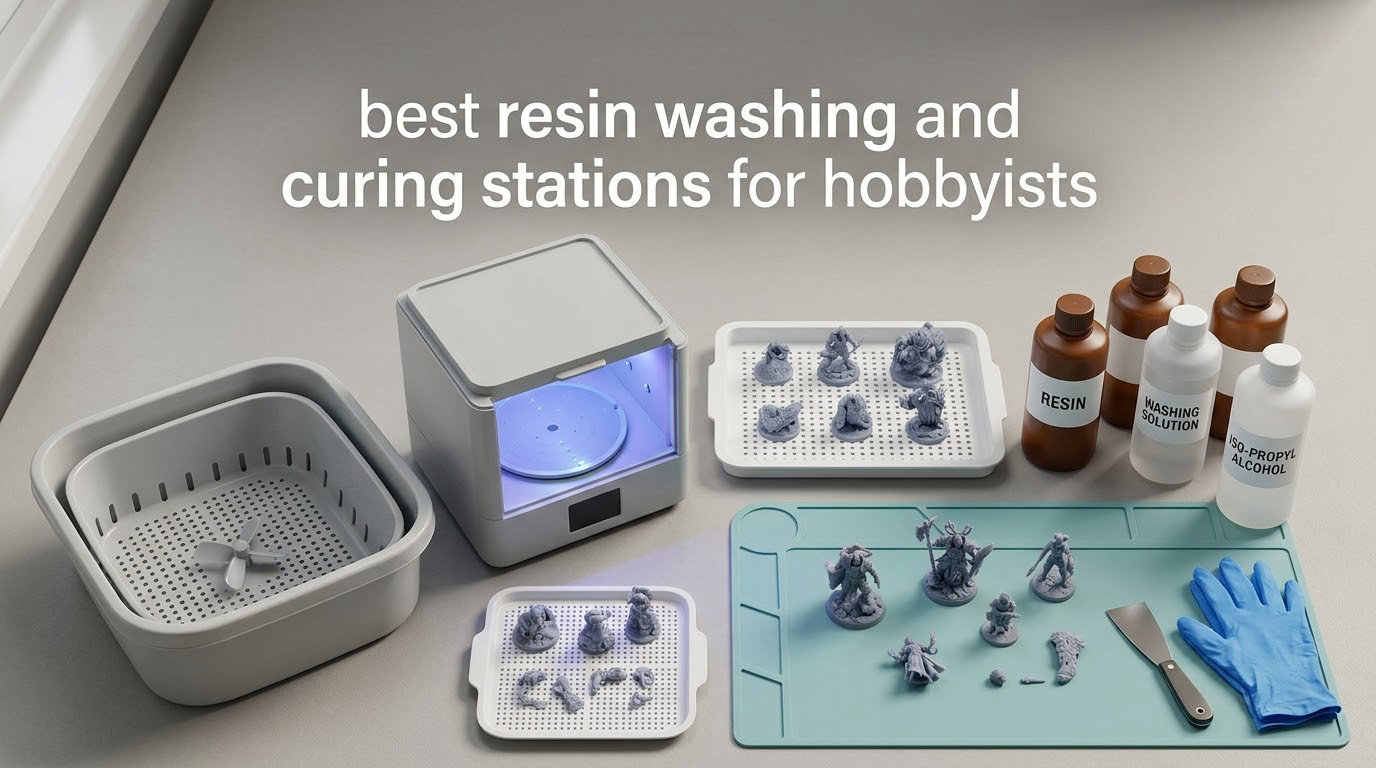
Quick answer: The ANYCUBIC Wash and Cure 3 is the best resin wash and cure station for most hobbyists. It washes and cures in one housing, handles a 4L bucket, and its dual-height basket covers build plates from 5.9 to 7.3 inches. For large cosplay props and full build plates, the ANYCUBIC Wash and Cure Max 3 handles far bigger parts. For a tight bench, the Creality UW-01 is the budget pick.
A resin print is not finished when it comes off the build plate. It is a wet, fragile object holding uncured liquid resin in every undercut and hollow, and two things have to happen before you can prime it: the resin has to come out, and the polymer has to harden all the way through. A wash and cure station does both, with a timer, so the result is repeatable instead of a guess based on how long you were willing to stand near the sink.
We spent weeks putting these six machines through the routine that follows a print session, and the differences that mattered were mostly boring and physical: how much liquid the tub holds, whether a whole build plate fits inside it, how evenly the turntable spins, and how loud the machine is while it works. This guide covers all six, plus the safety and ventilation questions that decide whether a station belongs in a spare room or a shared living space. If your interest in resin runs beyond printing, our resin casting kit roundup covers the moulding side of the hobby.
Table of Contents
Top 3 Picks for the Best Resin Wash and Cure Stations (October 2026)

ANYCUBIC Wash and Cure 3
- 4L wash bucket
- Gooseneck light at 30000 uW/cm2
- Dual-height basket 100mm or 165mm
- 1-30 minute timers
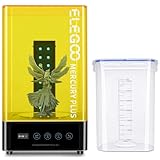
ELEGOO Mercury Plus 2.0
- 16 x 405nm UV LEDs
- Anti-UV lid blocks 99.95% of UV
- Sealed wash chamber
- 360-degree turntable
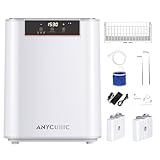
ANYCUBIC Wash and Cure Max 3
- Fits 13.6 inch printers
- Spray rinse plus immersion washing
- Dual modes cut alcohol use about 50%
- 3KG rotating basket
Resin Wash and Cure Stations at a Glance in 2026
The table below is the fastest way to narrow the field. Read the wash volume column first, because a part that sticks out of the liquid is only half washed, and no amount of UV output will fix resin trapped in a hollow the solvent never reached.
| Product | Specifications | Action |
|---|---|---|
| ANYCUBIC Wash and Cure 3 |
|
Check Latest Price |
| ELEGOO Mercury Plus 2.0 |
|
Check Latest Price |
| ANYCUBIC Wash and Cure Max 3 |
|
Check Latest Price |
 Creality Wash and Cure UW-01 Creality Wash and Cure UW-01 |
|
Check Latest Price |
 Phrozen Wash and Cure Kit Phrozen Wash and Cure Kit |
|
Check Latest Price |
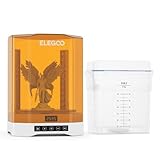 ELEGOO Mercury Plus 3.0 ELEGOO Mercury Plus 3.0 |
|
Check Latest Price |
1. ANYCUBIC Wash and Cure 3 – Best Overall for Hobbyists
ANYCUBIC Wash and Cure 3 with Gooseneck Lights
4L wash bucket
42% larger basket
30000 uW/cm2 gooseneck light
Pros
- Large basket and 4L bucket handle bigger models
- Gooseneck light cures subtle areas such as model tops
- Dual-height basket saves IPA and fits most platforms
Cons
- Basket capacity limited to printers of 7.3 inches or smaller
- Default mode can be curing rather than washing
This is the machine we ended up recommending to friends, and the reason is unglamorous: it does the ordinary job well and does not fight you. The cleaning basket is 42% larger than the generation before it, which sounds like marketing until you try to wash a full 32mm gaming miniature army and notice how much resin is still clouding the IPA after the first plate.
Washing takes a few minutes with the basket in the 4L bucket, and the dual-height basket is the detail I did not expect to care about. Set to 100mm and the parts sit lower, so the machine uses less solvent and the propeller has less liquid to push. Set to 165mm and a larger build plate fits with the parts fully submerged.
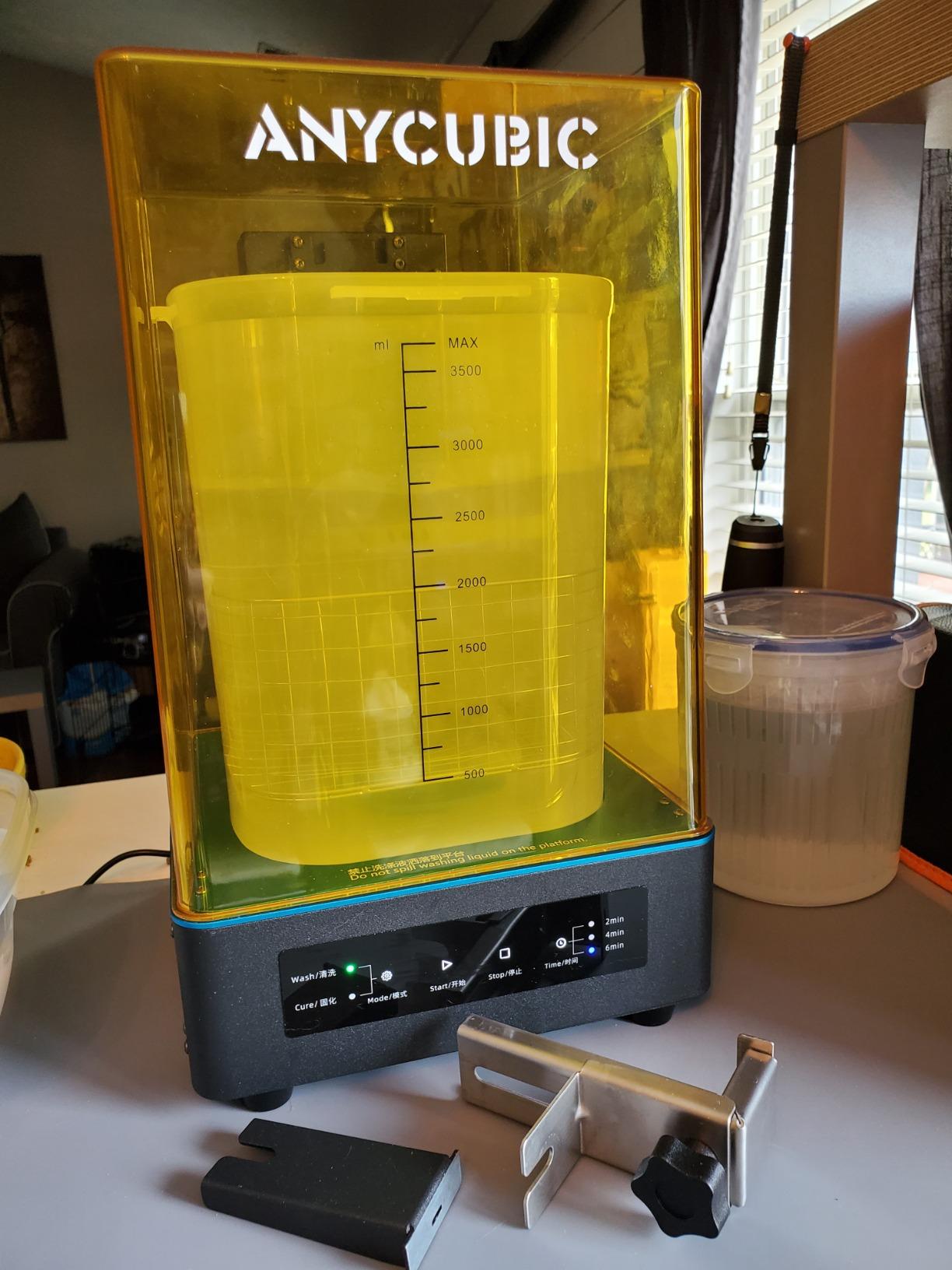
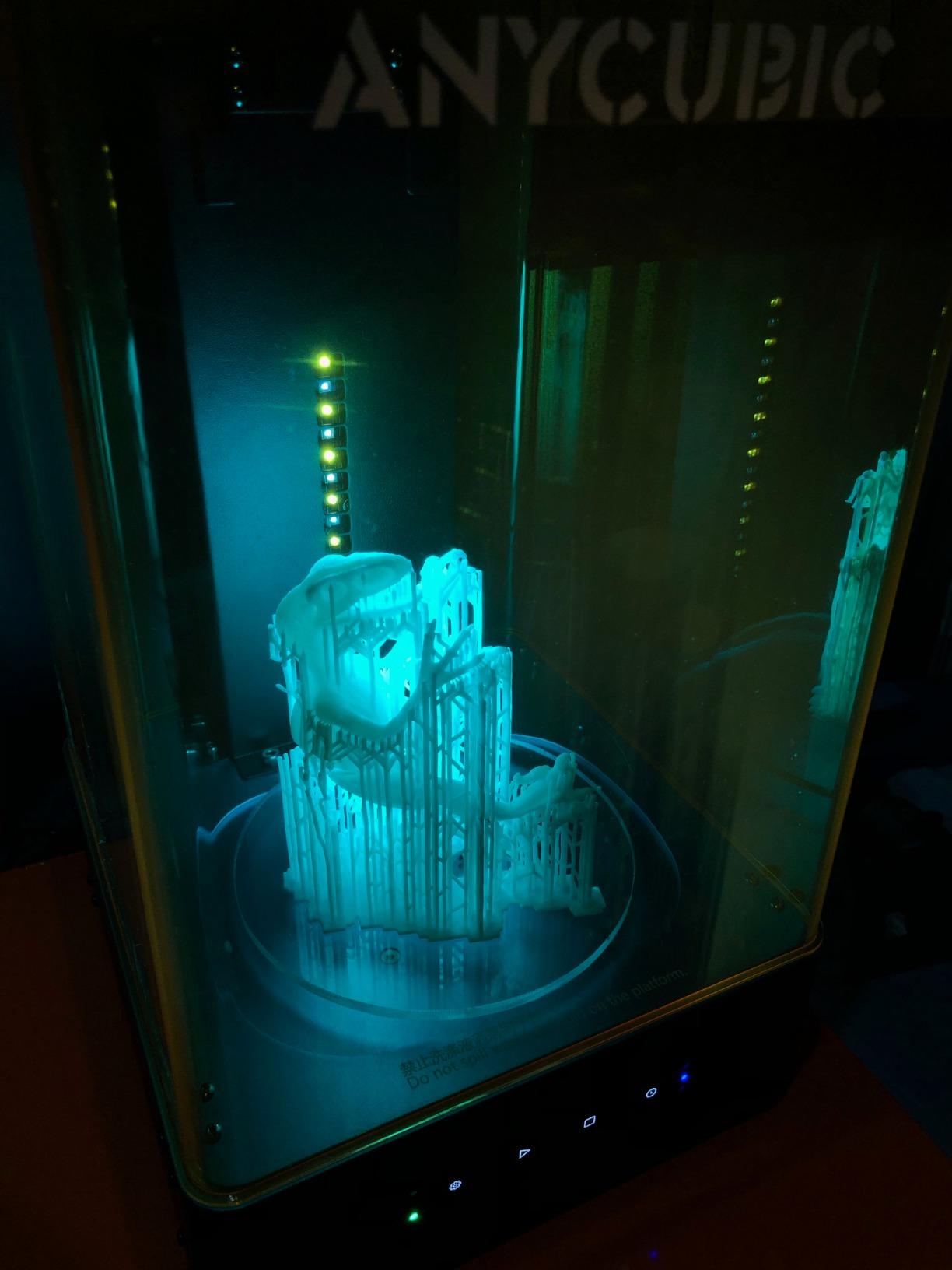
The gooseneck light is the other surprise. It is a flexible arm that sits inside the cure chamber and delivers up to 30,000 uW/cm2 within a 1-3 cm irradiation range, aimed at whatever you point it at. On a miniature it reaches the tops of helmets and the hem of a cloak, which are exactly the places a flat ring of overhead LEDs leaves tacky. Combined with the new bead arrangement, the maker claims a 20% improvement in curing uniformity over the previous version, and our parts came off the plate hard and matte with no soft spots.
Timers run from 1 to 30 minutes for both modes, and mode switching is a single button. One caveat worth knowing before you buy: some owners report that the default mode after power-up is curing rather than washing, which surprises you the first time and annoys you less once you learn it. The button beeps cannot be muted, and the fan makes a short startup noise, so this is not a machine you want running at midnight next to a bed.
Will it fit your build plate?
It handles printers up to 7.3 inches, which covers the Mars, Photon and Saturn 4 class machines that most hobbyists own. The basket itself adjusts between 100mm and 165mm of usable height, so you are not locked to one build plate size. The published dimensions are 8.86 x 8.66 x 14.88 inches, small enough to live on a normal desk shelf rather than a dedicated bench.
If you print cosplay armour or large display pieces on a bigger machine, this is where it stops working. A part that is taller than the basket sits partly above the liquid line, and that section gets a weaker wash and a more uneven cure. Check your tallest print before ordering, not your printer’s marketing dimension.
What you give up versus the bigger machines
The 4L bucket is generous for a machine this size, but it is the constraint that matters if you wash full plates back to back. You will be topping up or swapping solvent more often than you would with an 8L tank, and you will be handling that solvent more often.
The cure chamber is also modest. It is fine for miniatures, jewellery patterns and dice, and it is where the gooseneck light does the heavy lifting for anything with fine detail. For genuinely oversized work, step up to the Wash and Cure Max 3 rather than trying to angle a part into a smaller chamber.
2. ELEGOO Mercury Plus 2.0 – Best Built and Best-Selling
ELEGOO Mercury Plus 2.0 Wash and Cure Station
Sealed wash chamber
Fan-less curing mode
Anti-UV lid blocks 99.95% of UV
Pros
- Powder-coated metal build feels sturdy and premium
- Whole build plate can be washed in the bin
- Uniform 360-degree curing leaves no tackiness
Cons
- Loud button beeps that cannot be muted
- Cooling fan makes a high-pitched noise on startup
The Mercury Plus 2.0 has been the default recommendation in resin circles for years, and the reason shows when you put your hands on it. The body is powder-coated metal rather than moulded plastic, it weighs 10 pounds, and nothing creaks when you lift the lid. It looks and feels like a piece of bench equipment rather than an accessory.
The sealed washing chamber is the feature we appreciated most after a week of use. Washing resin in an open bucket means the IPA evaporates into the room while you work, and the seal keeps the vapour inside the housing where it belongs. The front TFT screen shows the set time and the countdown, which removes the guessing that comes from a row of indicator lights.
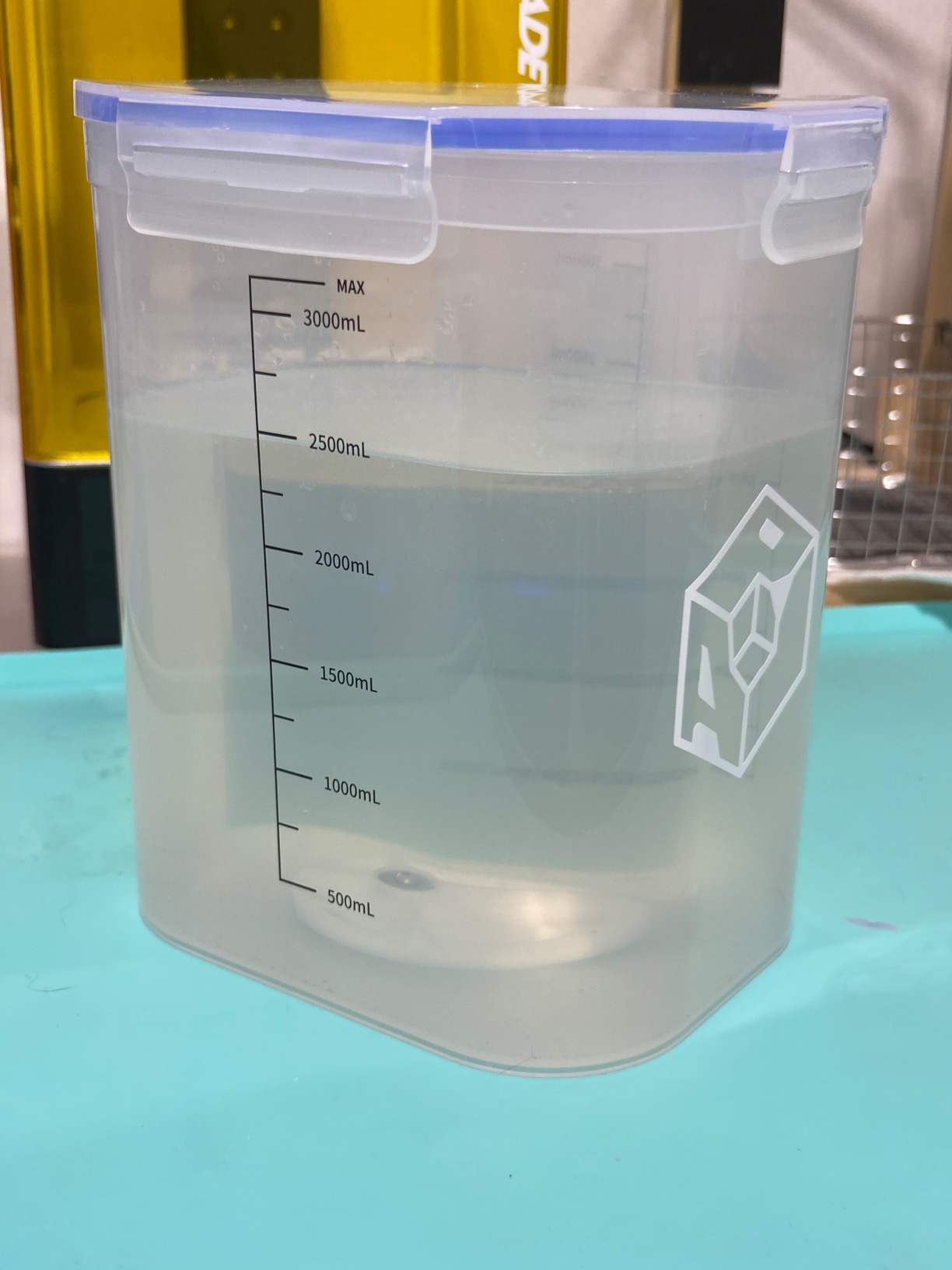
Curing uses 16 LEDs at 405nm around a 360-degree rotating turntable, and the anti-UV lid is rated to block 99.95% of ultraviolet rays. That rating is the reason this machine suits a bedroom hobbyist better than an open-frame box: the light is contained, and the fan-less cure mode means you can run a cycle without the whirr of a fan. Wash and cure timers adjust from 2 to 6 minutes in 30-second steps, which is the range most standard grey and clear resins need.
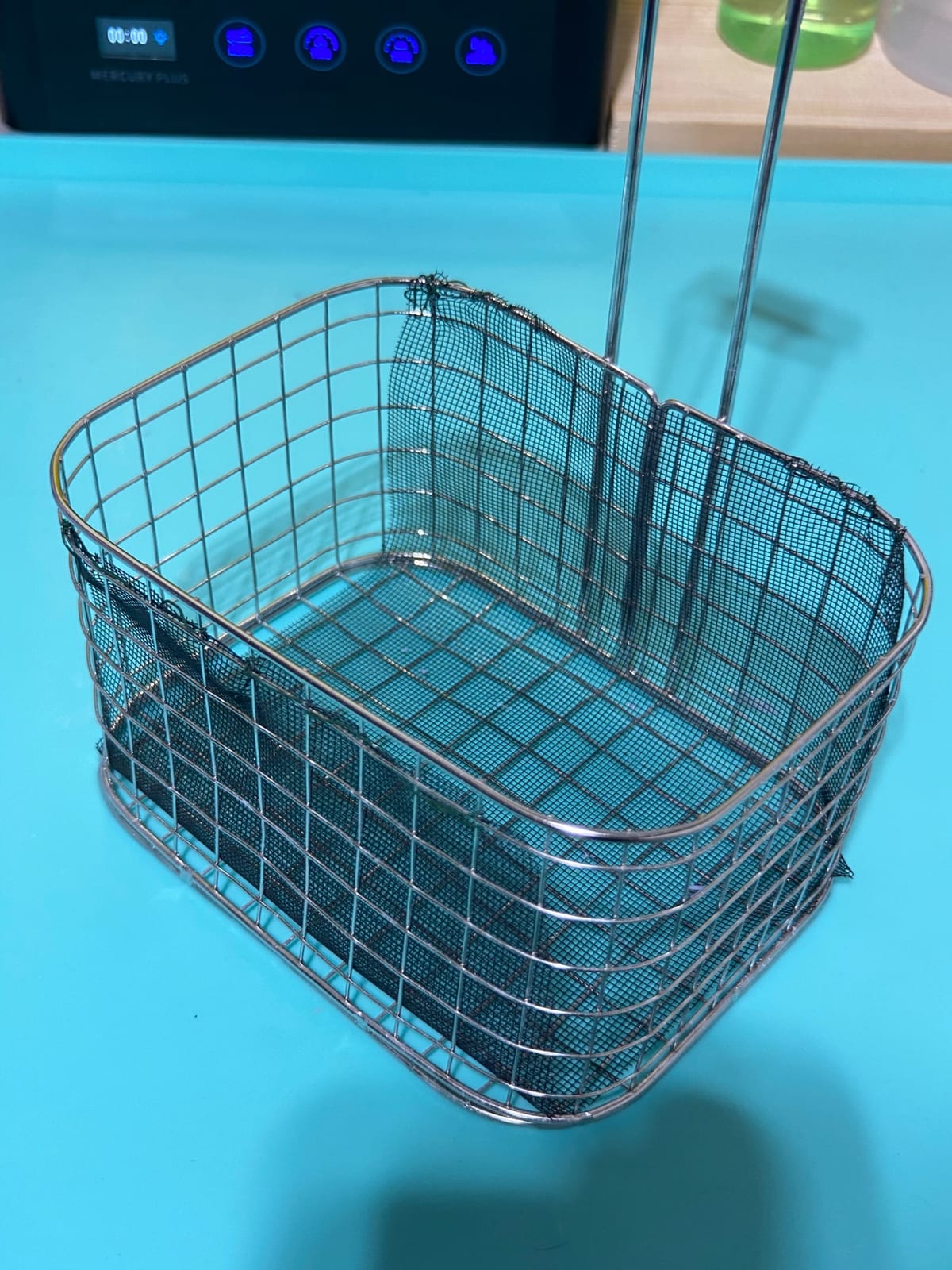
Two washing modes are available: drop the parts in the basket for gentle agitation, or immerse the entire build plate on the height-adjustable bracket. The whole-plate method means you never touch uncured resin with your hands, and it saves a surprising amount of time when you are cleaning a plate of forty miniatures. A lid interlock prevents either cycle from starting while the lid is open.
The complaints are consistent and all minor. The button beeps loudly and cannot be muted, and the cooling fan produces a high-pitched whine on startup. The basket holes are large enough that a small unpainted miniature can escape if you are not careful. It is also not designed for water-washable resin, which needs running water rather than a sealed bath, and replacement wash containers are not widely stocked, so treat the original tub as a long-term purchase.
Is the metal build worth anything in practice?
Yes, in two specific ways. The tub and bracket do not flex when you lift a heavy plate out, so parts are less likely to be knocked loose mid-wash. And the machine stays put on the bench, which matters more than it sounds when you are pouring solvent into a bucket attached to a light plastic frame.
It is also the machine to choose if UV containment is a genuine concern in your space. The sealed chamber handles vapour and the anti-UV lid handles the lamp, so from a room-placement standpoint it is among the safer designs here.
Where it stops being the right choice
The working volume suits Mars-class printers and similar small machines. Owners of larger builds report the bin being tight, and a plate that does not sit flat under the liquid is a plate that does not wash evenly. The other limit is water-washable resin: if your whole workflow avoids alcohol, this sealed immersion design works against you.
If you need more room, the Mercury Plus 3.0 below is the direct upgrade, and the Wash and Cure Max 3 is the larger step.
3. ANYCUBIC Wash and Cure Max 3 – Best for Large Prints and Full Build Plates
ANYCUBIC Wash and Cure Max 3 Station, Washing Size 305x165x300mm
305x165x300mm wash volume
Fits 13.6 inch printers
3KG rotating basket
Pros
- Handles very large models and build plates
- Dual cleaning modes halve alcohol use
- 3KG basket rotates evenly for consistent results
Cons
- Bulky 20.4 x 20.4 x 25 inch footprint needs dedicated space
- Heavy 39.5 pound unit
If you print cosplay helmets, armour pieces or full character busts, this is the machine that stops you from washing a plate in the sink. The wash volume measures 305 x 165 x 300mm, which is enough to take a build plate from a printer in the 13.6 inch class, and the rotating basket is rated for a 3KG load. That is a genuinely different class of hardware from the compact units.
What makes it interesting is the wash method. Instead of relying on immersion alone, it combines spray rinsing with bottom immersion, so liquid hits the part from above while the basket turns underneath. The dual cleaning modes cut alcohol usage by close to half compared with immersion-type machines, which is a meaningful saving when you are running large batches and your solvent bill is the real cost of the hobby.
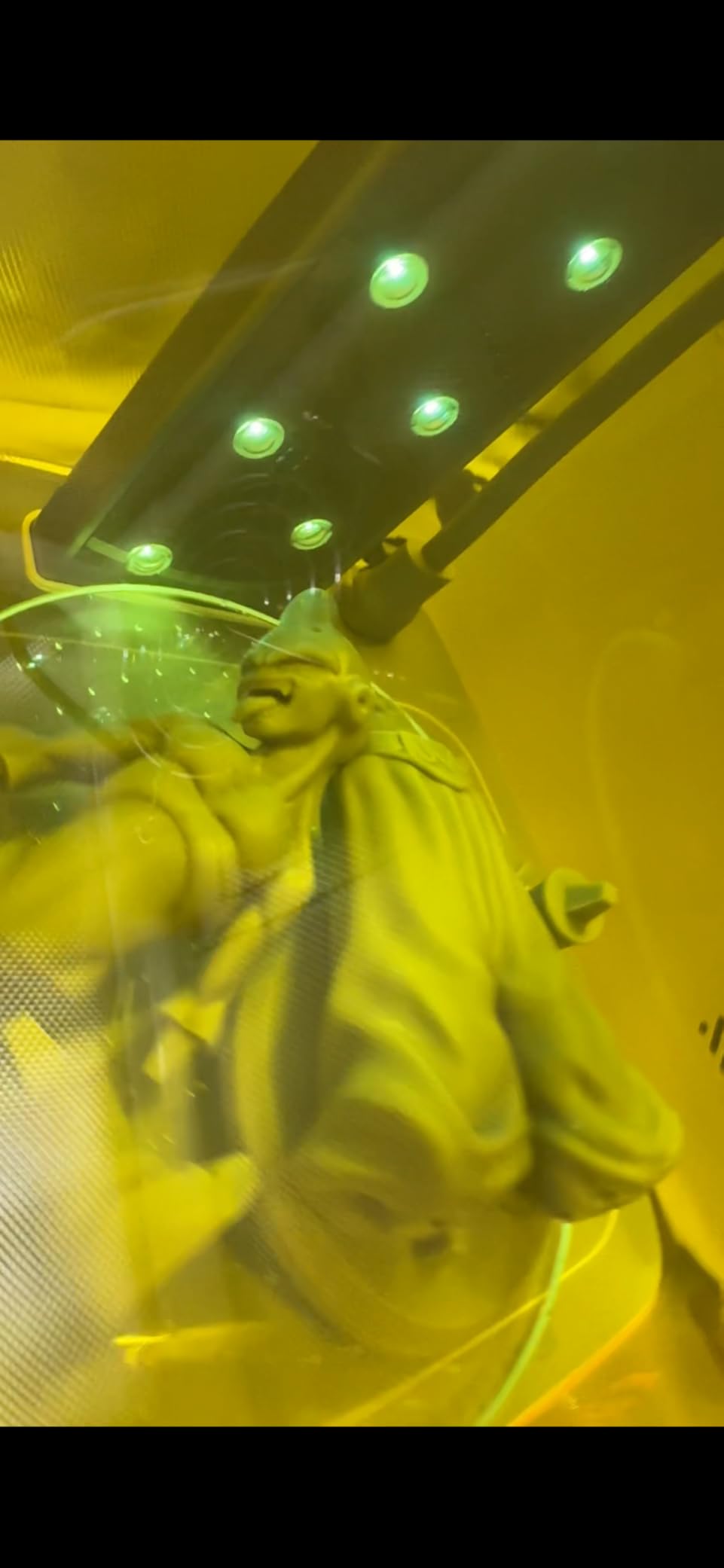
Curing is a 360-degree automatic rotating platform delivering 25,000 uW/cm2 at an 18cm irradiation distance. Distances are longer here because the chamber is larger, and that is a fair trade: a big chamber at a lower intensity still cures evenly, and the rotating platform is what stops one face of a large prop from staying soft.
Multiple cleaning and curing modes let you customise durations for different part shapes, and intelligent fault detection raises alerts in real time if something goes wrong mid-cycle. On a machine this size, that is not a gimmick. A motor that stalls an hour into a long cure on a large prop is a real loss of an evening, and having the machine tell you is worth something.
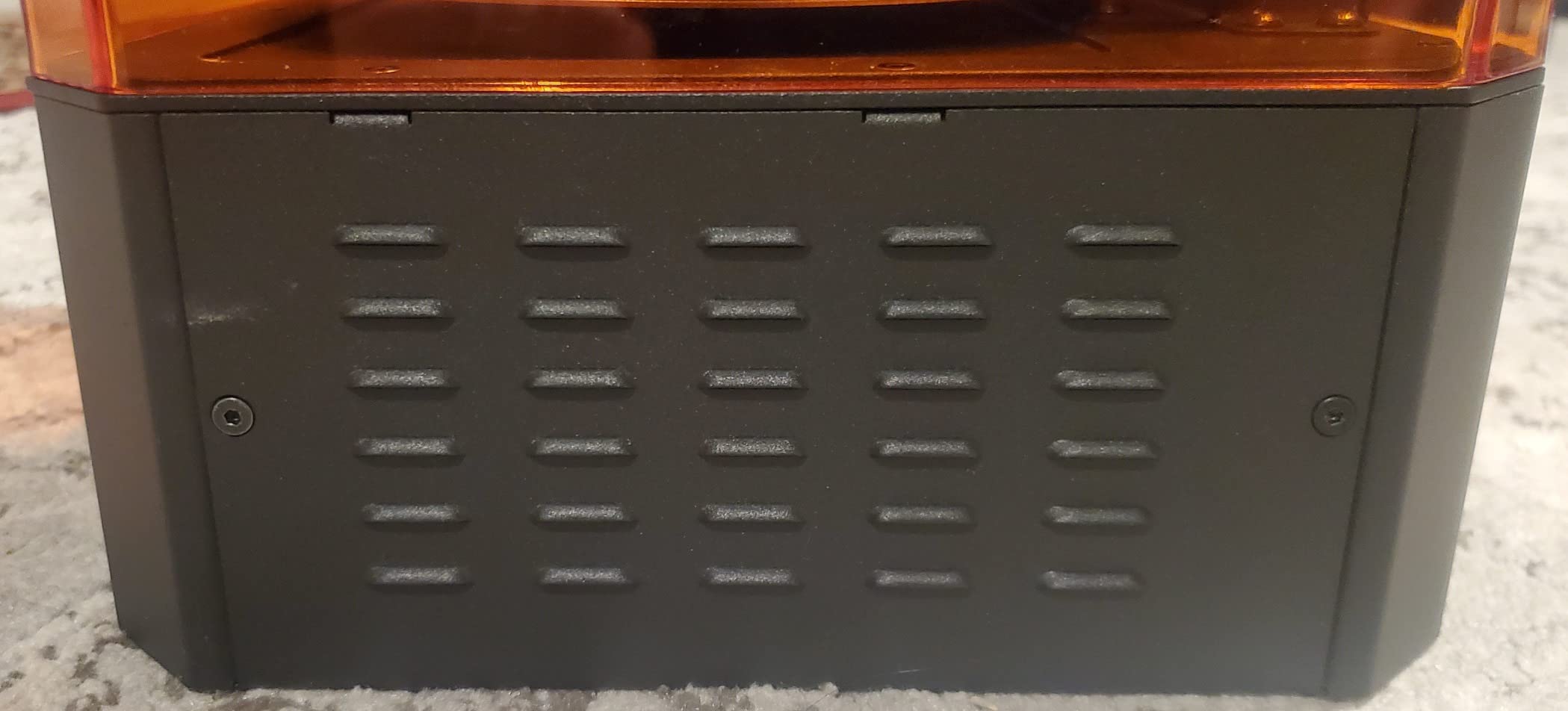
The trade-offs are size and weight. The station measures 12.01 x 6.5 x 11.81 inches for the working section, the unit weighs 39.5 pounds, and the published dimensions list a 20.4 x 20.4 x 25 inch footprint. It needs a dedicated space with clear access, not a corner of a desk. It also costs meaningfully more than the entry-level 2-in-1 units, so if your printer is small this is over-equipped.
Does the dual cleaning mode actually save solvent?
Owners generally confirm the saving, and the mechanism is straightforward. One mode concentrates the wash in the lower section where the basket actually sits, rather than filling the entire chamber and then only using a fraction of it. Less liquid to fill, less liquid to pour out, less to store safely, and less to dispose of properly.
The rinse-and-immerse combination also handles overhangs better than a plain rotating basket, because the spray reaches downward-facing surfaces that the liquid line never touches. On a helmet or a cape, that is the difference between clean and still tacky.
Who should skip this machine
If your printer produces 32mm gaming miniatures or jewellery, this is more machine than you need and you will feel the footprint every day. A compact 2-in-1 handles those parts with room to spare and takes up a fraction of the bench space.
The 39.5 pound weight is also worth thinking about before it arrives. Moving it to a different surface is a two-person job, and that matters if you plan to move your whole workshop around rather than leaving the station in one ventilated spot.
4. Creality Wash and Cure UW-01 – Best Budget 2-in-1
Creality Wash and Cure Station UW-01 2 in 1 Machine
18 double-row UV LED beads
360 degree magnetic rotating tray
2-90 minute timer
Pros
- Wash container accepts a whole build plate
- Sealed basin stores alcohol between jobs
- Simple touch panel with clear mode selection
Cons
- Curing platform can throw small light parts off the plate
- Platter motion is not perfectly smooth
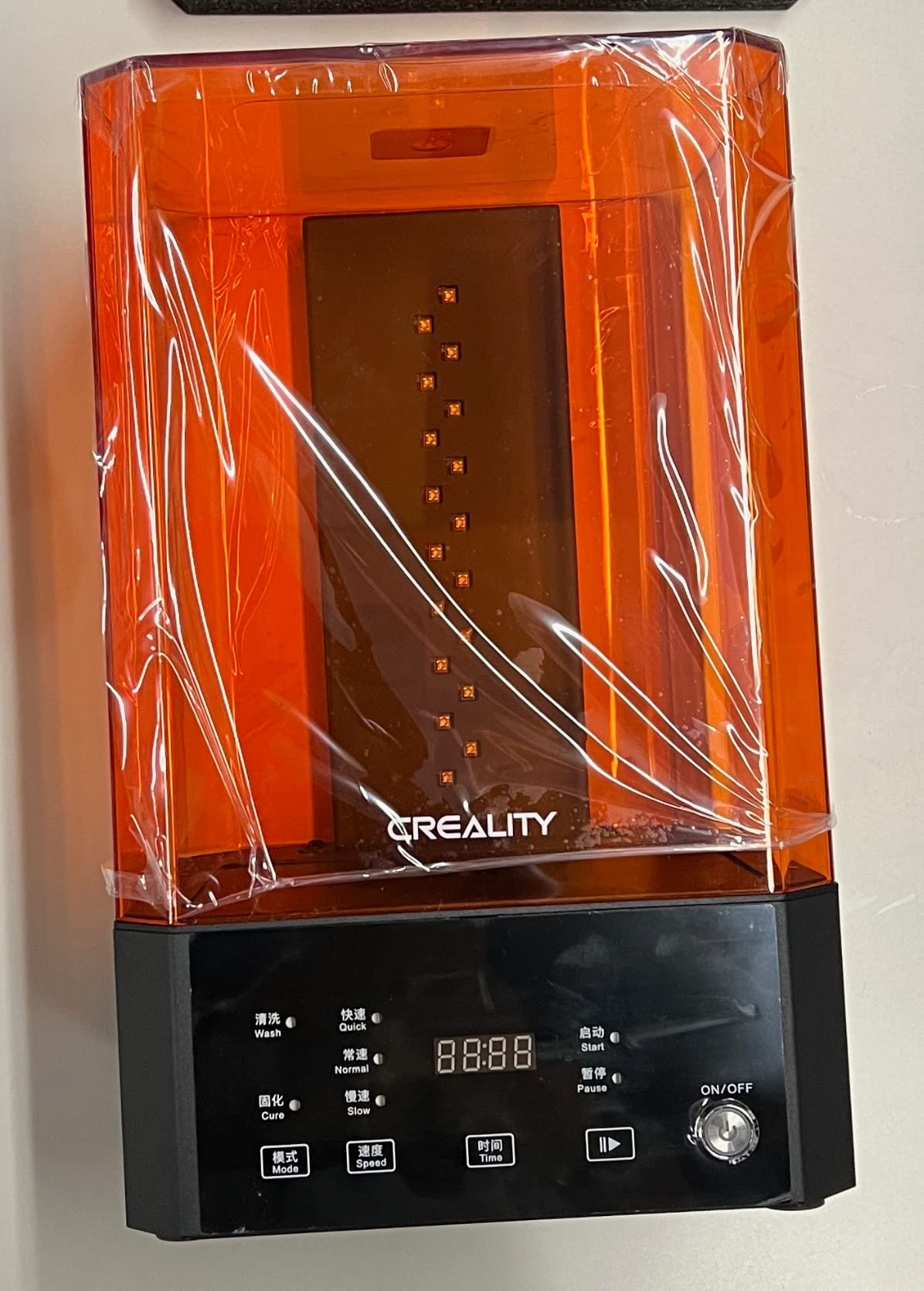
The Creality UW-01 is the machine to consider if you are buying your first wash and cure station and want the sealed-basket convenience without stepping up in price. The wash container measures 190 x 154 x 200mm and is sealed with a lid, so your cleaning solution stays in the basin between jobs instead of evaporating into the room. That single design decision is what separates it from a bucket on your desk.
Controls are an LED HD touch panel with a large-size display, and wash and cure modes are selected clearly rather than guessed at. The timer range is unusually wide, running from 2 to 90 minutes, and there are three agitation speed settings. The Z-axis self-adjustable bracket is a nice touch: it lets you match the model height to the water level so the part is neither half submerged nor rattling against the basket floor.
The cure side uses 18 double-row LED beads, and the 360-degree magnetic tray has a reflective mirror surface that bounces light back onto the part. Removing the cover during curing immediately suspends the cycle, which is both a safety feature and a good way to check progress without losing your timer.
The flaw to know about is the turntable speed. Several owners report that the curing tray can spin fast enough to throw small or light parts off the plate, and that the platter motion is not perfectly smooth, so parts drift toward the edge over a long cycle. For a 32mm miniature on a small raft, use the slower setting and keep the part centred.
The other limitations are honest ones. LED output is described as modest next to the larger units, and the working volume suits small MSLA printers rather than medium or large builds. The lid also takes some effort to close, which matters when your hands are gloved and covered in IPA.
Is this enough for a first resin printer?
For miniatures, dice, jewellery and display pieces on a small MSLA printer, yes. The sealed basin is the feature that makes it feel like a step up from hand washing, and the ability to take a whole build plate in one go means you are not handling uncured resin at all. The included spare propeller bearing is the kind of thing that usually costs you a support ticket later.
It is a genuinely complete package at the entry point: wash, dry, cure and repeat, with the basket, timer and turntable all in one housing. You are not buying a box that needs a separate light source or a separate rotating platform.
What you compromise versus spending more
The turntable speed is the one to test before committing if you print lots of small light parts. Second, curing intensity is lower, which on a dense resin can mean a longer cycle. Third, the volume ceiling is firm: once your printer outgrows this working space, the part will not sit flat in the liquid.
If you are printing large parts now, look at the ELEGOO Mercury Plus 3.0 or the ANYCUBIC Max 3 instead, both of which have far more headroom.
5. Phrozen Wash and Cure Kit – Best for Washing and Curing at the Same Time
Phrozen Wash & Cure Kit, Fits Up To 10.3″ Build Plates
Separate wash and cure units
8L wash tank
405nm chamber with 19.6cm turntable
Pros
- Two units allow parallel washing and curing
- Large 8L tank fits 10.3 inch build plates
- Fan drying reduces IPA residue before curing
Cons
- Two units take more bench space than a 2-in-1
- Wash function is comparable to manual cleaning
This is the kit for people who have internalised the batch workflow. Instead of one housing that washes and then cures, you get two separate units: a washing station with an 8L bucket, and a curing station with its own chamber. That means while batch two soaks, batch one is curing, and neither stage waits for the other.
On a weeknight evening with a full plate to finish, that parallelism is the whole argument. You load the wash station, set the timer, move the parts across when it finishes, and put the next batch in while the first batch is still under the lights. In a single 2-in-1 those steps serialise and you spend your evening waiting.
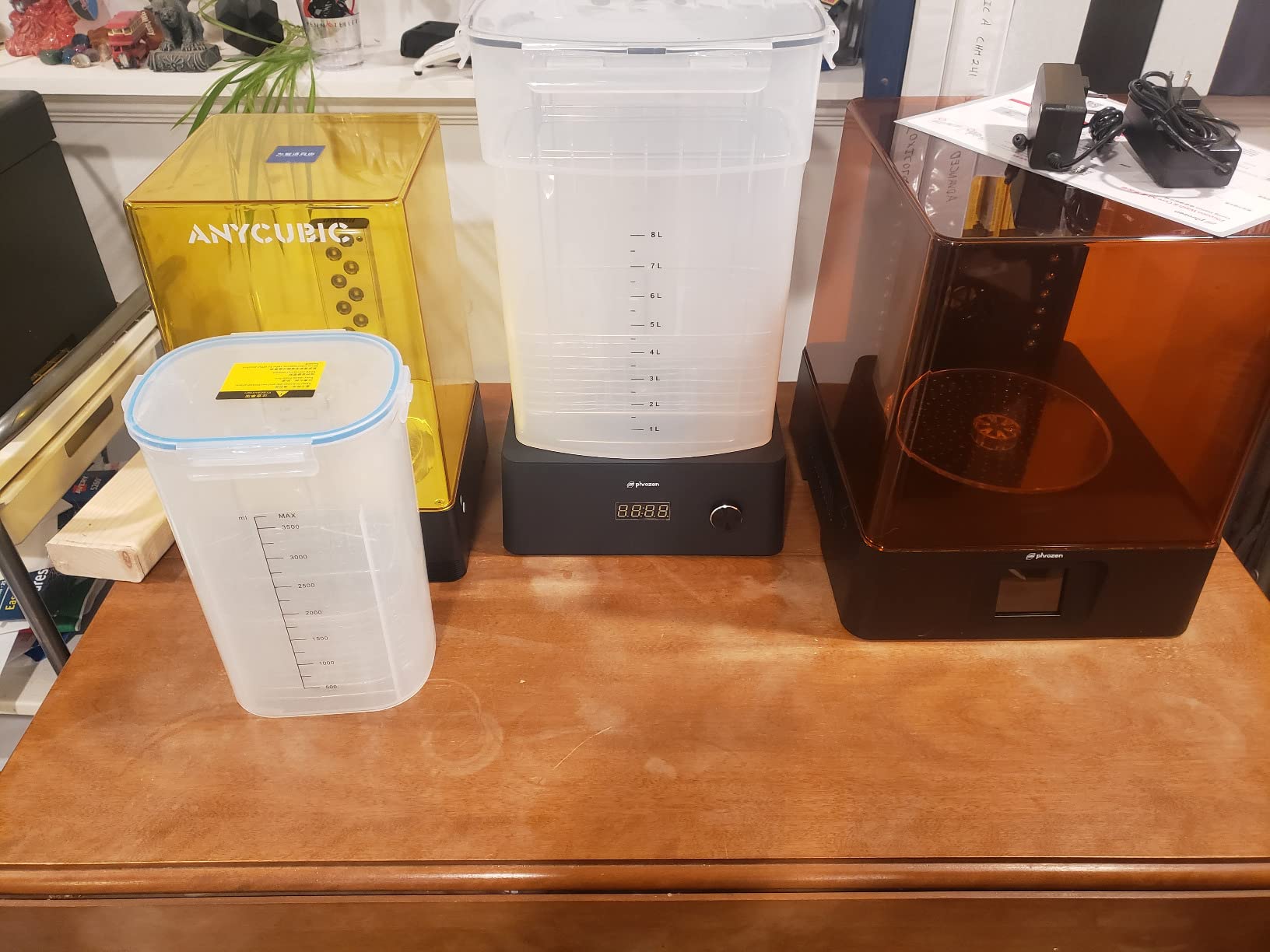
The wash station is rated at 48W with a 0-30 minute timer and a magnetic stirrer. The cure station is also 48W at 405nm, with a 19.6cm turntable and a 0-2 hour timer, which is a much wider cure range than any compact unit offers. The integrated fan drying mode blows surface solvent off the part before curing begins, which reduces the sticky skin that sometimes survives a wash.
Under-platform lighting is the feature that sets this cure chamber apart. Most compact stations shine down from above only, which leaves the underside of a shield or the interior of a helmet softer than the top. The Phrozen adds a light source beneath the turntable, so a part cures from both directions. The kit is rated UL and FCC compliant and runs on 24 volts DC, and multiple owners report it as quiet.
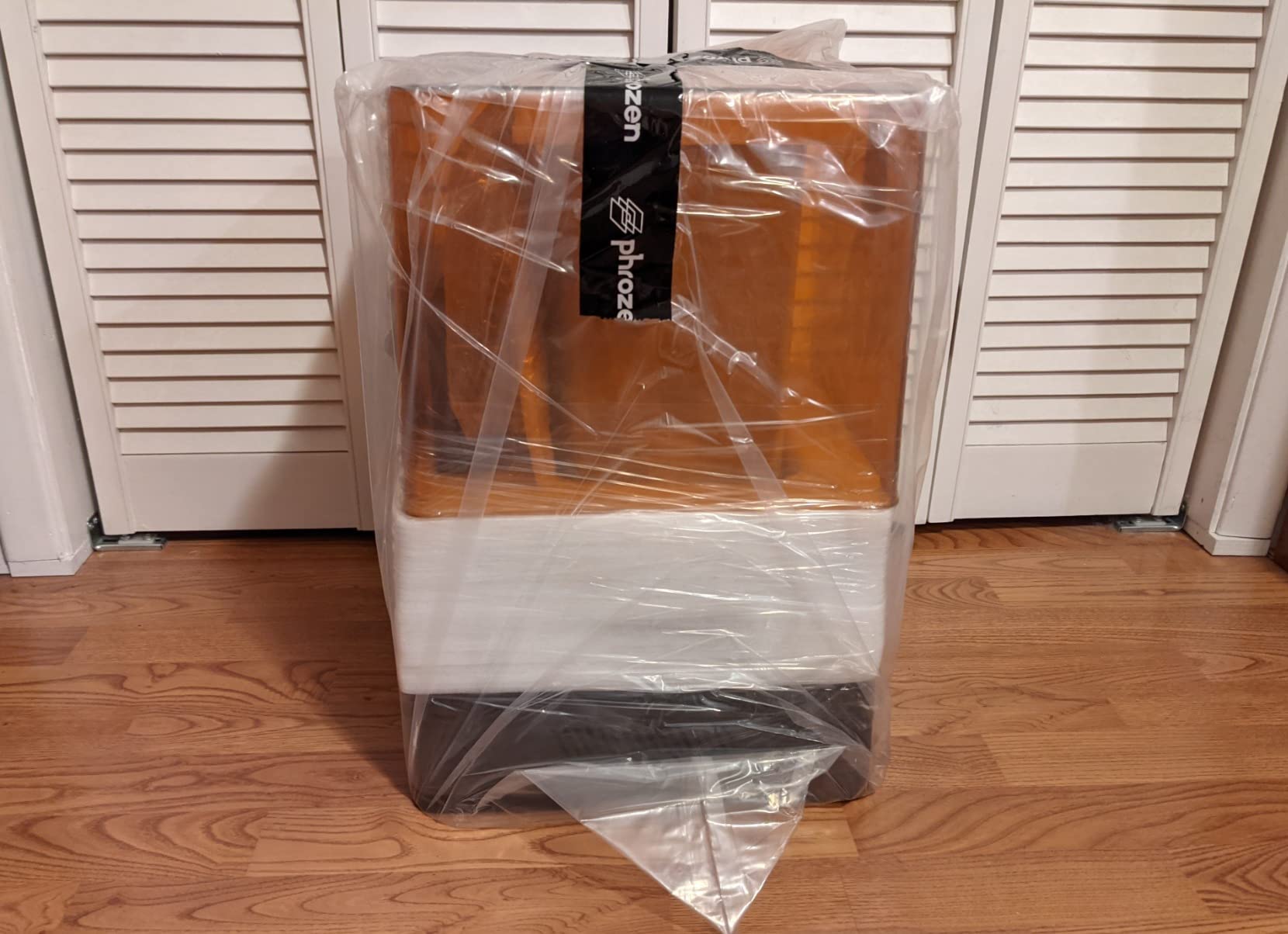
Be realistic about the trade-offs. Two units occupy more bench space than one 2-in-1, and reviewers are candid that the wash function is largely comparable to a manual bucket or an ultrasonic cleaner rather than a dramatic upgrade in cleaning quality. The plastic base stains readily from IPA and benefits from a cover, and cured plastic residue in the rinse liquid can gum up the impeller bearing over time, so cleaning the mechanism periodically matters.
When does running two units actually pay off?
When your bottleneck is time, not money. If you print in batches of a full plate or more, and you finish prints in one long session rather than trickling them out, the ability to wash and cure simultaneously removes idle time from every cycle. People who print a handful of miniatures once a week will not feel the difference at all.
There is also a safety argument. With two separate boxes, solvent sits in the wash unit and powered UV electronics sit in the other, so the two hazards are not in the same housing.
Is the wash station worth buying on its own?
Judged purely as a washer, it is convenient and large but not transformative. The 8L capacity and the sealed bucket are genuine improvements over an open tub, and the magnetic stirrer handles cavity cleaning well. If you already own a decent ultrasonic cleaner, the marginal gain is smaller and the cure chamber is the part that earns its place.
For most hobbyists the full kit is the sensible buy, precisely because the two halves are designed to hand parts to each other.
6. ELEGOO Mercury Plus 3.0 – Best for Saturn 4 Ultra Owners
ELEGOO Mercury Plus 3.0 Larger Wash and Cure Station, Resin Curing Machine
7.5L cleaning capacity
Max cleaning size 230x135x260mm
250mm x 290mm cure area
Pros
- Large capacity accepts a Saturn 4 build plate
- Reflective mirrors plus two lamp sets cure evenly
- Two cleaning modes including hanging the platform
Cons
- Wash cycle is very loud
- Some units reported motor or controller failure
The Mercury Plus 3.0 is a significant step up from the 2.0 that appears earlier in this guide. Cleaning capacity reaches 7.5L, a 114% increase, and the maximum cleaning size is 230 x 135 x 260mm. The cure area is 250mm in diameter by 290mm tall, which the manufacturer describes as 200% larger than the 2.0. For printers up to 10 inches, including the Mars and Saturn series, the working volume is genuinely useful rather than decorative.
Curing runs on 24 405nm LEDs with a reflective mirror design, combined with a 360-degree rotating turntable and a bottom light source. The mirror geometry and the second lamp set are what produce even coverage at that chamber size, and owners report curing that is slow but effective and rarely takes a print too far.
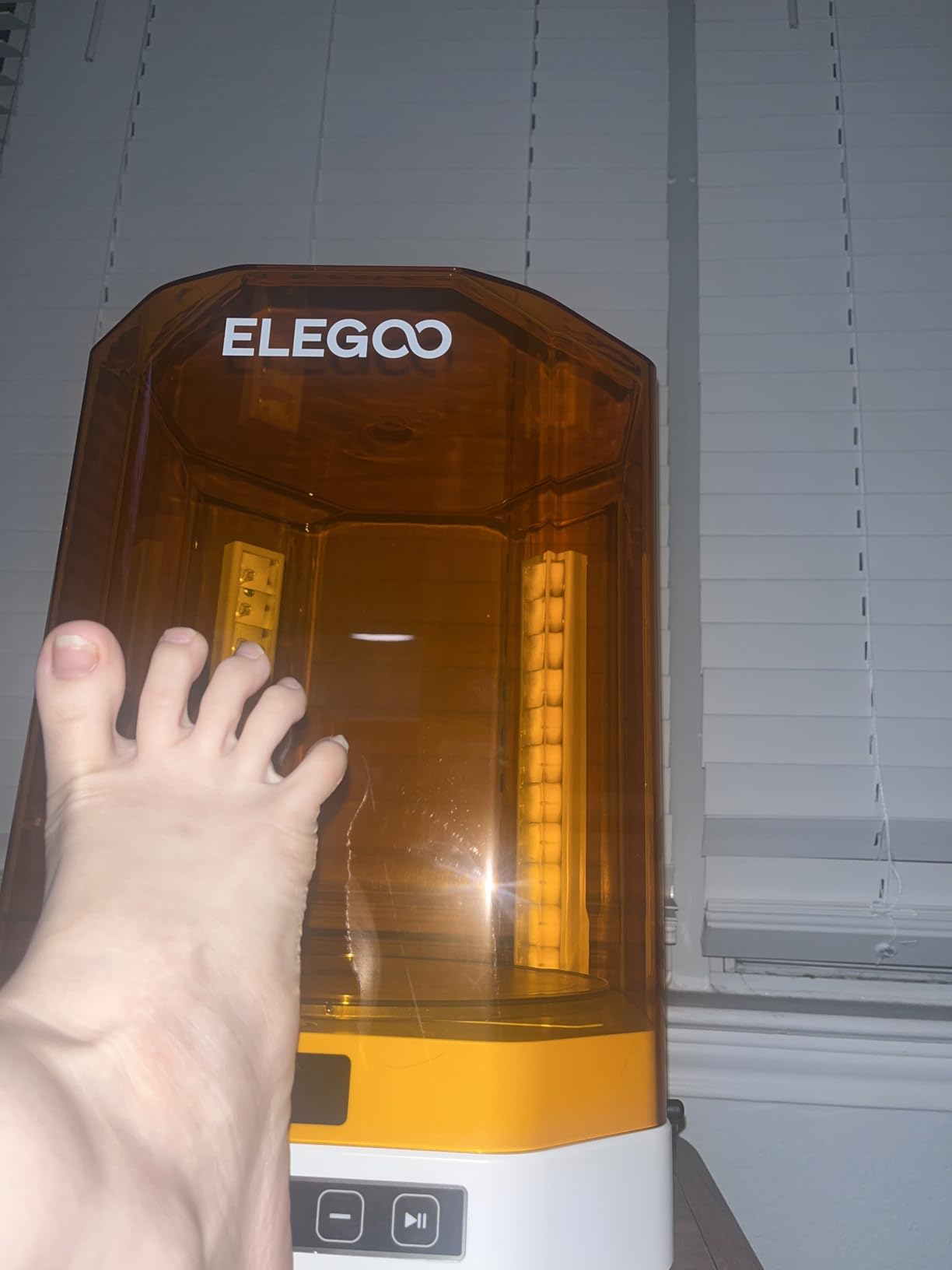
There are two cleaning modes. The basket mode is the familiar one, and the second hangs the platform on the rack so resin drains away from the build surface without you touching it. Both feed into a one-step post-processing cycle that combines vortex washing, drying and curing, which saves a lot of faffing at the bench.
The honest caveat is noise. The wash cycle is described by owners as loud, comparable to a jet engine, and it is the first thing people mention. If your resin work happens in a shared or quiet space, test this before you commit.
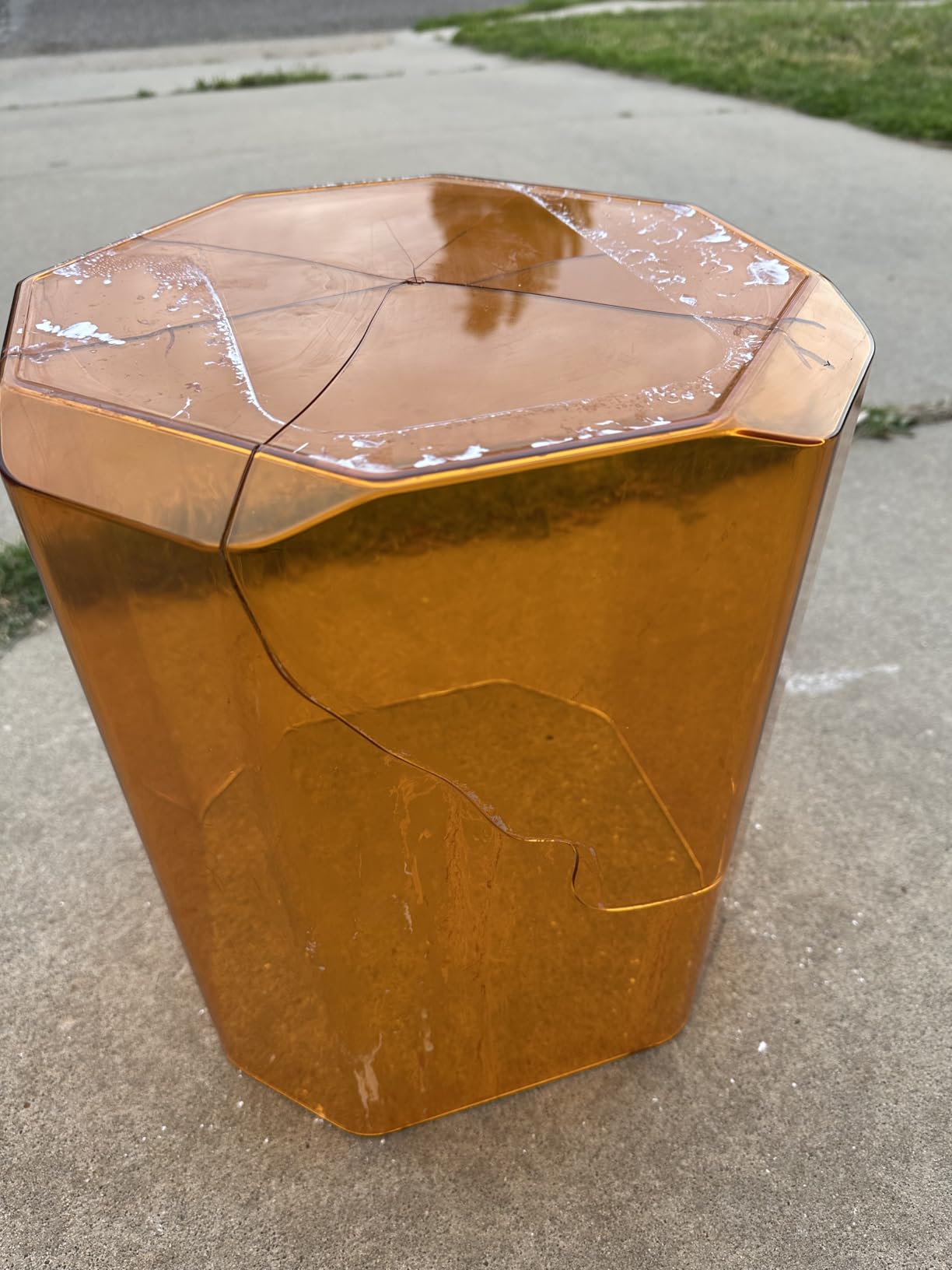
Two other negatives deserve mention. A small number of units have reported motor or controller failures inside the warranty period, and complaints about replacement parts and support response times appear alongside them. The case also feels less robust than its dimensions suggest. The review count is far lower than the other machines here, so there is simply less long-term data on this generation, and that is a fair reason to factor in the warranty terms when you compare it with an older, better-proven design.
Is it worth it if you own a Saturn 4 Ultra?
Direct compatibility is the whole case. The build plate from a Saturn 4 Ultra fits into the wash bucket, which removes the awkward workaround of washing a large plate at the sink. Combined with the hanging cleaning mode, you can finish a large plate without putting gloved hands anywhere near uncured resin.
If you are still on a small printer and planning to upgrade later, this is a reasonable place to land, because 290mm of cure height and 7.5L of wash capacity will not need replacing when you do.
How does it compare with the ANYCUBIC Max 3?
The Mercury Plus 3.0 is the quieter, cheaper option with a strong feature set. The Max 3 reaches further: a 305 x 165 x 300mm wash volume for 13.6 inch printers, a 3KG basket, and a dual cleaning mode that roughly halves alcohol consumption. The Mercury Plus 3.0 counters with a quieter cure cycle, a simpler one-housing design, and a turntable that is less likely to throw parts.
For a mixed workload of small and medium parts, the Mercury Plus 3.0 is the better-balanced machine. For a dedicated large-format workflow, the Max 3 wins on capacity.
Station Safety: Alcohol, UV Light and Where the Machine Lives
Resin post-processing is one of the few home hobbies where the two dominant hazards sit within centimetres of each other. Isopropyl alcohol is highly flammable, and UV light is emitted deliberately at 405nm. Almost every question we get about stations is really a question about one of these two things, so this section is the part we would want a friend to read before buying.
What happens when IPA reaches the electronics
Users on r/resinprinting have reported spilling used alcohol onto the tower near the UV LEDs on a combined 2-in-1 unit, which shut itself off within minutes. The concern is not a dramatic failure but a slow one: alcohol is hygroscopic and corrosive, and the metal and board traces under a spill can degrade over months without any obvious symptom at the time.
This is the single strongest argument for a sealed wash basin, which is why every unit in our list has one, and for the separate-unit approach if you are nervous. With a lid on the wash tub and the liquid kept below the rim, the electronics stay dry by design rather than by care.
How much ventilation does a station need?
More than most hobby guides admit, and less than the fire-panic posts suggest. Long-time users of the format are broadly reassuring about IPA specifically, pointing out that the vapour concentrations from a few litres of solvent in a ventilated room stay well below the lower ignition limit. The fire risk is real but it is a ventilation question, not an automatic no.
The practical guidance is to run a station in a room you can ventilate, and never in a sealed space with an open flame, a gas heater or a hotplate. If you cannot open a window or the station lives in a small room with no extraction, choose water-washable resin and a workflow that avoids the solvent entirely. You can read more about the chemistry side in our resin casting kit guide.
The habits that prevent almost every problem
Wear nitrile gloves from the moment the part leaves the build plate until the wash is finished, and change them before you touch a keyboard. Keep resin bottles and washed parts away from any food preparation area, and never wash a part in a kitchen sink you also use for dishes. Store your cleaning solution in a labelled, closed container on a stable surface away from heat, and dispose of it through your local solvent waste route rather than down the drain.
One more habit worth naming: never reuse or evaporate dirty alcohol to save money. Users who have done it report a white, gluey jelly that contaminates prints and leaves them tacky, and recovering solvent at home is not a safe home process. Pour it out properly and buy fresh. If UV exposure during curing concerns you, the anti-UV lid on the ELEGOO units is a measurable 99.95% UV block, and a 405nm source should never be looked into directly with the lid open.
How to Wash and Cure Resin Prints Without Guesswork
Every machine here does the same two jobs, so the process is identical across brands. Only the button layout changes.
Remove the part from the plate while it is still wet. Most resin printers have a flex or quick-release plate, and the standard advice is to flex it immediately rather than waiting for the part to fully harden on the build surface. Put on gloves before you touch it.
Rinse off the bulk of the resin first. Hold the part under lukewarm water for 30 to 60 seconds so the thick outer layer goes down before it goes into solvent. This alone cuts how dirty your alcohol gets.
Wash for 2 to 4 minutes in 99% IPA. Lower the part into the basket fully submerged and let the agitation do the work. If part of the print sits above the liquid line, that section is only half washed, so raise the basket or angle the part.
Dry the part thoroughly before curing. Let it drip, then use a fan or a hair dryer on cool. Residual solvent under the raft or in the base traps moisture and soft spots later.
Cure for 2 to 6 minutes under 405nm UV. Standard grey and clear resins are done in this range. Place the part so nothing important faces straight down into the platform, and use the gooseneck light if your machine has one to catch hems and shoulders.
Check the result before you move on. A properly cured part is hard, matte and completely non-tacky to a light fingertip. Test an underside, not just the top face.
Can you over-cure UV resin?
Yes, and it is a real failure mode rather than a myth, though it takes far longer than most people expect. Extra exposure hardens the surface further, pushes the print toward brittleness, and can shift the colour of the resin, especially on whites and skin tones. Thin features are the first casualty, becoming brittle and snapping during assembly.
The practical rule is to start at the short end of your machine’s range and add time in 30-second or one-minute steps, checking tackiness each time. If your parts are already coming off fully hardened with time to spare, reduce the cycle. The Mercury Plus 3.0’s slow, thorough cure is a good example of why slower is often safer than faster.
What about water-washable resin?
Water-washable resin changes the safety and cost picture completely, and it is the route we would suggest to a first-time hobbyist. You wash under a tap with detergent and cure straight away, which means no flammable solvent, no storage question, and no ventilation debate. Some units here are not designed for it, so check before you commit, and expect to wash under running water rather than in a sealed tub.
How to Choose a Wash and Cure Station
Do you actually need one?
If you own a resin printer, you need to wash and cure prints, and the only question is whether a machine beats a brush, a bucket and a sunny windowsill. For a hobbyist printing a handful of miniatures a month, hand washing works and costs almost nothing. The moment you print regularly, work in batches, or handle uncured resin more than occasionally, a station earns its place quickly: less skin contact, far less solvent waste, and a repeatable cure instead of a hopeful one.
2-in-1, dual-unit or cure-only
These are the three architectures and they suit different people. A 2-in-1 puts the wash tub and the cure chamber in one housing: compact, one machine to buy, but the two stages are strictly sequential, and solvent sits under the same electronics as the UV lamp. A dual-unit or paired setup gives you a separate washer and a separate cure station, which lets you run both at once and physically separates the two hazards. A cure-only box assumes you already wash well by hand or with an ultrasonic cleaner, and it is a reasonable upgrade if washing was never your problem.
For most hobbyists a 2-in-1 is the right starting point. Move to paired units when batching becomes normal, and to cure-only only when you are certain washing is already handled.
Match the tub volume, not just the cure height
This is the mistake we see most often, and the two numbers are not the same thing. Cure height tells you how tall a part can stand under the UV. Wash volume tells you how much liquid there is to agitate, and whether a whole build plate can sit under the line.
Our practical rule: measure your tallest print and your widest build plate, then confirm both fit inside the wash container with room to spare. If the plate only fits at an angle, the corners will not wash. If the print is taller than the basket is deep, the top third gets a weaker wash and a weaker cure, and you will spend longer chasing tacky spots than you would have spent hand finishing them.
Other things that decide it
Sealed basin. Look for a wash tub with a lid. It cuts vapour in a shared room and it means your solvent is not evaporating between jobs.
Agitation and rotation. A magnetic stirrer or propeller pushes liquid into cavities; a rotating basket does the same job. A slow, smooth turntable is better than a fast one, because fast rotation throws small parts.
UV containment. An anti-UV lid is worth paying for if the machine lives anywhere other than a dedicated workshop.
Noise. Fans, beeps and a jet-engine wash cycle are all real. If you share a space with people who are trying to sleep, check the review comments on the pump before you buy.
Serviceability. Wash baskets, impellers and turntables wear. A machine that includes a spare bearing, and whose replacement parts are easy to source, will last longer than one that does not.
When washing by hand is enough
If you print occasionally, produce only small parts, and already work in a ventilated space with gloves, a bottle of IPA and a brush, a station is optional rather than essential. The honest counterpoint is that the amount of alcohol and gloves you burn through by hand is usually higher than people expect, and the quality is less consistent. A station mostly buys you time, comfort and repeatability.
Our related reading on the light-curing side of the hobby, including why wavelength and irradiance matter, is in our LED curing lamp guide. If you are still deciding whether a machine is worth it at all, our LED gel lamp comparison covers the same curing-versus-time trade-off at a much lower price point.
Frequently Asked Questions
Do I need a wash and cure station for resin printing?
Yes, you need to wash and cure prints, though not necessarily with a machine. A brush, a bucket of 99% IPA and a sunny windowsill can finish a few prints a month. A station becomes worthwhile once you print regularly or in batches, because it cuts skin contact with uncured resin, cuts solvent waste, and gives you a repeatable cure time instead of a hopeful one. The dominant failure mode it removes is under-cured, tacky prints.
How long should I wash and cure my resin prints?
Wash for 2 to 4 minutes in 99% IPA with the part fully submerged, then dry thoroughly before curing. Standard grey and clear resins need 2 to 6 minutes under 405nm UV, though dense or opaque resins can take longer. Start at the short end and add time in 30-second steps, checking for tackiness. Rinse off bulk resin under water first, and make sure nothing sits above the liquid line.
Can you over-cure UV resin?
Yes. Extra UV exposure beyond what the resin needs pushes the surface harder, can shift the colour of the part, and makes thin features brittle enough to snap during assembly. It takes far longer than most people expect, so a longer cure is not automatically a better cure. Check a hidden underside with a fingertip rather than judging only the top face, and shorten the cycle if parts are already fully hardened.
Is a DIY UV curing box worth building instead?
Curing is the easy half to DIY: a sunny windowsill, a curing light, or a simple box with UV strip LEDs and a rotating platform all work, and many hobbyists do it. Washing is the half worth buying, because agitation, containment of flammable solvent and safe handling are harder to reproduce at home. A sensible split is a budget wash basin plus a separate cure box, or a full station if you print in batches.
What size wash and cure station do I need?
Match the wash container, not the cure height. Measure your tallest print and your widest build plate, then confirm both fit fully under the liquid line with room to spare. A part that only fits at an angle will not wash at the corners, and a print taller than the basket gets a weaker wash and cure on its upper section. Compact units suit miniatures and small MSLA printers; larger chambers are needed for full build plates and cosplay props.
Is IPA safe to use in a wash station indoors?
Isopropyl alcohol is highly flammable, so it needs ventilation and distance from heat, flames and gas heaters. Used as intended, with a few litres in a sealed basin in a ventilated room, most long-time hobbyists consider the vapour risk manageable, but it is not a machine to run in a sealed room. Water-washable resin removes the issue entirely, and many first-time hobbyists choose that route deliberately.
Can a wash and cure station handle water-washable resin?
It depends on the design. A sealed immersion basin built for alcohol is not the right tool for water-washable resin, which is normally rinsed under running water with detergent and then cured. Some units are marketed for both, so check the manufacturer guidance for your specific model before buying. Remember that water-washable resin often needs a longer cure because the remaining moisture affects the finish.
The Bottom Line on Resin Wash and Cure Stations
If you want one clear recommendation for the best resin washing and curing stations for hobbyists in 2026, take the ANYCUBIC Wash and Cure 3. It combines a 4L sealed wash bucket, a dual-height basket and a genuinely useful gooseneck curing light, and the 4.7 star rating across more than 3,000 reviews is the deepest evidence base in this list.
Buy the ANYCUBIC Wash and Cure Max 3 instead if you print large props or want to wash a full build plate without a sink. Buy the ELEGOO Mercury Plus 2.0 if build quality, UV containment and a sealed chamber matter more to you than capacity. Choose the Phrozen kit when you finish prints in long batch sessions and want washing and curing to happen at once, the Creality UW-01 if you are starting out and want a sealed basin at the entry point, and the ELEGOO Mercury Plus 3.0 if you own a Saturn 4 Ultra or plan to soon.
Whichever you pick, measure your build plate and your tallest print before you order, keep the wash basin sealed, and run the machine somewhere you can ventilate. Those three habits matter more to the quality of your finished prints than the last few watts of UV output.