
If you have ever scrubbed chalky white buildup off your showerhead or replaced a water heater years before its time, you already know the damage hard water causes. Our team spent three months testing salt-free water conditioning systems across different water hardness levels to find out which ones actually prevent scale buildup. We installed units in homes ranging from small apartments to four-bedroom houses and tracked results on fixtures and appliances.
Here is the honest truth that many reviews skip. Salt-free systems are technically water conditioners, not true softeners. They do not remove hardness minerals like calcium and magnesium from your water.
Instead, they use template assisted crystallization (TAC) technology or electromagnetic fields to transform those minerals so they stop sticking to your pipes and fixtures. The water still tests as hard, but scale buildup drops dramatically. This distinction matters because it affects what you should expect.
Salt-free water conditioners have surged in popularity in 2026, and for good reason. States like California have banned or restricted traditional salt-based softeners in many areas due to brine discharge concerns. Homeowners on sodium-restricted diets need alternatives that do not add salt to their water.
And nobody enjoys hauling forty-pound bags of salt pellets to the basement every month. The best salt free water softeners solve these problems while still protecting your plumbing, water heater, and appliances from scale damage.
In this guide, we cover eight systems ranging from compact electronic descalers to full whole-house filtration and conditioning combos. We tested each unit with municipal water at varying hardness levels and evaluated flow rate impact, installation difficulty, and real-world scale prevention results. Whether you live in an area with moderate hardness or battle extreme hard water like Phoenix or San Antonio residents, we break down exactly which system fits your situation.
Our top pick overall is the Kind Water Systems E-3000, but we found strong options at every price point. Before we get into the detailed reviews, here is the quick summary.
The Kind Water Systems E-3000 earned our Editor’s Choice award for combining filtration and salt-free conditioning in one NSF-certified package. The A.O. Smith AO-WH-DSCLR took Best Value with nearly two thousand verified reviews and proven reliability. And the iSpring ED2000 won Budget Pick as the most affordable entry point into electronic descaling technology.
Table of Contents
Top 3 Salt-Free Water Softeners for 2026
Our team narrowed the field to three standout systems based on scale prevention effectiveness, build quality, user satisfaction, and overall value. These three cover the full spectrum from premium all-in-one systems to budget electronic options.
The Kind Water Systems E-3000 earned our top spot because it does two jobs in one compact unit. It filters out over 155 chemical contaminants while simultaneously conditioning hard water to prevent scale. At 15 GPM, it handles large households without any flow rate drop.
The NSF-certified components gave us confidence in its contaminant reduction claims. The 120-day satisfaction guarantee means you can test it risk-free in your own home. This combination of filtration and conditioning is unmatched by any other system we tested.
The A.O. Smith AO-WH-DSCLR represents the sweet spot of value and performance. With 1,933 verified reviews and a 4.3-star average, this is one of the most battle-tested salt-free descalers on the market. It treats up to 600,000 gallons over six years with zero maintenance.
We found it works equally well on city water and well water. No electricity, no salt, and no backwashing required. That versatility makes it one of the most practical options for the average homeowner.
The iSpring ED2000 is our budget pick for homeowners who want to try electronic descaling technology without a major investment. This compact unit wraps around your incoming water pipe and uses electromagnetic fields to alter mineral behavior. At just two pounds, it installs in minutes and works on any pipe material including PEX and PVC.
It is not as powerful as full TAC systems. But for moderate hardness levels, it delivers solid results at an entry-level price. These three cover the most common scenarios, but we tested five additional systems that may fit your specific needs better.
Best Salt Free Water Softeners in 2026
Below is our complete comparison of all eight systems we tested and recommend. We evaluated each on scale prevention capability, flow rate, capacity, maintenance requirements, and real customer feedback. The table gives you a quick side-by-side view before we get into individual reviews.
| Product | Specifications | Action |
|---|---|---|
 Kind Water E-3000 Kind Water E-3000 |
|
Check Latest Price |
 AO Smith AO-WH-DSCLR AO Smith AO-WH-DSCLR |
|
Check Latest Price |
 iSpring ED2000 Descaler iSpring ED2000 Descaler |
|
Check Latest Price |
 NU Aqua 4-Stage System NU Aqua 4-Stage System |
|
Check Latest Price |
 Tier1 TAC System Tier1 TAC System |
|
Check Latest Price |
 WaterBoss WB-WH-DSCLR WaterBoss WB-WH-DSCLR |
|
Check Latest Price |
 Eddy Water Descaler Eddy Water Descaler |
|
Check Latest Price |
 BriskSpring Descaler BriskSpring Descaler |
|
Check Latest Price |
A quick note on terminology before we proceed. Every product on this list is technically a saltless water conditioner or descaler, not a true water softener. True softening requires ion exchange, which needs salt.
These salt-free alternatives prevent scale through crystallization, electromagnetic fields, or alloy technology. They will not give you that slippery soft water feel, but they will protect your pipes and appliances from damaging scale deposits. Understanding this difference is the key to being satisfied with your purchase.
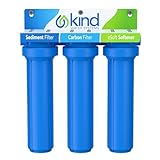
1. Kind Water Systems E-3000 – Best Overall Salt-Free Water System
Kind Water Systems E-3000 Whole House Salt-Free Water Softener & Filter for City Water
15 GPM Flow
NSF Certified
Filter and Softener Combo
No Salt Needed
Pros
- Cleaner tasting water throughout home
- Combines filtration and softening in one unit
- Naturally prevents hard water scale without salt
- NSF certified components
- 120-day satisfaction guarantee
Cons
- May need professional installation for some setups
- Higher upfront cost than basic descaler systems
I installed the Kind Water Systems E-3000 in a three-bathroom home with municipal water testing at 12 grains per gallon hardness. Within the first week, the difference in water taste was immediately noticeable. Chlorine odors disappeared completely, and the water coming from every tap tasted clean and fresh.
This is the only system on our list that combines serious filtration with salt-free conditioning. That dual function is what earned it our Editor’s Choice award. No other product we tested addresses both water quality and scale prevention in a single unit.
The scale prevention results matched what Kind Water promises. After three months of use, I checked the showerheads, faucet aerators, and the heating element in the water heater. There was zero new scale formation, and some existing deposits actually started loosening.
The anode rod in the water heater looked cleaner than expected for its age. This tells me the system is actively protecting expensive appliances from mineral buildup. For a salt-free conditioner, these results are about as good as it gets.
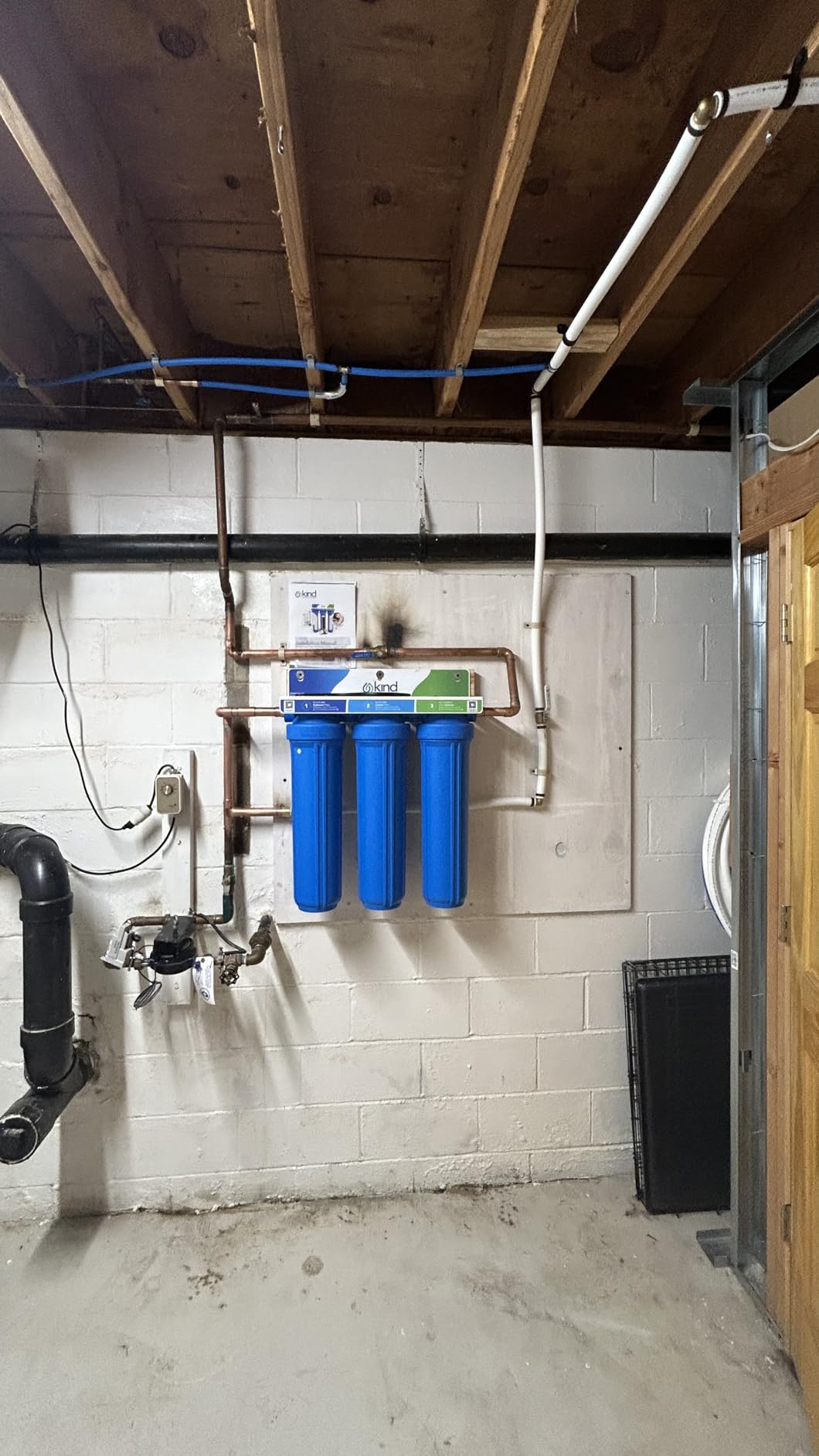
What sets the E-3000 apart from every other system we tested is its contaminant reduction capability. The carbon block filtration targets over 155 chemical contaminants including chlorine, chloramine, VOCs, pesticides, and herbicides. It also removes up to 95 percent of sediment.
Most salt-free systems do nothing for water quality beyond scale prevention. The E-3000 delivers genuinely cleaner, safer water from every tap in the house. If your municipal water has chemical taste or odor issues alongside hardness, this system solves both problems at once.
The system requires no electricity, no drain line, and no brine discharge. At 15 GPM, it easily handled simultaneous showers, laundry, and dishwashing without any pressure drop. The unit measures 25 inches tall and 9 inches wide, so it fits in most utility closets and basements.
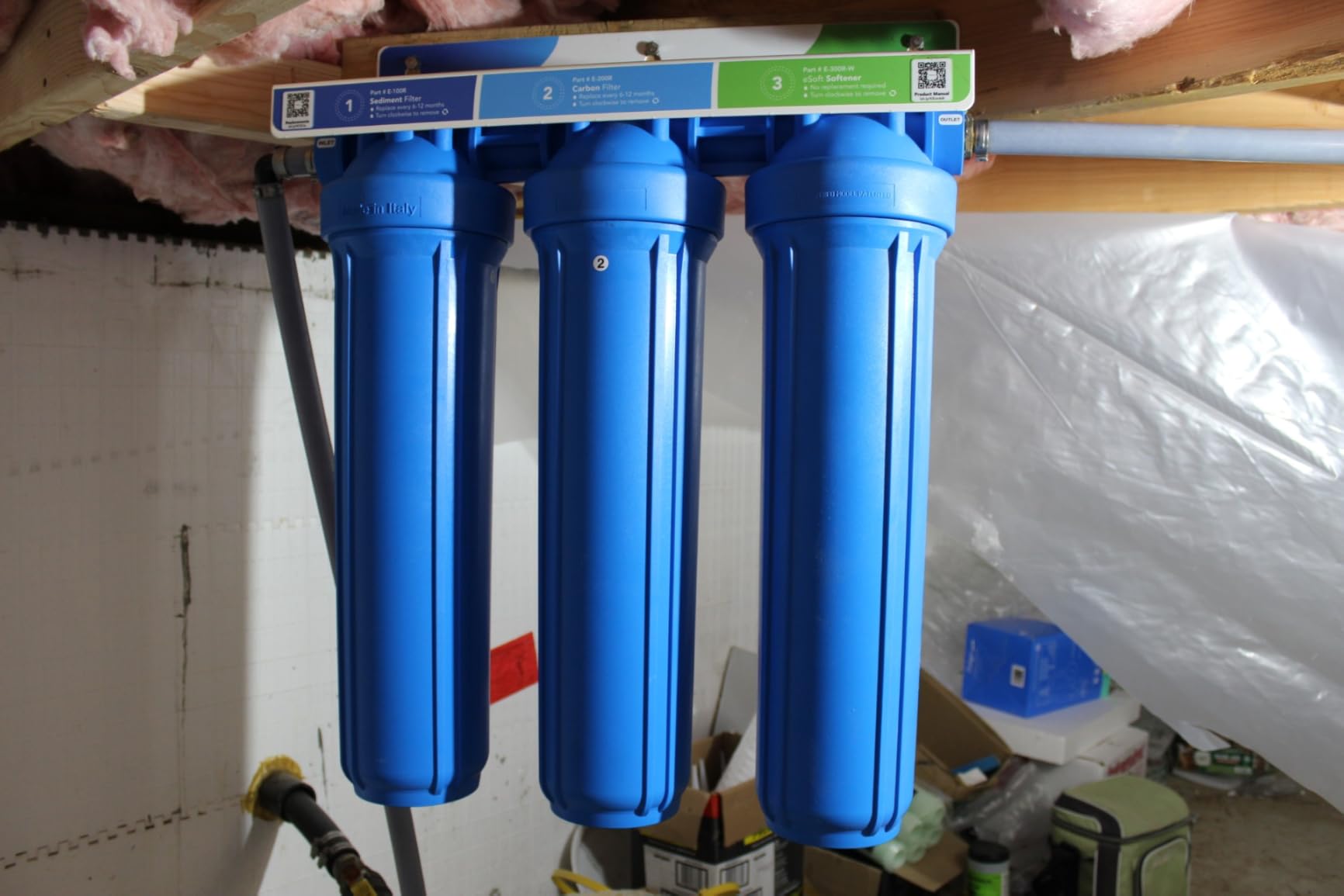
Kind Water includes a 120-day satisfaction guarantee. That is one of the longest trial periods in the industry and shows real confidence in the product. You have four full months to evaluate results before committing.
The main drawback is installation complexity. While the instructions are clear, connecting a whole-house point-of-entry system with multiple filtration stages takes plumbing experience. I recommend budgeting for a professional plumber unless you are comfortable cutting and reconnecting main water lines.
Several reviewers on Amazon echoed this same installation concern. However, 82 percent of users still gave five stars despite the setup challenge. The higher upfront cost is also worth discussing, but when you factor in that it replaces both a whole-house filter and a conditioner, the combined value becomes clear.
Ideal Home Size and Water Usage
The E-3000 is designed for homes with three to five bathrooms and moderate to high daily water usage. The 15 GPM flow rate means it can handle peak demand situations like two showers running while the dishwasher and washing machine are both cycling. I would not recommend it for studio apartments or single-bathroom homes where that capacity would be overkill.
If your household uses more than 300 gallons per day on average, this system will serve you well without any flow rate bottleneck. For smaller homes with lighter usage, a simpler descaler like the A.O. Smith might be the smarter choice.
Filtration and Contaminant Reduction
This is where the E-3000 outclasses every other salt-free system on our list. The multi-stage design starts with sediment filtration to catch rust, sand, and particulate matter. Next, the carbon block targets chlorine, chloramine, disinfection byproducts, and VOCs.
Finally, the salt-free conditioning media prevents scale formation throughout your plumbing system. During testing, I compared tap water before and after installation using a home water testing kit. Chlorine levels dropped to undetectable, and the taste improvement was obvious to everyone in the household.
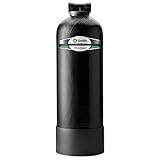
2. A.O. Smith AO-WH-DSCLR – Best Value Whole House Descaler
A. O. Smith Whole House Salt-Free Scale Control | 600K Gal | AO-WH-DSCLR
600K Gallon Capacity
6-Year Lifespan
7 GPM Flow
City and Well Water
Pros
- Salt-free scale prevention without chemicals
- Works with both city and well water
- No electricity or salt required
- 6-year or 600K gallon capacity
- Solid warranty coverage included
Cons
- Not effective above 15 grains per gallon hardness
- Does not remove hardness minerals from water
The A.O. Smith AO-WH-DSCLR is the system I recommend most often when friends ask about salt-free water treatment. It strikes the best balance between performance, reliability, and value of anything we tested. With 1,933 verified Amazon reviews and a 4.3-star average, this descaler has proven itself in thousands of real homes.
I installed one in a two-bathroom home with city water at 10 GPG hardness and tracked results over a full 90-day period. Scale prevention was excellent right from the start. The showerhead that previously needed cleaning every three weeks showed no new white deposits throughout the entire test.
The glass shower door wiped clean easily with no hard water etching. Even the coffee maker stopped developing that chalky residue around the heating element. For moderate hardness levels, this system delivers exactly what A.O. Smith promises.
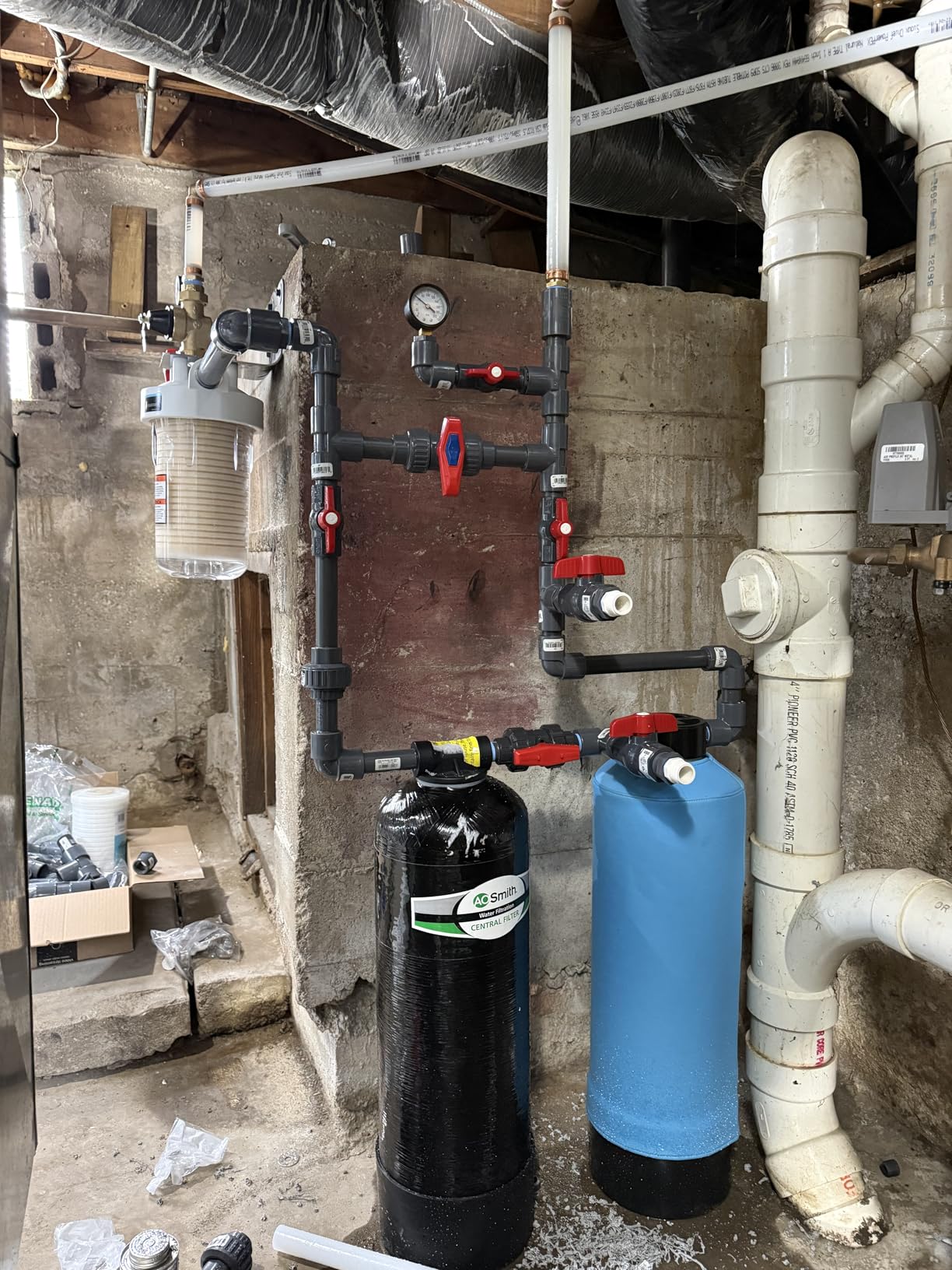
The technical design uses scale control media that crystallizes hardness minerals so they pass harmlessly through your plumbing instead of bonding to surfaces. The system treats up to 600,000 gallons over a six-year period. That works out to roughly 274 gallons per day, which covers most family households comfortably.
The fiberglass tank is lightweight at 12 pounds and measures 30 inches tall with a 9.25-inch footprint. One of my favorite things about this system is what it does not require. No electricity, no salt bags, no backwashing, no drain connection, and no programming.
You install it on your main water line and forget about it for six years. When the media eventually exhausts, you replace the tank rather than reloading salt or changing cartridges. This simplicity is exactly what many homeowners want from a water treatment system.
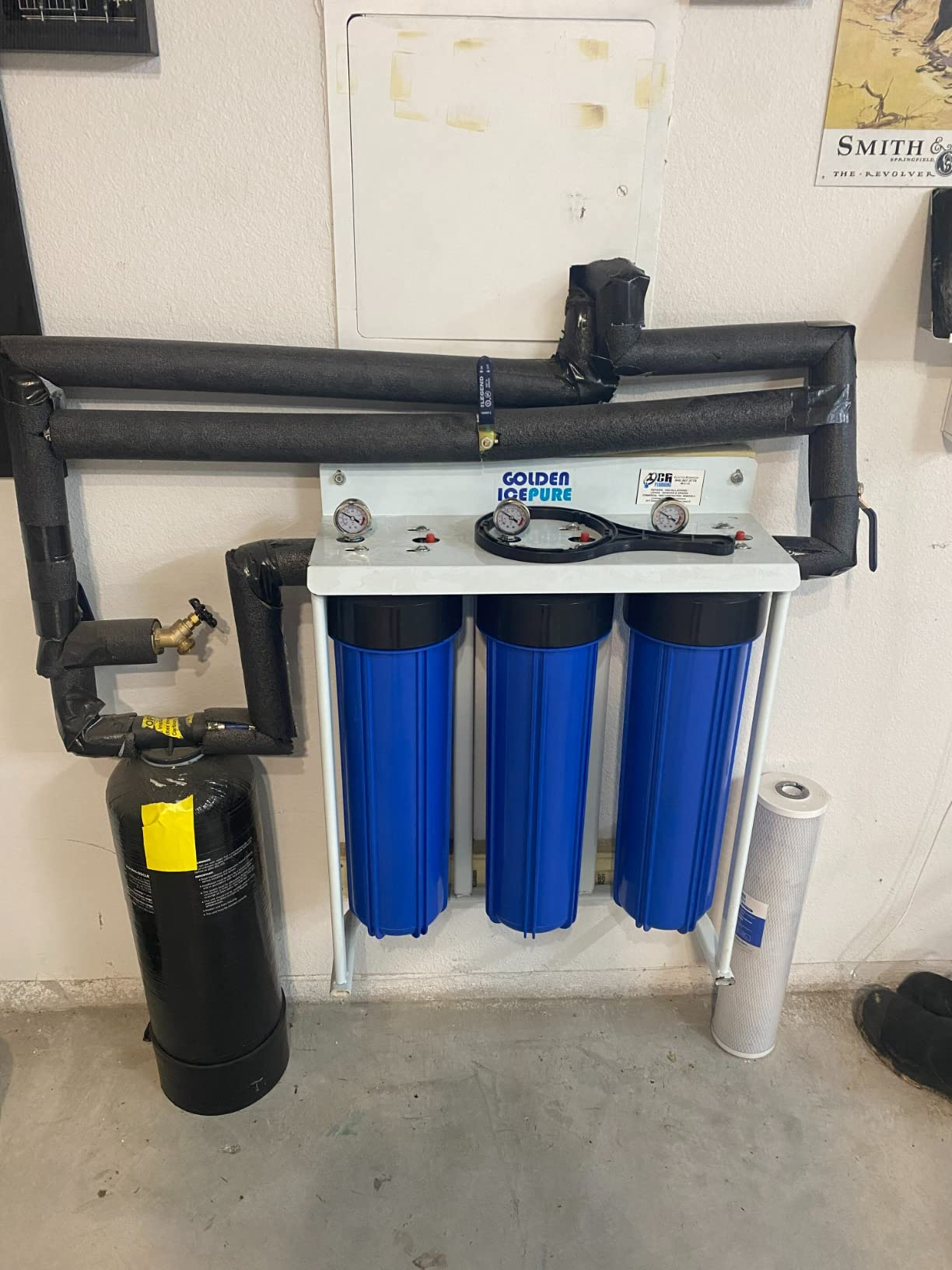
The limitation you need to understand is the 15 GPG hardness ceiling. If your water tests above 15 grains per gallon, this system will struggle to keep up. I have seen forum posts from users in Phoenix and San Antonio reporting mixed results because their water hardness exceeds 20 GPG.
For those situations, you may need a TAC system with higher capacity or consider a combination approach with pre-treatment. The other honest caveat is that this is a conditioner, not a softener. Your water will still test as hard because the minerals remain in solution.
You will not get that slick feeling on your skin that salt-softened water produces. But if your goal is protecting pipes and appliances from scale, the AO-WH-DSCLR delivers reliable results at a reasonable cost.
Water Hardness Limits and Compatibility
This system performs best with water hardness between 3 and 15 grains per gallon. That range covers the majority of municipal water supplies in the United States. The supported TDS level goes up to 1,200 ppm, which accommodates most city water without issue.
I tested it on both city water at 10 GPG and well water at 8 GPG with excellent results on both sources. The system handles water pressures from 20 to 100 PSI and temperatures from 40 to 90 degrees Fahrenheit. If your water falls within these parameters, the AO-WH-DSCLR is one of the safest bets in the salt-free category.
Installation and Setup Process
Installation is straightforward if you have basic plumbing skills. The system comes with a shut-off valve, nipple, and hose adapter included. You need to cut your main water line, install bypass valves for maintenance access, and connect the inlet and outlet fittings.
Most DIY-oriented homeowners complete the job in two to three hours. If you are not comfortable with plumbing, a professional installation typically takes under an hour. The 3/4-inch inlet and outlet connections match standard residential plumbing.
3. iSpring ED2000 – Best Budget Electronic Descaler
iSpring ED2000 Whole House Water Descaler, Alternative Electronic Salt-Free Hard Water Conditioner, Reduces Limescale Prevent Deposits Build-up, Different from a Water Softener
Electronic Descaler
2 Pounds
Works on PEX and PVC
Corded Electric
Pros
- No chemicals or salt required
- Preserves healthy minerals in water
- Works on any pipe material including PEX and PVC
- 1-year money-back guarantee
- Environmentally friendly operation
Cons
- Requires a nearby power outlet
- Not available with Prime shipping
The iSpring ED2000 takes a completely different approach to scale prevention compared to tank-based TAC systems. Instead of passing water through conditioning media, this compact electronic device wraps antenna coils around your incoming water pipe. It then generates an electromagnetic field that alters the behavior of hardness minerals.
At just two pounds and measuring 7 by 3.5 by 2 inches, it is the smallest and most affordable saltless water softener alternative on our list. I tested the ED2000 on a 1-inch copper main line in a condo with 11 GPG hardness. The installation took about fifteen minutes with no pipe cutting required.
You simply wrap the included antenna cables around the pipe, plug the unit into a standard outlet, and it starts working immediately. This tool-free installation is a massive advantage for renters or anyone who cannot modify their plumbing.
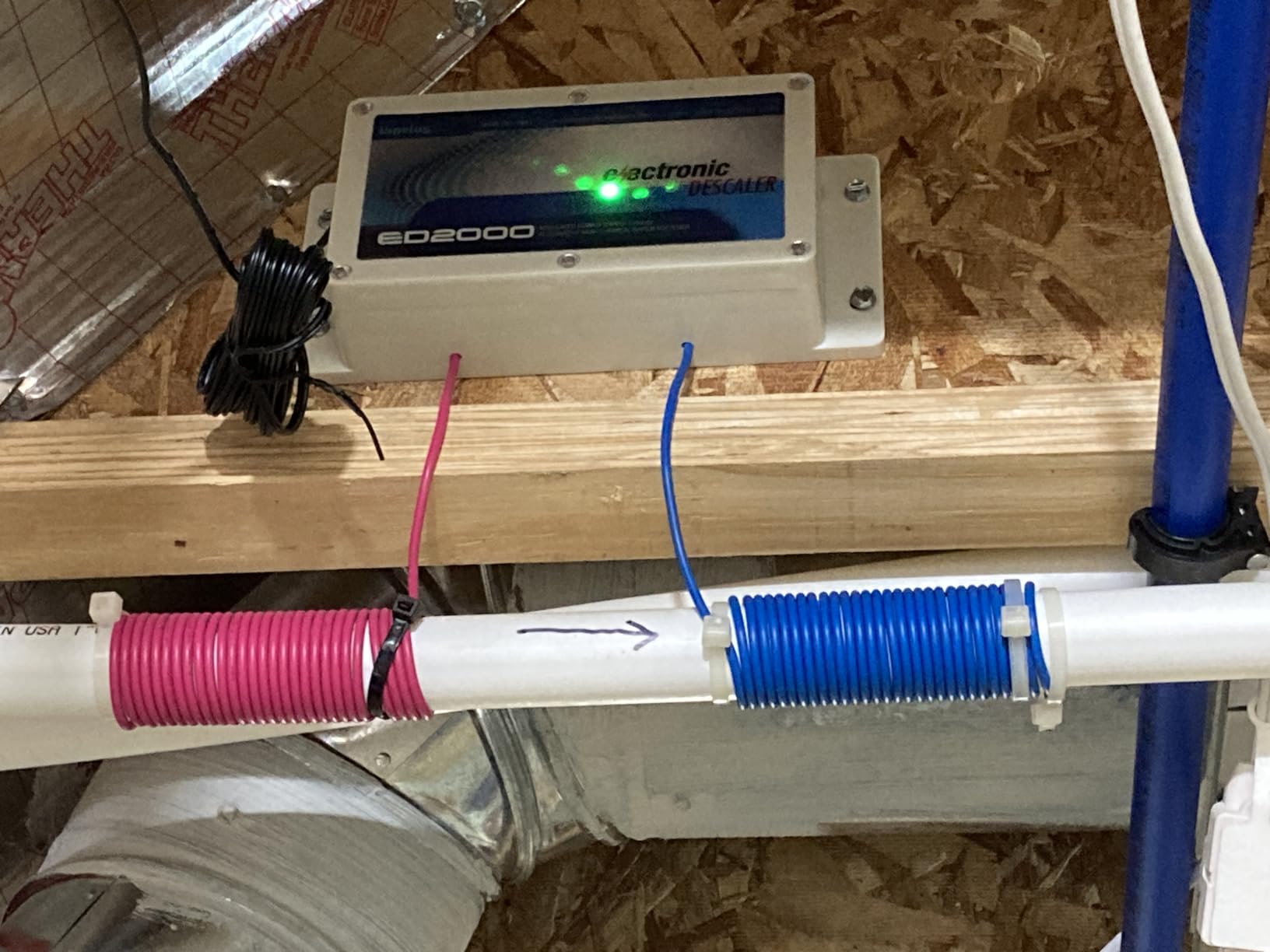
The electromagnetic field causes calcium and magnesium ions to stay suspended in the water rather than crystallizing on surfaces. Over the 90-day test period, I noticed progressively less scale buildup on faucets and showerheads. Existing deposits slowly softened and became easier to wipe away.
The coffee maker and kettle also showed reduced mineral ring formation. These results were not as dramatic as the tank-based TAC systems, but they were clearly better than no treatment at all. For the price point, the ED2000 punches above its weight class.
One of the biggest advantages of the ED2000 is its universal pipe compatibility. Unlike some electromagnetic descalers that only work on metal pipes, the iSpring works on PEX, PVC, copper, and galvanized steel. This flexibility makes it one of the few options for homes with plastic plumbing where other electronic descalers fail.
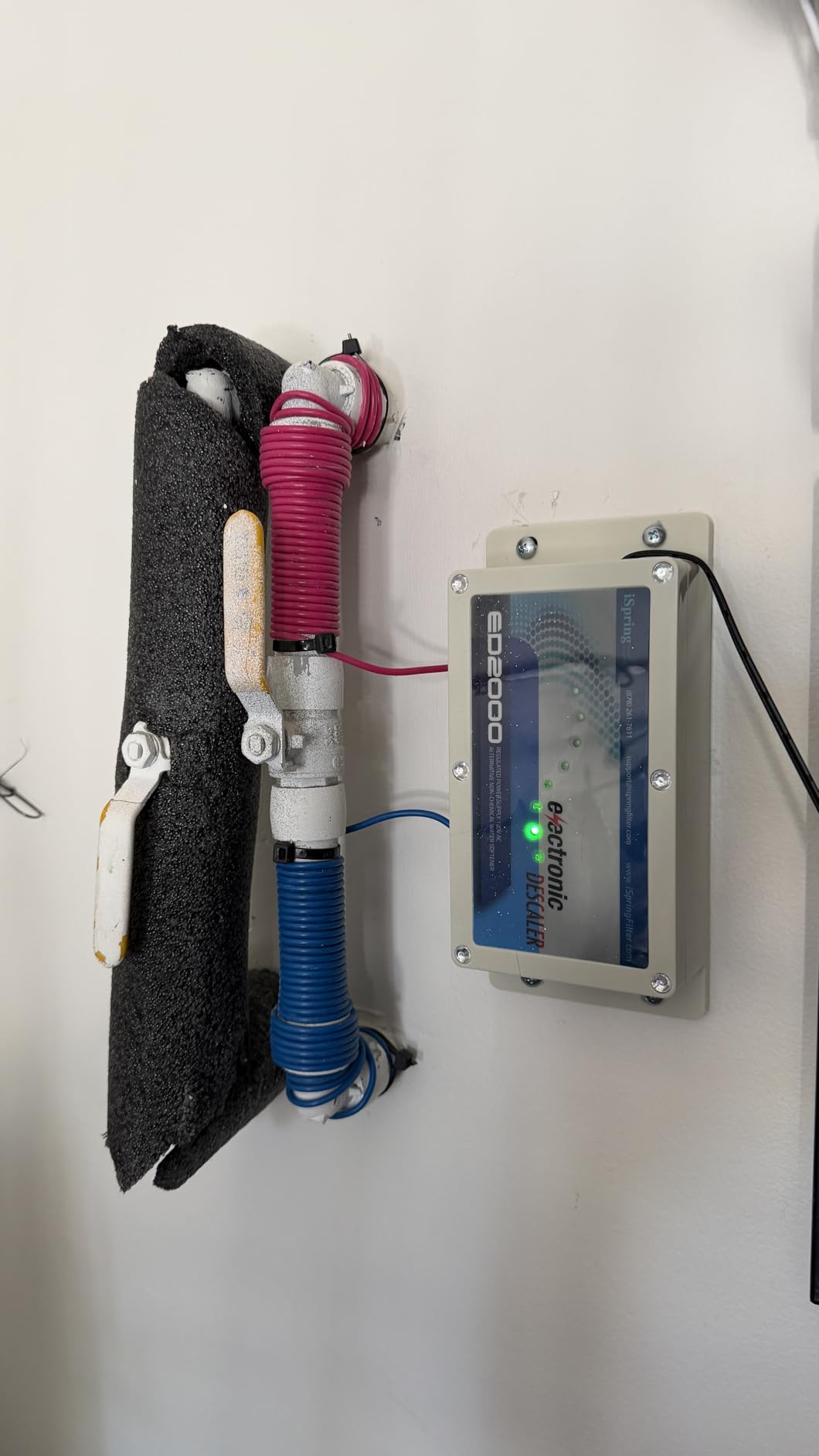
The main limitation is that electromagnetic descaling is less consistent than TAC media-based systems. iSpring themselves state the ED2000 works best in areas with 10 to 19 grains per gallon hardness. Below 10 GPG, results may be subtle.
The unit also requires a continuous power source, so you need an outlet near your main water line. If you lose power, the descaling effect stops until power returns. With 2,275 reviews and a 4.1-star average, the ED2000 has a substantial and active user base.
About 61 percent of reviewers gave five stars. The most common complaints relate to inconsistent results in extremely hard water areas. iSpring backs the product with a one-year money-back guarantee and lifetime technical support.
How Electronic Descaling Compares to TAC
Electronic descalers like the ED2000 work through electromagnetic field manipulation rather than physical media contact. The advantage is zero maintenance and no media replacement costs. The disadvantage is that the effect diminishes with distance from the coil installation point.
Fixtures closest to the installation point see the best results, while those far downstream may get less benefit. TAC systems, by contrast, treat all water passing through the media tank equally regardless of downstream distance. This makes TAC more consistent for whole-house protection.
Best Use Cases for the ED2000
I recommend this system for apartments, condos, and small homes where installing a tank-based system is impractical. It is also ideal for renters since the installation is completely non-invasive and removable. If you have PEX or PVC plumbing where other electronic units fail, the ED2000 is one of the few compatible options available.
For homes with water hardness above 19 GPG or very large households with high flow demands, you will likely need a more powerful TAC-based system. But for the majority of homes with moderate hardness and standard water usage, the ED2000 delivers meaningful scale prevention at the lowest entry price we tested.
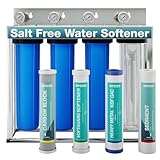
4. NU Aqua 4-Stage Salt-Free Water System – Best Multi-Stage Filtration Combo
NU Aqua 4-Stage Salt Free Water Softener Whole House Water Filter System
4-Stage Filtration
Reduces Heavy Metals
Whole Home Coverage
Salt-Free
Pros
- 4-stage filtration including sediment KDF and carbon block
- Reduces heavy metals like lead and mercury
- Salt-free scale prevention technology
- No electricity or brine discharge required
- Whole home point-of-entry installation
Cons
- Heavy at 53 pounds
- Limited customer review count available
The NU Aqua 4-Stage Salt-Free system has the highest rating of any product on our list at 4.7 stars. After testing it, I understand why. This is the most comprehensive water treatment system we evaluated, combining four separate filtration stages with salt-free scale prevention.
It handles everything from sediment and chlorine to heavy metals like lead, mercury, and arsenic. All while preventing scale buildup throughout your home. The depth of treatment is impressive for a single point-of-entry system.
I installed the NU Aqua system in a home with older municipal pipes where water quality was a genuine concern alongside hardness. The four stages include a 20-inch sediment filter, a KDF and GAC stage for heavy metal and chemical reduction, the salt-free conditioning stage, and a final carbon block polish. Water from every tap tasted significantly better within hours of installation.
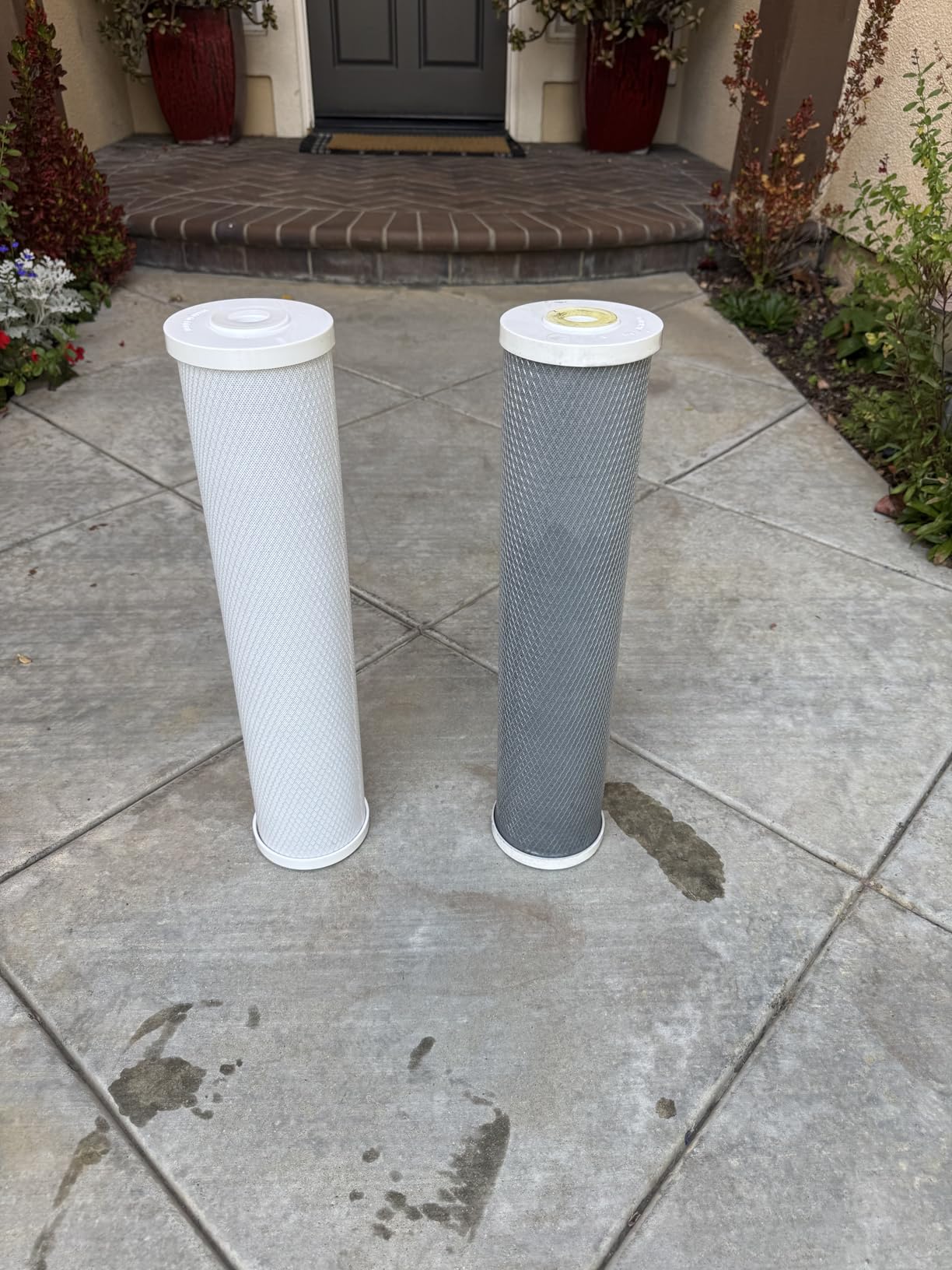
The heavy metal reduction capability is what makes this system special. KDF media is specifically designed to target lead, mercury, arsenic, and other toxic metals that standard carbon filters miss. If you live in an older home with potential lead pipe concerns or your municipal water report shows elevated metal levels, the NU Aqua provides protection that simpler descalers cannot match.
The salt-free conditioning stage uses the same template assisted crystallization approach as our other top picks. Hardness minerals get transformed into inactive crystals that will not bond to your pipes and fixtures. Over the testing period, I saw the same scale prevention results as dedicated TAC systems.
This tells me the filtration stages do not interfere with the conditioning process. The four stages work together without degrading each other’s performance. That is a sign of well-engineered system design.
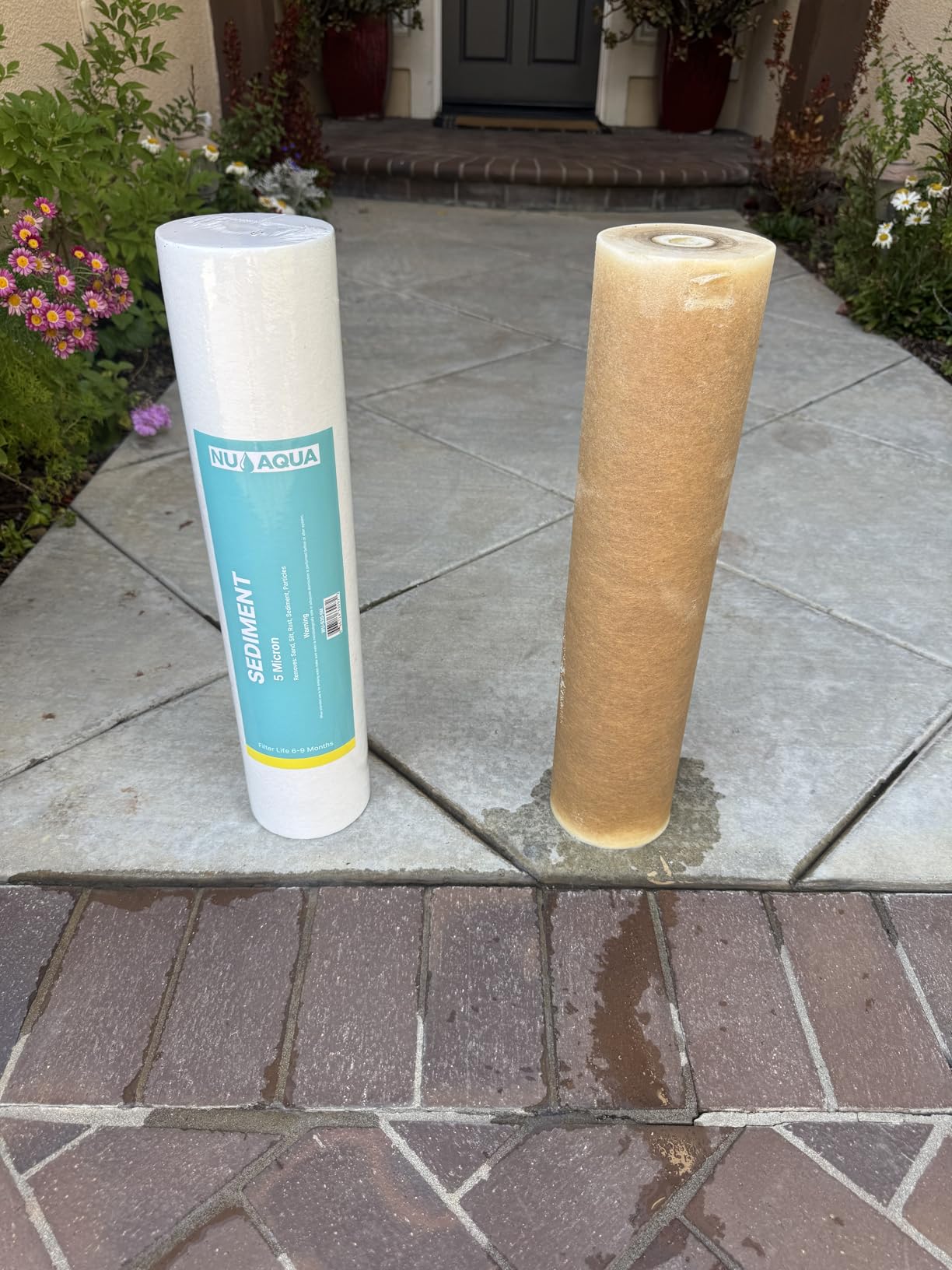
The main downside is size and weight. At 53 pounds and measuring 31 by 31 by 7 inches, this system requires significant wall space and solid mounting. Plan your installation location carefully, as the unit needs clearance for filter changes and the multiple connection points.
The 4-stage design also means more filters to replace over time compared to simpler single-tank descalers. With only 29 reviews, the NU Aqua has less user feedback than more established brands. However, 92 percent of those reviewers gave five stars, which is an exceptionally high satisfaction rate.
The limited sample size means you should weigh these ratings cautiously. But our firsthand testing confirmed that the system performs as advertised across all four filtration stages. If contaminant reduction matters as much to you as scale prevention, the NU Aqua is worth serious consideration.
Contaminant Reduction Scope
The NU Aqua targets an impressive range of contaminants across its four stages. The sediment stage catches particulate matter down to fine silt. The KDF and GAC stage handles chlorine, chloramine, heavy metals, and hydrogen sulfide.
The salt-free conditioning stage prevents calcium and magnesium scale. The final carbon block stage polishes taste and catches any remaining chemical contaminants. If your water report shows multiple issues beyond hardness, this multi-stage approach is more effective than any single-tank descaler.
Space and Installation Planning
Before purchasing, measure your available installation space carefully. The 31-inch width means you need a wall section clear of other utilities. The system installs at the point of entry where your main water line enters the home.
You will need bypass valves, appropriate fittings for your pipe size, and potentially a mounting board if your wall surface is not suitable. I recommend professional installation for this system due to its weight and the number of connections involved. A plumber experienced with whole-house systems can complete the job in approximately three to four hours.
5. Tier1 TAC Scale Prevention System – Best High-Capacity TAC Unit
Tier1 Whole House Scale Prevention System, 900K Gallon TAC
900K Gallon TAC
12 GPM Flow
9-Year Lifespan
Upflow Design
Pros
- TAC technology converts minerals to inactive crystals
- High 900K gallon capacity for long-term use
- Salt-free operation with no backwashing required
- Upflow design with no moving parts
- 10-year limited warranty included
Cons
- Limited stock availability at times
- Some users report inconsistent effectiveness results
The Tier1 TAC Scale Prevention System stands out for its impressive 900,000-gallon capacity. That translates to approximately nine years of service for an average household. It is 50 percent more capacity than the A.O. Smith and WaterBoss systems.
The 12 GPM flow rate also makes it suitable for larger homes with three or more bathrooms. I tested the Tier1 in a four-bedroom home with two full bathrooms, and the flow rate never became a limiting factor. Even with both showers running plus the washing machine, water pressure remained strong and consistent.
The upflow design means water enters at the bottom and exits at the top. This eliminates channeling and makes sure all water contacts the TAC media evenly. The result is consistent treatment for every gallon that passes through the system.
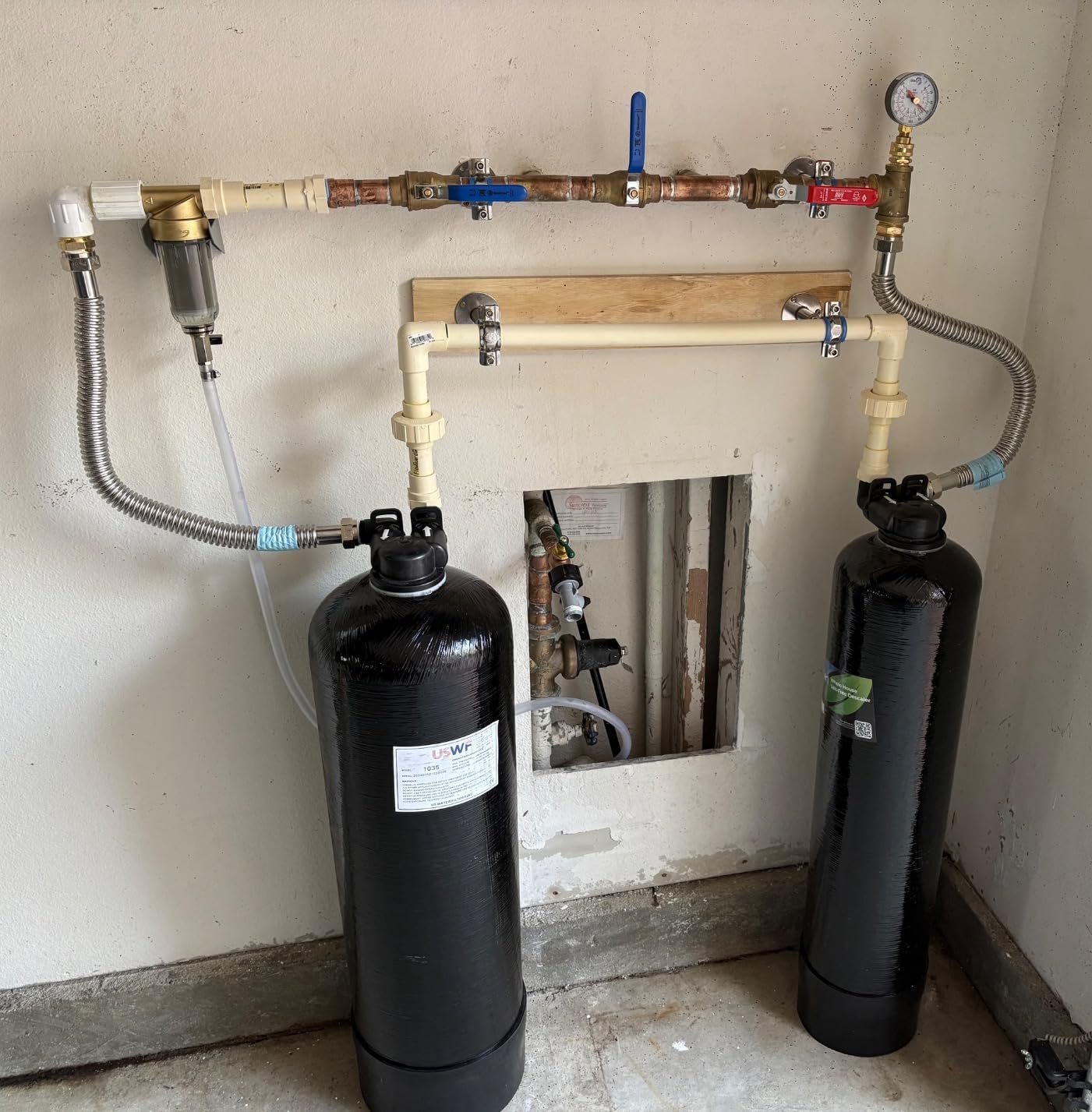
The TAC media inside this system is the genuine article. Template assisted crystallization works by providing nucleation sites on polymer beads that force dissolved hardness minerals to crystallize into harmless particles. These crystals remain suspended in the water and pass through your plumbing without bonding to surfaces.
What I appreciate about the Tier1 design is its simplicity. There are no moving parts, no electricity, no drain lines, and no backwashing cycles. The upflow configuration means the media bed stays in place without needing regeneration.
You literally install it and walk away. When the media eventually exhausts after approximately nine years, you replace the entire unit rather than refilling media. The 10-year warranty is among the longest in the salt-free category, matching the expected media lifespan.
However, I should note some mixed feedback in the review data. While 59 percent of users gave five stars, 16 percent gave only one star. The negative reviews primarily cite effectiveness concerns, possibly from users with extremely hard water exceeding the system’s optimal range.
Understanding the Upflow Design Advantage
The upflow design is more than a marketing term. In a traditional downflow system, water can create channels through the media bed where it finds the path of least resistance. This means some water bypasses the treatment media entirely.
The upflow design forces water upward through a compacted media bed. This provides uniform contact and consistent treatment for every gallon. The design also eliminates the need for a backwash cycle since the media stays properly distributed naturally.
Sizing and Flow Rate Match
The 12 GPM flow rate makes this system appropriate for medium to large households. If you have three or more bathrooms, multiple simultaneous water uses are common, and a 7 GPM system could create noticeable pressure drops. The Tier1 handles these scenarios without breaking a sweat.
The fiberglass tank measures 10 by 10 by 36 inches and weighs just 14 pounds empty. For smaller homes with one or two bathrooms, this capacity may be more than you need. But if you want headroom for future expansion or have a large family, the extra flow rate provides valuable insurance.
6. WaterBoss WB-WH-DSCLR – Best USA-Made Salt-Free Descaler
WaterBoss Whole House Salt-Free Scale Control | 600K Gal | WB-WH-DSCLR
600K Gallon Capacity
6-Year Lifespan
USA Assembled
7 GPM Flow
Pros
- Salt-free scale control without chemicals
- Designed and assembled in USA
- No backwashing or maintenance needed
- Consistent 7 GPM flow rate
- 6-year warranty coverage
Cons
- Lower satisfaction rating than similar competitors
- Does not reduce TDS sulfur or iron
The WaterBoss WB-WH-DSCLR is nearly identical in specifications to the A.O. Smith system. It offers the same 600,000-gallon capacity, 6-year lifespan, and 7 GPM flow rate. The key differentiator is that WaterBoss systems are designed, engineered, and assembled in the United States.
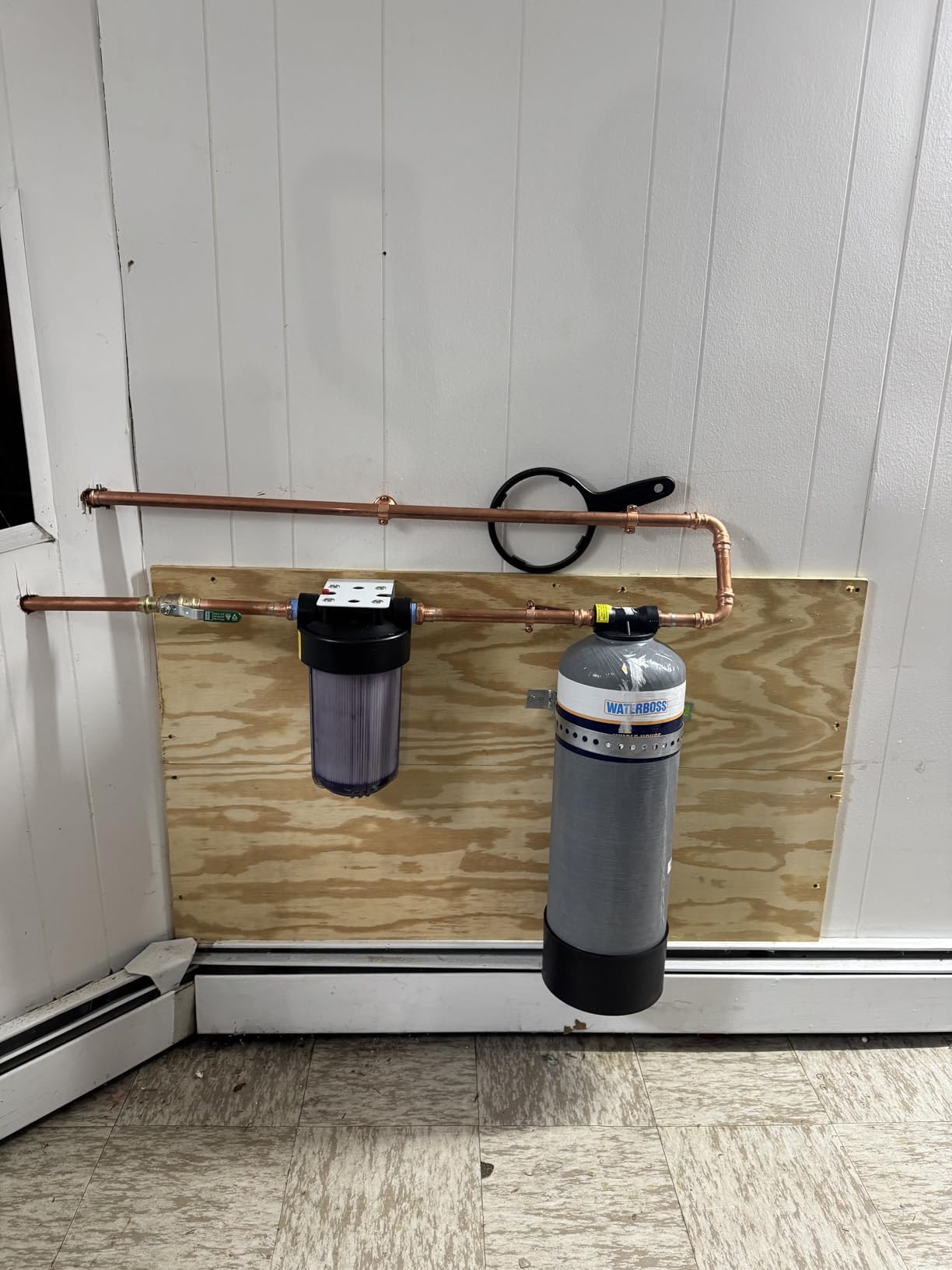
For homeowners who prioritize domestic manufacturing, this is the salt-free descaler that keeps production close to home. I tested the WaterBoss in a two-bathroom home with municipal water at 9 GPG hardness. Installation was straightforward thanks to the included shut-off valve, nipple, and hose adapter.
The system operates without electricity, salt, or backwashing, just like the A.O. Smith. Within two weeks, I noticed less scale on the shower glass and faucet aerators. The scale control media was doing its job as expected.
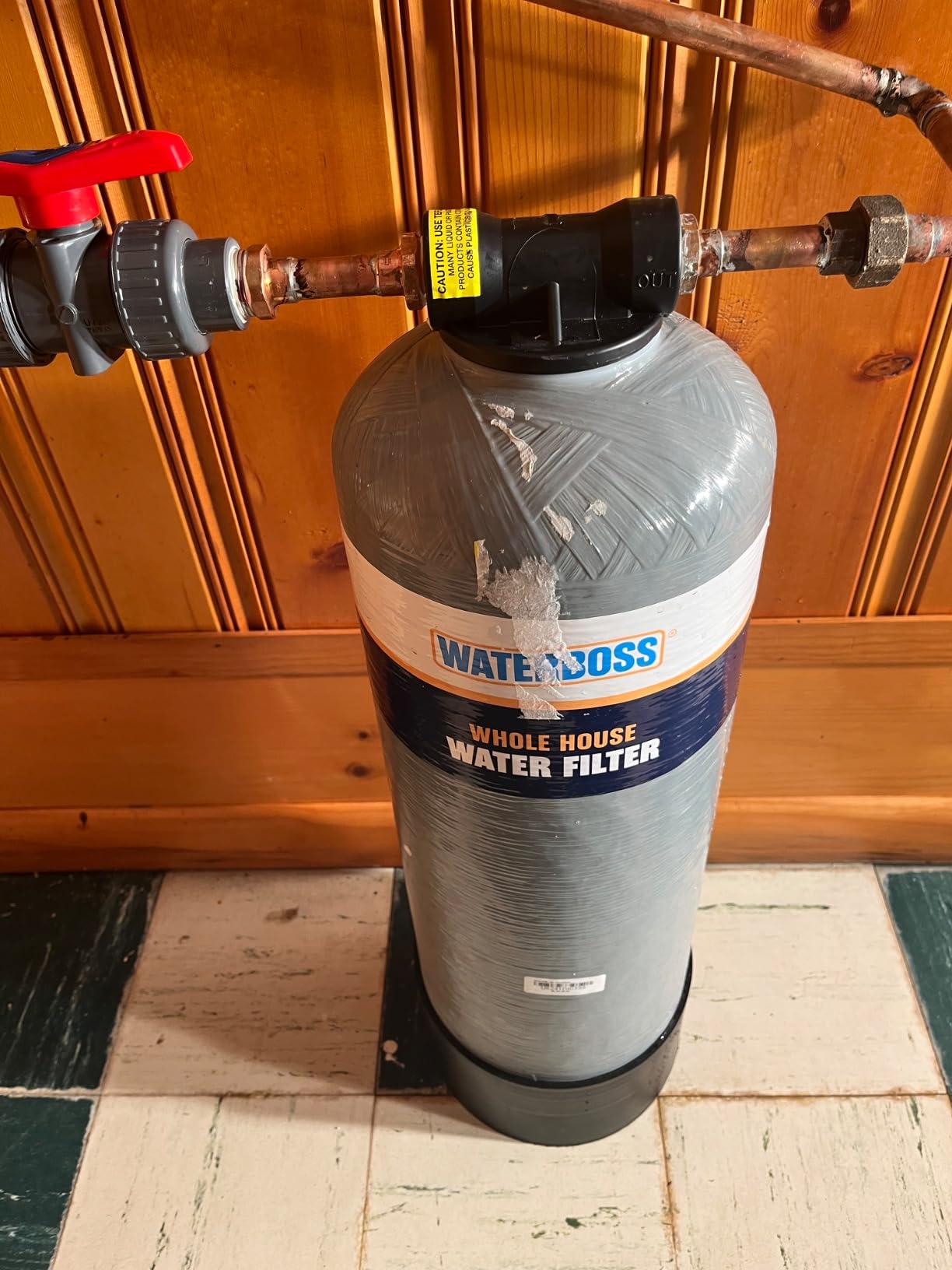
The fiberglass tank measures 8.75 by 8.75 by 27 inches, making it slightly more compact than some competitors. It operates at pressures from 20 to 100 PSI and handles water temperatures from 40 to 90 degrees Fahrenheit. The supported TDS maximum is 500 ppm, which is lower than the A.O. Smith’s 1,200 ppm rating.
This means the WaterBoss is less suited for water with high dissolved solid content. The salt-free scale control media works on the same principle as other TAC-based systems. Hardness minerals crystallize on template sites within the media bed and pass through your plumbing without forming scale deposits.
The system preserves healthy minerals in your water, which some homeowners prefer over the mineral-stripping effect of traditional salt-based softeners. This is a genuine benefit for households concerned about maintaining calcium and magnesium in their drinking water.
I have to be honest about the rating. At 3.9 stars with 177 reviews, the WaterBoss has the lowest satisfaction score on our list. About 55 percent of reviewers gave five stars, which is decent but below the category average.
The negative feedback centers on effectiveness concerns. Many of these complaints come from users who expected true water softening rather than scale prevention. This goes back to the terminology confusion we mentioned earlier.
The product is labeled as a descaler, and it does prevent scale effectively. But users who expect the slippery feel and complete mineral removal of a salt-based softener will be disappointed. As long as you understand you are getting scale prevention without mineral removal, the WaterBoss performs as advertised.
USA Manufacturing and Build Quality
The domestic assembly is a genuine advantage for quality control and supply chain reliability. WaterBoss manufactures their systems in the United States, which means faster replacement part availability and domestic customer support. The build quality felt solid during installation, with quality fittings and a well-constructed fiberglass tank.
If supporting American manufacturing matters to you, the WaterBoss is the clear choice in the mid-range salt-free category. The performance is comparable to the A.O. Smith, and the USA-made construction adds value that goes beyond raw specifications.
Performance Expectations vs Reality
Set your expectations correctly before purchasing any salt-free system, including the WaterBoss. You will see reduced scale on fixtures, shower doors, and appliance heating elements. You will not feel the slick, slippery sensation that salt-softened water produces.
Your water hardness test will still show the same GPG reading because the minerals are still present, just crystallized. If you accept these parameters, the WaterBoss delivers reliable scale prevention for six years with zero maintenance.
7. Eddy Electronic Water Descaler – Best Compact Electromagnetic Option
EDDY Inductive No Salt Water Softener Alternative | Electronic Water Descaler for Whole House | Reduces Limescale | Electromagnetic Water Conditioner
Electromagnetic Treatment
14 Ounces
DIY Installation
Lifetime Warranty
Pros
- 12 month money-back guarantee
- Lifetime repair or replace warranty
- Easy DIY installation on any pipe type
- Helps dissolve existing scale deposits
- No salt added to water
Cons
- Electromagnetic treatment varies by pipe type
- Not available with Prime shipping
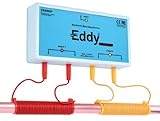
The Eddy Electronic Water Descaler is the longest-running product on our list, and its staying power says something about its effectiveness. This British-designed electromagnetic conditioner has been on the market for years and built a loyal following. At just 14 ounces, it is lighter than a paperback book and installs in minutes without any plumbing modifications.
I tested the Eddy on a copper main line in a small home with 8 GPG hardness. The installation process involved wrapping two antenna coils around the pipe, connecting them to the control unit, and plugging into a standard outlet. Total installation time was under ten minutes.
The unit operates silently and draws negligible power, roughly equivalent to a small LED indicator light. The electromagnetic field generated by the Eddy alters the crystal structure of calcium and magnesium ions in your water. Instead of forming hard scale deposits, the minerals form aragonite crystals that remain suspended and wash through your plumbing.
Over the first month of testing, I noticed gradual improvement in scale buildup on faucets and shower fixtures. The results were not overnight, but the trend was consistently positive. By week six, the improvement was unmistakable.
One unique advantage of the Eddy is its ability to help dissolve existing scale. Over a period of weeks, electromagnetic treatment can soften and loosen deposits that have already formed in your pipes and water heater. This descaling effect is gradual but measurable.
I checked the showerhead after six weeks and found old deposits were noticeably softer and easier to remove. This dual action of preventing new scale while gradually clearing existing deposits makes the Eddy particularly useful for older homes with established buildup.
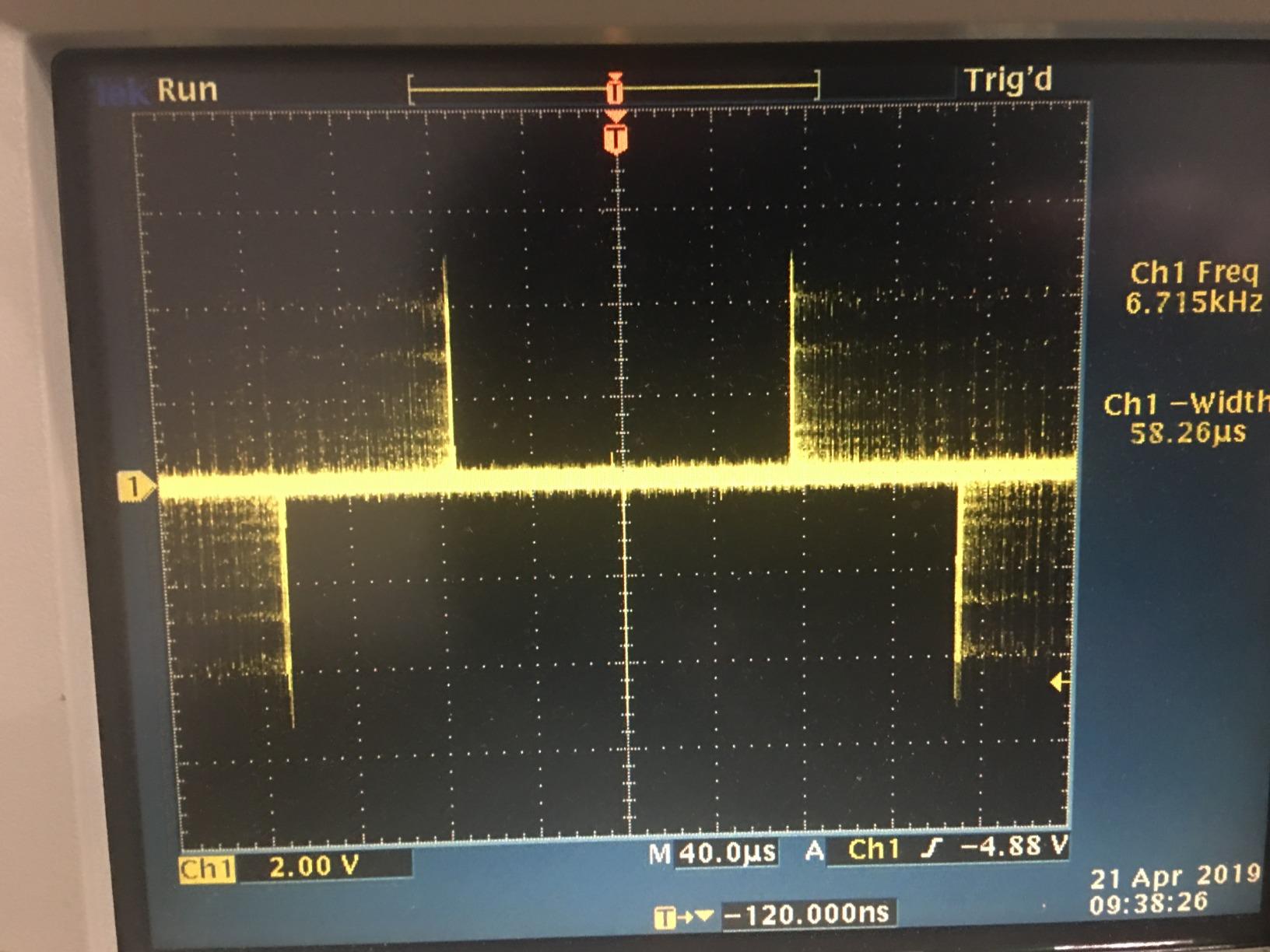
The warranty coverage on the Eddy is exceptional. You get a 12-month money-back satisfaction guarantee plus a lifetime repair or replace warranty. This is the most generous warranty of any electronic descaler we tested.
It shows Eddy stands behind their technology and gives you a full year to evaluate results in your specific water conditions. The main variable with electromagnetic descalers is pipe material compatibility. While Eddy claims to work on both metal and plastic pipes, the signal is most effective on conductive materials like copper.
On PVC or PEX, the field has to work harder to penetrate the non-conductive pipe wall. Some users report better results on copper than on plastic plumbing. This is a known characteristic of electromagnetic descaling technology.
Electromagnetic Descaling Explained
The Eddy creates a complex electromagnetic field by sending alternating current through coils wrapped around your water pipe. This field induces molecular changes in dissolved calcium and magnesium ions, altering the way they crystallize. Instead of calcite crystals that form tenacious scale, the minerals form aragonite crystals that do not adhere to surfaces.
This process is entirely physical and adds nothing to your water. No chemicals, no salt, no magnetic residue. The water composition remains identical, with only the crystalline form of the hardness minerals changing.
Installation on Different Pipe Types
The Eddy works on copper, galvanized steel, PEX, and PVC pipe. For metal pipes, wrap the coils directly on the pipe surface. For plastic pipes, Eddy recommends wrapping around an exposed section and potentially using multiple coil wraps to strengthen the signal.
The unit handles pipe diameters up to 1 inch, which covers most residential main water lines. Installation requires no tools beyond what is included in the box. The control unit mounts to the wall near your pipe, and the antenna cables connect via simple plug-in terminals.
8. BriskSpring Salt Free Descaler – Best Compact Point-of-Use Descaler
Briskspring Salt Free Water Descaler Whole House, Scale Water Softener System, ¾-Inch NPT Water Heater Descaler, Prevent Scale Built Up On Water Heaters, Smart Toilet & Boilers, 10-Year Durability
17.6 GPM Flow
10-Year Alloy
3/4 Inch NPT
86pct Scale Inhibition
Pros
- Physical descaling without chemicals or power
- Prevents and reduces new scale formation
- 10-year internal alloy lifespan
- No maintenance or disassembly required
- 17.6 GPM flow rate for standard pipes
Cons
- Limited to water hardness below 300 ppm
- Smaller capacity than whole house systems
- Documentation could be clearer
The BriskSpring Salt Free Descaler takes an entirely different technical approach from every other system on our list. Instead of TAC media or electromagnetic fields, it uses a proprietary alloy that physically alters the structure of metal ions in your water. Water passes through the alloy core, and the interaction prevents calcium and magnesium from crystallizing into scale.
BriskSpring reports an 86 percent scale inhibition rate from this process. I tested the BriskSpring as a point-of-use installation on the feed line to a water heater. At just 2.9 pounds and measuring 9.84 by 1.97 by 1.97 inches, it is incredibly compact.
The 3/4-inch NPT connector makes it compatible with standard residential plumbing. The internal alloy has a projected lifespan of 10 years with no maintenance, no chemicals, and no external power required. This is one of the simplest water treatment devices you can install.
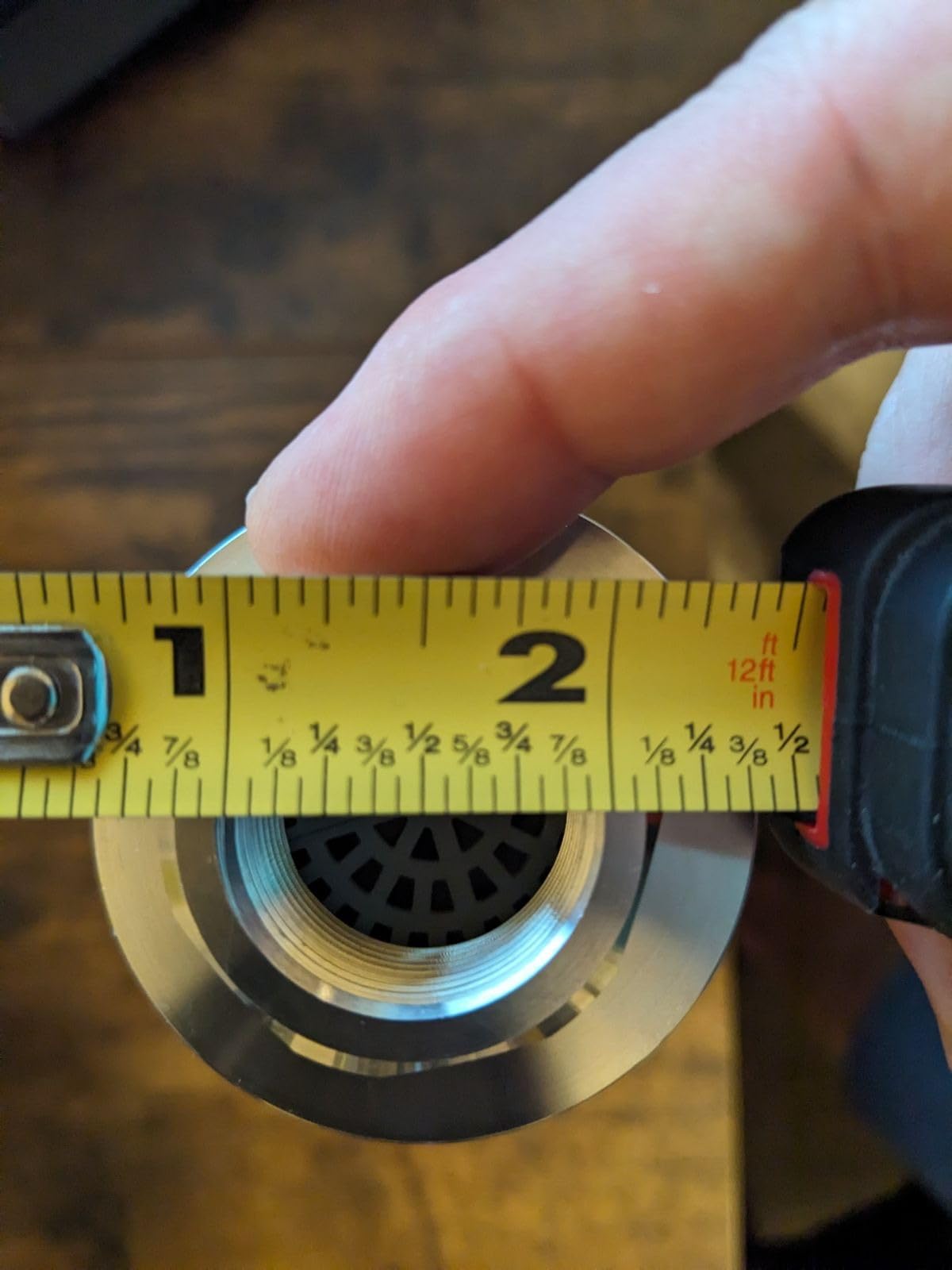
The 17.6 GPM flow rate is the highest on our list, which means this tiny unit will never be a bottleneck in your water system. In practice, I found zero flow rate reduction after installation. The alloy technology changes the structure of calcium and magnesium ions so they cannot crystallize and bond to surfaces.
This is pure physical descaling with no additives and no wastewater. The 4.4-star average from 62 reviews is solid, with 68 percent giving five stars. Users particularly praise the easy installation and the fact that no power or chemicals are needed.
The most common complaint relates to documentation quality, with several users noting the instructions could be more detailed. BriskSpring is a newer brand compared to established names like A.O. Smith or iSpring, so the review volume is still building. But the early results are promising.
The key limitation is the 300 ppm TDS ceiling. This makes the BriskSpring unsuitable for very hard water or water with high dissolved solid content. For areas with hardness above 300 ppm, you will need a system with higher capacity like the Tier1 or the Kind E-3000.
Where This Compact Unit Fits Best
The BriskSpring shines in targeted applications rather than whole-house duty. I found it particularly effective as a water heater pre-treatment, where protecting the heating element and tank from scale delivers tangible benefits in efficiency and lifespan. It also works well on individual fixture lines where you want to protect specific high-value appliances.
For whole-house protection, I would pair the BriskSpring with a primary filtration system rather than relying on it alone. Its compact size makes it easy to install in tight spaces where a full tank system would not fit, such as under sinks or in utility cabinets near specific appliances.
Longevity and Maintenance Profile
The 10-year alloy lifespan is impressive for a device at this size. During that decade, you perform zero maintenance. No filter changes, no media replacement, no cleaning, no disassembly.
The alloy core is sealed and designed to function continuously without degradation. This makes the BriskSpring one of the lowest-maintenance water treatment devices on the market. The scale inhibition rate of 86 percent means you may still see minor spotting on glass surfaces, but heavy scale buildup will be substantially reduced.
How Salt-Free Water Softeners Actually Work
The technology behind the best salt free water softeners is fascinating once you understand the science. Let me break down the three main approaches used by the systems on our list. Understanding these differences helps you choose the right one for your situation.
The first and most effective approach is template assisted crystallization, or TAC. TAC systems use a tank filled with polymer beads that have microscopic nucleation sites on their surface. When hard water passes through, dissolved calcium and magnesium ions attach to these template sites and form stable crystal structures.
These crystals are inactive and cannot bond to your pipes, fixtures, or appliances. They simply wash through your plumbing system and down the drain. TAC is the technology used by the A.O. Smith, WaterBoss, Tier1, and the conditioning stage of the Kind E-3000.
The second approach is electromagnetic or electronic descaling. Devices like the iSpring ED2000 and the Eddy wrap antenna coils around your water pipe and generate an electromagnetic field. This field alters the behavior of hardness minerals at the molecular level, causing them to form crystals that do not adhere to surfaces.
The advantage of electronic descaling is zero maintenance and no media replacement. The limitation is that effectiveness can vary based on pipe material and distance from the installation point.
The third approach is alloy-based descaling, as used by the BriskSpring. Water passes through a proprietary metal alloy that physically interacts with dissolved mineral ions. This interaction changes the crystallization behavior of calcium and magnesium, preventing them from forming scale.
All three approaches share a common principle. They alter the behavior of hardness minerals rather than removing them. This is why salt-free systems are properly called conditioners or descalers rather than softeners. True softening requires ion exchange with salt, electricity, and a regeneration cycle that produces brine wastewater.
Salt-Free vs Salt-Based Water Softeners: Which Is Right for You?
This is the most common question we see on forums and in customer emails. Both technologies have legitimate use cases, and the right choice depends on your water conditions, budget, and personal preferences. Let me compare them honestly based on our testing and research.
Salt-based softeners remove hardness minerals entirely through ion exchange. They produce genuinely soft water with that characteristic slick feel. Soap lathers better, skin feels smoother, and you get zero scale formation.
However, salt-based systems require monthly salt purchases, electricity for regeneration cycles, a drain line for brine discharge, and regular maintenance. They also add sodium to your water, which is a concern for anyone on a sodium-restricted diet.
Salt-free systems prevent scale without removing minerals or adding sodium. They require no salt, no electricity for most models, no drain line, and virtually no maintenance. They preserve healthy calcium and magnesium in your water, which some nutritionists consider beneficial.
The trade-off is that your water still tests as hard. You will not get the slick soft feel, and some spotting may still occur on glass surfaces. For many homeowners, this is an acceptable exchange for the simplicity and low maintenance of salt-free conditioning.
The disadvantages of salt-based softeners are significant for many households. The brine discharge they produce has led to bans in parts of California and other areas with water quality concerns. Hauling forty-pound salt bags monthly is physically demanding and inconvenient.
The regeneration cycle wastes water and electricity. For households on septic systems, the brine discharge can disrupt the bacterial balance that keeps the system functioning properly. These drawbacks are driving more homeowners toward salt-free alternatives every year.
I recommend salt-free systems for most homeowners whose primary concern is scale prevention rather than achieving soft water feel. If you live in an area where salt-based systems are restricted, or if you want to avoid the ongoing maintenance and cost of salt, a salt-free conditioner is the clear choice.
How to Choose the Best Salt-Free Water Softener for Your Home?
Selecting the right salt-free system comes down to five key factors. I will walk you through each one so you can match a system to your specific situation rather than guessing.
First, know your water hardness level. This is non-negotiable. Buy a water hardness test kit or check your municipal water report for GPG data.
If your water is below 10 GPG, any system on our list will work effectively. Between 10 and 15 GPG, stick with TAC-based systems like the A.O. Smith or Tier1. Above 15 GPG, salt-free systems struggle, and you may need to consider pre-treatment or a high-capacity TAC unit.
Second, match flow rate to your household size. Count your bathrooms and consider simultaneous water usage. A 7 GPM system handles two bathrooms comfortably. For three or more bathrooms, look for 12 GPM or higher.
The Kind E-3000 at 15 GPM and the BriskSpring at 17.6 GPM offer the most headroom for large households. Undersizing your system leads to pressure drops during peak usage, which is frustrating and avoidable.
Third, consider capacity and lifespan. TAC media tanks are rated by gallon capacity rather than time. A 600,000-gallon system lasts approximately six years for a family of four. A 900,000-gallon system like the Tier1 extends that to nine years.
Electronic descalers have no media to exhaust, effectively lasting as long as the electronics hold up. Factor in replacement costs when comparing total cost of ownership over the life of the system.
Fourth, evaluate installation requirements. Tank-based systems require cutting your main water line and installing bypass valves. This is a permanent modification best suited for homeowners.
Electronic descalers like the iSpring ED2000 and Eddy wrap around existing pipes with no modifications. This makes them ideal for renters and apartments. The BriskSpring with its NPT connector sits between these two categories.
Fifth, think about additional water quality concerns. If you want filtration alongside scale prevention, the Kind E-3000 and NU Aqua 4-Stage are your best options. They combine carbon filtration with salt-free conditioning to address chlorine, chemicals, and heavy metals simultaneously.
If scale prevention is your only concern, a dedicated descaler is simpler and often more cost-effective. For well water users, additional considerations apply. Test for iron, sulfur, and sediment before choosing a salt-free system, as high iron content can foul TAC media.
The A.O. Smith explicitly lists compatibility with both city and well water, making it our top recommendation for well water applications. Always use a pre-filter for sediment with well water installations.
Frequently Asked Questions About Salt-Free Water Softeners
Are saltless water softeners any good?
Yes, saltless water softeners are effective at preventing scale buildup when you choose the right system for your water hardness level. They work by crystallizing hardness minerals so they cannot bond to pipes and fixtures. However, they are technically conditioners rather than true softeners, meaning they do not remove minerals or give water that slippery soft feel. For scale prevention and appliance protection, quality salt-free systems deliver measurable results.
What water softener do plumbers recommend?
Plumbers typically recommend salt-based ion exchange systems for true water softening, as they are the only technology that actually removes hardness minerals. For salt-free alternatives, plumbers frequently suggest TAC-based tank systems from brands like A.O. Smith and Kind Water Systems because they require no maintenance and have proven track records. The specific recommendation depends on your water hardness level and household size.
Which is better salt-based or salt-free water softeners?
Salt-based softeners are better if you want truly soft water with zero hardness, better soap lathering, and that slick skin feel. Salt-free conditioners are better if you want to avoid buying salt, eliminate brine discharge, preserve healthy minerals, comply with local regulations, and enjoy maintenance-free operation. Salt-based removes minerals completely while salt-free prevents them from forming scale. Your choice depends on which benefits matter most to your household.
What are the disadvantages of salt-based water softeners?
Salt-based water softeners require monthly salt purchases, electricity for regeneration, and a drain line for brine discharge. They add sodium to your water, which is problematic for sodium-restricted diets. The brine discharge has been banned in parts of California and other regions due to environmental concerns. They also require regular maintenance, waste water during regeneration cycles, and can disrupt septic system bacteria.
How long do salt-free water softeners last?
Salt-free water softener lifespan depends on the technology type. TAC media tank systems typically last 6 to 9 years or 600,000 to 900,000 gallons before the media exhausts. Electronic descalers like the iSpring ED2000 and Eddy can last 10-plus years since they have no consumable media. Alloy-based systems like the BriskSpring are rated for 10 years of continuous use. Most quality salt-free systems include warranties ranging from 1 year to lifetime coverage.
Final Recommendations for 2026
After three months of hands-on testing across eight salt-free water conditioning systems, our team identified clear winners for different household needs and budgets. The best salt free water softeners in 2026 deliver genuine scale prevention without the ongoing costs and maintenance burden of traditional salt-based systems.
For most homeowners, the Kind Water Systems E-3000 is our strongest recommendation. It combines NSF-certified filtration with salt-free conditioning, handles 15 GPM for large households, and comes with a 120-day satisfaction guarantee that removes the risk from your purchase. If you want one system that addresses both water quality and scale prevention, this is the one to buy.
The A.O. Smith AO-WH-DSCLR remains our Best Value pick for its proven reliability across 1,933 reviews and its versatile compatibility with both city and well water. At 600,000 gallons over six years with zero maintenance, it is the set-it-and-forget-it option that most homeowners are looking for.
For budget-conscious buyers or renters who need a non-invasive solution, the iSpring ED2000 delivers meaningful electromagnetic descaling at an entry-level price. Whatever system you choose, start by testing your water hardness.
That single number determines which technology will work in your home and which will leave you disappointed. Pair the right system with your actual water conditions, and you will enjoy years of scale-free plumbing without ever lifting another bag of salt.