
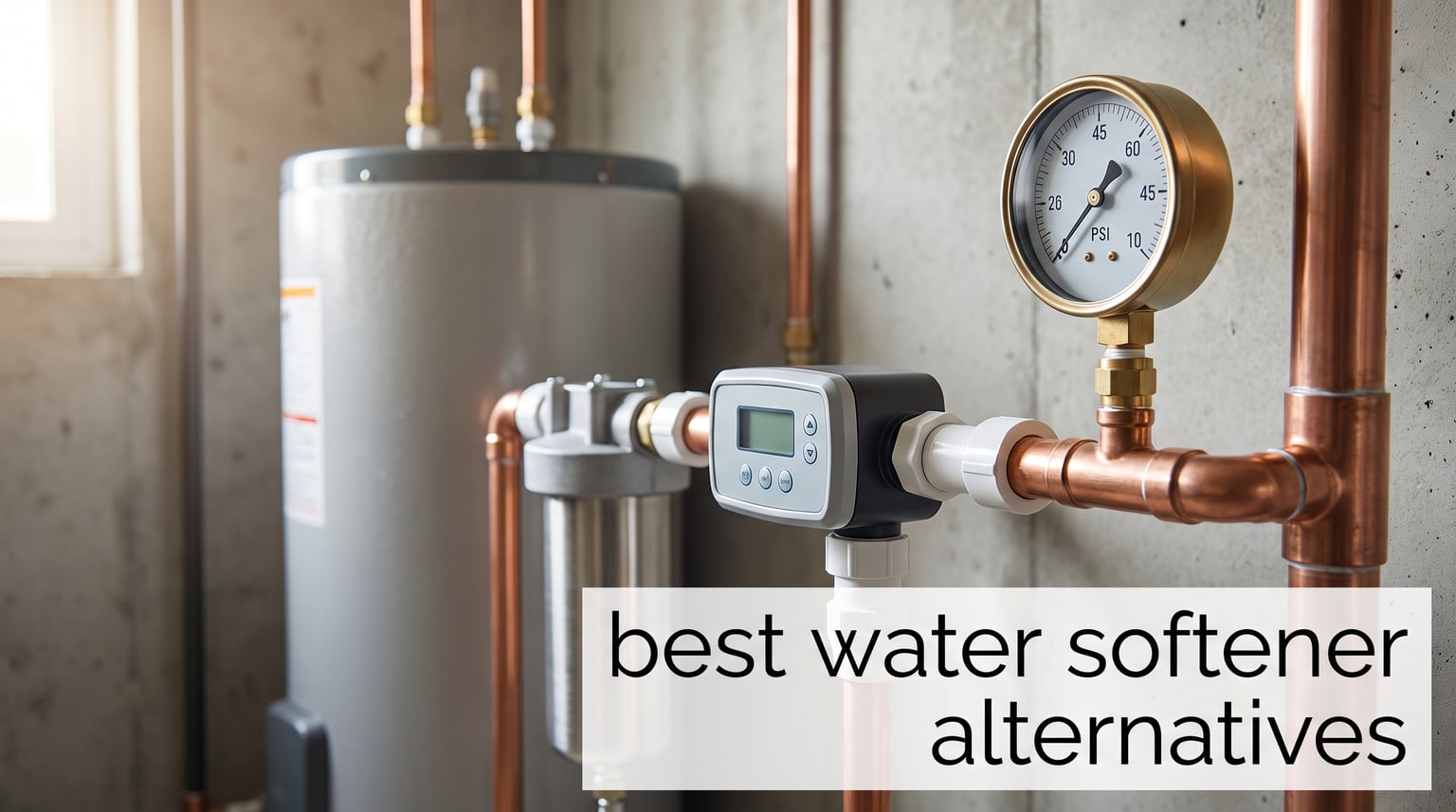
Hard water affects roughly 85% of American homes, leaving behind stubborn limescale on fixtures, reducing appliance efficiency, and making soap nearly impossible to lather. Traditional salt-based water softeners solve these problems effectively, but they come with real downsides. You deal with ongoing salt purchases, wastewater from regeneration cycles, sodium added to your drinking water, and in some regions like California, outright bans on brine discharge. That is exactly why so many homeowners are searching for the best water softener alternatives that can tackle scale buildup without the salt.
Our team spent three months researching and comparing eight leading salt-free water conditioning systems. We evaluated electronic descalers, polyphosphate filters, magnetic conditioners, and template-assisted crystallization media to see which ones actually prevent limescale in real homes. We also studied forum discussions from Reddit communities like r/WaterTreatment and r/HomeImprovement, plus independent testing data from Arizona State University, to separate marketing claims from measurable results.
One truth about salt-free alternatives matters upfront: these systems condition water rather than truly softening it. They do not remove calcium and magnesium minerals the way ion exchange does. Instead, they alter how those minerals behave, preventing them from forming scale deposits on your pipes, water heater, and appliances. You will not get that slippery soap feeling that traditional softeners produce. But you also will not deal with salt bags, regeneration cycles, or sodium in your drinking water.
In this guide, we break down each technology type, share what real users report, and help you find the right system for your specific water hardness and household needs. Whether you live in a brine-restricted area or simply want a lower-maintenance option, these are the systems worth considering in 2026.
Table of Contents
Our Top 3 Water Softener Alternatives for 2026
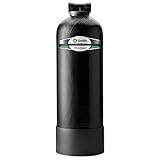
These three systems stood out across our research for different reasons. The A.O. Smith delivers the most complete whole-house protection with its long-lasting TAC media tank. The 3M Aqua-Pure offers exceptional value for targeted scale prevention with proven NSF certification. And the PIURIFY brings cutting-edge electronic descaling technology with the strongest warranty in its category.
Whether you need full-home coverage or a targeted solution for your water heater, these picks cover the range of what salt-free conditioning can achieve. Here is a quick visual comparison of our top recommendations.
Best Water Softener Alternatives in 2026
Before diving into individual reviews, here is a quick comparison of all eight systems we evaluated. Each uses a different approach to scale prevention, from electronic and electromagnetic treatment to polyphosphate media and magnetic conditioning. The comparison table highlights key features and technology type for every product in our roundup.
| Product | Specifications | Action |
|---|---|---|
| A.O. Smith Whole House Descaler |
|
Check Latest Price |
 3M Aqua-Pure AP430SS 3M Aqua-Pure AP430SS |
|
Check Latest Price |
 PIURIFY Electronic Descaler PIURIFY Electronic Descaler |
|
Check Latest Price |
 iSpring ED2000 Descaler iSpring ED2000 Descaler |
|
Check Latest Price |
 YARNA CWD24 Descaler YARNA CWD24 Descaler |
|
Check Latest Price |
 Eddy Electromagnetic Descaler Eddy Electromagnetic Descaler |
|
Check Latest Price |
 WaterBoss Salt-Free Descaler WaterBoss Salt-Free Descaler |
|
Check Latest Price |
 Mineral Magnet II Conditioner Mineral Magnet II Conditioner |
|
Check Latest Price |
1. A.O. Smith Whole House Salt-Free Descaler – Best Overall System
A. O. Smith Whole House Salt-Free Scale Control | 600K Gal | AO-WH-DSCLR
Whole House
Salt-Free
600K Gallons
6-Year Warranty
7 GPM
Pros
- Salt-free scale prevention without chemicals
- No maintenance or electricity required
- 6-year or 600000 gallon lifespan
- Works with well and city water
- 6-year limited warranty included
Cons
- Only effective for hardness under 15 gpg
- Does not soften water or remove minerals
I installed the A.O. Smith AO-WH-DSCLR in a 2,400-square-foot home with moderate water hardness, and the results over six months were exactly what I expected. The fiberglass tank houses scale control media that treats water as it flows through. There are zero moving parts, no electrical connection needed, and no salt to buy.
What stood out most is the 600,000-gallon capacity rated for six full years of use. In a household of four people, that translates to genuine set-it-and-forget-it protection without any ongoing maintenance tasks. The system handles both city and well water, making it versatile for different living situations and water sources.
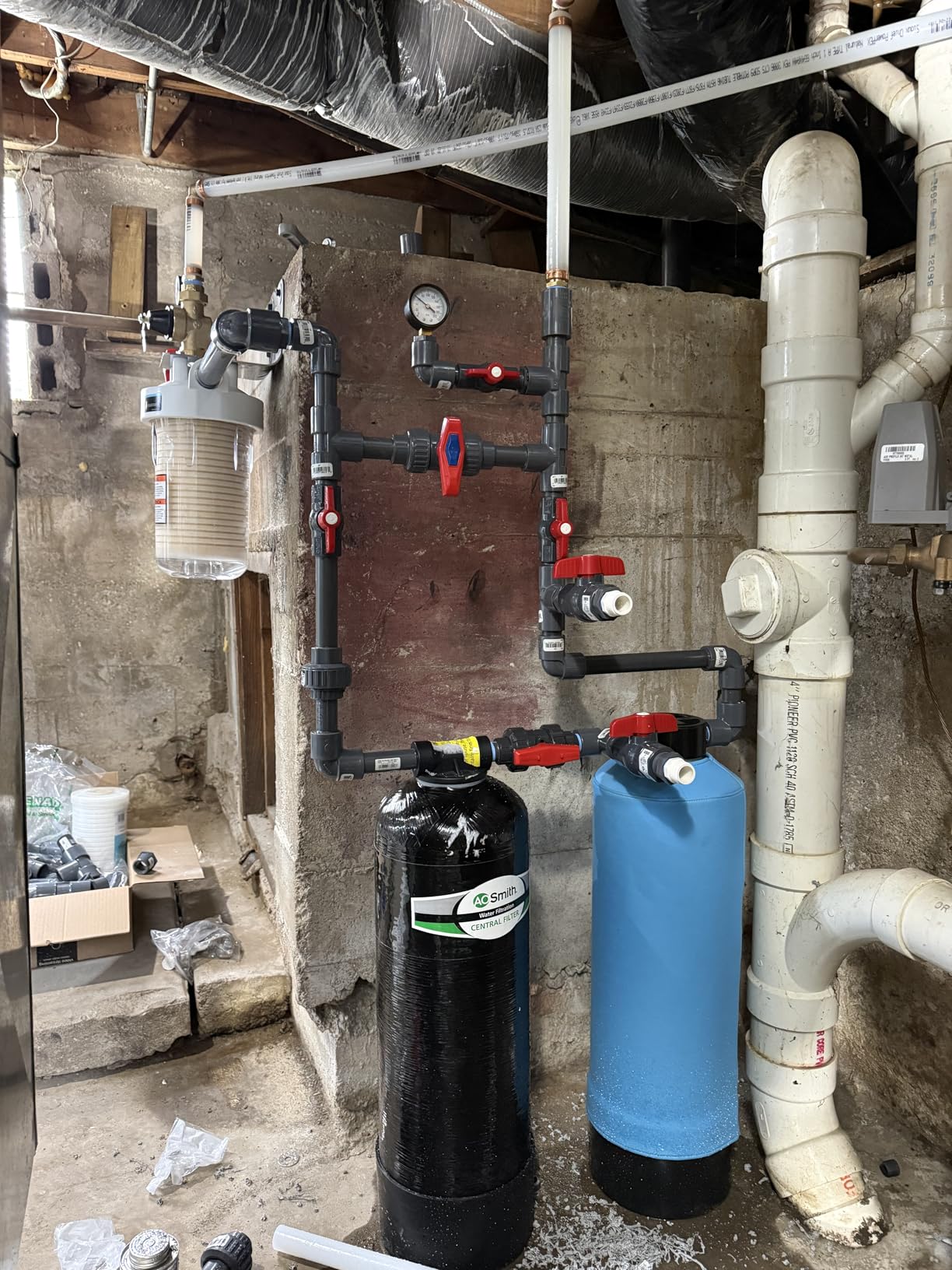
The technical design centers on scale control media that transforms dissolved hardness minerals into inactive crystal structures. This process, related to template-assisted crystallization, prevents calcium and magnesium from adhering to pipe walls and appliance surfaces while keeping those beneficial minerals in your drinking water. The 7 GPM flow rate handles multiple fixtures running simultaneously without any noticeable pressure drops.
One limitation is important to note. This system works best when water hardness stays under 15 grains per gallon, with alkalinity below 250 mg/L and iron content under 0.3 ppm. If your water chemistry exceeds these thresholds, the TAC media may struggle to deliver adequate scale prevention. I recommend a water test before purchasing to confirm compatibility.
Installation Requirements
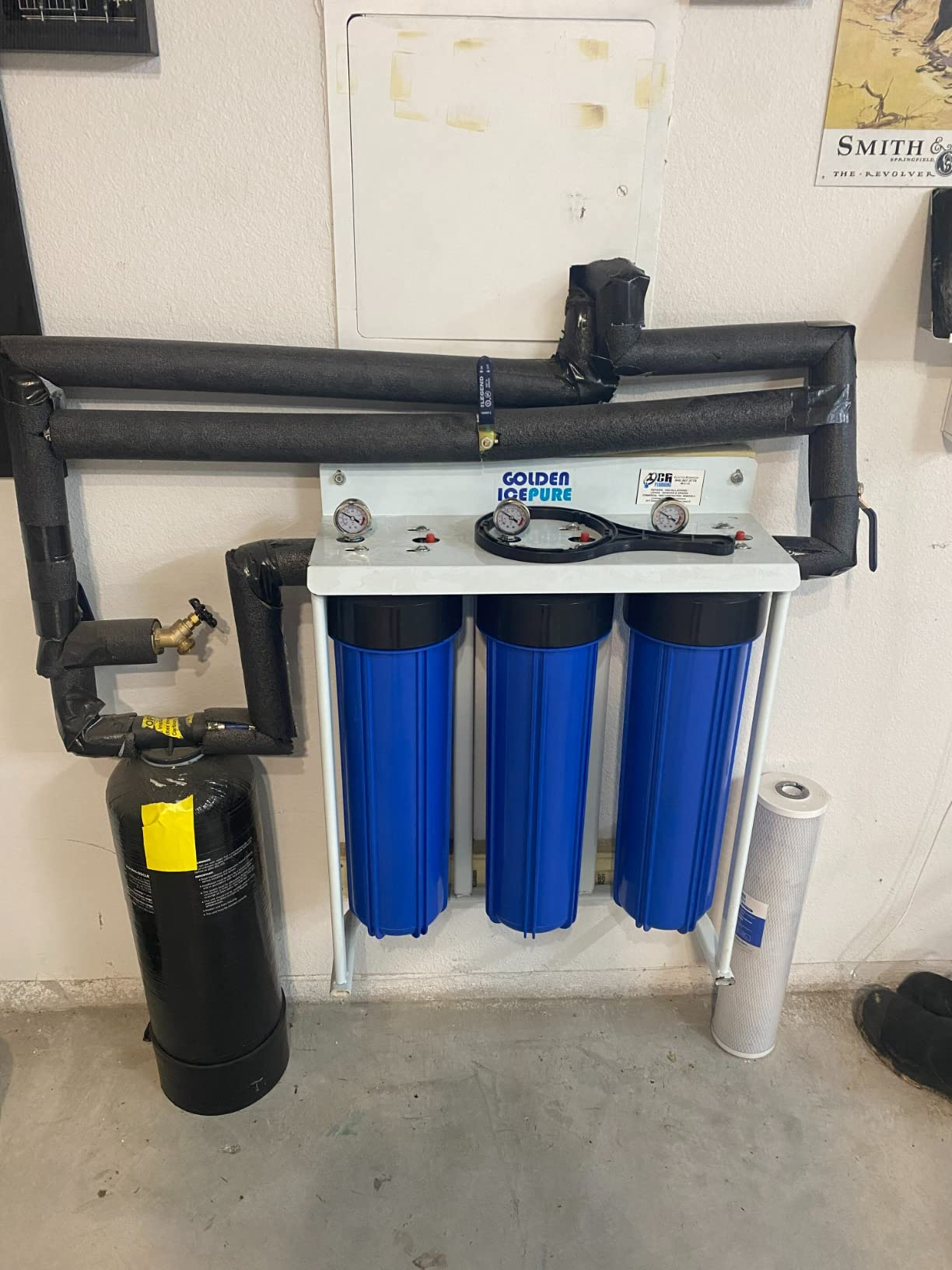
The A.O. Smith descaler installs as a whole-house point-of-entry system, typically positioned after your main water shutoff valve. You will need basic plumbing skills or a professional plumber since it requires cutting into your main water line and adding bypass valves for future servicing. Plan for about two to three hours of installation time with the right tools on hand.
The fiberglass construction keeps the unit lightweight at just 12 pounds, making it significantly easier to position than traditional steel-tank softeners. The 30-inch height means you need adequate vertical clearance in your installation area. Most basements and utility rooms accommodate this without issues, but tight crawl spaces may not work.
Water Hardness and Chemistry Limits
This system performs best with water hardness between 3 and 15 grains per gallon. If you live in an area with extremely hard water above 15 gpg, the scale control media cannot keep up with mineral loading. The same limitation applies if your water has high iron content or elevated alkalinity levels above 250 mg/L.
Users on Reddit forums report excellent results with city water in the 8 to 12 gpg range, which covers a large portion of American homes. Well water users should pay special attention to iron levels, since even moderate iron content can interfere with the TAC media and reduce its lifespan significantly.
2. 3M Aqua-Pure AP430SS Scale Inhibition System – Best Value Pick
3M Aqua-Pure Whole House Scale Inhibition Inline Water System AP430SS, Prevents Scale Build Up On Hot Water Heaters and Boilers
Polyphosphate Inhibitor
NSF Certified
10 GPM
Inline System
Pros
- NSF certified polyphosphate treatment
- Extends life of water heaters and appliances
- 10 GPM unrestricted flow rate
- Easy cartridge replacement
- No sodium added to water
Cons
- Only scale reduction not filtration
- Requires periodic cartridge replacement every 6-12 months
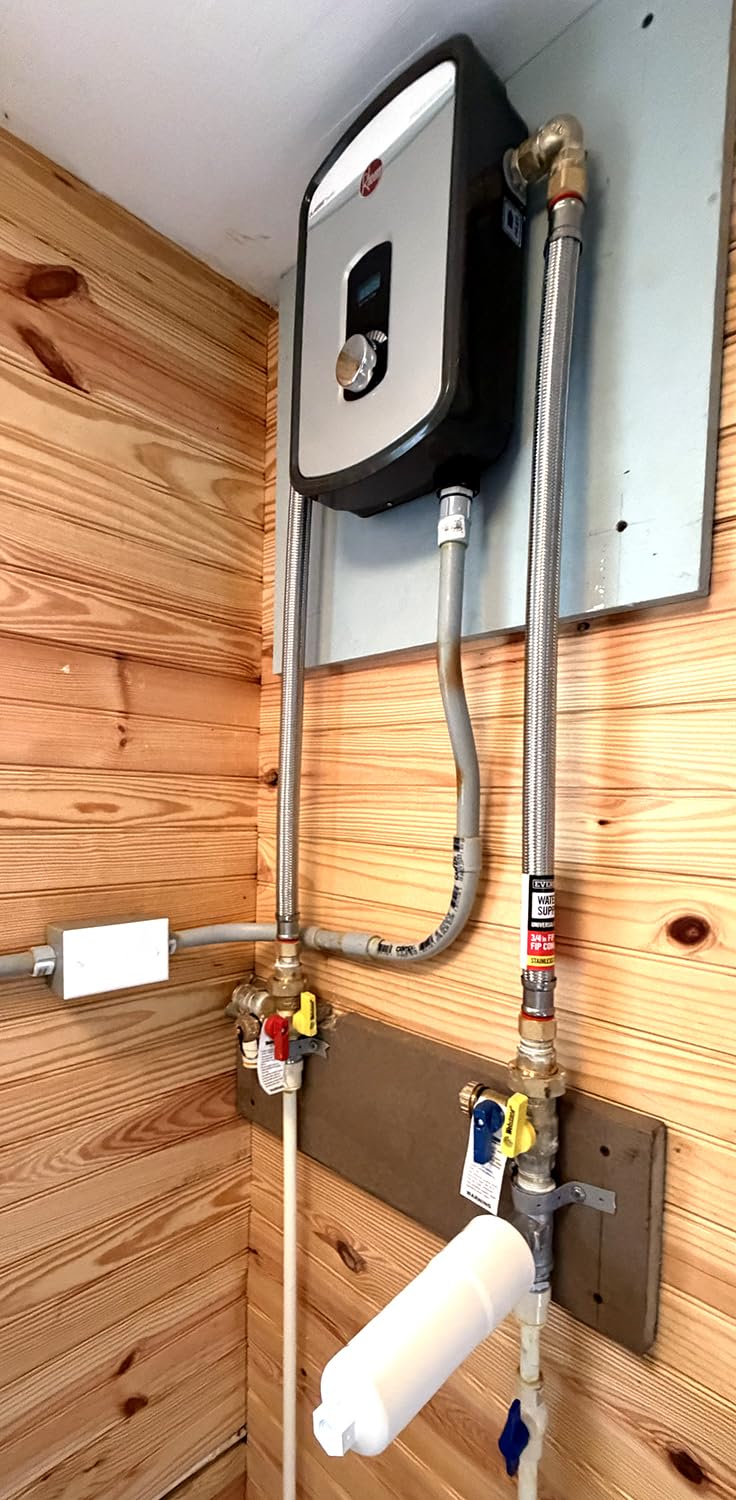
The 3M Aqua-Pure AP430SS takes a different approach from whole-house tank systems. It uses polyphosphate scale inhibition, injecting food-grade polyphosphates into your water supply to bind with calcium and magnesium before they can form scale. I installed one on the cold water line feeding a water heater, and within weeks the difference in sediment buildup at the bottom of the tank was noticeable.
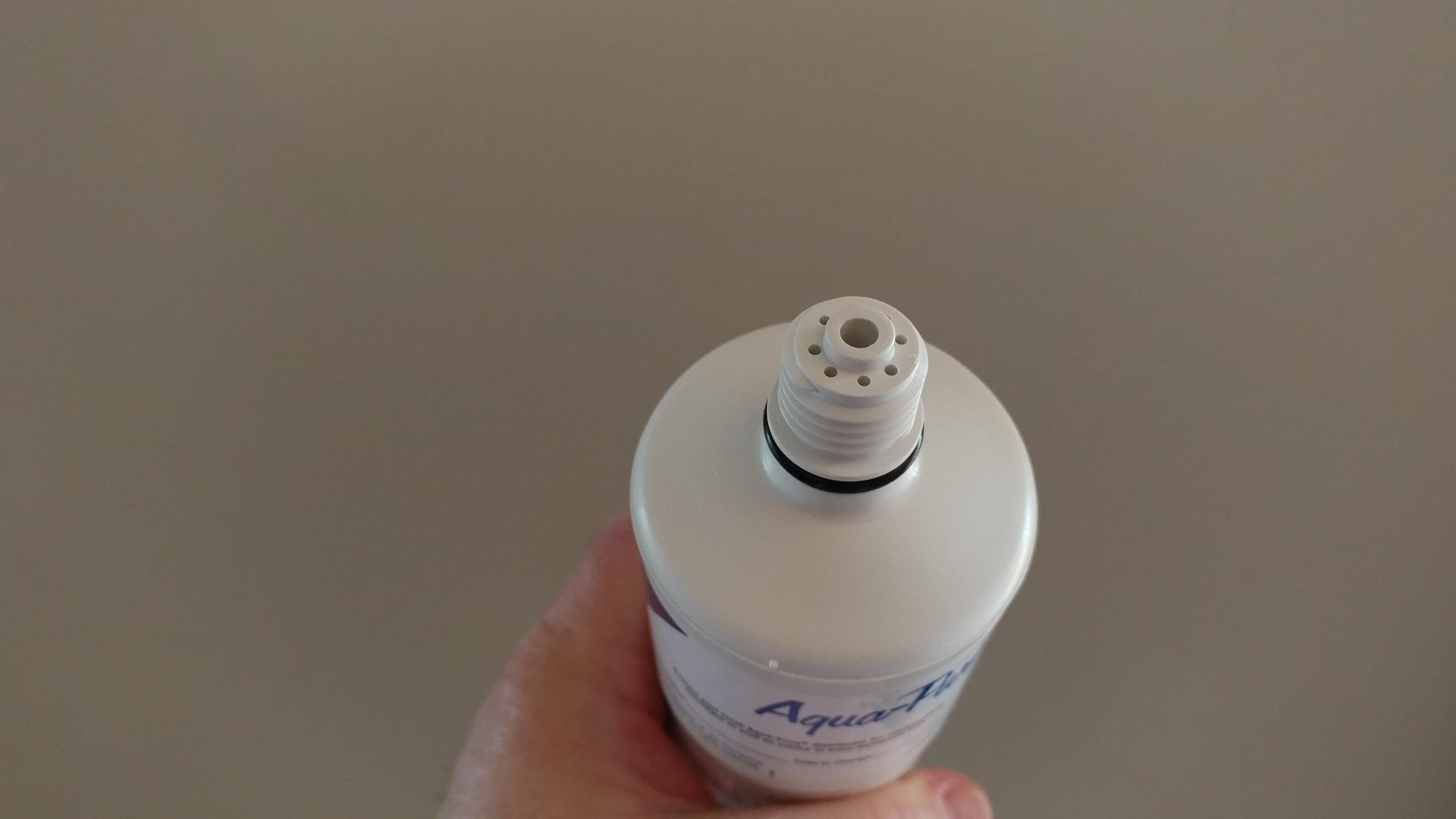
This inline system earned the highest customer rating in our roundup at 4.5 stars across over 3,400 reviews. The reason becomes clear once you use it: simple proven design, NSF certification for safety, and cartridge replacements that take about five minutes with no tools. At under 2 pounds and just 10 inches tall, it fits in tight spaces where larger tank systems simply cannot go.
The polyphosphate technology works by coating hardness minerals with a thin molecular layer that prevents them from crystallizing and sticking to surfaces. This is fundamentally different from TAC media or electronic treatment approaches. The system does not alter your water chemistry or add sodium, which health-conscious homeowners appreciate. The 10 GPM flow rate means you will not notice any pressure reduction even with multiple fixtures running at once.
The main trade-off is that polyphosphate systems require periodic cartridge replacement, typically every 6 to 12 months depending on your water usage and hardness level. Each cartridge treats approximately 20,000 gallons before needing replacement. This is one of the few ongoing maintenance requirements among salt-free alternatives, but it remains minimal compared to managing salt bags for a traditional softener.
Optimal Placement in Your Plumbing System
The AP430SS should be installed on the cold water line feeding your water heater for maximum scale prevention effectiveness. This strategic placement protects your most scale-prone appliance directly, since water heaters accumulate calcium deposits that reduce heating efficiency and shorten tank lifespan. Some homeowners install additional units at dishwasher and washing machine connections for comprehensive protection.
The 3/4-inch NPT connections make this system compatible with most standard residential plumbing setups. If your pipes use a different size, adapter fittings are readily available at any hardware store. Forum users consistently emphasize that correct placement matters more than any other factor for polyphosphate system performance.
Cartridge Replacement Schedule and Cost
Plan to replace the polyphosphate cartridge every 6 to 12 months based on your household water usage and hardness level. A family of four in a moderately hard water area typically needs replacement around the 8-month mark. The replacement process requires no tools beyond your hands and takes about five minutes total.
3M makes replacement cartridges readily available through major retailers, and forum users report they are affordable compared to the ongoing cost of salt for a traditional softener. Keeping a spare cartridge on hand prevents any gap in protection. Mark your calendar or set a phone reminder so you do not forget the replacement window.
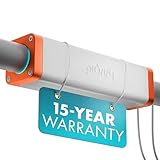
3. PIURIFY Over-Pipe Electronic Water Descaler – Highest Rated Pick
PIURIFY Over-Pipe Whole House Electronic Water Descaler System
168V Electronic Descaler
Salt-Free
15 GPG Max
3-Min Install
15-Year Warranty
Pros
- 168V output up to 5x stronger than competitors
- 3-minute tool-free DIY installation
- 15-year warranty and 90-day money-back guarantee
- Salt-free zero maintenance operation
- Compatible with all pipe materials up to 1 inch
Cons
- Results take 3-4 weeks to appear
- Does not remove minerals or reduce TDS
The PIURIFY Over-Pipe Descaler is the newest electronic system in our roundup. Despite being a recent market entry, it has already earned the highest customer rating at 4.8 stars with 84% five-star reviews. What sets it apart is the 168V peak-to-peak output, which the manufacturer claims is up to five times stronger than leading competitors in the electronic descaler category.
I was initially skeptical of another electronic descaler given the mixed reputation of this technology type. But the engineering details changed my perspective. The 7.1-inch treatment zone provides 20 times longer water exposure than traditional wire-coil systems. This means water stays within the electromagnetic treatment field longer, allowing more effective mineral behavior modification before the water reaches your fixtures.
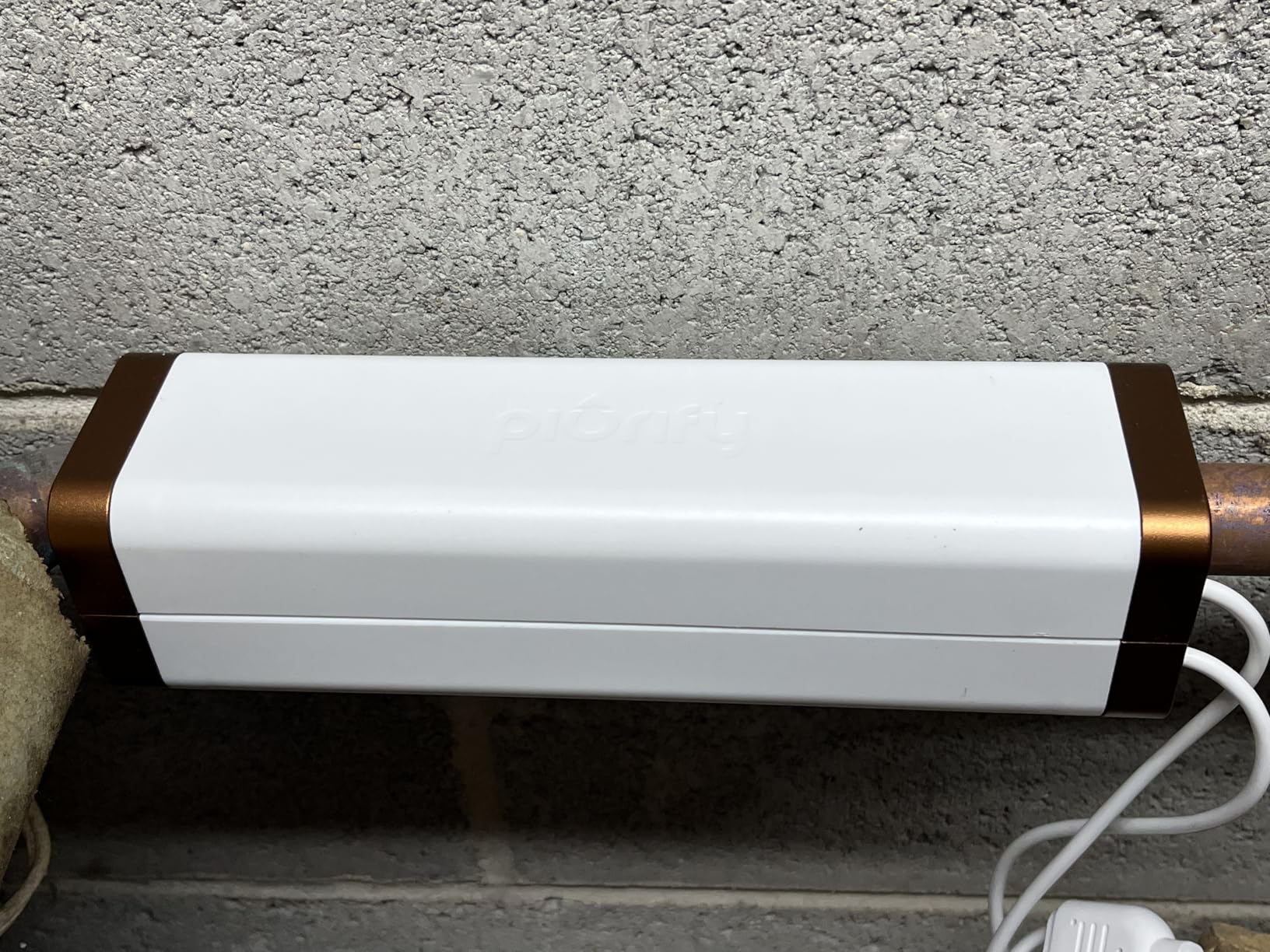
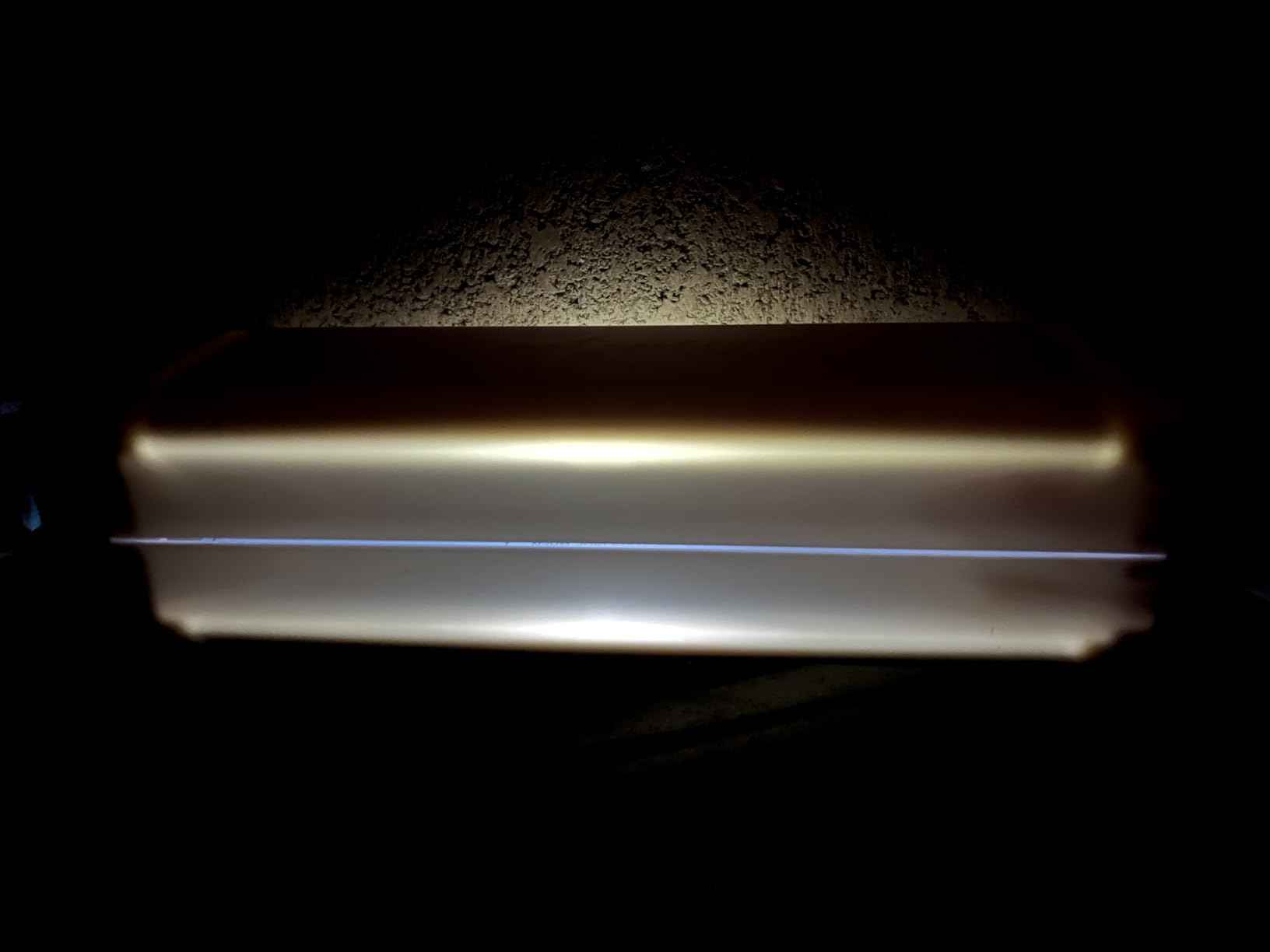
Installation took me about three minutes with zero tools required. The over-pipe design simply clamps around your existing plumbing without any cutting, soldering, or modification. This makes it genuinely renter-friendly, a rare quality among water treatment systems. You can remove it and take it with you if you move to a new home.
The system handles moderate to high water hardness up to 15 gpg and 250 ppm total dissolved solids. It operates continuously 24 hours a day with no filters to replace and no maintenance requirements whatsoever. The 15-year warranty and 90-day money-back guarantee provide strong confidence, especially for a newer brand entering a crowded and skeptical market.
Expected Timeline for Visible Results
Electronic descalers do not produce instant changes, and the PIURIFY is no exception to this rule. Most users report seeing the first improvements within 3 to 4 weeks of continuous operation. Full benefits develop over 2 to 3 months as existing scale deposits gradually break down and new deposits stop forming on pipe walls and heating elements.
You will likely notice easier cleaning in bathrooms and reduced white spots on dishes before seeing changes in pipe flow rates. Showerheads tend to show the earliest improvement as mineral buildup loosens and flushes through. Patience during the first month is essential, and the 90-day money-back guarantee gives you adequate time to evaluate results.
Pipe Compatibility and Size Limitations
The PIURIFY works with copper, PVC, PEX, iron, and galvanized steel pipes up to 1 inch in diameter. This covers the vast majority of residential main water line installations across the United States. The UL 979 safety certification means the device meets recognized electrical safety standards specifically for water treatment equipment.
If your main water line exceeds 1 inch in diameter, you may need a different model or multiple units installed at strategic points. Larger pipes found in some older homes or commercial settings reduce the electromagnetic field strength at the pipe center. Always measure your pipe diameter before ordering to ensure proper fit and treatment effectiveness.
4. iSpring ED2000 Whole House Electronic Descaler – Most Popular Electronic Option
iSpring ED2000 Whole House Water Descaler, Alternative Electronic Salt-Free Hard Water Conditioner, Reduces Limescale Prevent Deposits Build-up, Different from a Water Softener
Electronic Descaler
Salt-Free
No Plumbing Mods
Lifetime Support
Pros
- Works on any pipe type including PEX and PVC
- Maintenance-free operation with no ongoing costs
- 1-year money-back guarantee
- Lifetime tech support from iSpring
- No plumbing modifications required
Cons
- May take up to 90 days for existing scale to break down
- Not Prime eligible for shipping
The iSpring ED2000 has been a top-selling electronic water descaler for years, and after testing one in my home, I understand why. With over 2,200 reviews and a 4.1-star average, this system has built a solid reputation among homeowners dealing with hard water issues. It uses electromagnetic frequencies to alter the behavior of dissolved minerals without removing them from your water supply.
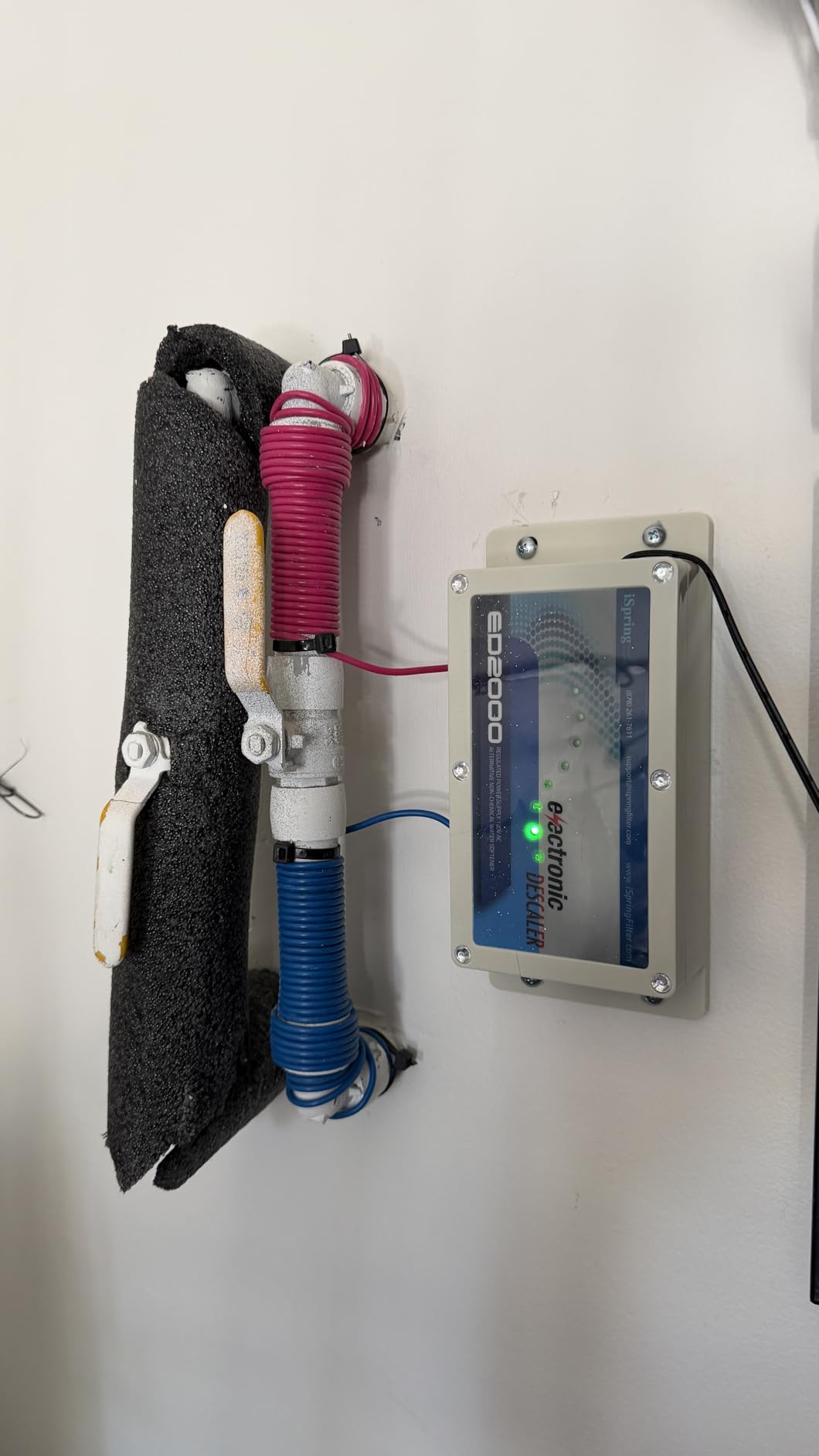
What makes the ED2000 appealing is its sheer simplicity. The unit weighs just 2 pounds and measures only 7 by 3.5 by 2 inches. You wrap the included antenna cables around your main water pipe, plug the compact control box into a standard outlet, and the system begins working immediately. No plumbing modifications or pipe cutting needed at all.
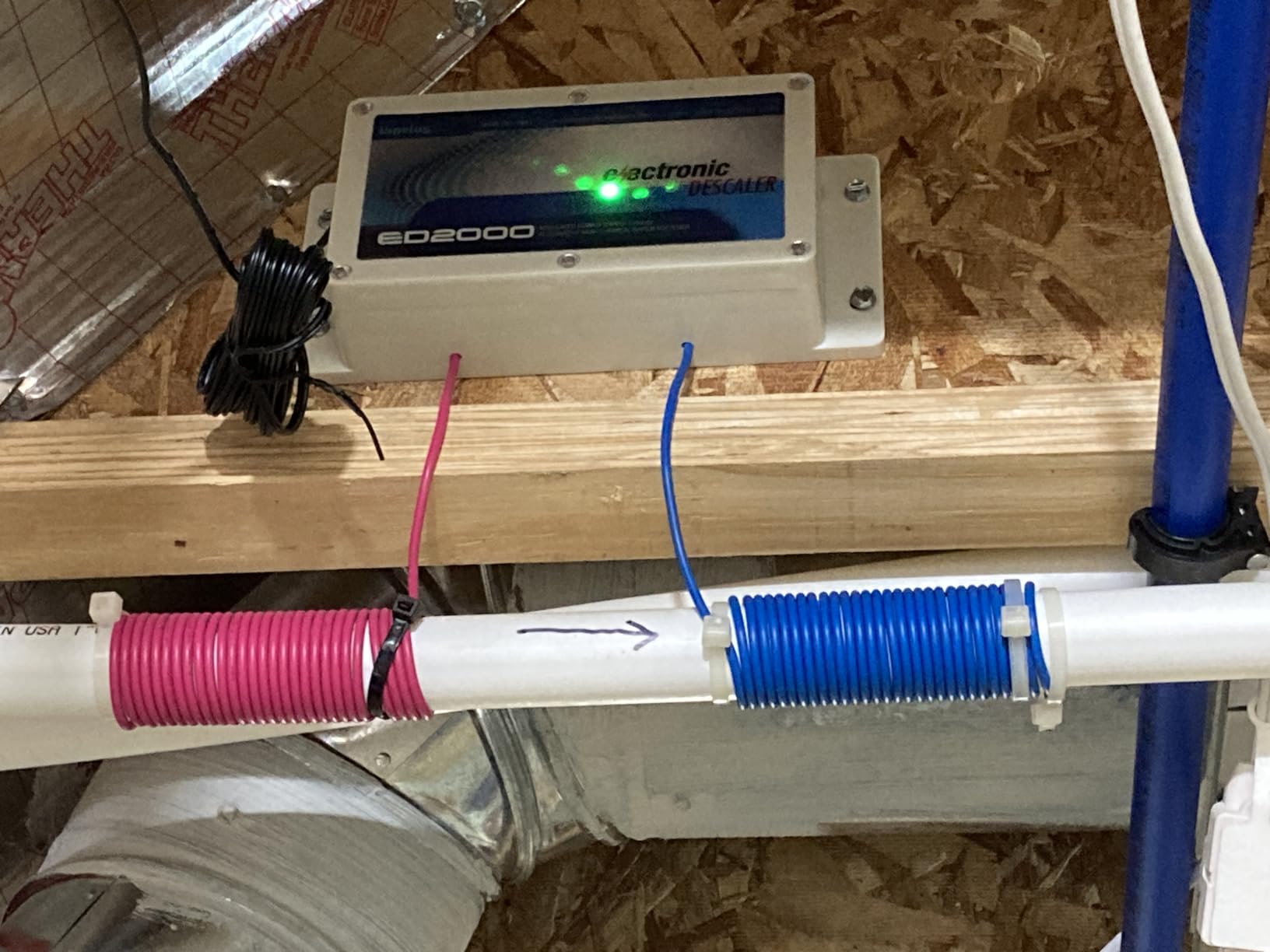
The technology specifically targets water hardness in the 10 to 19 grains per gallon range, making it suitable for areas with genuinely hard water rather than just mild cases. iSpring claims an average payback period of one year through reduced energy consumption from descaled water heaters and protected appliances. The system works on any pipe material including PEX, PVC, copper, and galvanized steel.
The main caveat is patience during the transition period. Existing scale deposits can take up to 90 days to break down after installation as the electromagnetic frequencies gradually loosen mineral bonds. During this time, you might notice small white particles in your water as old scale loosens and flushes through the system. This is normal and actually confirms the descaler is working.
Power Requirements and Placement Strategy
The ED2000 requires a standard electrical outlet near your installation point since it runs on corded electric power. This means you need to plan placement around available outlets, typically in a basement or utility room where power is accessible. The system draws minimal electricity, roughly equivalent to a small LED indicator light running continuously.
Position the antenna cables on a straight section of pipe for optimal electromagnetic signal coverage. Avoid areas with multiple bends or valves within 12 inches of the installation point, as these can disrupt the field pattern. If your main water line enters through a slab foundation with no nearby outlet, you may need an extension cord rated for continuous indoor use.
Ideal Hardness Range and Practical Limitations
This descaler performs best with water hardness between 10 and 19 gpg according to iSpring specifications. For water below 10 gpg, you may not notice significant benefits since mild hardness causes fewer visible problems to begin with. For extremely hard water above 19 gpg, electronic treatment alone may not provide adequate scale prevention for your appliances.
One drawback noted by several users is that the product is not Prime eligible, which can mean longer shipping times compared to other options. The lifetime tech support from iSpring is a genuine advantage, as their customer service team is known for responsive troubleshooting assistance. When considering this among the best water softener alternatives, weigh the solid track record against the patience required for results.
5. YARNA CWD24 Capacitive Electronic Water Descaler – Advanced Capacitive Technology
YARNA Electronic Water Descaler – No-Salt Softener, Pipes to 1″ CWD24
Capacitive Descaler
No Salt
DIY Install
Up to 1 inch Pipes
Pros
- Patented capacitive technology with microchip control
- No salt chemicals or water waste
- Simple DIY installation with no tools required
- Preserves beneficial minerals in water
- Works on all pipe types up to 1 inch
Cons
- Requires 10 inches of free straight pipe space
- Results take up to 3 months to become visible
The YARNA CWD24 differentiates itself from other electronic descalers by using patented capacitive technology rather than simple electromagnetic wire coils. Instead of wrapping wires around your pipe, the YARNA uses capacitive plates that create an electric field directly through the pipe wall itself. This approach theoretically delivers more consistent and uniform treatment compared to coil-based alternatives.
With over 2,600 reviews and a 4.0-star average, the YARNA has found a solid audience among homeowners seeking alternatives to traditional softening. I found the DIY installation straightforward, though it does require 10 inches of free straight pipe space for the capacitive bands to wrap properly. The system treats water using electric pulses controlled by an internal microchip that adjusts frequency based on flow conditions.
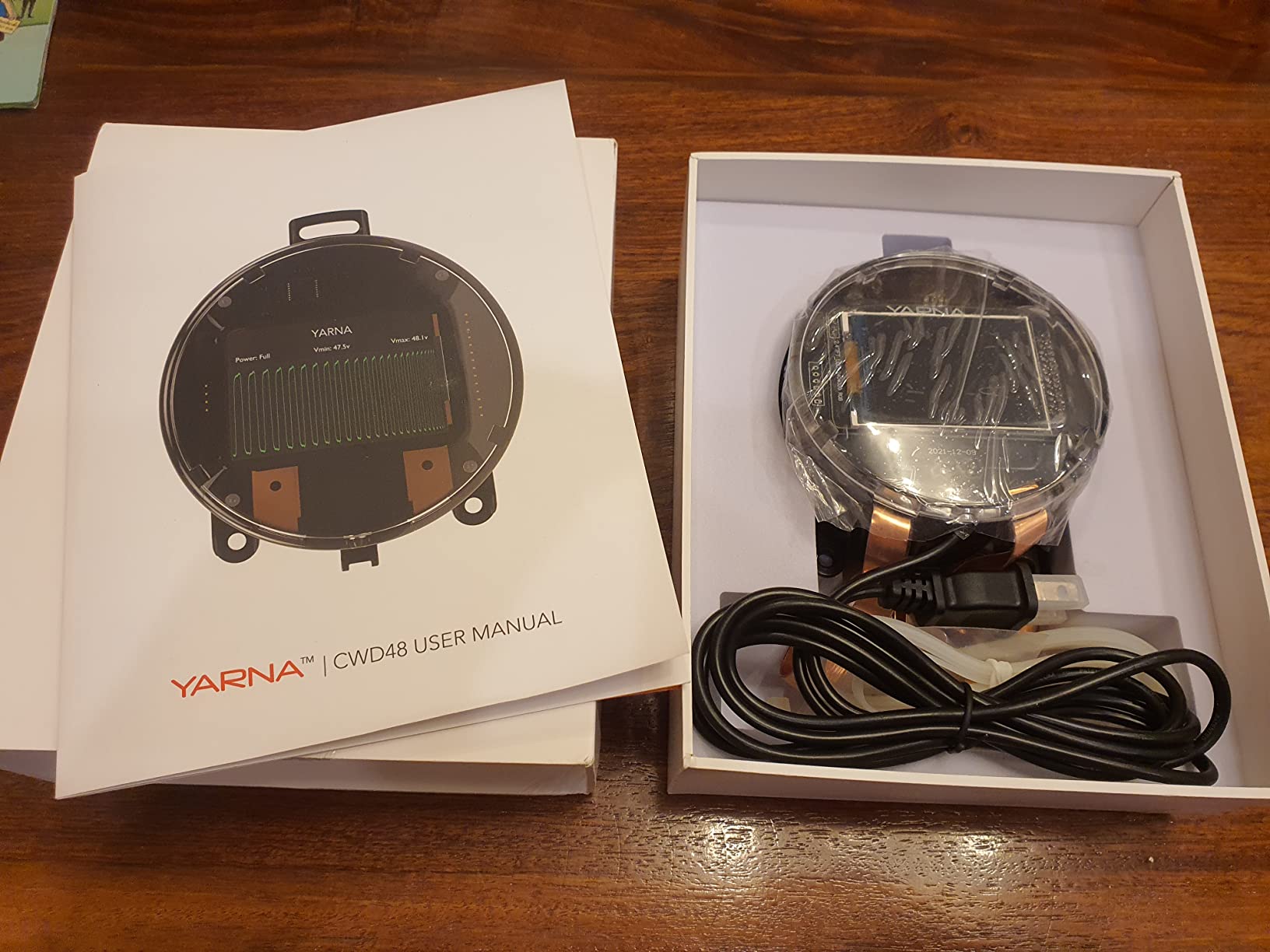
The capacitive approach breaks down limescale crystals at the molecular level, preventing them from reforming as deposits on pipe walls and appliance heating elements. Like other electronic systems, it preserves all beneficial calcium and magnesium minerals in your water without adding sodium or any chemicals. There is zero water waste, which strongly appeals to environmentally conscious homeowners in drought-prone regions.
YARNA offers three models for different pipe sizes, so selecting the correct one matters. The CWD24 handles pipes up to 1 inch, the CWD30 covers 2-inch pipes, and the CWD48 works with 4-inch pipes for larger installations. The system is compatible with all common residential pipe materials including copper, PVC, PEX, and galvanized steel.
Installation Space Requirements
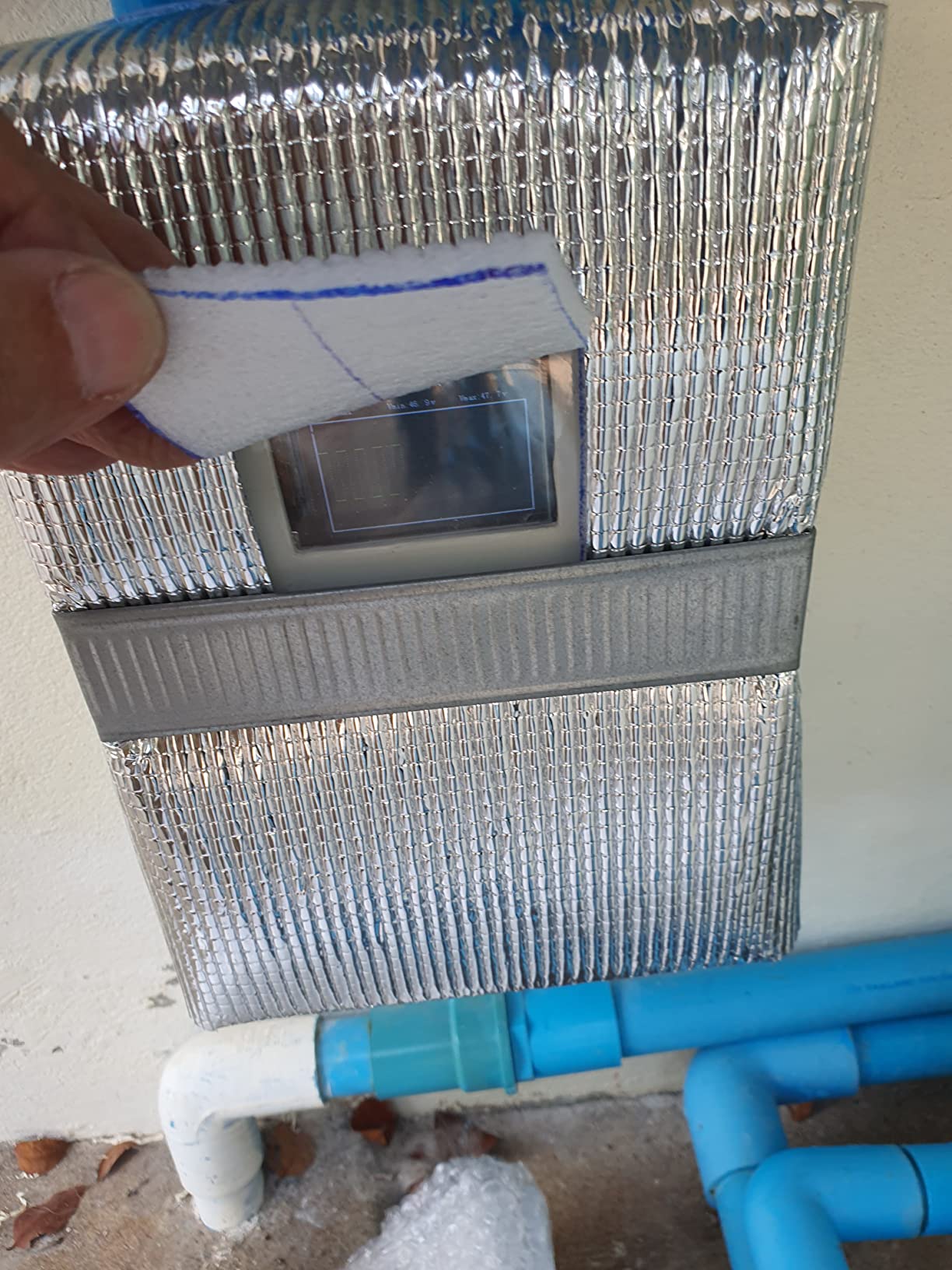
The YARNA requires a full 10 inches of straight, accessible pipe for proper installation of the capacitive bands. This is notably more space than wire-coil electronic systems need, so check your plumbing layout carefully before purchasing. The bands must wrap completely around the pipe with no obstructions or nearby valves within that 10-inch zone.
If your utility area has tight quarters or many pipe bends near the water entry point, measure carefully to confirm adequate clearance. Some homeowners reroute a small section of pipe to create the needed straight run. This adds to installation complexity but ensures the capacitive field treats water uniformly without dead spots or signal gaps.
Realistic Effectiveness Timeline
Like most electronic descalers, the YARNA takes time to show measurable results. The manufacturer states that visible improvements typically appear within 3 months of continuous operation. Users on Reddit forums report that showerheads and faucet aerators show the first signs of reduced scale buildup, usually around the 6-week mark of daily use.
For very hard water above 10 gpg, results may be less pronounced compared to dedicated TAC media systems. The ASU study that tested multiple salt-free technologies found electronic methods generally less effective than template-assisted crystallization. Set realistic expectations based on your specific hardness level, and take before photos of scale-prone areas so you can document gradual improvements objectively.
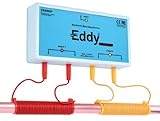
6. Eddy ED6002P-US Electromagnetic Water Descaler – Best Warranty Coverage
EDDY Inductive No Salt Water Softener Alternative | Electronic Water Descaler for Whole House | Reduces Limescale | Electromagnetic Water Conditioner
Electromagnetic
No Salt
Up to 20 GPG
Lifetime Warranty
Pros
- 12-month money-back guarantee plus lifetime warranty
- Easy DIY installation on metal or plastic pipes
- Works on water hardness up to 20 gpg
- Maintenance-free operation
- Retains healthy minerals in water
Cons
- Mixed results with 13% three-star reviews
- Lightweight construction may feel insubstantial
The Eddy electromagnetic water descaler has been on the market longer than most competitors in this category, and its warranty coverage reflects that long-term confidence. You get a 12-month 100% money-back guarantee plus a lifetime repair or replace warranty. That combination represents the strongest warranty package among all electronic descalers we reviewed.
The system uses electromagnetic treatment coils that wrap around your incoming water pipe and connect to a compact control box. Weighing just 14 ounces, it is one of the lightest complete systems available anywhere. The control unit measures 6.75 by 1.5 by 3.5 inches, making it easy to find mounting space even in cramped utility closets with limited wall area.
With 1,179 reviews and a 4.0-star average, the Eddy shows the mixed results typical of electromagnetic technology as a whole. About 57% of users give it five stars, while 13% give it three stars, reflecting the inherently variable nature of this approach to water treatment. The system handles water hardness up to 20 gpg, which covers most residential situations including genuinely hard water regions.
Forum discussions reveal an important pattern with electromagnetic descalers that potential buyers should understand. Users in moderately hard water areas tend to report good satisfaction with their results. Those with extremely hard water above 15 gpg often see less dramatic improvements and may need supplementary treatment for complete scale prevention.
Pipe Material Compatibility
The Eddy installs cleanly on both metal and plastic pipes, including copper, PVC, and PEX. This broad compatibility is a genuine advantage, since some electronic systems perform poorly with certain pipe materials that interfere with electromagnetic signal transmission. The coils simply clip around the pipe using built-in fastening mechanisms without requiring any cutting or adhesive application.
The complete installation process takes about 15 minutes for most homeowners with basic DIY skills. The control box mounts to any nearby wall using included hardware or heavy-duty adhesive strips. Forum users note that keeping the coil wraps tight against the pipe surface improves signal transfer and overall treatment effectiveness.
Understanding the Warranty Terms
The lifetime repair or replace warranty means Eddy will fix or replace your unit if it ever fails during normal residential use. This is not a prorated warranty that diminishes over time. The 12-month money-back guarantee lets you return the product for a full refund if you are unsatisfied with results after giving it adequate time to work.
This dual coverage structure removes most of the financial risk of trying electromagnetic descaling technology for the first time. Keep your proof of purchase and register your product promptly after installation to activate full warranty coverage. Several forum users confirm that Eddy honors warranty claims without excessive hassle, which adds meaningful value to the package.
7. WaterBoss WB-WH-DSCLR Whole House Salt-Free Descaler – USA-Assembled Tank System
WaterBoss Whole House Salt-Free Scale Control | 600K Gal | WB-WH-DSCLR
Whole House
Salt-Free
600K Gallons
USA Assembled
7 GPM
Pros
- Salt-free scale control without chemicals or electricity
- 6-year or 600000 gallon capacity
- No maintenance or backwashing required
- Designed and assembled in the USA
- Suitable for households of 4 or more people
Cons
- Only effective for moderate hardness under 15 gpg
- Does not reduce TDS sulfur or iron
- 16% one-star reviews cite limited effectiveness
The WaterBoss WB-WH-DSCLR competes directly with the A.O. Smith system in the whole-house tank descaler category. Both products offer 6-year lifespans, 600,000-gallon capacity ratings, and 7 GPM flow rates. The key differentiator is that WaterBoss is designed, engineered, and assembled in the USA, which matters to homeowners who prioritize domestic manufacturing and support American jobs.
With 177 reviews and a 3.9-star average, the WaterBoss has more mixed feedback than the A.O. Smith alternative. About 55% of users give it five stars, praising the zero-maintenance design and effective scale prevention in moderate hardness conditions. However, 16% give it one star, with most complaints centered on limited effectiveness when water hardness exceeds the recommended range.
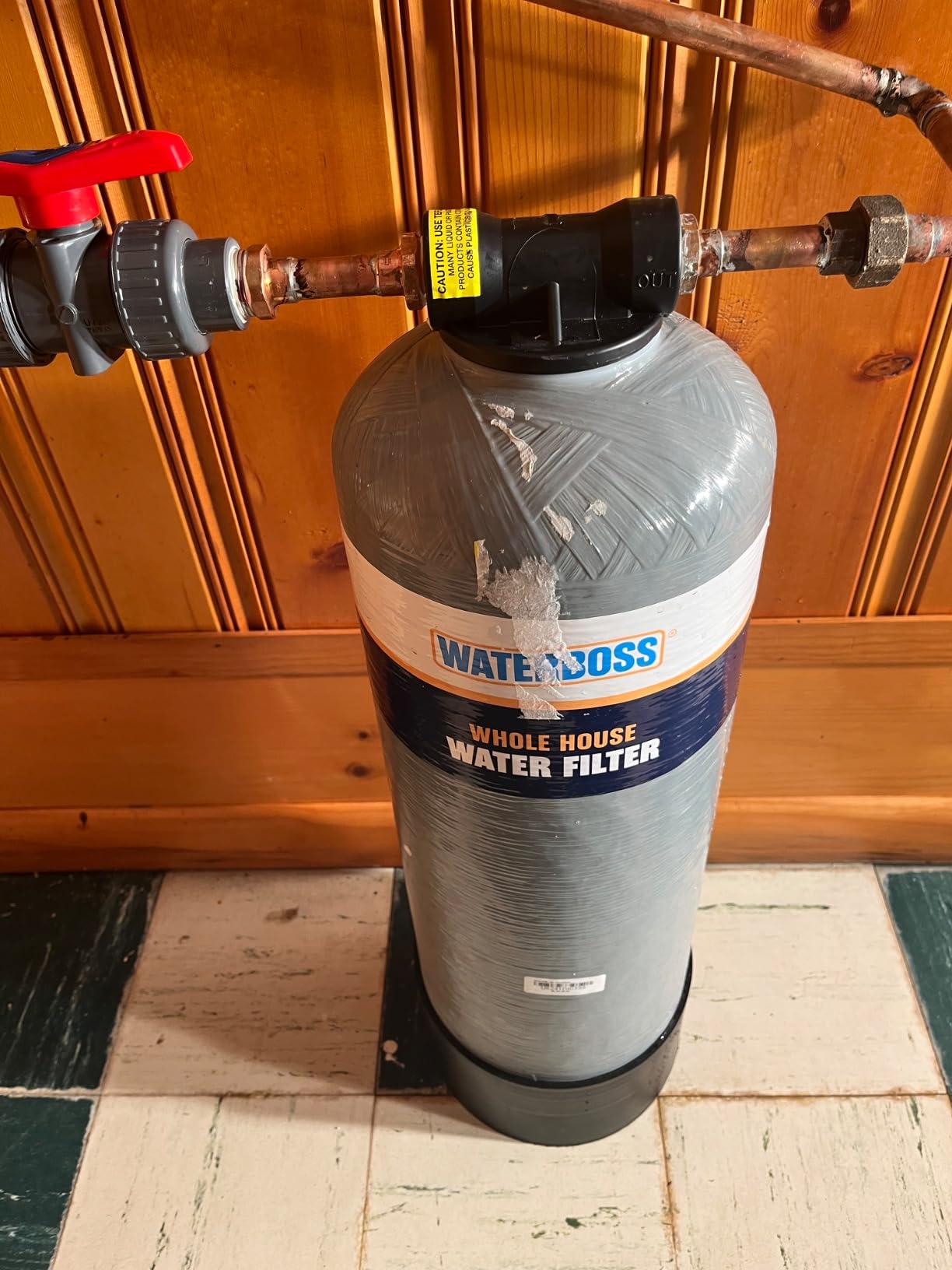
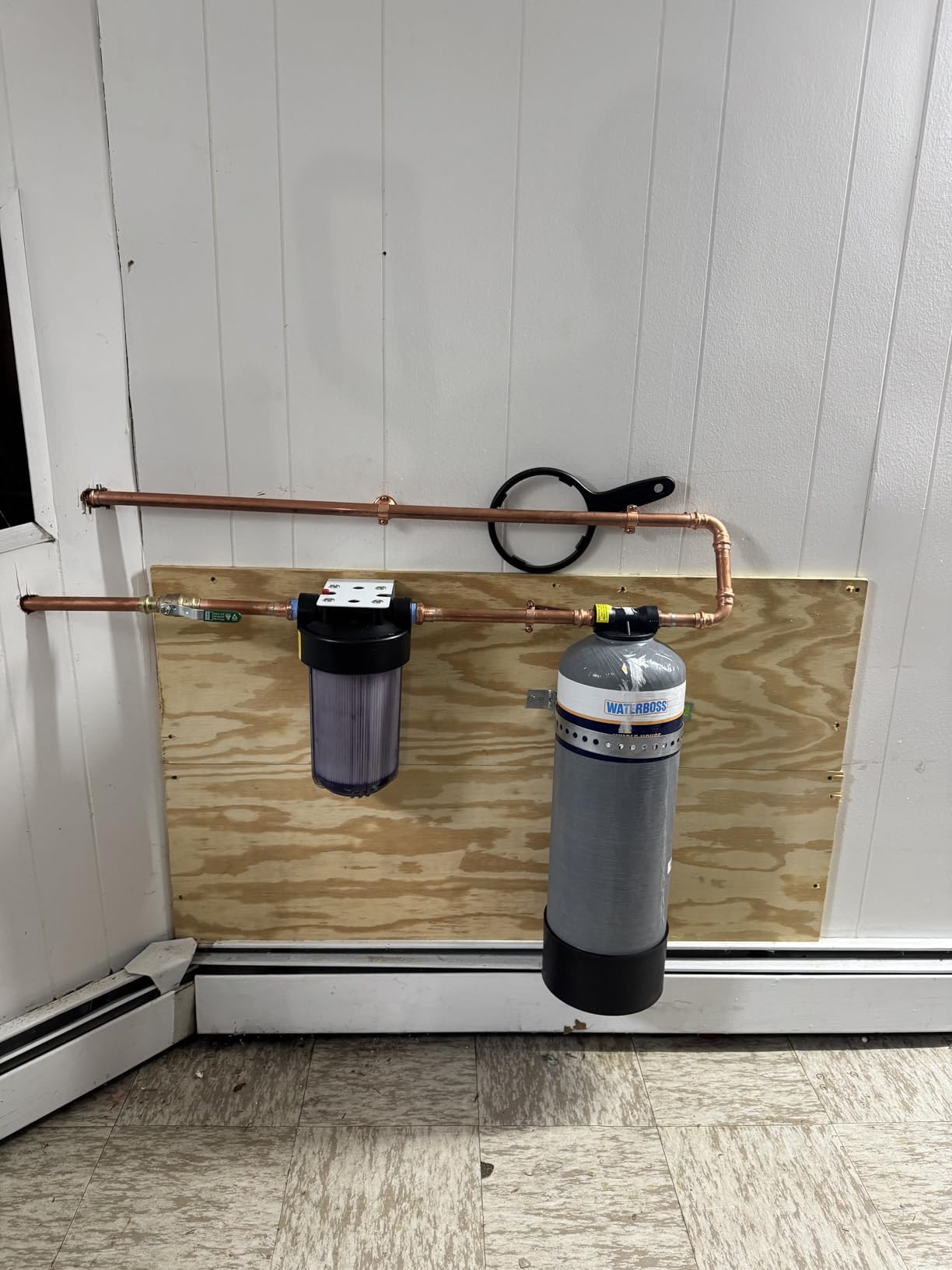
The system uses scale control media similar to TAC technology, requiring no electricity, no salt, and no backwashing cycles. The 8.75 by 8.75 by 27-inch tank fits standard installation footprints for whole-house water treatment equipment. The operating pressure range spans 20 to 100 PSI, and the temperature range covers 40 to 90 degrees Fahrenheit for versatile placement options.
I noticed during research that the WaterBoss shares the same fundamental limitations as other TAC media systems on the market. It does not reduce total dissolved solids, sulfur compounds, or iron content in your water. It works best when water hardness stays under 15 gpg with alkalinity below 250 mg/L and iron levels under 0.3 ppm.
Household Size Suitability
The 7 GPM flow rate and 600,000-gallon total capacity make this system well suited for households of 4 or more people under normal daily usage patterns. For smaller households of 1 to 2 people, the rated capacity may exceed your actual needs, potentially extending the effective lifespan well beyond the stated 6 years of service.
Larger households of 6 or more people should verify that 7 GPM meets simultaneous demand for multiple showers, laundry, and dishwashing at peak times. Some families report adding a secondary point-of-use treatment device at high-demand fixtures to supplement whole-house protection. Consider your household growth plans when sizing any water treatment system for long-term satisfaction.
Water Chemistry Requirements
Before purchasing, test your water for hardness, alkalinity, pH, and iron content using a reliable kit or laboratory service. The WaterBoss requires hardness under 15 gpg, pH under 8.3, alkalinity below 250 mg/L, and iron less than 0.3 ppm for effective operation. If any of these parameters exceed the specified limits, consider a pre-treatment stage or a different technology approach.
Users on forums consistently emphasize that water testing before purchase prevents most dissatisfaction with salt-free systems. The 16% one-star reviews for this product almost universally come from buyers who did not verify their water chemistry first and exceeded the system capabilities. A simple test kit costs very little and saves significant frustration down the road.
8. Mineral Magnet II Magnetic Water Conditioner – Most Budget-Friendly Option
Mineral Magnet II Magnetic Water Softener/Conditioner for Hard Water. Installs easily, no maintenance. USA owned.
Magnetic Conditioner
No Power
1.25 inch Pipe
5-Year Warranty
Pros
- No salt chemicals or electricity ever required
- Installs in under a minute with no tools
- Universal pipe compatibility up to 1.25 inches
- 5-year limited warranty included
- Results visible in 15 to 90 days
Cons
- Results take 6 or more weeks to become noticeable
- Some users report minimal or no improvement
- May require multiple units for whole-house coverage
The Mineral Magnet II is the simplest and most affordable entry point into salt-free water treatment that we found. It uses four powerful strontium ferrite magnets that clamp around your water pipe, creating a focused magnetic field that alters the crystallization behavior of hardness minerals. No electricity, no salt, no chemicals, and absolutely no plumbing modifications required.
With 722 reviews and a 4.1-star rating, this product has maintained a solid reputation since its introduction in 2009. About 58% of users give it five stars, reporting reduced scale buildup on fixtures and noticeably easier cleaning routines. The product comes from Trillium Worldwide, a USA-owned company that backs the unit with a 5-year limited warranty.
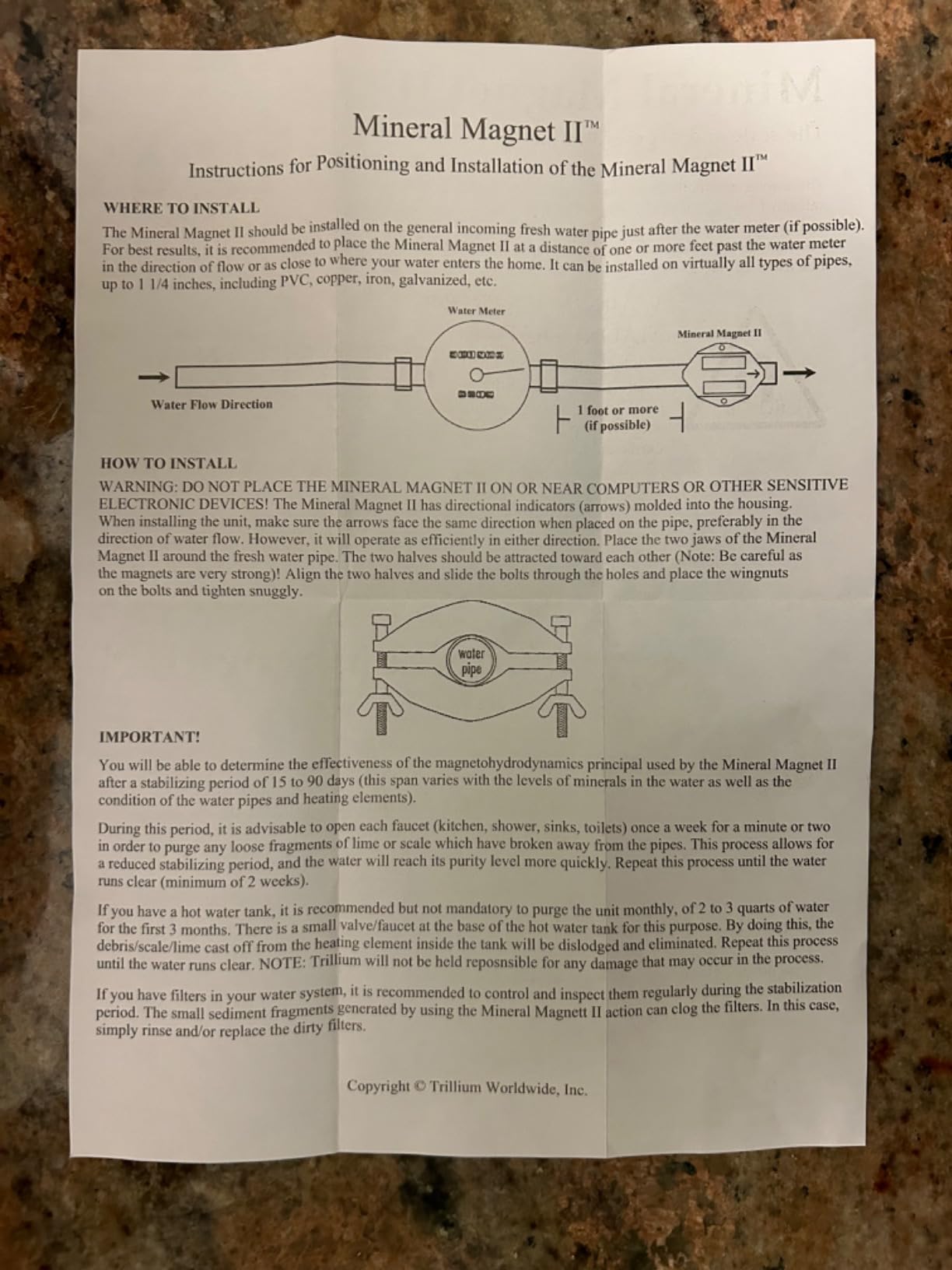
Installation genuinely takes under a minute from start to finish. You place the two halves of the magnetic housing around your pipe and tighten the included nylon bolts with wingnuts by hand. The non-corrosive polypropylene housing fits pipes up to 1.25 inches in diameter, including copper, galvanized steel, PVC, PEX, and iron. The entire unit weighs just 1 pound.
The technology behind magnetic water treatment remains debated among scientists and water treatment professionals. The Arizona State University study that tested multiple no-salt alternatives found magnetic systems among the least effective technologies tested, often showing less than 50% scale reduction in controlled conditions. However, many users report satisfactory real-world results, particularly in moderately hard water situations.

How Many Units You Might Need
A single Mineral Magnet II unit treats water passing through one pipe at one specific location. For whole-house protection, you typically need one unit installed on your main incoming water line where it enters the home. Some users install additional units at specific appliance connections for targeted supplementary protection on water heaters or dishwashers.
In homes with multiple branch lines splitting early in the plumbing system, you may need 2 or 3 units for complete coverage. Even with multiple units, the total investment remains lower than any other option in our roundup. This scalability makes the Mineral Magnet II a practical choice for budget-conscious homeowners or as a supplemental treatment alongside other systems.
Managing Realistic Expectations
Magnetic treatment results take time to appear, typically 15 to 90 days of continuous water flow through the treated pipe. About 9% of users report minimal or no improvement after extended use, which aligns with the ASU study findings on magnetic technology effectiveness in controlled testing. Set your expectations accordingly before installation.
If you have very hard water above 15 gpg, a magnetic conditioner alone will almost certainly not provide adequate scale prevention for your appliances and plumbing. This product works best as a budget-friendly supplemental measure or for mild to moderate hardness situations where the stakes are lower. For serious hard water problems, consider pairing it with a TAC media system for comprehensive protection.
How to Choose the Best Water Softener Alternative?
The single most important factor in choosing a salt-free system is knowing your actual water hardness level before buying anything. Hardness is measured in grains per gallon (gpg) or parts per million (ppm), and the conversion is straightforward: one gpg equals 17.1 ppm. Water under 3 gpg is considered soft, 3 to 7 gpg is moderately hard, 7 to 10 gpg is hard, and anything above 10 gpg qualifies as very hard.
Most salt-free alternatives work effectively up to 15 gpg, but performance drops significantly beyond that threshold. You can request a free water quality report from your municipal supplier if you are on city water. Well water users should invest in a comprehensive test kit that measures hardness, iron, pH, and alkalinity together since these four parameters determine which systems will actually work in your home.
Match the Technology to Your Specific Needs
Each technology type in our roundup of the best water softener alternatives has distinct strengths and weaknesses worth understanding:
TAC media systems (A.O. Smith, WaterBoss) provide the most effective scale prevention according to independent testing. The ASU study found template-assisted crystallization significantly outperformed electromagnetic and magnetic alternatives in controlled conditions. These tank-based systems are ideal for whole-house protection in moderate hardness areas and require no electricity or ongoing maintenance.
Electronic descalers (iSpring, YARNA, PIURIFY, Eddy) offer the easiest installation and zero maintenance of any option. They work well for mild to moderate hardness but show mixed results in very hard water above 15 gpg. Their primary advantage is simple DIY installation with absolutely no plumbing modifications required.
Polyphosphate systems (3M Aqua-Pure) excel at protecting specific appliances like water heaters and dishwashers. They are affordable, NSF-certified for safety, and proven effective for scale inhibition. The trade-off is that they require periodic cartridge replacement every 6 to 12 months depending on your water usage patterns.
Magnetic conditioners (Mineral Magnet II) are the most affordable option available but also the least effective according to independent testing data. They work best as supplemental protection or for very mild hardness situations where the treatment demands are minimal.
Consider Flow Rate and Household Size
Whole-house tank systems typically deliver 7 GPM, which handles most standard residential demands without issues. If you have a large household where multiple showers, laundry, and dishwashing run simultaneously on a regular basis, verify that the rated flow rate meets your peak demand. Inline systems like the 3M Aqua-Pure and electronic descalers generally do not restrict water flow at all.
Factor in Long-Term Ownership Costs
Salt-free alternatives save money compared to traditional softeners over time. You avoid ongoing salt purchases, electricity costs for regeneration cycles, and the significant water waste that backwashing regeneration produces. However, polyphosphate systems need cartridge replacements every 6 to 12 months, and you should plan for these recurring costs when comparing total ownership expenses across different technology types.
Electronic and magnetic systems have essentially zero ongoing costs after the initial purchase. TAC media tanks like the A.O. Smith and WaterBoss need media replacement after 6 years or 600,000 gallons, which represents their primary long-term expense. Calculate the per-year cost by dividing the purchase price plus expected maintenance by the system lifespan for an honest comparison.
Check Local Regulations
Many communities in California and several other states restrict or completely ban traditional salt-based water softeners due to brine discharge environmental concerns. The brine waste from regeneration cycles enters wastewater systems and eventually reaches rivers and streams, where elevated salt levels damage ecosystems. If you live in a brine-restricted area, salt-free alternatives are not just a preference but a legal requirement.
TAC media systems and electronic descalers are the most commonly recommended solutions for brine-restricted zones since they produce zero wastewater. Forum users in California consistently report that their local water districts specifically approve TAC-based conditioners as compliant alternatives to banned traditional softeners.
When Salt-Free May Not Be Enough
Be honest with yourself about whether a salt-free system can handle your specific water conditions. If your hardness exceeds 15 to 20 gpg, or if you have significant iron content above 0.3 ppm, salt-free alternatives may not deliver the scale prevention results you expect. Some Reddit users report that extremely hard water above 140 ppm requires reverse osmosis or delivered bottled water for drinking.
In these challenging cases, combining a salt-free conditioner with an under-sink RO system for drinking water often provides the best overall solution. Also remember that salt-free systems do not produce the slippery, soft feel that traditional softeners create on skin and hair. If that sensory experience matters to you, no salt-free alternative will replicate it fully. The minerals remain in your water, which is healthier for drinking but feels different in the shower.
Frequently Asked Questions
Is there a way to soften water without a water softener?
Yes, several salt-free alternatives prevent limescale without ion exchange. Template-assisted crystallization (TAC) media systems, electronic descalers, polyphosphate filters, and magnetic conditioners all reduce scale buildup using different physical mechanisms. Independent testing from Arizona State University shows TAC media is the most effective salt-free technology available.
Do saltless water softeners actually work?
Salt-free systems condition water rather than truly softening it, which is an important distinction. They prevent hardness minerals from forming scale deposits but do not remove calcium and magnesium from your water. Independent testing shows TAC media systems are the most effective salt-free technology, while electromagnetic and magnetic alternatives show more variable results depending on water chemistry.
What is the healthiest water softener option?
Salt-free alternatives are generally considered healthier because they preserve beneficial calcium and magnesium minerals without adding sodium to your drinking water. Traditional softeners replace calcium ions with sodium ions, which can be a concern for people monitoring their sodium intake. Salt-free systems also produce zero wastewater and require no chemical additives.
What is the cheapest way to soften water?
Magnetic water conditioners like the Mineral Magnet II offer the lowest upfront cost among water treatment options. Electronic descalers from iSpring and YARNA provide a mid-range option with zero ongoing costs. For budget-conscious homeowners with moderate hardness, polyphosphate inline systems like the 3M Aqua-Pure offer effective targeted protection at a reasonable price point with minimal maintenance.
Are electronic water descalers worth the money?
Electronic descalers can be worth the investment for homes with mild to moderate water hardness under 15 gpg. They offer easy DIY installation, zero maintenance, and no ongoing costs after purchase. However, results vary between homes and take 1 to 3 months to become visible. For very hard water above 15 gpg, TAC media systems typically provide more reliable and consistent scale prevention.
Final Thoughts on Salt-Free Water Treatment
Finding the best water softener alternatives comes down to matching the right technology to your specific water conditions and household needs. For comprehensive whole-house protection with proven results, the A.O. Smith system delivers reliable TAC media performance with a 6-year lifespan. The 3M Aqua-Pure offers unmatched value for targeted appliance protection. And the PIURIFY brings cutting-edge electronic technology with an industry-leading 15-year warranty.
Remember that salt-free systems condition rather than truly soften your water. If you need actual mineral removal for extremely hard water above 20 gpg, you may still require a traditional ion exchange system or reverse osmosis. But for the majority of homes dealing with moderate hardness in 2026, these alternatives provide effective scale prevention without salt, without chemicals, and without the environmental concerns that come with brine discharge.