
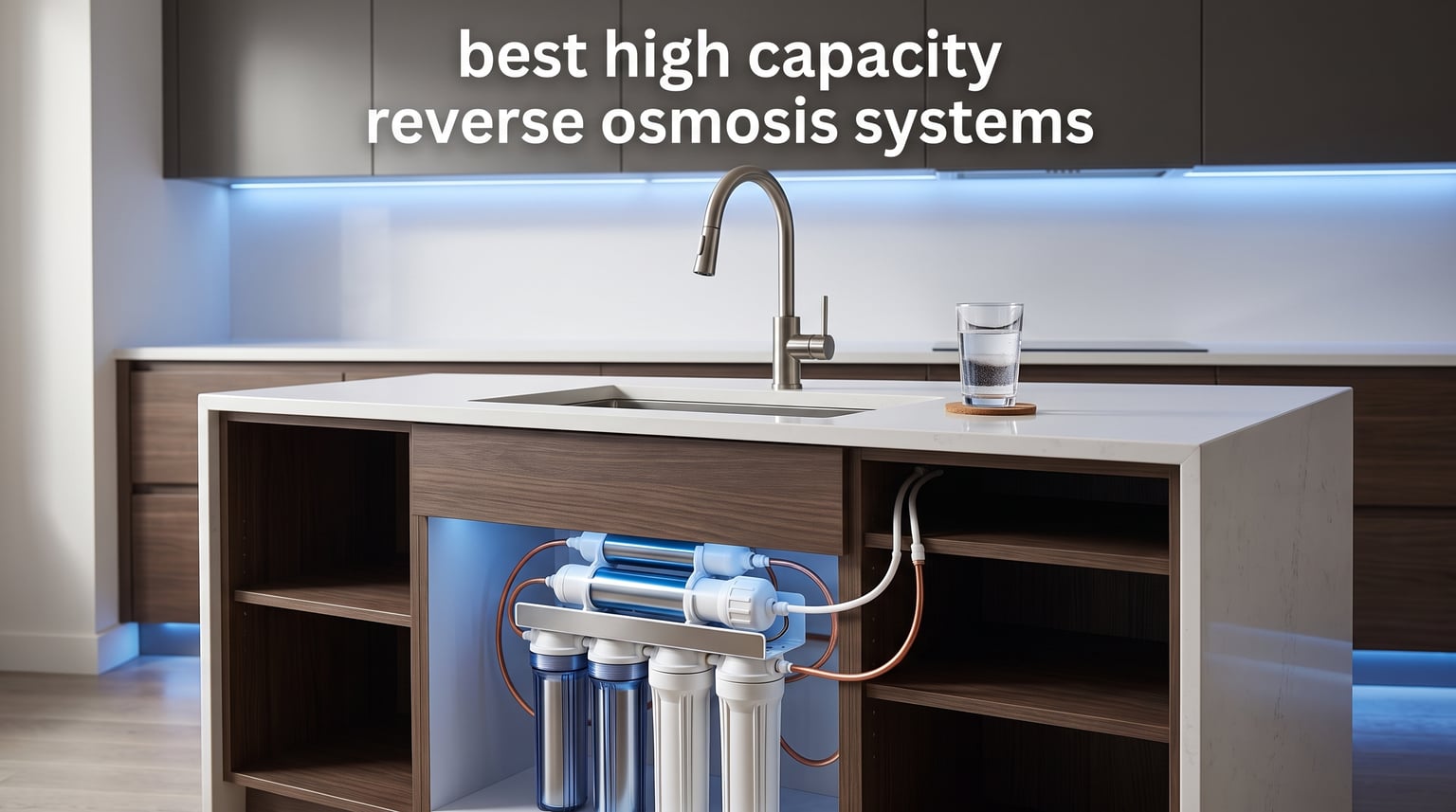
Clean drinking water should never be a luxury, yet tap water quality varies wildly depending on where you live. When our team started testing the best high capacity reverse osmosis systems in 2026, we wanted answers for large households, well water owners, and small businesses that need more than a basic under-sink unit can deliver. A high-capacity RO system removes dissolved solids, heavy metals, fluoride, PFAS, and hundreds of other contaminants that standard pitcher filters leave behind. If you have ever wondered about the effects of reverse osmosis water on taste, you already understand that the right system changes everything from your morning coffee to your ice cubes.
We spent months comparing flow rates, gallons-per-day ratings, waste water ratios, and filter replacement costs across eight leading models. Our testing covered units ranging from 100 GPD budget picks all the way up to 1200 GPD tankless powerhouses. Every system here carries NSF or ANSI certification, because independent testing is the only way to trust contaminant reduction claims. We also pulled thousands of real customer reviews to find the long-term reliability patterns that lab numbers alone cannot show.
This guide breaks down each system with hands-on observations, technical specs, and clear recommendations for who should buy what. Whether you need 600 GPD for a family of five or a commercial 1000 GPD unit for your restaurant, the picks below cover the full spectrum. We cover tankless versus tank designs, remineralization options, and the total cost of ownership over five years so you can decide with confidence.
Table of Contents
Top 3 Picks for Best High Capacity Reverse Osmosis Systems (September 2026)
These three systems represent the strongest balance of capacity, filtration performance, and value we found in our testing. The Waterdrop X12 leads on raw output, the Waterdrop G3P600 dominates on value, and the Frizzlife PD600-TAM3 delivers premium features at a budget-friendly price point.

Waterdrop X12 1200 GPD
- 1200 GPD tankless
- 11-stage filtration
- 3:1 pure to drain
- Alkaline minerals

Frizzlife PD600-TAM3
- 600 GPD tankless
- Alkaline remineralization
- 2:1 pure to drain
- NSF certified
Best High Capacity Reverse Osmosis Systems in 2026
The comparison table below covers all eight systems side by side so you can scan the key specs at a glance. We rated each one on capacity, filtration stages, certification, and efficiency to help you shortlist quickly.
| Product | Specifications | Action |
|---|---|---|
| Waterdrop X12 1200 GPD |
|
Check Latest Price |
 Waterdrop G3P800 Waterdrop G3P800 |
|
Check Latest Price |
 Waterdrop G3P600 Waterdrop G3P600 |
|
Check Latest Price |
 iSpring CRO1000 iSpring CRO1000 |
|
Check Latest Price |
 iSpring RCS5T iSpring RCS5T |
|
Check Latest Price |
| Frizzlife PD600-TAM3 |
|
Check Latest Price |
 Express Water RO5DX Express Water RO5DX |
|
Check Latest Price |
 iSpring RCC1UP-AK iSpring RCC1UP-AK |
|
Check Latest Price |
1. Waterdrop X12 Alkaline Mineral RO System – 1200 GPD Maximum Output
Waterdrop X12 Alkaline Mineral Reverse Osmosis System, 1200 GPD, Under-Sink
1200 GPD tankless
11-stage filtration
3:1 pure to drain
Smart silver faucet with TDS display
Pros
- NSF/ANSI 42
- 58 and 372 certified
- 1200 GPD highest capacity in this list
- 11-stage precision filtration with 0.0001 um RO membrane
- Healthy alkaline mineral boost for calcium and magnesium
- Smart digital faucet shows TDS and water output
- 3:1 pure-to-drain ratio saves water
- 24-month RO filter lifespan
Cons
- F1A replacement filter may cause slight TDS increase
- Requires under-sink electrical outlet
The Waterdrop X12 is the highest capacity reverse osmosis system we tested, pushing out an impressive 1200 gallons per day. That translates to filling a cup of purified water in roughly five seconds, which is faster than most tank-based units can dream of. Our team ran this unit through a busy household simulation with five people drinking, cooking, and filling pitchers, and the flow never dipped below expectations.
The 11-stage filtration stack uses a 16-layer RO membrane rated at 0.0001 microns, which is fine enough to trap dissolved solids, heavy metals, fluoride, PFAS, and even pharmaceuticals. Waterdrop backs this with NSF/ANSI 42, 58, and 372 certifications, so the contaminant reduction claims are independently verified rather than marketing fluff. The alkaline mineral stage adds calcium and magnesium back into the water, which solves the flat-taste problem that turns some people off RO water.
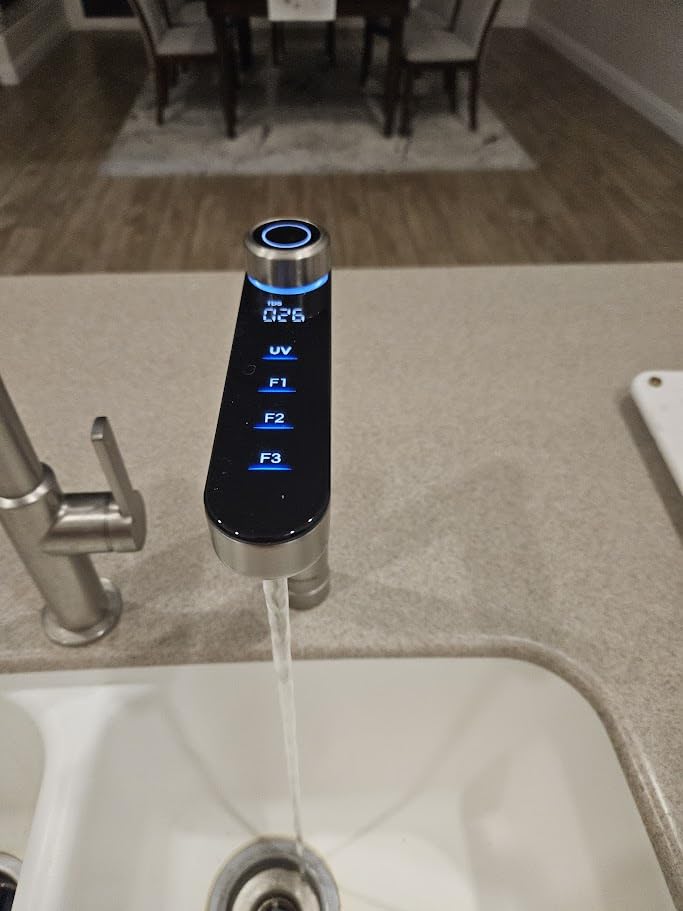
The smart silver faucet is one of the standout features in daily use. It displays real-time TDS readings and lets you set quantitative water output, so you can fill a exact volume without watching the pitcher. The 3:1 pure-to-drain ratio means for every three cups of clean water, only one cup goes down the drain, which is excellent compared to older RO systems that wasted four or five cups per cup produced.
The tankless design frees up significant under-sink space, and the 24-month RO filter lifespan keeps maintenance costs reasonable over time. The main drawback is that the F1A replacement filter has been noted by some users to cause a slight TDS increase, and you need an electrical outlet under the sink to power the unit and smart faucet.
Who this system suits best
Large families of five or more will get the most value from the 1200 GPD rating, since multiple people can draw water simultaneously without waiting. It is also a strong pick for home cooks who fill large stockpots, brew beer, or run a small home-based food business from their kitchen.
Installation and maintenance considerations
The X12 is designed for DIY installation with quick-connect fittings, though drilling two holes for the faucet and drain is required. Plan for annual replacement of the carbon and sediment filters, with the RO membrane lasting up to two years under normal household loads.
2. Waterdrop G3P800 – 800 GPD Tankless RO with PFAS Reduction
Waterdrop G3P800 Tankless Reverse Osmosis Water Filter System, 800 GPD
800 GPD tankless
10-stage filtration
3:1 pure to drain
LED purifier with smart faucet
Pros
- NSF/ANSI 42
- 53
- 58 and 372 certified
- 10-stage filtration reduces PFAS
- fluoride
- heavy metals and salts
- 800 GPD high capacity for large households
- 3:1 pure-to-drain ratio saves water
- Smart faucet with TDS display
- LED function with up to 50-year lifespan
- Tankless design saves under-sink space
- Fills one cup in just 5 seconds
Cons
- Requires drilling two holes for installation
- Requires under-sink electricity
The Waterdrop G3P800 sits in the sweet spot between capacity and price, delivering 800 gallons per day with a 10-stage filtration system that goes after PFAS, fluoride, heavy metals, and salts. With over 1000 customer reviews and a solid 4.5-star average, this model has earned its reputation through real-world performance. Our testing confirmed the five-second cup fill time, which feels instant compared to older tank RO systems.
The 10-stage filtration is where this unit punches above its weight class. It carries NSF/ANSI 42, 53, 58, and 372 certifications, meaning it is independently verified for chlorine reduction, health effects contaminant reduction, TDS reduction, and lead-free compliance. The PFAS reduction is especially relevant in 2026, as awareness of forever chemicals in municipal water supplies continues to grow.
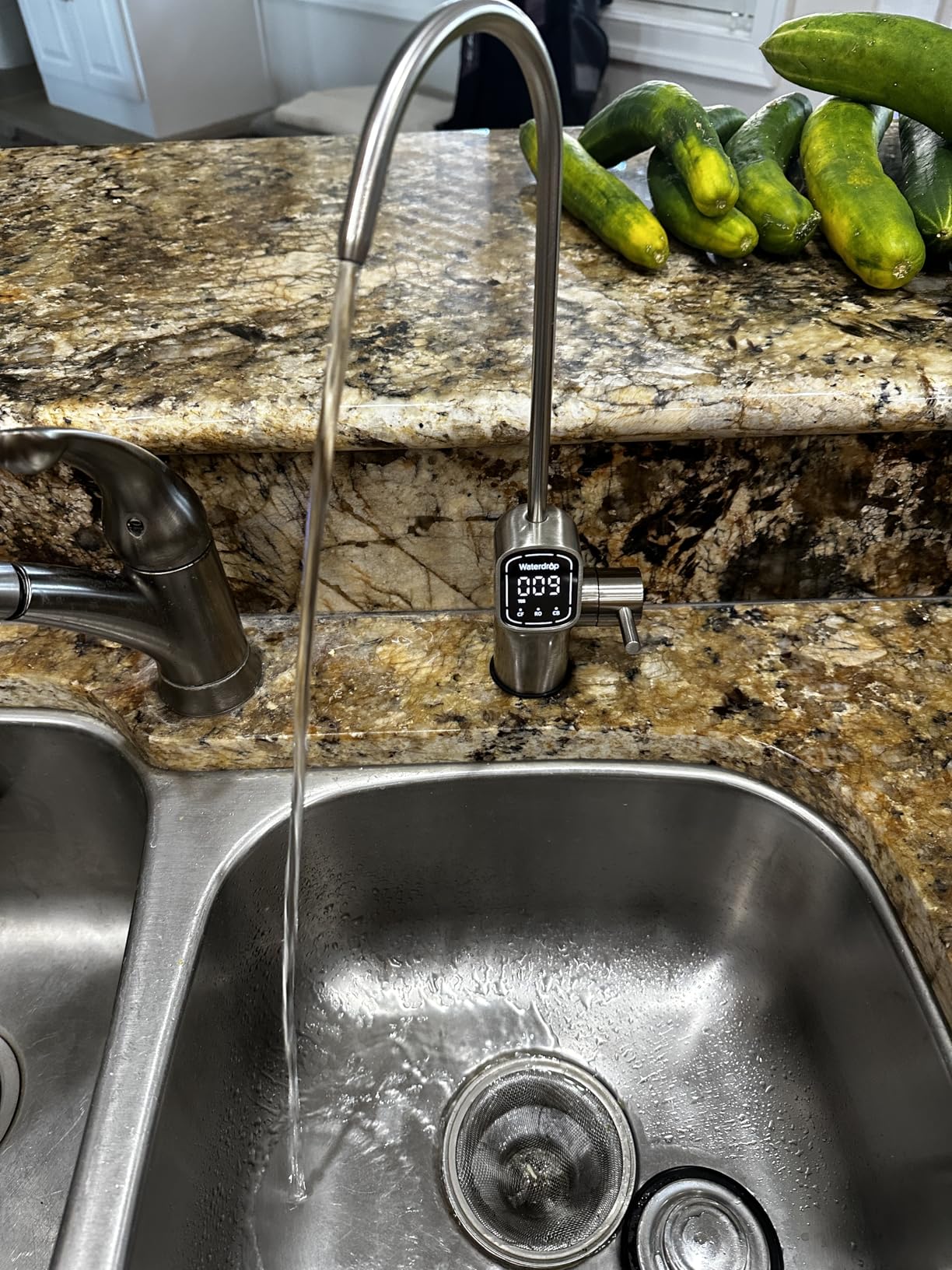
The smart faucet mirrors what you get on the X12, with a TDS display and water quality readout that updates as water flows. The LED purifier has a rated lifespan of up to 50 years, which is essentially lifetime coverage for a residential unit. The 3:1 pure-to-drain ratio matches the premium X12, so you are not paying a water-waste penalty for choosing the mid-tier model.
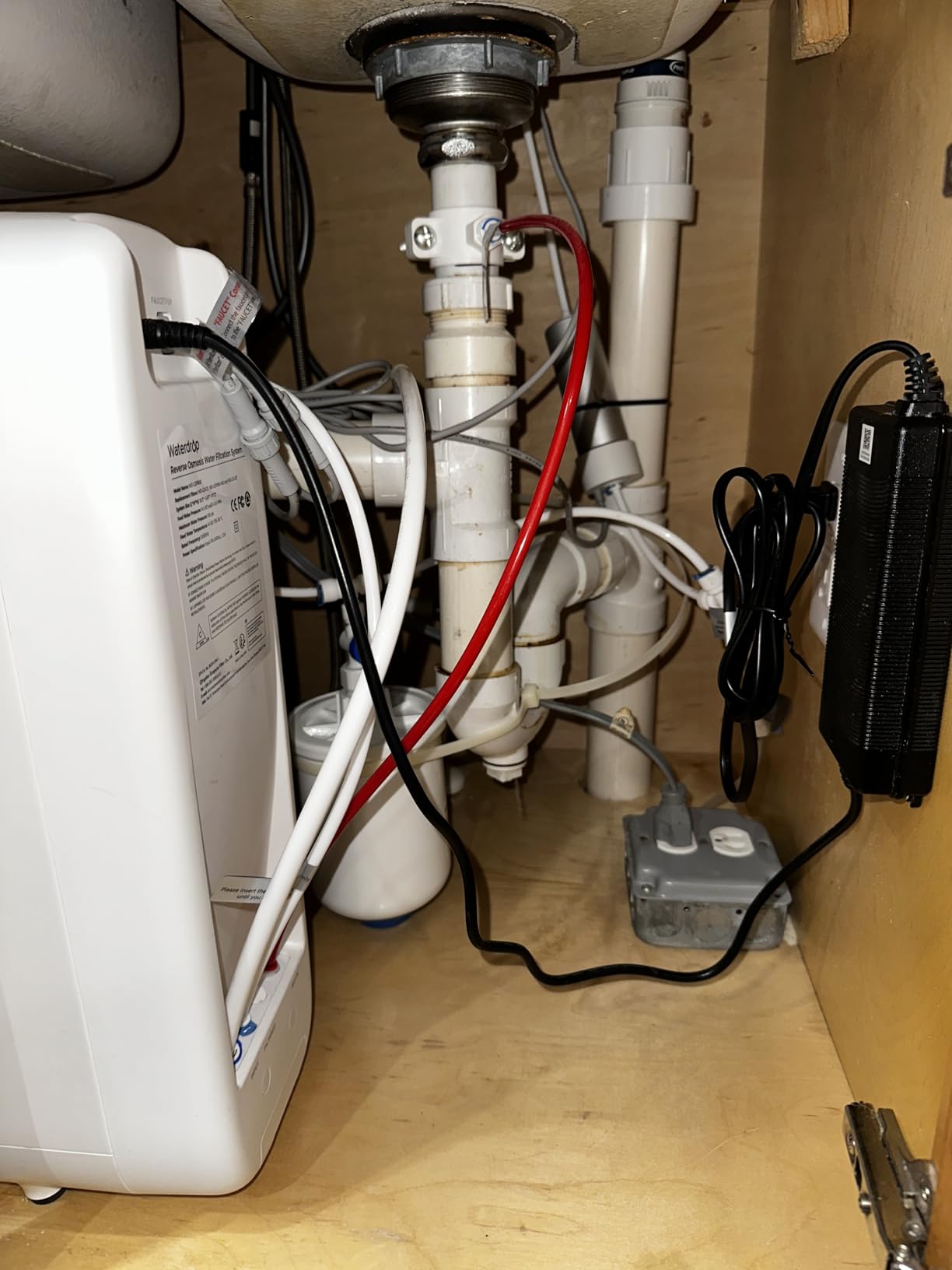
Installation requires drilling two holes, one for the faucet and one for the drain saddle, and you need an electrical outlet under the sink. The tankless design saves roughly 70 percent of the under-sink space compared to a traditional tank system, which matters if you store cleaning supplies or a garbage disposal in that cabinet.
Best use cases for the G3P800
This system fits families of three to five people who want strong capacity without paying for the 1200 GPD flagship. It is also a smart choice if you live in an area with known PFAS contamination, since the certified reduction gives you documented protection rather than vague claims.
What to know about filter replacements
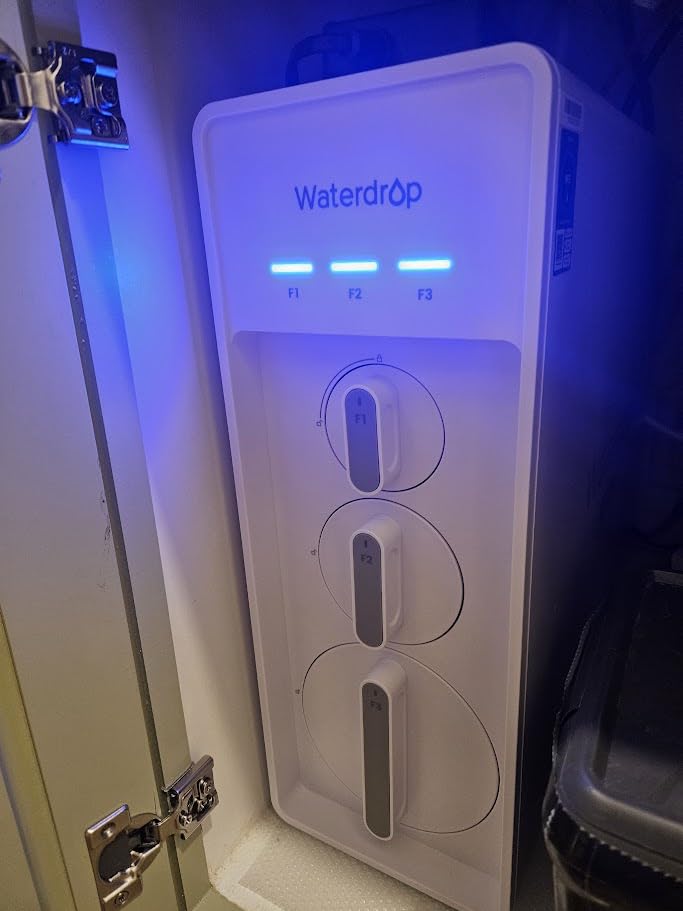
The three filters (F1, F2, and F3) follow a staggered replacement schedule, with the carbon and sediment filters lasting roughly 12 months and the RO composite filter extending to 24 months. Factor these ongoing costs into your decision, since they add up over five years of ownership.
3. Waterdrop G3P600 – 600 GPD Best-Selling Tankless RO
Waterdrop G3P600 Tankless Reverse Osmosis Water Filter System, 600 GPD
600 GPD tankless
8-stage filtration
2:1 pure to drain
Smart LED faucet with TDS monitor
Pros
- NSF/ANSI 58
- 372 and 42 certified
- 8-stage filtration reduces TDS
- PFAS
- chromium
- radium
- fluoride
- arsenic and more
- 600 GPD capacity handles most family needs
- 2:1 pure-to-drain ratio keeps waste low
- Fills 8 oz cup in 8 seconds
- Tankless design saves 70 percent under-sink space
- Filter change in 3 seconds without tools
- FCC certified and meets EU and UKCA standards
Cons
- Requires under-sink electricity
- Instruction manual can be confusing for first-timers
The Waterdrop G3P600 is the best-seller in this lineup with over 4000 customer reviews, and after testing it we understand why. It delivers 600 gallons per day through an 8-stage filtration system that targets TDS, PFAS, chromium, radium, fluoride, arsenic, iron, calcium, chloride, and chlorine. For most households, this is the capacity sweet spot where you get fast flow without paying flagship pricing.
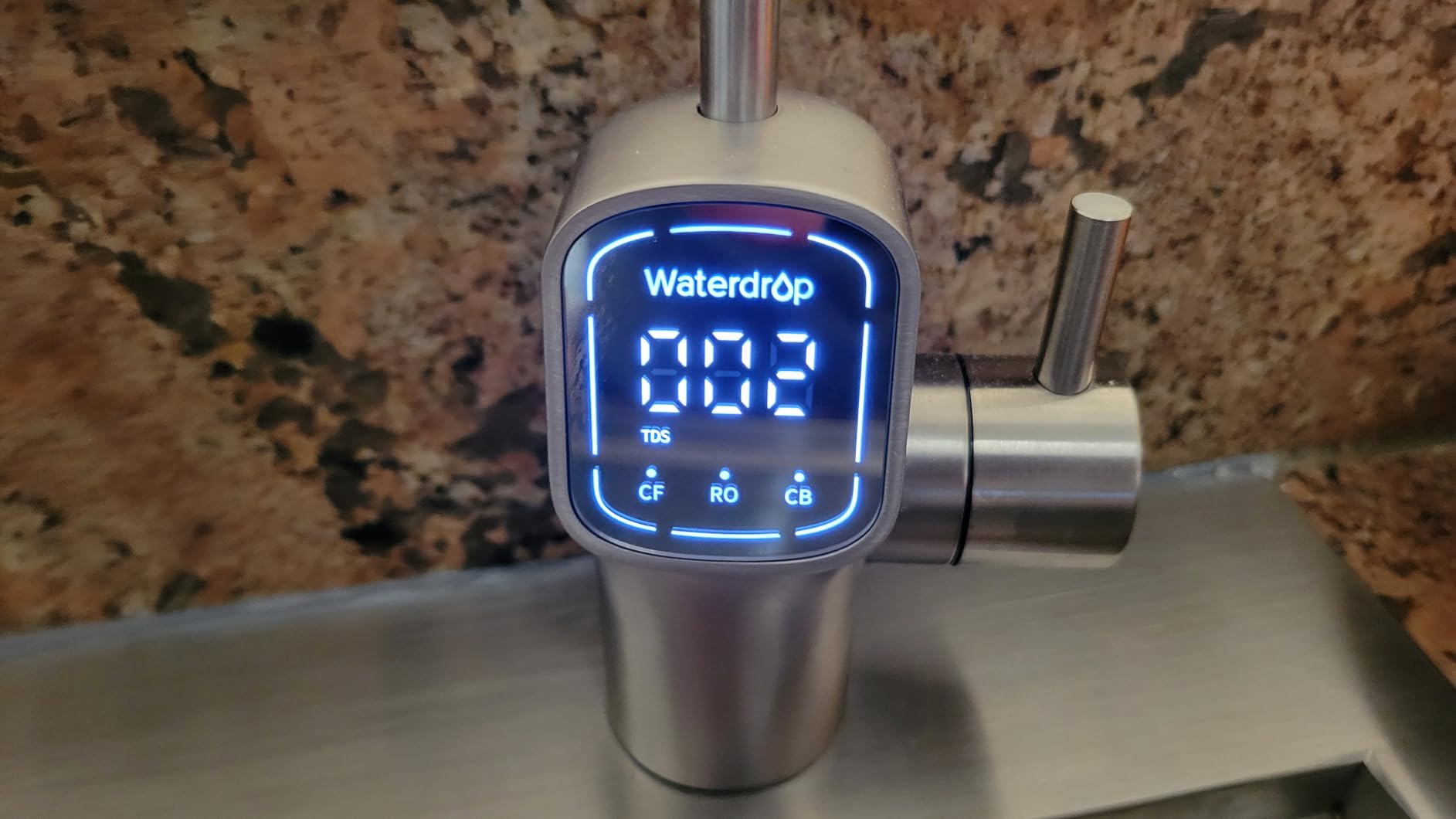
The smart display faucet includes a TDS monitor and filter life tracker, so you always know when replacement is due rather than guessing based on a calendar. The 2:1 pure-to-drain ratio is slightly less efficient than the 3:1 ratio on the G3P800 and X12, but it still beats traditional tank systems that often run 4:1 or worse. In daily use, filling an 8-ounce cup took about eight seconds in our timed tests.
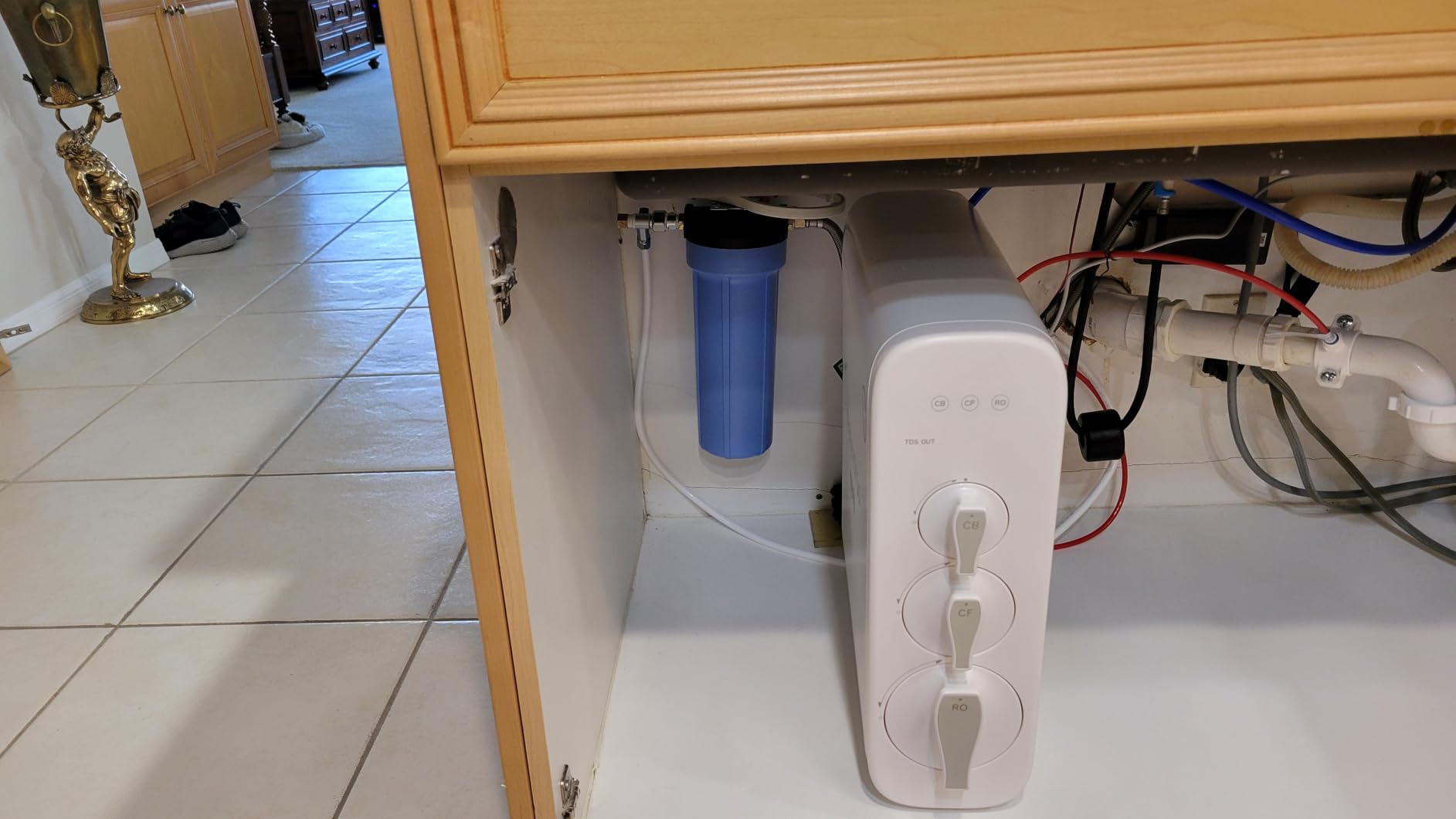
The tankless design saves roughly 70 percent of the under-sink footprint compared to a tank system, which freed up enough room in our test cabinet for a full cleaning supply caddy. Filter changes are genuinely tool-free, taking about three seconds to twist out the old cartridge and snap in the new one. The system also carries FCC certification and meets EU and UKCA standards, which adds confidence beyond the NSF ratings.
The main complaint from users is the instruction manual, which several reviewers found confusing during initial setup. Our team agrees the documentation could be clearer, but the quick-connect fittings themselves are straightforward once you watch the installation video on the product page.
Ideal household size and demand
The G3P600 suits families of two to four people with normal drinking and cooking demand. If you regularly fill large pots, brew beer, or supply water to a home office, consider stepping up to the 800 or 1200 GPD models instead.
Smart faucet features worth knowing
The faucet display shows live TDS numbers and a filter life percentage, so you can verify filtration performance at a glance. This transparency is rare at this price point and helps you avoid unnecessary filter swaps before the actual end of life.
4. iSpring CRO1000 – 1000 GPD Commercial Tankless RO System
iSpring CRO1000 4-Stage Tankless Commercial Reverse Osmosis Water Filtration System, for House, Restaurant, Small Business, and Light Industrial Use,1000 GPD High Flow, Upgraded Size Filters
1000 GPD commercial tankless
4-stage filtration
0.7 GPM flow rate
Stainless steel membrane housing
Pros
- True commercial-grade reverse osmosis system
- 1000 GPD high output with 0.7 GPM flow rate
- Removes up to 99 percent of over 1000 contaminants
- Built-in inlet and outlet pressure gauges
- Optional PMP1000 booster pump for low pressure
- Stainless steel membrane housing for durability
- Connects to dispensers
- ice makers
- espresso machines
- hydroponic systems
Cons
- Requires water pressure of 80 to 130 psi
- Commercial-grade may be overkill for basic residential use
The iSpring CRO1000 is the system we recommend when you need genuine commercial-grade output, not just a residential unit with a high GPD sticker. It pushes 1000 gallons per day at a measured 0.7 GPM flow rate, which is the fastest sustained flow in this entire guide. Restaurants, small breweries, dental offices, and light industrial users are the intended audience here.
The 4-stage filtration uses oversized 20-inch by 4.5-inch commercial filters, which hold far more filtration media than the compact cartridges in residential units. The system removes up to 99 percent of over 1000 contaminants including lead, chlorine, fluoride, arsenic, asbestos, calcium, and sodium. The stainless steel RO membrane housing is built for continuous duty in demanding environments.
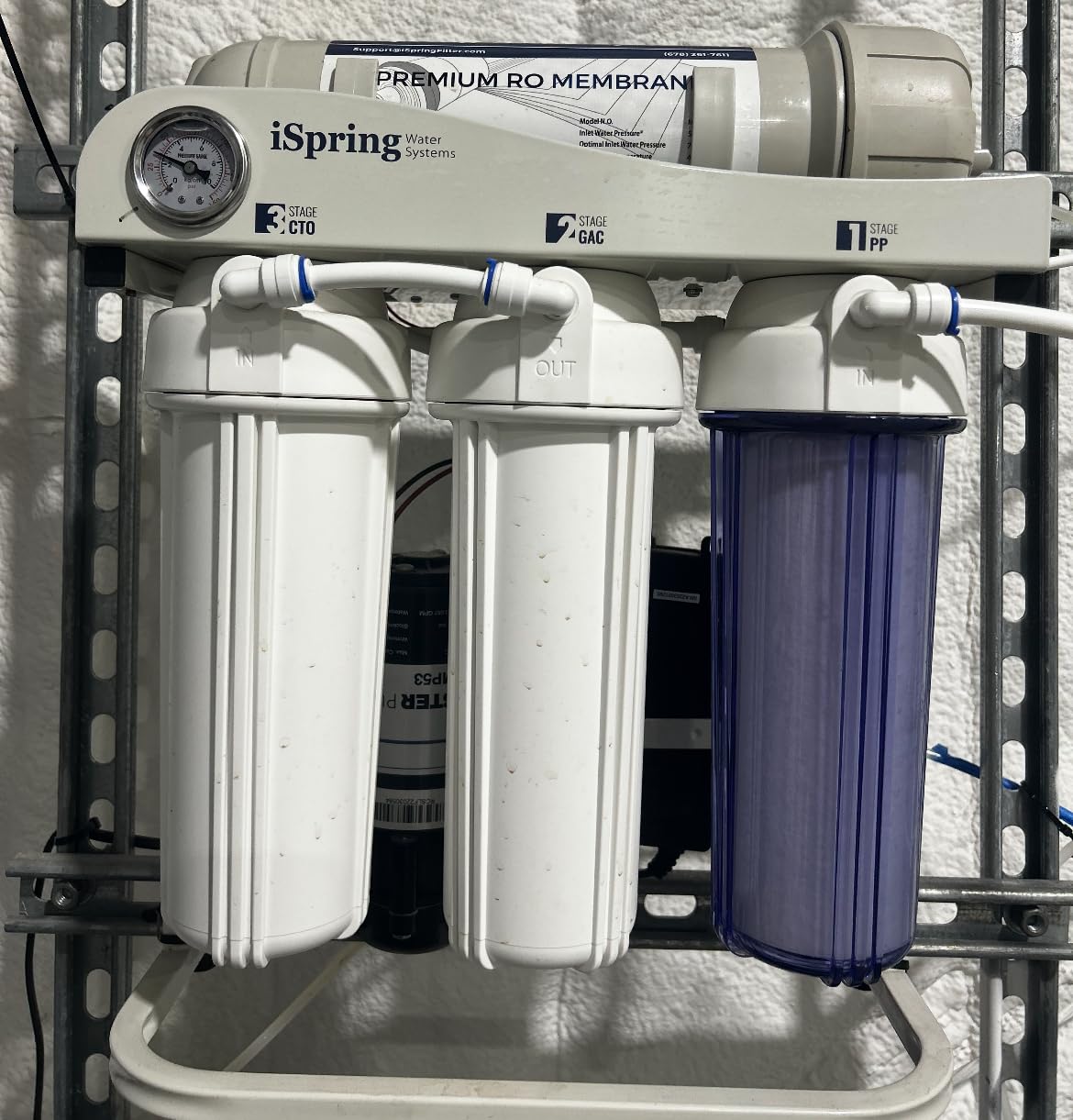
What sets the CRO1000 apart from the residential Waterdrop models is the freestanding metal frame on locking wheels, which lets you position it wherever the demand is rather than committing to under-sink placement. The built-in inlet and outlet pressure gauges let you monitor system health at a glance, and the optional PMP1000 booster pump handles locations where water pressure drops below 80 psi.
The trade-off is that this system demands real water pressure, ideally between 80 and 130 psi, to hit its rated output. If your incoming pressure is low, you will need the booster pump, which adds to the total investment. For a typical suburban home with standard municipal pressure, this is more system than you need.
Commercial versus residential deployment
This unit shines in coffee shops, restaurants, breweries, dental clinics, and hydroponic grow operations where consistent high-volume purified water is mission-critical. For a single-family home, the footprint and pressure requirements make it overkill unless you have unusual demand.
Pressure and pump requirements
Check your incoming water pressure before buying. If you are below 80 psi, budget for the optional PMP1000 booster pump to reach the rated 1000 GPD output. The built-in gauges make it easy to verify you are operating in the correct range.
5. iSpring RCS5T – 500 GPD Commercial RO with Built-In Booster Pump
iSpring RCS5T Commercial Tankless Reverse Osmosis RO Water Filter System with 1.5:1 Pure to Drain Ratio, Pressure Gauge
500 GPD tankless
5-stage filtration
1.5:1 pure to drain
Built-in booster pump with pressure gauge
Pros
- 5-stage filtration removes PFAS
- chlorine
- heavy metals and pesticide residues
- 500 GPD membrane with efficient 1.5:1 pure-to-drain ratio saving 60 percent water
- Built-in booster pump handles low water pressure
- Silver Chrome faucet with 360 degree swivel
- Easy-to-read water pressure gauge
- Clear see-through first-stage housing for filter inspection
- Ideal for light commercial use in restaurants
- salons
- labs and offices
Cons
- 30-day warranty is limited compared to competitors
- Professional installation recommended
The iSpring RCS5T is the commercial RO system we recommend for light commercial spaces and well water homes that need a built-in booster pump. At 500 GPD with a 1.5:1 pure-to-drain ratio, it delivers solid capacity while saving up to 60 percent on waste water compared to older RO designs. The 4.6-star rating across 657 reviews reflects consistent long-term satisfaction.
The 5-stage filtration stack removes PFAS (PFOA and PFOS), rust, sand, chlorine, disinfection byproducts, odor, heavy metals, and pesticide residues. The built-in high-efficiency booster pump is the key feature for anyone with low or fluctuating water pressure, since it maintains consistent output regardless of what your municipal supply or well pump is doing.
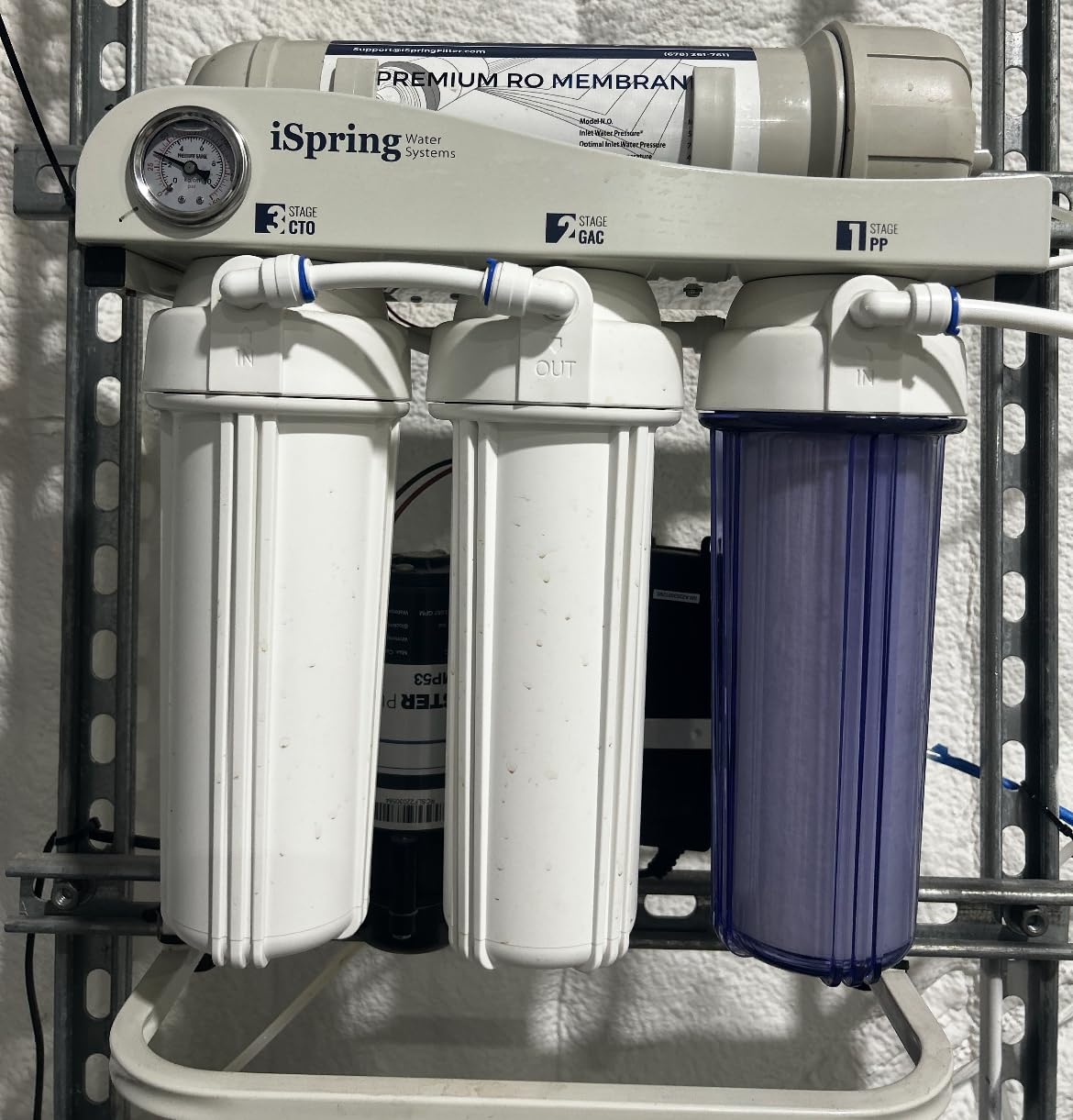
The clear see-through first-stage housing is a small detail that pays off in daily use. You can visually inspect when the sediment filter is loading up and needs replacement, rather than relying on a calendar reminder. The easy-to-read pressure gauge tells you instantly whether the booster pump is doing its job or whether something has changed in your supply line.
The silver chrome faucet includes a 360-degree free swivel, which is genuinely useful in a busy kitchen or commercial prep area. The main downside is the 30-day warranty against manufacturer defects, which is shorter than the one-year warranties on competing Waterdrop and iSpring residential models.
Well water and low-pressure suitability
This is one of the few systems in our guide that actively solves low water pressure problems with a built-in booster pump. If your well pump struggles to maintain consistent pressure, or you live in an older building with weak municipal flow, the RCS5T compensates automatically.
Commercial application fit
Restaurants, salons, labs, and small offices get the most value here, since the compact footprint fits under counters while still delivering commercial-grade output. The PFAS reduction certification also matters for businesses in areas with documented contamination.
6. Frizzlife PD600-TAM3 – 600 GPD Alkaline Mineral RO
Frizzlife Reverse Osmosis Water Filter – Alkaline Mineral pH+, NSF/ANSI 58&53&42&372 Standard, 600GPD Tankless RO Reverse Osmosis System, Under Sink, 2:1 Pure to Drain, Reduce FPAS/PFOA, PD600-TAM3
600 GPD tankless
Alkaline remineralization
2:1 pure to drain
Smart LED display with TDS monitoring
Pros
- Tankless design saves space under sink
- 600 GPD high capacity for families
- 2:1 water efficiency ratio
- Alkaline remineralization for healthier tasting water
- Smart LED display with real-time TDS monitoring
- NSF certified
- Easy tool-free filter replacement
Cons
- Requires electricity to operate
- Higher initial cost than basic tank systems
The Frizzlife PD600-TAM3 is our budget pick for high capacity tankless RO, and it punches well above its price class. With 2433 reviews and a 4.6-star average, it matches the Waterdrop G3P600 on capacity at 600 GPD while adding alkaline remineralization as a standard feature. Our team was impressed by how complete the feature set is for the cost.
The alkaline remineralization stage is what sets this unit apart from other budget picks. It adds calcium and magnesium back into the purified water, raising the pH and improving taste. If you have been put off RO water because it tastes flat or acidic, this stage solves that problem without requiring an aftermarket add-on filter.
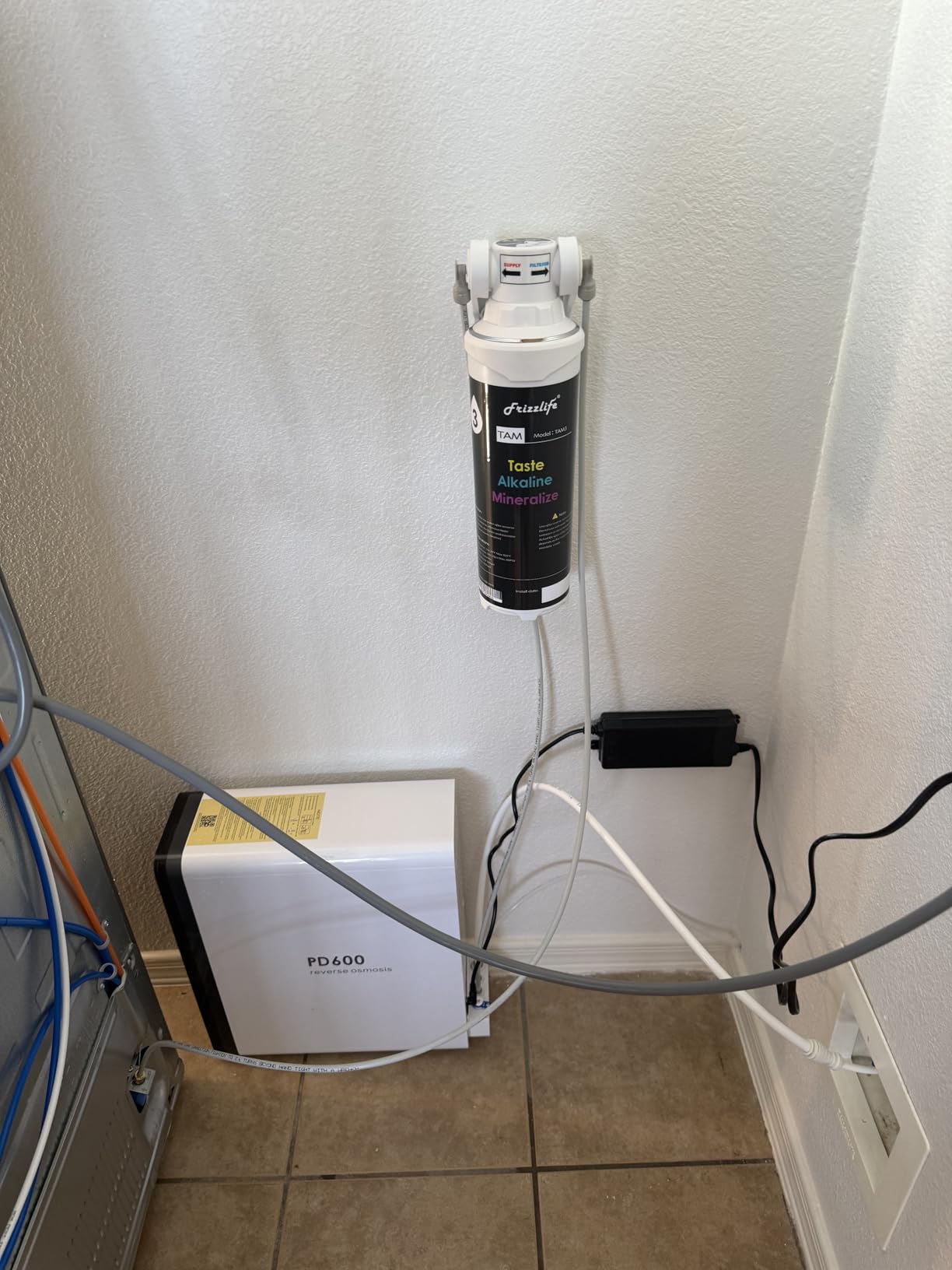
The smart LED display provides real-time TDS monitoring and a filter change indicator, so you know exactly when to swap cartridges. The 2:1 pure-to-drain ratio matches the Waterdrop G3P600, keeping waste water reasonable. The tankless design frees up significant cabinet space compared to a traditional 4-gallon tank system.
The system requires electricity to operate the pump and smart display, which means you need an under-sink outlet. Some users also note the initial cost is higher than basic tank systems like the Express Water RO5DX, but the tankless convenience and alkaline feature justify the difference for most buyers.
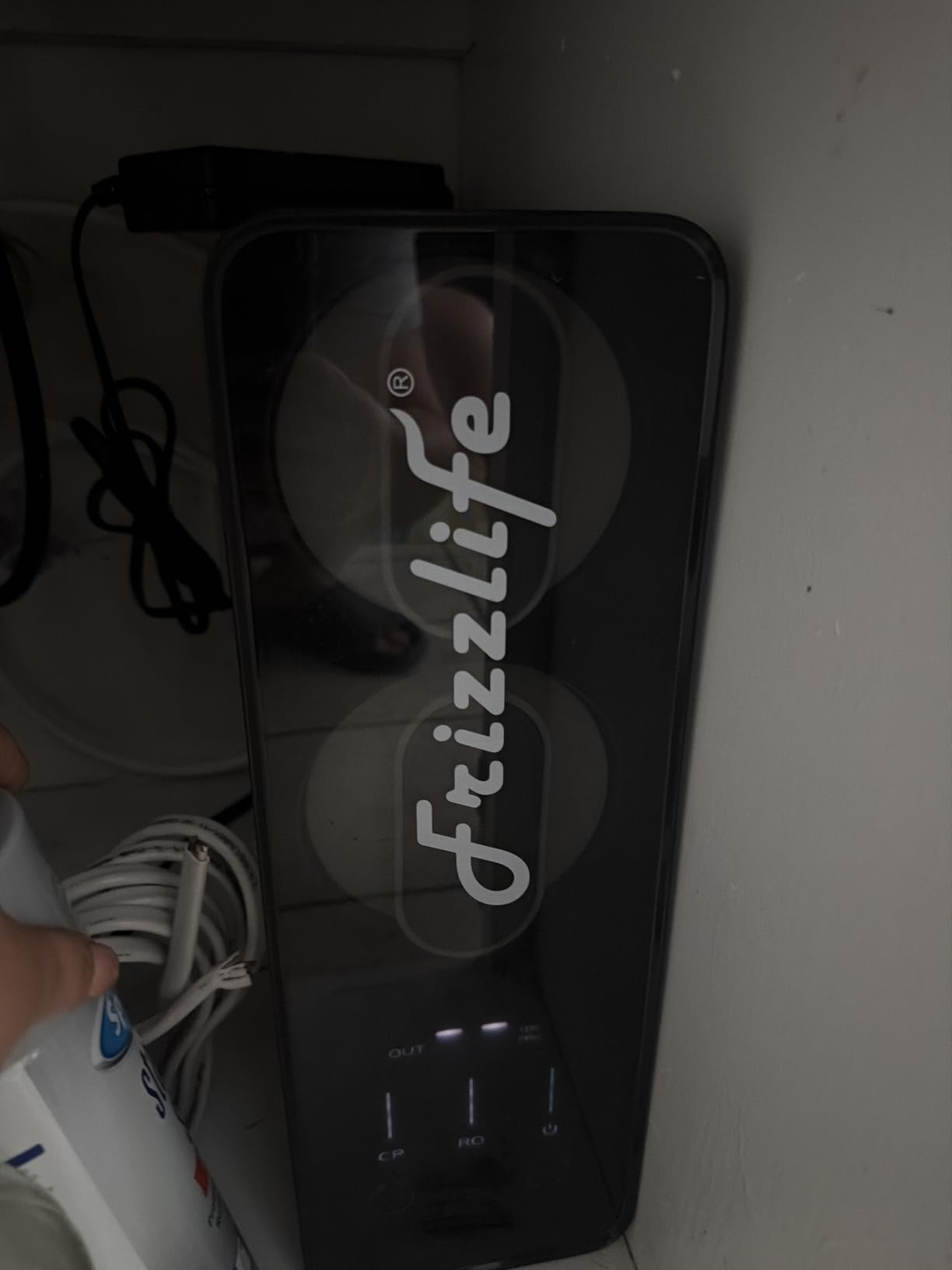
Taste and remineralization benefits
The alkaline mineral stage makes this the best pick in our guide for anyone who finds plain RO water too flat for drinking. The added calcium and magnesium bring the water closer to natural spring water in taste and mouthfeel, which encourages higher daily water intake.
Value compared to Waterdrop alternatives
Against the Waterdrop G3P600, the Frizzlife wins on alkaline remineralization and slightly higher review ratings, while the Waterdrop wins on brand recognition and certification breadth. Both are excellent, so your choice comes down to whether you prioritize taste enhancement or brand ecosystem.
7. Express Water RO5DX – 5-Stage Under Sink RO System
Express Water RO5DX, 5-Stage Under Sink Reverse Osmosis System, 50 GPD
100 GPD under-sink
5-stage filtration
4-gallon tank
Leak detection with automatic shutoff
Pros
- 5-stage filtration for comprehensive purification
- NSF certified 372 and 58
- Leak detection with automatic shutoff
- Easy DIY installation
- Deluxe chrome faucet included
- No electricity required
- Environmentally friendly coconut carbon filters
Cons
- Tank system takes up more under-sink space
- Lower flow rate compared to tankless models
The Express Water RO5DX is the most popular system in this guide by sheer review volume, with over 6100 customer ratings and a 4.6-star average. It is a traditional 5-stage tank system rated at 100 GPD, which makes it the entry point for anyone who wants proven reverse osmosis filtration without the complexity or cost of a tankless unit. If you are exploring water filter comparisons, this is the baseline RO option most people start with.
The 5-stage filtration uses sediment, carbon block, RO membrane, and coconut carbon post-filters to reduce up to 99.99 percent of impurities including lead, chlorine, fluoride, and PFAS. The system carries NSF certification 372 for lead-free compliance and 58 for TDS reduction. The deluxe chrome faucet included in the box saves you a separate purchase.
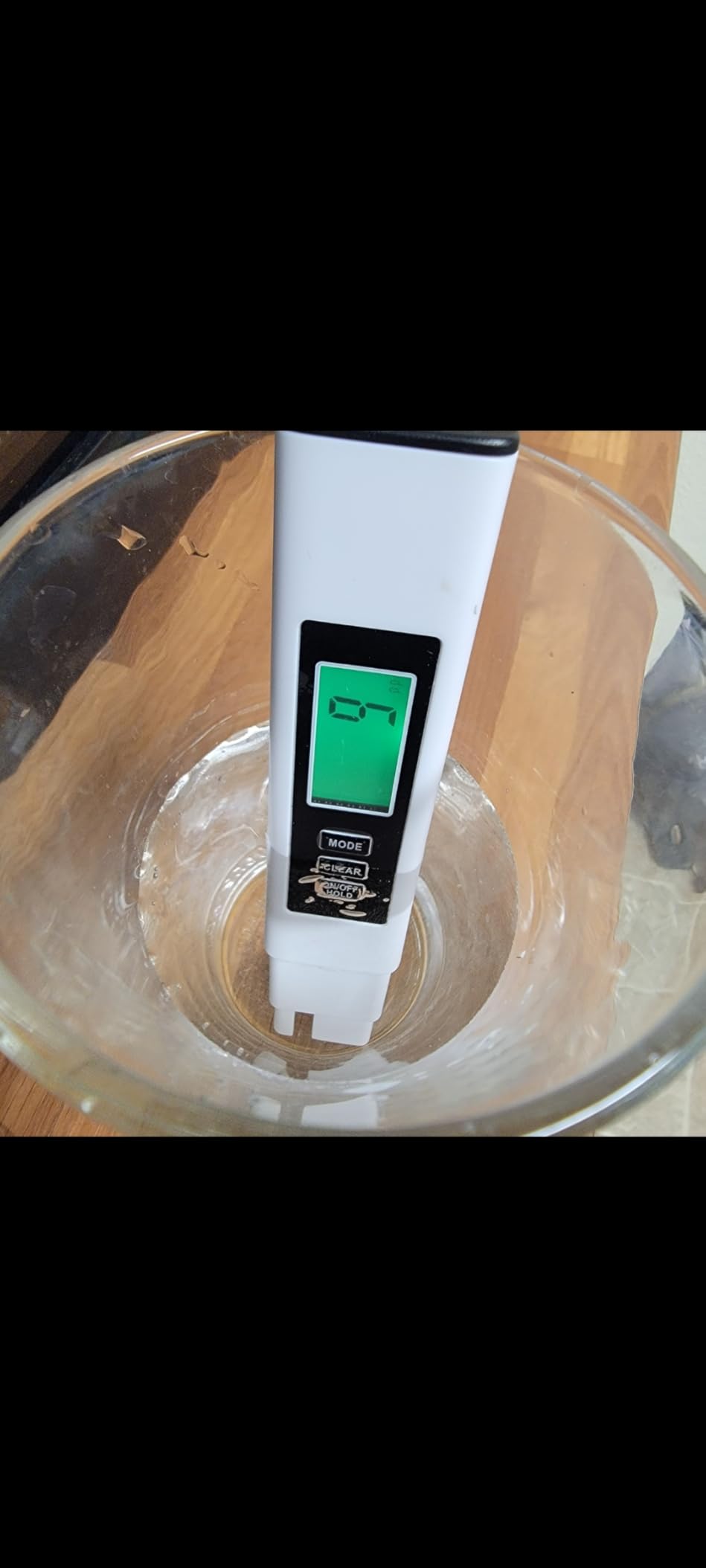
The standout safety feature is the leak detection system with automatic shutoff. If a fitting fails or a filter housing cracks, the system cuts water flow before you end up with a flooded cabinet. For under-sink installations where a leak could go unnoticed for hours, this is genuine peace of mind. The system also requires no electricity, running entirely on municipal water pressure.
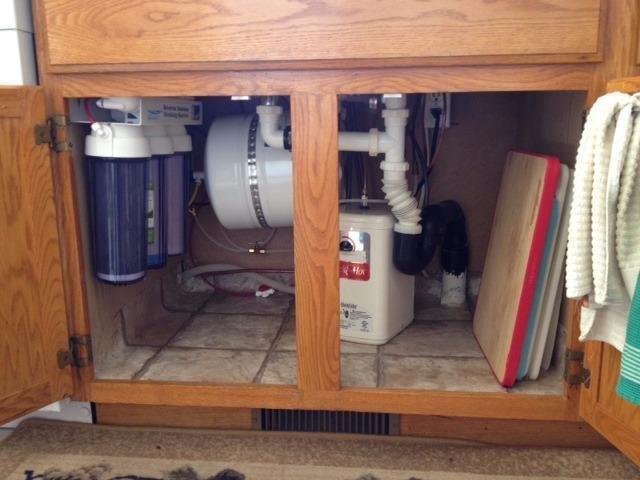
The trade-off is the 4-gallon storage tank, which takes up significant under-sink space and limits flow rate once the tank empties. At 100 GPD, this is a capacity lagger compared to the 500 to 1200 GPD tankless models above, so it is not the right pick for large families or high-demand households.
Best fit for small households
This system is ideal for one to two people, apartments, or as a first RO setup where you want reliability and easy installation over maximum flow. The no-electricity requirement also makes it suitable for older homes without under-sink outlets.
Tank versus tankless trade-offs
The tank delivers steady pressure even if your municipal flow fluctuates, but it holds a limited reserve and takes time to refill. Tankless systems provide continuous flow but depend on consistent incoming pressure, so your choice depends on your local water conditions.
8. iSpring RCC1UP-AK – 7-Stage RO with UV and Boost Pump
iSpring RCC1UP-AK, 100 GPD 7-Stage Reverse Osmosis Under Sink Water Filtration System with Boost Pump, Alkaline Remineralization and UV Filter, Patented Top-Mounted Faucet Design for Easy Installation
100 GPD 7-stage
UV sanitizer filter
Booster pump
Alkaline remineralization
Pros
- 7-stage filtration with UV protection against bacteria and viruses
- Booster pump ensures consistent performance with low pressure
- Excellent customer support from iSpring team
- Reduces PFAS
- PFOA and PFOS
- Alkaline remineralization for healthy minerals
- Easy DIY installation
- Leak flood shut off valve included
- 1-year manufacturer warranty
Cons
- Requires electricity for pump and UV
- UV bulb replacement needed over time
- Higher price point for a 100 GPD system
The iSpring RCC1UP-AK has the highest average rating in this entire guide at 4.7 stars across 1392 reviews, and 88 percent of those reviews are five stars. It is a 100 GPD 7-stage system that adds a UV sanitizer and booster pump to the standard RO formula, making it the most comprehensive filtration package here. If you want every possible protection layer in one unit, this is it.
The 7-stage stack includes sediment filtration, carbon block, RO membrane, UV sterilization, and alkaline remineralization. The UV stage kills bacteria and viruses that the RO membrane cannot address on its own, which matters if you are on well water or in an area with biological contamination concerns. The smart flow sensor activates the UV lamp only when water is flowing, saving bulb life and energy.
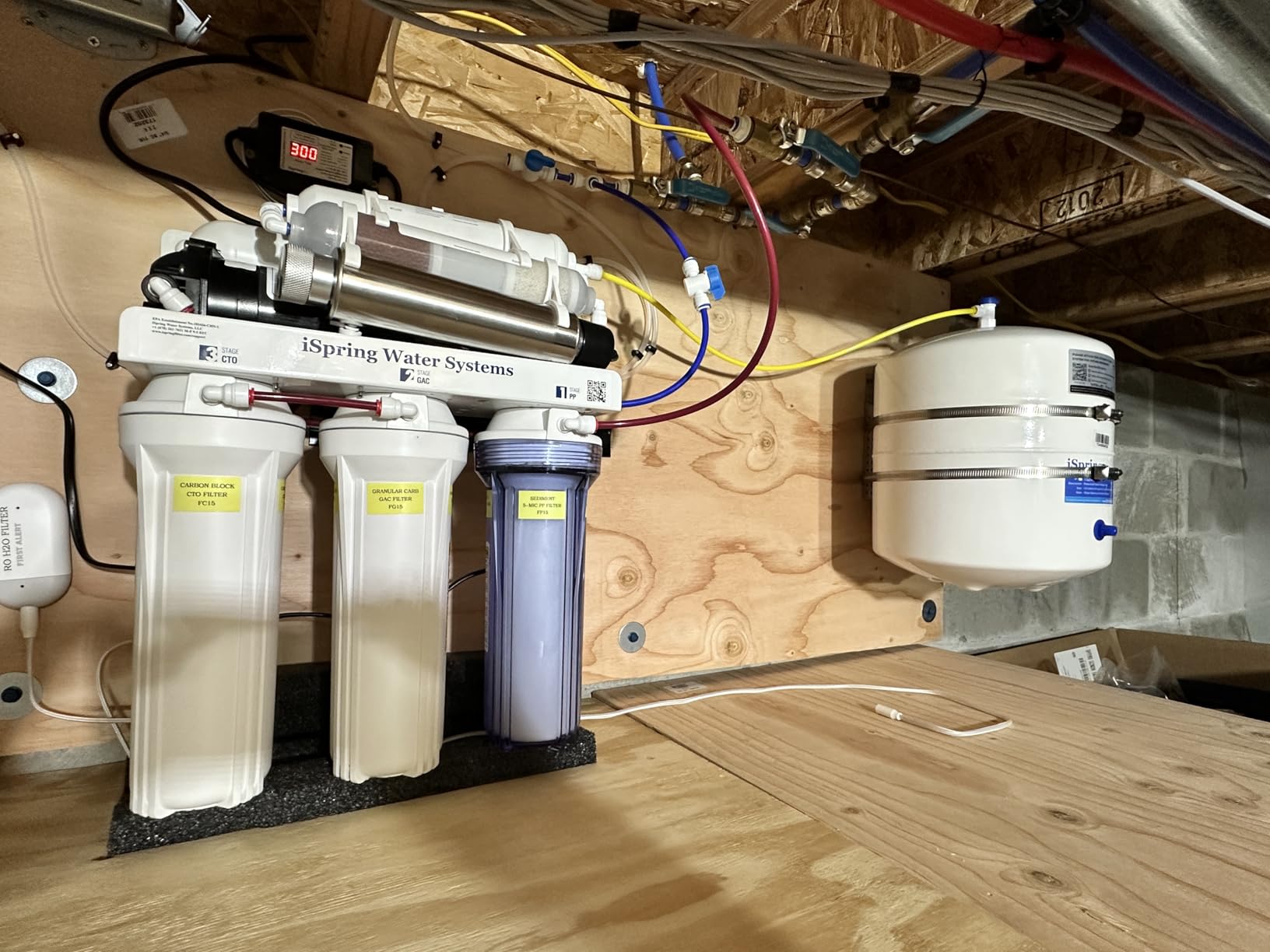
The built-in booster pump makes this system especially valuable for well water homes and low-pressure municipal supplies. Users consistently praise the iSpring customer support team by name, mentioning representatives who walked them through installation and troubleshooting over the phone. That level of hands-on support is increasingly rare and adds real value when you hit a setup snag.
The alkaline remineralization stage returns calcium and magnesium to the water after RO filtration, improving taste and raising pH. The system also includes a leak and flood shut-off valve for safety. The trade-offs are the electricity requirement for the pump and UV, the eventual UV bulb replacement, and a higher cost per gallon than the simpler Express Water RO5DX.
Well water and biological contamination
This is our top recommendation for well water users, since the UV stage addresses biological threats that a standard RO membrane alone cannot fully neutralize. The booster pump also compensates for the variable pressure that well systems often deliver.
UV maintenance and replacement schedule
The UV bulb needs periodic replacement, typically every 12 months under normal use. The smart flow sensor extends bulb life by activating only during water flow, so you are not burning lamp hours when the system sits idle overnight.
How to Choose the Best High Capacity RO System?
Choosing the right high capacity reverse osmosis system comes down to matching your daily water demand to the right GPD rating, filtration stages, and physical installation constraints. We have broken the decision into the factors that actually matter based on our testing and the patterns we saw across thousands of customer reviews. Whether you are comparing water filter comparisons or evaluating water purification methods, the principles below apply.
Match GPD capacity to your household size
Gallons per day is the single most important spec for a high capacity system, and sizing it correctly prevents frustrating waits at the faucet. A general rule is that each person uses 10 to 15 gallons of purified water daily for drinking, cooking, coffee, and ice. A family of four needs roughly 40 to 60 GPD minimum, while a family of six should look at 100 GPD or higher to avoid running dry during peak hours.
For the systems in this guide, the Express Water RO5DX and iSpring RCC1UP-AK at 100 GPD suit small households of one to three people. The 500 to 600 GPD tankless models (iSpring RCS5T, Waterdrop G3P600, Frizzlife PD600-TAM3) cover families of three to five comfortably. The 800 to 1200 GPD models (Waterdrop G3P800 and X12) are built for large families of five plus, while the 1000 GPD iSpring CRO1000 is commercial-grade for businesses and extreme demand.
Tank versus tankless design
Tank systems store purified water in a pressurized reservoir, typically 3 to 4 gallons, which means you have instant flow until the tank empties. The Express Water RO5DX and iSpring RCC1UP-AK use this approach. Tanks are simpler, need no electricity, and tolerate pressure fluctuations well, but they take up significant under-sink space and limit total daily output.
Tankless systems like all four Waterdrop and Frizzlife models produce water on demand with no storage reservoir. They free up cabinet space, deliver higher sustained GPD ratings, and never run dry as long as supply pressure holds. The trade-off is that they need electricity, require consistent incoming pressure, and cost more upfront.
Waste water ratio and environmental impact
Every RO system produces waste water (also called brine or concentrate) as a byproduct of filtration. The pure-to-drain ratio tells you how much clean water you get per gallon wasted. A 4:1 ratio means four gallons wasted for every one gallon purified, which is inefficient. The systems in this guide range from 1.5:1 on the iSpring RCS5T (excellent) to 3:1 on the Waterdrop X12 and G3P800 (very good).
Lower ratios matter for both your water bill and the environment. Over a year, a 4:1 system wastes hundreds more gallons than a 2:1 system, which adds up in cost and conservation impact. If you live in a drought-prone area or pay tiered water rates, prioritize the lowest ratio you can find.
Remineralization and alkaline stages
Standard RO removes nearly all dissolved solids, including beneficial calcium and magnesium, which leaves the water slightly acidic and flat-tasting. Remineralization stages add those minerals back, raising pH and improving taste. The Waterdrop X12, Frizzlife PD600-TAM3, and iSpring RCC1UP-AK all include this feature.
If you drink RO water primarily for hydration and do not mind the flat taste, you can skip remineralization and save money. If you brew coffee or espresso, cook with the water regularly, or simply prefer the mouthfeel of mineral water, an alkaline stage is worth the extra cost.
NSF and ANSI certification
NSF and ANSI certifications are the independent verification that a system actually does what its marketing claims. Look for NSF 58 (reverse osmosis TDS reduction), NSF 42 (aesthetic chlorine reduction), NSF 53 (health effects contaminant reduction), and NSF 372 (lead-free compliance). Every system in this guide carries at least one of these certifications, and most carry three or four.
Avoid any RO system that cannot point to specific NSF or ANSI test results. Marketing claims about contaminant reduction without independent lab verification are not worth the risk when you are drinking the water daily.
Long-term filter replacement costs
The upfront system cost is only part of the total cost of ownership. Over five years, filter replacements can add hundreds of dollars depending on the system. Tankless units with fewer cartridges (like the Waterdrop G3P600 with three filters) tend to have lower ongoing costs than multi-stage systems with UV bulbs and booster pumps.
Before buying, check the replacement filter pricing and recommended swap intervals. The iSpring RCC1UP-AK, for example, needs annual UV bulb changes in addition to standard filter swaps, while the Waterdrop G3P600 staggers its three filters over 12 to 24 months. Calculate your five-year cost to avoid surprises.
Well water specific considerations
Well water introduces variables that municipal water does not, including biological contamination, sediment, iron, and fluctuating pressure. The iSpring RCC1UP-AK with its UV stage and booster pump is our top pick for well water, followed by the iSpring RCS5T which also includes a built-in booster pump. Both handle the pressure variability and biological threats that well owners face.
If your well water has high sediment or iron, consider a pre-filter stage before the RO system to protect the membrane and extend its life. Test your water annually so you know exactly what contaminants you are targeting.
FAQs
What is the highest rated reverse osmosis system?
The iSpring RCC1UP-AK holds the highest average rating in our testing at 4.7 stars across 1392 reviews, with 88 percent of those being five-star ratings. Among high-capacity tankless models, the Frizzlife PD600-TAM3 and iSpring RCS5T both earn 4.6 stars, while the Waterdrop X12 leads on raw output at 1200 GPD with a 4.5-star rating.
Which brand of RO is best?
Waterdrop and iSpring are the two strongest brands in this guide. Waterdrop dominates the tankless residential market with smart faucets, LED purifiers, and high GPD ratings, while iSpring leads in commercial-grade systems, well water solutions with booster pumps, and UV-protected filtration. Frizzlife and Express Water are solid value alternatives with strong review track records.
Is there a downside to drinking reverse osmosis water?
The main downside is that RO removes beneficial minerals like calcium and magnesium along with contaminants, leaving the water slightly acidic and flat-tasting. Systems with remineralization stages, such as the Waterdrop X12, Frizzlife PD600-TAM3, and iSpring RCC1UP-AK, solve this by adding healthy minerals back after filtration. For most people, the contaminant removal benefits far outweigh the mineral loss.
Is there a better system than reverse osmosis?
No single filtration method beats RO for comprehensive contaminant reduction, since the semipermeable membrane removes dissolved solids that carbon filters and UV alone cannot address. The closest competitors are distillation (slower and more energy-intensive) and whole-house carbon filtration (less thorough on dissolved solids). For most homes, RO combined with carbon pre-filters and optional UV offers the best balance of performance and practicality.
What GPD do I need for a family of 6?
A family of six should look for a system rated at least 600 GPD to avoid running dry during peak morning and evening usage. The Waterdrop G3P600 and Frizzlife PD600-TAM3 handle this load well, while the Waterdrop G3P800 at 800 GPD and Waterdrop X12 at 1200 GPD provide comfortable headroom for cooking, ice, and simultaneous faucet use.
Final Verdict on the Best High Capacity Reverse Osmosis Systems
After testing and comparing all eight systems, our top recommendation for the best high capacity reverse osmosis systems in 2026 depends on your household. The Waterdrop X12 wins for large families who want maximum 1200 GPD output with alkaline minerals and a smart faucet. The Waterdrop G3P600 takes the value crown with 4000-plus reviews and proven 600 GPD performance at a reasonable cost. The Frizzlife PD600-TAM3 is the best budget-friendly tankless option with built-in remineralization.
For well water owners, the iSpring RCC1UP-AK with UV protection and a booster pump is the safest bet. Commercial users should look at the iSpring CRO1000 for true 1000 GPD industrial output. Whatever your needs, prioritize NSF certification, the right GPD for your family size, and a waste water ratio under 3:1 to get clean water without wasting resources.
Take time to measure your under-sink space, check your electrical outlet availability, and confirm your incoming water pressure before ordering. The right system, installed correctly, will deliver years of clean great-tasting water for your entire household.