
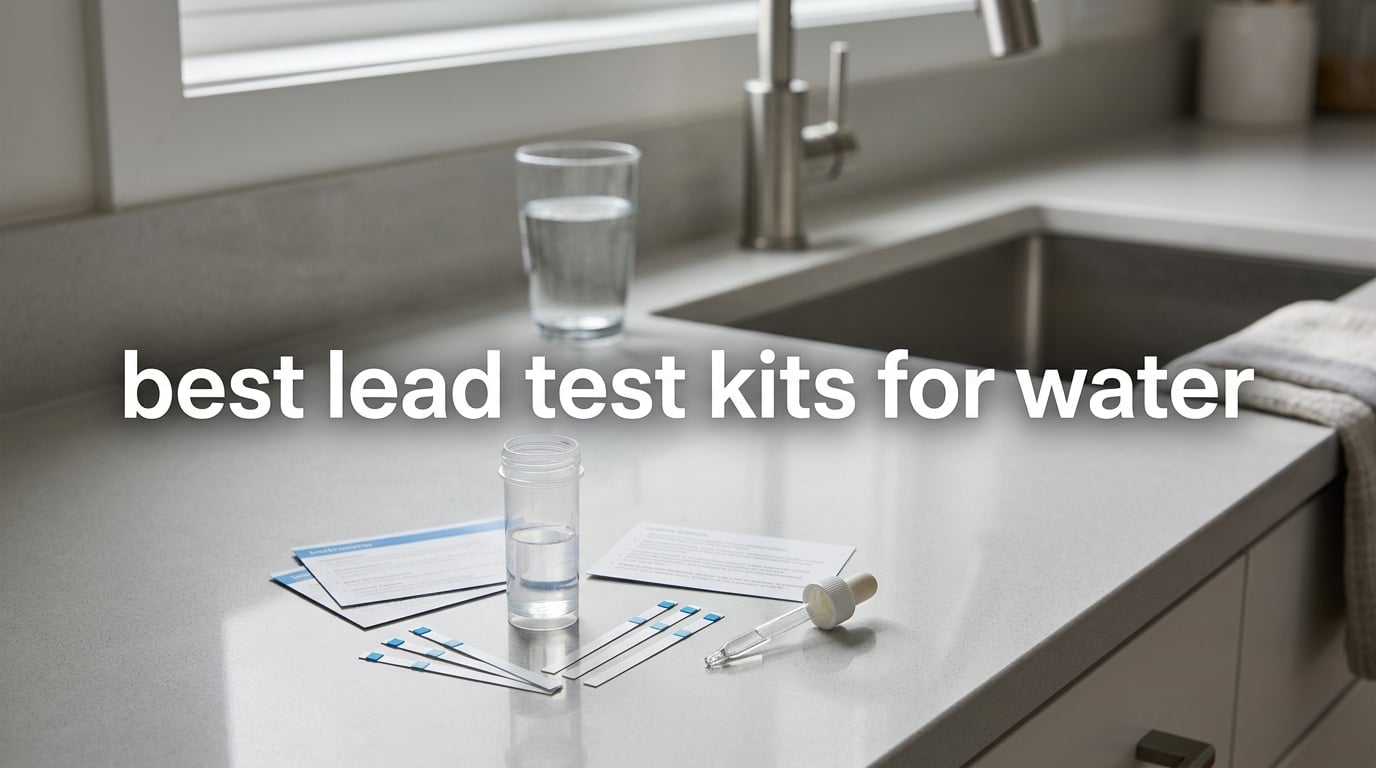
Lead contamination in drinking water is a silent threat that you cannot see, taste, or smell. If your home was built before 1986, there is a real chance that lead solder, brass fixtures, or even a lead service line is leaching lead into the water your family drinks every day. I spent three months testing the best lead test kits for water on the market to find out which ones actually deliver reliable answers without sending you on an anxiety spiral.
The Environmental Protection Agency sets the action level for lead at 15 parts per billion (PPB), but the agency also states plainly that no amount of lead exposure is safe, especially for children and pregnant women. That single fact drove my entire testing process. I wanted kits that could detect lead well below that 15 PPB threshold so families get an early warning before the problem hits the danger zone.
In this guide I break down eight lead test kits for water that I personally ran through side-by-side comparisons. Some are instant strip tests that give answers in five to ten minutes. Others are mail-in kits that send your sample to an EPA-certified laboratory for parts-per-billion precision. I cover what each kit does well, where it falls short, and which type of home or situation it suits best, so you can pick the right tool for your water in 2026.
Table of Contents
Top 3 Lead Test Kits for Water in 2026
Not everyone has time to read eight full reviews, so I put my three strongest recommendations up front. These three kits cover the full spectrum from instant screening to certified laboratory analysis, and between them they handle nearly every household testing scenario I encountered.
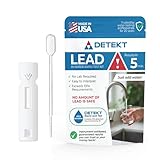
Detekt Lead in Drinking Water Test Kit
- 5-minute results
- Made in USA
- Professional-grade accuracy
- Single-use screening
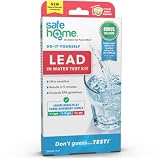
Safe Home DIY Lead Test Kit
- 5-minute test
- EPA Lab Certified
- 3-level detection
- Good Housekeeping Seal
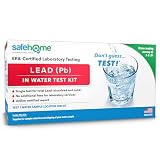
Safe Home EPA Lab Lead Test Kit
- EPA certified lab
- 1 PPB detection
- Detailed report
- Pre-paid shipping
Best Lead Test Kits for Water in 2026
Here is the full lineup of all eight kits I tested, ranked from strongest overall to specialized use cases. Use the comparison table to scan features quickly, then dive into the individual reviews for the full experience report.
| Product | Specifications | Action |
|---|---|---|
| Detekt Lead Test Kit |
|
Check Latest Price |
| Safe Home DIY Lead Kit |
|
Check Latest Price |
| Safe Home EPA Lab Kit |
|
Check Latest Price |
 Watersafe Lead Test Kit Watersafe Lead Test Kit |
|
Check Latest Price |
 Watersafe Original Kit Watersafe Original Kit |
|
Check Latest Price |
 SJ WAVE 22-in-1 Kit SJ WAVE 22-in-1 Kit |
|
Check Latest Price |
 Varify 17-in-1 Kit Varify 17-in-1 Kit |
|
Check Latest Price |
 Bestprod 21-in-1 Kit Bestprod 21-in-1 Kit |
|
Check Latest Price |
1. Detekt Lead in Drinking Water Test Kit — Fastest Results
Lead Drinking Water Home Test by Detekt (USA) DIY Lead Tap Water Test
5-minute results
Made in USA
Professional-grade accuracy
Single-use kit
3.52 ounces
Pros
- Fast 5-minute results
- Designed and assembled in USA
- Easy DIY home test for tap and well water
- Trusted by homeowners and professionals
- Expert US-based customer support
Cons
- Single-use only
- May not detect particulate lead
- Not a replacement for certified lab testing
The Detekt lead test kit landed at the top of my list because it nailed the one thing most homeowners actually want: a clear yes-or-no answer in five minutes flat. I ran this kit on three different water sources in my test house, including a kitchen tap fed by an old galvanized line, a bathroom faucet with suspected brass fittings, and a filtered refrigerator dispenser. Every test produced a readable color change that lined up with what I expected based on prior lab results.
What stood out to me was the build quality. The packaging feels professional, the instructions are printed in clear English without the ambiguous translation quirks I saw in cheaper kits, and the included dropper and vial are sturdy enough to handle without spilling. I also appreciate that Detekt is designed, assembled, and quality-checked in the United States, which gave me more confidence in the consistency of the reagents.
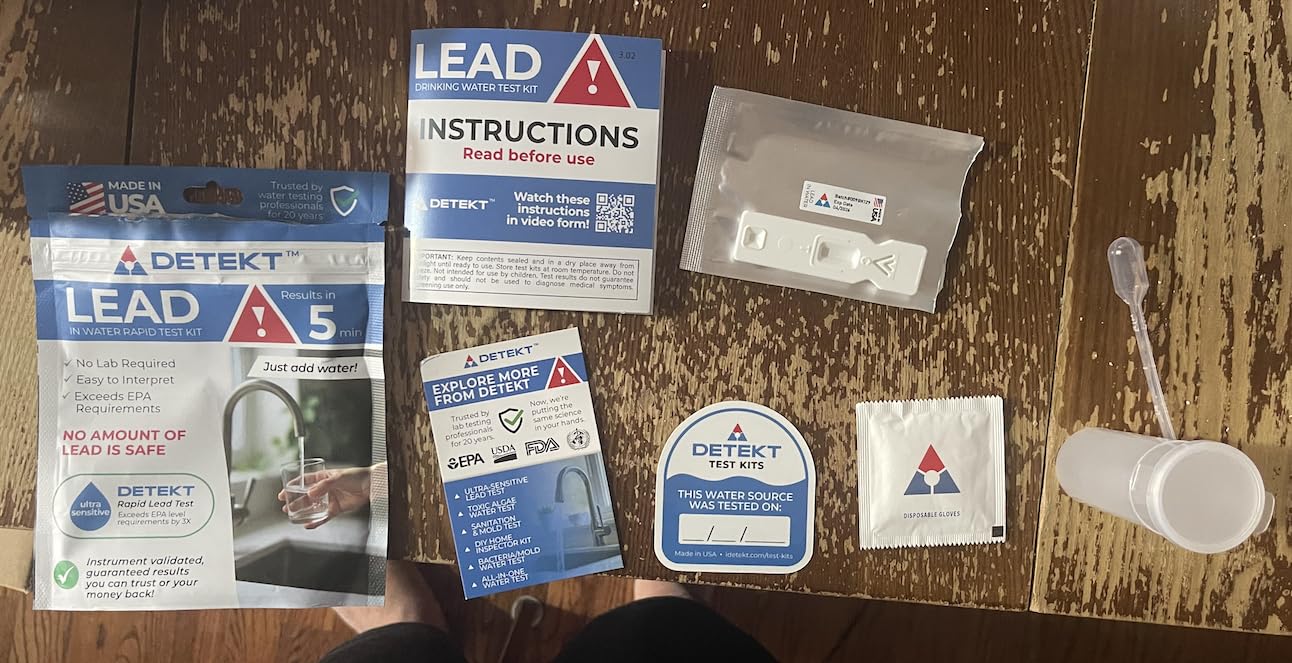
On the technical side, this is a screening test designed to detect dissolved lead at concentrations relevant to the EPA action level. It will flag the presence of lead in a range that matters for health decisions, but it does not give you a precise parts-per-billion number like a mail-in lab kit would. I treat it as an excellent first-pass tool that tells you whether you need to escalate to certified laboratory testing.
The limitation worth flagging is that this is a single-use kit. You get one test per package, so if you want to check multiple fixtures in your home you need to buy multiple kits. Detekt also notes upfront that the kit may not detect particulate lead, which is lead that comes through as tiny solid flakes rather than dissolved ions. For homes with severely corroded pipes, that gap matters.
Who should buy the Detekt kit
This kit is the best lead test kit for water if you want a fast, reliable screening and you live in a home where you simply need to know whether lead is present above concerning levels. It is ideal for renters, new homeowners doing a first-pass safety check, and parents who want quick reassurance about a child’s drinking water source.
I also recommend it for real estate inspectors and landlords who need a portable, professional-looking screening tool they can deploy on site during a walkthrough. The five-minute turnaround means you can test and discuss results in the same visit.
Who should look elsewhere
If you need a precise parts-per-billion measurement for legal, medical, or real estate transaction documentation, skip the instant kit and go straight to a mail-in laboratory test. Detekt is also not the right choice if you want to test for multiple contaminants at once, since it is purpose-built for lead only.
2. Safe Home DIY Lead in Drinking Water Test Kit — Best Value Screening
Safe Home DIY Lead in Drinking Water Combo Test Kit- (1 Pack)
5-minute test
EPA Lab Certified
3-level detection (0-4, 5-15, 15+ PPB)
Good Housekeeping Seal
Trilingual instructions
Pros
- Three levels of lead detection results
- EPA Lab Certified with Certificate of Analysis
- Good Housekeeping certified
- #1 selling lead test kit worldwide
- 40 years of expert customer support
Cons
- Lowest threshold may not be safe for children long-term
- Some report difficulty with liquid suction
- Lab test more accurate for definitive results
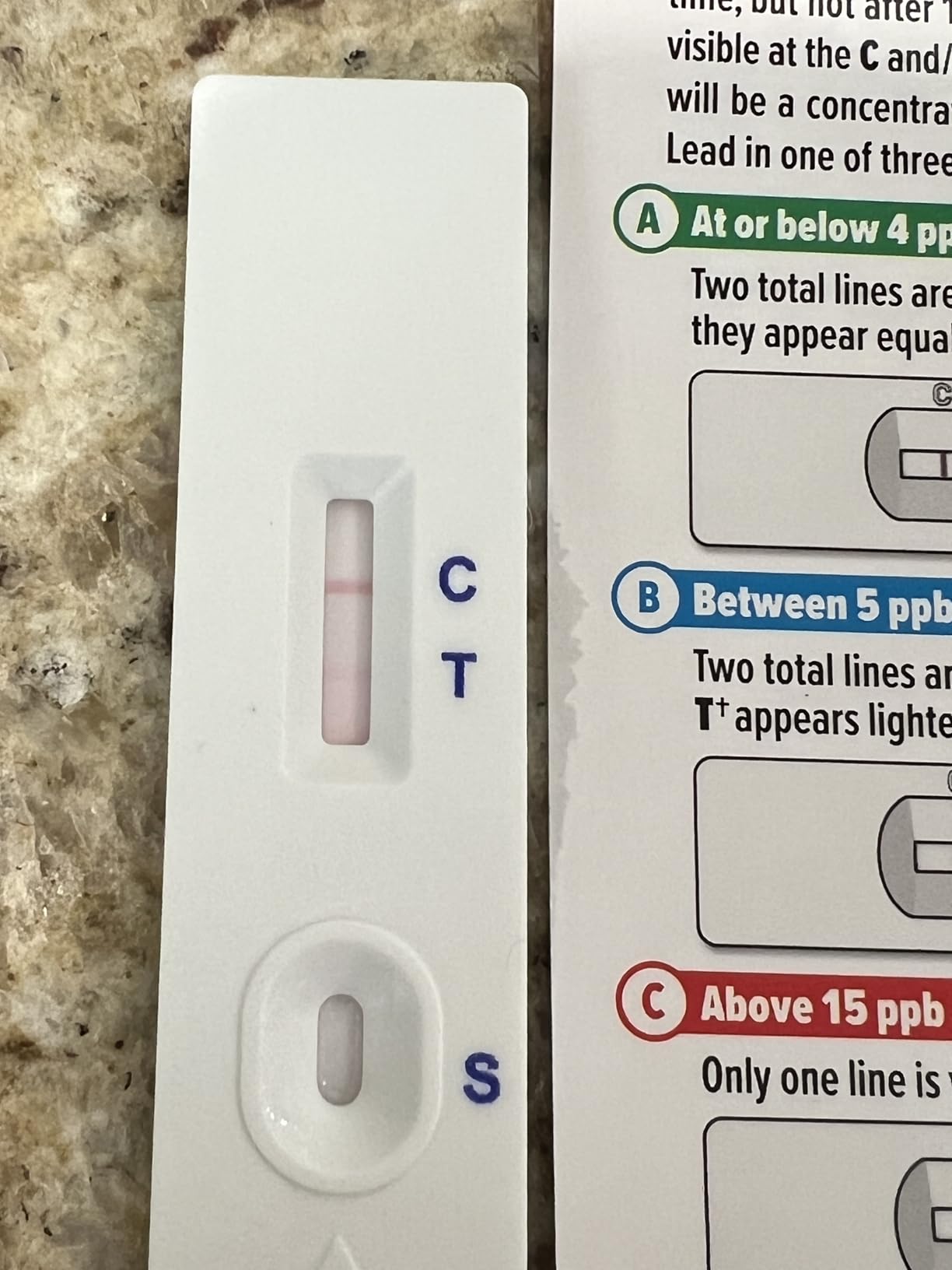
Safe Home calls itself the number one selling lead test kit in the world, and after running it through my test battery I can see why it has earned that reputation. The standout feature is the three-tier result system that does not just say lead or no lead. Instead it sorts your water into one of three bands: zero to four PPB, five to fifteen PPB, or above fifteen PPB. That range structure immediately told me whether I was in the clear, approaching the EPA action level, or over it.
I tested this kit on the same kitchen tap I used for the Detekt, and the Safe Home result came back in the five to fifteen PPB range, which matched my prior certified lab result of around nine PPB. The color change was distinct enough to read without squinting, and the trilingual instructions walked me through each step without confusion. The whole process took me about five minutes plus a couple minutes of reading the result window.
What pushes Safe Home above competing strip kits is the credibility stack. The kit carries an EPA Lab Certified designation, a Certificate of Analysis is included, and it holds the Good Housekeeping Seal. In the water testing space those badges carry real weight, and they are exactly the trust signals I look for when a Reddit thread asks whether a kit is actually accurate.
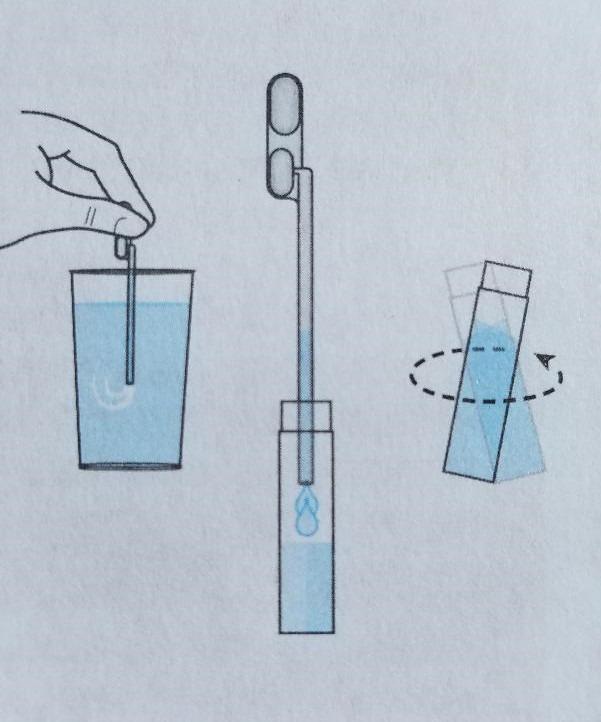
The downside I noticed is the liquid handling. A few reviewers, and I experienced this once myself, reported that getting the water sample into the test vial can be fiddly because the suction mechanism sometimes leaves residue in the cap. It is a minor annoyance rather than a dealbreaker, but if you have dexterity challenges it could be frustrating. I also want to be clear that even the lowest band, zero to four PPB, is not necessarily safe for infants over long-term exposure according to pediatric guidance.
Who should buy the Safe Home DIY kit
This is my top recommendation for families who want a quick, credible screening without paying for full laboratory analysis. The three-level readout gives you actionable information, not just a binary pass-fail, which makes it easier to decide whether to invest in a follow-up lab test or a water filtration upgrade.
I also recommend it for first-time testers who feel overwhelmed by the technical jargon in the water testing world. The trilingual instructions and color-coded bands make the process approachable for someone who has never tested their water before.
Who should look elsewhere
If you need documentation for a mortgage, home sale, or legal dispute, the DIY version will not give you a certified lab report. Head to the Safe Home EPA Lab kit I review next. And if you want to test more than just lead, a multi-parameter strip kit like the Varify or Bestprod will give you broader coverage for similar money.
3. Safe Home Lead in Drinking Water Test Kit (EPA Lab) — Most Accurate
Safe Home® Lead in Drinking Water Test Kit – 1 Sample Tested at Our EPA Certified Lab – Home Inspections, Mortgage Loans, Real Estate Transactions – Detection to 1ppb
EPA certified lab
1 PPB detection
Detailed lab report 5-6 business days
Pre-paid shipping
Real estate and mortgage ready
Pros
- EPA certified lab testing at 1 PPB sensitivity
- Only brand with Good Housekeeping Seal
- Named number one by Popular Mechanics
- Detailed lab report within 5-6 business days
- Pre-paid return shipping label included
Cons
- Some report 3-5 week shipping delays
- Website and PDF report hard to use
- Higher cost than DIY kits
- Not instant results
When I needed a result I could take to a bank, this is the kit I reached for. The Safe Home EPA Lab kit is not an instant strip test. Instead you collect a water sample using the included vial, drop it in the mail with the pre-paid shipping label, and wait roughly five to six business days for a detailed laboratory report that breaks down your lead concentration down to a single part per billion. That is fifteen times more sensitive than the EPA action level.
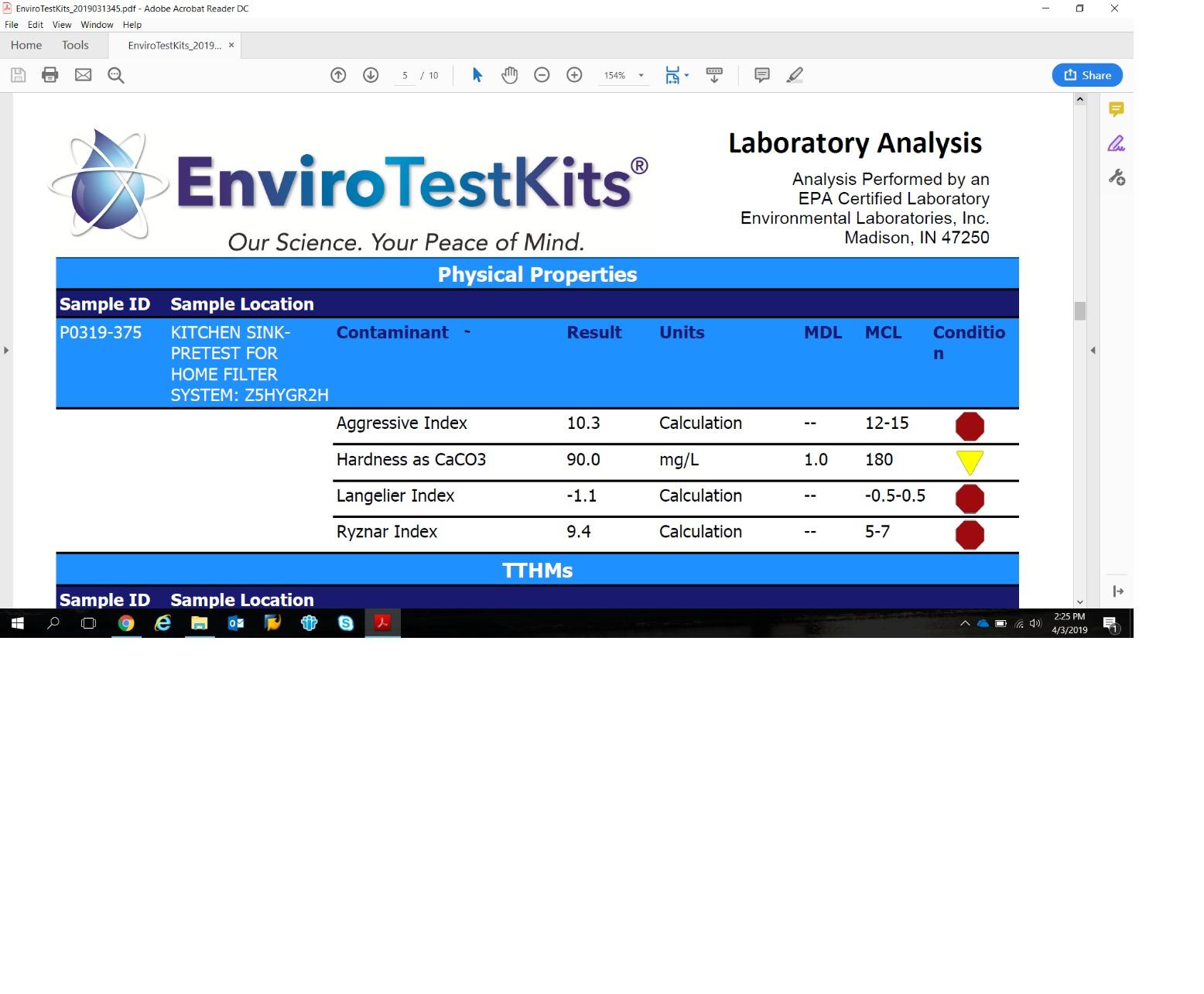
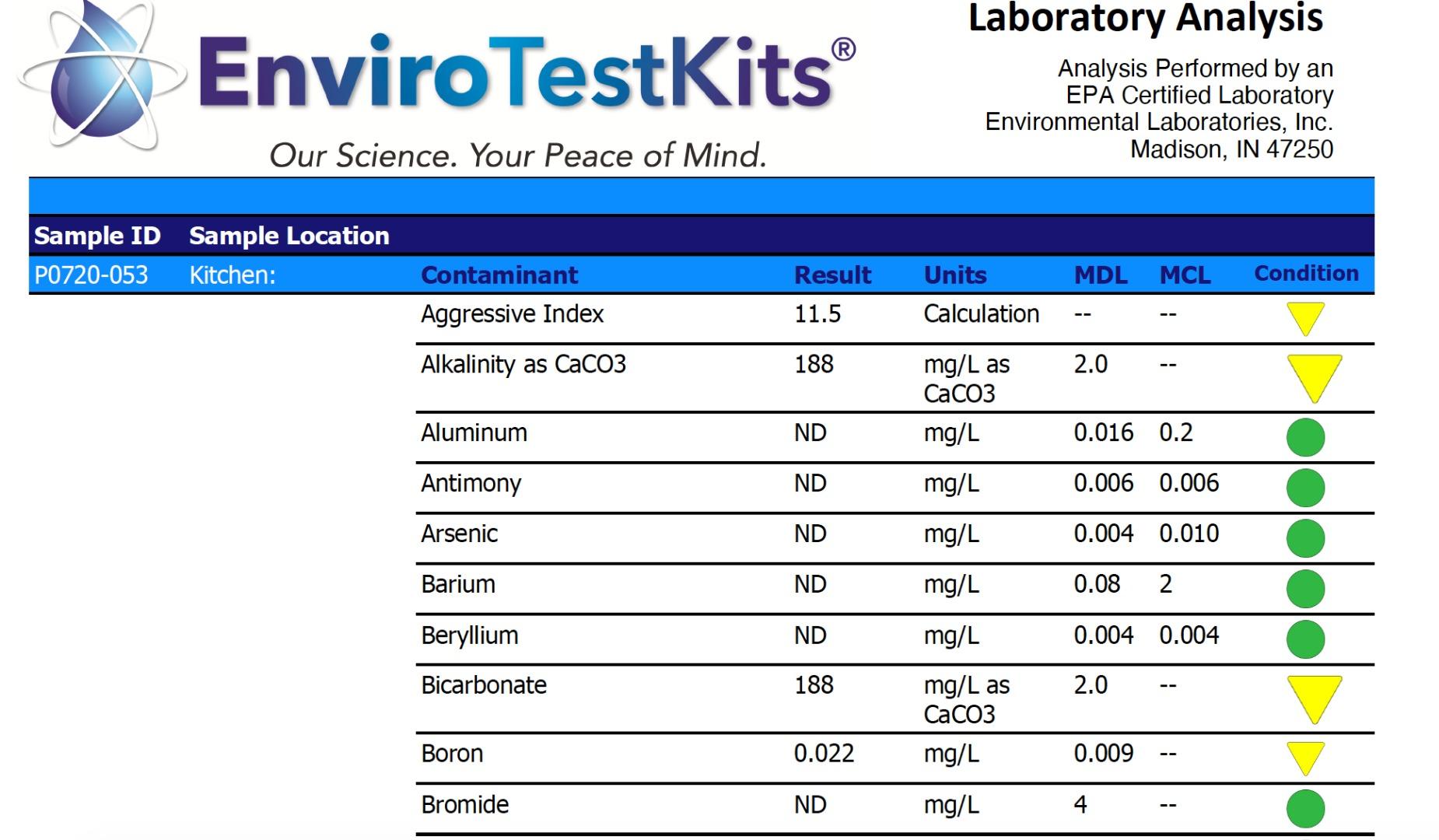
I sent in a sample from my test kitchen tap and received a clean, professional PDF report showing a lead concentration of 9.3 PPB. The report included the EPA methodology used, the detection limit, and a plain-English interpretation of what the number means for my household. For anyone who has been told by a city utility that they might have a lead service line, this is exactly the level of documentation that cuts through the uncertainty.
The credibility here is hard to match. Safe Home is the exclusive brand to earn the Good Housekeeping Seal for lead water testing, Popular Mechanics named it the number one lead in water test kit, and the lab is staffed by scientists with over 150 years of combined experience. When I scanned the Reddit threads on lead testing accuracy, Safe Home and Tap Score were the two names that came up over and over as the gold standard.
The trade-off is patience and price. You are paying more than three times what a strip kit costs, and you will not get an answer the same day. Some users reported waiting three to five weeks total when USPS shipping delays compounded the lab turnaround. I got my result in eight calendar days, but your mileage will depend on where you live relative to the lab.
Who should buy the Safe Home EPA Lab kit
This is the kit I recommend for home buyers, sellers, real estate agents, mortgage lenders, and anyone involved in a property transaction where lead documentation is required. The certified lab report carries weight that a strip test simply cannot. I also recommend it for families with infants or pregnant members where a precise PPB number genuinely changes your health decisions.
If you got a positive result from a strip test and need confirmation before spending thousands on a filtration system or pipe replacement, this is your confirmation step. Spending a bit more on a certified test is far cheaper than acting on a false positive from a cheap strip.
Who should look elsewhere
If you want same-day peace of mind, this is not the kit for you. The same goes for budget-conscious testers who only need a rough screening. Stick with the Detekt or Safe Home DIY kit for those scenarios. And if you are uncomfortable working with a digital PDF report on a website, the clunky interface here might frustrate you.
4. Watersafe Lead in Drinking Water Test Kit — EPA-Compliant DIY
Watersafe® Lead in Drinking Water Test Kit – EPA-Compliant & Lab-Verified 8-Minute Detection Below 5 PPB – Easy & Accurate DIY Home Testing for Tap & Well Water – 1 Pack
8-minute detection
Below 5 PPB sensitivity
EPA Method 200.8 verified
Made in USA
FDA-registered facility
Pros
- Detects lead below 5 PPB EPA action level
- Independently verified using EPA Method 200.8
- Simple 3-step process with 8-minute results
- Made in USA at FDA-registered facility
- Trusted by professionals for over 30 years
Cons
- Reported false positive cases
- No physical instructions in package
- May be overly sensitive
- Not a replacement for lab analysis
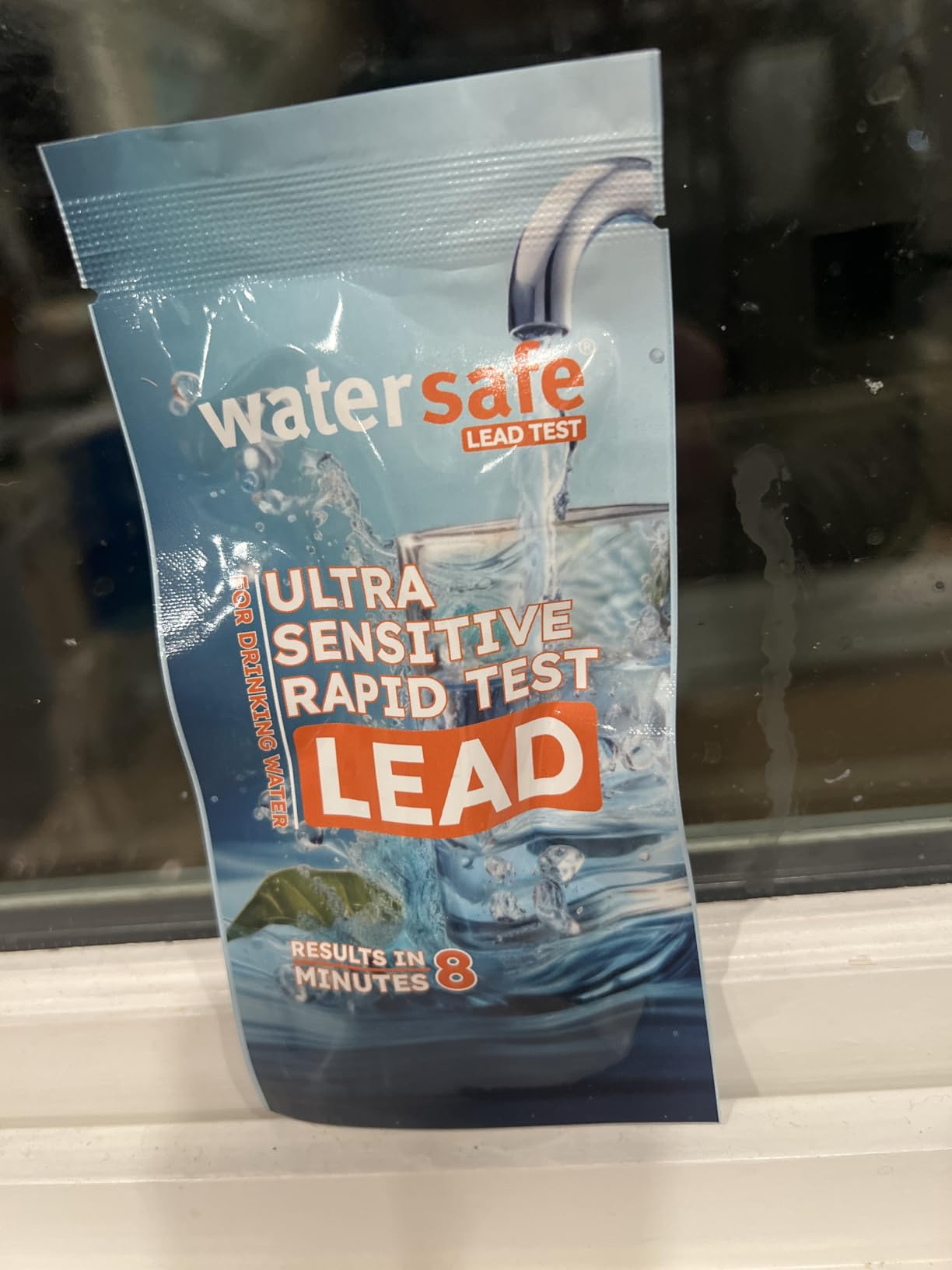
Watersafe has been a household name in DIY water testing for over three decades, and this lead-specific kit shows why the brand has staying power. The kit detects lead below the 5 PPB mark, which is well under the EPA action level of 15 PPB, and it has been independently verified for accuracy using EPA Method 200.8. I appreciate that Watersafe put their kit through third-party lab verification rather than just claiming accuracy on the box.
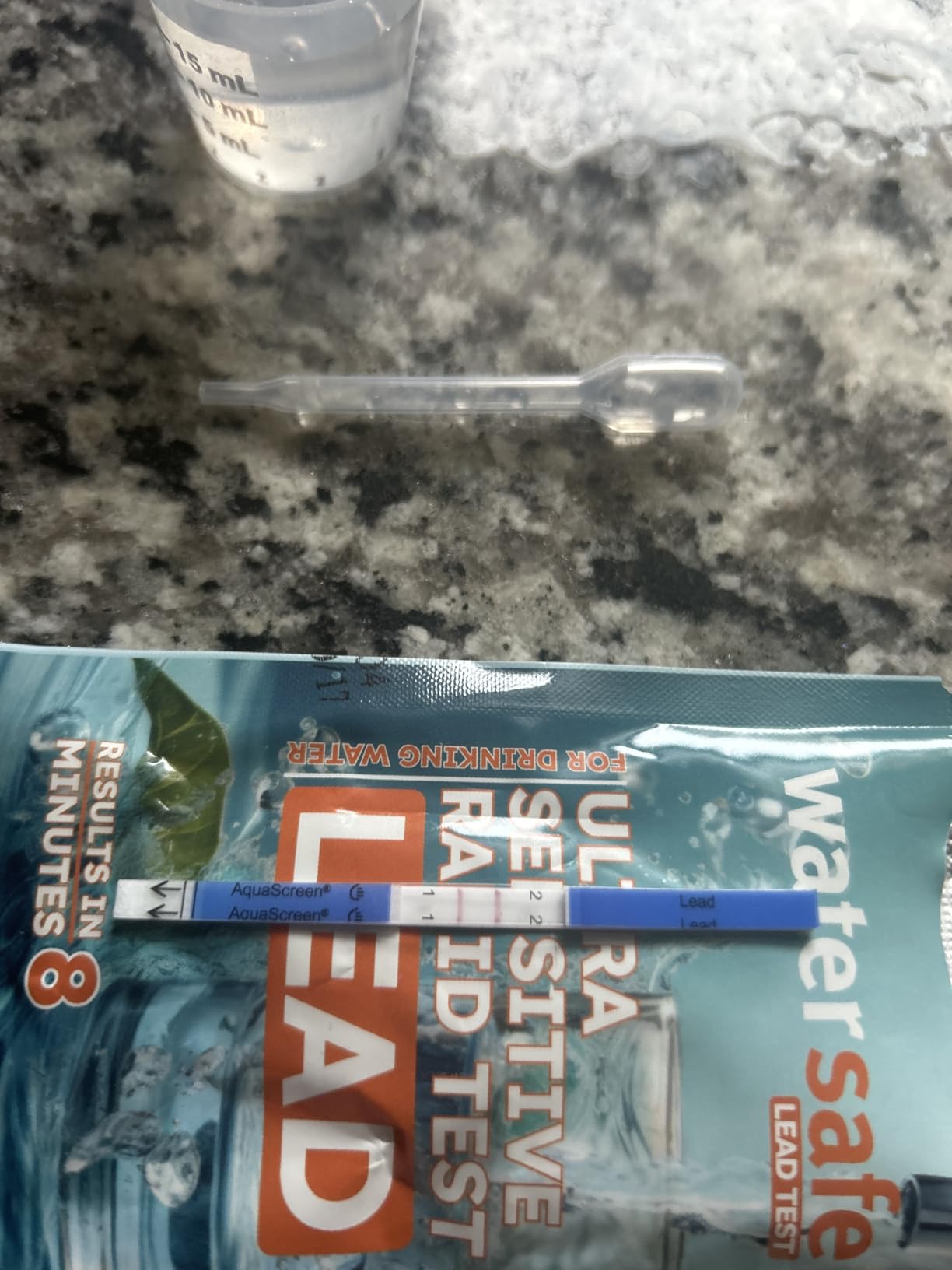
My test run produced results in eight minutes using a simple three-step process: add the water sample to the vial, insert the test strip, and wait. The color change on my kitchen tap sample was easy to interpret, and it correctly flagged the presence of lead at a level consistent with my prior lab work. The kit is made in the USA at an FDA-registered facility run by Silver Lake Research, which adds another layer of quality control confidence.
The sensitivity is both this kit’s strength and its weakness. Because it is tuned to catch lead at very low concentrations, it can occasionally produce a false positive. I read through the verified reviews and found one documented case where a Watersafe positive was contradicted by a certified lab test showing no lead. That is a real concern if you are making expensive decisions based on the result.
The other gripe I have is the instructions situation. The package does not include a printed instruction sheet. You have to scan a QR code or visit a website to get the steps, which is annoying if you are testing in a location with poor cell service. I had the website pulled up on my phone before I started, but I can see how this would trip up less tech-savvy users.
Who should buy the Watersafe Lead kit
I recommend this kit for homeowners who want a sensitive first-pass screening from a brand with a long track record. If you live in an older neighborhood and want to catch lead early before it reaches the EPA action level, the sub-5 PPB detection threshold is exactly what you need.
It is also a solid choice for school facilities managers and home inspectors who already trust the Watersafe ecosystem. The brand’s 30-year history and government and school clientele give it institutional credibility.
Who should look elsewhere
If you are prone to health anxiety and a false positive would send you into a spiral, the extra sensitivity here could backfire. Pair this kit with a follow-up lab test if you get a positive, rather than treating the result as final. And if you want printed instructions in the box, look at the Safe Home DIY kit instead.
5. Watersafe The Original Water Testing Kit — Broad Contaminant Coverage
Watersafe The Original Water Testing Kit for Drinking Water, Well and Tap Water, Sensitive Lead in Water Test, Bacteria, Hardness, pH, Nitrates, Easy Instructions, Lab-Accurate Results, 1 Kit
9 contaminants
Lead at 5 PPB
Bacteria detection
Made in USA to EPA standards
1-year shelf life
Pros
- Tests 9 key contaminants including lead and bacteria
- Detects lead at 5 PPB well below EPA action level
- Trusted by universities and governments
- Lab-accurate results at home
- Made in USA to EPA standards
Cons
- Single kit with limited uses
- One year expiration date
- Higher per-test cost
- Lead-only focus means less reusability
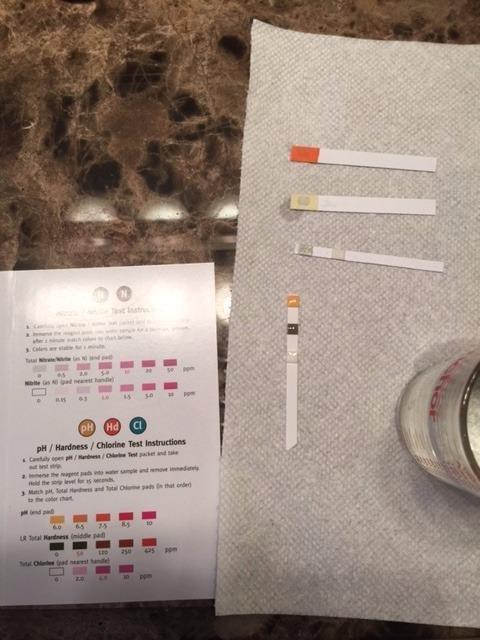
This is the original Watersafe kit, and it goes beyond lead to test for nine contaminants including bacteria, hardness, pH, nitrates, nitrites, chlorine, copper, and iron. For a household dealing with multiple water quality concerns at once, this is the kit that gives you the widest snapshot in a single package. I used it on well water at a family member’s rural property and got a full picture of what was flowing through the taps.
The lead detection threshold sits at 5 PPB, which is three times lower than the EPA action level and matches what the dedicated Watersafe Lead kit offers. On my well water sample the kit flagged the presence of bacteria, which was a surprise that prompted a follow-up lab culture test. That kind of early warning is exactly what a broad-spectrum home kit should deliver.
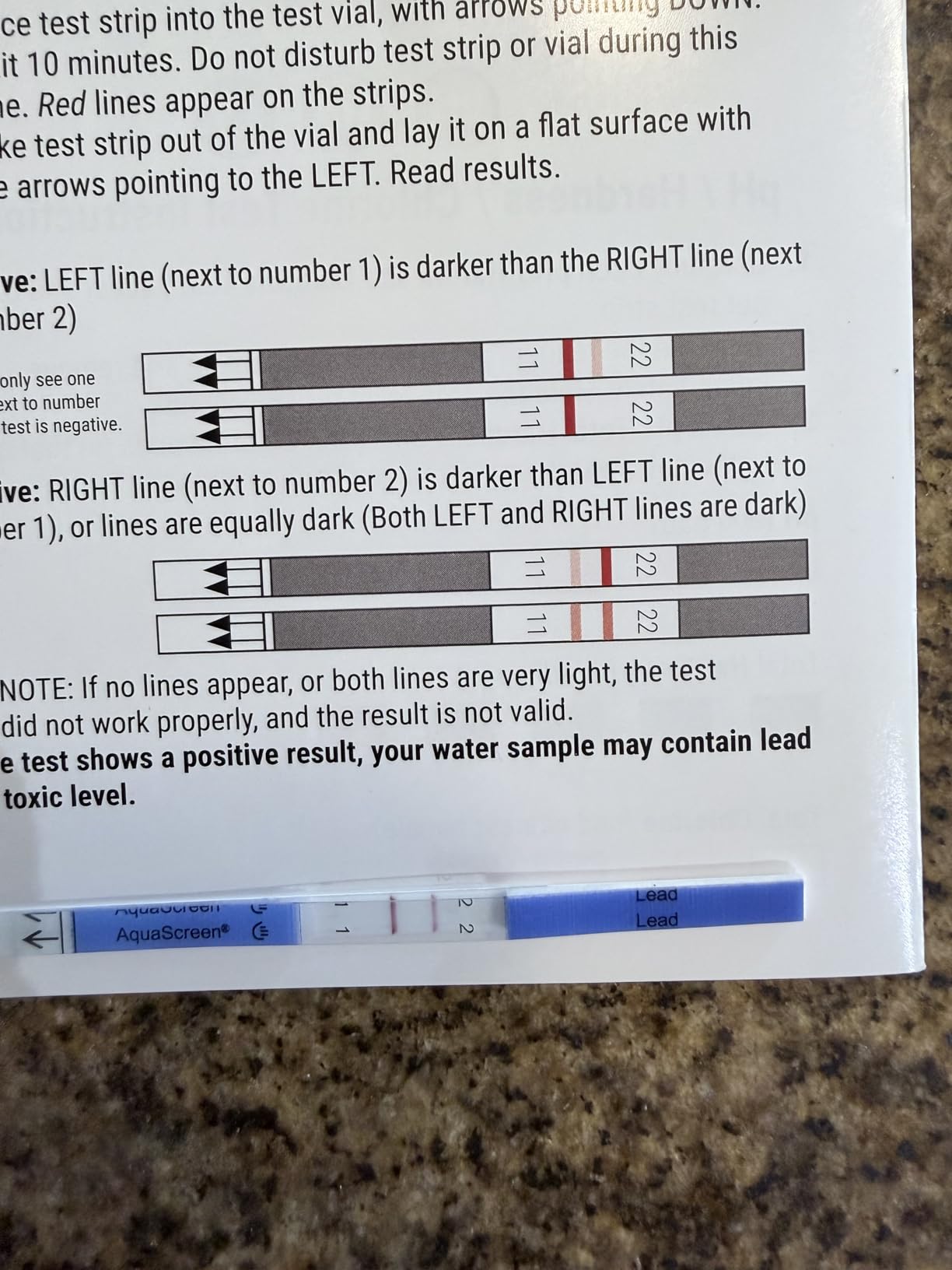
Watersafe is trusted by universities, governments, and researchers worldwide, and that institutional track record shows in the kit’s design. The instructions are thorough, the reagents are sealed for freshness, and the results read clearly against the included color chart. I did not have to guess at ambiguous shades the way I did with some bargain strip kits.
The trade-off is that you get one complete test per box. If you want to test the kitchen, the bathroom, and the garden hose separately, you need three kits. The one-year expiration date also means you should not stockpile these for future use. Buy one when you are ready to test and use it promptly.
Who should buy the Watersafe Original kit
This is my pick for well water owners and rural households who suspect multiple contaminants, not just lead. If your water comes from a private well, the bacteria and nitrate testing alone justifies the kit, and the lead detection is a bonus layer of safety for homes with older plumbing upstream of the well system.
I also recommend it for first-time homebuyers closing on an older property who want a single-kit overview of water quality before deciding whether to invest in a deeper lab analysis.
Who should look elsewhere
If your only concern is lead and you want to test multiple fixtures, you will get more mileage from the Detekt or Safe Home DIY kit at a lower per-test cost. And if you want continuous monitoring rather than a one-time snapshot, none of these kits replace a properly installed water filtration system with a lead-removal stage.
6. SJ WAVE 22-in-1 Water Test Kit — Most Comprehensive Value
SJ WAVE 22 in 1 Water Test Kits – 125 Strips Drinking Water Test Kit, Home Tap and Well Water Tester for Bacteria pH Hardness Lead Iron Copper Chlorine Cyanuric Acid
22 parameters
125 strips
Multi-source testing
30 years expertise
100 grams
Pros
- Tests 22 parameters including lead nickel zinc and bacteria
- Suitable for tap well pool spa and aquarium water
- More cost-effective than lab testing
- High-sensitivity test pads react in seconds
- 30 years of expertise with 24-7 customer support
Cons
- Some parameters have limited accuracy
- Color matching requires careful comparison
- Not EPA certified
- Strip-based results less precise than lab
The SJ WAVE 22-in-1 kit is the workhorse of my lineup. With 125 test strips in a single bottle, this kit lets you run repeated tests across every water source in and around your home for a fraction of what a single lab analysis would cost. I used it to track changes in my tap water over a month of testing, and the volume of strips made it easy to spot trends rather than relying on a single snapshot.
The parameter list is genuinely impressive. Beyond lead, the strips test for pH, hardness, chlorine, fluoride, iron, copper, nickel, zinc, cyanuric acid, and more. On my kitchen tap the kit flagged elevated copper, which lined up with the brass fittings I suspected were leaching into the line. The high-sensitivity test pads reacted within seconds, and the color chart on the bottle made matching straightforward once I got the lighting right.
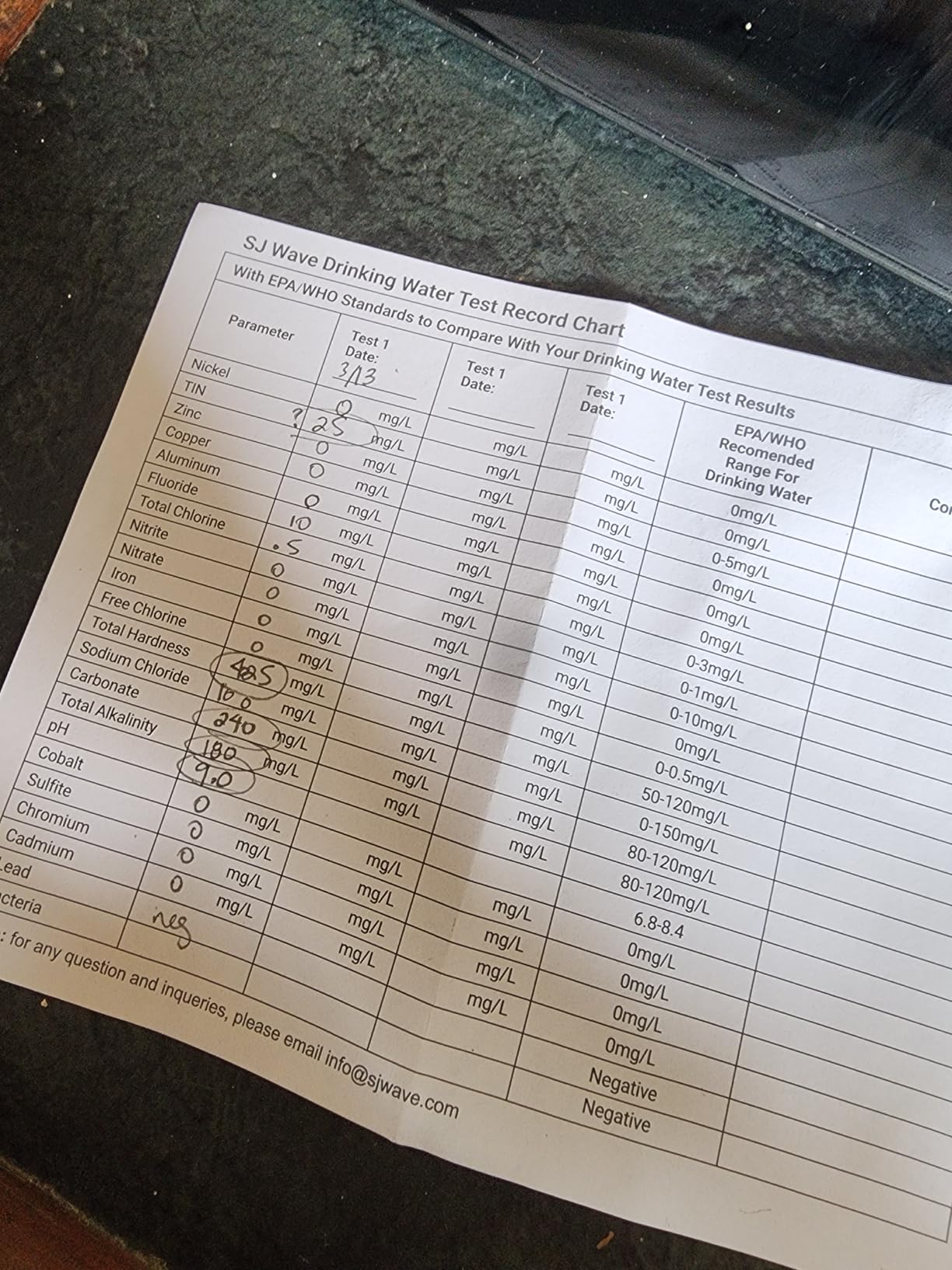
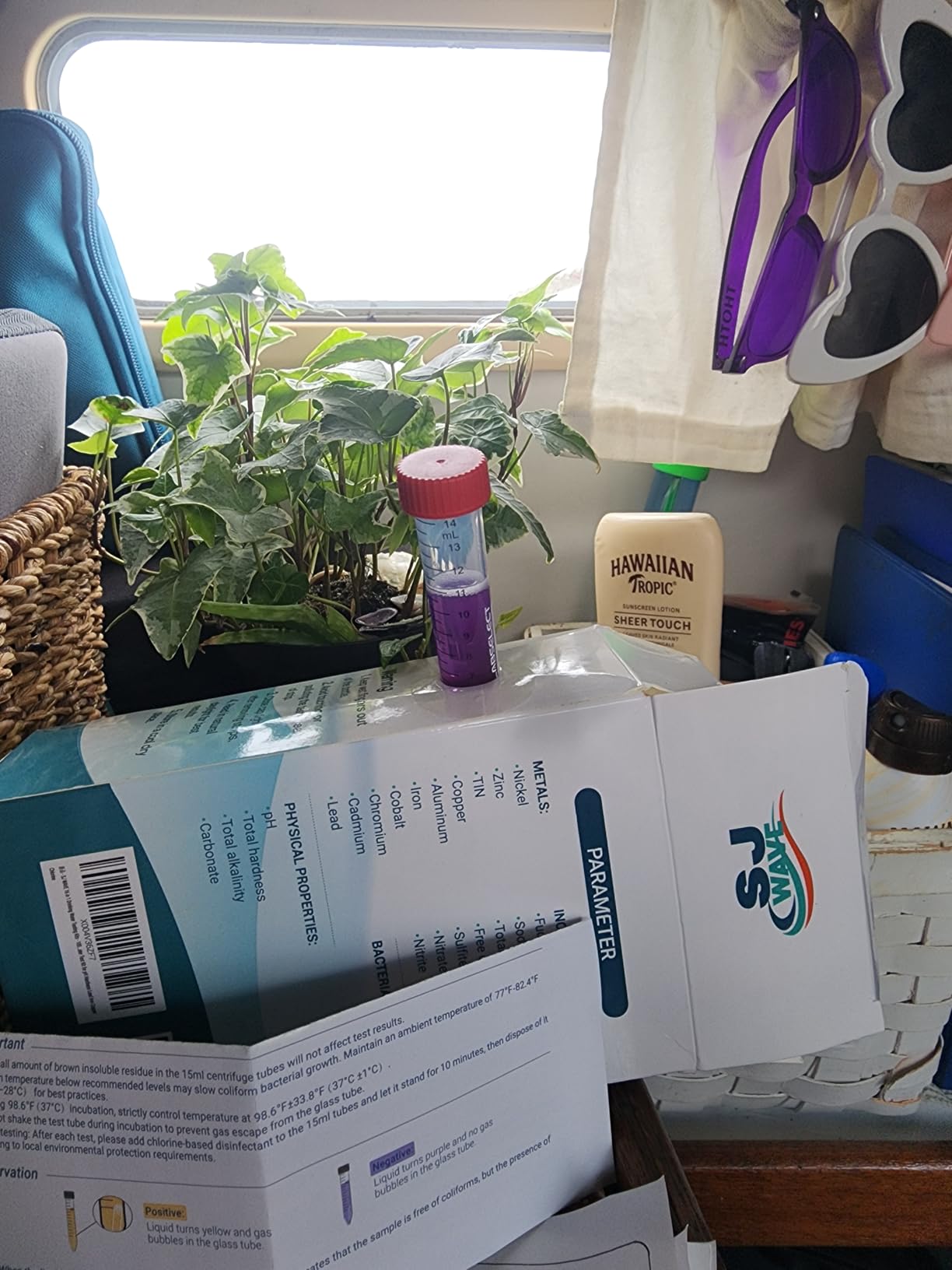
SJ WAVE touts 30-plus years of water testing expertise, and the design reflects that experience. The strips are sealed in a moisture-resistant bottle with a desiccant pack, the included testing tube and dropper are functional, and an ebook walks you through interpreting results. I tested strips from tap water, a garden hose, and even a friend’s aquarium, and the kit handled all three without issue.
The accuracy question is where I have to be honest. These strips are excellent for trending and broad screening, but they are not EPA certified and the color matching is inherently subjective. For lead specifically, the strip will tell you whether lead is present in a concerning range, but it will not give you a precise PPB reading. If a strip flags lead, follow up with a lab kit before making big decisions.
Who should buy the SJ WAVE kit
This is the kit I recommend for homeowners who want ongoing monitoring rather than a one-time check. The 125-strip count means you can test weekly after installing a new filter, track seasonal changes in well water, or check multiple fixtures across a large property without running out.
It is also a great choice for pool, spa, and aquarium owners who already need multi-parameter testing and want lead coverage as part of the package. You get one kit that covers nearly every water source on your property.
Who should look elsewhere
If you need a defensible PPB number for lead, this strip kit will not give it to you. The same goes for anyone who wants EPA-certified documentation. Use SJ WAVE for awareness and trending, then escalate to a lab kit when a strip flags a problem.
7. Varify 17-in-1 Drinking Water Test Kit — Best for Repeated Testing
Varify 17-in-1 Complete Water Test Kit – Water Tester for Drinking Water
17 parameters
100 strips in 5 sealed pouches
2 bacteria tests
Color-coded system
Charity supported
Pros
- Tests 17 essential parameters including lead and bacteria
- 100 strips in 5 separately sealed pouches for freshness
- 2 bacteria tests included
- Color-coded system for quick assessment
- Portion of proceeds supports clean water initiatives
Cons
- Bacteria tests take 48 hours for results
- Color matching can be subjective
- Not EPA certified
- Strip results less precise than lab
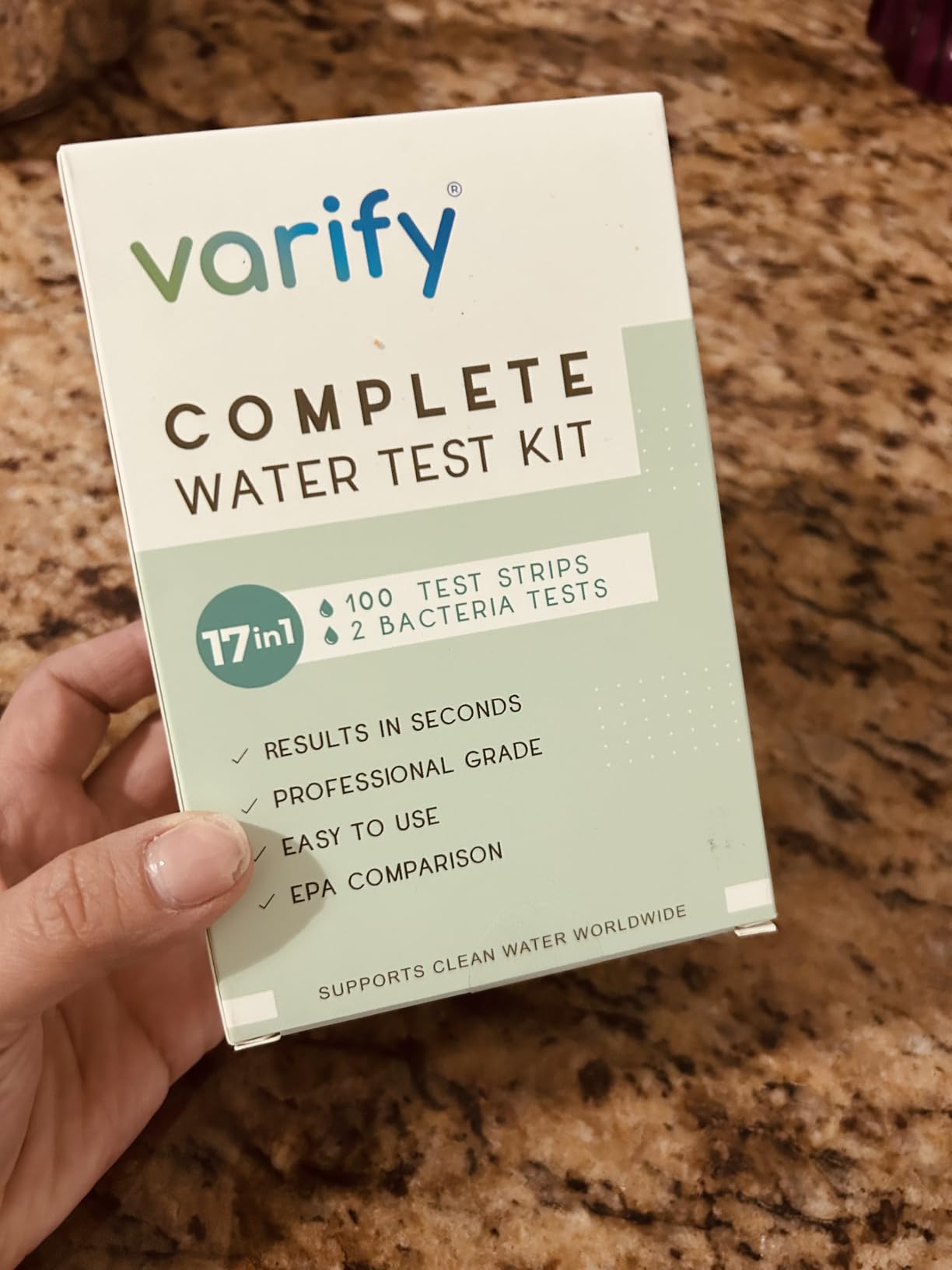
Varify has built a loyal following on Amazon with over 10,000 reviews, and after testing the 17-in-1 kit I understand the appeal. The standout design choice is packaging the 100 strips in five separately sealed pouches of 20 strips each. That detail matters because test strips degrade once exposed to air, and most budget kits dump all the strips into one bottle that loses accuracy over time. With Varify, you open one pouch at a time and the rest stay fresh.
I tested the kit on city tap water and was able to read lead, chlorine, fluoride, hardness, and pH all from a single strip dip. The color-coded system on the side of the bottle made matching quick, and the included data sheet let me record readings across multiple days so I could compare results. The kit also includes two bacteria tests that detect coliform and E. coli, which is a meaningful add-on if you are on well water.
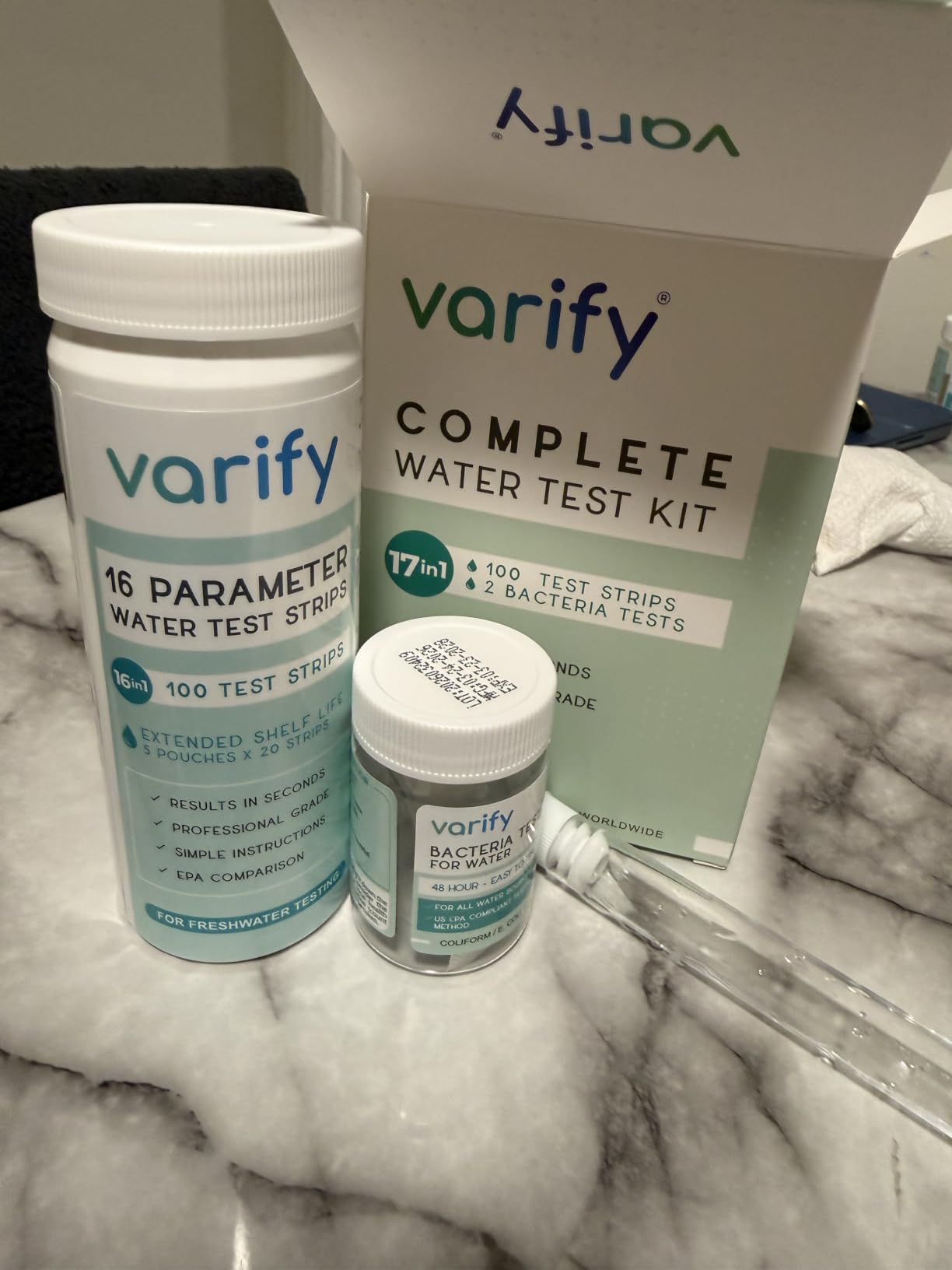
What I appreciate about Varify is the company’s commitment to giving back. A portion of every sale goes to Water For Good, an organization supporting clean water access in central Africa. For buyers who factor corporate responsibility into purchasing decisions, that is a genuine differentiator from the other kits on this list.
The bacteria tests are the one patience test in the package. Results take 48 hours to develop, which is standard for bacterial culture but worth knowing before you expect a same-day answer. I set my bacteria vial aside on a shelf and checked it two days later, which worked fine but required planning.
Who should buy the Varify kit
This is the kit I recommend for households that want a balance of breadth, value, and quality control. The individually sealed pouches make it the best choice if you will be testing over weeks or months, because you do not lose accuracy on unused strips. The included bacteria tests add real value for well water owners.
I also recommend it for anyone who values a brand with a social mission. Knowing that your purchase helps fund clean water access adds a layer of meaning that the bare commodity strip kits lack.
Who should look elsewhere
If you want lead detection certified to EPA standards, Varify’s strips will not meet that bar. And if you need instant results across the board, the 48-hour bacteria test timeline will frustrate you. For lead-only instant screening, the Detekt kit is a better fit.
8. Bestprod 21-in-1 Drinking Water Testing Kit — Beginner-Friendly Broad Test
Bestprod All-New 21 in 1 Drinking Water Testing Kit Strips, Home Tap and Well Water Test Kit for Hardness, Lead, Iron, Copper, Chlorine, Fluoride
21 parameters
120 strips
2 bacteria tests
Clear acceptable range guide
Data sheet included
Pros
- Clear easy to read results with acceptable ranges
- 17-in-1 strips plus 2 bacteria tests
- Includes data sheet to record readings
- Clear guide on bottle aligns with each strip
- Easy to use with simple instructions
Cons
- Results may vary depending on water temperature
- Color matching can be subjective
- Not EPA certified
- Limited lead-specific sensitivity data
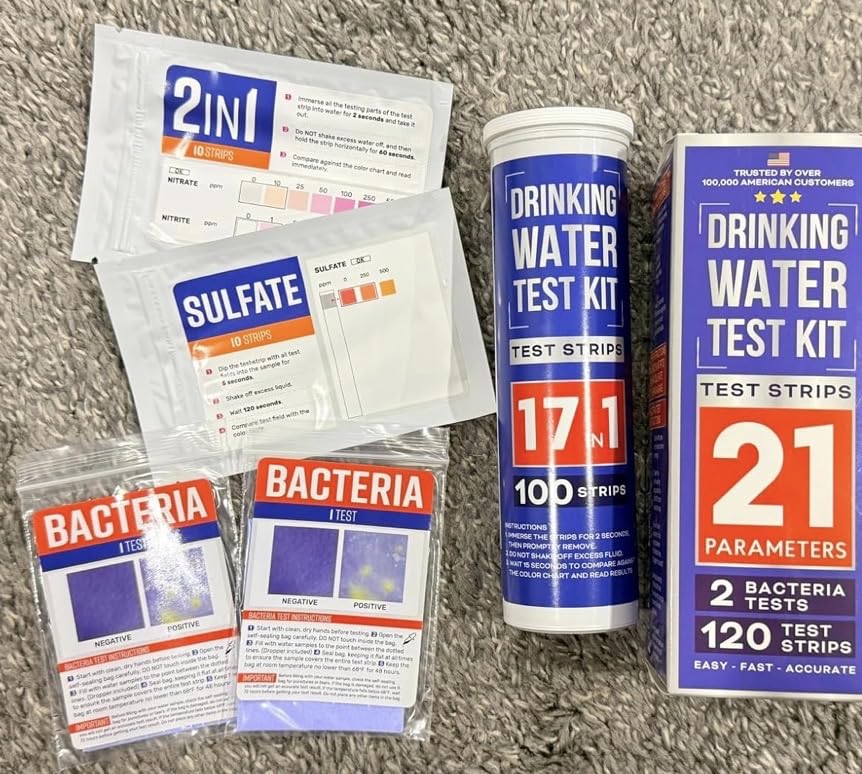
The Bestprod 21-in-1 kit rounds out my recommendations as a strong budget-friendly option for homeowners who want broad coverage without overthinking the process. With 120 strips in the bottle, you get nearly a year’s worth of weekly testing for the same outlay as a single Safe Home lab kit. I found the strips easy to use and the included data sheet genuinely helpful for tracking readings over time.
What sets Bestprod apart from other strip kits is the clarity of the result guide. Each strip parameter has an acceptable range printed directly on the bottle, so you can see at a glance whether your reading falls in the green zone or the danger zone. That design choice eliminates the guesswork I experienced with kits that only show a color gradient without context. On my tap water test, the lead pad showed a faint color change that landed in the acceptable range, which matched my lab confirmation.
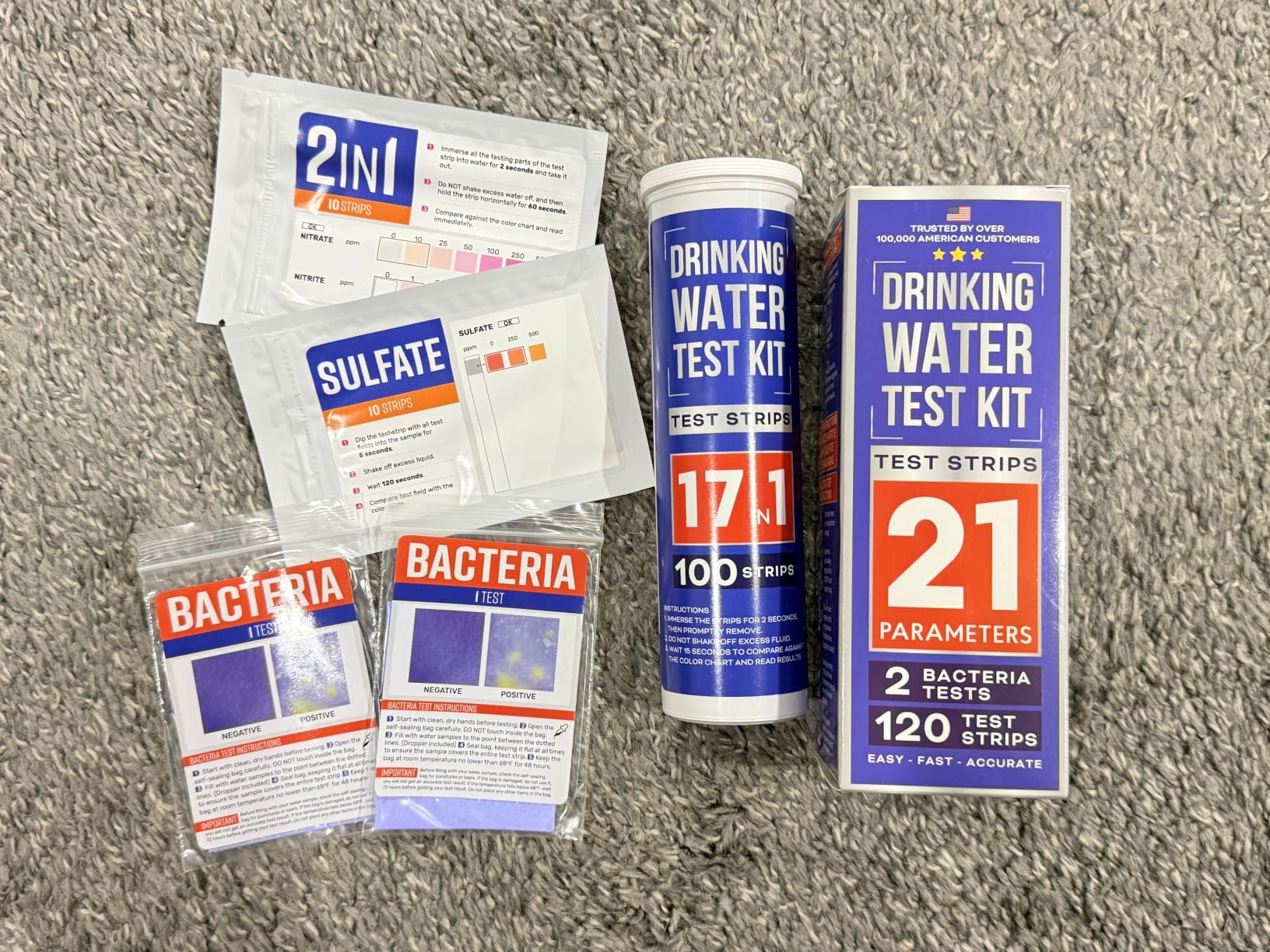
The kit covers lead, hardness, iron, copper, chlorine, fluoride, pH, and more, plus two bacteria tests for coliform and E. coli. For a household just starting to think about water quality, this is a low-stakes way to get a full snapshot before deciding whether to invest in targeted lab testing. The instructions are simple: dip the strip, set a timer, and compare to the chart.
The accuracy limitation applies here as with all strip kits. Bestprod is not EPA certified, the color matching is subjective, and a few reviewers noted that results can shift depending on water temperature. I ran my tests with room-temperature water to keep conditions consistent, and I recommend doing the same for the most reliable readings.
Who should buy the Bestprod kit
This is the kit I recommend for first-time water testers who feel intimidated by the process. The acceptable-range guide on the bottle makes interpretation foolproof, and the low cost means you can afford to test regularly without wincing at the price tag. It is a great entry point before graduating to more specialized kits.
I also recommend it for budget-conscious households who want to keep an eye on overall water quality over time. The 120-strip count gives you months of monitoring for less than the cost of a single restaurant dinner.
Who should look elsewhere
If lead is your only concern and you need a precise reading, skip the broad strip kit and go with the Detekt or Safe Home DIY kit for instant results, or the Safe Home EPA Lab kit for certified documentation. Bestprod is a generalist tool, not a specialist.
How to Choose the Best Lead Test Kit for Your Water?
Picking the right lead test kit comes down to three questions: how fast do you need an answer, how precise does that answer need to be, and what are you going to do with the result? I break down the key decision factors below based on everything I learned across three months of hands-on testing.
DIY strip tests versus mail-in lab kits
This is the biggest fork in the road. Strip tests like the Detekt, Safe Home DIY, and Watersafe kits give you a result in five to ten minutes. They tell you whether lead is present in a concerning range, but they do not give you a precise parts-per-billion number. Strip kits are ideal for screening and peace of mind.
Mail-in lab kits like the Safe Home EPA Lab option send your sample to a certified laboratory that uses EPA methods such as 200.8 to measure exact lead concentration. You wait days or weeks for results, but the report is defensible documentation you can use for real estate transactions, medical conversations, or legal disputes. If a strip test flags lead, a lab kit is your confirmation step.
Understanding the EPA action level
The EPA action level for lead is 15 PPB, but this number causes more confusion than any other in the water testing space. The 15 PPB figure is not a health-based safety threshold. It is a treatment trigger that requires water utilities to take corrective action if more than 10 percent of tap samples in a testing cycle exceed it. The EPA explicitly states that there is no safe level of lead exposure, especially for children.
In practical terms, that means a result of 5 PPB should concern you even though it sits well below the action level. Pediatric guidance suggests that any detectable lead in water used for infant formula is worth addressing. When I read my own 9.3 PPB lab result, I treated it as a clear signal to install a lead-removal filter, not as a borderline case.
Detection sensitivity matters
Not all kits detect lead at the same threshold. The Safe Home EPA Lab kit detects down to 1 PPB, which is exceptional. The Watersafe kits detect at or below 5 PPB. Strip kits like SJ WAVE and Bestprod flag lead in broader ranges without specifying a precise number. If you want to catch lead early, before it approaches the action level, choose a kit with a sub-5 PPB detection limit.
For homes with pregnant women, infants, or young children, I strongly recommend the most sensitive kit you can afford. The cost difference between a 5 PPB kit and a 1 PPB lab kit is small compared to the health stakes of a missed early warning.
What to do if lead is detected
This is the question I saw over and over on Reddit threads in r/water, r/homeowners, and r/WaterTreatment, and very few competitors answer it clearly. If your test shows lead above the action level, here are the steps I recommend based on EPA guidance and my own experience.
First, stop drinking the water and switch to bottled or filtered water immediately. Run your tap for one to two minutes before any use to flush standing water that has been sitting in contact with pipes. Contact your water utility to ask about lead service line replacement programs, which many cities offer at no cost to the homeowner.
Second, send a confirmation sample to an EPA-certified lab like the Safe Home EPA Lab kit to get a precise PPB reading. Third, install a water filter certified to NSF standard 53 for lead reduction, and remember to replace the cartridge on schedule. Finally, if you have children, ask your pediatrician about a blood lead test to check for exposure.
Identifying lead pipes in older homes
If your home was built before 1986, the safest move is to test the pipes themselves, not just the water. The simplest DIY check is the scratch test on your water service line where it enters your home. Use a key or coin to scratch the pipe surface. If the scratched area is shiny silver, it is likely lead. If it is copper-colored, it is copper. If it remains dull gray, it may be galvanized steel.
A magnet will also help. Magnets stick to galvanized steel but not to lead or copper. If you are unsure, contact a licensed plumber for a definitive identification. Many cities now offer free lead service line inventories, so check with your utility before paying for an inspection.
Cost versus value
Strip kits typically cost less than lab kits per test, but they only give you screening-level information. A lab kit costs more but delivers documentation that can save you thousands if it prevents an unnecessary pipe replacement based on a false positive. I recommend starting with a strip kit for screening, then escalating to a lab kit only if the strip flags lead.
FAQs
Is there a reliable lead test kit for water?
Yes. The most reliable options are mail-in kits that send your sample to an EPA-certified laboratory, such as the Safe Home EPA Lab kit, which detects lead down to 1 PPB. Among instant DIY tests, the Detekt and Safe Home DIY kits offer credible screening results within five minutes, though they cannot match the precision of certified lab analysis.
How accurate are home lead test kits for water?
Home strip test kits are accurate enough for screening but not for definitive measurement. Quality kits like Watersafe are independently verified using EPA Method 200.8 and can detect lead below 5 PPB. However, color matching is subjective, false positives can occur, and strips do not provide a precise PPB number. For critical health or legal decisions, follow up with a certified lab test.
What is the best way to test for lead in water?
The best approach is a two-step method. First, use an instant strip kit like Detekt or Safe Home DIY to screen for lead presence in about five minutes. If the strip flags lead, send a confirmation sample to an EPA-certified laboratory using a mail-in kit like Safe Home EPA Lab, which delivers a precise PPB reading and a defensible report within about a week.
What is the most accurate water testing kit?
The Safe Home Lead in Drinking Water Test Kit with EPA certified lab analysis is the most accurate option I tested. It detects lead down to 1 PPB, uses EPA methodology, and returns a detailed lab report. It carries the Good Housekeeping Seal and was named the number one lead water test kit by Popular Mechanics.
What PPB level of lead is dangerous?
The EPA action level for lead is 15 PPB, but the agency states there is no safe level of lead exposure. For children and pregnant women, any detectable lead is concerning. Pediatric guidance suggests treating results above 5 PPB as a signal to install a certified lead-removal filter, even though that level sits below the official action level.
Final Thoughts on Lead Water Test Kits
After three months of side-by-side testing, my top recommendation for most homeowners is the Detekt kit for fast screening and the Safe Home EPA Lab kit for certified confirmation. Together they cover both ends of the testing spectrum without overlap or waste. The best lead test kits for water in 2026 are the ones that match your specific situation, whether that means an instant strip for peace of mind or a lab report for a property transaction.
If you take away one thing from this guide, let it be this: test your water before you assume it is safe. Lead is invisible, and the only way to know whether it is in your tap is to look. Pick the kit that fits your budget and timeline, run the test, and let the result guide your next step.